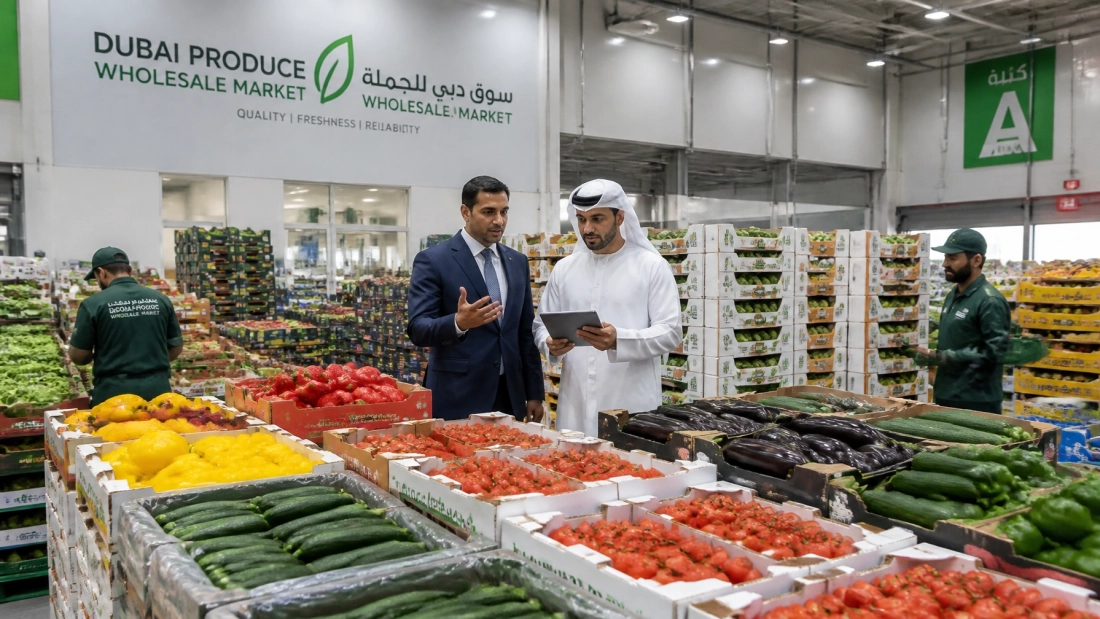
4i28Y3QS-Z-1100x619

Verified Buyer & Exporter Authority Series: The Mid-August Import Execution Guide : Onion Procurement, Al Aweer Pricing, and How to Export Food to Dubai via Mayil Global’s Cash & Carry Model

Daily installment : 12 August 2026

For global food exporters targeting the UAE, mid-August is an execution period. Onion arrivals are maintaining competitive wholesale prices at Dubai’s Al Aweer Central Fruit and Vegetable Market, while supermarkets, restaurants, retailers, and regional distributors continue to require dependable supply.

Mayil Global connects international exporters with the UAE B2B market through farm-direct sourcing, organized logistics, strict quality control, and transparent distribution. Its 3% commission model and immediate Cash & Carry wholesale system help exporters reduce payment delays, improve capital rotation, and access verified commercial demand without establishing a full local distribution operation.

This guide covers current onion pricing indicators, the process for importing onions Dubai, and practical steps explaining how to export food to Dubai through a structured local partner.

Mid-August UAE Import Brief

Who should act now?

This market is relevant to:

  • Onion growers and exporters in India, Egypt, Iran, Turkey, Yemen, and Central Asia.
  • Suppliers of wholesale fruits and vegetables for Dubai supermarkets and restaurants.
  • International food companies seeking a verified UAE buyer and distribution partner.
  • Local UAE wholesalers requiring consistent produce volumes.
  • Exporters seeking immediate container purchases instead of extended credit cycles.

The current price environment favors suppliers that can control product quality, pack to market requirements, and move containers efficiently. Lower wholesale prices can support high turnover, but exporters must calculate freight, clearance, handling, commission, and final distribution costs before confirming a shipment.

What is changing in the onion market?

Mayil Global’s recent Al Aweer market update reports that new-crop onion prices have stabilized near AED 1.95 per kilogram after a significant correction. Increased arrivals from India, Egypt, and Central Asian supply corridors have strengthened availability.

This does not mean every onion variety trades at the same level. Grade, origin, size, packing format, moisture condition, and volume remain decisive factors. Exporters should treat market listings as working benchmarks rather than fixed transaction prices.

Al Aweer Onion Pricing: Indicative Mid-August Benchmarks

Published Al Aweer listings dated around 10 August 2026 indicate a broad onion range of approximately AED 1.10 to AED 6.67 per kilogram. The upper end generally reflects premium small onions, shallots, or smaller pack formats rather than standard bulk cooking onions.

Product indication Origin or format Indicative price
Onion New Crop, 18 kg India Approximately AED 1.90/kg
Brown onion, 9 kg mesh Iran Approximately AED 1.78/kg
General onion, mesh Yemen Approximately AED 1.45/kg
Onion, 20 kg PPE bag Egypt Approximately AED 1.30/kg
Red onion Turkey Approximately AED 1.60/kg
Red Shirazi or Tabrezi Iran Approximately AED 1.10/kg
Premium small onions or shallots Variable Up to approximately AED 6.67/kg

See the Al Aweer onion price reference for published market indications. Prices can change according to daily arrivals, buyer demand, quality inspection, negotiation, and market liquidity.

How exporters should use these figures

Exporters should use the AED 1.10–2.00/kg bulk range as an initial market reference when preparing a shipment quotation. The calculation should include:

  1. Origin procurement and grading.
  2. Ventilated packaging and palletization.
  3. Ocean freight or air freight, where applicable.
  4. Cargo insurance.
  5. Port, customs, and inspection charges.
  6. Inland transportation to Al Aweer.
  7. Warehouse handling and local distribution.
  8. Mayil Global’s agreed 3% commission.
  9. Any additional costs confirmed before shipment.

The correct objective is not simply to find the highest market price. It is to establish a reliable net realization after all operational costs and to maintain acceptable product condition through final sale.

Export-grade onions prepared for inspection and distribution through Dubai’s wholesale produce market

Importing Onions to Dubai: Product and Compliance Requirements

Onions are durable compared with many fresh vegetables, but poor drying, excessive moisture, weak packaging, and unsuitable ventilation can create spoilage and quality claims.

Product preparation

Before loading, exporters should verify:

  • Uniform size and grade.
  • Properly dried outer skins.
  • No visible fungal decay, sprouting, soft spots, or pest damage.
  • Clean and ventilated mesh bags, cartons, or PPE bags.
  • Correct net weight and pack count.
  • Adequate ventilation for the selected transport method.
  • Remaining shelf life appropriate for the expected transit and clearance period.

Common commercial formats include 18 kg and 20 kg packs. However, the preferred size and packaging depend on the buyer segment. Restaurants may prioritize cost-efficient bulk formats, while supermarkets may require more standardized labeling and retail-ready presentation.

Required documentation

The UAE importer or distribution partner should confirm the final document list before shipment. Typical requirements may include:

  • Commercial invoice.
  • Packing list.
  • Certificate of origin.
  • Phytosanitary certificate.
  • Health or sanitary documentation where required.
  • Bill of lading or airway bill.
  • Product specifications and quality certificates.
  • Importer and consignee details.

Food imports must also comply with applicable UAE food safety, labeling, customs, and municipal requirements. Product registration, Arabic labeling, country-of-origin information, shelf-life details, and traceability requirements should be confirmed with the licensed importer before cargo dispatch.

How to Export Food to Dubai: Six Execution Steps

1. Confirm demand and product specifications

Start with the target buyer and market channel. Identify whether the shipment is intended for Al Aweer wholesale, supermarkets, restaurants, retailers, or food-service distributors.

Confirm the variety, grade, size, pack format, volume, and expected delivery window. This step prevents exporters from shipping a technically good product that does not match local buyer requirements.

2. Select the UAE entry model

An exporter can establish its own UAE trading structure or work with a licensed local importer and distributor.

Mayil Global provides a practical route for international suppliers that require local market access, buyer coordination, logistics support, and wholesale distribution. The agreed structure should clearly state importer responsibilities, ownership terms, commission, local costs, documentation, settlement timing, and quality procedures.

3. Agree the commercial benchmark

Use current Al Aweer pricing as a reference, not as a guaranteed selling price. Share a complete quotation that identifies:

  • Origin and product description.
  • Grade and size.
  • Pack weight and packaging type.
  • Container quantity.
  • Incoterm and delivery point.
  • Estimated arrival date.
  • Commission and local cost treatment.
  • Settlement procedure.

Mayil Global’s 3% commission model provides a transparent distribution fee for agreed wholesale transactions. The exporter can therefore assess the commercial route using a defined commission rather than an unclear series of intermediary margins.

4. Complete documentation and pre-arrival checks

Send product documents to the UAE partner before the vessel or aircraft departs. Pre-arrival review allows the importer to identify labeling, registration, customs, or phytosanitary issues before the shipment reaches Dubai.

Mayil Global coordinates with exporters and local buyers to support orderly documentation, quality control, and distribution planning. Early preparation is particularly important for perishable food products, where clearance delays can reduce marketable shelf life.

5. Protect the logistics and cold-chain process

Fresh produce requires controlled handling from farm or packing facility to the final buyer. The logistics process should cover:

  1. Harvest and post-harvest handling.
  2. Grading and inspection at origin.
  3. Drying and packaging.
  4. Container loading and ventilation checks.
  5. Sea or air transport.
  6. Port arrival and customs clearance.
  7. Inspection and warehouse receiving.
  8. Transport to Al Aweer or direct B2B delivery.
  9. Wholesale sale and settlement.

For onions, moisture management and ventilation are especially important. For leafy vegetables, berries, tomatoes, and other sensitive products, temperature-controlled logistics become more critical.

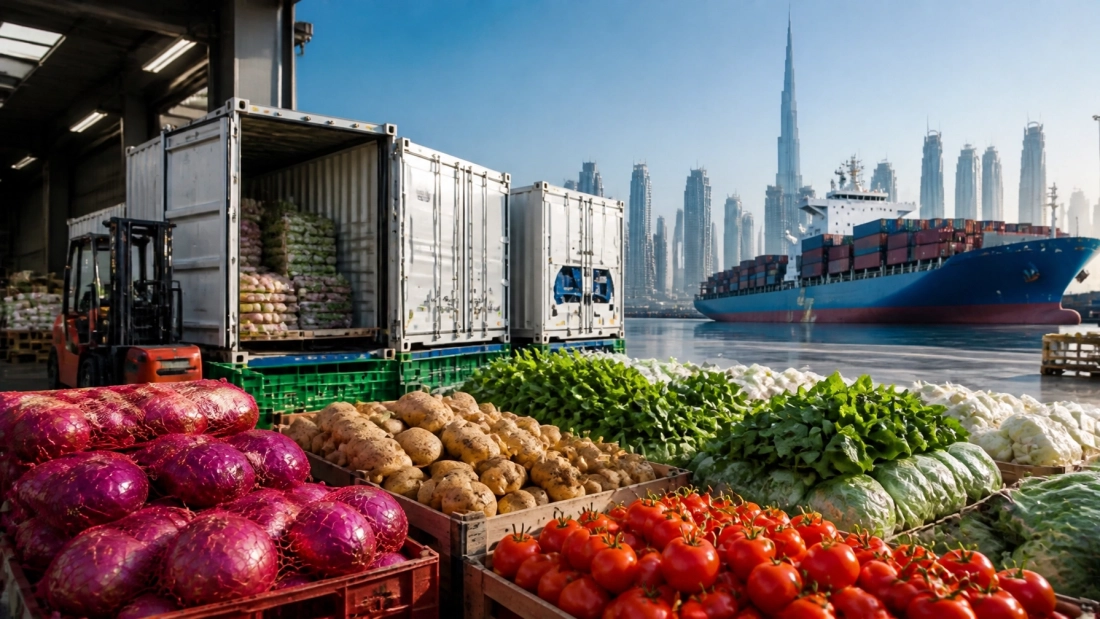
Refrigerated containers and organized port logistics supporting food distribution into Dubai

6. Execute the Cash & Carry sale

Once the container arrives, Mayil Global’s Cash & Carry wholesale system is designed to support immediate container purchases and rapid market turnover, subject to agreed terms, product acceptance, clearance, and buyer availability.

This model benefits exporters by:

  • Reducing extended receivable periods.
  • Improving cash-flow visibility.
  • Supporting faster reinvestment into the next shipment.
  • Connecting cargo with established UAE B2B demand.
  • Reducing the need to build a local sales and distribution team.

The exporter receives the agreed proceeds after the applicable 3% commission and confirmed local costs. All settlement terms should be documented before shipment.

Serving the Wholesale Fruits and Vegetables Dubai Market

Mayil Global also supplies UAE businesses that require consistent access to fresh and premium food products. Its product range includes fruits, vegetables, premium spices, premium rice, and farm-fresh eggs.

For local B2B buyers, the value is operational consistency:

  • Sourcing from trusted farms and global suppliers.
  • Inspecting products at multiple stages.
  • Applying hygienic handling and packaging.
  • Maintaining proper storage conditions.
  • Coordinating organized delivery schedules.
  • Supporting supermarkets, restaurants, retailers, and wholesale distributors.

This approach gives buyers a dependable supply channel while giving exporters access to a structured local distribution network. The same quality control, hygiene, and logistics standards apply across both imported containers and Mayil Global’s regular wholesale supply.

Fresh fruits and vegetables organized for wholesale supply to supermarkets, restaurants, and retailers in the UAE

Mid-August Exporter Action Checklist

Before confirming an onion or fresh food shipment to Dubai, complete the following checks:

  1. Compare the product against current Al Aweer market indications.
  2. Confirm the required origin, grade, size, and pack format.
  3. Calculate the full landed cost and expected net realization.
  4. Verify phytosanitary, origin, invoice, and packing documents.
  5. Confirm UAE importer and food compliance requirements.
  6. Agree the 3% commission and all local costs in writing.
  7. Select sea or air freight according to product sensitivity and urgency.
  8. Plan inspection, storage, wholesale placement, and final delivery.
  9. Confirm Cash & Carry purchase or distribution terms before loading.
  10. Maintain regular shipment reporting for long-term supply planning.

Build a Dependable UAE Distribution Channel

The mid-August onion market demonstrates why food export execution requires more than a competitive origin price. Successful suppliers combine accurate sourcing, suitable packaging, compliant documentation, organized logistics, strict quality control, and fast commercial settlement.

Mayil Global’s 3% commission model gives exporters a transparent route into the UAE market. Its Cash & Carry wholesale system supports immediate container purchasing and faster capital rotation. For supermarkets, restaurants, and retailers, Mayil Global provides dependable wholesale fruits and vegetables in Dubai together with premium rice, spices, eggs, and other food products.

Exporters can contact Mayil Global to discuss onion specifications, container volumes, Al Aweer pricing benchmarks, documentation, and the most suitable distribution pathway for the UAE market.
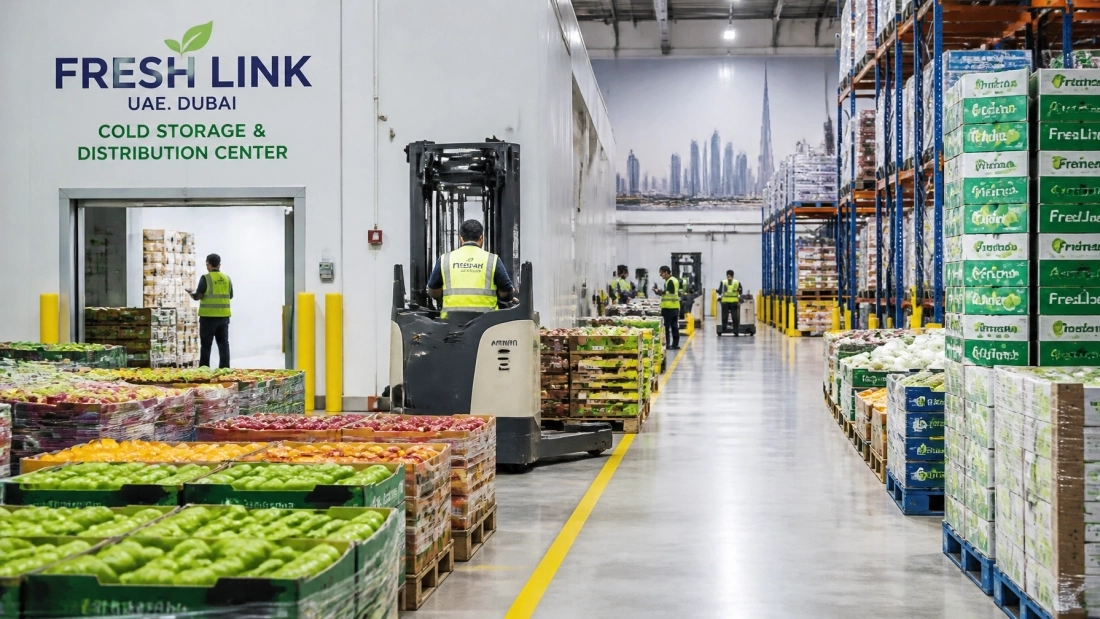
lsd1VrNz8AO-1100x619

Verified Buyer & Exporter Authority Series: Mastering Cold-Chain Integrity, Port Clearance, and 3% Commission Distribution at Al Aweer Market in Mid-August 2026

Mid-August places additional pressure on every fresh-produce supply chain entering the UAE. High ambient temperatures, port congestion, temperature fluctuations, and rapid price movement can reduce the commercial value of a container before it reaches the wholesale market.

For international and local exporters, successful market entry depends on three operating controls: maintaining cold-chain integrity, completing port clearance without avoidable delays, and working with a verified buyer or distribution partner in the UAE.

Mayil Global supports exporters and local B2B buyers through a structured distribution model focused on dependable supply, consistent quality, and transparent commercial execution. Our 3% commission distributor UAE model provides exporters with a defined route to market, while our cash-and-carry container purchase option supports faster liquidity where the transaction terms are agreed in advance.

Why Al Aweer Market Requires Structured Distribution

Al Aweer Central Fruit and Vegetable Market is one of Dubai’s principal wholesale hubs for fresh produce. Supermarkets, restaurants, hotels, retailers, and wholesale distributors depend on the market for daily supply across a wide range of fruits and vegetables.

The market operates on a high-volume B2B basis. Produce is inspected, graded, priced, and moved quickly. For an overseas exporter, direct access without a properly established local partner is operationally difficult. Import documentation, customs procedures, agricultural inspections, local transport, storage, and buyer placement must be coordinated through a UAE-licensed importer or distributor.

This makes a verified buyer for exporters UAE strategy essential. The correct partner should be able to demonstrate:

  1. UAE trade and foodstuff trading credentials.
  2. Access to wholesale buyers in Dubai and the wider UAE.
  3. Experience with port clearance and agricultural documentation.
  4. Suitable storage, handling, and refrigerated transport arrangements.
  5. Clear payment, commission, and quality-claim procedures.

Mayil Global connects global suppliers with UAE wholesale channels while managing the operational requirements between origin, port, market, and final B2B buyer.

Mid-August Cold-Chain Integrity: Protecting Product Value

Pre-cooling and origin inspection

Cold-chain compliance begins before loading. Produce should be inspected, graded, and prepared at origin according to the agreed product specification. For highly perishable fruits and vegetables, pre-cooling removes field heat and reduces the rate of deterioration during transit.

Every shipment should be checked for:

  • Product temperature before loading.
  • Uniform grade, size, and maturity.
  • Visible damage, decay, bruising, or pest activity.
  • Correct packaging and ventilation.
  • Net weight and pallet or carton count.
  • Reefer set-point, humidity, and ventilation requirements.

In August, loading a warm product into a refrigerated container does not immediately restore quality. The container maintains conditions; it does not replace proper pre-cooling. This distinction is particularly important when shipping leafy vegetables, berries, tomatoes, cucumbers, cauliflower, and other products affected by heat stress.

Export-grade onions and fresh produce prepared for wholesale distribution and cold storage

Reefer monitoring during maritime transit

For sea freight to Dubai, exporters and their UAE partners should agree on the reefer operating parameters before shipment. Temperature records, ventilation settings, humidity controls, and container alarms should be monitored throughout the journey.

A practical August protocol includes:

  1. Confirming the product-specific temperature range with the packhouse and shipping line.
  2. Recording pulp temperature rather than relying only on ambient readings.
  3. Using breathable packaging for products that require airflow.
  4. Avoiding over-stacking, which restricts circulation.
  5. Reviewing reefer data before discharge at Jebel Ali Port.
  6. Preparing refrigerated transport for the port-to-market movement.

The objective is to preserve product condition from farm to market. This supports higher recovery rates, reduces post-harvest loss, and protects the exporter’s market reputation.

Reducing heat exposure after arrival

The movement from port to Al Aweer should be planned around the wholesale trading cycle. Delays while containers or pallets remain exposed to direct heat can accelerate water loss, softening, fungal growth, and loss of shelf life.

Mayil Global coordinates distribution planning around:

  • Pre-arranged customs and inspection documentation.
  • Prompt release and collection from the port.
  • Temperature-controlled vehicles.
  • Reduced dwell time during unloading.
  • Early-morning market placement where possible.
  • Fast allocation to supermarkets, restaurants, retailers, and wholesale buyers.

Operational speed is a quality-control measure. It directly benefits buyers by improving freshness and reducing inconsistent deliveries.

Importing Onions Dubai: Product-Specific Controls

Onions are a major wholesale commodity, but their handling requirements differ from highly perishable produce. Successful importing onions Dubai programs depend on curing, dryness, ventilation, uniform sizing, and protection from moisture.

Exporters should align with the verified UAE buyer on the following specifications:

  • Onion variety and country of origin.
  • Preferred size range.
  • Grade and allowable defect tolerance.
  • Curing and dryness requirements.
  • Mesh-bag, carton, or other approved packaging.
  • Container quantity and pallet configuration.
  • Target arrival date and distribution plan.

Onions should have dry outer skins and should be free from sprouting, excessive soil, fungal decay, and soft rot. Moisture accumulation during transit creates significant quality risk. Ventilated packaging and suitable airflow are therefore important, even when the commodity is less temperature-sensitive than berries or leafy vegetables.

A trial container is an effective way to validate product specifications, packaging, transit performance, clearance procedures, and buyer acceptance before increasing shipment volume.

Port Clearance and UAE Documentation

Preparing the document pack

Understanding how to export food to Dubai requires early coordination between the exporter, UAE importer, customs broker, shipping line, and distribution partner.

A typical fresh-produce document pack includes:

  1. Commercial invoice.
  2. Detailed packing list.
  3. Bill of lading or air waybill.
  4. Certificate of origin.
  5. Phytosanitary certificate issued by the exporting country’s competent plant-protection authority.
  6. Pesticide-residue analysis or other product certificates where required.
  7. Import permits, product registrations, or food-safety submissions requested by the UAE importer.

The UAE Ministry of Climate Change and Environment agricultural consignment release service provides official guidance on requirements for imported agricultural products. Requirements may vary by commodity, origin, and current regulatory circulars. Exporters should confirm the latest conditions with the licensed UAE importer or customs broker before shipment.

Preventing documentation delays

All documents must match in product description, quantity, weight, origin, container number, and relevant classification details. A discrepancy between the commercial invoice and phytosanitary certificate can create a hold, inspection delay, or additional cost.

Mayil Global’s distribution process emphasizes pre-shipment document review and coordinated port planning. The commercial benefit is direct: accurate documentation reduces demurrage exposure, supports faster release, and enables earlier market placement.

Jebel Ali Port container terminal supporting Dubai food import and distribution logistics

The Mayil Global 3% Commission Distribution Model

The 3 percent commission distributor UAE model is designed for exporters that want UAE market access without surrendering a disproportionate share of their sale proceeds to multiple intermediaries.

Under Mayil Global’s model, the agreed distribution service is handled through a transparent 3% commission structure. The model supports:

  • Market placement through UAE B2B channels.
  • Sales facilitation with qualified wholesale buyers.
  • Coordination between exporters, importers, and local customers.
  • Operational oversight from arrival through distribution.
  • Clear reporting on sales and agreed expenses.
  • Faster movement of perishable inventory.

The 3% commission is a key commercial advantage for exporters of onions, fruits, vegetables, rice, spices, and other food products. Retaining up to 97% of sale proceeds can improve pricing flexibility and support repeat shipments.

The final commercial agreement should clearly define whether customs, freight, storage, transport, inspection, and other third-party charges are included in or charged separately from the commission. Product claims, quality deductions, unsold inventory, and payment timing should also be documented before loading.

Immediate Cash-and-Carry Container Purchases

Commission-based distribution and immediate cash-and-carry purchasing serve different exporter requirements.

Under the distribution model, Mayil Global facilitates market placement and earns the agreed 3% commission on sales. Under a cash-and-carry arrangement, an eligible buyer purchases the container or agreed inventory immediately under pre-approved commercial terms. This can help exporters:

  • Recover working capital faster.
  • Reduce extended credit exposure.
  • Fund the next production or shipment cycle.
  • Avoid prolonged inventory ownership after arrival.
  • Improve supply-chain planning during volatile periods.

Cash-and-carry terms must be confirmed before shipment, including product specifications, inspection rights, documentation, pricing, delivery point, and settlement timing. Mayil Global works with exporters to identify the most suitable route based on product type, shipment size, demand, and buyer requirements.

B2B wholesale trading and quality inspection of fresh produce at Al Aweer Market

A Practical Mid-August Exporter Checklist

Before dispatching a container to Dubai, exporters should complete the following steps:

  1. Confirm the verified buyer: Validate the UAE partner’s trade credentials, buyer network, product experience, and payment process.
  2. Approve the specification: Agree on variety, grade, size, packaging, volume, and acceptable quality tolerances.
  3. Complete origin compliance: Secure phytosanitary certification, residue analysis where applicable, certificate of origin, and commercial documents.
  4. Protect the cold chain: Pre-cool suitable products, confirm reefer settings, use ventilated packaging, and monitor transit conditions.
  5. Coordinate clearance: Submit accurate documentation early through the UAE importer or licensed customs broker.
  6. Plan market placement: Align port release, refrigerated transport, and Al Aweer delivery with buyer demand.
  7. Select the commercial model: Use Mayil Global’s transparent 3% commission distribution model or agree on an immediate cash-and-carry container purchase.
  8. Review the first shipment: Measure arrival quality, clearance time, sales speed, realized price, and post-harvest loss before scaling.

Building Dependable UAE Supply Relationships

Success in Dubai’s wholesale food market is based on operational consistency. Exporters need more than a buyer’s telephone number. They need a verified UAE distribution route supported by quality control, compliant documentation, reliable logistics, and transparent settlement.

Mayil Global supplies UAE supermarkets, restaurants, retailers, and wholesale distributors while supporting international exporters seeking dependable market access. Our focus remains consistent: sourcing quality food products, protecting product condition, and distributing efficiently through professional B2B channels.

To discuss a shipment of onions, fruits, vegetables, rice, spices, or other food products, visit the Mayil Global website or use the Mayil Global contact page. Exporters can also review our guides on how to export food to Dubai, container liquidation at Al Aweer, and the 3% commission distributor UAE model.

l9I1gX0t4hP-1100x619

Bulk Basmati Rice Suppliers in Dubai: Why the 3% Commission Model Works for Wholesale Buyers

Dubai is a major trade and distribution hub for premium rice across the UAE, GCC, and wider international markets. Supermarkets, restaurants, retailers, catering companies, and wholesale distributors require consistent access to Basmati rice with dependable specifications, competitive pricing, and reliable delivery schedules.

For exporters and Dubai-based buyers, the commercial model behind the supply relationship is as important as the rice itself. Traditional sourcing can involve several intermediaries, unclear fees, delayed communication, and limited visibility into quality control. Mayil Global provides an alternative through a transparent 3% commission-based distribution model and an immediate Cash & Carry option for full-container purchases.

This approach supports exporters seeking market access and helps UAE buyers secure dependable wholesale supply through an organized local distribution partner.

What Dubai Wholesale Buyers Require from Basmati Rice Suppliers

A wholesale food buyer Dubai businesses depend on needs more than a low quotation. Rice must meet defined technical and commercial requirements across every shipment.

Core procurement requirements include:

  1. Consistent rice specifications
    Buyers may require 1121 Sella Basmati, 1121 Steam Basmati, aged Basmati, or other grades based on their customer base and food-service applications.

  2. Reliable supply volumes
    Supermarkets and distributors need regular replenishment. Restaurants and catering operators require stable supply to maintain menu consistency and cost control.

  3. Documented quality control
    Buyers need confidence in grain length, broken percentage, moisture, aroma, polish, cleanliness, packaging, and country of origin.

  4. Commercial transparency
    Clear pricing, commission structures, delivery terms, and payment conditions reduce procurement risk.

  5. Organized logistics
    Containers must be received, inspected, stored, and distributed according to an efficient supply chain process.

Mayil Global addresses these requirements through farm and supplier sourcing, inspection at each stage, hygienic handling, and structured B2B distribution across the UAE.

The Mayil Global 3% Commission Model

Mayil Global operates as a distribution and market-access partner for international rice exporters. Under the model, exporters can place premium Basmati rice into the Dubai market without creating their own local sales and distribution infrastructure.

The agreed distribution fee is a transparent 3% commission on the applicable sale value, subject to the commercial terms confirmed for each partnership. The model is designed to make the cost of market access predictable.

For exporters searching for a 3 percent commission distributor UAE, the structure provides several operational advantages:

  • A defined distribution cost instead of multiple unclear intermediary charges.
  • Access to established UAE B2B buyers, including supermarkets, restaurants, retailers, and distributors.
  • Local coordination for sales, buyer communication, product movement, and delivery.
  • Improved pricing visibility through reporting on market realizations and order activity.
  • Reduced infrastructure requirements because the exporter does not need to establish a separate UAE distribution operation.

The 3% commission model connects Mayil Global’s commercial performance with the exporter’s sales performance. This supports a practical, long-term relationship focused on volume, consistency, and repeat orders.

Bulk rice sacks stored on pallets for controlled wholesale distribution in Dubai

How the Model Improves Cost Control

Traditional rice sourcing may involve several layers between the mill, exporter, importer, distributor, and final wholesale buyer. Each layer can add a margin, handling cost, or communication delay. Buyers may also have limited visibility into how the final price was calculated.

A direct commission-based distribution structure simplifies the commercial chain.

1. Predictable distribution expense

A fixed 3% commission gives exporters a clear basis for calculating landed costs and expected market returns. Buyers benefit from a more structured quotation process with fewer unexplained deductions.

2. Reduced market-entry overhead

An overseas exporter does not need to immediately invest in a local office, warehouse team, sales force, or independent buyer network. Mayil Global provides local distribution support and market coordination.

3. Faster inventory movement

The company’s UAE buyer network helps place suitable rice volumes with businesses that already purchase in bulk. Faster movement can reduce storage exposure and support more efficient inventory planning.

4. Better purchasing decisions

Transparent communication allows buyers to compare rice grades, packaging formats, origins, and delivery terms before confirming an order. This helps supermarkets, restaurants, and retailers purchase according to actual demand rather than relying only on a broker’s recommendation.

The model does not remove legitimate logistics, customs, storage, or regulatory costs. Instead, it makes the distribution component clear and separately identifiable.

Quality Control from Origin to Dubai

Price efficiency is commercially useful only when the rice meets the buyer’s required standard. Mayil Global treats quality control, hygiene, and safe handling as non-negotiable elements of the supply chain.

Product specification

Before a shipment is confirmed, the exporter and buyer should agree on:

  • Basmati variety and grade.
  • Grain length and appearance.
  • Steam, Sella, or other processing type.
  • Broken grain percentage.
  • Moisture parameters.
  • Aroma and cooking performance.
  • Packaging size and material.
  • Country of origin and batch details.
  • Shelf-life and labeling requirements.

This specification-based approach reduces disputes and ensures that the delivered shipment matches the approved product.

Inspection and documentation

Mayil Global coordinates inspection at relevant stages of the process. Depending on the transaction, this can include supplier verification, sample review, pre-shipment checks, packaging inspection, container checks, and receiving inspection in Dubai.

Batch documentation supports traceability and buyer confidence. Records can include supplier details, lot information, origin, packing date, inspection notes, and relevant certificates.

Hygienic storage and handling

Basmati rice must be protected from moisture, pests, contamination, and improper handling. Organized warehouse procedures, palletized storage, stock rotation, clean loading areas, and controlled handling help preserve product quality after arrival.

For UAE buyers, this means receiving rice that is managed properly from sourcing through local distribution.

Premium Basmati rice grains undergoing inspection for consistency and food safety

Immediate Cash & Carry Container Purchases

Not every exporter wants a commission-based market-entry arrangement. Some exporters prioritize immediate liquidity and prefer to sell full containers directly to a UAE wholesale partner.

Mayil Global supports this requirement through an immediate Cash & Carry model for qualifying container purchases. Under agreed terms, exporters can sell full-container volumes to Mayil Global after the applicable inspection and receiving conditions are met.

Cash & Carry benefits for exporters include:

  1. Faster access to working capital
    Immediate settlement supports reinvestment in sourcing, processing, packaging, and the next shipment.

  2. Lower payment-delay exposure
    Exporters are less dependent on extended wholesale credit cycles or slow downstream collections.

  3. Simplified market entry
    The exporter can focus on production and international shipping while Mayil Global manages local inventory and distribution.

  4. Improved supply continuity
    Faster capital turnover can help exporters maintain regular shipment schedules for Dubai buyers.

This model is particularly suitable for exporters with ready 20-foot or 40-foot containers of premium Basmati rice and a preference for a direct purchase rather than consignment distribution.

Benefits for Supermarkets, Restaurants, and Retailers in Dubai

Mayil Global’s model is structured to serve both sides of the trade. Exporters receive a clear route into the UAE market, while local buyers gain access to a more organized wholesale supply channel.

Supermarkets

Supermarkets require consistent packaging, reliable replenishment, accurate labeling, and predictable quality. A structured B2B distributor can support recurring orders across different pack sizes and product grades.

Restaurants and catering companies

Restaurants need rice that performs consistently during cooking and remains available at stable intervals. Reliable Basmati specifications help kitchens maintain portion control, menu standards, and food-cost planning.

Retailers

Retailers benefit from access to recognizable Basmati grades, competitive wholesale pricing, and organized delivery. They can select products suited to household customers, food-service buyers, or regional demand.

Wholesale distributors

Distributors require container-scale supply, clear documentation, and dependable order coordination. Mayil Global’s global supply network supports sourcing from multiple countries and helps reduce reliance on a single origin or supplier.

Premium rice products positioned for supermarket and retail distribution in the UAE

A Transparent Sourcing and Distribution Process

Mayil Global follows a practical process for connecting exporters with UAE wholesale buyers.

Step 1: Confirm the buyer requirement

The process begins with volume, grade, packaging, delivery location, and required timing. This ensures the proposed rice matches the buyer’s operational needs.

Step 2: Source through the global supply network

Mayil Global identifies suitable exporters, mills, and global suppliers based on product specifications, available volumes, origin, and commercial terms.

Step 3: Approve samples and specifications

Samples and product documentation are reviewed before a larger order is confirmed. The buyer and supplier align on the exact standard required.

Step 4: Select the commercial model

The exporter can choose between:

  • The transparent 3% commission-based distribution model.
  • The immediate Cash & Carry container purchase model.

Step 5: Coordinate logistics and inspection

Mayil Global supports shipment coordination, receiving, inspection, storage, and local distribution according to the agreed terms.

Step 6: Build recurring supply

After a successful initial order, the parties can establish a repeat purchasing schedule. This supports dependable supply for UAE buyers and long-term market development for exporters.

Why Choose Mayil Global as a Bulk Rice Supplier in Dubai?

Mayil Global combines sourcing capability, local market access, quality control, and distribution logistics. The company serves as a practical link between international rice exporters and UAE businesses requiring wholesale volumes.

The core advantages are clear:

  • A global supply network across multiple countries.
  • Farm-direct and supplier-direct sourcing relationships.
  • Inspection and quality control at every stage.
  • Hygienic handling, packaging, storage, and distribution.
  • A transparent 3% commission structure.
  • Immediate Cash & Carry container purchasing for eligible exporters.
  • Access to supermarkets, restaurants, retailers, and wholesale distributors.
  • Organized logistics designed for timely delivery.
  • A B2B operating model focused on dependable supply and consistent quality.

Businesses can learn more through Mayil Global’s bulk rice distribution guide, UAE food export process, About Us page, or Contact Us page.

Conclusion

The Dubai market requires more than access to rice. It requires dependable sourcing, consistent specifications, documented quality control, efficient logistics, and transparent commercial terms.

Mayil Global’s 3% commission model provides international Basmati rice exporters with a predictable route into the UAE wholesale market. Its Cash & Carry option provides an alternative for exporters seeking immediate container purchases and faster liquidity.

For Dubai supermarkets, restaurants, retailers, and wholesale distributors, the model supports reliable access to premium Basmati rice through a professional local supply partner. By combining global sourcing with disciplined distribution, Mayil Global delivers the cost clarity, quality consistency, and operational reliability required for long-term B2B relationships.

Dubai distribution hub and delivery fleet supporting wholesale rice supply across the UAE

lsd1VrNz8AO-1100x619

Verified Buyer & Exporter Authority Series: The Mid-August Sourcing Playbook : Onion Price Stability, 72-Hour Manifest Compliance, and How Mayil Global’s 3% Commission Model Secures Wholesale Fruits and Vegetables in Dubai

Market and logistics briefing: Tuesday, August 11, 2026

For international exporters targeting the UAE, mid-August presents a workable operating window for fresh produce shipments. New-crop onions at Dubai’s Al Aweer Central Market are trading near a more stable benchmark, while UAE cargo documentation continues to require earlier and more precise compliance planning.

The immediate priorities are clear:

  1. Securing a verified UAE distribution partner.
  2. Planning around the 72-hour advance manifest and Shipping Instruction deadline.
  3. Protecting summer cold-chain integrity.
  4. Converting containers into liquidity through a transparent 3% commission model or an immediate Cash & Carry wholesale purchase.

Mayil Global supports exporters and UAE-based supermarkets, restaurants, retailers, and wholesale distributors with farm-direct sourcing, quality control, organized logistics, hygienic handling, and dependable B2B distribution.

Mid-August Al Aweer Onion Price Snapshot

The latest available Al Aweer market data for August 10, 2026, places new-crop Indian onions in 18 kg packaging at approximately AED 1.90 per kilogram. Recent market commentary has positioned the working level around AED 1.95/kg, indicating relative stabilization after earlier seasonal fluctuations.

An 18 kg bag therefore represents an indicative wholesale value of approximately AED 34.20 to AED 35.10, before adjustments for quality, quantity, delivery terms, and negotiation.

The Al Aweer onion price reference records a broader 42-trading-day range from AED 1.85/kg to AED 4.90/kg. This historical range confirms that current stability should not be treated as a permanent price guarantee.

What Price Stability Means for Exporters

A stable benchmark improves shipment planning, but it does not eliminate market risk. Fresh produce can experience intraday movements of up to 30% when vessel arrivals, truck inflows, quality differences, or sudden buyer demand change the market balance.

Exporters should therefore:

  • Quote against a defined market window rather than an open-ended price.
  • Confirm grade, size, origin, packaging, and arrival timing before finalizing a sale.
  • Separate the product price from freight, handling, customs, storage, and distribution costs.
  • Use daily market reporting when deciding whether to sell by consignment or purchase a container outright.

Mayil Global’s 3% commission distribution model gives exporters access to the UAE wholesale market while keeping the commercial structure transparent. For exporters requiring immediate liquidity, the Cash & Carry system provides an alternative route through direct container purchase and faster settlement.

Export-grade onions prepared for inspection, handling, and shipment to the UAE

How to Export Food to Dubai: The Compliance Sequence

Understanding how to export food to Dubai requires more than arranging freight. The shipment must satisfy origin-country export controls, UAE food import requirements, customs procedures, and market-quality expectations.

1. Confirm the UAE Importer and Product Route

The exporter should work with a UAE-licensed importer or distribution partner before loading the container. The local partner coordinates import registration, customs clearance, food-control procedures, and market placement.

Mayil Global operates as a local B2B wholesale and distribution partner for international shippers. The company supplies and distributes fresh fruits, vegetables, premium food products, rice, spices, and farm-fresh eggs to UAE commercial buyers.

2. Prepare the Product and Export Documents

For onions and other fresh produce, the standard documentation file should be reviewed before cargo loading. It commonly includes:

  • Commercial invoice.
  • Detailed packing list.
  • Certificate of origin.
  • Phytosanitary certificate.
  • Health or fitness certificates where applicable.
  • Fumigation documentation where required.
  • Accurate HS classification.
  • Container, seal, net weight, and gross weight details.
  • Product and packaging specifications.
  • Arabic-English labeling information where applicable.

The exact requirements depend on the product, origin, transport mode, and UAE authority instructions. Exporters should verify requirements with their UAE importer, customs broker, and freight forwarder before dispatch.

3. Complete the 72-Hour Manifest Process

UAE-bound and UAE-transiting maritime cargo is subject to advance cargo information requirements under the Maritime Preload Cargo Information process. The scope includes:

  • Imports discharged in the UAE.
  • Transshipment cargo moving through UAE ports.
  • Freight remaining on board and passing through UAE ports.

The operational requirement is to submit complete Shipping Instructions and manifest information at least 72 hours before vessel departure from the compliance load port. The compliance load port is the last foreign port before the vessel sails toward the UAE.

The UAE Advance Cargo Manifest guidance explains the requirement and the consequences of late or incomplete information. Depending on the carrier and filing structure, cargo may be rolled, diverted, returned, or subjected to additional cost if the deadline is missed.

Required data includes:

  • Bill of lading details.
  • Shipper, consignee, notify party, forwarder, and agent information.
  • Ports of receipt, loading, discharge, transshipment, and final delivery.
  • Container and seal numbers.
  • Detailed cargo description.
  • HS code.
  • Package count.
  • Net and gross weight.
  • Container type and consolidation information.
  • Applicable party identification and MPCI details.

A description such as “fresh onions, new crop, 18 kg bags” is more useful than a generic description such as “food products.” Accurate documentation supports customs matching and reduces avoidable delays.

Importing Onions to Dubai During the Summer

The central issue in importing onions Dubai shipments is not only temperature. Onions require proper drying, ventilation, and moisture control. Condensation and wet loading conditions can cause rot, skin deterioration, and reduced market value.

Onion Handling Checklist

  1. Inspect before loading
    Accept only dry, mature onions with firm bulbs, intact outer skins, and no visible fungal growth, sprouting, or excessive damage.

  2. Use breathable packaging
    Mesh bags, ventilated sacks, or suitable perforated packaging support airflow during transit and market storage.

  3. Select the right container
    Standard ventilated containers may suit dry onion cargo. Reefer equipment may be appropriate for premium cargo, longer routes, or shipments requiring tighter environmental control.

  4. Control humidity and condensation
    Avoid loading wet product. Keep pallets stable and maintain airflow throughout the container.

  5. Monitor the cold chain
    Use temperature and humidity data loggers where appropriate. Summer heat affects port operations, truck transfers, border crossings, and final delivery to Al Aweer.

  6. Plan rapid market placement
    Once cleared, onions should move promptly to the distribution point or buyer. Extended exposure on hot loading docks can reduce quality even when the maritime leg was properly managed.

Jebel Ali port logistics supporting UAE food imports and wholesale distribution

Selecting the Best Route to Dubai

Sea freight remains the primary option for full-container onion and produce volumes. However, exporters should maintain alternative routing plans when congestion, vessel schedules, or urgent replenishment requirements affect supply chain performance.

Sea Freight Through Jebel Ali

For regular India and Pakistan volumes, sea freight into Jebel Ali is the standard route. It supports container-scale shipments and predictable wholesale replenishment when documentation, vessel schedules, and cold-chain requirements are coordinated correctly.

The operating sequence is:

  1. Confirm buyer demand and product specification.
  2. Secure the UAE importer and distribution plan.
  3. Complete phytosanitary and commercial documentation.
  4. Submit Shipping Instructions before the 72-hour deadline.
  5. Load and monitor the container.
  6. Prepare customs and food-control pre-clearance.
  7. Move the cleared cargo to Al Aweer or directly to approved B2B buyers.
  8. Settle through the agreed 3% commission or Cash & Carry structure.

Land Corridors Through Oman and Saudi Arabia

Alternative land corridors through Oman and Saudi Arabia can provide flexibility when direct sea schedules are unsuitable. These routes require careful planning for:

  • GCC cross-border permits.
  • Transit and customs declarations.
  • Driver and truck authorization.
  • Border inspection procedures.
  • Ventilation and heat protection.
  • Transfer timing between ports, borders, warehouses, and buyers.

Insulated or well-ventilated trucks are essential during summer. Border delays must be included in the route plan because heat exposure can affect onions, leafy vegetables, tomatoes, and other fresh produce.

Air Freight and Transshipment Hubs

Air freight is best suited to urgent replenishment, premium produce, smaller volumes, or products with a high value-to-weight ratio. Dubai, Sharjah, and Abu Dhabi air cargo gateways can support rapid delivery when the importer, customs broker, and receiving buyer are prepared in advance.

India and Pakistan also function as important sourcing and transshipment hubs for UAE food distribution. Exporters can use these hubs to consolidate products, secure additional supply, or shift between sea, land, and air options according to market demand.

Mayil Global’s 3% Commission and Cash & Carry Advantage

Exporting into Dubai requires market access, operational discipline, and financial control. Mayil Global addresses these requirements through two commercial pathways.

3% Commission Distribution

Under the 3% commission model, Mayil Global distributes the exporter’s cargo through its UAE wholesale network. The model provides:

  • A clearly defined distribution fee.
  • Access to verified supermarkets, restaurants, retailers, and wholesale buyers.
  • Market placement through established B2B channels.
  • Quality inspection and handling coordination.
  • Transparent reporting on sales and inventory movement.
  • Reduced dependence on multiple intermediaries.

The exporter retains greater control over the commercial outcome while using Mayil Global’s local sourcing, logistics, quality control, and distribution infrastructure.

Immediate Cash & Carry Container Purchases

Some exporters prioritize immediate recovery of capital over consignment distribution. In this case, Mayil Global’s Cash & Carry wholesale system enables direct container purchasing for suitable products and volumes.

This structure can help exporters:

  • Reduce credit exposure.
  • Avoid extended collection cycles.
  • Release working capital for the next shipment.
  • Simplify market entry through a direct B2B buyer.
  • Move product quickly into UAE wholesale channels.

The 3% commission model and Cash & Carry system are not generic brokerage arrangements. They are structured distribution options designed to improve liquidity and supply chain predictability.

B2B wholesale produce operations supporting supermarkets, restaurants, and UAE retailers

A Practical Mid-August Action Plan

Exporters planning shipments to Dubai should complete the following actions:

  1. Confirm the commodity and grade
    Define onion size, crop, origin, packaging, moisture condition, and expected arrival date.

  2. Check the Al Aweer benchmark
    Use approximately AED 1.90–1.95/kg as a current working reference for new-crop 18 kg onions, subject to daily market movement.

  3. Select the commercial model
    Choose Mayil Global’s 3% commission distribution route or request an immediate Cash & Carry container purchase.

  4. Finalize documentation early
    Do not wait until vessel cut-off. Confirm all parties, weights, HS codes, container details, and destination information.

  5. Protect the summer cold chain
    Use correct ventilation, dry loading conditions, suitable equipment, and monitoring devices.

  6. Keep alternative routes available
    Evaluate sea freight through Jebel Ali, land corridors through Oman or Saudi Arabia, and air freight for urgent or premium cargo.

  7. Coordinate final delivery
    Arrange customs clearance, inspection, transfer, market placement, and buyer collection before cargo arrival.

For additional guidance, review Mayil Global’s step-by-step food export guide, its onion export distribution model, and the container liquidation playbook.

Conclusion: Build a Dependable UAE Supply Chain

Mid-August onion pricing at Al Aweer is providing exporters with a more stable planning reference, but daily market movement, quality variation, logistics costs, and summer handling risks remain important commercial factors.

Successful wholesale fruits and vegetables Dubai operations depend on verified buyers, compliant documentation, reliable cold-chain management, and disciplined distribution. Mayil Global combines these capabilities with a transparent 3% commission model and an immediate Cash & Carry wholesale system.

For international and local exporters seeking dependable UAE market access, the operating objective is direct: source consistently, comply accurately, protect product quality, and convert every container into timely wholesale value. Contact Mayil Global to discuss onion shipments, fresh produce containers, and B2B distribution requirements in the UAE.

l9I1gX0t4hP-1100x619

Exporting Premium 1121 Basmati Rice, Chickpeas, and Barley to Dubai : Building Dependable Wholesale Supply Chains with Mayil Global’s 3% Commission Model

Dubai is a strategic food distribution hub connecting producers, exporters, wholesalers, supermarkets, restaurants, and re-export markets across the UAE, GCC, and wider region. For international suppliers of rice, pulses, and grains, entering this market requires more than competitive pricing. It requires dependable sourcing, documented quality control, efficient logistics, transparent commercial terms, and a local distribution partner with established B2B relationships.

Mayil Global supports this supply chain through two practical routes: a transparent 3% commission-based distribution model and immediate Cash & Carry container purchases, subject to agreed product specifications and commercial terms. This structure gives exporters greater control over costs while giving Dubai-based buyers access to consistent wholesale supply.

Supplying Essential Commodities to Dubai

Mayil Global focuses on sourcing premium food products from trusted farms, mills, and global suppliers. The current Rice, Pulses, and Grains Export Series focuses on three high-demand categories:

  1. 1121 Basmati rice
  2. Kabuli and Desi chickpeas
  3. Barley for food and approved commercial applications

Each commodity serves different B2B requirements. Rice is supplied to supermarkets, restaurants, caterers, foodservice operators, and wholesale distributors. Chickpeas support packaged food, restaurant, catering, and ingredient supply channels. Barley serves food processors, wholesalers, and other approved buyers requiring reliable grain supply.

Mayil Global’s role is to connect international exporters with UAE demand while maintaining strict operational oversight from shipment planning through local distribution.

Premium rice sacks stored on pallets in a professional Dubai warehouse

1121 Basmati Rice for Wholesale Buyers

1121 Basmati rice is a premium long-grain product widely used in foodservice, retail, catering, and institutional kitchens. Depending on the buyer’s requirements, exporters may offer White, Steam, Sella, or Golden Sella varieties.

Dubai-based buyers typically evaluate the following specifications:

  • Grain length and appearance
  • Moisture level
  • Broken grain percentage
  • Purity and foreign matter
  • Aroma and cooking performance
  • Sortex cleaning and grading
  • Packaging format and labelling
  • Shelf life and storage conditions

Product specifications must be agreed before shipment. A professional export offer should clearly state the variety, grade, packing size, minimum order quantity, origin, trade terms, inspection process, and documentation.

For buyers searching for bulk rice suppliers Dubai, reliability is as important as price. A lower-priced shipment that fails to meet agreed specifications can create claims, stock shortages, delayed customer orders, and reputational risk. Mayil Global prioritizes consistent quality and dependable delivery so supermarkets, restaurants, and wholesale distributors can plan their inventory with greater confidence.

Chickpeas: Kabuli and Desi Supply

Chickpeas require clear grading because size, colour, cleanliness, and cooking performance vary across origins and lots.

Kabuli Chickpeas

Kabuli chickpeas are generally larger, lighter in colour, and commonly used in premium retail packs, restaurants, hummus production, catering, and foodservice. Buyers should specify size grade, moisture, foreign matter, damaged kernels, insect activity, and packaging requirements.

Desi Chickpeas

Desi chickpeas are smaller and darker, with strong demand across foodservice, traditional cuisine, packaged grocery, and ingredient markets. The commercial specification should identify the crop, origin, grade, processing standard, and intended application.

Mayil Global coordinates product matching between exporters and UAE buyers. This reduces ambiguity during quotation and supports more accurate purchasing decisions. For a supermarket, that may mean a consistent retail-grade pack. For a restaurant group, it may mean a dependable bulk format with predictable cooking performance. For a wholesale distributor, it may mean container-level supply with documentation suitable for onward sales.

Barley for Food and Commercial Supply

Barley must be classified according to its intended use. Food-grade barley and other approved commercial grades have different requirements for cleaning, moisture, packaging, and documentation.

A complete barley offer should identify:

  • Food or commercial application
  • Origin and crop information
  • Cleaning and grading process
  • Moisture and purity parameters
  • Packaging format
  • Fumigation and phytosanitary documentation, where applicable
  • Delivery basis and expected lead time

Mayil Global’s sourcing process is designed to match the correct grade with the correct buyer. This protects product quality and reduces the risk of unsuitable cargo entering the UAE supply chain.

How Mayil Global’s 3% Commission Model Works

The 3 percent commission distributor UAE model is designed for international exporters that want market access without establishing a full local sales and distribution operation.

Under the model, Mayil Global can support:

  1. Buyer identification through established B2B networks.
  2. Commercial coordination between exporters and UAE buyers.
  3. Product positioning across wholesale, supermarket, restaurant, and foodservice channels.
  4. Documentation and shipment follow-up in coordination with the relevant parties.
  5. Local distribution oversight after cargo arrives.
  6. Sales reporting and commercial transparency based on the agreed arrangement.

The commission is structured at 3%, with the exact calculation basis, payment timing, product scope, territory, and responsibilities documented in the commercial agreement. Exporters should confirm whether the commission applies to the net invoice value, excludes freight and insurance, or follows another mutually agreed basis.

This model helps exporters retain a greater share of their sales value while accessing the UAE market through a professional local partner. It also allows Mayil Global to focus on volume, supply continuity, and long-term B2B relationships rather than adding complex intermediary costs.

Read more about the model in Mayil Global’s guide to why the 3% commission distributor UAE model is changing food exports.

Quality inspection of rice grains under controlled food-handling conditions

Immediate Cash & Carry Container Purchases

Some exporters prioritize immediate liquidity instead of extended distribution cycles. Mayil Global also supports Cash & Carry container purchases for qualifying shipments.

The process is straightforward:

  1. The exporter submits product details, quantity, origin, packing, and target delivery terms.
  2. Mayil Global reviews the commodity, documents, buyer demand, and shipment schedule.
  3. Quality and quantity are verified according to agreed procedures.
  4. The container is received under the agreed commercial arrangement.
  5. Payment is settled according to the confirmed terms.

Immediate container purchases can help exporters reinvest capital into new production and shipments. They also reduce exposure to prolonged local sales cycles, delayed collections, and inventory uncertainty.

For Dubai-based buyers, the Cash & Carry model supports faster access to available stock. Supermarkets and restaurants can purchase through a wholesale channel, while distributors can secure larger volumes for onward supply. Further information is available in Mayil Global’s article on Cash & Carry food wholesale in Dubai.

Quality Control from Origin to Dubai

Food safety, hygiene, and quality control are non-negotiable pillars of the supply chain. Mayil Global works with exporters and suppliers to establish clear product specifications before shipment.

Depending on the commodity and destination requirements, quality control may include:

  • Pre-shipment inspection
  • Laboratory analysis
  • Moisture and purity testing
  • Weight verification
  • Foreign matter checks
  • Pest and infestation checks
  • Fumigation certification
  • Phytosanitary certification
  • Certificate of origin
  • Commercial invoice and packing list
  • Bill of lading and container seal records

Rice may require additional verification of grain length, broken percentage, cooking characteristics, and sortex cleaning. Chickpeas and barley require careful assessment of size, defects, contamination risks, moisture, and suitability for the intended application.

Packaging must also support hygienic handling, storage, transport, and wholesale distribution. Exporters should confirm whether buyers require 25 kg, 40 kg, 50 kg, retail, or private-label formats. Arabic and English labelling requirements should be reviewed before production and shipment.

Global supply routes connecting international food exporters with Dubai and UAE buyers

Building a Transparent UAE Supply Chain

Dubai food distribution depends on coordination across farms, processing facilities, freight providers, ports, warehouses, and B2B buyers. Delays or quality failures at any stage can affect the entire commercial cycle.

Mayil Global strengthens this process through:

  • A global supply network across multiple countries
  • Farm-direct and mill-direct sourcing relationships
  • Inspection at key stages
  • Hygienic storage and packaging practices
  • Organized logistics and delivery planning
  • Access to supermarkets, restaurants, and wholesalers
  • Transparent commission-based distribution
  • Immediate Cash & Carry options for suitable containers

This operating model benefits both sides of the trade. Exporters receive structured access to UAE demand and a clear 3% commercial framework. Local buyers receive dependable supply, consistent product quality, and responsive wholesale coordination.

A wholesale food buyer Dubai can evaluate products based on documented specifications, available volumes, lead times, and delivery requirements. A global exporter can enter the market without relying on an opaque chain of intermediaries.

Who Should Partner with Mayil Global?

Mayil Global is positioned to work with:

  • Rice mills and exporters supplying 1121 Basmati
  • Chickpea processors and pulses exporters
  • Barley suppliers and grain trading companies
  • International agricultural exporters seeking UAE market access
  • Supermarkets requiring consistent staple food supply
  • Restaurant groups and catering companies
  • Wholesale food distributors across the UAE
  • Buyers seeking container-level Cash & Carry purchases

The right supply arrangement depends on volume, product, origin, buyer requirements, payment preferences, and delivery terms. Mayil Global can support both recurring distribution programs and individual container opportunities.

Conclusion: Dependable Wholesale Distribution for Dubai

Exporting 1121 Basmati rice, Kabuli and Desi chickpeas, and barley to Dubai requires disciplined sourcing, strict quality control, compliant documentation, and reliable local distribution. Mayil Global provides this operational framework for international exporters and UAE-based B2B buyers.

Through the transparent 3% commission model, exporters can access Dubai’s wholesale market while protecting margins and maintaining commercial visibility. Through immediate Cash & Carry container purchases, qualifying suppliers can improve liquidity and accelerate capital turnover.

Mayil Global continues to focus on the same core objective: delivering dependable supply, consistent quality, and efficient distribution for long-term B2B relationships.

International exporters can learn more through the Mayil Global food export guide, while UAE buyers and suppliers can contact the Mayil Global trade team to discuss product specifications, container volumes, wholesale requirements, and the 3% commission structure.

Dubai distribution fleet prepared for reliable wholesale food delivery across the UAE

W9uL3W612uL-1100x619

Verified Buyer & Exporter Authority Series: Mastering Mid-August Logistics, Port Efficiency, and Container Turnaround at Al Aweer Market with Mayil Global’s 3% Commission Model

Mid-August logistics in Dubai require disciplined planning, accurate documentation, and fast coordination between the port, customs authorities, transport providers, and Al Aweer Market. For international exporters, container turnaround is directly connected to product freshness, market value, cash flow, and buyer confidence.

Mayil Global operates as a wholesale supplier and distribution partner for fresh fruits, vegetables, premium rice, spices, and farm fresh eggs in the UAE. Through a transparent 3 percent commission distributor UAE model, Mayil Global connects exporters with verified wholesale buyers while managing market placement, quality control, logistics coordination, and B2B distribution.

For exporters researching a verified buyer for exporters UAE, the operational objective is clear: move compliant food shipments from origin to Dubai, clear them efficiently, place them into the right wholesale channels, and secure faster settlement through cash-and-carry container purchases.

Why Mid-August Logistics Require Operational Precision

August conditions create additional pressure across the food supply chain. High temperatures increase the importance of cold-chain integrity, shaded unloading, correct ventilation, and controlled storage. Fresh produce that experiences delays on the road or at the market can lose quality before it reaches supermarkets, restaurants, and wholesale distributors.

Al Aweer Central Fruit and Vegetable Market remains a critical B2B distribution point for Dubai and the wider UAE. Its location provides access to major road networks, seaports, airports, and regional distribution corridors. The market supports rapid movement from import channels to:

  • Supermarket procurement teams
  • Restaurant and hotel groups
  • Catering companies
  • Independent retailers
  • Wholesale distributors
  • Re-export buyers serving GCC markets

Operational improvements are also supporting market efficiency. DP World has announced the development of the Dubai Food District, designed to strengthen food trade, multimodal logistics, supply-chain security, and speed to market. Reported smart-parking and barrierless access initiatives at Al Aweer are also intended to improve truck movement and reduce congestion for time-sensitive cargo.

These developments do not remove the need for planning. Exporters still require a verified UAE partner that understands customs coordination, quality inspection, market timing, buyer requirements, and settlement procedures.

The Container Turnaround Process at Al Aweer

Efficient turnaround begins before a container leaves the country of origin. Mayil Global’s distribution process follows a structured sequence.

1. Confirming the Export Plan

Exporters should provide a complete shipment profile before booking cargo. The profile should include:

  • Product type and variety
  • Origin country and farm or supplier details
  • Quantity and packaging format
  • Expected shipment date
  • Container type and temperature requirements
  • Required certificates
  • Intended UAE buyer segment
  • Local sale or re-export destination

This information enables the distributor to assess market demand, handling requirements, buyer suitability, and expected arrival conditions.

2. Verifying Documentation

Documentation accuracy is a primary factor in reducing port dwell time. Depending on the product and origin, a shipment may require a commercial invoice, packing list, bill of lading, certificate of origin, phytosanitary certificate, health certificate, and product-specific registrations or approvals.

Exporters should coordinate with their customs house agent and UAE distribution partner before loading. Any mismatch in product description, weights, HS codes, container numbers, or certificates can delay clearance and increase exposure to storage, demurrage, and quality deterioration.

For a broader operational overview, review Mayil Global’s guide on how to export food to Dubai.

3. Protecting Cold-Chain Integrity

Reefer containers must be configured according to the product. Temperature, ventilation, humidity, pallet spacing, and loading density all affect the condition of fresh fruits and vegetables during transit.

Mayil Global coordinates supply-chain handling from farm and supplier networks through port arrival and final B2B distribution. Quality control includes inspection at relevant stages, packaging checks, and attention to hygiene and food-safety standards.

Reefer containers and port logistics supporting temperature-controlled food exports to Dubai

4. Coordinating Port Release and Inland Transport

Once the vessel arrives at Jebel Ali, immediate coordination is required between the customs agent, shipping line, terminal, transporter, and receiving facility. When documents are complete and no additional inspection is required, Mayil Global’s recent operational benchmark places clearance and inland movement within approximately 24 to 48 hours. This is a planning benchmark, not a guaranteed official turnaround time.

Actual timing depends on:

  • Vessel discharge schedules
  • Customs inspection requirements
  • Food-safety or phytosanitary checks
  • Terminal procedures
  • Transport availability
  • Documentation accuracy
  • Traffic and market access conditions

For mid-August shipments, exporters should confirm the latest instructions with Dubai Customs, Dubai Municipality, the relevant federal food-safety authorities, the shipping line, and the terminal operator.

Selling at the Right Time in Al Aweer Market

Container arrival does not equal successful liquidation. The product must reach the market during a suitable trading window and be presented to buyers who understand its grade, packaging, origin, and commercial position.

Al Aweer trading is concentrated in early morning hours, when supermarket buyers, restaurant suppliers, retailers, and wholesale traders inspect available inventory. Scheduling receiving, inspection, and unloading around this trading cycle can improve buyer access and reduce unnecessary product exposure to daytime heat.

Mayil Global supports market placement through:

  • Physical product inspection
  • Grade and packaging verification
  • Buyer matching
  • Wholesale price monitoring
  • Stock movement coordination
  • B2B sales facilitation
  • Distribution to supermarkets, restaurants, and retailers

B2B wholesale produce trading and quality inspection at Al Aweer Market in Dubai

Consistent quality control is essential. Uniform sizing, clean packaging, correct labeling, and acceptable shelf life improve buyer confidence. For onions, potatoes, tomatoes, fruits, rice, and spices, specifications should be agreed before shipment rather than negotiated after arrival.

Mayil Global’s 3% Commission Distributor UAE Model

The 3 percent commission distributor UAE model is designed for exporters that require market access without surrendering excessive margin to multiple intermediaries.

Mayil Global applies a transparent 3% commission to agreed distribution activity. The model supports:

  1. Market access: Connecting export consignments with established UAE wholesale channels.
  2. Sales facilitation: Managing communication and commercial coordination with B2B buyers.
  3. Distribution oversight: Coordinating movement from port or receiving point to the relevant market channel.
  4. Quality control: Supporting inspection, handling, packaging, and product presentation.
  5. Reporting: Providing visibility on sales activity, market response, and realized values.

The model allows exporters to retain a larger share of their sale proceeds while working with a local partner that understands Dubai’s food distribution environment. Commercial terms, expenses, documentation, and settlement conditions should be agreed before shipment.

Learn more about the model through Mayil Global’s analysis of the 3 percent commission distributor UAE approach.

Immediate Cash-and-Carry Container Purchases

For exporters, liquidity is as important as market access. Extended credit cycles can restrict the ability to fund the next shipment, particularly when dealing with perishable produce or high-volume commodities.

Mayil Global’s cash-and-carry framework is designed to support immediate container purchases from eligible UAE B2B buyers. This includes supermarkets, restaurants, retailers, institutional buyers, and wholesale distributors that require bulk food supply.

Cash-and-carry purchasing can provide:

  • Faster conversion of inventory into working capital
  • Reduced exposure to extended credit terms
  • Lower counterparty risk
  • Faster container clearance from receiving facilities
  • Improved ability to plan repeat shipments
  • More efficient wholesale inventory turnover

Immediate purchase arrangements remain subject to product condition, documentation, buyer verification, agreed pricing, and commercial terms. The objective is to create a dependable route from exporter inventory to verified local demand.

Professional logistics and financial settlement coordination for UAE food distribution

Guidance for Exporters Planning Dubai Shipments

Exporters preparing a mid-August container for Dubai should complete the following checklist:

  1. Verify the buyer channel. Confirm whether the shipment is intended for supermarkets, restaurants, retailers, wholesale distributors, or re-export.
  2. Confirm product specifications. Agree grade, size, packaging, shelf-life expectations, labeling, and temperature requirements.
  3. Complete documentation early. Review certificates, invoices, packing lists, and registration requirements before loading.
  4. Book suitable logistics. Use the correct reefer or dry-container configuration and maintain supply-chain visibility.
  5. Coordinate port clearance. Prepare the customs house agent and UAE distribution partner before vessel arrival.
  6. Schedule market delivery. Align transport with Al Aweer’s early trading cycle and available receiving capacity.
  7. Agree settlement terms. Select the 3% commission distribution model or an immediate cash-and-carry container purchase according to the shipment structure.
  8. Maintain reporting discipline. Track quantities, inspections, sales values, deductions, and settlement records.

Building a Dependable UAE Food Supply Chain

Exporting food to Dubai is an operational process, not simply a shipping transaction. Success depends on sourcing, compliance, logistics, quality control, market placement, and financial settlement working together.

Mayil Global provides a structured distribution route for international exporters and local UAE B2B buyers. Its farm-direct sourcing, global supplier network, hygienic handling, organized logistics, and transparent 3% commission model support dependable supply and consistent quality.

Exporters seeking a verified buyer for exporters UAE can use Mayil Global to access Al Aweer Market and established wholesale channels. Buyers seeking reliable wholesale fruits, vegetables, premium rice, spices, and eggs can use the same network to secure steady supply.

To discuss a shipment, container purchase, or wholesale requirement, contact Mayil Global or visit the official Mayil Global website.

QMEKUv3U4vF

Verified Buyer & Exporter Authority Series: How the 3% Commission Model and Cash & Carry System Benefit Exporters in Dubai

Exporting fresh produce to the UAE requires more than securing a buyer. International suppliers must manage documentation, cold-chain logistics, port clearance, market pricing, quality control, and payment collection as one coordinated supply chain.

Dubai’s Al Aweer Central Fruit and Vegetable Market is a major distribution hub for imported onions, potatoes, tomatoes, citrus, leafy vegetables, and other fresh products. It provides access to supermarkets, restaurants, retailers, wholesalers, and foodservice distributors across the UAE. However, market access without reliable local representation can expose exporters to delayed settlement, unclear deductions, grading disputes, and price uncertainty.

Mayil Global addresses these operational risks through a transparent 3% commission-based distribution model and an immediate Cash & Carry container purchase system. These structures are designed to improve exporter liquidity, simplify market entry, and support dependable wholesale distribution in Dubai.

Why Dubai Requires a Structured Export Distribution Model

Dubai is a high-volume but fast-moving food market. Fresh produce prices change according to daily arrivals, product origin, quality, packaging, demand, and buyer negotiations. The same commodity can trade at different prices within a single day based on grade and available volume.

Traditional commission arrangements may also involve several separate deductions, including:

  • Port clearance and documentation charges
  • Inland transport from Jebel Ali to Al Aweer
  • Unloading, sorting, and labour
  • Storage and handling
  • Market fees
  • Sales commission
  • Delayed buyer payment or credit exposure

For exporters operating on narrow margins, these costs can materially affect the final return. Perishable products also lose value when clearance, unloading, or sales placement is delayed.

Mayil Global provides a local operating structure that connects international suppliers with UAE B2B buyers while maintaining a clear focus on dependable supply, consistent quality, and timely settlement.

The Mayil Global 3% Commission Model

Mayil Global operates as a professional distribution partner for exporters supplying fresh fruits, vegetables, premium food products, spices, and rice to the UAE.

Under the 3% commission model, Mayil Global facilitates market access and wholesale sales for an agreed commission of 3% of the realized sales value. The model is structured to give exporters greater control over their margins and better visibility into the sales process.

What the 3% Model Delivers

  1. Lower distribution cost

    A 3% commission gives exporters a more competitive cost-to-market structure than higher traditional commissions. On a full container, a two-percentage-point difference can represent a meaningful improvement in net returns.

  2. Transparent sales reporting

    Exporters should receive clear information on quantities received, product grades, selling prices, buyer quantities, deductions, and final settlement. This supports auditability and improves future shipment planning.

  3. Aligned commercial interests

    A commission-based distributor earns when the shipment is sold. This creates a direct incentive to protect product quality, position the cargo correctly, and achieve the best workable market price.

  4. Access to established B2B channels

    Mayil Global supports sales to supermarkets, restaurants, retailers, wholesale buyers, and foodservice operators. These channels require dependable replenishment, compliant handling, and consistent product specifications.

  5. Improved shipment planning

    Daily information from the Dubai market helps exporters evaluate product origin, pack size, grade, arrival timing, and shipment volume before committing to the next container.

The 3% commission is a central Mayil Global USP. It allows exporters to retain a larger share of their realized sales while working with a local partner that understands Dubai’s supply chain and wholesale environment.

Quality inspection of onions and fresh agricultural produce before wholesale distribution

Cash & Carry Container Purchases: Immediate Liquidity for Exporters

The Cash & Carry system provides an alternative to extended consignment and credit arrangements. Instead of waiting weeks or months for several downstream buyers to settle, exporters can pursue an immediate container purchase at an agreed market-based price.

This structure is particularly relevant for exporters managing:

  • High-interest trade finance
  • Seasonal harvest volumes
  • Perishable inventory
  • Freight cost increases
  • Working-capital constraints
  • Multiple containers arriving on a tight schedule

Under a Cash & Carry container purchase, Mayil Global evaluates the product, origin, grade, quantity, arrival timing, and market conditions. The parties then agree on commercial terms before the container is purchased. This gives the exporter faster access to funds and transfers the local market liquidation responsibility to the buyer.

Where a shipment is sold through the 3% commission structure instead, settlement is reconciled after sales are completed, subject to the agreed commercial terms and itemized operational costs. Exporters should confirm in writing whether the shipment will follow a commission sale or an immediate container purchase route.

The primary benefit is liquidity. Faster settlement enables exporters to reinvest in production, secure the next shipment, reduce finance costs, and maintain a more stable export cycle.

Understanding Al Aweer Market Pricing

There is no single fixed public price for all wholesale fruits and vegetables in Dubai. Al Aweer pricing is influenced by:

  • Daily arrivals from different origins
  • Product grade and visual condition
  • Size and variety
  • Packaging format
  • Shelf life remaining
  • Demand from supermarkets and HORECA buyers
  • Import volumes and freight conditions
  • Negotiated quantity and payment terms

Public market-rate services and trader updates can provide useful guidance, but these figures are generally indicative. The actual price is determined through market negotiation and the physical inspection of the cargo.

Exporters should therefore request a market update that includes:

  1. Product and variety
  2. Country of origin
  3. Grade and size
  4. Pack size
  5. Expected arrival date
  6. Estimated market range
  7. Current competing arrivals
  8. Expected handling and clearance costs

For example, an indicative benchmark for new-crop onions in 18-kilogram bags has been referenced at approximately AED 1.95 per kilogram in Mayil Global market guidance. This is not a guaranteed price. Onion values can change according to arrivals, curing quality, origin, market demand, and the timing of sale.

For ongoing shipments, exporters should rely on current buyer quotations, documented sales statements, and direct market intelligence rather than historical price lists.

B2B wholesale trading activity at Al Aweer’s fresh produce market in Dubai

Importing Onions to Dubai: A Practical Process

Exporters searching for importing onions Dubai opportunities should treat compliance and preparation as a single process.

Step 1: Confirm the UAE Importer and Product Route

The UAE-side importer or distributor should hold the correct trade activity and be registered with the relevant authorities. Confirm whether the shipment will enter through Jebel Ali and whether it will be sold locally, re-exported, or distributed through Al Aweer.

Step 2: Prepare Regulatory Documents

Fresh onions are agricultural and food products. The standard documentation may include:

  • Phytosanitary certificate from the exporting country’s competent authority
  • Commercial invoice
  • Packing list
  • Bill of lading
  • Certificate of origin
  • Pesticide residue analysis where required by the product or origin
  • Health or conformity documentation where applicable

The UAE Ministry of Climate Change and Environment agricultural consignment release service provides official guidance on agricultural shipment release requirements.

Step 3: Confirm Dubai Municipality Requirements

The UAE importer must verify Dubai Municipality food establishment, product, and consignment requirements through the applicable systems. Dubai Municipality’s Food Safety Department information should be reviewed before shipment.

Product descriptions, weights, origins, labels, invoices, and certificates must match. Inconsistencies can cause inspection delays, additional costs, or cargo rejection.

Step 4: Protect the Cold Chain and Product Condition

Onions must be properly cured, dried, packed, ventilated, and inspected before loading. Exporters should verify:

  • Bag or carton weight
  • Moisture and curing condition
  • Absence of rot, sprouting, pests, and physical damage
  • Ventilation inside the container
  • Correct reefer or controlled-atmosphere settings where applicable
  • Container cleanliness and seal records

Mayil Global coordinates quality control and logistics planning from origin through market placement.

Jebel Ali port logistics and container handling supporting Dubai food distribution

Step 5: Coordinate Clearance and Al Aweer Delivery

After arrival at Jebel Ali, documents are submitted for customs, agricultural, and food-safety clearance. Once released, the cargo is transported to the wholesale market or an appropriate distribution facility.

Speed is essential. Delays increase port storage, transport, handling, and product-loss exposure. A coordinated logistics process supports faster transfer from port to market.

Step 6: Select the Settlement Structure

Before shipment, agree whether the container will be:

  • Sold under the 3% commission distribution model; or
  • Purchased immediately through the Cash & Carry system

The commercial agreement should define price methodology, responsibilities, documentation, handling charges, payment timing, inspection procedures, and quality claims.

How to Export Food to Dubai Successfully

Exporters researching how to export food to Dubai should follow a repeatable operating framework:

  1. Validate demand before loading

    Confirm the product, origin, grade, packaging, and estimated arrival window with a UAE-based buyer or distributor.

  2. Calculate the complete landed cost

    Include origin purchase price, packing, inland transport, freight, insurance, port charges, customs, VAT where applicable, clearance, market transport, handling, and commission.

  3. Use compliant packaging and documentation

    Product details must be consistent across the invoice, packing list, certificate of origin, phytosanitary certificate, and shipping documents.

  4. Plan for market volatility

    Do not base shipment decisions solely on a fixed historical price. Compare current arrivals and buyer demand before booking the container.

  5. Protect working capital

    Use the 3% commission model for transparent market distribution or the Cash & Carry model when immediate liquidity is the priority.

  6. Maintain quality records

    Keep inspection photographs, loading reports, seal numbers, temperature records, certificates, and final sales statements for every shipment.

Mayil Global’s 3% commission distribution model is designed to give exporters a more transparent and efficient route into the UAE.

Benefits for UAE Wholesale Buyers

The model also improves supply reliability for local supermarkets, restaurants, retailers, and wholesale distributors. Exporters receive clearer market access and faster settlement, while UAE buyers gain access to:

  • More consistent product availability
  • Farm-direct and globally sourced products
  • Documented quality control
  • Hygienic handling and packaging
  • Organized delivery and logistics
  • Reliable replenishment across multiple origins

This creates a stronger B2B food supply chain for Dubai and the wider UAE.

Conclusion

Exporting fresh produce to Dubai requires disciplined execution across sourcing, compliance, logistics, quality control, distribution, and settlement. Al Aweer provides significant market access, but exporters need a verified local partner to manage price movement, product placement, documentation, and buyer relationships.

Mayil Global’s 3% commission model reduces distribution friction and supports transparent market participation. Its Cash & Carry container purchase system gives exporters an immediate-liquidity option that reduces credit exposure and accelerates working-capital recovery.

For exporters of onions, potatoes, fruits, vegetables, rice, spices, and other food products, the objective is clear: build a dependable supply route into the UAE through consistent quality, controlled logistics, transparent reporting, and professional B2B distribution.

To discuss a shipment, container purchase, or wholesale distribution arrangement, contact Mayil Global.

Frequently Asked Questions

What is Mayil Global’s commission for exporter distribution?

Mayil Global’s primary distribution USP is a transparent 3% commission model, subject to agreed commercial terms and separate itemization of applicable statutory, port, transport, inspection, and handling costs.

Can Mayil Global purchase an entire container immediately?

Yes. Exporters can discuss an immediate Cash & Carry container purchase at agreed terms based on product, quality, origin, quantity, timing, and prevailing market conditions.

Are Al Aweer prices fixed?

No. Al Aweer prices vary according to arrivals, demand, grade, origin, pack size, and negotiation. Published rates should be treated as indicative market guidance, not guaranteed prices.

What documents are needed for importing onions to Dubai?

Typical requirements include a phytosanitary certificate, commercial invoice, packing list, bill of lading, certificate of origin, and any pesticide residue or health documentation required for the specific origin and shipment.

sY4cmsNf62B-1100x619

Verified Buyer & Exporter Authority Series: The Sunday Market Intelligence Advantage : Pre-Week Pricing Discovery and Container Positioning at Al Aweer Market with Mayil Global’s 3% Commission Model

Sunday is the strategic market intelligence day for exporters supplying Dubai’s wholesale food sector. At Al Aweer Central Fruit and Vegetable Market, early-week pricing signals, available inventory, origin competition, and buyer demand begin to form before the main trading cycle develops.

For exporters of fresh produce, onions, potatoes, fruits, vegetables, rice, spices, and other food products, this creates a practical advantage. Sunday allows suppliers to inspect the market, position containers, validate demand, and secure early buyer commitments before the week’s major volumes arrive.

Mayil Global supports this intelligence-first approach through a transparent 3% commission-based distribution model and a Cash & Carry container purchase system. Exporters can act on Sunday market information without waiting for extended payment cycles or committing to an unclear distribution structure.

Why Sunday Matters at Al Aweer Market

Al Aweer operates as a major wholesale distribution hub for the UAE. Product availability and wholesale rates change according to several operational factors:

  • Overnight arrivals from regional and international origins
  • Shipments received during Thursday and Friday
  • Weekend purchasing requirements from supermarkets, restaurants, retailers, and foodservice buyers
  • Available stock by origin, grade, size, and packaging
  • Port clearance and inland logistics schedules
  • Buyer commitments for the week ahead

By Sunday morning, these factors begin to provide a clearer view of the coming week. Weekend supply backlogs from Thursday and Friday shipments can converge with new overnight arrivals. This gives distributors and exporters better visibility of actual inventory rather than relying only on origin-market assumptions.

Sunday is therefore not simply another trading day. It is a pre-week assessment window for determining whether the market is entering a period of oversupply, stable demand, or an emerging shortage.

Sunday Price Discovery: Reading the Week Ahead

Early-morning wholesale prices at Al Aweer are indicative rather than fixed. Rates vary according to quality, quantity, origin, packaging, negotiation, and intraday demand. However, the first market observations provide valuable direction.

A Sunday price discovery review should examine five signals.

1. Opening rates by origin

Comparing Indian, Pakistani, Egyptian, Iranian, Yemeni, and other origins helps exporters understand the competitive position of each supply source. A product with multiple origins available may face price pressure. A product with limited origin availability may support stronger pricing.

2. Grade and size premiums

Rates must be assessed by specification, not only by product name. Onion prices, for example, can differ materially between new-crop red onions, brown onions, premium large-calibre grades, and small onions or shallots.

3. Volume on the floor

Visible stock levels indicate whether buyers have negotiating power. Heavy inventory can require faster distribution and more disciplined pricing. Limited stock can create an opportunity for exporters able to position compliant containers quickly.

4. Buyer movement

The number and type of active buyers provide an important demand signal. Supermarkets may prioritize uniform packing and consistent grading. Restaurants may focus on dependable daily supply. Wholesale distributors may seek competitive bulk rates and immediate availability.

5. Intraday price direction

If rates weaken as more supply appears, the market may be moving toward oversupply. If early stock is absorbed quickly and replacement inquiries increase, demand may be stronger than the opening inventory suggests.

Recent indicative Al Aweer data illustrates why exporters should use current market information rather than fixed assumptions. An onion quote recorded on 5 August 2026 was approximately AED 1.80 per kilogram, while the previous 40 trading days showed a broader range of AED 1.45 to AED 4.10 per kilogram, depending on the product and trade conditions. These figures are market references only, not guaranteed transaction prices. Review the indicative Al Aweer onion price data.

The Sunday Scouting Protocol for Exporters

Exporters asking how to export food to Dubai should treat Sunday as a structured intelligence and execution day.

Step 1: Inspect early-floor prices

Review wholesale rates at Al Aweer during the early trading period. Record prices by:

  • Product and variety
  • Origin country
  • Grade and size
  • Pack format and net weight
  • Road, air, or sea arrival
  • Estimated available volume
  • Buyer category

A per-kilogram comparison is useful, but exporters should also calculate the full landed cost, including freight, clearance, handling, storage, inspection, and local distribution.

Step 2: Cross-reference port arrival information

Compare market availability with expected arrivals through Jebel Ali and other relevant entry points. Arrival schedules, delivery orders, bills of lading, clearance progress, and importer information help explain whether the Sunday market is showing temporary scarcity or a larger incoming supply wave.

This step is particularly important for containerized food products. A strong Sunday price may not represent a sustainable opportunity if several large shipments are scheduled to enter the market during the next few days.

Step 3: Validate verified buyer demand

Match the available product with verified requirements from UAE supermarkets, restaurants, retailers, and wholesale distributors. Confirm:

  • Required quantity
  • Product specification
  • Delivery location
  • Packaging requirements
  • Acceptable origin
  • Purchase timing
  • Settlement method

Mayil Global’s trade desk helps exporters align market intelligence with active B2B demand. This reduces the risk of sending containers based only on general price trends.

Step 4: Position the container

Once specifications and demand are validated, exporters can authorize container positioning through Mayil Global’s distribution network. Under the 3% commission model, exporters can position product without paying an upfront distribution fee. The agreed commission is payable only on actual sales.

This structure is designed for exporters that want market access, local distribution, reporting, and buyer development while retaining visibility over the transaction.

Step 5: Reassess after arrival

Quality control remains essential after the container reaches Dubai. Mayil Global coordinates inspection, hygienic handling, storage, and distribution according to the product’s requirements. Sales reporting should reflect actual quantities, prices, and buyer transactions.

Importing Onions in Dubai: Why Sunday Is Critical

The onion market demonstrates the value of Sunday intelligence. Dubai receives onion supply from important origins including India, Pakistan, and Egypt. The market can therefore shift quickly when a major harvest, export policy change, freight disruption, or container arrival changes the available balance.

For companies importing onions in Dubai, Sunday is the right day to assess the gap between current stock and expected demand before major volumes arrive.

Exporters should review:

  1. Current inventory by origin
    Identify whether Indian, Pakistani, Egyptian, or other onions dominate the market.

  2. Crop and curing condition
    Properly cured onions with suitable dry matter, firmness, and packaging can command stronger buyer confidence.

  3. Pack-size requirements
    Common wholesale formats include 18 kg, 20 kg, and 38 kg bags, depending on the origin and buyer segment.

  4. Expected replacement cost
    Compare current floor prices with the cost of shipping and replacing inventory.

  5. Buyer urgency
    Restaurants and retailers may require immediate supply even when larger imports are expected later in the week.

  6. Quality-control risk
    Inspection should check moisture, sprouting, damage, pests, grading consistency, and packaging integrity before distribution.

The Sunday objective is not to chase the highest displayed price. It is to determine whether a container can be sold at a realistic margin after logistics, quality control, and distribution costs.

Quality control inspection of premium onions for wholesale distribution in Dubai

Mayil Global’s 3% Commission Model

Mayil Global operates as a wholesale distribution partner for exporters seeking dependable access to UAE buyers.

The 3% commission model provides a clear commercial structure:

  • No traditional hidden margin
  • No upfront distribution cost for authorized positioning
  • Commission payable only on actual sales
  • Daily or agreed sales reporting
  • Local buyer access across supermarkets, restaurants, retailers, and distributors
  • Support with inspection, storage, handling, and delivery coordination

This model is suitable for exporters using Sunday to test demand before increasing shipment volume. It allows the exporter to make decisions based on verified market intelligence and buyer response.

The result is a more controlled supply chain. Exporters continue focusing on farm-direct sourcing, production, and international logistics, while Mayil Global manages local market execution and distribution.

Cash & Carry: Converting Sunday Commitments into Immediate Payment

Some exporters do not want to wait for a sale-by-sale distribution cycle. They require immediate settlement after the container reaches Dubai and passes inspection.

Mayil Global’s Cash & Carry system enables direct container purchases at an agreed valuation based on product quality, market conditions, and commercial specifications. A Sunday buyer commitment can therefore convert into immediate payment rather than 30-, 60-, or 90-day credit terms.

This supports:

  • Faster working-capital recovery
  • Immediate reinvestment in the next shipment
  • Reduced receivables exposure
  • Lower dependence on buyer credit cycles
  • Greater control over export financing
  • More predictable container turnover

Cash & Carry and the 3% commission model serve different exporter priorities. The commission model supports transparent local distribution. Cash & Carry supports immediate liquidity and a faster exit from the transaction.

Immediate payment and container purchase for Dubai wholesale food exporters

Compliance Remains Non-Negotiable

Sunday intelligence does not replace regulatory preparation. Exporters must confirm UAE import requirements before shipment.

Depending on the product, documentation may include:

  • Commercial invoice
  • Packing list
  • Bill of lading
  • Certificate of origin
  • Government health certificate
  • Phytosanitary certificate for plant-origin products
  • Product registration and label approval
  • Importer and customs documentation

Dubai Municipality and UAE food-control requirements should be verified for each product category. Exporters can review the Dubai Municipality Food Safety Department and the Dubai Municipality Food Code before finalizing a shipment.

Mayil Global emphasizes safety, hygiene, inspection, and proper handling from farm to market. Consistent quality control protects buyer relationships and reduces the risk of rejection, deterioration, or avoidable distribution losses.

Organized wholesale food warehouse and logistics operation in Dubai

Make Sunday Your Export Planning Day

The Sunday market cycle gives exporters an operational advantage. It reveals early pricing signals, clarifies supply levels, identifies buyer demand, and allows containers to be positioned before the week’s main volume develops.

For exporters targeting wholesale fruits and vegetables in Dubai, the practical process is clear:

  1. Inspect Sunday floor prices.
  2. Compare origin, quality, and pack-size differences.
  3. Cross-reference port arrivals and replacement supply.
  4. Confirm verified UAE buyer demand.
  5. Position the container through a transparent model.
  6. Choose 3% commission distribution or Cash & Carry settlement.
  7. Maintain compliance, quality control, and reporting standards.

Contact Mayil Global’s trade desk to use Sunday as your strategic planning window. With a 3% commission on actual sales, immediate container-positioning capability, and a Cash & Carry option, Mayil Global provides exporters with a dependable route into Dubai’s wholesale food distribution network.

Sources and Further Reading

QApJg6uhC0A

Verified Buyer & Exporter Authority Series: Weekend Container Liquidation Strategy at Al Aweer Market : Accelerating Fresh Produce Turnaround with Mayil Global’s 3% Commission Model

For international and local fresh produce exporters, navigating the bustling dynamics of the Al Aweer Central Fruit & Vegetable Market requires operational precision, robust supply chain networks, and agile financial planning. While peak weekday trading commands high volume, the weekend window: specifically Saturdays: presents a uniquely advantageous operational environment.

At Mayil Global, we leverage strategic weekend dynamics to help exporters eliminate demurrage risks, secure immediate liquidity, and bypass extended credit cycles. Through our transparent 3% commission model and dedicated 24/7 logistics capability, we redefine how wholesale food and agricultural commodities are liquidated across Dubai.


The Al Aweer Market Weekend Landscape: Operational Realities for Exporters

Operating within Dubai’s primary wholesale hub demands a clear understanding of floor traffic, inventory holding costs, and buyer behavior. Saturdays at the Al Aweer Central Market typically exhibit a calmer trading cadence compared to the frantic rush of mid-week shifts. For unprepared operators, this quieter atmosphere might signal sluggish demand. However, for seasoned export strategists partnering with Mayil Global, this controlled environment serves as the optimal window for rapid container liquidation.

Capitalizing on Reduced Market Competition

With standard retail buyers operating at lower volumes over the weekend, the market floor experiences significantly reduced congestion. This lull allows dedicated wholesale buyers and regional re-exporters to inspect bulk lots without logistical bottlenecks.

  • Accelerated Turnaround Times: Exporters avoid the multi-day gridlock that often traps perishable goods in port holding yards.
  • Streamlined Buyer Engagement: Verified B2B buyers can focus entirely on high-volume container acquisitions.
  • Optimized Yard Clearance: Clearing containers over the weekend prevents costly port demurrage and container detention fees.

To understand why an increasing number of shippers are transitioning their regional strategies, explore our detailed analysis on why exporters are switching to Mayil Global's 3% commission model.


The Mayil Global Advantage: 3% Commission & Instant Liquidity

Maintaining positive cash flow is the cornerstone of successful international agricultural trade. Traditional distribution channels often burden exporters with extended payment terms spanning 30 to 90 days, locking up vital capital that should be deployed toward subsequent harvests and shipments.

Modern refrigerated container logistics in Dubai

Mayil Global eliminates these financial friction points by championing a transparent, low-fee structure designed specifically to protect supplier margins.

Why the 3% Commission Model Transforms Cash Flow

  1. Ultra-Low Overhead: Operating on a flat 3% commission ensures that the vast majority of realized revenue flows directly back to the exporter.
  2. Immediate Cash-and-Carry Settlements: By connecting shippers directly with verified cash-and-carry buyers, we facilitate rapid financial settlement immediately following container clearance and sale.
  3. Zero Hidden Fees: Complete transparency in market pricing, handling fees, and customs clearance ensures no unexpected deductions erode your bottom line.

For further insights into how rapid cash cycles protect your working capital, read our guide on how to get paid faster in the Aweer market.


24/7 Logistics & End-to-End Supply Chain Execution

A successful container liquidation strategy relies heavily on uninterrupted logistics support. Perishable commodities: ranging from wholesale fruits and vegetables dubai to bulk grains and specialty spices: require meticulous temperature control and rapid transfer from port to market floor.

Mayil Global operates around the clock to manage every phase of the supply chain:

  • Inbound Port Clearance: Swift handling of customs documentation, phytosanitary inspections, and port authority clearances.
  • Refrigerated Transport: Utilizing temperature-controlled transport fleets to move cargo from Jebel Ali Port or Dubai Cargo Village directly to Al Aweer blocks.
  • Hygienic Handling & Warehousing: Storing goods under optimal humidity and temperature standards to preserve maximum market value.

Strict quality control and inspection of fresh produce

Rigorous Quality Control at Every Stage

Quality assurance is non-negotiable in the wholesale food sector. Our inspection teams evaluate incoming containers rigorously upon arrival at Al Aweer. By maintaining strict adherence to food safety and hygiene standards, we guarantee that verified buyers for exporters uae receive produce in pristine condition, enhancing brand reputation and securing repeat purchase orders.


Step-by-Step Weekend Container Liquidation Protocol

To maximize the efficiency of weekend operations, Mayil Global implements a structured, multi-step liquidation protocol. This rigorous framework ensures complete accountability, speed, and transparency from dock to final sale.

Phase 1: Pre-Arrival Manifest Verification

Before your vessel docks or your reefer container reaches the terminal, our logistics team reviews shipping manifests, bill of lading documentation, and origin certificates to pre-clear customs paperwork.

Phase 2: Rapid Transfer to Al Aweer Wholesale Blocks

Upon port release, containers are immediately dispatched via our 24/7 transport network to our designated facilities within the Al Aweer Central Market, minimizing exposure to ambient temperature fluctuations.

Phase 3: Targeted B2B Buyer Matching

Leveraging our extensive network of supermarkets, restaurant chains, and regional re-exporters across the UAE and GCC, we match your container volume with pre-qualified buyers seeking immediate inventory replenishment.

Phase 4: Cash-and-Carry Settlement & Reporting

Once the container is liquidated on the market floor, we disburse funds instantly: minus our transparent 3% commission and agreed local handling expenses: accompanied by a comprehensive digital sales report.


Expanding Horizons: From Fresh Produce to Bulk Commodities

While fresh fruits and vegetables remain the lifeblood of the Al Aweer Central Market, Mayil Global’s robust distribution ecosystem extends far beyond perishables. We apply the same rigorous standards, 24/7 logistics, and 3% commission model to dry goods and staple commodities.

Whether you are looking for a trusted wholesale food buyer dubai for seasonal harvests or exploring how to export food to dubai, our expertise covers:

  • Premium Rice Varieties: Scaling supply chains for Basmati and Sona Masoori.
  • Pulses and Grains: Efficiently distributing lentils, chickpeas, and millets.
  • Farm-Fresh Eggs and Dairy: Sourcing from certified farms with guaranteed cold-chain integrity.

To learn more about scaling dry commodity exports into the UAE market, review our comprehensive guides on exporting premium Basmati rice and pulses and exporting Sona Masoori rice and Masoor dal.


Partner with Mayil Global for Unmatched Operational Excellence

Navigating the competitive landscape of the UAE wholesale food market demands a partner with proven market authority, rigorous compliance standards, and an uncompromising commitment to supplier profitability.

Professional B2B business meeting discussing wholesale supply and container liquidation

By capitalizing on weekend market dynamics at Al Aweer and utilizing Mayil Global’s industry-leading 3% commission model, international exporters and local B2B buyers can achieve unprecedented turnaround speeds, eliminate financial bottlenecks, and secure long-term market dominance.

Contact our trade desk today to schedule your upcoming container liquidation and experience the gold standard in UAE wholesale distribution.


OzQIfWvVWhP

Exporting Jasmine Rice, Toor Dal, and Black-Eyed Peas to Dubai – Mayil Global’s 3% Commission Model

As the dynamic food trade ecosystem in the United Arab Emirates continues to expand, establishing a dependable, transparent, and efficient supply chain is critical for commercial success. Mayil Global operates as a premier wholesale supplier of fresh produce and premium food products in the UAE, bridging the gap between international agricultural origins and discerning commercial enterprises. As part of our comprehensive "Rice, Pulses, and Grains Export Series," this analysis focuses on exporting high-demand commodities: specifically Jasmine rice, toor dal (split pigeon peas), and black-eyed peas: to the thriving Dubai market.

By connecting international exporters with established regional networks and catering directly to every professional wholesale food buyer dubai, Mayil Global streamlines international trade. Through our robust infrastructure, farm-direct sourcing, and the innovative 3 percent commission distributor uae framework, we deliver unmatched operational excellence and market liquidity.

Sourcing Excellence: Jasmine Rice, Toor Dal, and Black-Eyed Peas for the Dubai Market

Meeting the rigorous culinary and commercial standards of the UAE requires an uncompromising approach to agricultural sourcing. Dubai functions as a major global re-export hub, demanding consistent volumes, optimal moisture levels, superior grain integrity, and distinct aromatic profiles.

Close up of premium Jasmine rice grains and high grade toor dal and black-eyed peas in professional industrial sacks

Jasmine Rice: Fragrance, Grain Integrity, and Bulk Availability

As a primary staple across fine dining establishments, ethnic restaurants, and retail supermarkets throughout the Emirates, premium Jasmine rice requires exact sourcing protocols. Mayil Global collaborates directly with certified harvesters across Southeast Asia to secure long-grain, aromatic Jasmine rice that meets strict export specifications. Recognized widely among top bulk rice suppliers dubai, we ensure that every container delivered maintains uniform grain length, low broken percentages, and the characteristic floral fragrance demanded by consumers and institutional chefs alike.

Toor Dal (Split Pigeon Peas): Nutritional Density and Culinary Consistency

Toor dal remains an indispensable pulse across South Asian and Middle Eastern kitchens. Sourced from premier agricultural belts, our split pigeon peas undergo rigorous cleaning and grading processes to eliminate foreign matter and defective grains. By maintaining direct relationships with agricultural producers, we guarantee stable protein content, uniform cooking times, and exceptional shelf stability for commercial distributors and food service providers across Dubai.

Black-Eyed Peas: Versatility and Premium Quality

Black-eyed peas are increasingly sought after by diverse retail markets, caterers, and health-conscious food manufacturers in the UAE. Mayil Global procures clean, plump, and nutrient-dense black-eyed peas designed for extended storage and reliable culinary performance. Our strict sorting mechanisms ensure that only optimal-grade legumes enter the regional supply chain, reinforcing our reputation as a trusted wholesale partner.

Operational Rigor: Quality Control, Hygienic Handling, and Storage Standards

Operational excellence in international food distribution extends far beyond initial sourcing. Maintaining product integrity from the point of harvest to the final point of delivery requires stringent, multi-tiered oversight.

Modern food distribution logistics center in Dubai showcasing bulk cargo containers and efficient supply chain management

At Mayil Global, quality control is embedded into every operational phase. Our protocol encompasses:

  1. Farm-Level Inspection: Pre-shipment audits conducted by certified inspectors verify moisture thresholds, purity levels, and packaging integrity at origin facilities.
  2. Hygienic Handling and Packaging: All shipments of Jasmine rice, toor dal, and black-eyed peas utilize food-grade, moisture-resistant packaging designed to withstand maritime transit and regional climate fluctuations.
  3. Climate-Controlled Warehousing: Proper storage and handling from farm to market prevent pest infestation, oxidation, and moisture degradation, preserving the nutritional and sensory qualities of each commodity.
  4. Organized Logistics and Timely Delivery: Utilizing advanced route-planning software and secure container logistics, our distribution network ensures precise fulfillment schedules for commercial clients.

These rigorous measures guarantee that every wholesale food buyer dubai receives commodities that comply fully with UAE safety and municipal standards.

Empowering Exporters and Buyers: The 3% Commission Distribution Model

Traditional commodity export models often expose participants to severe cash flow bottlenecks, delayed payment terms, and unpredictable intermediary markups. Mayil Global resolves these operational friction points through our proprietary 3 percent commission distributor uae structure.

Professional corporate B2B meeting in Dubai discussing 3 percent commission distributor model for wholesale rice and pulses

Designed specifically to support international and local exporters, our 3% commission-based distribution model transforms market entry and inventory turnover:

  • Immediate Cash-and-Carry Container Purchases: Exporters can leverage immediate liquidity through our cash-and-carry container purchase framework, eliminating prolonged credit cycles and financial exposure.
  • Transparent Fee Structure: A nominal, predictable 3% commission ensures complete financial transparency, aligning our success directly with the profitability of our supplier and buyer partners.
  • Access to Established Distribution Channels: Exporters gain immediate entry into high-volume commercial venues, including the Al Aweer central market and major distribution nodes across the Emirates.
  • Enhanced Market Competitiveness: By streamlining administrative overhead and distribution layers, suppliers can offer competitive pricing directly to end-users without compromising margin integrity.

Building Long-Term B2B Partnerships Across Supermarkets and Restaurants

Sustainable commercial growth relies on enduring business-to-business relationships. Mayil Global focuses exclusively on B2B supply, serving supermarkets, restaurant chains, and regional wholesale distributors across the UAE.

Our core value proposition centers on three non-negotiable pillars:

  • Dependable Supply: Leveraging our global supply network across multiple countries, we insulate our clients from localized harvest failures or geopolitical trade disruptions, ensuring continuous inventory availability.
  • Consistent Quality: Standardized inspection protocols guarantee that every batch of Jasmine rice, toor dal, and black-eyed peas matches exact sample specifications.
  • Operational Partnership: By providing dedicated account management, transparent logistics tracking, and flexible procurement models, we enable our clients to focus on core business expansion.

Conclusion

Exporting essential food commodities like Jasmine rice, toor dal, and black-eyed peas to Dubai demands precision, scale, and uncompromising quality standards. Mayil Global combines extensive global sourcing networks with rigorous local distribution infrastructure to deliver exceptional value to international exporters and every commercial wholesale food buyer dubai. Through our transparent 3% commission model, state-of-the-art hygiene protocols, and unwavering commitment to dependable supply, we remain the definitive partner for agricultural trade in the United Arab Emirates. Contact Mayil Global today to integrate your supply chain with our industry-leading wholesale distribution network.