

Market date: 3 September 2026
Briefing date: 8 September 2026
Audience: Exporters, supermarkets, restaurants, retailers, and wholesale distributors operating in or supplying the UAE
This daily B2B authority briefing reviews the latest available Al Aweer market data for 3 September 2026 and translates the movement into practical sourcing, procurement, distribution, and export decisions.
The central market signal is clear: vegetable prices are moving sharply by product, while onions are showing a wide origin, grade, and pack-size spread. Businesses that compare like-for-like specifications, confirm demand before loading, and manage compliance and logistics carefully are better positioned to protect supply continuity and margins.
Al Aweer Market Updates: 3 September Movement
The 3 September Al Aweer market report recorded significant movement across selected vegetables.
Top gainers
- Long brinjal purple: +40.1%
- Brinjal green/purple: +40.0%
- Green capsicum: +29.5%
- Yellow capsicum: +25.0%
- Red capsicum: +25.0%
The gainers indicate short-term volatility in vegetables commonly purchased by restaurants, supermarkets, and fresh-produce retailers. Brinjal and capsicum buyers should review replenishment volumes, grade requirements, and acceptable origin alternatives before finalising purchase orders.
Top drops
- Lime: −23.1%
- Long rock melon: −16.8%
- Zucchini: −16.7%
- Sweet corn: −15.4%
The declines create an opportunity for disciplined spot procurement, but lower market movement does not remove the need for quality control. Buyers should avoid purchasing excess stock solely because a product has become cheaper. Shelf life, storage capacity, customer demand, and delivery timing remain decisive.
All market movements are indicative wholesale observations. Actual prices vary according to origin, variety, grade, pack size, quantity, freshness, negotiation, and delivery terms.
Onion Origin Spread: A Procurement Signal
The Al Aweer onion price page recorded an indicative onion family average of AED 2.76 per kg on 3 September 2026. The reported range was AED 0.89–7.33 per kg, reflecting differences in origin, variety, size, packaging, and trading conditions.
Useful indicative benchmarks included:
- India new-crop onion, 18 kg: AED 3.50/kg
- Egypt onion, 20 kg PPE bag: AED 2.20/kg
- Yemen onion: AED 2.50/kg
- Turkey red onion: AED 2.40/kg
- Cucumber: AED 2.00/kg
- Jordan tomato: AED 2.43/kg
- Green capsicum: AED 5.00/kg
These are indicative market benchmarks, not quotations or guaranteed selling prices. They should not be used without confirming the exact product specification, arrival date, available quantity, inspection result, and commercial terms.
What the onion spread means
The onion spread demonstrates why origin-based procurement is essential. A premium Indian new-crop product at AED 3.50/kg cannot be compared directly with an Egypt 20 kg PPE bag at AED 2.20/kg or a Turkey red onion at AED 2.40/kg.
Procurement teams should compare:
- Country and farm or supplier origin.
- Crop type and harvest period.
- Size and diameter.
- Grade and visual condition.
- Bag, carton, or mesh packaging.
- Net weight and loading configuration.
- Expected arrival date.
- Freight, insurance, customs, handling, and local distribution costs.
The Al Aweer vegetables page also shows that the same product may appear at different prices depending on whether it is supplied by road, sea, or air and whether it is packed in cartons, crates, mesh bags, or other formats.

Procurement Implications for UAE Businesses
Supermarkets
Supermarkets require consistent quality, predictable shelf presentation, and dependable replenishment. The sharp rise in brinjal and capsicum requires closer monitoring of promotional volumes and shelf availability. Buyers should maintain approved alternative origins and avoid relying on one volatile supply channel.
For onions, a supermarket should define whether it requires economy bulk supply, a particular red or pink variety, or a premium new-crop specification. Mixing product specifications under one general “onion” purchase order creates quality and price disputes.
Restaurants and caterers
Restaurants need continuity more than isolated low prices. Capsicum, cucumber, tomato, lime, zucchini, and sweet corn are often tied to menu planning. A sudden price increase can affect food-cost calculations, while a decline can support short-term purchasing if the product has adequate shelf life.
Restaurant procurement should use weekly demand forecasts, agreed receiving windows, and clear rejection standards. Shorter replenishment cycles are appropriate for volatile or highly perishable items.
Retailers and wholesale distributors
Retailers and distributors should use the daily Al Aweer movers data to identify products requiring immediate review. A falling price can support opportunistic buying, but only when storage, turnover, and customer commitments are already understood.
Wholesale buyers should also normalise all offers to AED per kg. Comparing a 20 kg bag with a 4 kg carton without adjusting for pack size and usable yield can produce an incorrect procurement decision.
How to Export Food to Dubai: A Controlled Process
Exporters searching for how to export food to dubai should treat the process as a sequence of commercial, regulatory, quality, and logistics controls.
1. Define the exact product
Start with a complete specification:
- Product name and variety.
- Country of origin.
- Crop or harvest period.
- Grade and size.
- Packaging format and net weight.
- Quantity and container type.
- Target arrival date.
- Required temperature and handling conditions.
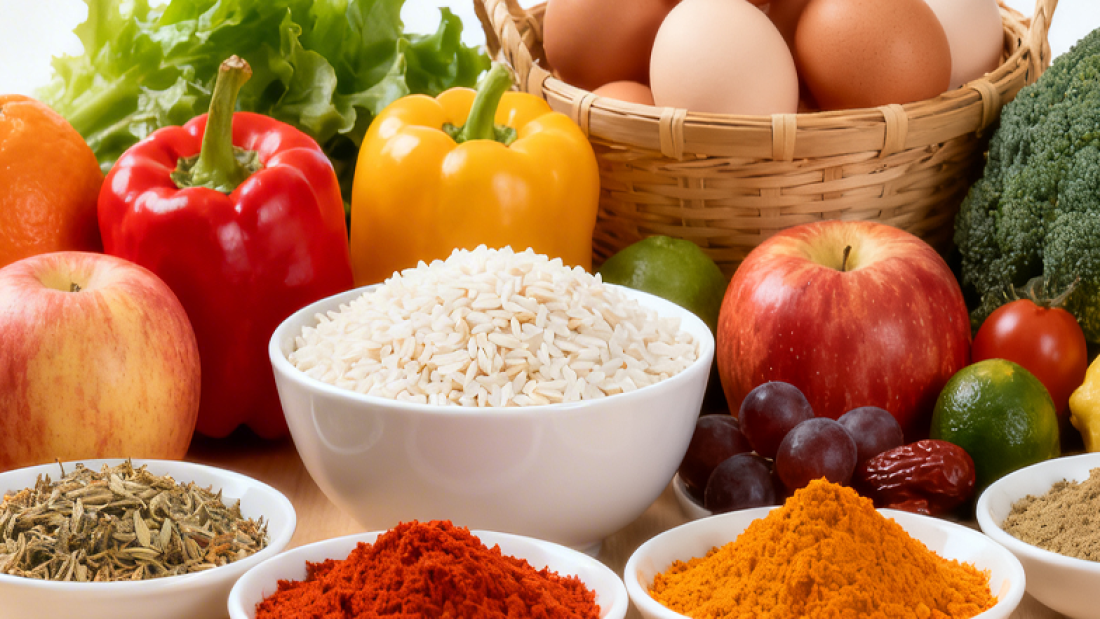
Mayil Global supports sourcing across fresh fruits, vegetables, premium spices, rice, and farm-fresh eggs. The Mayil Global product range is structured for supermarkets, restaurants, retailers, and wholesale food businesses.
2. Match the shipment with a verified buyer
Exporters should not load a container based only on a general market assumption. The priority is a verified buyer of that particular product.
The matching process should confirm:
- The buyer’s legal and commercial identity.
- The precise product, origin, grade, and pack.
- Required volume and delivery location.
- Expected price basis and payment terms.
- Inspection and acceptance conditions.
- Whether the shipment will use commission-based distribution or a cash-and-carry purchase model.
This product-specific approach reduces rejection risk and limits exposure to price movements after the container is dispatched. It is the operating principle behind the keyword verified buyer for exporters uae.
3. Complete compliance and documentation
UAE import requirements depend on the product, origin, importer, and applicable authority. The UAE import requirements and documentation guide identifies standard commercial documents such as:
- Commercial invoice.
- Certificate of origin.
- Detailed packing list.
- Bill of lading or airway bill.
- Import permits where applicable.
- Original health certificate for food products.
- Additional product-specific certificates where required.
Dubai Municipality provides official services and guidance relating to food and consumer goods, public health, inspection, and regulatory compliance. Exporters and importers should review the Dubai Municipality requirements applicable to their shipment before loading.
All documentation must be accurate and consistent across the invoice, packing list, certificate of origin, product labels, and shipping documents.
4. Apply inspection, hygiene, and storage controls
Food safety is non-negotiable. Products should be inspected before loading for freshness, physical damage, contamination, maturity, sizing, and conformity with the agreed specification.
Hygienic handling should cover:
- Clean packing areas and equipment.
- Suitable food-grade packaging.
- Protection from contamination.
- Proper palletisation and ventilation.
- Temperature control where required.
- Documented inspection photographs.
- Secure storage before dispatch.
- Organised receiving and unloading procedures.
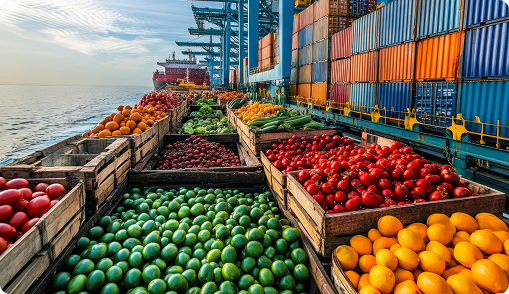
Mayil Global’s sourcing and logistics process focuses on supplier selection, quality inspection, hygienic handling, packaging, storage, and organised distribution. These controls provide buyers with dependable supply and consistent quality from source to market.
5. Select the UAE distribution model
Mayil Global promotes a 3 percent commission distributor uae model for approved export transactions. Under this structure, the exporter supplies the agreed product and Mayil Global coordinates UAE distribution, buyer matching, market handling, and sales support for a 3% commission, subject to agreed commercial terms.
The model can support exporters that want local market access without establishing a full UAE distribution operation. It is particularly relevant when product specifications, buyer requirements, and arrival timing are clearly confirmed in advance.
Mayil Global may also consider immediate cash-and-carry container purchases for approved shipments. Such purchases remain subject to:
- Buyer and supplier approval.
- Product and document inspection.
- UAE import and food-safety compliance.
- Shipment verification.
- Agreed price, quantity, payment, and delivery terms.
Neither model should be treated as an automatic commitment. Every transaction requires commercial review and formal confirmation.
Compliance Notice for Iran-Linked Supply
Iran-linked products, suppliers, payments, vessels, or routes require formal compliance review and sanctions screening. Restricted-origin listings should not be presented as executable supply opportunities without approval.
Exporters and buyers must verify the legality of the proposed transaction, counterparties, banks, logistics providers, carriers, and route before negotiating or loading. Where compliance clearance is unavailable, the supply should not proceed.
Mayil Global’s B2B Supply Role
Mayil Global supplies fresh fruits, vegetables, premium spices, rice, and farm-fresh eggs to UAE supermarkets, restaurants, retailers, and wholesale distributors.
The operating priorities are consistent:
- Sourcing from trusted farms and global suppliers.
- Inspecting products at every stage.
- Maintaining hygienic handling and packaging.
- Managing storage and transportation properly.
- Supporting organised logistics and timely delivery.
- Building dependable supply relationships.
- Connecting exporters with a verified buyer of that particular product.
- Offering approved 3% commission-based distribution and immediate cash-and-carry container options.
For UAE buyers, this structure supports wholesale procurement with clearer specifications, stronger supply-chain control, and more reliable distribution. For exporters, it provides a practical route into the UAE market without removing the need for compliance, inspection, documentation, and agreed terms.
To discuss a shipment, wholesale requirement, or product-specific buyer match, contact Mayil Global.