2Yt9Q-Gm6Jn

Importing Potatoes to Dubai: Origin Economics, Al Aweer Pricing and the 3% Commission Alternative for Exporters

Potatoes are a high-volume staple import in the UAE, supplying supermarkets, restaurants, retailers and wholesale distributors. For exporters, that demand creates a substantial route to market, but it does not guarantee a margin. Origin, variety, grade, handling and the price achieved after arrival all affect the result.

This guide explains the practical steps for importing potatoes to Dubai, with Al Aweer Central Market price references from 22 October 2026. It also outlines two ways to work with Mayil Global: consignment distribution at a flat 3% commission or an outright Cash & Carry container purchase on arrival.

This is the third produce walkthrough in our exporter series, following guides to exporting onions to Dubai and finding a tomato buyer in Dubai.

Why potato imports matter to UAE exporters

Potatoes move through several buyer channels. Supermarkets look for dependable supply and consistent grading. Restaurants and food-service buyers value functional specifications and reliable delivery. Wholesale distributors need product that can be sold at current market levels without avoidable losses in storage or handling.

As one of the UAE’s highest-volume staple imports, potatoes can give exporters access to recurring demand. The same scale also makes the market competitive. A shipment that misses buyer specifications, arrives with quality issues or is priced without reference to current trading conditions can quickly lose its advantage.

The commercial priority is therefore twofold: match origin and grade to the intended buyer, then work with a distribution partner who understands actual Al Aweer market conditions.

Al Aweer potato prices on 22 October 2026

The following Al Aweer Central Market references are listed per kilogram. Use them as sourcing and negotiation points, not as guaranteed transaction prices.

Potato reference Route and pack Indicative price
White Potato, Pakistan Sea, mesh bag 2.8 kg AED 1.79/kg
Pink Potato, Pakistan Sea, mesh bag 2.8 kg AED 2.14/kg
Pink Potato, Bangladesh Sea AED 5.71/kg, down 11.2%
Potato Unwashed, Lebanon Road AED 2.50/kg
Potato Unwashed, Egypt Road AED 3.00/kg

Prices vary by quality, grade, pack size, availability and negotiation. The Al Aweer potato reference page provides market context; exporters should confirm current specifications and buyer interest before dispatch.

These entries are not all like-for-like products. Egypt and Lebanon can land below the Pakistan white potato line on some grades, but the listed unwashed references above are higher than the listed Pakistan white price. Bangladesh pink is at a wide premium to the other references. The practical point is that origin selection, grade and variety, not freight alone, determine the margin. Compare offers only after matching the product specification and route.

One-day market changes matter

Other Al Aweer movements reported on 22 October underline how quickly category pricing can shift: green capsicum rose 103.6%, cabbage fell 40.0%, cherry tomatoes and lettuce rose 25.0%, and red and yellow capsicum fell 20.0%.

These are signals of market movement, not potato price forecasts. They show why an exporter needs a buyer who sells at real market level rather than applying a fixed markup to landed cost regardless of daily demand.

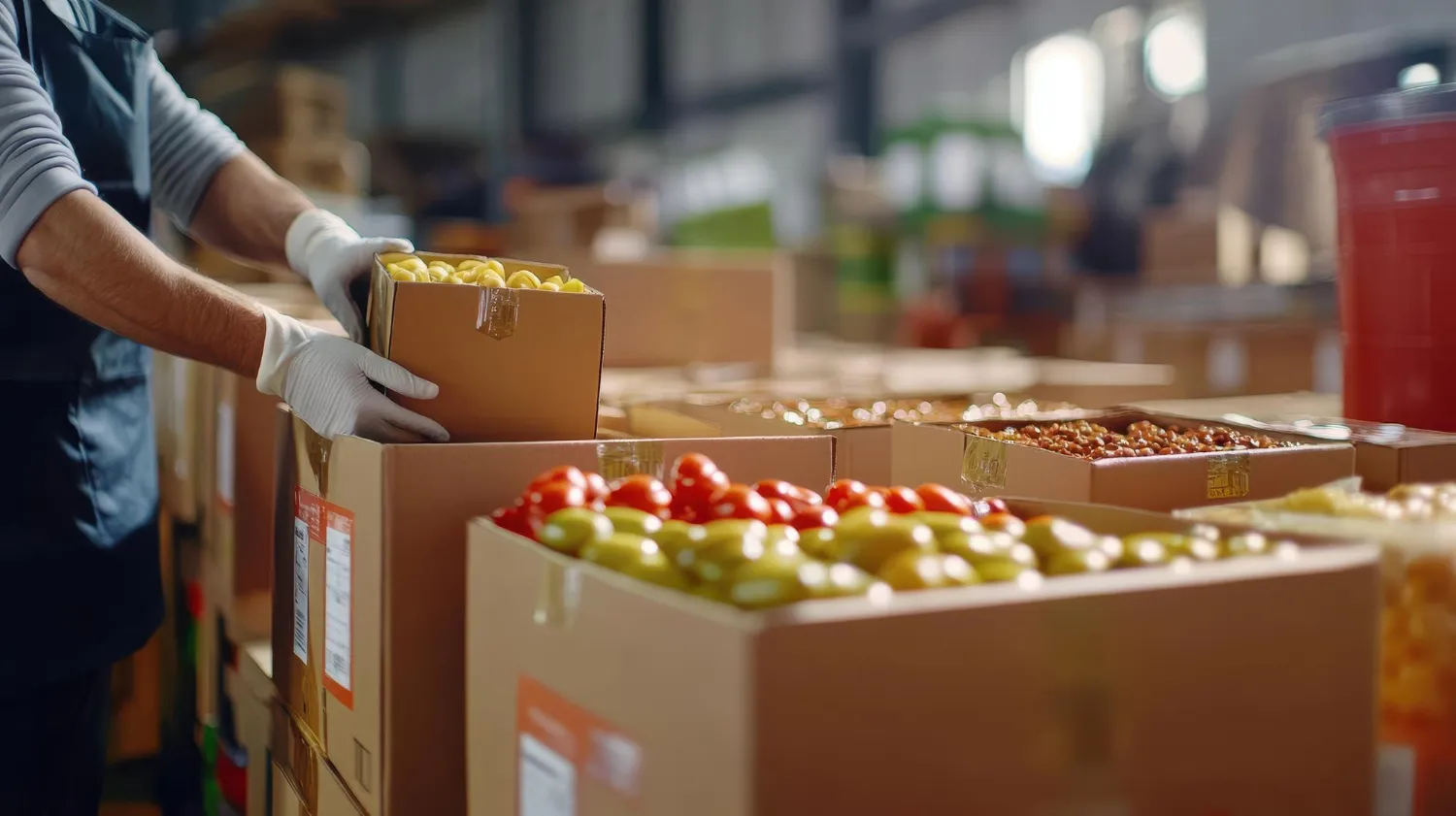
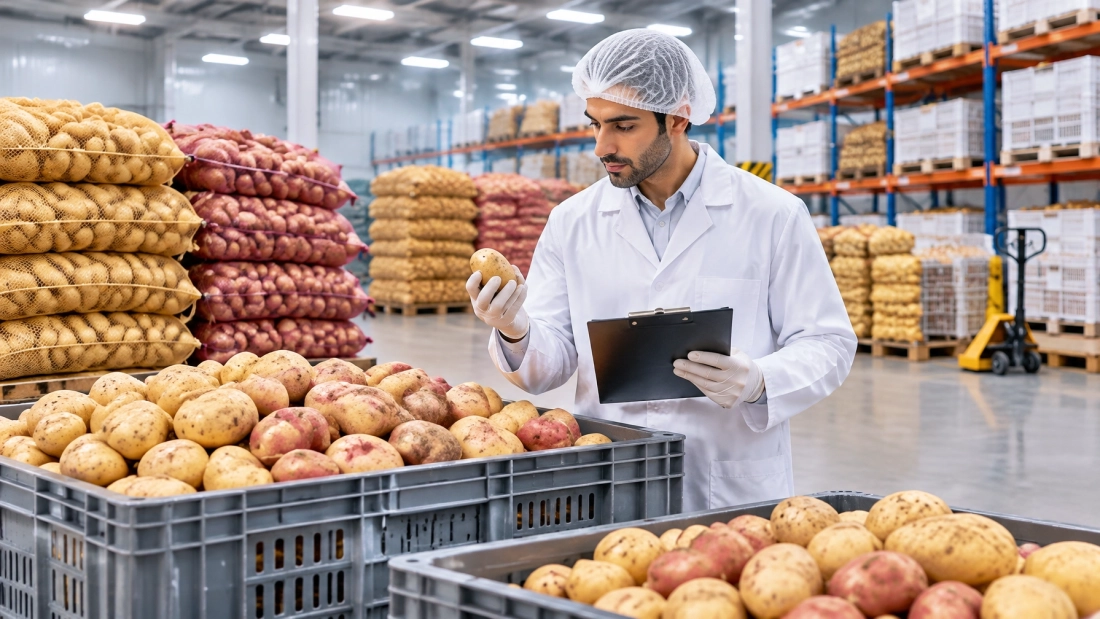
Potato quality grading on a modern packing line under inspection lights

How to export potatoes to Dubai: a step-by-step guide

Before shipment, confirm the UAE importer, destination, product specification and current regulatory requirements. UAE agricultural and food import rules can vary by origin and shipment. Coordinate the final checklist with the importer, customs broker and relevant authorities.

1. Select the origin, variety and grade

Start with the target buyer. Agree whether the shipment is white or pink potato, washed or unwashed, and specify size range, appearance, defect tolerance, pack type and intended channel. Supermarket, restaurant and wholesale buyers may have different requirements.

Compare origin economics against the buyer’s specification. A lower farm-gate or freight cost does not guarantee a stronger return if the grade, pack or arrival condition does not match the market.

2. Confirm requirements and documents before loading

Coordinate with the UAE importer and broker before the shipment departs. The document set commonly includes:

  • Certificate of origin
  • Phytosanitary certificate issued by the competent authority in the exporting country
  • Packing list and commercial invoice
  • Bill of lading
  • Health or food-safety documentation required for the product and origin
  • Product and package labelling information

Some shipments may require additional permits, product registration, inspection or supporting analysis. Confirm applicable requirements with MOCCAE’s agricultural import permit service and its release service for imported agricultural consignments. Dubai food-import procedures and clearance steps should also be verified with the importer and broker before dispatch. Requirements can change, so do not rely on an old shipment file as the sole reference.

3. Complete pre-shipment quality control

Inspect the lot before packing and loading. Check size consistency, skin condition, visible damage, decay, sprouting and signs of greening. Confirm the produce meets the agreed specification and that the paperwork reflects the correct origin, variety, quantity and pack.

Mayil Global’s operating approach centres on inspection at every stage, hygienic handling and packaging, and proper storage from farm to market. For exporters, pre-shipment inspection helps reduce discrepancies and protects the value of the cargo.

4. Plan customs clearance at the Dubai port

Send the document set to the UAE importer and customs broker in advance. After arrival, the shipment may be subject to document checks, agricultural inspection and food-safety controls before release. Confirm clearance status before arranging onward delivery. Dubai Customs publishes general information through its FAQ page; the importer or broker should verify the applicable tariff classification and shipment-specific process.

A perishable-food container being inspected during clearance at a Dubai port

5. Arrange distribution after release

Once cleared, potatoes can move to Al Aweer wholesale market or into direct distribution for supermarkets, restaurants and other B2B buyers. Coordinate transport, receiving times and unloading capacity to avoid unnecessary holding. Efficient distribution and organised logistics help protect quality while getting the shipment to its intended channel on time.

Potato handling: ventilation, curing and storage discipline

Potatoes need handling suited to the crop. They are not managed like products that rely on refrigerated cold-chain transport. Use ventilation and protect the cargo from conditions that encourage condensation, overheating or damage.

  • Cure before shipment: Allow harvested potatoes to cure appropriately before packing so the skins are set and minor handling damage can heal. Follow crop- and origin-specific post-harvest protocols.
  • Prioritise ventilation over refrigeration: Provide airflow through the load and avoid trapping heat or moisture. Confirm transport conditions with the packer and logistics provider.
  • Prevent light exposure: Keep potatoes away from direct light during storage and handling. Light exposure can cause greening, which affects marketability.
  • Manage sprouting: Use sound post-harvest practices and monitor storage duration and conditions. Agree any sprout-control approach with the buyer and ensure it complies with applicable requirements.
  • Stack and palletise carefully: Use stable, secure stacks that preserve airflow and prevent sacks or crates from being crushed. Keep loads clean and off contaminated surfaces.
  • Maintain hygiene: Use clean packaging and handling equipment, protect the product from contamination, and follow food-safety standards throughout storage and distribution.

A transparent alternative to traditional commission agents

Exporters entering Dubai may encounter commission stacking, delayed settlement, unclear deductions and limited visibility into the final sale price. Some traditional arrangements also lack a defined outright purchase option, leaving the exporter exposed to market movement while awaiting sale.

Mayil Global offers two routes for exporters seeking a verified buyer for exporters in the UAE:

  1. Consignment distribution at a flat 3% commission. Mayil Global distributes the shipment through its B2B network and charges a fixed 3% commission on the agreed gross sales value. The model is designed to make the distribution cost clear and connect the exporter to real Al Aweer market levels rather than a fixed landed-cost markup.
  2. Immediate Cash & Carry container purchase. For suitable shipments, Mayil Global buys the container outright on arrival, subject to agreed terms and quality inspection. This gives the exporter a direct purchase route instead of waiting for the container to sell on consignment.

The 3% commission model is an alternative to layered agent fees, while Cash & Carry offers a separate buy-out route. Confirm settlement, inspection, product specification and shipment terms before dispatch.

As a UAE wholesale fruits and vegetables supplier, Mayil Global serves supermarkets, restaurants, retailers and wholesale distributors. The company combines farm-direct sourcing from trusted farms and global suppliers with quality control, hygienic packaging, organised logistics and a multi-country supply network for dependable distribution. Learn more about Mayil Global’s sourcing and logistics.

Dubai wholesale produce market trading floor with traders reviewing crates and potato sacks

Conclusion: plan the shipment around the buyer and the market

Successful potato exports to Dubai begin with a matched origin, variety and grade, followed by complete documentation, pre-shipment inspection and potato-appropriate storage and ventilation. Al Aweer’s 22 October references show why exporters need to compare specifications carefully and keep pricing connected to current market conditions.

For exporters assessing how to export food to Dubai, Mayil Global provides two commercial options: a flat 3% commission distribution route or an outright Cash & Carry container purchase on arrival, subject to agreed terms and inspection. Contact Mayil Global to discuss your origin, potato specification, shipment timing and preferred route to UAE buyers.

476942

Verified Buyer & Exporter Authority Series: October 22 Al Aweer Market Briefing. Why UAE Retailers Now Charter Whole Vessels, Egypt’s Near-Origin Produce Play, and the Two-Day Al Aweer Swing Traders Can’t Ignore

The UAE food supply chain is being redesigned around a clear operational priority: keep dependable volumes moving, even when established shipping patterns are disrupted. For exporters, that shift changes what buyers value. Retailers sourcing at scale need suppliers who can deliver consistent grades, documentation and inspection-ready quality, not just a competitive spot price.

This October 22 briefing looks at three connected developments: retailers consolidating supply through dedicated vessel charters, Egypt’s push to strengthen agricultural ties with the UAE, and short-term price swings at Al Aweer. Together, these developments point to a market where supplier readiness and buyer verification matter more than ever.

Retailers are building supply chains they can control

About 80% of food in the UAE is imported, according to The National’s October 9 report by Alexander Christou. The report describes how the Iran war and closure of the Strait of Hormuz disrupted shipping, with some sea shipments taking up to 70 days. A serious challenge for short-shelf-life products.

LuLu Group International responded by moving away from shared shipments and chartering entire vessels exclusively for its consolidated cargo. The reported sourcing markets include India, Thailand, China, Indonesia, Spain, Turkey and Italy. The group also shifted some sourcing from distant markets toward closer alternatives. As private-label director Shamim Sainulabdeen put it: “We are not waiting for this situation to get corrected. We made our own supply chain.”

This does not mean every retailer will charter a vessel or every product will move through the same route. It does show a strategic preference for more control over sourcing, shipment timing and supply continuity. The same report describes United Foods placing raw-material orders months in advance and holding up to five months of stock, while Al Ain Farms Group emphasized local manufacturing and the reputation of UAE-made products for food safety and regulation.

At Global Food Week in Abu Dhabi, the emphasis was on moving “from being agile to being ready,” with resilience and AI-driven efficiency among the themes. For exporters, readiness increasingly means showing that capacity, quality systems and supply plans are in place before a buyer faces an urgent shortage.

Fresh produce at a port, illustrating the role of shipment planning in food distribution

What vessel-scale sourcing means for exporters

When a retailer consolidates orders into a dedicated shipment, the supplier’s role changes. A retailer is not simply comparing one container price against another. It is assessing whether partners can contribute reliable volume to a broader procurement plan and maintain product specifications through the journey.

For exporters, that creates a practical opening, but only when the offer is operationally credible. Buyers need confidence in:

  • Volume capacity: realistic, repeatable quantities and a clear production or procurement schedule.
  • Grade consistency: agreed sizes, maturity, packaging and tolerances across lots.
  • Shipment readiness: confirmed availability, lead times and loading plans.
  • Quality and compliance records: documentation that is complete and ready for review.
  • Cold-chain control: handling records and temperature information appropriate to the product.

The focus is shifting from chasing one-off spot orders to building fewer, more dependable supplier relationships. Exporters seeking a verified buyer for exporters uae should be prepared to share precise product specifications and demonstrate that their supply can meet the buyer’s stated requirements. Mayil Global’s sourcing and logistics approach centers on trusted farms and suppliers, inspection, hygienic handling and organized distribution. Our 3 percent commission distributor uae model is a separate option for exporters using our distribution channel; terms should be confirmed for the specific product and transaction. Immediate cash-and-carry container purchases may also suit sellers prioritizing a direct, faster sale rather than ongoing commission distribution.

Egypt’s near-origin opportunity, and its limits

On October 7, Egypt’s State Information Service reported that Egypt is seeking stronger agricultural trade and investment ties with the UAE to support regional food security. The announcement signals a policy interest in expanding cooperation, including agricultural trade and investment.

For UAE buyers, Egypt’s proximity makes it a market to watch as retailers reassess sourcing distance and resilience. For exporters already supplying Al Aweer, the development may mean more competition from near-origin produce, especially in vegetable categories where shipping time and freshness are central to commercial value.

The announcement should be read accurately: it establishes an intention to strengthen trade and investment, not a fully specified produce corridor with confirmed volumes, routes or start dates. It is a signal to monitor, rather than evidence that a particular product’s Al Aweer price movement is caused by Egyptian supply. For exporters, the useful response is to track buyer specifications, seasonal availability, transport options and the full landed cost of competing origins.

Produce being handled and packed, highlighting inspection and careful preparation before distribution

Al Aweer market updates: a two-day swing, not a market-wide verdict

The October 20 Al Aweer price report shows gains in goose berry (amla) (+10.2%), drumstick (+9.9%), pomegranate (~10 pc) (+9.1%), lemon (+8.6%) and normal garlic (+8.2%). Pomelo honey and onion each fell 20.0%; generic garlic declined 18.3%, small shallots 16.7% and red pomelo 12.4%.

The October 19 report had a different pattern: cabbage rose 33.3%, fresh turmeric root 28.0%, green chili 25.1%, zucchini 18.2% and red pomelo 14.2%. Broccoli fell 27.8%, while cherry tomatoes and bunch tomato each declined 20.0%; white onion and cucumber also decreased.

The two-day comparison highlights how rapidly individual categories can move as supply and buying conditions change. Tomato lines dropped sharply on October 19 after a strong day for cabbage. Garlic also split by listing and grade: normal garlic gained on October 20 while generic garlic fell. Meanwhile, amla, drumstick and lemon firmed, suggesting demand support for some specialty produce. These figures are indicative wholesale movements, not guaranteed transaction prices; actual rates vary by quality, quantity and negotiation.

For buyers and sellers alike, monitoring Al Aweer market updates is useful for context, but a daily price move should not replace a product-specific assessment of grade, volume and arrival condition.

Dependable supply still depends on perishable handling

The importance of timing is also reflected in Dubai’s operational response. Khaleej Times reported on October 6 that Dubai authorities would prioritize perishable food shipments at ports amid vessel delays and regional logistics disruption. The report also described coordination with traders on berthing, shipping and trucking challenges. For fresh produce exporters, this background reinforces a simple point: port priority helps, but it does not replace sound packaging, cold-chain planning or accurate paperwork.

For UAE supermarkets, restaurants and distributors, a reliable wholesaler helps translate international sourcing into consistent local availability. Mayil Global supplies fresh fruits and vegetables, premium spices, rice and farm-fresh eggs to B2B customers, supported by quality control, hygienic handling and organized logistics. Explore our product range or contact Mayil Global to discuss wholesale requirements.

Practical next steps for exporters

Retailers chartering whole vessels need suppliers who can contribute to a controlled, well-documented supply plan. Before presenting an offer, prepare:

  1. A volume schedule showing available quantities, frequency and realistic lead times.
  2. A written grade specification covering size, maturity, packaging and acceptable tolerances.
  3. Cold-chain documentation relevant to the product, including handling and temperature records where applicable.
  4. Inspection-ready quality with clear lot identification and records available for review.
  5. A verified buyer check confirming the buyer’s legal identity, purchasing authority, product requirements, volume expectations and commercial terms.

Buyer matching should be product-specific: establish that the counterparty is a verified buyer of that particular product before committing harvest, packing or shipment capacity. This reduces avoidable mismatches and supports long-term relationships built on clear expectations.

For exporters researching how to export food to dubai, the operational starting point is not only a shipping quote. It is a complete, buyer-ready offer: product, origin, grade, volume, documents, delivery plan and commercial terms. In the current UAE export news environment, suppliers who can prove readiness have a stronger basis for earning repeat business. Mayil Global’s 3% commission distribution option and immediate cash-and-carry container purchases offer two ways to discuss market access, depending on the exporter’s transaction needs.

Sources: The National, October 9, 2026; Egypt State Information Service, October 7, 2026; Khaleej Times, October 6, 2026; Al Aweer price reports, October 19–20, 2026.

9Aswf7gbg1b

Rice, Pulses, and Grains Export Series with 3% Commission Model: Exporting Ponni Rice, Kabuli Chickpeas, and Buckwheat to Dubai

Exporting staple foods to Dubai depends on more than product availability. Exporters need a reliable route to market, clear commercial terms, consistent quality control, and careful coordination with the UAE importer. For Dubai-based buyers, those same disciplines help support dependable supply and smooth purchasing.

Mayil Global connects international suppliers with UAE businesses through a 3% commission-based distribution model. The model is designed to give exporters access to local B2B distribution while helping supermarkets, restaurants, and wholesale distributors source food products through an organized supply chain. This article covers key considerations for Ponni rice, Kabuli chickpeas, and buckwheat, and practical steps exporters and buyers can take before a shipment moves.

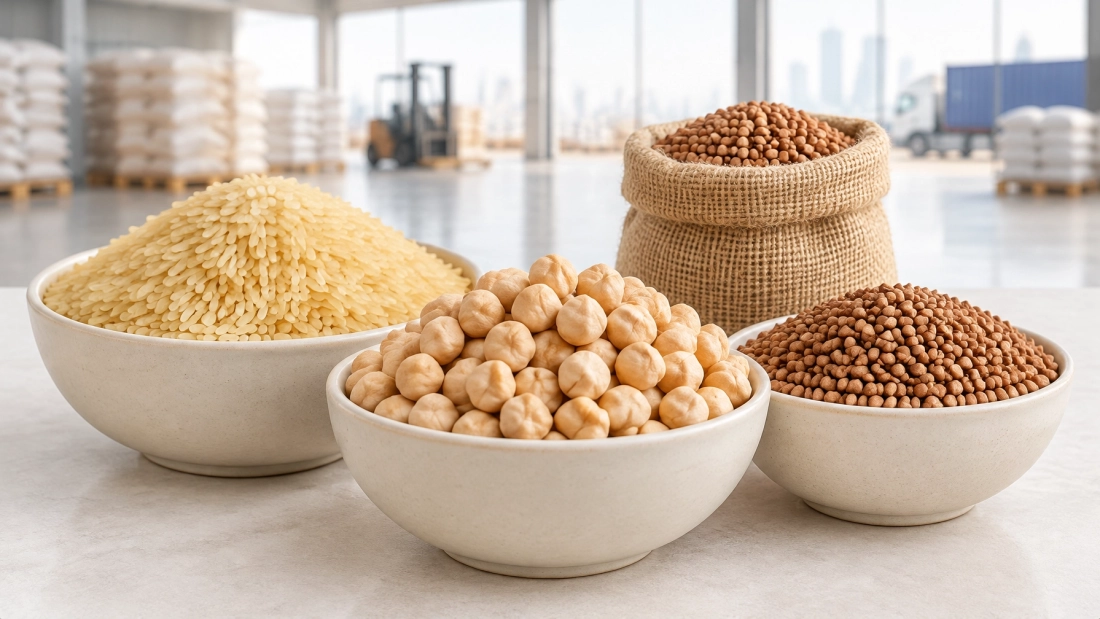
Rice grains arranged for a wholesale product presentation

How the 3% Commission Model Supports Exporters

Entering a new market can require local buyer relationships, distribution coordination, and clear reporting. Mayil Global offers international exporters a distribution option with a 3% commission, agreed as part of the commercial arrangement.

Sourcing through a UAE distribution partner can help an exporter introduce products to local wholesale buyers without building a separate distribution operation in the market. The commission terms, product scope, settlement process, responsibilities, and applicable logistics arrangements should be confirmed in writing before shipment.

For exporters who prefer to sell a container directly, Mayil Global also invites enquiries about cash-and-carry container purchases. Availability and transaction terms should be confirmed for each shipment.

The 3% model is a commercial arrangement, not a government import requirement. Its value is practical: a defined distribution fee, access to Mayil Global’s B2B network, and a channel supported by sourcing, quality control, hygienic handling, and organized logistics.

Three Products, One Disciplined Supply Chain

Ponni Rice: Parboiled South Indian Rice

Ponni rice is a parboiled South Indian rice variety that can serve buyers seeking a specific rice type for retail or foodservice. Exporters should provide a clear product specification, including the variety, processing details, origin, pack format, lot identification, and any relevant quality documentation. This helps the UAE importer and buyer assess whether the product fits their requirements.

For businesses searching for bulk rice suppliers Dubai, dependable specifications matter as much as continuity of supply. Mayil Global works with trusted farms and global suppliers and applies quality inspection through the sourcing and handling process. Product availability and specifications are confirmed directly with the trade team.

Kabuli Chickpeas: Clear Grading and Lot Information

Kabuli chickpeas are a distinct pulse product, and buyers should assess shipments against agreed specifications. Exporters can help by sharing details such as grade or size description, origin, packaging, lot identification, and available product test documents. These details give wholesale buyers a clear basis for evaluating consistency between orders.

Mayil Global’s distribution approach emphasizes transparent product information, quality control, and hygienic handling. Confirming specifications before dispatch supports informed procurement for supermarkets, restaurants, and wholesale distributors.

Buckwheat: Accurate Product Description

Buckwheat should be described precisely in the offer and shipping documents. Exporters should clarify whether the product is whole grain, groats, milled, or presented in another form, and state the intended food-use description and pack format. Buyers can then assess how it aligns with their product range and handling needs.

For all three products, the product file should match the physical shipment and its labels. Clear identification supports traceability and helps reduce avoidable delays during document review.

Exporting Food to Dubai: A Practical Pre-Shipment Sequence

Businesses asking how to export food to Dubai should begin by coordinating with a UAE-based importer and its customs broker. Requirements may depend on the product, its processing and packaging, the country of origin, and applicable UAE procedures. Confirm requirements for each product before shipment.

  1. Confirm the importer and buyer requirements. Verify that the UAE partner is prepared to import the specific food products and can coordinate local clearance and distribution.
  2. Agree on the product specification. Record product name, form, origin, packaging, lot identification, and buyer quality requirements.
  3. Check product registration and label requirements. The importer should confirm applicable food registration, label evaluation, and Arabic-language requirements with the relevant authorities before dispatch.
  4. Confirm the shipment documents. Ask the importer or broker which documents apply. Common trade documents can include a commercial invoice, packing list, certificate of origin, and bill of lading or airway bill. Food health or plant-health documents may also be required depending on the product and shipment.
  5. Review classification and costs. Confirm the appropriate customs classification and any relevant duties or taxes with the importer or broker. Do not rely on assumptions based only on a product’s common name.
  6. Coordinate dispatch and receipt. Align shipment timing, handling, storage, and delivery with the importer’s logistics plan. Keep documents and lot records consistent throughout the process.

Official guidance is available from Dubai Customs and the U.S. International Trade Administration’s UAE import requirements overview. Importers should confirm current procedures for their products before shipping.

Becoming a Verified Buyer for UAE Exporters

The phrase verified buyer for exporters UAE is best approached as a commercial due-diligence process, rather than as a single universal status. Exporters need confidence that a buyer is prepared and able to complete the transaction. Buyers can demonstrate readiness by providing accurate business details and confirming their importing and purchasing requirements.

A Buyer Readiness Checklist

  • Share the legal business and contact details needed for the transaction.
  • Confirm the products, specifications, packaging, and quantities under consideration.
  • Coordinate with the UAE importer or customs broker on registration, documents, and clearance.
  • Agree on purchase, delivery, payment, and distribution terms in writing.
  • Confirm receiving arrangements, storage capacity, and quality-inspection expectations.

This preparation helps exporters assess the transaction and helps buyers receive products that match the agreed specification. Mayil Global supports B2B supply for supermarkets, restaurants, and wholesale distributors through an organized distribution process.

Delivering Consistency Through Sourcing and Logistics

Mayil Global’s operating priorities are consistent across food categories: farm-direct sourcing from trusted farms and global suppliers, strict quality control, hygienic handling and packaging, and organized logistics. Inspection at each stage, proper storage, and careful handling help protect product quality from source to market.

Global logistics and food distribution represented by a delivery truck in a warehouse

For exporters, a distribution relationship should make responsibilities and communication clear. For local buyers, a reliable wholesale supplier should support timely delivery and consistent product information. Mayil Global’s global supply network helps support dependable supply, while process transparency supports long-term business relationships.

Learn more about Mayil Global’s sourcing and logistics and product range. Product range and availability should be confirmed with the team for each enquiry.

Food products being handled and packed for supply

A Clear Route from Exporter to Dubai Buyer

Ponni rice, Kabuli chickpeas, and buckwheat each require accurate product descriptions, aligned shipment documentation, and clear buyer expectations. The 3% commission model gives exporters a defined distribution option, while Dubai-based wholesale buyers can work with Mayil Global for sourcing and supply enquiries.

By confirming specifications, regulatory steps, and commercial terms before dispatch, both parties can reduce uncertainty and maintain a more dependable supply chain. Mayil Global focuses on consistent quality, safety, hygienic handling, and organized logistics, backed by a 3% commission-based distribution option for exporters.

To discuss a product or distribution enquiry, contact Mayil Global.

476942-1100x619

UAE Export News & Al Aweer Market Updates: 22 October 2026 Daily Briefing

Today’s briefing

This edition of UAE export news reviews Al Aweer price movements reported for 21 October, current logistics and export developments, and compliance points for food businesses. For UAE buyers and international suppliers, dependable sourcing, accurate documentation and timely distribution remain central to protecting product quality and maintaining supply.

Al Aweer market updates: 21 October price movers

The Al Aweer Central daily report tracked 38 products and described the market as balanced. Eight products were dearer, 10 were cheaper and 20 were unchanged from the previous day. The median price change was 0%.

Top gainers Daily change
Cabbage +33.3%
Fresh Turmeric Root +28.0%
Chili Pepper (Green) +25.1%
Zucchini (Green) +18.2%
Pomelo Red (~6 pc) +14.2%
Top drops Daily change
Broccoli −27.8%
Cherry Tomatoes −20.0%
Bunch Tomato −20.0%
White Onion −14.7%
Cucumber −12.4%

The Al Aweer price tracker follows around 160 items daily. Its prices are indicative and can vary by quality, quantity and negotiation. Buyers should confirm origin, grade, pack size and available volume before placing orders.

Recent trend details

The 14-day trend table highlights several movements relevant to purchasing plans:

  • A White Cabbage 10 kg crate fell from AED 18.0 to AED 10.8 in one day, a 40% decrease in that report feed.
  • Lettuce in a 5 kg crate rose from AED 10.8 to AED 13.5 (+25%); Iceberg Lettuce increased from AED 9.0 to AED 10.8 (+20%).
  • A 2.5 kg Cherry Tomato crate was listed at AED 22.5, after moving between AED 18.0 and AED 22.5 in recent days.
  • A 10 kg Red Apple basket declined to AED 20.7 from AED 24.3, continuing a two-week slide from AED 34.2.
  • A 10 kg Kiwi (Hayward) basket rose to AED 25.2 from AED 22.5.
  • Broccoli in a 7 kg box fell to AED 40.5, down from its AED 58.5 peak on 17–18 October. Cauliflower rose to AED 22.5 from AED 20.7.

UAE export news roundup

Abu Dhabi advances a honey export programme

Abu Dhabi is moving to develop a honey export industry after a decade of research into bees adapted to local conditions. The programme includes 19,000 queen bees distributed to 613 beekeepers, according to Khaleej Times. The initiative demonstrates the importance of building export capacity through research, quality systems and coordination across the value chain.

Abu Dhabi’s honey programme focuses on queen bees and export development

Maritime advance filing is mandatory

RCL’s 20 October customer notice confirms the UAE National Advance Information Center’s Maritime Preload Cargo Information (MPCI) requirement for containerised maritime cargo moving into or through UAE ports. Shipping lines must submit manifest data electronically at least 24 hours before the vessel’s departure from the last foreign port. Customers should submit complete Shipping Instructions and bill-of-lading drafts 48 hours before the vessel’s ETA at the port of loading. Late or incomplete information may result in rollovers or customs “Do Not Load” instructions. See the RCL advisory for shipment details.

New multi-temperature logistics capacity

On 15 October, Al Sharqi Shipping opened an AED 70 million integrated logistics and distribution hub at Dubai Industrial City. The facility includes multi-temperature storage and serves food and beverage, FMCG, retail, HoReCa, quick-commerce and manufacturing customers. The Dubai Industrial City announcement positions the facility as added capacity for domestic demand and regional supply chains.

Airfreight and perishable cargo

flydubai Cargo’s dedicated freighter operations from DWC began in October, adding three Boeing 737-800 freighters and 23,000 kg of payload per flight. The freighters support specialised cargo, including perishables. This is an additional option for suitable time-sensitive shipments; exporters should confirm route availability, handling requirements and commercial terms. Details are available in the flydubai announcement.

Dedicated freighter operations add capacity for perishable shipments

Regulatory and compliance updates

Packaged food limits and export planning

The Ministry of Health and Prevention has introduced phased limits for sodium, sugar and fat in specified packaged foods. Deadlines extend through 31 December 2030, and reported penalties for non-compliance can reach AED 500,000. Food businesses should review product formulations, labels and phased compliance timelines with their UAE importer and relevant authorities. The Emirates News Agency report provides further details.

Minister of Economy and Tourism Decision No. 96 of 2026 provides a temporary exemption for certain operational coordination between logistics and food-sector companies during exceptional circumstances, to support continuity of essential supply. It does not allow coordination on prices, discounts, costs or margins. As the exemption is temporary, businesses should confirm its current validity and any extension before relying on it. The published decision sets out its conditions and limits.

How to export food to Dubai: practical checks

For businesses assessing how to export food to Dubai, confirm requirements before dispatch. Requirements can vary by product, origin and shipment. Use these steps as a starting checklist:

  1. Confirm eligibility and product registration. Check applicable UAE requirements and register products through the ZAD portal where required.
  2. Verify origin and supplier records. The UAE has suspended Iran-origin trade since 19 August 2026. Verify product origin and transaction permissibility before shipment.
  3. Check food safety and labelling. Confirm required certificates, product details, labels and supporting records with the importer and relevant authority. Packaged foods may also be affected by the phased nutrient limits.
  4. Submit shipping information on time. Align the final shipping instructions with the MPCI filing schedule and the carrier’s cut-off to reduce rollover or customs risks.
  5. Plan cold-chain logistics and release. Match transport, storage and delivery arrangements to shelf life. Dubai continues to fast-track perishable shipments amid port delays, as reported by Khaleej Times; this does not remove normal import, food-safety or customs requirements.

Market insight: leafy greens and brassicas diverge

The clearest market signal today is the split across leafy greens and brassicas. Cabbage family products are moving in opposite directions across the available listings: one report feed showed White Cabbage down 40% intraday, while the price board listed Cabbage up 33.3%. Broccoli declined 27.8%, while Cauliflower gained 8.7%. These figures refer to separate listings or report feeds and should not be treated as a single like-for-like quote; origin, grade and pack specification can differ.

Lettuce and Iceberg Lettuce strengthened by 25% and 20%, respectively, indicating firmer prices in these salad items. At the same time, the balanced saturation reading, with a median change of 0%, points to a calmer overall tape than earlier in October. For buyers, the practical response is to monitor item-level prices and avoid relying on broad category assumptions.

Mayil Global: wholesale supply and exporter distribution

Mayil Global is a wholesale supplier of fresh produce and premium food products in the UAE, serving supermarkets, restaurants and retailers. The range includes fresh fruits and vegetables, premium spices, premium rice and farm-fresh eggs. Sourcing directly from trusted farms and global suppliers, inspecting quality at every stage, and maintaining hygienic handling and packaging support dependable supply and consistent quality.

Quality checks and hygienic handling support dependable food distribution

For international and local exporters, Mayil Global offers a 3 percent commission distributor UAE model and positions itself as a verified buyer for exporters UAE. Exporters can discuss distribution through the 3% commission model or immediate cash-and-carry container purchases, subject to product and agreed terms. The commission model is designed to connect supply with UAE B2B demand through coordinated distribution.

Mayil Global’s international sourcing network supports UAE supply

For buyers, Mayil Global’s global supply network, quality control and organized logistics support timely delivery and proper product handling from farm to market. Explore sourcing and logistics, view the product range, or contact Mayil Global to discuss wholesale supply or exporter distribution.

Daily takeaway: Al Aweer’s balanced reading masks sharp item-level changes, particularly across greens and brassicas. For exporters and UAE buyers, dependable sourcing, accurate compliance and well-coordinated logistics remain essential to consistent quality and long-term supply relationships.

7b8cZDEKuQk

Importing Tomatoes to Dubai: The Exporter’s Playbook for Al Aweer Pricing and Cold Chain Success

Importing tomatoes to Dubai involves more than securing a competitive farm-gate price. Exporters need to align product specifications, phytosanitary documents, customs clearance, temperature management and distribution before cargo leaves origin. Each step affects the condition of a highly perishable product, and the price it can achieve at Al Aweer Central Fruit & Vegetable Market.

This step-by-step guide explains how to plan a tomato shipment, interpret wholesale pricing and choose a distribution arrangement. Mayil Global supports exporters and UAE buyers through farm-direct sourcing, quality checks and organized logistics, with a 3% commission-based distribution model and a Cash & Carry wholesale option for suitable shipments.

Step 1: Match the tomato to the buyer and market

Start by confirming what the UAE buyer needs. “Tomatoes” is not a complete product specification. Agree on variety, size, grade, colour and maturity at dispatch, plus packaging type, net weight per carton and acceptable defect tolerances.

Tomatoes intended for supermarket shelves may need consistent sizing and appearance. Restaurants and wholesale distributors may prioritize firmness, yield and pack format. Confirm the destination channel and expected delivery window before harvest and packing.

Mayil Global sources through trusted farms and global suppliers, then coordinates inspections and hygienic handling through the supply chain. This farm-direct approach helps exporters plan against real buyer requirements rather than shipping a generic lot and negotiating after arrival.

Step 2: Confirm import requirements before loading

Before booking freight, confirm that the UAE importer is set up to import food and that the product and label meet the applicable Dubai Municipality requirements. Requirements can vary by origin, product details and the shipment’s route, so exporters should have the UAE importer or customs broker confirm the current process for the specific consignment.

For fresh tomatoes, MOCCAE’s agricultural consignment release requirements identify a phytosanitary certificate issued by the exporting country’s competent authority, a customs manifest or transport document, and an invoice or contents list. A certificate of origin is also required when origin is not shown on the phytosanitary certificate. Additional documents or checks may apply.

Pay particular attention to origin-specific plant-health measures. MOCCAE states that tomatoes from countries affected by Tomato leafminer require an additional declaration on the phytosanitary certificate confirming freedom from all pest stages. Some origins may also require pesticide-residue analysis for produce. Check current requirements before shipment; do not assume an earlier consignment’s paperwork will apply to a new origin or season.

Step 3: Prepare a consistent shipment file

Align the documents before the cargo departs. Differences in product description, quantity, origin or marks between documents can delay clearance and add dwell time.

A typical file for an imported tomato shipment includes:

  1. Commercial invoice and packing list or contents list.
  2. Certificate of origin.
  3. Bill of lading for sea freight or airway bill for air freight.
  4. Phytosanitary certificate, including any applicable additional declaration.
  5. Food-health or laboratory documents when required for the origin or consignment.
  6. Delivery order and other documents requested by the customs broker or relevant authorities.

Share draft documents with the importer and broker before dispatch. Confirm tomato description, packaging, weights, origin and consignee details across the entire file. For further regulatory reference, consult the Dubai Customs Service Guide and the relevant UAE authorities for shipment-specific instructions.

Step 4: Clear the cargo and move it promptly

Sea shipments commonly enter through Jebel Ali; air-freighted cargo follows the relevant airport cargo process. The importer or authorized customs broker submits the customs declaration and supporting documents, pays applicable charges and coordinates any required inspections or release approvals. Agricultural shipments may be subject to visual inspection and, where required, laboratory testing by the competent authorities.

Once released, arrange a temperature-controlled vehicle to move the consignment to Al Aweer or the buyer’s facility. Pre-book transport and receiving arrangements rather than waiting for clearance to begin planning. Reducing port and transfer delays protects remaining shelf life and helps the cargo reach the market in saleable condition.

Temperature-controlled distribution truck supporting fresh produce logistics

Mayil Global’s sourcing and logistics operations focus on organized distribution and timely delivery. For exporters, pre-arrival coordination and clear receiving plans help connect port release with inspection and market placement.

Step 5: Protect tomato quality through the cold chain

Tomatoes are perishable, but they are also sensitive to inappropriate cooling. A generic low-temperature setting can harm quality, especially when fruit is held too cold for too long. Establish a written temperature plan based on variety, maturity, journey duration and the buyer’s specifications, and confirm that it meets current UAE handling requirements.

Maintain control from packing to arrival:

  • Use clean, food-suitable, ventilated cartons or crates that protect fruit from compression.
  • Pack tomatoes dry and avoid overfilling or stacking that can bruise lower layers.
  • Pre-cool where appropriate and maintain stable conditions during transit.
  • Use a calibrated temperature logger and retain the shipment record.
  • Keep cartons clear of direct heat and allow airflow around the load.
  • Inspect on arrival for firmness, colour, bruising, leakage and signs of condensation.

Hygienic packaging and handling are non-negotiable. Quality control at packing, loading and receipt helps identify problems early and supports consistent grading. Mayil Global emphasizes inspection at every stage to protect product condition and buyer confidence.

Tomatoes packed and handled for wholesale distribution

Step 6: Read Al Aweer prices as a moving reference

Al Aweer is a major wholesale distribution hub, not a fixed-price market. Tomato prices change with origin, grade, size, maturity, packaging, arrival volume, freight costs and daily demand. Two offers quoted per kilogram may not be comparable if one is for a premium grade in small cartons and the other is a mixed lot in heavier crates.

Seasonal supply also matters. Prices can ease when regional and imported volumes are abundant and firm when weather, crop gaps, shipping disruption or changes in origin reduce arrivals. Demand peaks and buyer requirements can add further variation. Build a landed-cost calculation that includes freight, clearance, handling, market distribution and expected wastage, not just the farm price.

As an illustration of daily variability, an Al Aweer market tracker reported Iranian cherry tomatoes at AED 8.00/kg on 20 October 2026, sold in 2.5 kg crates. Its reported 60-trading-day average was AED 9.80/kg, with a range of AED 6.00–14.80/kg. These are indicative cherry-tomato wholesale figures, not a guaranteed price or benchmark for all tomato grades. Check the current cherry-tomato market listing and obtain same-day quotes for the exact product and pack.

Step 7: Choose the right distribution and payment model

Traditional consignment distribution generally relies on selling stock into the market before the exporter receives proceeds. That arrangement may suit some suppliers, but it can leave working capital tied up while a perishable shipment is being sold.

Mayil Global offers exporters two routes, subject to shipment quality, inspection and agreed terms:

  • 3% commission-based distribution: Mayil Global manages market distribution for a clear 3% commission, with sales and settlement details set out transparently. This gives exporters a defined distribution fee and access to local B2B channels.
  • Cash & Carry wholesale purchase: For accepted shipments, exporters can pursue a direct container purchase rather than waiting for the full consignment to sell through. Purchase price, inspection criteria and settlement terms are agreed in advance.

The 3 percent commission distributor UAE model is designed for exporters seeking a clear fee and local distribution support. Cash & Carry is an alternative for suppliers prioritizing a direct wholesale transaction. Neither model removes the need to agree quality specifications, pricing and payment terms in writing.

For exporters searching the phrase “verified buyer for exporters UAE,” the practical checks are a buyer’s business credentials, inspection process, written commercial terms, settlement method and ability to handle delivery. Mayil Global works with UAE supermarkets, restaurants and wholesale distributors, linking dependable supply with local distribution requirements.

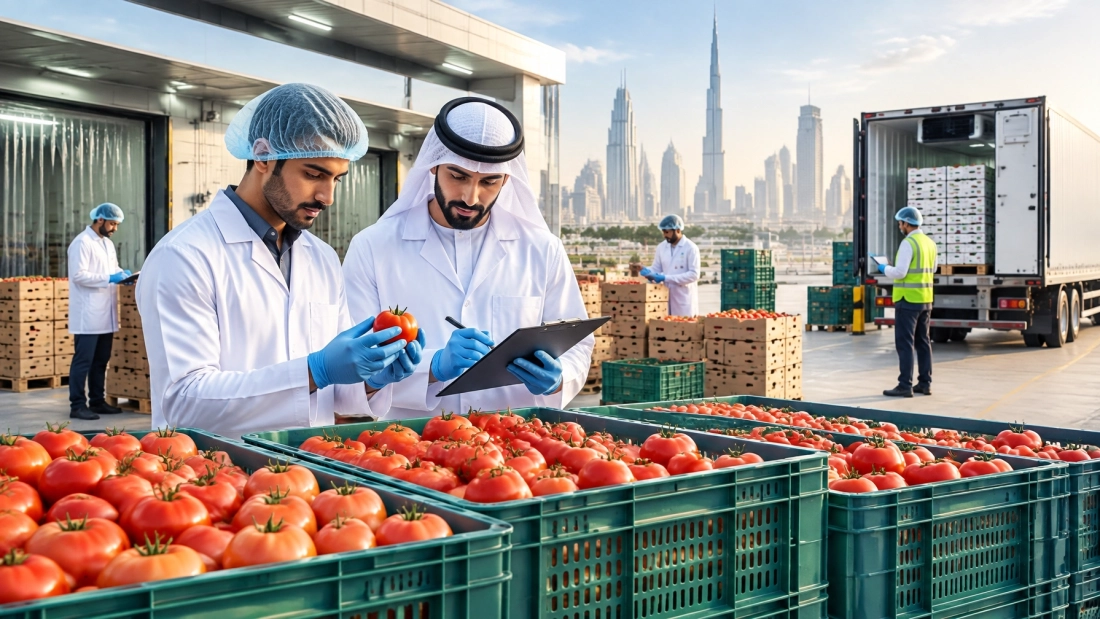
Exporter and buyer discussing tomato distribution at Dubai’s wholesale market

Plan the shipment around quality, not just freight

A reliable tomato export programme starts with a defined buyer specification, verified import requirements and aligned documents. It continues with controlled handling, prompt clearance and a distribution plan that reflects current Al Aweer conditions.

Mayil Global combines farm-direct sourcing from trusted farms and global suppliers, strict quality control, hygienic handling and organized logistics to support dependable supply for UAE buyers. For exporters, the 3% commission model and Cash & Carry option provide distinct routes to market. For local buyers, the result is access to wholesale fruits and vegetables in Dubai through a supply network built for consistent quality and timely delivery.

Explore Mayil Global’s sourcing and logistics, product range or contact the team to discuss tomato specifications, shipment volumes and distribution terms.

6qs3tazw66O

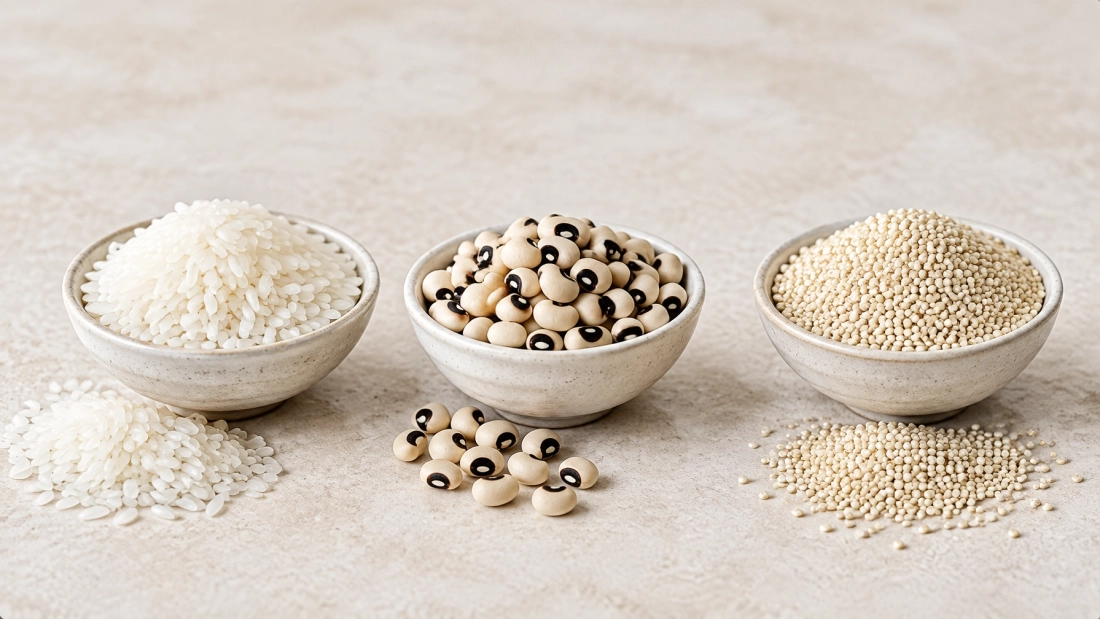
Rice, Pulses, and Grains Export Series with 3% Commission Model: Exporting Ambemohar Rice, Black-Eyed Peas, and Quinoa to Dubai

Dubai’s wholesale market depends on dependable sourcing, clear product specifications and timely distribution. For exporters of Ambemohar rice, black-eyed peas (lobia) and quinoa, entering the market requires more than finding a buyer. Each shipment needs a defined commercial arrangement, suitable documentation, consistent quality control and logistics coordinated with the UAE importer.

Mayil Global connects trusted farms and international suppliers with supermarkets, restaurants and wholesale distributors in the UAE. For exporters, the company’s 3% commission model offers a transparent distribution option. For Dubai-based buyers, it supports access to reliable supply through a partner focused on inspection, hygienic handling and organized logistics.

Three products, distinct buyer requirements

Rice, pulses and grains may travel through the same supply chain, but buyers evaluate them according to different specifications. Confirming those requirements before shipment helps reduce avoidable delays and disagreements.

Ambemohar rice

Ambemohar is an aromatic rice variety associated with Indian cuisine. Buyers may assess its variety identification, grain appearance, aroma, broken-grain proportion, cleanliness and packaging format. Exporters should confirm the buyer’s requirements for milling, grade, pack size and intended use rather than relying on a general description such as “premium rice.”

Rice grains and stalks, illustrating Mayil Global’s rice product category

For procurement teams comparing bulk rice suppliers dubai, clear specifications help distinguish one supply offer from another. Mayil Global’s product range includes quality rice for restaurants, wholesalers and other businesses requiring dependable bulk supply.

Black-eyed peas (lobia)

For dried black-eyed peas, buyers typically need an agreed description of the product, including whole or split presentation, size and grade, packaging, and the acceptable condition of the shipment. Cleanliness, consistent appearance and protection from moisture and pests are important considerations in storage and transport.

Quinoa

Quinoa requirements can vary by origin, grade and intended use. Before quoting, exporters and buyers should agree on product identity, quality parameters, packaging and documentation. Exact product descriptions matter: classification and import requirements can depend on the specific form and intended use.

The 3% commission model for exporters

Mayil Global’s 3% commission model is designed for international and local exporters seeking a distribution partner in the UAE. The commission rate is a key part of the offer. It gives exporters a defined distribution cost, while Mayil Global coordinates market access and distribution through its B2B network.

A lower, clearly stated commission can help exporters retain more of their proceeds than a higher-fee arrangement, subject to the agreed terms and other applicable shipment costs. The commission does not replace costs such as freight, customs charges, handling or other expenses unless the written agreement explicitly says so. Before shipment, exporters should confirm the commission basis, responsibilities, reporting and settlement arrangements in a documented agreement.

For exporters searching for a 3 percent commission distributor uae, process transparency is essential. Mayil Global’s approach is based on communicating the commercial terms clearly and coordinating supply with buyer requirements. Exporters seeking a verified buyer for exporters uae should share product specifications, origin, available volume, packaging details and proposed shipment timing for review before making dispatch commitments.

For container owners requiring a direct transaction rather than commission-based distribution, Mayil Global also considers immediate cash-and-carry container purchases, subject to product inspection, commercial terms and availability. This is a separate purchasing route. Exporters should confirm the agreed price, quality assessment, handover arrangements and payment timing before the container is released.

How Mayil Global supports supply and quality

Mayil Global sources from trusted farms and global suppliers, with the objective of maintaining a steady supply for UAE businesses. Its sourcing and logistics process emphasizes inspection at each stage, hygienic handling and packaging, suitable storage and organized distribution.

Food samples being checked in a clean inspection workspace

For dry products such as rice, lobia and quinoa, quality control starts with confirming the product against the agreed specification. Inspection can include checks on identity, appearance, packaging condition and other parameters agreed with the buyer. Clear lot identification and careful handling help support traceability through the supply chain.

The 3% commission model is part of a distribution approach built around operational coordination, not a substitute for quality standards. Exporters benefit from a defined commercial framework and access to a UAE distribution partner. Buyers benefit from sourcing coordination, product checks and logistics planning intended to support dependable supply and consistent quality.

Exporting food to Dubai: a practical preparation sequence

If you are assessing how to export food to dubai, start by coordinating with the UAE importer. Requirements may vary with the product’s form, packaging, origin and intended market. Confirm current procedures with the importer, relevant authorities and customs broker before loading.

  1. Agree on the product and commercial terms. Confirm variety, grade, pack size, volume, origin, delivery terms and whether the arrangement is commission-based or a direct container purchase.
  2. Check the import and customs requirements. The UAE importer or appointed broker should confirm the appropriate product classification and the current documentation and approval process for the shipment.
  3. Confirm labels and product registration. For packaged food, arrange any required product assessment or registration and confirm applicable label details before dispatch. Requirements can differ by product presentation and packaging type.
  4. Prepare and reconcile shipment documents. The importer or broker can advise which documents are required. Common trade documents include the commercial invoice, packing list, transport document and certificate of origin. Food or plant-product shipments may require additional approvals or certificates depending on the product and origin.
  5. Coordinate inspection, arrival and release. Keep product descriptions, lot details, weights and packaging information consistent across documents. Plan logistics with the importer and await applicable inspection and clearance before distribution.

For current guidance, consult Dubai Municipality, the Dubai Customs customer guide, and the UAE Ministry of Climate Change and Environment’s information on agricultural consignment imports. These references do not replace confirmation of requirements for a specific shipment.

Benefits for Dubai-based wholesale buyers

A wholesale food buyer dubai needs products that meet agreed specifications and arrive through a supply chain that can be planned. Mayil Global supports supermarkets, restaurants and wholesale distributors by coordinating sourcing and distribution for rice and other food products.

The benefits are practical:

  • Supply continuity: A global supplier network can support sourcing across multiple origins and help maintain dependable availability.
  • Consistent quality: Inspection at every stage helps align incoming products with the agreed specification.
  • Hygienic handling: Appropriate storage, handling and packaging protect product condition through the distribution process.
  • Organized logistics: Coordinated delivery planning supports timely replenishment and day-to-day operations.
  • Clearer commercial terms: The 3% commission model offers exporters a stated distribution rate, helping simplify the cost discussion across the supply relationship.

The commission structure is intended to improve cost clarity for exporters. Efficient sourcing and distribution can also support competitive procurement for UAE buyers, though final pricing depends on product, origin, volume, shipment terms and market conditions.

Food distribution truck and produce in a logistics facility, representing a connected supply network

Build a dependable UAE supply relationship

Exporting Ambemohar rice, black-eyed peas and quinoa to Dubai works best when product requirements, documentation, quality checks and commercial terms are aligned before dispatch. Mayil Global combines farm-direct sourcing from trusted farms and global suppliers with strict quality control, hygienic handling and efficient logistics.

For exporters, the 3% commission model provides a transparent distribution option, while immediate cash-and-carry container purchases may suit eligible direct-sale transactions. For local buyers, Mayil Global acts as a wholesale supplier focused on dependable supply, consistent quality and long-term B2B relationships.

Explore Mayil Global’s products, learn about sourcing and logistics, or contact the team to discuss product specifications and supply requirements.

476942

Verified Buyer & Exporter Authority Series: October 21 Al Aweer Market Briefing, Onion Cost Leadership Deepens, the Garlic Grade Divergence, Dubai’s Perishable-Shipment Port Priority and Customs Facilitation, and How to Export Food to Dubai

Briefing date: October 21, 2026. The latest available Al Aweer comparisons show a sharp onion decline alongside contrasting movements in garlic grades. At the same time, Dubai’s port-priority measures and customs facilitation are intended to support the movement of perishable food through a disrupted logistics environment. For exporters and UAE buyers, the practical focus is clear: match product grade to demand, protect shelf life, and work with a verified commercial partner.

Al Aweer market update: a split signal in garlic, continued onion price pressure

The indicative wholesale rates for October 20 show both strong gains and steep declines. Goose berry (amla) rose 10.2%, drumstick 9.9%, pomegranate (10 pc) 9.1%, lemon 8.6%, and Garlic (Normal) 8.2%. Among the largest drops, onion fell 20.0%, generic garlic 18.3%, small shallots 16.7%, honey pomelo (6 pc) 20.0%, and red pomelo (~6 pc) 12.4%.

The prior day’s market movement adds context. On October 19, cabbage rose 33.3%, fresh turmeric root 28.0%, green chili pepper 25.1%, zucchini 18.2%, and red pomelo (~6 pc) 14.2%. Broccoli fell 27.8%, cherry tomatoes and bunch tomato each fell 20.0%, white onion declined 14.7%, and cucumber fell 12.4%.

These are indicative wholesale rates, not guaranteed transaction prices. Actual traded prices vary by quality, quantity, origin, condition, and negotiation. Review the October 20 report and October 19 report alongside shipment specifications and buyer feedback.

Produce inspection and handling within a fresh food distribution operation

Onion cost leadership and garlic grade arbitrage

Onion declines create a procurement window

Onion fell 20.0% on October 20, following a 14.7% decline in white onion the day before. The consecutive drops strengthen onion’s position as a short-term cost-leadership opportunity for importers and bulk buyers. Supermarkets, restaurants, and wholesalers can assess replenishment needs against current landed costs, while exporters can use the movement to review sales timing and stock rotation.

A lower market indication does not make every shipment equivalent. Buyers should compare variety, size, firmness, skin condition, pack format, origin, and remaining storage life. Exporters should present these details with current images and a consistent grade specification. That allows a buyer to evaluate the offer against the right market segment, rather than relying on a broad “onion” price alone.

Garlic’s divergence is a grade signal, not a contradiction

On October 20, Garlic (Normal) gained 8.2%, while generic Garlic declined 18.3%. The two movements point to a potential grade and specification arbitrage story. The data does not prove why the prices diverged, but it does show that an undifferentiated garlic category can conceal meaningfully different market behavior.

Exporters should clarify the grade, size profile, curing and condition, origin, packaging, and quantity available. Buyers should confirm that the offer matches their retail or food-service use. If a shipment is priced as a higher specification, its quality documentation and inspection should support that positioning. Clear grading helps prevent a low-priced generic offer from being compared directly with a different quality tier.

Dubai port priority: operational support for perishable cargo

At a Fruits and Vegetables Traders Stakeholders Meeting on October 6 at Mina Rashid, the Ports, Customs and Free Zone Corporation (PCFC) and Dubai Chambers discussed disruption-related delays and their effect on produce shelf life. PCFC Chairman Abdulla Bin Damithan chaired the meeting, attended by Dubai Chambers President and CEO Mohammad Ali Rashed Lootah.

PCFC said Dubai ports would give clear priority to perishable food shipments, coordinating with Dubai Ports Authority and terminal operators. A Joint Follow-up Committee, chaired by Capt. Ibrahim AlBlooshi, Executive Director of Dubai Ports Authority, was established to address vessel berthing and discharge priorities, shipping charges, and trucking issues. PCFC also described an independent mechanism to review disputed charges and dedicated complaint and disclosure channels through Dubai Trade.

Dubai ports stakeholders meeting on perishable shipment and logistics priorities

This policy is a useful operational signal for exporters, but it is not a substitute for shipment planning. Port priority cannot remove the need to book suitable transport, prepare complete documents, communicate accurate cargo details, and coordinate trucking and receiving capacity. It does, however, place perishable cargo handling explicitly on the Dubai port agenda.

The broader port figures underline the scale of the supply chain. Mina Rashid recorded 25,618 tonnes of general food cargo so far in 2026, compared with 20,547 tonnes in 2024, while vessel calls doubled to around 600. Mina Hamriyah handled more than 436,000 tonnes of general cargo in 2025 and receives more than 700,000 head of livestock annually.

Customs facilitation and wider UAE export news

Dubai Customs measures reviewed at the meeting included an additional 120-day extension to the customs suspension period, temporary instalment payments for import duties, an 80% reduction in penalties on customs cases, and an adjusted e-commerce duty exemption threshold. Authorities reported AED 134 million in additional trade value and approximately 60,000 tonnes of additional fruit and vegetable trade in May–June 2026 compared with March–April. More than 112,000 declarations were processed through the Green Corridor in March–April.

These measures are part of the current UAE export news environment, not a guarantee of clearance time or eligibility for every shipment. Exporters should confirm applicable customs treatment and documentation with their importer, broker, and relevant authorities before loading.

Retailers are also adapting to logistics disruption through closer sourcing markets and dedicated chartered vessels, as reported by The National on October 9. Longer term, the ADAFSA Agricultural Transformation Strategy, reported on October 16, focuses on a more sustainable, resilient food system, including stronger local production, efficient resource use, and improvements across logistics and trade.

How to export food to Dubai: a practical shipment sequence

For exporters searching how to export food to dubai, the essential principle is coordination before dispatch. Exact requirements vary by product and origin, so confirm current requirements with the UAE importer and competent authorities.

  1. Verify the buyer and commercial route. Confirm the receiving company, product demand, delivery point, volume, payment conditions, and whether the transaction is commission distribution or an outright cash-and-carry purchase.
  2. Agree a precise specification. Document product variety, grade, size, origin, packaging, quantity, and acceptable quality tolerances. Attach current photos or inspection records where relevant.
  3. Confirm regulatory and customs requirements. Coordinate the required certificates, product and label details, customs classification, and shipment documents with the importer or broker before loading.
  4. Plan for shelf life. Select appropriate packaging and temperature management for the product. Share estimated arrival times and prepare receiving, inspection, and onward distribution arrangements in advance.
  5. Reconcile costs and settlement. Confirm freight, port and trucking charges, commissions, any applicable customs arrangements, and the method and timing of payment in writing.

For fresh produce and other food products, hygienic handling, quality control, and suitable storage from origin through delivery are central to protecting saleable condition. Mayil Global’s sourcing and logistics process describes its approach to sourcing, inspection, hygienic handling, and distribution for UAE businesses.

A 3% distribution model for exporters and UAE buyers

For exporters assessing a 3 percent commission distributor uae, Mayil Global offers a 3% commission-based distribution model for fresh produce and food products. The model is designed to connect suppliers with local B2B demand while emphasizing clear commercial terms and distribution coordination. Exporters should agree the commission basis, reporting, settlement timing, handling responsibilities, and any other charges before sending cargo.

For suppliers seeking immediate liquidity, container purchases on a cash-and-carry basis are a separate route to discuss. The purchase terms, product inspection, price, and payment timing should be confirmed before the transaction is finalized. Read more about Mayil Global’s 3% commission distribution approach.

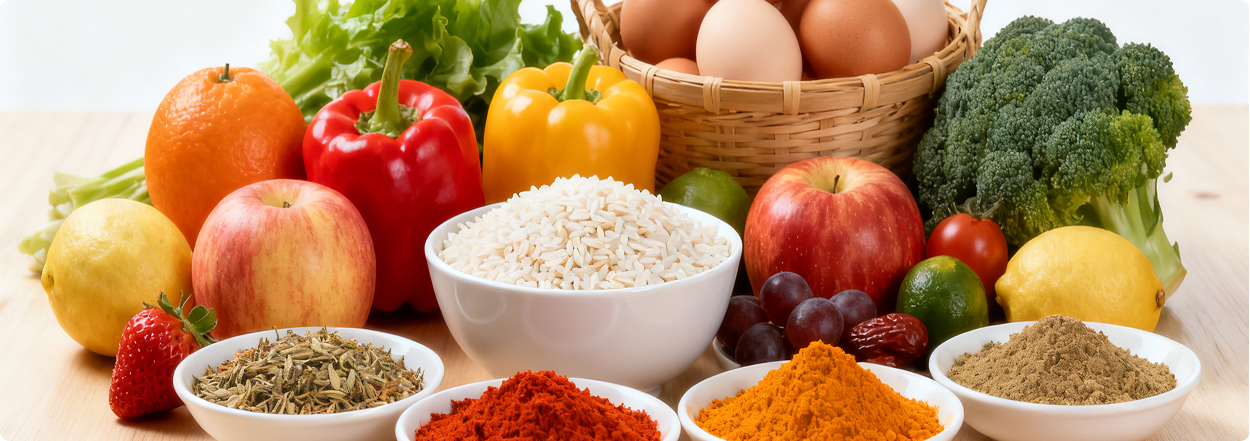
For local supermarkets, restaurants, retailers, and wholesale distributors, Mayil Global supplies fresh fruits and vegetables, premium spices, rice, and farm-fresh eggs. Its product range is supported by farm-direct sourcing from trusted farms and global suppliers, quality control, hygienic handling, and organized distribution.

Fresh produce, rice, spices, and eggs for wholesale supply

Next steps: verify the buyer and the shipment plan

Exporters evaluating a verified buyer for exporters uae should request a documented product requirement, confirm the receiving business and delivery process, and establish written commercial terms before dispatch. Share current grade specifications, available volume, origin, shipment schedule, and inspection information so both parties can assess fit accurately.

For buyers, verification means checking the supplier’s product consistency, sourcing, handling practices, delivery capacity, and transaction terms, not only the quoted price. For both sides, the October 21 briefing reinforces the same priorities: track Al Aweer market updates, distinguish grades carefully, protect shelf life through coordinated logistics, and build a dependable supply relationship.

To discuss wholesale supply, exporter distribution, the 3% commission model, or container purchase options, contact Mayil Global.

476942

UAE Export News & Al Aweer Market Updates: 21 October 2026 Daily Briefing

Today’s briefing

This edition of UAE export news brings together the latest available Al Aweer Market price movements, current logistics developments, food-trade compliance considerations and practical market insights for exporters and UAE buyers.

The Al Aweer figures below are from the 20 October 2026 report, the latest available report for this briefing. They are indicative wholesale movements, not guaranteed transaction prices. Actual traded prices vary by quality, quantity and negotiation.

Al Aweer Market updates: 20 October price movements

The latest report shows gains in selected specialty vegetables and fruit, alongside declines in several allium and citrus items.

Top gainers Daily change
Goose Berry (Amla) +10.2%
Drumstick +9.9%
Pomegranate (~10 pc) +9.1%
Lemon +8.6%
Garlic (Normal) +8.2%
Top drops Daily change
Pomelo Honey (~6 pc) −20.0%
Onion −20.0%
Garlic −18.3%
Shallots (Small Onion) −16.7%
Pomelo Red (~6 pc) −12.4%

The Al Aweer report tracks about 160 items daily. Its percentage changes are useful market signals, but buyers should confirm the grade, origin, pack size and available volume before making procurement decisions.

What the price split indicates

The onion and garlic complex is moving in different directions. Onion and one garlic listing declined, while Garlic (Normal) gained 8.2%. That divergence suggests prices are responding to origin, quality or product specification rather than moving uniformly across the category.

Onion, garlic and shallots together account for three items in the top drops list. Fresh arrivals may be easing pressure on parts of the allium basket. At the same time, amla and drumstick, along with pomegranate and lemon, firmed.

This volatility is consistent with earlier October movements: cabbage rose 38.9% on 10 October, Valencia orange gained 42.8% on 9 October and tapioca advanced 28.0% on 16 October. Double-digit daily shifts have occurred across the month, reinforcing the value of regular price checks for both purchasing and shipment planning.

UAE export news: logistics capacity and supply-chain resilience

Dubai authorities are working to keep perishable food moving amid regional port delays. On 6 October, the Khaleej Times reported that authorities are prioritising perishables at ports and coordinating with traders and logistics partners. Measures reported include an additional 120 days for the customs-suspension period, temporary instalment arrangements for customs duties and an 80% reduction in customs-case penalties.

For exporters, priority handling can help protect shelf life, but it does not remove the need for accurate documentation, coordinated transport and timely communication with buyers and logistics providers.

Air-cargo capacity is also developing. In October, flydubai Cargo began dedicated freighter operations from Dubai World Central (DWC). The airline announced three Boeing 737-800 freighters, each adding 23,000 kg of payload per flight, with specialised handling for perishables among other cargo categories. See the flydubai announcement. This creates another option for suitable time-sensitive shipments; exporters should confirm route availability, handling requirements and commercial terms for each consignment.

Meanwhile, UAE retailers and producers have responded to supply-chain disruption by diversifying sourcing and arranging dedicated vessels. The National’s 9 October report describes businesses shifting toward closer markets and securing supply through dedicated transport and advance purchasing. For exporters, the message is operational: build flexibility into routes and lead times, and keep buyers updated when transit conditions change.

Dedicated freight operations support the movement of time-sensitive cargo

Regulatory updates exporters should monitor

Product registration and shipment documentation

Food exporters should confirm the product’s registration and import requirements before shipment. The UAE’s ZAD portal is the federal food-product registration platform. Dubai’s food import and re-export workflows also involve local systems and procedures, including FIRS-related requirements. Confirm the current process with the relevant authority or UAE importer for the product and shipment.

Export documentation and food-safety controls remain essential. Depending on the product and applicable requirements, documentation may include health and origin certificates, compliant labelling and supporting shipment records. The buyer and exporter should verify requirements before goods leave origin, rather than relying on clearance arrangements after arrival.

Origin checks and food-safety standards

The UAE suspended trade with Iran-origin suppliers on 19 August 2026. Iran-origin products are non-compliant under the stated restriction. Exporters and buyers should verify product origin and supplier details accurately; rerouting goods through another country does not change their origin.

Food-safety compliance is also a focus for UAE-bound produce. On 14 October, FreshPlaza reported calls for stronger compliance among Pakistani produce exporters, including pesticide-residue controls, hygienic harvesting, traceability and cold-chain practices. Abu Dhabi’s ADAFSA Agricultural Transformation Strategy is likewise focused on a more sustainable and resilient local food system. The authority oversees food safety, agriculture and food-security responsibilities in Abu Dhabi; exporters can read more about its remit on the ADAFSA website.

Hygienic handling and quality checks support consistent produce supply

Market insights for exporters and UAE buyers

Three points stand out in today’s Al Aweer market updates:

  1. Daily movement can be significant. Recent October reports show that individual items can move sharply in a single day. Buyers should check current market conditions rather than rely solely on older quotes.
  2. Category averages can conceal differences. The opposing movements in garlic listings show why origin, grade and specification matter when comparing offers.
  3. Transit planning is part of quality control. Port delays, customs processes and changing routes can affect shelf life. Exporters should allow for transit variability and maintain appropriate buffer inventory where possible.

The Abu Dhabi Dates Exhibition, which opened on 7 October with 95 pavilions from 12 countries, also highlighted the UAE’s role in connecting producers, processors, exporters and buyers. Gulf News coverage describes the exhibition as a platform spanning the wider dates value chain, including processing, packaging, marketing and trade.

How to export food to Dubai: a practical starting point

For businesses researching how to export food to Dubai, a reliable process starts with five checks:

  1. Confirm the product’s UAE market eligibility and registration requirements.
  2. Verify origin, supplier documentation and any applicable restrictions.
  3. Check food-safety, labelling and certification requirements with the importer and relevant authority.
  4. Agree product specifications, quality expectations, packaging and shipment terms with the buyer.
  5. Plan transport, storage and delivery around the product’s shelf life, allowing for possible transit variability.

Requirements vary by product and shipment. Exporters should confirm details with their UAE importer and the relevant authority before dispatch.

Mayil Global: a verified buyer and 3% commission distributor in the UAE

Mayil Global supplies fresh fruits and vegetables, premium spices, premium rice and farm fresh eggs to supermarkets, restaurants and retailers across the UAE. The company sources from trusted farms and global suppliers, with inspection at every stage, hygienic handling and packaging, organized logistics and appropriate storage from farm to market.

For international and local exporters, Mayil Global offers a 3% commission distributor UAE model and is positioned as a verified buyer for exporters UAE. Exporters can discuss distribution through the commission model or enquire about immediate cash-and-carry container purchases, subject to product, volume and agreed terms. The 3% commission model is designed to provide a clear distribution arrangement while connecting exporters with UAE B2B demand.

Mayil Global’s international sourcing network supports dependable UAE supply

For supermarkets, restaurants and wholesale distributors, Mayil Global provides dependable wholesale supply backed by quality control, hygienic handling and coordinated delivery. Explore Mayil Global’s sourcing and logistics, review products, or contact the team to discuss supply or export distribution requirements.

Daily takeaway: The 20 October Al Aweer data shows a mixed market, while logistics developments and regulatory requirements keep shipment planning central to UAE food trade. Daily price monitoring, verified origin and documentation, and dependable distribution remain essential for exporters and local buyers.

fF_cVfYFsD6

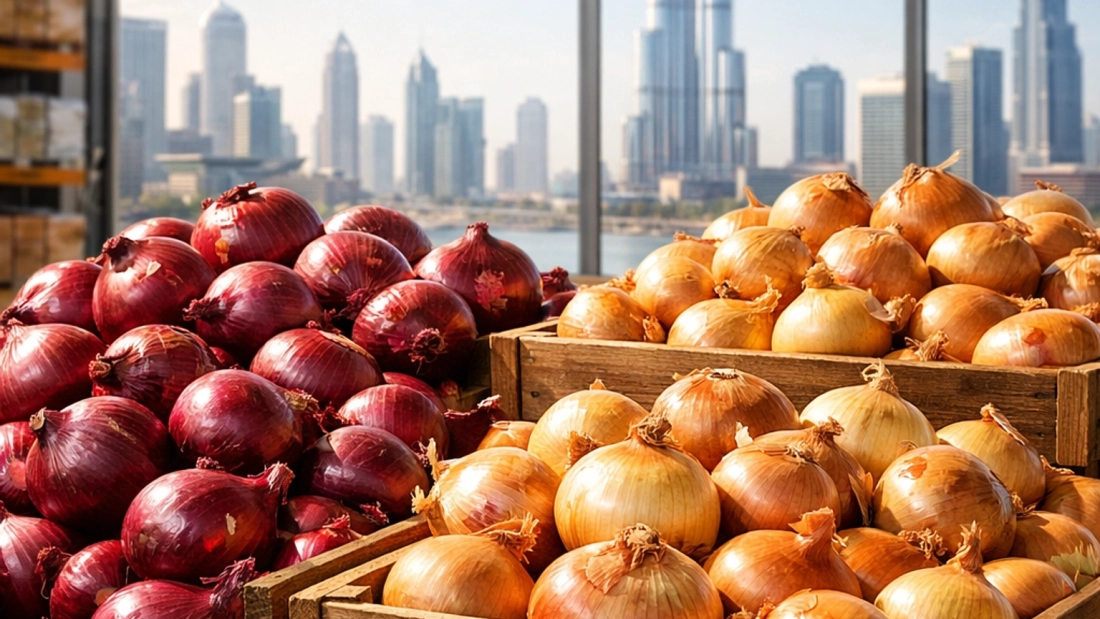
Importing Onions to Dubai: A Step-by-Step Exporter’s Guide to Al Aweer Wholesale Pricing

Dubai’s Al Aweer market gives onion exporters access to UAE wholesalers, retailers and food-service buyers. Success depends on more than finding a buyer: exporters need a sound landed-cost calculation, compliant documents, a clearly agreed product specification and a distribution model that fits their cash-flow requirements.

Mayil Global supports exporters through two routes: a 3% commission-based distribution model and a Cash & Carry model for container purchases, subject to agreed terms and inspection. This guide explains how to prepare a shipment, assess Al Aweer wholesale prices and select a route to market.

Why Al Aweer matters to onion exporters

Al Aweer is a key wholesale hub for fresh produce in Dubai. Buyers compare onions by origin, variety, grade, packaging, condition and availability. A market quote is therefore a reference, not a guaranteed price for every shipment.

For exporters targeting wholesale fruits and vegetables in Dubai, consistency matters. Buyers need product that matches the agreed specification, documentation that supports clearance and logistics that protect condition from origin to delivery.

Mayil Global connects international suppliers with UAE businesses, including supermarkets, restaurants and wholesale buyers. Learn more about our fresh produce range and sourcing and logistics.

Al Aweer onion pricing: use comparable quotes

Indicative Al Aweer rates recorded on 20 October 2026 demonstrate how much prices can differ across origins and product types:

Onion listing Origin shown Indicative price
New-crop onion, 18 kg listing India AED 4.30/kg
White onion Iran AED 1.33/kg
Onion, 20 kg PPE bag listing Egypt AED 2.20/kg

The Indian new-crop listing reported a 62-trading-day average of AED 3.30/kg, with a range of AED 1.85–4.80/kg. The white-onion listing reported an average of AED 1.37/kg over 61 trading days. These figures show why an exporter should avoid basing a shipment decision on one quote.

The prices are indicative wholesale observations, not official price controls or guaranteed sale values. Check the underlying new-crop onion, white onion and Egyptian onion listings before quoting. Confirm same-day prices directly with buyers and compare like with like: origin, size, colour, packaging, quality, quantity and delivery terms.

Calculate the landed cost, not just the farm-gate price

Build a shipment estimate that accounts for the full route to sale:

  1. Product and packing costs at origin.
  2. Freight and insurance to the UAE.
  3. Customs duty and clearance charges.
  4. Inspection, testing or other applicable fees.
  5. Port handling, inland transport and unloading.
  6. Storage, distribution and an allowance for quality loss or rejection.

Dubai Customs states a general customs duty of 5% of CIF value in its FAQ. The applicable classification, customs value and charges must be confirmed for the specific shipment with a licensed customs broker or Dubai Customs. Do not treat a market price as your net return: it is only one input to the calculation.

How to export food to Dubai: an onion shipment checklist

1. Confirm the route to market and importer

Work with a UAE-licensed importer or distribution partner familiar with fresh-produce clearance. Dubai Customs says businesses using its services must register and obtain a Customs Business Code; the importer or authorised representative submits the appropriate declaration.

Before loading, agree who will act as importer of record, who will manage clearance and inspection, where the cargo will be delivered, and when title and risk transfer. Put payment terms and responsibility for freight, duties, fees and rejected or damaged goods in writing.

2. Confirm import conditions for the origin and product

Check the latest requirements with the UAE importer and relevant authorities before shipment. Rules can depend on origin, product and current circulars. Do not assume that a requirement applying to one country or produce type applies to every onion consignment.

The UAE Ministry of Climate Change and Environment (MOCCAE) lists a release service for imported agricultural products. Its published requirements include a phytosanitary certificate issued by the exporting country’s competent authority, a customs manifest or bill of lading/delivery authorisation, a certificate of origin when the origin is not stated on the phytosanitary certificate, and a contents list or invoice. The service also notes that fruit and vegetable consignments may require a pesticide-residue analysis certificate according to applicable circulars.

3. Match the shipment documents

Make sure the commercial invoice, packing list, certificate of origin, bill of lading and phytosanitary certificate agree on product description, origin, package count, weights, lot identification and shipping marks. Discrepancies can delay clearance and inspection.

4. Agree the onion specification before packing

Provide the buyer with a written specification covering variety, origin, size range, colour, curing and dryness, packaging, net weight and acceptable defect tolerances. Set expectations for sprouting, mould, rot, soil, pest damage and mechanical damage.

Use clean, suitable packaging that protects the onions and allows appropriate ventilation. Keep lot identification and traceability records aligned with the shipment documents. Agree any labelling requirements with the importer before the goods are packed.

5. Coordinate transport, inspection and delivery

Choose a transport plan suited to the product and expected transit time. Avoid loading wet onions, protect cargo from avoidable moisture and condensation, and plan inspection, clearance, unloading and onward delivery before the vessel arrives.

MOCCAE states that imported agricultural consignments are inspected at the point of entry and released after import requirements are met. Visual inspection or laboratory testing may be required. Keep the UAE importer and customs broker supplied with documents early so they can prepare for arrival and respond promptly to any checks.

Onion containers moving through a Dubai port logistics operation

Choose the right Mayil Global model

3% commission distribution

Under the commission-based option, Mayil Global distributes the shipment to UAE buyers for an agreed 3% commission on gross sales value, as outlined in our onion export model. The exporter should confirm in writing the sales process, reporting, settlement schedule and any costs outside the commission before appointing a distributor.

This approach can suit exporters who want local market access and distribution support while retaining a connection to the sales outcome. The fixed commission provides a clear basis for planning, while local market knowledge can help align the offer with buyer specifications and prevailing prices.

Cash & Carry container purchase

Cash & Carry is a direct wholesale purchase route. Mayil Global assesses the container and product condition, then agrees valuation and payment terms with the exporter. The model is designed to support faster liquidity than waiting for downstream resale, but timing and payment remain subject to the agreed transaction terms, inspection and acceptance.

Exporters should document the valuation basis, inspection criteria, responsibility for clearance and any costs or deductions before dispatch. Read more about the Cash & Carry approach in Dubai wholesale.

Quality inspection of wholesale onions before distribution

Pricing decisions that protect the shipment

Before committing a container, compare the expected sale value with the landed cost under several price scenarios. Use recent Al Aweer references, but allow for changes between loading and sale. Ask prospective buyers for a firm indication tied to a defined origin, grade, pack and quantity.

Also consider what happens if the shipment arrives late, needs additional inspection, or falls outside the agreed size or quality tolerance. Clear specifications, accurate documents and a realistic contingency allowance help reduce disputes and protect buyer relationships.

For exporters new to importing onions in Dubai, the practical sequence is clear: confirm the buyer and importer, verify origin-specific rules, agree the product specification, calculate landed cost, prepare matching documents and secure transport and inspection arrangements before dispatch.

Build a dependable route into the UAE market

Exporting onions is a coordinated supply-chain operation, not simply a price negotiation. Reliable sourcing, compliance, careful handling and well-planned logistics support consistent quality and dependable supply for UAE buyers.

Mayil Global works with international exporters and local B2B customers through its 3% commission distribution model and Cash & Carry wholesale system. To discuss a shipment or market-entry plan, contact Mayil Global.

allfruits

Verified Buyer & Exporter Authority Series: October 13 Al Aweer Market Briefing, Hormuz Reopening Proposal and Sea-Freight Risk, Egyptian Onion Cost Leadership for Importing Onions Dubai, AD Ports Ownership Settlement, Thailand–UAE Trade Deepening, the Philippine Ube Suspension Sourcing Lesson, and How to Export Food to Dubai

The October 13 edition of the Verified Buyer & Exporter Authority Series reviews the latest available Al Aweer market intelligence, onion-import economics, Gulf logistics risk, origin-level supply restrictions, and the operating requirements for exporters entering the UAE.

The latest published Al Aweer board remains dated 19 September 2026. No newer official board has been published. The market should therefore be treated as a consolidation and holding pattern after the 17 September correction and subsequent rebound. The prices below are indicative references, not executable purchase offers.

For background, exporters can also review Mayil Global’s UAE food export and Al Aweer market guide.

1. Al Aweer market direction

The 19 September board showed broad volatility across vegetables. Green capsicum increased 336.7% to AED 10.00/kg, cucumber from Iran increased 144.0% to AED 2.44/kg, local cucumber increased 66.7% to AED 2.25/kg, cabbage increased 130.8% to AED 3.00/kg, and lettuce increased 125.0% to AED 5.40/kg.

Other notable increases included:

  • Ground tomato: AED 2.78/kg, up 93.1%
  • Red chilli: AED 3.86/kg, up 80.4%
  • Eggplant: AED 3.00/kg, up 76.5%
  • Greenhouse tomato: AED 4.89/kg, up 69.2%
  • White onion from Iran: AED 2.22/kg, up 66.9%
  • Brown onion from Iran: AED 3.00/kg, up 50.0%
  • French beans: AED 7.67/kg, up 35.3%
  • Kenya air-freighted Hass avocado: AED 12.50/kg, up 8.7%

Selected fallers included India garlic at AED 6.67/kg, Egypt strawberry at AED 20.00/kg, Egypt Kent mango at AED 6.57/kg, and South Africa lemon at AED 3.67/kg.

Compliance warning on Iran-origin references

Iran-origin prices shown on the board are historical intelligence only. They are not executable for procurement, shipment planning, container budgeting, or negotiations because the UAE suspension of Iran-origin trade took effect on 19 August 2026. More than 200 containers of Iranian fruits and vegetables were reportedly returned from the UAE in September.

Exporters and buyers must not treat Iran-origin board prices as available replacement supply. Use compliant alternative origins and confirm current import permissions before commercial commitment.

Stable references included UAE local zucchini at AED 1.75/kg, Pakistan white potato at AED 1.61/kg, China carrot at AED 2.75/kg, China garlic at AED 5.00/kg, Ecuador bananas between AED 6.15 and AED 6.77/kg, and India G9 Cavendish green bananas at AED 3.08/kg.

2. Importing onions Dubai: landed-cost economics

The relevant onion references on the latest board are:

Origin and specification Indicative price
Egypt, 20 kg PPE bag AED 2.10/kg
Turkey red onion AED 2.55/kg
Yemen onion AED 2.55/kg
Sudan pink onion, approximately 50 mm AED 3.35/kg
India new crop, 18 kg AED 3.75/kg

Egypt currently provides the lowest headline reference. However, importing onions Dubai decisions should be based on usable landed cost per saleable kilogram, not only the Al Aweer board price.

India’s Maharashtra crop is reportedly delayed by one to one-and-a-half months. Export-suitable Garwa pink stocks remain limited. Nashik farmgate prices are reported around USD 42–52 per quintal, with an upside scenario of USD 84–94 per quintal if Diwali demand exceeds supply. The sharpest potential pricing window is expected between 25 September and 30 October 2026.

There is currently no Indian onion export ban, minimum export price, or export duty stated in the available briefing data. Exporters must nevertheless check current DGFT notifications before committing cargo. India–UAE CEPA may provide zero-duty potential for eligible products, subject to correct classification, origin documentation, and applicable conditions.

Worked Egypt landed-cost example

Assume a 20,000 kg Egypt onion shipment at AED 2.10/kg:

  1. Product cost: 20,000 kg × AED 2.10 = AED 42,000
  2. Assumed ocean freight: AED 8,000
  3. Assumed port and terminal charges: AED 3,000
  4. Documentation and handling: AED 4,000
  5. Assumed customs duty at 5% of product value: AED 2,100
  6. Total assumed landed cost before shrinkage: AED 59,100
  7. Assumed shrinkage: 6%, leaving 18,800 saleable kg
  8. Usable landed cost: AED 59,100 ÷ 18,800 = AED 3.14 per saleable kg
Origin Product cost Assumed total landed cost Saleable quantity Usable landed cost
Egypt at AED 2.10/kg AED 42,000 AED 59,100 18,800 kg AED 3.14/kg
Sudan at AED 3.35/kg AED 67,000 AED 85,350 18,800 kg AED 4.54/kg
India at AED 3.75/kg, 5% duty AED 75,000 AED 93,750 18,800 kg AED 4.99/kg
India at AED 3.75/kg, CEPA zero duty scenario AED 75,000 AED 90,000 18,800 kg AED 4.79/kg

These are planning assumptions, not quotations. Actual freight, port storage, inspection, duty treatment, clearance timing, quality loss, and market price must be confirmed for each shipment. The calculation demonstrates why the lowest board price does not automatically produce the lowest commercial risk.

3. Logistics, shelf-life, and sea-freight risk

Cold-chain and global produce logistics for UAE distribution

Iran has reportedly proposed reopening the Strait of Hormuz within seven days if the United States eases military pressure and lifts its blockade on Iranian ports. The proposal was reportedly delivered through mediators, according to Reuters reporting.

The immediate logistics reality remains unstable. Only two commodity vessels crossed the strait on Monday, compared with 10 the previous day. Seventeen crossed during the weekend, compared with 37 the previous week, against a pre-war daily average of approximately 125 large commercial vessels. Two tankers were also struck by projectiles over Sunday and Monday.

For produce exporters, this creates:

  • Gulf routing and arrival-date risk
  • Higher insurance and charter costs
  • Possible rerouting through the Gulf of Oman
  • Ship-to-ship transfer risk
  • Greater detention and demurrage exposure
  • Increased need for buffer inventory

Exporters should contract freight with clear force-majeure, detention, and demurrage terms. Build a 7–14 day schedule buffer for sea cargo and use mixed sea-and-air programmes for high-value perishables where commercial margins support the additional cost.

AD Ports ownership consolidation is another relevant development. The October briefing records the AD Ports Group buyout by L’IMAD/ADQ settling early on 25 September, with ADQ expected to hold 98.93% and a mandatory acquisition and delisting process to follow. For exporters, the operational implication is continuity rather than disruption: potential investment in cold-chain capacity, digital clearance, and port infrastructure. Re-verify terminal, inspection, storage, and customs-service providers periodically as ownership and operating arrangements develop. The AD Ports investor page provides the formal offer background.

The UAE’s diplomatic efforts at the United Nations to protect trade routes, energy flows, and global supply chains also reinforce the country’s food-security priority. Reliable origins with accurate documentation and predictable delivery remain commercially valuable.

Shelf-life remains a margin variable

Board price does not determine container margin. Saleable quantity, remaining shelf life, and clearance timing do.

Plan for 50–70% remaining shelf life at arrival. Products generally require at least 50% remaining shelf life, while products with a total shelf life of three months or less may require two-thirds remaining shelf life. Risk-based inspection and sampling at Jebel Ali typically takes approximately two to five working days.

Cold-chain interruptions, port dwell, and inspection delays increase usable landed cost per saleable kilogram and may cause cargo to miss the strongest Al Aweer trading period.

4. How to export food to Dubai: regulatory sequence

Exporters asking how to export food to Dubai should follow the same sequence:

  1. Confirm that the UAE importer holds a valid trade licence with food-trading activity.
  2. Register every SKU on the federal ZAD platform and Dubai Municipality FIRS before arrival.
  3. Approve Arabic-English labels showing product name, origin, ingredients, allergens, dates, net weight, storage conditions, and Nutri-Mark A-to-E grading where required.
  4. Secure phytosanitary certificates for fresh produce. Obtain health and halal certification from a MOCCAE-recognised body for animal-derived products.
  5. Obtain electronic MOCCAE import permits before dispatch.
  6. Align HS codes, commercial invoice, packing list, certificate of origin, bill of lading or airway bill, product specifications, and physical labels.
  7. Protect shelf life through production, packing, transport, inspection, and delivery.
  8. Allow the two-to-five-working-day inspection window in arrival and sales plans.

Requirements vary by product, origin, emirate, and route. Confirm the current position with the importer, Dubai Municipality, MOCCAE, and the relevant origin authorities before shipment.

5. Buyer qualification after Global Food Week

Global Food Week 2026 took place from 6–8 October at ADNEC Centre Abu Dhabi. Exporters should use post-event discussions as a verification opportunity, not as a substitute for due diligence.

Confirm:

  • UAE trade licence and food-trading activity
  • Approved product categories and import routes
  • Warehouse and cold-chain capability
  • Purchase volume, frequency, and payment terms
  • FIRS, ZAD, labelling, and import-permit readiness
  • Actual distribution coverage across supermarkets, restaurants, and retailers

India is the official partner country for Gulfood 2027, scheduled for 15–19 March 2027. This provides a forward opportunity to verify Indian origin suppliers, onion programmes, rice exporters, and produce packhouses.

Thailand is also deepening food-export opportunities with the UAE. Rising Middle East demand is increasing competition in tropical fruit, rice, seafood, processed food, and seasonings. Thai exporters should differentiate through certification, quality control, halal compliance where applicable, and delivery reliability. Buyers should avoid single-origin dependence.

The Philippine Department of Agriculture has indefinitely suspended exports of fresh ube and propagative planting materials. The official notice states that processed ube remains available.

The sourcing lesson is direct: qualify secondary origins, map single-origin dependency, and maintain an approved substitute list. UAE food businesses should also evaluate alternatives such as Sri Lanka for selected crops and processed formats.

6. Mayil Global: verified buyer for exporters UAE

Mayil Global operates as a verified buyer for exporters UAE and a 3 percent commission distributor UAE for qualifying supply programmes.

Exporters can use two commercial routes:

  • 3% commission on agreed realised sale value
  • Immediate cash-and-carry container purchase, subject to commercial and quality approval

For an AED 100,000 realised sale value, the commission is AED 3,000, leaving AED 97,000 for the exporter before separately agreed costs. This compares favourably with a publicly advertised 5% commission structure, where the equivalent fee would be AED 5,000.

The approval process contains six stages:

  1. Offer and specification review
  2. Technical and compliance review
  3. Buyer and market validation
  4. Pre-shipment inspection
  5. Commercial approval
  6. Container acceptance and settlement

Exporters should submit:

  • Origin and variety
  • Grade and pack size
  • Quantity
  • Harvest date
  • Shelf life
  • Certifications
  • Product photos
  • HS code
  • Target price
  • Shipment schedule
  • Preferred settlement route

Mayil Global supports wholesale fruits and vegetables Dubai supply, together with premium spices, premium rice, and farm-fresh eggs. The company combines farm-direct sourcing, inspection at every stage, hygienic handling and packaging, proper storage, organised logistics, and timely distribution to supermarkets, restaurants, retailers, and wholesale distributors across the UAE.

Explore the Mayil Global product range or contact the trade desk to submit a supply proposal.

Data note and disclaimer

Al Aweer references in this briefing are based on the latest published 19 September 2026 board. No newer board was available at publication. Prices are indicative market intelligence and not firm quotations.

Iran-origin prices are historical intelligence only and must not be used for procurement or shipment planning due to the UAE suspension effective 19 August 2026. Freight, duty, inspection, shrinkage, shelf-life, regulatory, and market assumptions must be independently confirmed before commercial commitment.