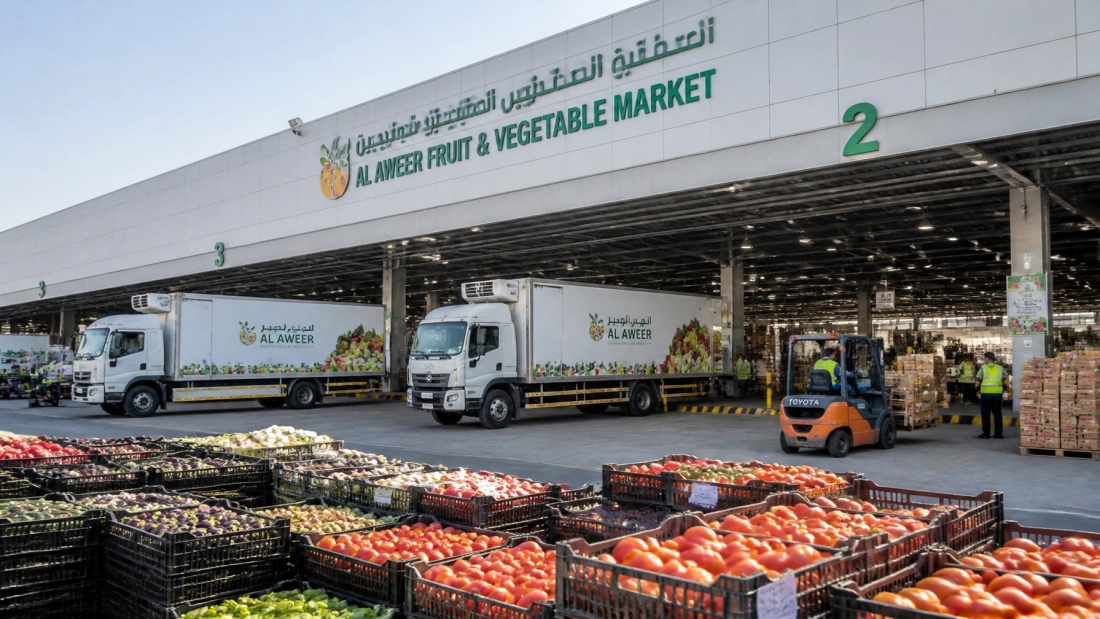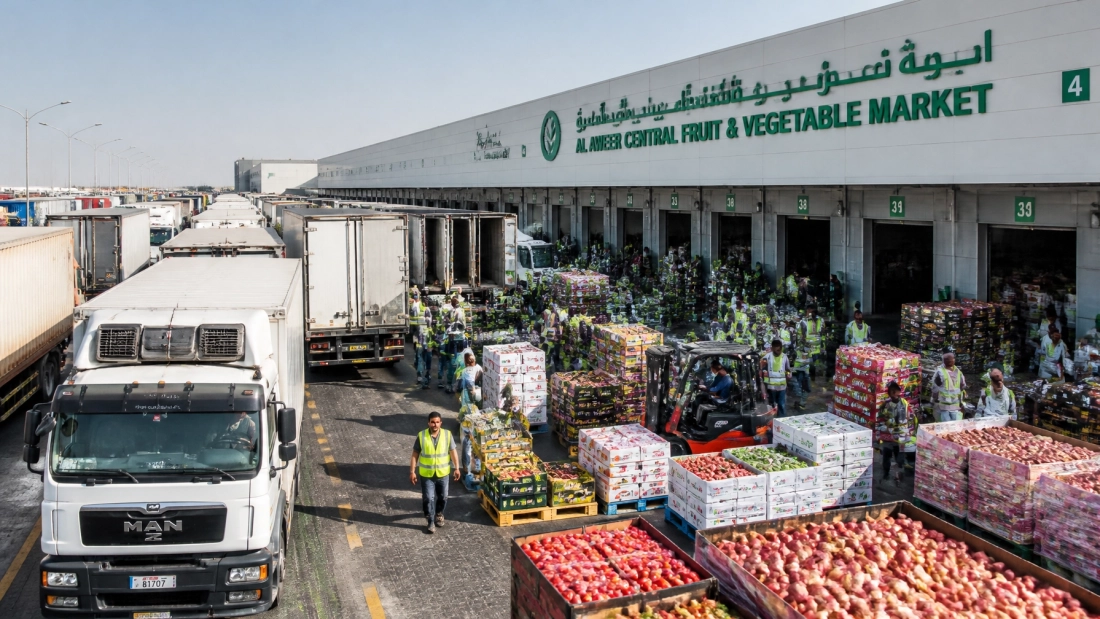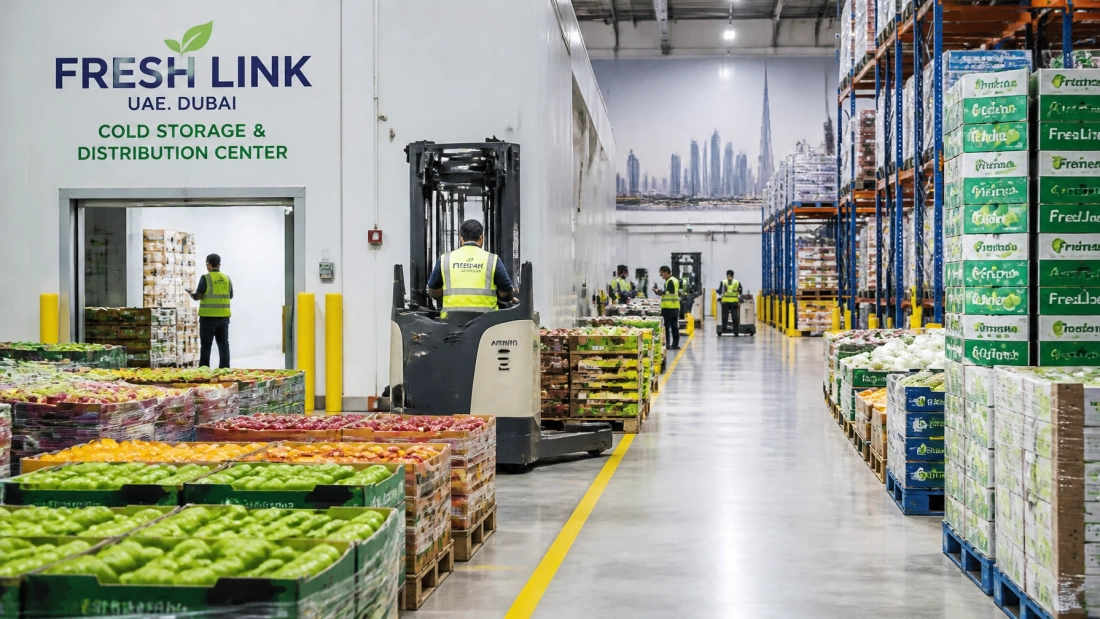
Navigating the complex landscape of the United Arab Emirates food distribution sector requires rigorous operational planning, strict compliance adherence, and robust logistics management. For international shippers and agricultural exporters looking to capture reliable market share, Dubai’s central hub: the Al Aweer Fruit and Vegetable Market: represents the primary gateway for wholesale fruits and vegetables dubai.
However, independent exporters frequently encounter severe margin erosion due to unmanaged demurrage, delayed customs clearances, and archaic credit terms imposed by traditional brokers. Mayil Global eliminates these operational friction points through a streamlined framework combining transparent supply chain execution, immediate cash-and-carry liquidation, and an industry-leading 3% commission model.
This comprehensive playbook outlines the exact operational protocol required to successfully ship, clear, and monetize container consignments in Dubai without exposing your business to foreign credit risks.
1. The Challenge: Why Independent Exporting to UAE Fails
Attempting to enter the Dubai wholesale produce market without an established local infrastructure inevitably leads to financial loss. Independent exporters routinely underestimate the volatility and operational overhead of the local marketplace.
Key risk factors include:
- Severe Intraday Price Volatility: Core staples such as cucumbers, tomatoes, and cauliflower experience intraday price swings of up to 30% based on incoming vessel volume and instantaneous spot demand at Al Aweer.
- Grading Discrepancies: Unverified market agents frequently misclassify consignments, downgrading Premium Grade 1 produce: which commands a 20% to 30% premium over Grade 2: into lower pricing tiers.
- Extended Credit Traps: Traditional intermediaries often demand 60- to 90-day payment terms, severely straining exporter cash flow and exposing shipments to default risk.
- Regulatory Penalties: Incomplete documentation or non-compliant labeling leads to port detention, accruing heavy demurrage charges at Jebel Ali Port.
By partnering with Mayil Global through our dedicated contact channels, exporters secure an institutional partner capable of managing the entire value chain from origin loading to same-day cash settlement.
2. Pre-Shipment: Documentation & Compliance Checklist
Successfully importing onions dubai and other agricultural commodities begins weeks before the container departs from its origin port. The UAE maintains stringent federal food safety and agricultural quarantine standards enforced by the Ministry of Climate Change and Environment (MOCCAE) and Dubai Municipality.

Before booking a refrigerated container, exporters must compile and verify the following mandatory compliance set:
- MOCCAE Electronic Plant Import Permit: Secured prior to loading via the official digital portal for all fresh fruits and vegetables.
- ZAD & FIRS Portal Registration: Product formulations, nutritional disclosures, and item specifications must be preregistered in the UAE’s National Food Accreditation and Registration System (ZAD) and Dubai Municipality’s Food Import & Re-export System (FIRS).
- Bilingual Labeling & Shelf-Life Compliance: Outer and inner packaging must feature bilingual Arabic-English labeling conforming to GSO 9/2013 standards, ensuring perishable goods retain 50% to 75% of their remaining shelf life upon arrival.
- Phytosanitary & Health Certificates: Issued by the National Plant Protection Organization (NPPO) of the exporting country, certifying that the cargo is free from quarantine pests (such as Tuta absoluta or Fall armyworm) and certified fit for human consumption.
- Certificate of Origin & Commercial Invoices: Authenticated commercial documents detailing net weights, container numbers, and precise HS codes.
Stabilized benchmark pricing: such as new-crop onions (18kg bags) holding firm at AED 1.95/kg: requires absolute precision in weight verification and invoice accuracy at origin.
3. In Transit: Cold Chain Integrity & Logistics Coordination
Maintaining an unbroken cold chain is both a technical necessity and a legal prerequisite for perishable food distribution in the Middle East. Temperature fluctuations during maritime transit directly degrade cellular structure, accelerating spoilage and reducing market value upon arrival.

Depending on your origin point, shipping timelines to Dubai generally follow these parameters:
- Indian Subcontinent (India, Pakistan): 14 to 21 transit days via direct feeder vessels.
- East Africa & Europe (Kenya, Egypt, Netherlands): 25 to 35 transit days utilizing ultra-reliable refrigerated container (reefer) routes.
Mayil Global coordinates directly with global shipping lines to monitor reefer temperature set-points, humidity levels, and ventilation settings in real time. Upon booking, our logistics team tracks vessel progress to anticipate terminal discharge and prepare immediate customs pre-clearance. Learn more about our operational capabilities on our main platform.
4. Arrival: Customs Clearance at Jebel Ali Port
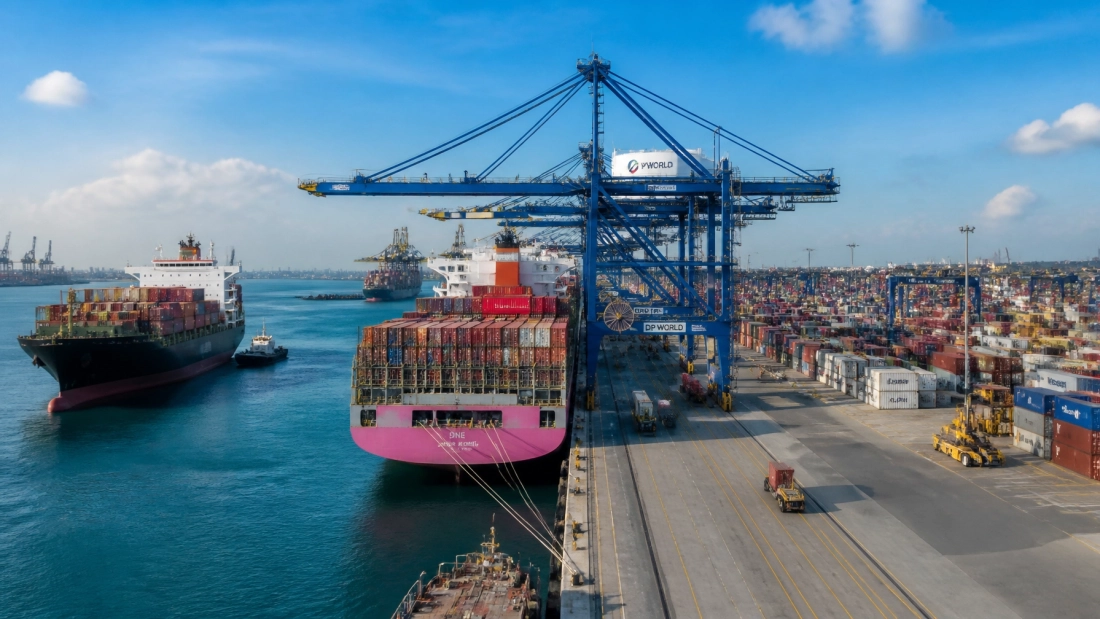
When shipping containers berth at Jebel Ali Port, speed is critical. Delays at the port terminal directly impact produce freshness and incur avoidable storage fees.
With complete and accurate documentation prepared during the pre-shipment phase, Jebel Ali Port customs clearance and MOCCAE agricultural release typically conclude within 24 to 48 hours.
The clearance sequence involves:
- Electronic Manifest Matching: Verification of Bill of Lading, packing lists, and commercial invoices against electronic submissions.
- Phytosanitary Inspection: MOCCAE inspectors conduct visual checks and, where mandated, laboratory testing for pesticide residues.
- Duty and Tax Assessment: While fresh fruits and vegetables enter the UAE at 0% customs duty, a 5% federal Value Added Tax (VAT) applies to commercial wholesale consignments.
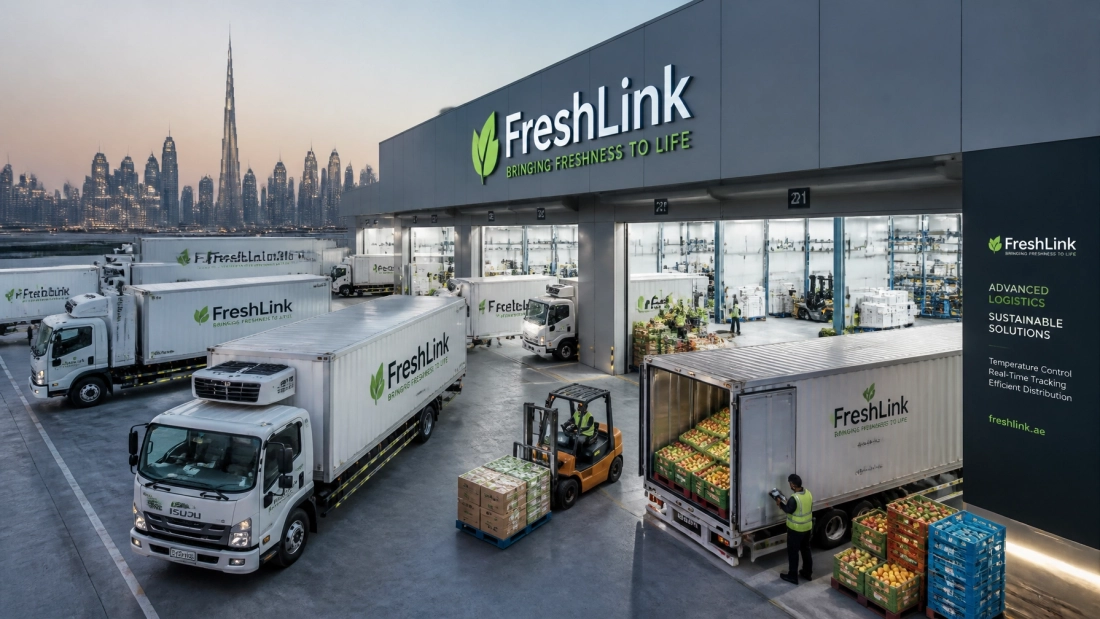
- Immediate Port Release: Once food safety clearance is granted by Dubai Municipality, containers are sealed and transferred via refrigerated trucks directly to our climate-controlled distribution hub.
5. Market Placement: Al Aweer Distribution via Mayil Global
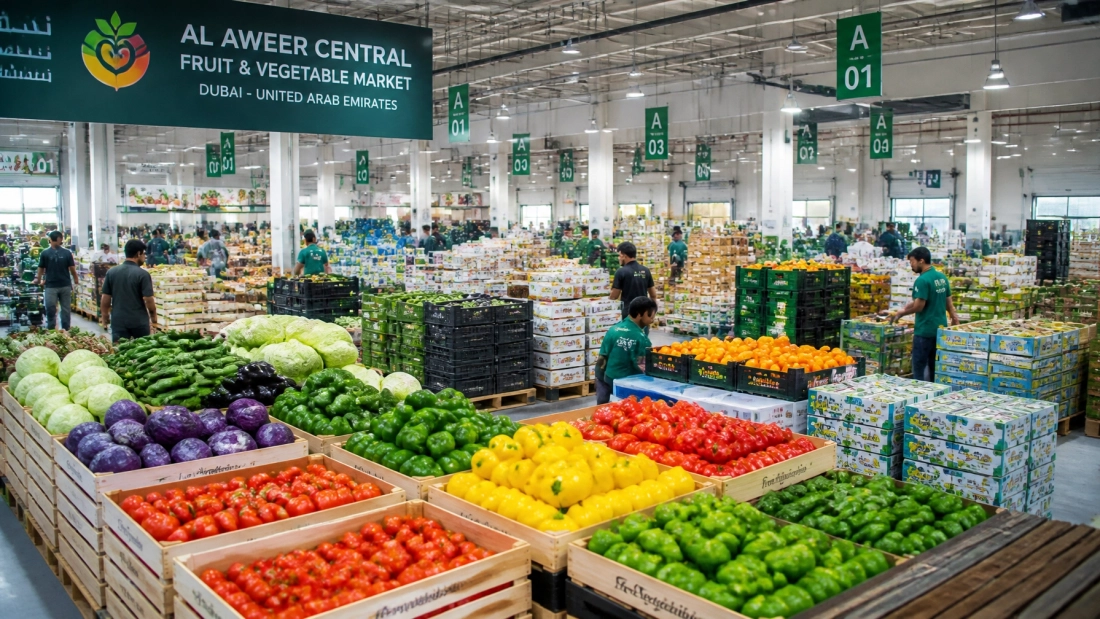
Once cleared, container contents are moved to the Al Aweer Fruit and Vegetable Market, the bustling epicenter of wholesale trade in the UAE. Understanding Al Aweer market dynamics is essential for maximizing profitability.

Trading at Al Aweer operates in high-intensity morning windows (peaking between 4:00 AM and 8:00 AM), where institutional buyers, supermarket category managers, and HORECA suppliers inspect physical crates.
Mayil Global positions your inventory strategically by leveraging:
- Rigorous Grade Verification: Ensuring Grade 1 produce achieves its full 20-30% pricing premium over secondary grades.
- Direct B2B Buyer Access: Bypassing unnecessary multi-tier middlemen to connect your stock directly with high-volume buyers.
- Transparent Real-Time Reporting: Providing exporters with instantaneous visibility into market uptake, volume movement, and realized spot prices.
6. Settlement: 3% Commission & Cash & Carry Liquidation
The defining advantage of partnering with Mayil Global lies in our revolutionary financial settlement structure. Understanding how to export food to dubai successfully ultimately depends on how fast and securely you recover your capital.
Traditional export models trap working capital in 60- to 90-day collection cycles. Mayil Global shatters this bottleneck through our dual financial pillars:
- The 3% Commission Model: Exporters retain 97% of all sale proceeds. Our flat 3% commission covers warehousing, handling, and market placement, ensuring maximum financial return for your enterprise.
- Cash & Carry Container Liquidation: We execute immediate settlement upon container sale. Exporters receive prompt cash payouts without waiting for extended credit terms, eliminating default risk and maximizing cash flow velocity.

7. Exporter Action Summary
To transform your international agricultural shipping operations into a predictable, high-yield revenue stream, follow this definitive execution roadmap:
- Verify Compliance: Ensure all MOCCAE permits, ZAD registrations, and phytosanitary certificates are secured before stuffing containers at origin.
- Optimize Logistics: Partner with Mayil Global to monitor cold-chain integrity across 14 to 35-day transit routes.
- Streamline Customs: Utilize pre-clearance protocols to clear Jebel Ali Port within 24–48 hours.
- Maximize Margins: Distribute through Al Aweer via Mayil Global’s transparent 3% commission structure, capturing immediate liquidity through our Cash & Carry liquidation system.
Ready to secure your margins and scale your export volume in the UAE? Connect with our trade specialists today through the Mayil Global Contact Page or visit our official website to submit your container manifest.