6mdTmrbx_Xi

5 Steps How to Export Oranges to Dubai and Maximize Your Margins (Easy Guide for Exporters)

Are you an international citrus grower or trader looking for a reliable orange buyer in Dubai? The United Arab Emirates remains one of the world’s most lucrative hubs for fresh produce, acting as a gateway to the broader Middle East and North Africa (MENA) region. However, the path to profitability is often obscured by high middleman fees, lack of price transparency, and payment delays.

At Mayil Global, we have redefined the export-import dynamic. By offering a transparent 3% commission model and immediate Cash & Carry options, we ensure that exporters retain the lion’s share of their profits. This guide outlines the five essential steps to successfully exporting oranges to Dubai while leveraging our unique business model to maximize your margins.

Step 1: Navigate Dubai’s Regulatory and Market Landscape

Before shipping your first container, it is imperative to understand the regulatory environment governed by the UAE Ministry of Climate Change & Environment (MOCCAE) and Dubai Municipality. Dubai maintains rigorous food safety standards that are non-negotiable.

Compliance and Labeling

Every shipment must comply with UAE food labeling regulations. Labels must be legible and provided in both English and Arabic. Key requirements include:

  • Product Name and Brand.
  • Country of Origin.
  • Production and Expiration Dates.
  • Net Weight.
  • Ingredients (if applicable).
  • Storage Instructions (e.g., "Keep Refrigerated").

Market Demand

Dubai’s market is diverse. While Navel oranges are popular for direct consumption, Valencia oranges are highly sought after for the fresh juice industry, which thrives in the UAE’s warm climate. Understanding whether your product fits the retail segment or the HORECA (Hotel, Restaurant, and Cafe) sector will dictate your pricing strategy.

Fresh Valencia and Navel oranges for export to Dubai's premium retail and juice markets.

Step 2: Secure Mandatory Documentation and Certifications

The logistical success of your export operation depends on the accuracy of your paperwork. Incomplete documentation is the leading cause of shipment rejections at Jebel Ali Port or Al Aweer.

The Essential Document Checklist:

  1. IEC (Import Export Code): For Indian exporters, this is issued by the DGFT. Similar registration codes are required from other global jurisdictions.
  2. Phytosanitary Certificate: This is the most critical document for oranges. It certifies that the fruit is free from pests like the Mediterranean fruit fly and complies with UAE plant health standards.
  3. Certificate of Origin: Validates where the oranges were grown, which is essential for determining customs duties.
  4. Health Certificate: Issued by the relevant agricultural authority in the exporting country, confirming the produce is fit for human consumption.
  5. Commercial Invoice and Packing List: Detailed records of the quantity, weight, and value of the shipment.

For more information on how we handle these complexities, visit our sourcing and logistics page.

Step 3: Partner with a Transparent Distributor (The 3% Advantage)

Traditional distribution models in Dubai’s Aweer Market often involve hidden costs and commissions ranging from 10% to 15%. This significantly erodes the exporter's profit margin.

Why Mayil Global is Different

Mayil Global operates on a fixed 3% commission model. We act as your transparent partner in Dubai. Instead of taking a massive cut of your sales, we charge a flat 3% fee to manage the distribution, sales, and collection. This allows you to:

  • Maintain full visibility of the final sale price.
  • Calculate your ROI with precision.
  • Compete more effectively on price while keeping higher margins.

If you are searching for a ginger buyer or a citrus buyer, our model remains consistent across all categories to ensure your financial stability.

Business partnership handshake in Dubai representing a transparent orange export commission model.

Step 4: Prioritize Quality Control and Cold Chain Logistics

Oranges are highly perishable. Maintaining the cold chain from the farm to the warehouse in Dubai is vital to ensuring a premium "A-grade" price.

Packing Standards

To survive the journey, oranges should be packed in telescopic or open-top corrugated fiberboard boxes. These boxes must have:

  • High Compression Strength: At least 500 Kgf to withstand stacking in containers.
  • Ventilation: Approximately 16 holes per box to allow for airflow and prevent ethylene buildup.
  • Sizing: Uniform sizing (count per box) is essential for B2B buyers who demand consistency.

Temperature Management

Oranges generally require a transit temperature between 3°C and 7°C, depending on the variety and duration of the voyage. Any fluctuation in temperature can lead to rind breakdown or fungal growth, which will lead to "discounts" in the open market. By utilizing our wholesale infrastructure, you ensure your goods are handled with the highest standards upon arrival.

Step 5: Optimize Liquidity through Cash & Carry and Government Incentives

The biggest challenge for exporters is the "liquidity gap": the time between shipping the goods and receiving payment. Mayil Global solves this through our Cash & Carry model.

Immediate Cash Flow

For qualified exporters and high-quality shipments, Mayil Global offers a Cash & Carry option. Instead of waiting for the produce to sell in the market on a consignment basis, we can purchase the container outright. This provides you with immediate liquidity to reinvest in your next shipment. This approach has revolutionized the way exporters manage their liquivity gaps.

Leverage Export Schemes

Exporters should also take advantage of home-country incentives. For example:

  • RODTEP (India): Provides a 3% benefit on the export value.
  • Duty Drawback: Offers a percentage of the value back to the exporter, further cushioning the margins.

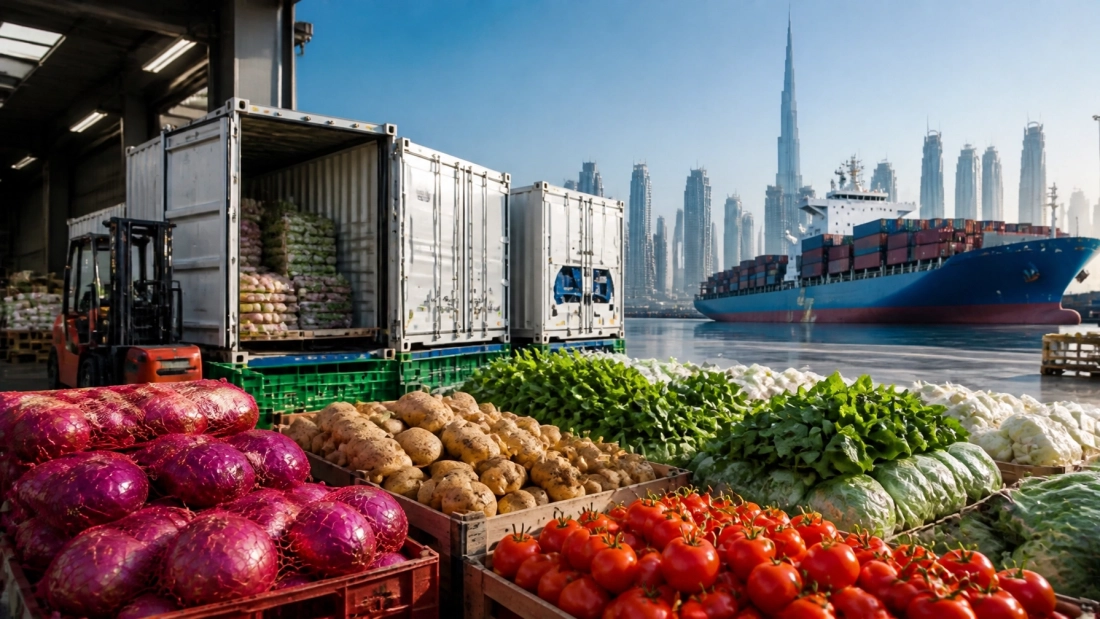
Loading refrigerated containers with export-grade orange boxes at Jebel Ali Port for UAE distribution.

Why Mayil Global is the Preferred Orange Buyer in Dubai

We understand that as an exporter, you are looking for more than just a buyer; you are looking for a partner who values transparency as much as you do. Our business is built on three pillars:

  1. Fixed 3% Commission: No hidden fees, no surprises. You get the market price, minus 3%.
  2. Strategic Location: Operating at the heart of Dubai’s food trade, we have direct access to bulk buyers, supermarket chains, and the HORECA sector.
  3. Fast Settlement: Whether through our commission model or Cash & Carry, we prioritize getting funds back to the exporter quickly.

Whether you are exporting lemons or oranges, our systems are designed to minimize your risk and maximize your return.

Summary Table: Exporting Oranges to Dubai

Step Focus Area Key Action
1 Regulation Ensure Arabic/English labels and MOCCAE compliance.
2 Documentation Secure Phytosanitary and Health Certificates.
3 Partnership Choose Mayil Global’s 3% model for maximum margin.
4 Logistics Use high-ventilation packing and strict cold chain.
5 Finance Utilize Cash & Carry for immediate liquidity.

Build Your Export Legacy with Mayil Global

The Dubai market is growing, and the demand for high-quality citrus is at an all-time high. By following these five steps and aligning with a partner that offers transparency and financial speed, you can transform your export business into a highly profitable enterprise.

Don't let high commissions and opaque trading practices eat into your hard-earned profits. Join the growing number of global exporters who have switched to the Mayil Global way.

Ready to ship your next container of oranges?

By choosing Mayil Global, you aren't just finding a buyer; you are securing your future in the UAE market. Focus on growing the best produce, and let us handle the complexities of the Dubai trade with the honesty and efficiency you deserve.

T1lkcCjkSqa

5 Steps How to Navigate the 3 Percent Commission Distributor UAE Model (Easy Guide for Global Exporters)

For global exporters targeting the Middle East, the United Arab Emirates: specifically Dubai: serves as the primary gateway. However, the traditional trading model in the Aweer Central Fruit and Vegetable Market can often feel like a "black box" where margins are obscured and payment terms are stretched. At Mayil Global, we have redefined this dynamic by introducing a transparent, high-efficiency distribution framework.

The 3 percent commission distributor UAE model is designed to provide international shippers with maximum visibility and immediate liquidity. Instead of selling to a middleman who marks up prices unpredictably, exporters partner with a distributor who charges a flat 3% service fee to move high volumes of containers directly into the B2B ecosystem.

This guide outlines the five essential steps to successfully navigating this model to secure your profits and scale your export business.

Step 1: Understanding the 3% Commission vs. Traditional Trading

The first step in navigating the UAE market is recognizing the difference between a trader and a commission-based distributor. Traditional traders often buy your goods at a fixed price or on "open account" terms, where the final price is determined only after the goods are sold. This often results in exporters receiving lower returns than expected due to "market fluctuations" that are rarely documented.

In contrast, the 3% commission model offered by Mayil Global operates on total transparency. We act as your boots-on-the-ground partner in the Aweer market. We facilitate the sale of your containers of fresh fruits, vegetables, or spices, and our compensation is a fixed 3% of the gross sales value. This ensures that our interests are perfectly aligned with yours: the higher the price we secure for your produce, the better it is for both parties.

Strategic Dubai business meeting overlooking Jebel Ali port, discussing the 3 percent commission distributor uae model.

Step 2: Ensuring Compliance and Quality Standards

The UAE is home to some of the world's most stringent food safety regulations. Navigating the 3% commission model successfully requires that your cargo meets all sourcing and logistics requirements before the container leaves the port of origin.

To leverage our distribution network, exporters must prioritize:

  • Phytosanitary Certification: Ensuring all fresh produce is free from pests and diseases.
  • Dubai Municipality Standards: Adhering to specific labeling requirements in Arabic and English, including production and expiry dates.
  • Packaging Integrity: Using export-grade packaging that can withstand the temperature-controlled supply chain.

By ensuring your quality is top-tier, you enable Mayil Global to position your products: whether they are wholesale vegetables in Dubai or premium spices: at the highest price point in the market, maximizing your net return after the 3% commission.

Step 3: Coordinating Logistics for the Aweer Central Market

Efficiency in logistics is the backbone of food distribution companies in UAE. Once your container is on the water, the countdown to liquidation begins. Our model relies on rapid turnover to maintain freshness and minimize storage costs.

Exporters should work closely with our team to manage:

  1. Bill of Lading Transfers: Streamlining documentation to avoid demurrage at Jebel Ali Port.
  2. Cold Chain Management: Ensuring the "broken cold chain" risk is zero from the port to our warehouse facilities.
  3. Real-time Tracking: Providing updates so that our B2B buyer network: consisting of supermarkets, hotel chains, and retailers: is ready for the arrival.

Whether you are a ginger buyer in Dubai looking for supply or an exporter shipping bulk onions, the logistics must be seamless to justify the high-volume, low-commission structure.

Cold storage warehouse in Dubai with fresh wholesale fruits and vegetables, optimizing food distribution logistics.

Step 4: Leveraging the Cash & Carry Liquidity Solution

One of the greatest pain points for global exporters is the "credit trap." Many UAE buyers demand 30, 60, or even 90-day payment terms. The Mayil Global strategy solves this through our integrated Cash & Carry food wholesale Dubai model.

When your container arrives, we don't just wait for buyers to show up. We push the inventory through our Cash & Carry channels, where local B2B customers: such as restaurants and small grocery stores: purchase goods in cash. This allows us to provide daily liquidity to the container owner.

For an exporter, this means:

  • Faster Capital Reinvestment: Get your money back quickly to fund the next shipment.
  • Reduced Risk: Minimize exposure to long-term bad debts in a foreign market.
  • Market Price Realization: Sales are made at the current market rate, ensuring you benefit from any price spikes in the Aweer market.

This liquidity is particularly vital for high-turnover items like bulk rice and eggs, where margins are thin and volume is king.

Step 5: Scaling Volume Through Reliable B2B Partnerships

The final step is moving from a single-trial shipment to a consistent supply chain partnership. The 3% commission model is most effective when it is utilized for regular, weekly arrivals. By establishing a "rhythm" of supply, Mayil Global can secure pre-orders from major retailers, ensuring your container is sold even before it clears customs.

We encourage our partners to diversify their shipments based on seasonal demand in the UAE. Our products page showcases the breadth of our distribution capabilities, ranging from fresh tomatoes and lemons to premium rice and spices.

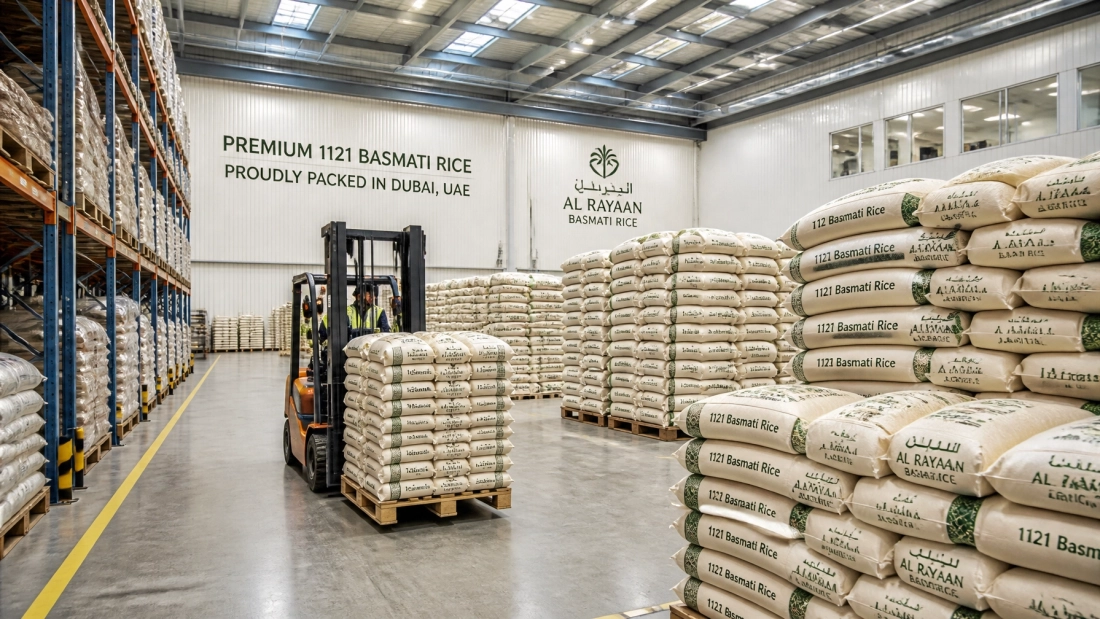
Modern cash and carry food wholesale dubai facility with bulk rice and spices for global B2B distribution.

Why Exporters are Switching to Mayil Global

The shift toward the 3% commission structure is driven by a demand for professional, B2B-focused operations. Traditional methods are failing to keep up with the fast-paced, digital-first economy of the UAE.

At Mayil Global, we provide:

  • Transparent Reporting: You receive clear documentation of every sale made from your container.
  • Market Intelligence: We provide feedback on quality and pricing trends to help you optimize your next shipment.

  • Operational Excellence: Our facilities and processes meet international standards for hygiene and safety.

Whether you are exporting onions to Dubai or looking for a potato buyer, the 5-step navigation of the 3% model ensures that you remain the master of your own margins.

The B2B Buyer Advantage

While this guide focuses on exporters, the 3% commission model also benefits local UAE buyers. Because we eliminate the "trader markup," we can offer more competitive pricing to supermarkets, catering companies, and restaurants. By buying from a distributor that manages the supply chain directly from the source, local businesses get fresher products and more stable pricing.

The synergy between our Cash & Carry wholesale and the 3% commission model creates a robust ecosystem where the exporter gets paid faster, and the local buyer gets a better deal.

B2B buyer inspecting fresh wholesale vegetables in dubai at a modern cash and carry food wholesale center.

Conclusion: Securing Your Future in the UAE Food Trade

Navigating the Dubai food market does not have to be a gamble. By following these five steps: understanding the model, ensuring compliance, mastering logistics, prioritizing liquidity, and scaling through partnership: you can build a sustainable and highly profitable export business.

The 3 percent commission distributor UAE model is more than just a fee structure; it is a commitment to transparency and operational excellence. At Mayil Global, we are ready to be your partner in the Aweer market, helping you navigate the complexities of international trade with ease and reliability.

If you are ready to secure your margins and experience a new level of distribution efficiency, contact us today to discuss your next container shipment.

About Mayil Global
Mayil Global is a leader in food distribution and wholesale in the UAE, specializing in fresh fruits, vegetables, spices, and grains. Our mission is to provide global exporters with a transparent, 3% commission-based gateway to the Middle East market while ensuring local B2B buyers have access to high-quality, sustainably sourced products. Learn more about us and our commitment to excellence.

nKnc88oZoaW

The Ultimate Guide on How to Export Food to Dubai: Everything You Need to Succeed

Dubai serves as the primary logistical gateway for the Middle East, North Africa, and South Asia. For global exporters, understanding how to export food to Dubai is not merely about navigating customs: it is about mastering a sophisticated regulatory environment and choosing a distribution partner that ensures profitability and liquidity. As the UAE imports approximately 80% to 90% of its food requirements, the opportunities for international shippers are immense, provided they follow the rigorous standards set by the Dubai Municipality and UAE federal authorities.

At Mayil Global, we facilitate this transition for exporters by offering a transparent 3% commission model and a robust Cash & Carry system designed to eliminate the common pitfalls of the Al Aweer Fruit and Vegetable Market. This guide provides a comprehensive roadmap for succeeding in the Dubai food trade.

1. Establishing Your Business Presence

The first step in entering the UAE market is ensuring your corporate structure is compliant with local laws. You cannot export food to Dubai without a UAE-licensed entity or a registered local distributor to act as your representative.

Licensing and Registration

Exporters must partner with a company that holds a valid Food Trading License. If you are setting up your own operations, you may choose a Dubai free zone: such as the Meydan Free Zone or Dubai Multi Commodities Centre (DMCC): which offers streamlined setups for international trade. Once the license is obtained, the company must register with Dubai Customs to receive an Import-Export Code. This code is mandatory for all shipments entering Jebel Ali Port or Dubai World Central.

Digital tablet showing food import approval status against the Dubai skyline background.

2. Navigating Dubai Municipality and the FIRS System

In Dubai, food safety is governed by the Dubai Municipality’s Food Control Department. Every single food item must be registered in the Food Import and Re-Export System (FIRS) before it arrives at the port.

The Product Registration Process

Whether you are dealing in processed FMCG goods or wholesale fruits and vegetables in Dubai, FIRS activation is mandatory. You must provide:

  • Detailed ingredient lists and nutritional information.
  • Country of origin and manufacturing details.
  • HS Codes (Harmonized System).
  • Shelf-life data and storage requirements.

Failure to pre-register products often leads to expensive delays, storage fees, or even the rejection of the entire container. Mayil Global assists its partners by ensuring all documentation aligns with FIRS requirements before the ship leaves its port of origin.

3. Essential Health and Safety Certifications

The UAE maintains some of the highest standards for food hygiene in the world. To clear customs, your shipment must be accompanied by specific certificates that vary depending on the product type.

  • Original Health Certificate: Issued by the government authority in the exporting country, certifying that the food is fit for human consumption.
  • Halal Certification: Mandatory for all meat and poultry products. This must be issued by an organization approved by the UAE’s Ministry of Industry and Advanced Technology (MoIAT).
  • Phytosanitary Certificate: Required for those importing onions to Dubai or any other fresh produce, ensuring the goods are free from pests.

Fresh red onions and ginger with official government health certificates for exporting food to Dubai.

4. Labeling and Packaging Standards

Incorrect labeling is one of the leading causes of shipment rejection in Dubai. The label acts as the primary source of information for both the consumer and the regulatory authorities.

Labeling Requirements:

  1. Language: Labels must be in Arabic, or a bilingual format (Arabic/English).
  2. Date Marking: Production and expiration dates must be printed directly on the packaging. Stickers are generally not accepted for these specific fields.
  3. Product Description: A clear description of the product, including its brand name and net weight.
  4. Manufacturer Details: The name and address of the manufacturer and the importer.

For fresh produce exporters, using export-grade packaging is vital to maintain freshness during the voyage to Jebel Ali, especially for high-turnover items found in the Mayil Global product catalog.

5. Shipping and Logistics to Dubai

Most bulk food consignments enter the UAE through Jebel Ali Port, the largest man-made harbor in the world and a massive logistics hub.

Logistics Pathways

  • Sea Freight: The most cost-effective method for bulk staples, grains, and hard vegetables like onions and potatoes.
  • Air Freight: Reserved for highly perishable items such as berries or premium exotic fruits.
  • Refrigerated Containers (Reefers): Essential for maintaining the cold chain. Any break in the cold chain can lead to total loss of the cargo upon inspection by Dubai Municipality officials.

Large container ship arriving at Jebel Ali Port, the main hub for food logistics in Dubai.

6. The Mayil Global Advantage: Maximizing Your Margins

While the logistics of exporting are technical, the business of exporting is financial. Many exporters struggle with the traditional commission models in Dubai, where distributors may charge 10% to 15%, or where payments are delayed by 30 to 60 days.

The 3% Commission Strategy

Mayil Global has disrupted the traditional market by implementing a 3% commission model. By reducing the distributor's take, we ensure that the lion’s share of the profit returns to the exporter. This model is built on transparency, providing real-time data on market pricing at the Al Aweer market.

Cash & Carry Wholesale

Liquidity is the biggest challenge in the food trade. When you have a container arriving, you need to ensure the capital is recycled quickly to fund the next shipment. Our Cash & Carry model provides immediate liquidity, allowing exporters to get paid faster and maintain a consistent supply chain without the burden of credit risks.
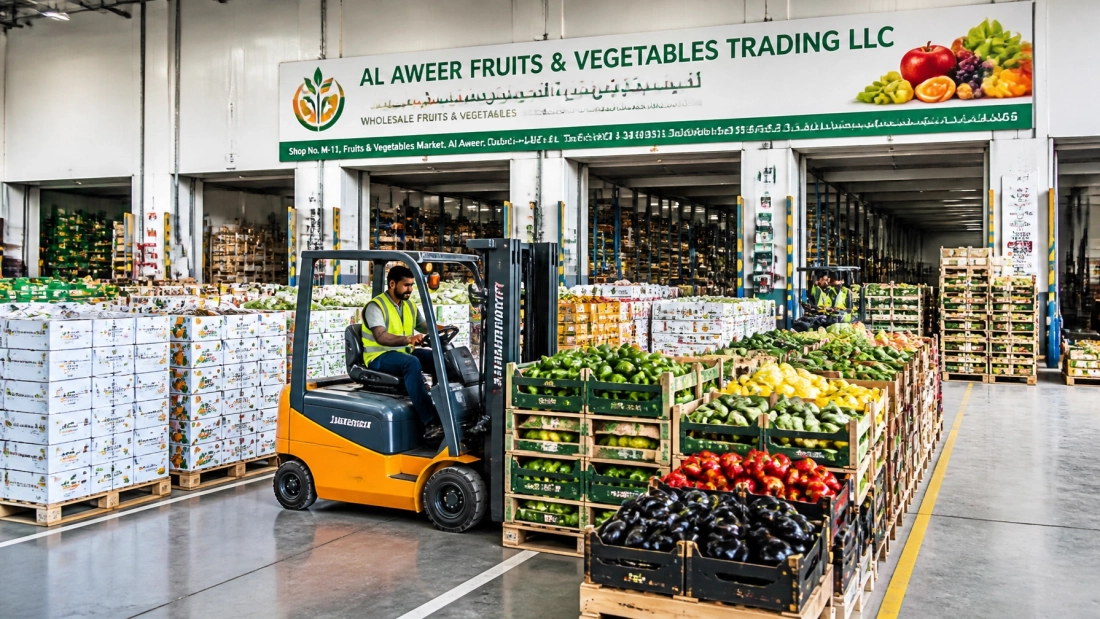
Bustling wholesale food distribution warehouse in Dubai featuring modern cash and carry operations.

7. Strategic Sourcing: Onions, Ginger, and Beyond

Success in the Dubai market often depends on identifying high-demand commodities and timing the market correctly.

  • Importing Onions to Dubai: Onions are a staple with year-round demand. However, price volatility is common. By leveraging our insights into Al Aweer market pricing, exporters can time their shipments to hit the market during peak demand. You can read more on our specific strategy for exporting onions to Dubai.
  • Ginger and Garlic: These commodities often see significant price fluctuations based on supply from China and India. Our ginger buyer services focus on securing profits through rapid turnover.
  • The Tomato Trade: Managing perishability is key here. Our distribution network ensures that tomatoes reach wholesale buyers within hours of clearing customs. Check our guide on finding a tomato buyer.

8. Managing Liquidity and the "Container in Aweer" Problem

For many exporters, the "Al Aweer Market" can be a daunting place. Containers often sit in the yard while prices drop, or exporters are forced to sell on credit to unknown buyers.

At Mayil Global, we solve the liquidity problems associated with containers in Aweer. We act as a "Verified Buyer," purchasing the container or distributing it through our 3% model to our network of pre-vetted B2B clients, including restaurants, supermarkets, and smaller wholesalers.

9. Common Mistakes to Avoid

To ensure success when you export food to Dubai, avoid these frequent errors:

  1. Incomplete Documentation: Missing an original health certificate will lead to the container being held at the port.
  2. Ignoring Labeling Laws: Stickers for production/expiry dates are often rejected.
  3. High Commission Structures: Don't settle for 10% commission when the Mayil Global 3% model is available.
  4. Credit Selling: Avoid selling on long credit terms in the wholesale market, which can stifle your cash flow.

Conclusion: Your Path to Profitability in the UAE

Exporting food to Dubai is a high-reward venture for those who prioritize compliance and strategic partnerships. By understanding the regulatory requirements of the Dubai Municipality and utilizing the logistics power of Jebel Ali, you can tap into one of the world's most vibrant food markets.

Mayil Global stands ready to be your operational partner on the ground. Whether you are looking for a potato buyer or seeking a reliable distributor for bulk grains and spices, our mission is to provide you with the transparency, safety, and liquidity you need to scale your export business.

The Dubai market moves fast: ensure your supply chain is built on the foundations of professional excellence and the Mayil Global 3% advantage.

PHF4RA2hp0e

Cash and Carry Food Wholesale Dubai: 10 Things You Should Know Before Your Next Bulk Order

The landscape of food procurement in the UAE is undergoing a significant transformation. As Dubai continues to solidify its position as a global logistics and trading hub, the traditional methods of sourcing bulk food items are being replaced by more efficient, transparent, and liquidity-focused models. For supermarkets, restaurant chains, and international exporters, understanding the nuances of cash and carry food wholesale Dubai is no longer just an advantage: it is a necessity for maintaining operational margins.

At Mayil Global, we have observed a shift toward models that prioritize immediate liquidity and transparent fee structures. Whether you are an exporter looking to move containers in the Aweer market or a local retailer seeking a reliable supply of fresh produce, here are 10 critical factors you must consider before placing your next bulk order.

1. Regulatory Compliance and Food Safety Standards

In Dubai, the regulatory environment is rigorous. Any entity involved in food distribution must adhere to the Dubai Municipality (DM) regulations, specifically Regulation No. 9 of 2021. This ensures that all food facilities, storage units, and transport vehicles meet international safety standards.

When engaging with food distribution companies in UAE, it is imperative to verify their compliance certifications. Beyond basic licensing, ensure your partner adheres to GAC or DCL standards for Halal certification. At Mayil Global, we prioritize hygiene and safety as non-negotiable pillars of our business process, ensuring that every pallet of fresh fruits and vegetables meets the highest regulatory benchmarks.

2. The Power of the 3% Commission Model

One of the most significant innovations for exporters in the UAE is the 3 percent commission distributor UAE model. Traditionally, exporters faced high fees and opaque pricing when sending containers to the Aweer market.

Mayil Global’s new strategy focuses on offering a flat 3% commission for container owners and exporters. This model is designed to maximize the exporter's profit while ensuring the goods enter the Dubai market at competitive prices. By reducing the intermediary costs, we provide a more direct path from the farm or processing plant to the wholesale buyer.

Shipping containers at a Dubai terminal representing global food export and liquidity.

3. Daily Liquidity and the Cash and Carry Advantage

Liquidity is the lifeblood of the food trade. For many exporters, the primary challenge in the UAE market has been the delay in payment cycles. The cash and carry food wholesale Dubai model addresses this directly by facilitating faster transactions.

By focusing on immediate cash-and-carry container purchases, we allow exporters to secure their funds rapidly, which can then be reinvested into the next shipment. This "velocity of capital" is essential for businesses looking to scale their operations in the Middle East. Understanding how this model solves liquidity gaps is vital for anyone exporting bulk commodities like rice or potatoes.

4. Cold Chain Integrity in an Arid Climate

Dubai’s climate presents a unique challenge for the wholesale fruits and vegetables Dubai sector. Maintaining an unbroken cold chain is the difference between a profitable shipment and a total loss.

Before committing to a bulk order, evaluate the supplier’s logistics infrastructure. Are the vehicles temperature-controlled? Is the storage facility equipped with real-time monitoring? Mayil Global invests heavily in sourcing and logistics to ensure that perishables like tomatoes, lemons, and leafy greens arrive in optimal condition, regardless of the external temperature.

Fresh wholesale vegetables in a refrigerated truck ensuring cold chain integrity in Dubai.

5. Transparency in Pricing and Market Trends

The Aweer Central Fruit and Vegetable Market is dynamic, with prices fluctuating daily based on global supply and local demand. A reliable wholesale partner should provide transparent, real-time pricing information.

Avoid distributors who are vague about market rates. At Mayil Global, we believe that transparency builds long-term relationships. By offering a clear 3% commission structure, we eliminate the guesswork for exporters, allowing them to calculate their margins with precision before the container even leaves the port of origin.

6. Sourcing Beyond Fresh Produce: Spices, Rice, and Eggs

While fresh produce often dominates the conversation, a comprehensive cash and carry food wholesale Dubai partner should offer a diversified portfolio. The UAE market has a high demand for premium spices, long-grain rice, and eggs.

Consolidating your sourcing with a single provider reduces administrative overhead and simplifies your supply chain. Whether you are looking for bulk rice suppliers or unlocking the spice trade, ensure your distributor has the global reach to source high-quality dry goods alongside fresh inventory.

7. Delivery Reliability Across the Emirates

A competitive price is meaningless if the delivery does not arrive on time. For restaurants and supermarkets, a delayed delivery can lead to empty shelves and lost revenue.

When vetting food distribution companies in UAE, ask about their delivery fleet and their track record for on-time arrivals in Abu Dhabi, Sharjah, and the Northern Emirates. Reliability is a foundational requirement. We have built our reputation on delivering "on time, every time," recognizing that our clients' operations depend on our punctuality.

Reliable food distribution van delivering wholesale goods across Dubai and the UAE.

8. Managing Perishability and Spoilage Risks

Bulk ordering carries inherent risks, particularly with highly perishable items like tomatoes or ginger. Effective inventory management is critical.

Before placing a large order, assess your own cold storage capacity and consumption timelines. A good wholesale partner will not just sell you a container; they will work with you to ensure the volume matches your operational capacity. Our 3% commission strategy is specifically designed to move products quickly, reducing the time goods spend in storage and minimizing spoilage for all parties involved.

9. Global Sourcing Capabilities

Dubai is a gateway, but the products come from all over the world: apples from Europe, onions from India, and lemons from Africa. Your wholesale partner must have a robust global sourcing network to ensure price stability and consistent supply throughout the year.

Seasonality can often cause price spikes. However, a distributor with a diverse sourcing strategy can mitigate these fluctuations by shifting sourcing origins as seasons change. Mayil Global’s about us page details our commitment to building these global bridges, ensuring that our UAE clients always have access to the best produce the world has to offer.

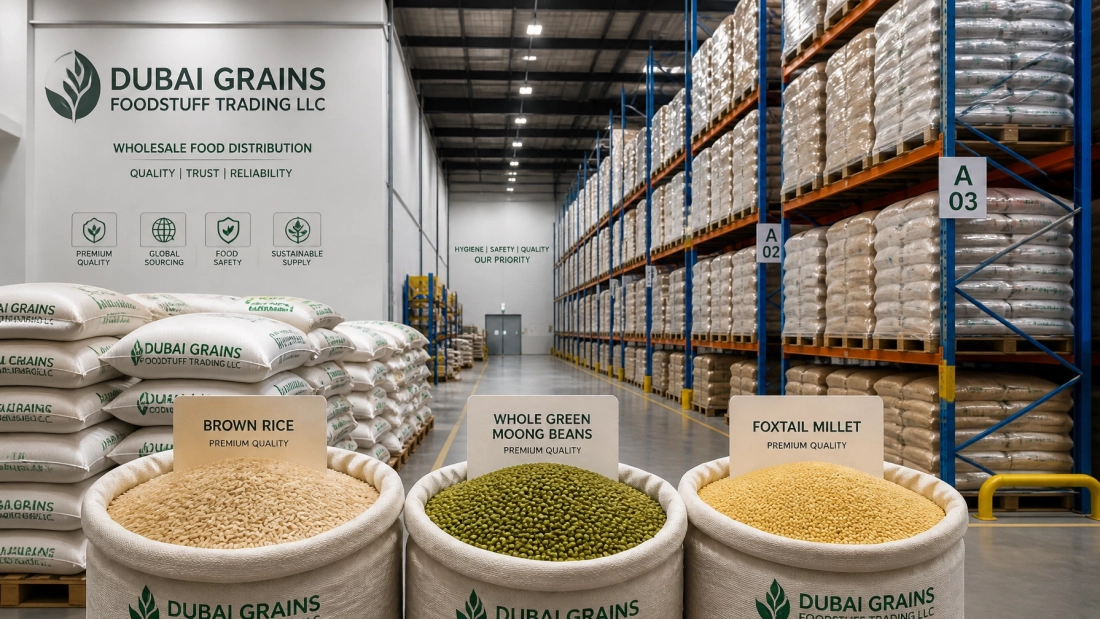
Bulk rice, spices, and fresh fruit illustrating global food sourcing for UAE wholesalers.

10. The Shift from Credit to Cash-Based Efficiency

While "Net 30" or "Net 60" terms have been the industry standard, they often lead to inflated pricing as suppliers bake the cost of credit into the goods. The growing popularity of the cash and carry model in the UAE is a response to this inefficiency.

By moving toward cash-based transactions, buyers can often negotiate better "headline" prices, and sellers (exporters) can avoid the distress of cash flow gaps. This shift is particularly beneficial for high-volume traders who prioritize lean operations and rapid turnover. For a deeper dive into why this model is changing the industry, read our article on why cash and carry matters in the Aweer market.

Conclusion: Partnering for Success in 2026

Success in the Dubai food wholesale market requires a combination of strategic sourcing, regulatory diligence, and financial agility. As we move through 2026, the businesses that thrive will be those that embrace transparency and efficiency.

At Mayil Global, we are more than just a distributor; we are a strategic partner for exporters and B2B buyers alike. Our 3% commission model for exporters and our robust cash and carry infrastructure for local buyers are designed to create a more resilient and profitable food ecosystem in the UAE.

If you are ready to streamline your bulk ordering process or looking for a transparent partner to distribute your containers in Dubai, contact us today to discuss how we can support your business goals.

a8XiiGZRzfe

7 Mistakes You’re Making When Exporting to the UAE (And How to Fix Them Using a Verified Buyer Network)

The United Arab Emirates represents one of the most lucrative hubs for global food trade. As a gateway to the Middle East and Africa, Dubai: and specifically the Al Aweer Central Fruit and Vegetable Market: serves as the primary engine for high-volume distribution. However, for many international exporters, the promise of the UAE market is often overshadowed by unforeseen losses, regulatory hurdles, and razor-thin margins.

Entering the market for wholesale fruits and vegetables in Dubai requires more than just a high-quality product; it requires a sophisticated understanding of local logistics, pricing volatility, and buyer trust. Many exporters find themselves trapped in traditional commission models that erode profits or face liquidity crises due to delayed payments.

To ensure your export business remains profitable and scalable, you must avoid these seven common mistakes. At Mayil Global, we specialize in bridging the gap between global producers and the UAE market through a transparent, high-efficiency distribution model.

1. Underestimating Al Aweer Market Price Volatility

One of the most frequent errors made by new exporters is treating the UAE market like a fixed-price environment. The Al Aweer market operates on a high-velocity, supply-and-demand basis. Prices for commodities like onions, potatoes, and ginger can fluctuate significantly within a single trading day.

Exporters who do not have "boots on the ground" often send containers based on last week's pricing, only to find the market oversupplied upon arrival. This lack of real-time data leads to "distress sales," where products are offloaded at a loss.

The Fix: Partner with a distributor that provides transparent market insights. Our 3% commission strategy ensures that we are incentivized to get you the best possible market price, as our success is directly tied to your volume and valuation.

2. Inadequate Knowledge of UAE Regulatory Standards

When how to export food to dubai is the question, the answer always begins with compliance. The UAE has strict regulations regarding food safety, pesticide residues, and labeling. Many exporters fail to realize that labels must often be in Arabic or include specific details like the country of origin, production date, and expiry date in a format approved by the Ministry of Climate Change and Environment (MOCCAE).

Failing to meet these standards results in containers being held at Jebel Ali Port or, worse, being rejected and destroyed at the exporter's expense.

The Fix: Leverage a partner with deep sourcing and logistics expertise. Before shipping, ensure all documentation: including the Phytosanitary Certificate, Certificate of Origin, and Commercial Invoice: is verified against current UAE Municipality standards.

Quality inspection of onions and ginger for companies importing food to Dubai at Jebel Ali port.

3. Succumbing to High Commission Traditional Agents

In the traditional Al Aweer model, many commission agents charge anywhere from 5% to 10%, often with hidden "handling fees" or "unloading charges" that aren't disclosed upfront. For high-volume commodities like importing onions to Dubai, these percentages can be the difference between a profitable season and a bankruptcy-level event.

When your agent takes a large cut and provides little transparency regarding the actual sale price to the end buyer, your margins are at constant risk.

The Fix: Switch to the Mayil Global 3% commission model. By capping our commission at 3%, we provide the most competitive distribution rate in the region. This allows you to retain more capital to reinvest in your next shipment.

4. Ignoring the Liquidity Gap and Credit Risks

A major pitfall in the UAE food trade is the prevalence of "credit sales." Many local buyers expect 15, 30, or even 60-day payment terms. For an exporter located thousands of miles away, managing these receivables is nearly impossible. If a buyer defaults or delays payment, your supply chain grinds to a halt because you lack the liquidity to purchase more stock from your local farmers.

The Fix: Utilize a Cash & Carry wholesale model. At Mayil Global, we focus on immediate liquidity. Our Cash and Carry approach means that once your container is sold through our verified network, the funds are cleared and available, significantly shortening your cash-to-cash cycle.

5. Poor Packaging and Temperature Control Failures

The UAE climate is unforgiving. Even during the cooler months, the transition from a refrigerated container (reefer) to a non-climate-controlled warehouse can cause immediate spoilage. Many exporters use substandard packaging that collapses under the weight of stacked pallets or fails to allow for proper airflow.

Whether you are exporting apples, lemons, or leafy greens, the "cold chain" must be maintained from the packing shed to the final buyer.

The Fix: Invest in high-quality, export-grade packaging and ensure your logistics provider understands the specific temperature requirements for your produce. For instance, exporting lemons to Dubai requires different humidity controls than exporting potatoes.

Temperature-controlled reefer protecting wholesale fruits and vegetables in Dubai from extreme heat.

6. Lack of a "Verified Buyer" Filter

Many exporters are so eager to enter the market that they sell to anyone who makes a decent offer over WhatsApp or email. In the bustling Al Aweer market, not all buyers are created equal. Some may lack the infrastructure to handle your goods properly, while others may have a history of payment disputes.

Without a verified buyer network, you are essentially gambling with your cargo.

The Fix: Mayil Global acts as your filter. We operate a Verified Buyer Network, connecting your shipments only with reputable wholesalers, supermarket chains, and catering companies. This reduces the risk of rejection and ensures that your brand reputation remains intact in the UAE market.

7. Treating the UAE as a One-Off Transaction

Success in wholesale fruits and vegetables in Dubai is built on consistency. Many exporters send one or two containers when prices are high, then disappear when the market dips. This "spot market" approach prevents you from building a relationship with buyers who need a steady, year-round supply.

Buyers in Dubai prioritize reliability. If they know your "Brand A" onions are available every week, they will pay a premium for that consistency compared to a random shipment from an unknown source.

The Fix: Develop a long-term supply strategy. By working with Mayil Global, you can plan your shipments to maintain a consistent presence in the market. Whether it is bulk rice or seasonal vegetables, consistency creates brand equity.

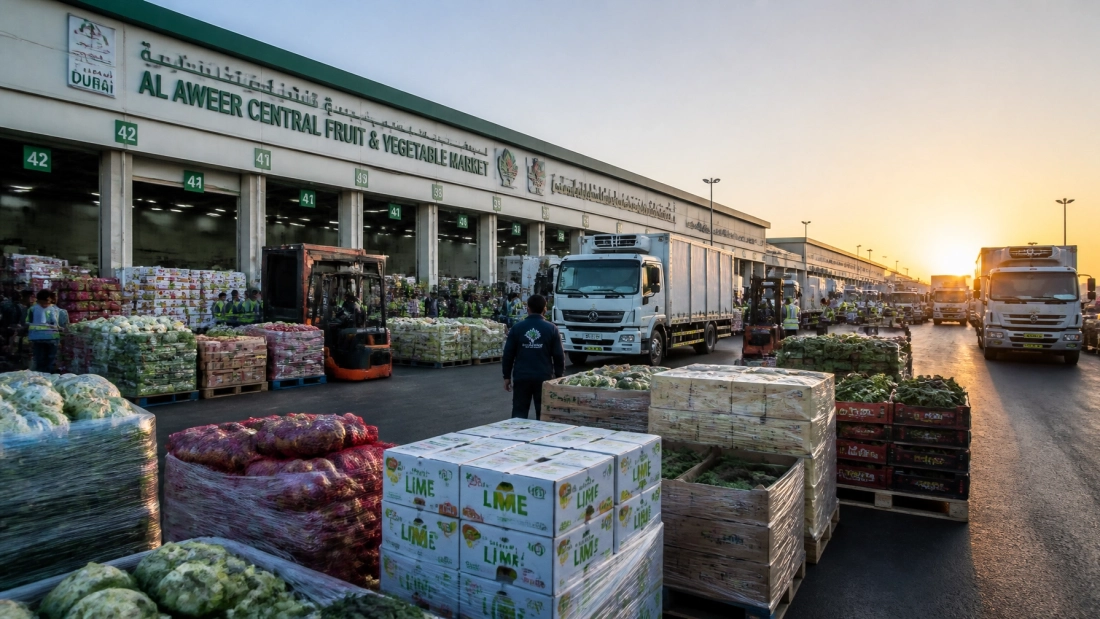
High-volume wholesale vegetable distribution at the Al Aweer Central Market in Dubai at dawn.

Why Mayil Global is the Strategic Choice for Exporters

At Mayil Global, we are not just commission agents; we are your strategic partners in the UAE. Our business model is designed to solve the specific pain points that international exporters face daily.

The 3% Advantage

Our 3% commission model is the most transparent in the industry. It covers the distribution and sale of your containers within the UAE, ensuring you keep 97% of the gross sale value (minus standard port and handling costs). This lean approach is designed for the modern exporter who demands efficiency.

Cash & Carry Liquidity

We understand that capital flow is the lifeblood of your business. Our focus on cash-based transactions within the Al Aweer market means you are not waiting months to get paid. We prioritize buyers who can settle quickly, ensuring you can turn your containers over faster.

Comprehensive Market Access

From ginger to tomatoes, we handle a wide variety of food products. Our facility and network are optimized for both dry and chilled cargo, giving you a single point of entry for your entire product catalog.

How to Get Started

Exporting to the UAE does not have to be a high-risk venture. By avoiding the common mistakes of poor research, high commissions, and slow liquidity, you can build a thriving export house.

  1. Analyze Your Costs: Compare your current agent's fees against our 3% model.
  2. Verify Your Documentation: Ensure your labels and certificates meet UAE standards.
  3. Ship with Confidence: Use our contact page to discuss your next container shipment.

Whether you are a seasoned exporter looking to optimize your margins or a new player wondering how to export food to Dubai, Mayil Global provides the infrastructure, the network, and the transparency you need to succeed.

For more information on our operations and how we can assist in your supply chain, visit our About Us page or explore our full range of services.

Successful B2B negotiation for a verified buyer network in the Dubai food export supply chain.

SgBh8woK7bC

Why the Cash & Carry Model Will Change the Way You Source from Food Distribution Companies in UAE

The landscape of food procurement in the United Arab Emirates is undergoing a fundamental transformation. For years, the traditional distribution model: characterized by long credit cycles, complex intermediary layers, and delayed liquidity: has been the standard. However, as the demand for efficiency and transparency grows among supermarkets, restaurants, and international exporters, a more agile alternative is taking center stage.

The Cash & Carry model, combined with innovative commission structures, is redefining how food distribution companies in UAE operate. At Mayil Global, we are at the forefront of this shift, offering a streamlined approach that prioritizes immediate liquidity for exporters and high-quality, cost-effective sourcing for B2B buyers.

The Shift Toward Operational Efficiency

In a fast-paced market like Dubai, especially within the bustling Aweer Central Fruit and Vegetable Market, time is a commodity as valuable as the produce itself. Traditional sourcing methods often involve significant delays. A retailer might wait days for a delivery, only to find the quality does not meet their standards. Conversely, an exporter might wait weeks or even months to see the return on a container shipment.

The Cash & Carry model eliminates these bottlenecks. By providing a centralized hub where buyers can physically inspect goods and complete transactions instantly, the model introduces a level of speed and reliability that traditional "order-and-wait" systems cannot match.

Modern food distribution warehouse in Dubai showcasing cash and carry logistics and fresh produce crates.

Key Transformational Advantages of Cash & Carry

The rise of cash and carry food wholesale Dubai is not merely a trend; it is a response to the functional needs of modern businesses. There are several core reasons why this model is changing the procurement game:

1. Direct Product Inspection and Quality Assurance

One of the primary risks in food sourcing is the variance in quality. In the traditional distribution chain, a buyer relies on descriptions or samples that may not reflect the actual bulk delivery. The Cash & Carry model allows procurement managers from hotels, restaurants, and supermarkets to "touch, feel, and choose" their merchandise. This direct inspection ensures that the fresh fruits, vegetables, and premium spices meet the specific standards required for their operations.

2. Immediate Liquidity for Exporters

For container owners and international shippers, the greatest challenge in the UAE market is often liquidity. Many distributors operate on a credit basis, which ties up an exporter's capital. Mayil Global addresses this through our specialized 3 percent commission distributor UAE model. By facilitating rapid sales through a Cash & Carry framework, we ensure that exporters receive their funds faster, allowing them to reinvest in their next shipment without delay. You can learn more about how this solves liquidity gaps in our guide on bulk rice in Dubai.

3. Transparent Pricing and Competitive Margins

By reducing the number of intermediaries and streamlining the logistics chain, the Cash & Carry model offers more competitive pricing. At Mayil Global, our transparency is our hallmark. We operate on a fixed 3% commission for Aweer market container owners, which means there are no hidden costs. This transparency allows B2B buyers to secure wholesale fruits and vegetables Dubai at prices that protect their own retail margins.

Revolutionizing the Aweer Market: The 3% Commission Strategy

The Aweer Market is the heart of the UAE’s food trade. However, navigating its complexities requires a partner who understands the nuances of global sourcing and local distribution. Mayil Global’s new strategy focuses on bridging the gap between international exporters and local B2B buyers.

Our 3% commission strategy is specifically designed for exporters of onions, potatoes, tomatoes, apples, and citrus fruits. Instead of the traditional high-margin distribution models that eat into the exporter's profits, we provide a high-volume, low-commission pathway to the market.

Export container of fresh onions and potatoes at Aweer Market Dubai using the 3 percent commission model.

How It Works for Exporters:

  • Container Arrival: Your container arrives at the Aweer market.
  • Rapid Processing: We utilize our Cash & Carry network to move the stock quickly.
  • Fixed Fee: We charge a flat 3% commission for our distribution services.
  • Fast Payout: The focus is on daily liquidity, ensuring you get paid faster than with any other model.

This approach is particularly beneficial for those exporting onions to Dubai or shipping bulk quantities of potatoes and tomatoes.

Sourcing a Diverse Portfolio

The UAE’s multicultural culinary landscape requires a diverse range of high-quality ingredients. A reliable food distribution company must be able to provide more than just fresh produce. Mayil Global has expanded its reach to include:

  • Fresh Fruits and Vegetables: From daily essentials like tomatoes and ginger to seasonal specialties.
  • Premium Spices: Sourced globally to ensure potency and purity.
  • Rice and Grains: Bulk supply of premium varieties essential for the hospitality sector.
  • Eggs and Dairy: Consistent supply chains for high-turnover staples.

By consolidating these categories under a single Cash & Carry umbrella, we offer a "one-stop-shop" for B2B procurement, significantly reducing the administrative burden on our clients.

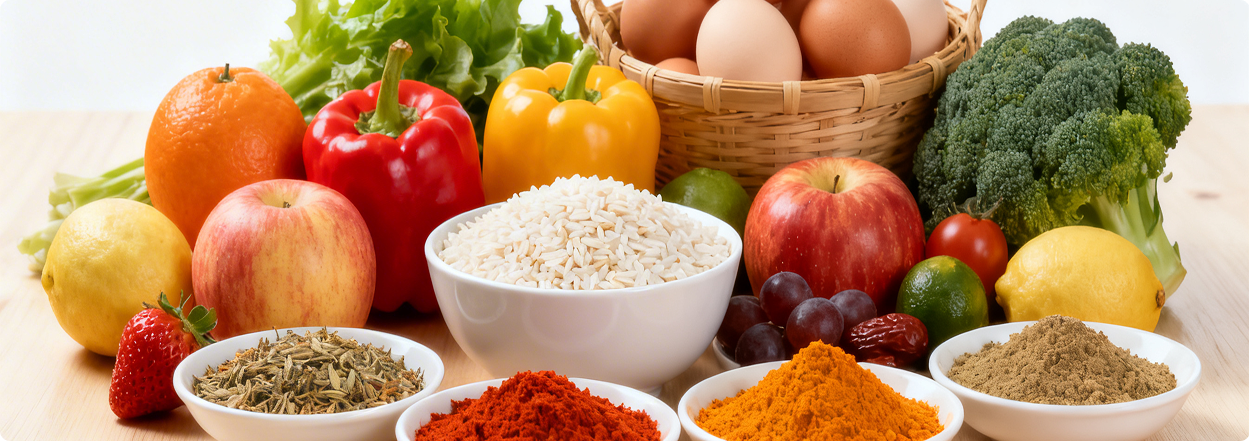
Wholesale fruits, vegetables, bulk rice, and premium spices for B2B food sourcing at Mayil Global Dubai.

Solving the "Credit Trap" in UAE Food Distribution

For many years, the "credit trap" has hampered the growth of small to medium-sized food businesses in the UAE. Suppliers would provide goods on 30, 60, or even 90-day credit terms. While this seems helpful for cash flow initially, it often leads to inflated prices and a lack of transparency. If a supplier is waiting 90 days for payment, they will naturally bake that risk into the price of the goods.

The cash and carry food wholesale Dubai model breaks this cycle. By transacting in cash (or immediate electronic settlement), buyers can negotiate significantly better prices. They are not paying for the supplier's "risk"; they are paying for the product's value. This shift is essential for restaurants and supermarkets looking to remain competitive in a price-sensitive market.

Why Mayil Global is the Partner of Choice

As an owner-led business, Mayil Global, under the direction of Suresh Venkat, prioritizes operational excellence and long-term relationships. We understand that in the food industry, reliability is everything. Our infrastructure is built to support the rigorous demands of food distribution companies in UAE.

Our Commitment to Standards

Safety and hygiene are non-negotiable. Whether it is a container of apples from Europe or spices from India, we ensure that every product passing through our hands meets international and UAE-specific health standards. This focus on quality control protects our B2B buyers from the risks of spoiled inventory or regulatory non-compliance.

Scalability for Shippers

For international shippers, Mayil Global offers a scalable gateway into the Middle East. Our 3 percent commission distributor UAE model is designed to handle high volumes, making it ideal for large-scale exporters of staples like rice and onions.

Quality assurance inspection of fresh apples in a Dubai food distribution cold storage facility.

The Functional Future of Food Sourcing

The transition toward Cash & Carry is more than just a change in how payments are made; it is a change in business philosophy. It moves away from the opaque, slow-moving systems of the past toward a future of functional clarity, rapid turnover, and mutual profitability.

For the supermarket owner, it means fresher produce on the shelves today. For the restaurant chef, it means consistent quality in every dish. For the global exporter, it means the liquidity needed to grow their business.

As we look toward the future of food distribution in the UAE, the advantages of the Cash & Carry model are undeniable. It provides the stability, transparency, and speed required to thrive in a global trade hub.

Conclusion: Partner with Mayil Global

Whether you are looking for a potato buyer in Dubai to maximize your export margins or you are a local retailer seeking a dependable wholesale supplier, Mayil Global is ready to facilitate your success.

Our unique combination of a 3% commission structure for exporters and a robust Cash & Carry model for B2B buyers ensures that every stakeholder in the supply chain wins. Experience the difference that professional, transparent, and efficient distribution can make for your business.

To explore our full range of products and services, visit our products page or contact us directly at mayilglobal.com to discuss how we can optimize your food sourcing strategy today.

RkwRLU7FUej

How to Export Food to Dubai 101: A Beginner’s Guide to Mastering Al Aweer Market Logistics

The United Arab Emirates (UAE), and specifically Dubai, serves as the primary redistribution hub for the Middle East, North Africa, and South Asia. For global exporters, entering the Dubai market is not merely an expansion: it is a strategic entry into a high-volume, high-liquidity environment. However, the complexity of Al Aweer Central Fruit & Vegetable Market can be daunting for beginners. Navigating the regulatory landscape, understanding wholesale fruits and vegetables dubai pricing, and managing logistics require a structured approach.

At Mayil Global, we specialize in bridging the gap between international exporters and the UAE's massive demand. This guide outlines the essential steps to master food exports to Dubai, focusing on operational excellence and profit maximization.

Understanding the Landscape: Al Aweer Central Fruit & Vegetable Market

Al Aweer is the central nervous system of the UAE’s food trade. Spanning over 1 million square meters, it handles approximately 7,000 tonnes of fresh produce daily. It is not a retail space for the general public in its primary capacity; it is a B2B powerhouse where 80% of the fresh produce consumed in the UAE is traded.

To succeed here, you must understand that Al Aweer operates on volume. The market is structured into specialized zones: wholesale trading blocks, administrative buildings for customs and municipality clearance, and state-of-the-art cold storage facilities. Trading peaks between 2:00 AM and 12:00 PM, creating a fast-paced environment where decision-making must be rapid and data-driven.

Aerial view of Al Aweer market hub for wholesale fruits and vegetables in Dubai at dawn.

Step 1: Navigating the Regulatory Framework and Documentation

Learning how to export food to dubai begins with compliance. The UAE maintains rigorous standards for food safety, hygiene, and traceability. Every shipment entering Jebel Ali Port or Dubai International Airport must be accompanied by a specific set of documents to clear Dubai Customs and the Dubai Municipality (Food Safety Department).

Essential Documentation Checklist:

  1. Commercial Invoice: Detailing the value, quantity, and description of the goods.
  2. Packing List: Specifying the weight and packaging details of each container.
  3. Bill of Lading (Sea) or Airway Bill (Air): The contract of carriage.
  4. Certificate of Origin: Authenticated by the chamber of commerce in the exporting country.
  5. Phytosanitary Certificate: Issued by the agricultural authority of the exporting country, proving the shipment is free from pests and diseases.

Failure to provide accurate documentation results in costly delays at the port, which is catastrophic for perishable goods. Partnering with a reliable distributor who understands these nuances is critical. For instance, those importing onions dubai must ensure that the variety and shelf-life meet specific local market demands.

Step 2: Strategic Logistics and Cold Chain Management

Logistics is the backbone of food export. For fresh produce, the "Cold Chain" must remain unbroken from the farm gate in India, Africa, or Europe to the warehouse in Al Aweer.

Sea Freight vs. Air Freight

  • Sea Freight (Jebel Ali Port): Ideal for high-volume, sturdy produce like onions, potatoes, and apples. Transit times from major Indian ports like Nhava Sheva to Jebel Ali typically range from 7 to 10 days.
  • Air Freight (Dubai International Airport): Reserved for high-value, highly perishable items like berries, exotic fruits, or premium vegetables. Delivery can be completed within 24 to 48 hours.

Maintaining a consistent temperature is non-negotiable. If a container of tomatoes or ginger loses temperature for even a few hours, the market value can plummet by 50% or more. This is why Mayil Global emphasizes working with carriers that provide real-time temperature tracking.

Refrigerated shipping container at Jebel Ali Port for importing onions and fresh food to Dubai.

Step 3: Overcoming the Middleman Barrier – The 3% Commission Model

Traditionally, the Al Aweer market has been dominated by agents who charge high commissions, often ranging from 7% to 10%. For a beginner exporter, these margins, combined with logistics costs, often leave little room for profit.

Mayil Global has disrupted this traditional model. We offer a 3% commission-based distribution model. By reducing the intermediary cost, we allow exporters to retain more of their hard-earned revenue. This transparent pricing structure ensures that you are not just selling goods, but building a sustainable, profitable business.

Our 3% commission strategy is designed for those who want to maintain control over their pricing while leveraging our local expertise and distribution network.

Step 4: Solving the Liquidity Crisis with Cash & Carry

One of the biggest hurdles for new exporters is the payment cycle. In the wholesale world, "credit" is a common word, but for an exporter with containers on the water, waiting 30 or 60 days for payment can kill cash flow.

Mayil Global addresses this through our Cash & Carry wholesale model. When you have a container arriving in Al Aweer, we have the capacity to purchase the inventory directly. This provides immediate liquidity, allowing you to reinvest in your next shipment without waiting for retail collections.

This model is particularly beneficial for high-turnover items. If you are a potato buyer or supplier, you know that speed of transaction is just as important as the price per ton.

Wholesale potatoes and onions in a Dubai warehouse for food export cash and carry logistics.

Step 5: Understanding Product-Specific Requirements

Every category of produce in the wholesale fruits and vegetables dubai market has its own set of rules.

  • Onions: Demand is constant, but price sensitivity is high. Grading and curing are vital to prevent sprouting during transit.
  • Ginger: Often sourced from India or China. The focus here is on "washed" vs. "unwashed" quality and preventing mold. Check our guide on ginger exports for deeper insights.
  • Tomatoes: Requires precision in "color stage" harvesting to ensure they arrive at the perfect ripeness for the Al Aweer buyers.

Why Choose Mayil Global for Your Dubai Export Journey?

Entering the Dubai market requires more than just a product; it requires a partner on the ground who treats your cargo as their own. Mayil Global stands out by prioritizing reliability, operational excellence, and financial transparency.

Our Core Value Propositions:

  • Reliability: We manage the complexities of Al Aweer so you can focus on sourcing.
  • Transparency: No hidden fees. Our 3% commission is clearly defined.
  • Speed: With our Cash & Carry model, we ensure you get paid faster, keeping your supply chain moving.
  • Expertise: From customs clearance to cold storage, we provide a turnkey solution for global exporters.

Export quality tomatoes, ginger, and onions for the wholesale fruits and vegetables market in Dubai.

Common Mistakes Beginners Make

To ensure your success, avoid these common pitfalls:

  1. Underestimating the UAE Heat: Ensure your logistics provider uses "reefer" (refrigerated) containers even for short domestic transport from the port to the market.
  2. Poor Packaging: Export-grade cartons are essential. Standard domestic packaging often collapses under the weight of stacked pallets in a container.
  3. Ignoring Market Trends: Prices in Al Aweer fluctuate daily. Sending a shipment without checking the current supply levels from competing countries (like Egypt, Iran, or India) can lead to unexpected losses.

Conclusion: Take Your First Step into the UAE Market

The Dubai food market is vast, lucrative, and ready for professional exporters who are willing to follow the right processes. By understanding the logistics of Al Aweer and partnering with a distributor that offers a competitive 3% commission and immediate liquidity through Cash & Carry, you position yourself far ahead of the competition.

Whether you are looking for a lemon buyer in Dubai or planning a large-scale onion export operation, the key is to start with a solid foundation of logistics and trust.

For more information on our distribution services and how we can help you secure your margins, visit Mayil Global or explore our full range of products.

QqwmM58NBWp

5 Steps to Maximize Your Profits with a 3 Percent Commission Distributor UAE (Easy Guide for Exporters)

Navigating the competitive landscape of the UAE food wholesale market requires more than just high-quality produce; it demands a strategic approach to distribution and financial liquidity. For international exporters and container owners operating in the Al Aweer Fruit and Vegetable Market, the traditional distribution model often involves high commission rates and delayed payment cycles that erode profit margins.

At Mayil Global, we have introduced a disruptive 3% commission model designed specifically to empower exporters. By minimizing intermediary costs and prioritizing immediate liquidity through our Cash & Carry food wholesale Dubai operations, we provide a stable platform for growth. This guide outlines five critical steps to maximize your profitability when partnering with a 3 percent commission distributor in the UAE.

1. Shift Focus from Sales Volume to Gross Profit Margins

In traditional brokerage setups, distributors are often incentivized to move volume quickly, sometimes at the expense of the exporter’s bottom line. When working with a 3 percent commission distributor UAE, the lower overhead allows you to shift your strategy toward gross profit optimization.

Instead of measuring success solely by how many containers are moved, exporters should calculate profitability based on the net return after the 3% fee. Because Mayil Global operates with a lean commission structure, the "leakage" in your revenue is significantly reduced. This enables you to price your products more competitively in the Dubai wholesale market while retaining a larger share of the final sale price. To maximize this, ensure you are tracking the cost-of-goods-sold (COGS) against the daily market rates in Al Aweer to identify the optimal window for sales.

Growth arrow through shipping containers representing profit from a 3 percent commission distributor UAE.

2. Leverage the Cash & Carry Model for Immediate Liquidity

One of the primary challenges for exporters in the UAE is the "liquidity gap": the period between the arrival of a container and the actual collection of funds from retailers or sub-wholesalers. Many food distribution companies in uae operate on credit terms that can stretch from 30 to 90 days, which can be catastrophic for an exporter’s cash flow.

Mayil Global solves this by integrating a Cash & Carry food wholesale Dubai strategy.

How to maximize this benefit:

  • Rapid Reinvestment: By utilizing our 3% commission structure combined with rapid sales, you receive your capital back faster. This allows you to reinvest in the next shipment immediately, increasing your annual turnover rate.
  • Reduced Financing Costs: Faster payment cycles mean you spend less on interest for export financing or credit lines in your home country.
  • Direct Sales to B2B Buyers: Our model targets supermarkets, restaurants, and catering companies that prefer the transparency of a cash-based transaction, ensuring that your produce moves from the container to the kitchen without unnecessary delays.

3. Optimize Your Product Mix for High-Demand Categories

To truly capitalize on a low-commission structure, exporters must align their supply with the specific needs of the UAE’s B2B sector. Mayil Global specializes in the wholesale fruits and vegetables Dubai market, but we also provide robust distribution for premium spices, rice, and eggs.

Exporters should focus on high-velocity items where the 3% commission provides the most significant competitive advantage. For example:

  • Fresh Produce: Items like onions, tomatoes, and ginger are staples with consistent demand. A lower commission allows you to absorb minor market price fluctuations without losing your margin.
  • Dry Goods: Bulk rice and premium spices offer longer shelf lives. By using our 3% model, you can position yourself as a preferred supplier for large-scale retailers looking for price stability.

Fresh wholesale fruits and vegetables Dubai with bulk rice and spices in a modern distribution center.

4. Implement Rigorous Quality Control and Sourcing Standards

A 3% commission model is only effective if the product quality ensures a high sell-through rate. In the Dubai market, premium quality dictates premium prices. If an exporter sends sub-standard produce, even a 0% commission wouldn't save the profit margin due to high wastage and price markdowns.

At Mayil Global, we emphasize sourcing and logistics excellence. Exporters should:

  • Standardize Grading: Ensure all produce meets UAE import standards and retailer specifications before it leaves the port of origin.
  • Cold Chain Integrity: Maintain strict temperature controls for fruits and vegetables to minimize spoilage upon arrival at the Aweer market.
  • Transparent Documentation: Provide accurate phytosanitary certificates and packing lists to expedite customs clearance.

By delivering consistent quality, you reduce the risk of "bad debt" or price disputes, allowing the 3% commission model to function as a pure profit-retention tool.

5. Establish Clear Payment Triggers and Transparent Agreements

The cornerstone of a successful partnership with a 3 percent commission distributor UAE is professional transparency. Exporters must move away from informal handshakes and toward structured distribution agreements that define how and when money moves.

Essential Components of Your Agreement:

  1. Payment Triggers: Define exactly when the commission is earned: is it upon the sale of the container or upon the collection of funds? At Mayil Global, we prioritize daily liquidity to ensure exporters aren't left waiting.
  2. Reporting: Demand real-time or daily sales reports. Knowing exactly what price your goods were sold for in the Al Aweer market is vital for calculating your next shipment’s feasibility.
  3. Clawback Clauses: Ensure there are clear terms regarding any potential returns or quality issues to prevent unexpected deductions from your final payout.

Signing a distribution agreement for food distribution companies in UAE with a view of Dubai skyline.

Why Mayil Global is the Strategic Choice for UAE Distribution

The UAE's food sector is evolving. The move toward more transparent, low-margin, high-volume wholesaling is inevitable. As a business owner, your goal is to find a partner that views distribution as a logistical service rather than a profit-sharing venture.

Mayil Global’s strategy is built on the pillars of reliability, transparency, and liquidity. We understand that for an exporter, the container is your capital. Our 3% commission model is not just a marketing hook; it is a fundamental business philosophy designed to keep the UAE's supply chain efficient and profitable for the people who grow and ship the world’s food.

Whether you are exporting lemons or shipping bulk rice, the math is simple: lower commissions equal higher retained earnings. By following these five steps and partnering with a distributor that prioritizes your cash flow, you can secure a dominant position in the UAE food wholesale market.

Ready to Optimize Your Export Strategy?

If you are a container owner or an international exporter looking to penetrate the Dubai market with a reliable, 3% commission partner, Mayil Global is ready to assist. We provide the infrastructure, the B2B network, and the liquidity solutions you need to thrive.

Contact us today to discuss your next shipment:

By choosing a partner that understands the intricacies of the Aweer market and the importance of your profit margins, you are not just selling produce: you are building a sustainable, scalable export business in one of the world's most dynamic trading hubs.

Yc5nauRalgD

Looking For a Verified Wholesale Food Buyer in Dubai? Here Are 10 Things You Should Know About Cash & Carry Liquidity

Navigating the international food trade requires more than just high-quality produce; it requires a deep understanding of market liquidity and reliable buyer networks. For global exporters looking at the United Arab Emirates, the central question is often: "How can I ensure my capital remains fluid while accessing the high-demand Dubai market?"

Dubai is a global nexus for food distribution. However, the traditional trading models often involve long credit cycles that can stifle an exporter's growth. This is where the Cash & Carry model, pioneered by firms like Mayil Global, changes the landscape. If you are researching how to export food to dubai, understanding the mechanics of liquidity and verified buyer status is your first step toward a profitable venture.

The Landscape of Wholesale Fruits and Vegetables in Dubai

The UAE imports approximately 80% to 90% of its food requirements. The Al Aweer Central Fruit and Vegetable Market serves as the primary engine for this trade, moving thousands of tonnes of produce daily. For an exporter, finding a verified wholesale food buyer in Dubai is not merely about finding someone to take the goods; it is about finding a partner who offers transparency and immediate financial settlement.

Mayil Global operates at the heart of this ecosystem, specializing in wholesale fruits and vegetables dubai. We bridge the gap between global growers and the local B2B market, including supermarkets, restaurants, and secondary wholesalers. Our operational model is built on two pillars: immediate Cash & Carry purchases for container-sized loads and a transparent 3% commission-based distribution service.

Fresh produce at Al Aweer Market, a hub for wholesale fruits and vegetables in Dubai.


10 Things You Should Know About Cash & Carry Liquidity

1. Immediate Liquidity Eliminates Credit Risk

The biggest hurdle in international trade is the "waiting period." Traditional buyers often demand 30, 60, or even 90-day credit terms. For a medium-sized exporter, this ties up essential working capital. Cash & Carry liquidity means that once the quality of the produce is verified at our facility or the Al Aweer market, the transaction is settled. This allows you to reinvest in your next shipment immediately.

2. The 3% Commission Model is Your Transparency Tool

At Mayil Global, we have disrupted the traditional "black box" trading method. Instead of buying at an undisclosed low price and selling high, we offer a 3% commission strategy. We sell your produce at the best possible market price in Dubai, and our fee is a flat 3%. This ensures that the exporter retains the lion's share of the profit, fostering a relationship built on trust and operational excellence.

3. Understanding Al Aweer Market Pricing

Prices in Dubai's wholesale market fluctuate daily based on supply arrivals and local demand. A verified buyer provides real-time data from the Al Aweer floor. Knowing the daily price for importing onions dubai or the current rate for premium ginger allows you to time your shipments. Liquidity is tied to timing; selling when the market is undersupplied maximizes your cash return.

4. Container-Level Consistency

Liquidity is easiest to maintain when dealing in volume. Mayil Global focuses on container-load purchases. Whether you are exporting potatoes, onions, or citrus fruits, moving full containers reduces the per-unit cost of logistics and ensures that the buyer can provide a better price point. Bulk transactions are the backbone of the Cash & Carry system.

5. Sourcing and Logistics Expertise

A buyer is only as good as their ability to move the product. Our sourcing and logistics department ensures that the cold chain remains unbroken from the port to our warehouse. Efficient logistics prevent spoilage. In the world of perishables, spoilage is the enemy of liquidity. By maintaining high-speed distribution, we ensure the product reaches the end-user while it is at peak value.

Refrigerated shipping container at a loading dock for secure food logistics in Dubai.

6. Verification and Trust Standards

How do you know a buyer is "verified"? In the Dubai market, verification comes from a track record of consistent payments and adherence to Dubai Municipality health and safety standards. Mayil Global maintains rigorous quality control protocols. When we verify a shipment, our B2B customers: ranging from hotel chains to retail giants: trust the quality, which in turn ensures the produce sells quickly, maintaining the flow of cash back to the exporter.

7. Strategic Importance of Onions and Potatoes

If you are looking at importing onions dubai or potatoes, you are dealing with high-volume staples. These items have the highest liquidity because the demand is constant regardless of economic shifts. We provide specific guides for these commodities, such as our insights on exporting onions to Dubai, which detail how our 3% model specifically benefits high-volume growers.

8. Risk Mitigation Through Professional Distribution

Market volatility is a risk. However, by using a 3% commission model, the exporter is protected from the predatory pricing often found in "fixed price" contracts that don't account for market surges. If the market price for ginger or tomatoes spikes in Dubai, the exporter receives that full benefit, minus our nominal service fee. This keeps your business scalable and your margins protected.

9. Speed of Inventory Turnover

Cash & Carry liquidity is driven by high turnover. We do not hold stock for the sake of speculation; we move it. Our distribution network across the UAE ensures that produce is in the hands of retailers within hours of arriving at our warehouse. This speed is what allows us to offer immediate liquidity to our global partners.

10. Long-Term Scalability

A verified buyer doesn't just want one container; they want a season-long partnership. By providing consistent liquidity, Mayil Global enables exporters to plan their harvest and shipping schedules months in advance. This stability is the ultimate form of liquidity, as it allows for predictable revenue streams and business expansion.

Connecting vegetable harvests to financial growth through wholesale food liquidity in Dubai.


Why Choose Mayil Global for Your UAE Exports?

The UAE food sector is competitive, but it is also one of the most rewarding for exporters who understand the nuances of the local market. At Mayil Global, we act as your boots on the ground. We provide the infrastructure, the market access, and the financial reliability required to succeed.

Our product range covers everything from bulk rice to fresh ginger and lemons. For every product, our mission remains the same: ensuring the exporter gets the best market price with the fastest possible payment turnaround.

Ensuring Safety and International Standards

In our operations, hygiene and safety are non-negotiable pillars. We adhere to all international food safety standards, ensuring that every container we process meets the strict requirements of the UAE authorities. This professional rigor protects both the exporter’s reputation and our standing as a leading distributor in the region.

Quality control specialist inspecting fresh ginger to meet Dubai food import standards.

How to Get Started

For exporters asking how to export food to dubai, the process begins with a conversation. We analyze your product quality, volume capacity, and shipping timelines. Once we establish a partnership, you gain access to the Al Aweer market through a verified, professional channel that prioritizes your profit margins via our 3% commission structure.

Stop struggling with long credit cycles and opaque pricing. Secure your business's future by partnering with a buyer that understands the value of immediate liquidity and transparent trading.

Ready to maximize your margins in the Dubai market?

Global food distribution routes connecting international exporters to the Dubai wholesale market.

By focusing on Cash & Carry liquidity and the 3% commission model, Mayil Global is not just a buyer; we are a strategic partner in your international growth. Whether you are shipping onions, potatoes, or exotic fruits, our professional distribution network is designed to deliver consistent quality and dependable supply to the heart of the Middle East.

eqOdAG5rBgf

5 Steps to Export Ginger to Dubai and Maximize Your Profits (Easy Guide for Exporters)

Dubai serves as a premier global gateway for fresh produce, connecting international growers with high-demand markets across the Middle East, Africa, and Europe. For ginger exporters, the United Arab Emirates (UAE) represents a consistent and lucrative destination. However, navigating the complexities of international trade, logistics, and market volatility requires a strategic approach.

To succeed in this competitive landscape, exporters must prioritize quality, compliance, and transparent partnerships. At Mayil Global, we specialize in bridging the gap between global shippers and the Dubai market. This guide outlines the essential steps to export ginger to Dubai while highlighting how our unique business models, including our 3% commission structure and Cash & Carry options, ensure maximum profitability for your operations.

Looking for a Ginger Buyer in Dubai? Secure Your Margins Today

Finding a reliable partner in a foreign market is the most significant challenge for any exporter. Many shippers struggle with hidden costs, lack of price transparency, and delayed payments. When searching for a ginger buyer in Dubai, it is essential to look for a distributor that operates with operational excellence and integrity.

Mayil Global offers a transparent alternative to traditional trading. By focusing on a fixed 3% commission model, we ensure that the bulk of the profit stays with the exporter. Whether you are shipping from India, China, Nigeria, or Brazil, our platform provides the stability and visibility required to scale your export business.

Step 1: Sourcing Premium Ginger and Rigorous Quality Control

The foundation of a profitable export venture is the product itself. In Dubai, the market demands high-quality fresh ginger with specific characteristics. Varieties such as Cochin ginger are highly sought after due to their low fiber content and robust flavor profiles. These premium varieties command higher prices in the HORECA (Hotel, Restaurant, and Cafe) sector and retail supermarkets.

Quality control measures include:

  • Variety Selection: Prioritize varieties with strong demand in the UAE.
  • Physical Inspection: Conduct a manual audit of every piece. Ginger should be firm, free from physical damage, and show no signs of pests or sprouting.
  • Size Standardization: Sort ginger into uniform sizes to meet the specific requirements of wholesale products buyers.

Implementing these standards at the source prevents costly rejections at the port of entry and builds a reputation for reliability with your Dubai partners.

Premium fresh ginger rhizomes sorted for export to Dubai market showing high quality and freshness.

Step 2: Implementing Pre-Cooling and Expert Packing

Ginger is a living organism that continues to respire after harvest. To maintain freshness and extend shelf life, pre-cooling is a non-negotiable step. Removing field heat immediately after harvest slows down the respiration rate, which is critical for preserving the weight and flavor of the ginger during its journey to Dubai.

Expert packing is equally vital. Ginger should be packed in ventilated cartons or mesh bags that allow for optimal airflow while protecting the rhizomes from bruising. Proper packaging ensures that the ginger arrives at the Al Aweer Central Fruit and Vegetable Market in pristine condition, ready for immediate distribution.

Step 3: Preparing Mandatory Export Documentation

Navigating UAE customs requires meticulous attention to documentation. Any error in paperwork can lead to delays, demurrage charges, and potential spoilage. To ensure a smooth transition through Jebel Ali Port, exporters must prepare the following:

  1. Commercial Invoice: Detailing the value, quantity, and description of the goods.
  2. Packing List: Providing specifics on the weight and dimensions of the shipment.
  3. Certificate of Origin: Attesting to where the ginger was grown.
  4. Phytosanitary Certificate: This is the most critical document. It confirms that the shipment is free from regulated pests and diseases and complies with the UAE’s strict agricultural standards.

Compliance with these international standards is a cornerstone of operational excellence and protects your investment from regulatory risks.

Step 4: Loading into Reefer Containers and Logistics Management

Maintaining an unbroken cold chain is essential for ginger. The product should be transported in refrigerated (reefer) containers set to a temperature range of 12-14°C. Proper loading patterns must be followed to ensure that air circulates freely around the cartons, preventing "hot spots" that lead to rot.

For exporters in India, utilizing efficient ports like Nhava Sheva (JNPT) provides frequent vessel connections to Dubai, reducing transit times. Once the container is loaded and the temperature is stabilized, the journey across the sea begins. At Mayil Global, we emphasize sourcing and logistics as a primary value proposition, ensuring that our partners' cargo is handled with the highest standards of care throughout the transit period.

Refrigerated reefer containers at a shipping port ensuring cold chain logistics for ginger exports to Dubai.

Step 5: Executing Market Entry and Sales in Dubai

Upon arrival at Jebel Ali Port, the cargo undergoes customs clearance and inspection by the Dubai Municipality. Once cleared, the ginger is transported to distribution hubs. This is where the choice of a distribution partner determines your final profit.

The Dubai market is dynamic, with prices fluctuating based on daily supply and demand. Exporters need a partner who provides real-time market data and aggressive sales strategies to ensure the cargo is moved quickly at the best possible price.

Maximizing Your Profits with Mayil Global’s 3% Commission Model

Traditional middlemen in the Dubai fruit and vegetable market often charge high, opaque commissions or buy at low fixed prices, leaving exporters with minimal margins. Mayil Global has revolutionized this process by introducing a transparent 3% commission-based distribution model.

How the 3% Commission Model Works:

  • Transparency: We provide exporters with full visibility into the final sales price achieved in the Dubai market.
  • Incentivization: Because we charge a flat 3% fee, our goal is aligned with yours, to sell your ginger at the highest possible market price.
  • Efficiency: We leverage our established network of B2B buyers, supermarkets, and catering companies to ensure rapid turnover of your inventory.

By reducing the cost of distribution, exporters can reinvest their savings into scaling their production and improving quality standards. This model is specifically designed for high-volume shippers who value long-term stability and fair market access. For more details on this strategy, read about how Aweer market exporters secure liquidity.

Digital dashboard showing profit growth for exporters using Mayil Global's transparent 3% commission model.

Enhancing Liquidity through the Cash & Carry Model

For exporters who prioritize immediate liquidity over long-term distribution, Mayil Global offers a Cash & Carry model. Under this arrangement, we purchase full containers of ginger directly from the exporter upon arrival or through pre-arranged procurement terms.

Benefits of the Cash & Carry Model:

  • Immediate Cash Flow: Eliminate the waiting period associated with market sales.
  • Risk Mitigation: Mayil Global takes on the market price risk once the purchase is finalized.
  • Operational Simplicity: Focus on sourcing and shipping while we handle the local distribution and sales within the UAE.

This flexibility allows international shippers to choose the model that best fits their financial requirements and risk tolerance, providing a customized approach to the Dubai market.

Why Choose Mayil Global as Your Dubai Ginger Partner?

At Mayil Global, our operations are built on the pillars of safety, hygiene, and international standards. We understand that fresh produce is a time-sensitive commodity, and our processes are optimized for speed and reliability.

  • Dependable Supply Chain: We manage the "Who, What, and How" of the supply chain with rigorous attention to detail.
  • B2B Expertise: Our focus is strictly business-to-business, catering to the needs of international exporters and local UAE wholesale buyers.
  • Market Intelligence: We provide our partners with the data they need to make informed decisions about when to ship and what varieties to prioritize.

Building Long-Term Relationships in Food Distribution

The export of ginger to Dubai is not just a one-time transaction; it is an opportunity to build a sustainable and profitable business relationship. By adhering to the five steps outlined in this guide, from sourcing to strategic market entry, exporters can establish themselves as preferred suppliers in one of the world's most vibrant food hubs.

Mayil Global is committed to fostering these relationships by providing a platform that emphasizes functional clarity and operational excellence. Our mission is to deliver value to our clients through consistent quality and innovative distribution models that prioritize the exporter's bottom line.

If you are ready to take the next step in your export journey or are looking for a reliable ginger buyer in Dubai, we invite you to connect with our team. Together, we can optimize your supply chain and maximize your profitability in the UAE market.

For inquiries regarding container bookings, commission structures, or bulk procurement, please contact us today. Our team is ready to provide the professional support your business deserves.