

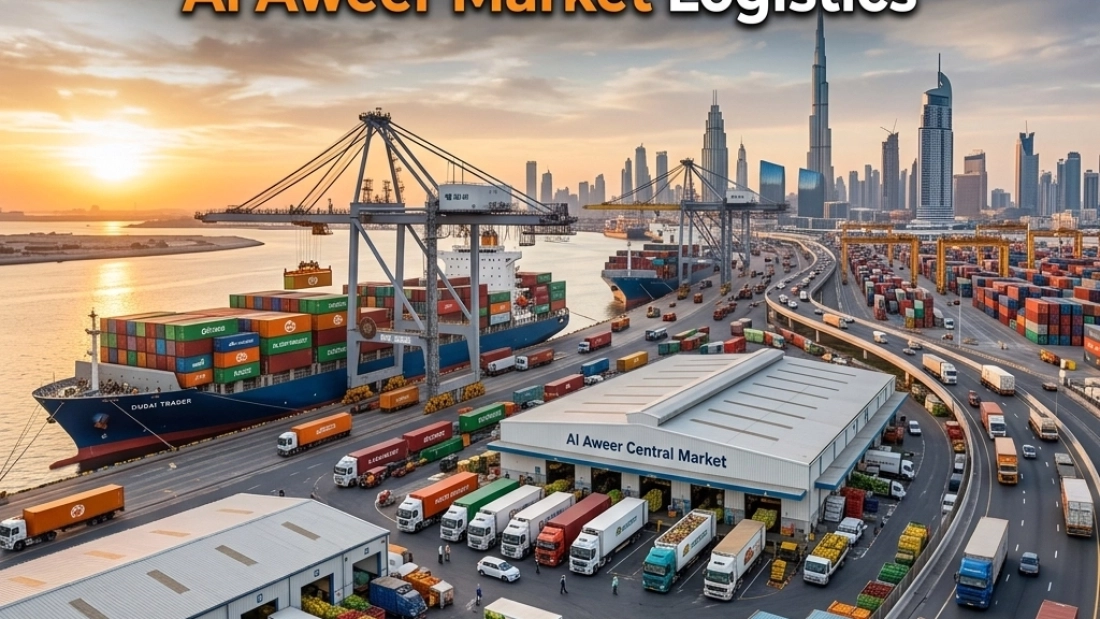
The United Arab Emirates (UAE), and specifically Dubai, serves as the primary redistribution hub for the Middle East, North Africa, and South Asia. For global exporters, entering the Dubai market is not merely an expansion: it is a strategic entry into a high-volume, high-liquidity environment. However, the complexity of Al Aweer Central Fruit & Vegetable Market can be daunting for beginners. Navigating the regulatory landscape, understanding wholesale fruits and vegetables dubai pricing, and managing logistics require a structured approach.
At Mayil Global, we specialize in bridging the gap between international exporters and the UAE's massive demand. This guide outlines the essential steps to master food exports to Dubai, focusing on operational excellence and profit maximization.
Understanding the Landscape: Al Aweer Central Fruit & Vegetable Market
Al Aweer is the central nervous system of the UAE’s food trade. Spanning over 1 million square meters, it handles approximately 7,000 tonnes of fresh produce daily. It is not a retail space for the general public in its primary capacity; it is a B2B powerhouse where 80% of the fresh produce consumed in the UAE is traded.
To succeed here, you must understand that Al Aweer operates on volume. The market is structured into specialized zones: wholesale trading blocks, administrative buildings for customs and municipality clearance, and state-of-the-art cold storage facilities. Trading peaks between 2:00 AM and 12:00 PM, creating a fast-paced environment where decision-making must be rapid and data-driven.

Step 1: Navigating the Regulatory Framework and Documentation
Learning how to export food to dubai begins with compliance. The UAE maintains rigorous standards for food safety, hygiene, and traceability. Every shipment entering Jebel Ali Port or Dubai International Airport must be accompanied by a specific set of documents to clear Dubai Customs and the Dubai Municipality (Food Safety Department).
Essential Documentation Checklist:
- Commercial Invoice: Detailing the value, quantity, and description of the goods.
- Packing List: Specifying the weight and packaging details of each container.
- Bill of Lading (Sea) or Airway Bill (Air): The contract of carriage.
- Certificate of Origin: Authenticated by the chamber of commerce in the exporting country.
- Phytosanitary Certificate: Issued by the agricultural authority of the exporting country, proving the shipment is free from pests and diseases.
Failure to provide accurate documentation results in costly delays at the port, which is catastrophic for perishable goods. Partnering with a reliable distributor who understands these nuances is critical. For instance, those importing onions dubai must ensure that the variety and shelf-life meet specific local market demands.
Step 2: Strategic Logistics and Cold Chain Management
Logistics is the backbone of food export. For fresh produce, the "Cold Chain" must remain unbroken from the farm gate in India, Africa, or Europe to the warehouse in Al Aweer.
Sea Freight vs. Air Freight
- Sea Freight (Jebel Ali Port): Ideal for high-volume, sturdy produce like onions, potatoes, and apples. Transit times from major Indian ports like Nhava Sheva to Jebel Ali typically range from 7 to 10 days.
- Air Freight (Dubai International Airport): Reserved for high-value, highly perishable items like berries, exotic fruits, or premium vegetables. Delivery can be completed within 24 to 48 hours.
Maintaining a consistent temperature is non-negotiable. If a container of tomatoes or ginger loses temperature for even a few hours, the market value can plummet by 50% or more. This is why Mayil Global emphasizes working with carriers that provide real-time temperature tracking.

Step 3: Overcoming the Middleman Barrier – The 3% Commission Model
Traditionally, the Al Aweer market has been dominated by agents who charge high commissions, often ranging from 7% to 10%. For a beginner exporter, these margins, combined with logistics costs, often leave little room for profit.
Mayil Global has disrupted this traditional model. We offer a 3% commission-based distribution model. By reducing the intermediary cost, we allow exporters to retain more of their hard-earned revenue. This transparent pricing structure ensures that you are not just selling goods, but building a sustainable, profitable business.
Our 3% commission strategy is designed for those who want to maintain control over their pricing while leveraging our local expertise and distribution network.
Step 4: Solving the Liquidity Crisis with Cash & Carry
One of the biggest hurdles for new exporters is the payment cycle. In the wholesale world, "credit" is a common word, but for an exporter with containers on the water, waiting 30 or 60 days for payment can kill cash flow.
Mayil Global addresses this through our Cash & Carry wholesale model. When you have a container arriving in Al Aweer, we have the capacity to purchase the inventory directly. This provides immediate liquidity, allowing you to reinvest in your next shipment without waiting for retail collections.
This model is particularly beneficial for high-turnover items. If you are a potato buyer or supplier, you know that speed of transaction is just as important as the price per ton.

Step 5: Understanding Product-Specific Requirements
Every category of produce in the wholesale fruits and vegetables dubai market has its own set of rules.
- Onions: Demand is constant, but price sensitivity is high. Grading and curing are vital to prevent sprouting during transit.
- Ginger: Often sourced from India or China. The focus here is on "washed" vs. "unwashed" quality and preventing mold. Check our guide on ginger exports for deeper insights.
- Tomatoes: Requires precision in "color stage" harvesting to ensure they arrive at the perfect ripeness for the Al Aweer buyers.
Why Choose Mayil Global for Your Dubai Export Journey?
Entering the Dubai market requires more than just a product; it requires a partner on the ground who treats your cargo as their own. Mayil Global stands out by prioritizing reliability, operational excellence, and financial transparency.
Our Core Value Propositions:
- Reliability: We manage the complexities of Al Aweer so you can focus on sourcing.
- Transparency: No hidden fees. Our 3% commission is clearly defined.
- Speed: With our Cash & Carry model, we ensure you get paid faster, keeping your supply chain moving.
- Expertise: From customs clearance to cold storage, we provide a turnkey solution for global exporters.

Common Mistakes Beginners Make
To ensure your success, avoid these common pitfalls:
- Underestimating the UAE Heat: Ensure your logistics provider uses "reefer" (refrigerated) containers even for short domestic transport from the port to the market.
- Poor Packaging: Export-grade cartons are essential. Standard domestic packaging often collapses under the weight of stacked pallets in a container.
- Ignoring Market Trends: Prices in Al Aweer fluctuate daily. Sending a shipment without checking the current supply levels from competing countries (like Egypt, Iran, or India) can lead to unexpected losses.
Conclusion: Take Your First Step into the UAE Market
The Dubai food market is vast, lucrative, and ready for professional exporters who are willing to follow the right processes. By understanding the logistics of Al Aweer and partnering with a distributor that offers a competitive 3% commission and immediate liquidity through Cash & Carry, you position yourself far ahead of the competition.
Whether you are looking for a lemon buyer in Dubai or planning a large-scale onion export operation, the key is to start with a solid foundation of logistics and trust.
For more information on our distribution services and how we can help you secure your margins, visit Mayil Global or explore our full range of products.