Published: 14 August 2026
Exporting food to Dubai requires more than securing a product and booking a container. International suppliers must manage documentation, product registration, quality control, temperature-sensitive logistics, customs clearance, and reliable wholesale distribution.
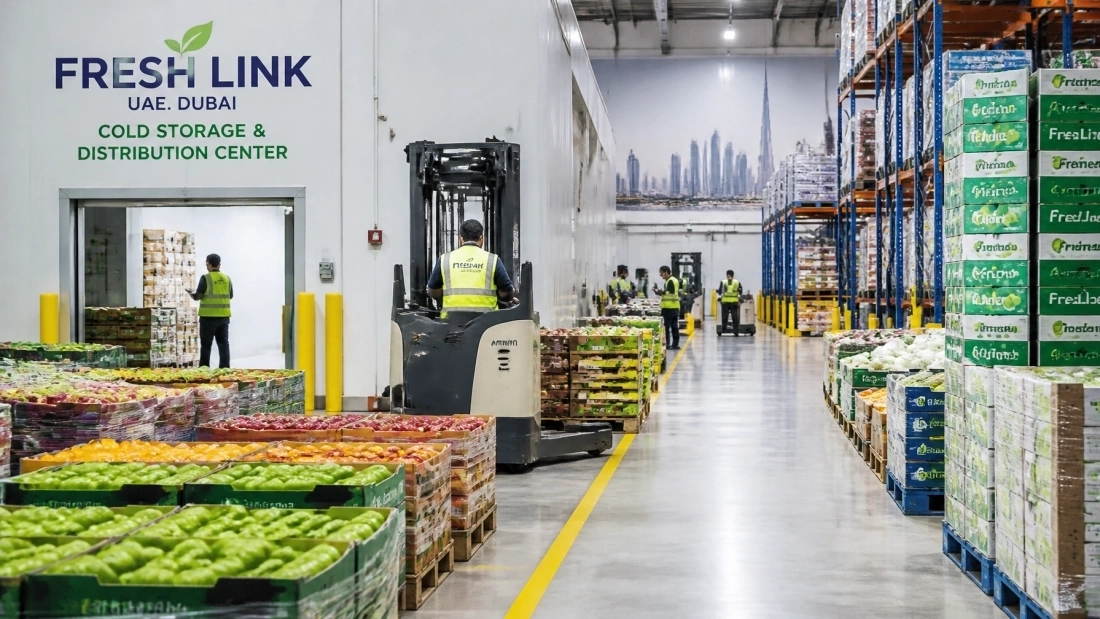
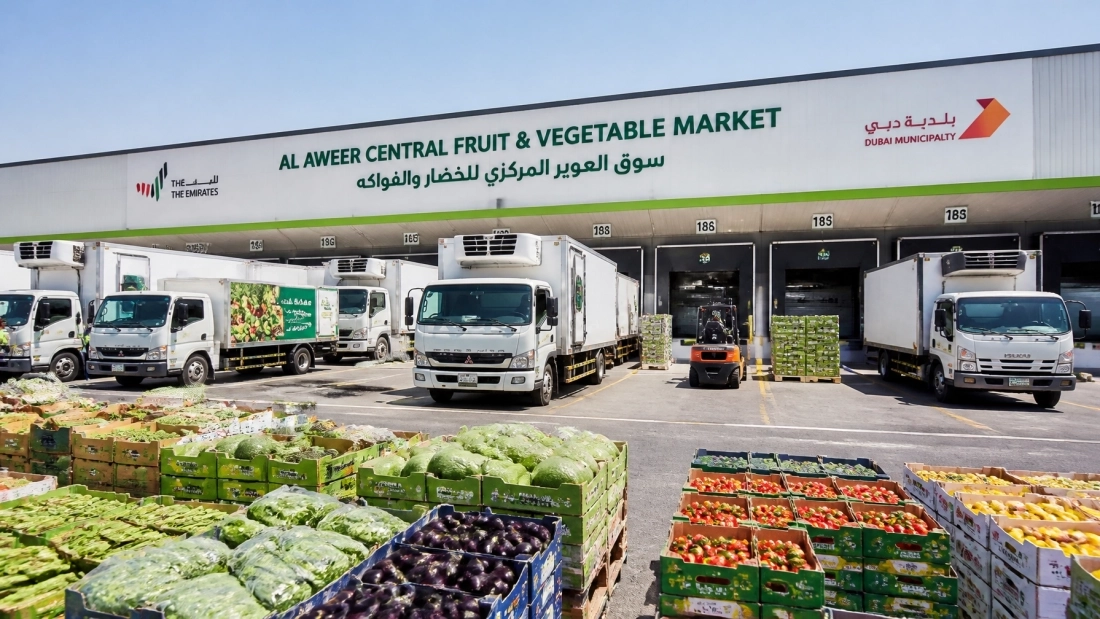
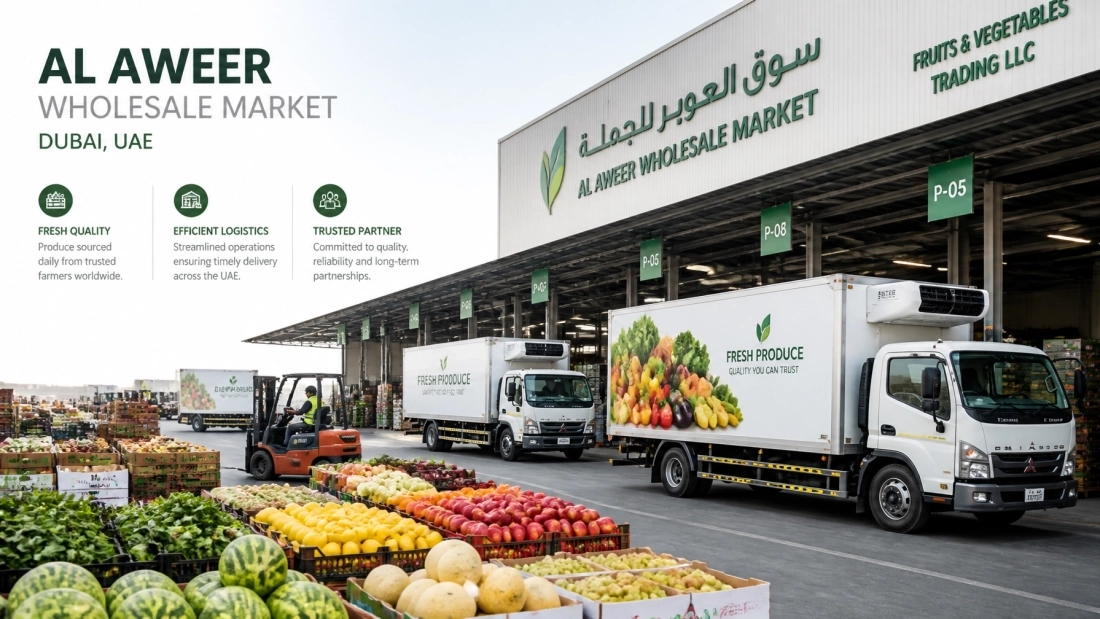
For exporters targeting the UAE, the Al Aweer Central Fruit & Vegetable Market remains a critical wholesale destination. It connects international supply with supermarkets, restaurants, retailers, catering businesses, and distributors across Dubai and the wider UAE.
Mayil Global supports this process as a trusted wholesale partner and verified buyer for exporters in the UAE. Through farm-direct sourcing, structured distribution, strict inspection, and a transparent 3% commission distributor model, Mayil Global helps international and local exporters access dependable B2B channels without building an entire UAE distribution operation independently.
Al Aweer Logistics: Connecting Imports with UAE Wholesale Demand
Al Aweer is one of the UAE’s most important wholesale hubs for fresh fruits and vegetables. Its high-volume trading environment requires speed, product consistency, accurate documentation, and coordinated logistics.
Exporters supplying Al Aweer must plan for:
- Pre-shipment compliance
- Accurate commercial documentation
- Appropriate packaging and product grading
- Temperature-controlled transport where required
- UAE customs and food-safety inspections
- Timely movement into wholesale distribution
The market is primarily a B2B environment. Products are purchased in bulk by professional buyers and redistributed through supermarkets, restaurants, retailers, food-service businesses, and regional distributors. Exporters therefore benefit from working with a UAE-based wholesale partner that understands product demand, market timing, buyer specifications, and delivery requirements.
Mayil Global’s role is focused on reliable sourcing, quality control, and organized distribution. This structure gives exporters a practical route to UAE buyers while supporting local businesses that require consistent wholesale supply.

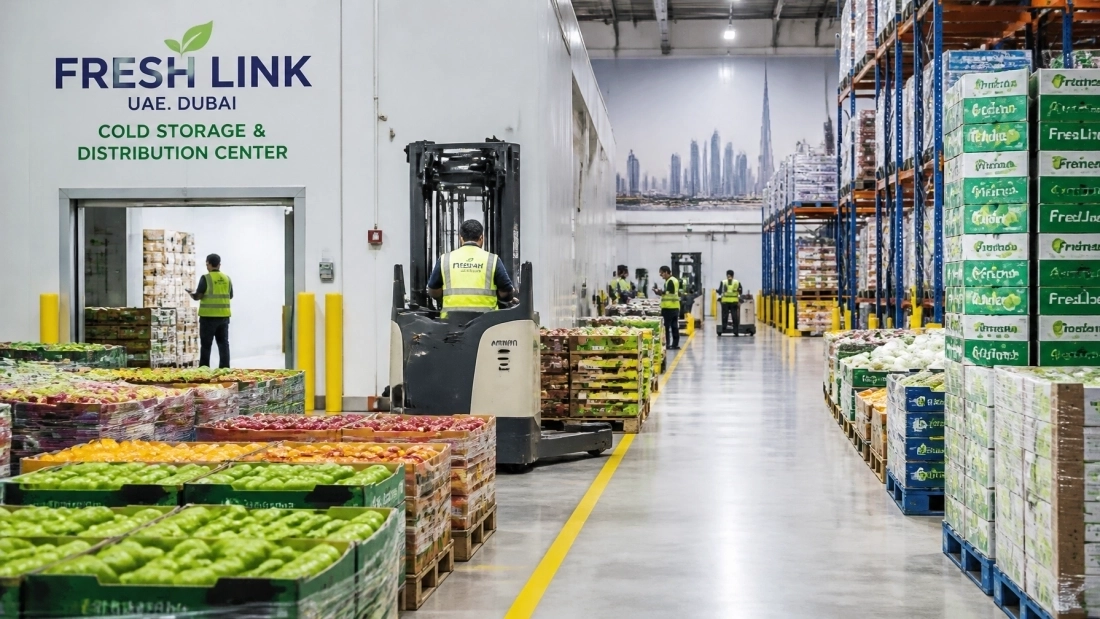
Cold-Chain Compliance and Product Protection
Maintaining product condition from farm to market is a core supply-chain responsibility. Fresh fruits and vegetables can lose commercial value when exposed to unsuitable temperatures, excessive handling, humidity problems, or extended delays.
Cold-chain integrity includes more than using a refrigerated container. It requires coordination across the entire movement of the shipment.
1. Pre-cooling and Correct Preparation
Products should be prepared according to their commodity requirements before loading. Pre-cooling, appropriate ventilation, suitable packaging, and correct palletisation help reduce deterioration during transit.
Onions, for example, require dry, well-ventilated handling and protection from excess moisture. Other vegetables and fruits may require different temperature and humidity controls. A mixed container must be planned carefully so that the selected conditions are suitable for the products being shipped.
2. Temperature-Controlled Transport
For temperature-sensitive food products, exporters should work with experienced freight forwarders and use suitable reefer or controlled transport solutions. Data loggers and temperature records provide useful evidence that the shipment remained within the agreed handling range.
There is no single temperature setting for every food product. The correct specification depends on the commodity, packaging, origin, transit duration, and buyer requirements. Exporters should confirm the handling protocol before shipment rather than applying a general setting to all products.
3. Controlled Receiving and Storage
After arrival in the UAE, products should move through an organized receiving process. Delays at ports, unnecessary door openings, and unplanned holding periods can affect freshness and shelf life.
Dubai Municipality has developed cold-storage infrastructure in Al Awir to support the storage of fruits and vegetables. Its official cold stores project information identifies a multi-storey facility with substantial storage and loading capacity.
Mayil Global’s sourcing and logistics operations are designed around careful supplier selection, product inspection, hygienic handling, secure packaging, and efficient distribution. These controls protect product value and help UAE buyers receive food products in dependable condition.
How to Export Food to Dubai: A Practical Compliance Framework
The process for exporting food to Dubai varies by commodity, origin country, packaging format, and intended use. Exporters should confirm the latest requirements with the relevant UAE authorities, customs representatives, freight forwarders, and local import partners.
The following framework provides a practical starting point.
Step 1: Confirm the Product and Buyer Specification
Before agreeing to a shipment, define:
- Product name and variety
- Country of origin
- Grade and size
- Packaging format
- Net and gross weight
- Expected volume
- Delivery schedule
- Shelf-life requirements
- Quality tolerances
- Required certifications
For wholesale fruits and vegetables in Dubai, product specifications must be clear before loading. A buyer should know exactly what is being offered, and the exporter should understand how the product will be assessed on arrival.
Step 2: Prepare the Required Documentation
Fresh produce shipments commonly require documentation such as:
- Commercial invoice
- Packing list
- Certificate of origin
- Phytosanitary certificate
- Bill of lading or air waybill
- Product and lot details
- Relevant health, residue, organic, or halal certificates where applicable
- Import or product registration information required for the shipment
Document consistency is essential. Product descriptions, quantities, weights, lot numbers, and origin details should match across the invoice, packing list, certificates, labels, and transport documents.
Inconsistencies can create clearance delays, additional inspection, storage costs, or commercial disputes.
Step 3: Complete UAE Import and Food-Safety Procedures
Food products entering Dubai may require registration and approval through applicable Dubai Municipality and UAE food-import systems. Fresh produce consignments may also require plant-health and consignment-release approvals.
The importer or local distribution partner normally coordinates these procedures with the exporter, customs broker, and authorities. Working with a verified UAE buyer reduces communication gaps and helps ensure that shipment information is prepared for the local clearance process.
Step 4: Inspect, Pack, and Dispatch
Quality control should begin at the farm, packhouse, or supplier facility. Inspection should cover:
- Freshness
- Physical damage
- Size uniformity
- Colour and appearance
- Signs of pests, mould, or decay
- Moisture and sprouting risk
- Packaging condition
- Labelling accuracy
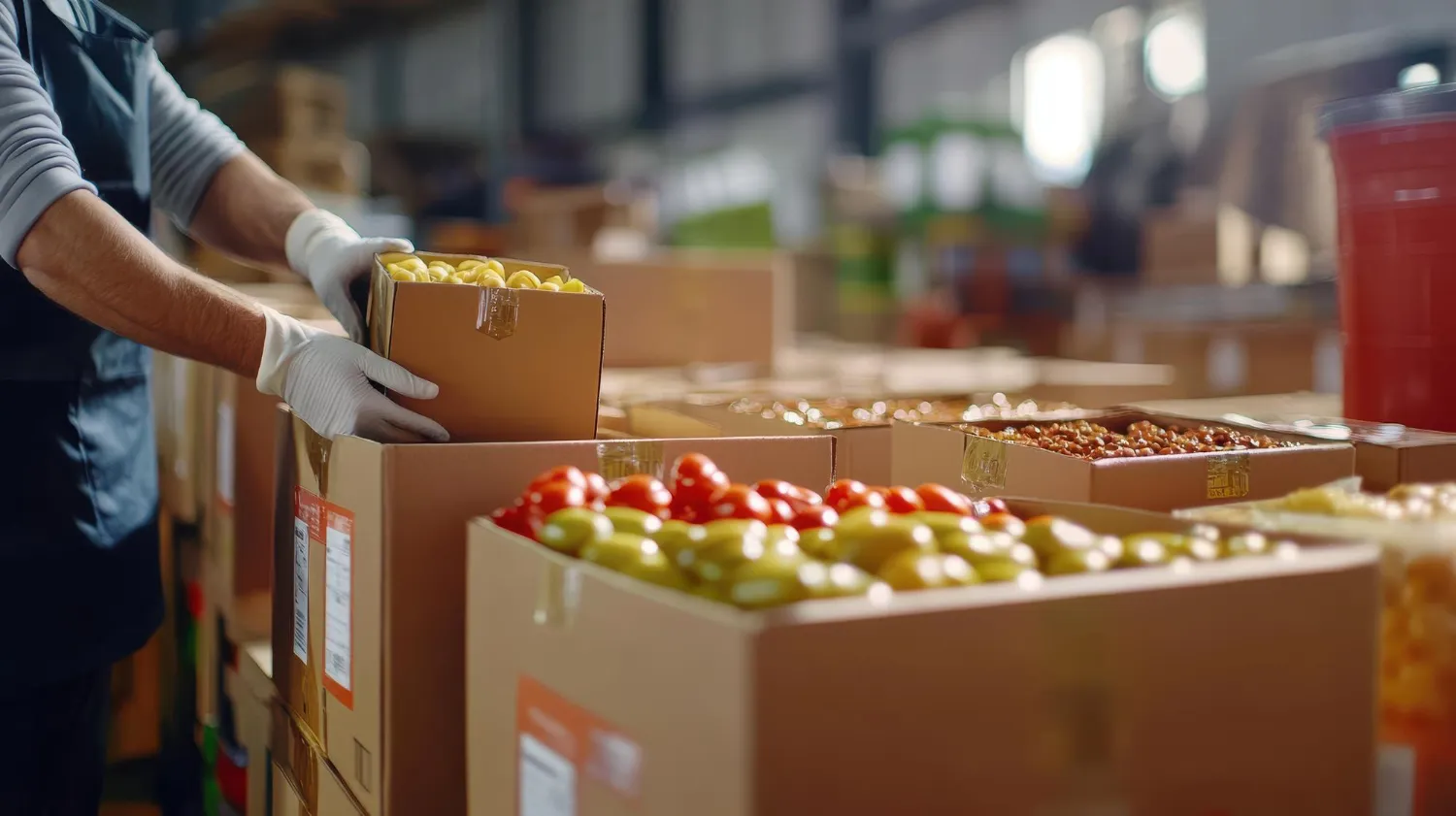
Mayil Global maintains quality control from sourcing through storage and transportation. This process supports consistent supply for UAE supermarkets, restaurants, retailers, and wholesale distributors.
Step 5: Coordinate Arrival and Wholesale Distribution
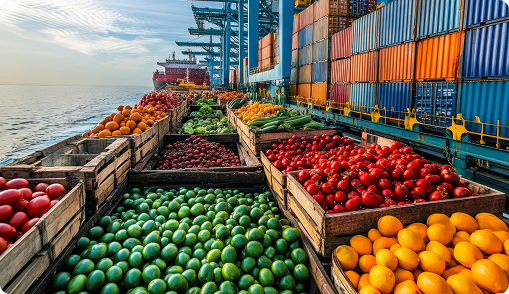
The shipment must be aligned with the receiving capacity of the UAE buyer. Arrival planning should cover port clearance, inspection, transport, cold storage where necessary, and movement to Al Aweer or another approved distribution point.
The objective is straightforward: delivering dependable supply with consistent quality and timely distribution.
Importing Onions to Dubai: Key Commercial Controls
Onions are a high-volume staple product with regular demand from food-service companies, retailers, wholesalers, and restaurants. However, importing onions to Dubai still requires disciplined quality and logistics management.
Wholesale buyers generally focus on:
- Consistent bulb size
- Dry and tight outer skin
- Absence of rot and soft spots
- Limited sprouting
- Uniform colour and grade
- Correct packaging weight
- Clean, well-ventilated packing
- Reliable arrival timing
Exporters should agree on the required grade before shipment. A mismatch between the offered specification and the delivered product can result in price reductions, rejection, or slower repeat-order decisions.
Mayil Global can support accepted onion requirements through its verified buyer and wholesale distribution framework. Exporters can review the related onion export and cash-and-carry model for additional commercial context.
Mayil Global’s 3% Commission Distributor Model
International exporters often face several barriers when entering Dubai:
- Limited access to verified B2B buyers
- Unclear local pricing
- Extended payment cycles
- Lack of UAE market infrastructure
- Inventory and storage exposure
- Documentation and delivery coordination challenges
Mayil Global addresses these requirements through a transparent 3% commission distributor UAE model for suitable products and agreed transactions.
How the 3% Model Works
-
Exporter submits product details
The exporter provides the commodity, origin, grade, volume, packaging, price expectation, shipment schedule, and compliance documents. -
Mayil Global reviews the opportunity
The product is assessed against current buyer requirements, quality standards, market demand, and logistical feasibility. -
Commercial terms are agreed
The parties confirm the 3% commission structure, shipment responsibilities, delivery terms, documentation, and payment process. -
The shipment is coordinated
Mayil Global supports the buyer-side distribution process through sourcing, inspection, logistics coordination, and wholesale relationships. -
The product moves through B2B channels
Accepted shipments can be supplied to supermarkets, restaurants, retailers, and wholesale distributors in the UAE, subject to product suitability and agreed terms.
The 3% commission provides exporters with a defined distribution cost while allowing them to use an established UAE wholesale partner. It is not a substitute for regulatory compliance or product quality. It is a commercial distribution structure built on clear responsibilities, inspection, and organized execution.
Immediate Cash-and-Carry Container Purchases
For qualifying products and transactions, Mayil Global also promotes an immediate cash-and-carry container purchase model. This approach is designed for exporters seeking faster liquidity and reduced exposure to extended receivables.
Under this structure, the exporter may avoid relying exclusively on delayed wholesale sales or long credit terms. Instead, the commercial arrangement is agreed before or around container arrival, subject to product inspection, documentation, pricing, and acceptance conditions.
Cash-and-carry transactions remain dependent on:
- Product conformity
- Confirmed shipment details
- Complete documentation
- Agreed pricing
- Inspection results
- Delivery and clearance conditions
This creates a clearer route for exporters seeking a verified buyer for onions, fruits, vegetables, rice, spices, or other accepted food products in the UAE.

Supporting Local UAE B2B Buyers
Mayil Global’s services are also structured for UAE-based buyers. Supermarkets, restaurants, retailers, and wholesale distributors require stable supply rather than isolated transactions.
Mayil Global supplies and sources:
- Fresh fruits and vegetables
- Premium spices
- Quality rice
- Farm-fresh eggs
The company’s product range is supported by supplier selection, inspection, hygienic packaging, storage coordination, and efficient delivery. This allows local buyers to work with one wholesale partner across multiple food categories.
Reliable sourcing benefits buyers by reducing supply interruptions, maintaining product standards, and supporting predictable purchasing operations. It also gives international exporters access to a structured UAE distribution channel.

Why Exporters Choose Mayil Global
Mayil Global combines local wholesale access with an international sourcing network. The operating priorities are practical and measurable:
- Verified buyer access: Supporting exporters with a UAE-based B2B distribution partner.
- 3% commission transparency: Providing a defined commission structure for eligible transactions.
- Cash-and-carry options: Supporting immediate container purchase arrangements where agreed.
- Strict quality control: Inspecting products at key stages of the supply chain.
- Cold-chain awareness: Coordinating appropriate handling for temperature-sensitive products.
- Hygienic packaging: Protecting product condition during storage and distribution.
- Organized logistics: Supporting timely movement from origin to UAE buyers.
- Long-term relationships: Building dependable supply partnerships rather than one-time transactions.
Conclusion: Building a Reliable Export Route to Dubai
Learning how to export food to Dubai requires operational planning, regulatory awareness, product discipline, and a dependable local partner. Al Aweer’s wholesale environment rewards exporters that can deliver consistent quality, correct documentation, competitive specifications, and reliable timing.
Mayil Global provides a structured route for international and local exporters seeking a verified buyer for exporters in the UAE. Through the 3% commission distributor model, immediate cash-and-carry container purchase options, strict quality control, cold-chain coordination, and wholesale distribution, Mayil Global helps connect global supply with UAE B2B demand.
Exporters can review the Mayil Global company profile, explore the product range, or contact the trade team to discuss product specifications, shipment volumes, and distribution requirements.
Frequently Asked Questions
What is Mayil Global’s 3% commission distributor model?
It is a structured B2B distribution arrangement in which Mayil Global applies a 3% commission to eligible, agreed transactions while supporting exporters with UAE buyer access, wholesale distribution, quality coordination, and logistics execution.
Can Mayil Global act as a verified buyer for onion exporters?
Mayil Global can review onion supply opportunities based on origin, grade, size, volume, packaging, documentation, price, and delivery schedule. Buyer acceptance remains subject to product suitability and agreed commercial terms.
What documents are generally required for exporting fresh produce to Dubai?
Common documents include a commercial invoice, packing list, certificate of origin, phytosanitary certificate, bill of lading or air waybill, and any additional product, health, residue, or registration documentation required for the commodity and shipment.
Does Mayil Global support immediate container purchases?
For qualifying products, Mayil Global may arrange immediate cash-and-carry container purchases subject to inspection, documentation, pricing, clearance, and agreed transaction conditions.
Who can buy from Mayil Global in the UAE?
Mayil Global supplies B2B customers including supermarkets, restaurants, retailers, catering businesses, and wholesale distributors seeking dependable supply of fresh produce and premium food products.
Is cold-chain handling required for every food product?
Handling requirements depend on the product, packaging, transit duration, and applicable regulations. Perishable and temperature-sensitive products require suitable temperature-controlled logistics and documented handling procedures.