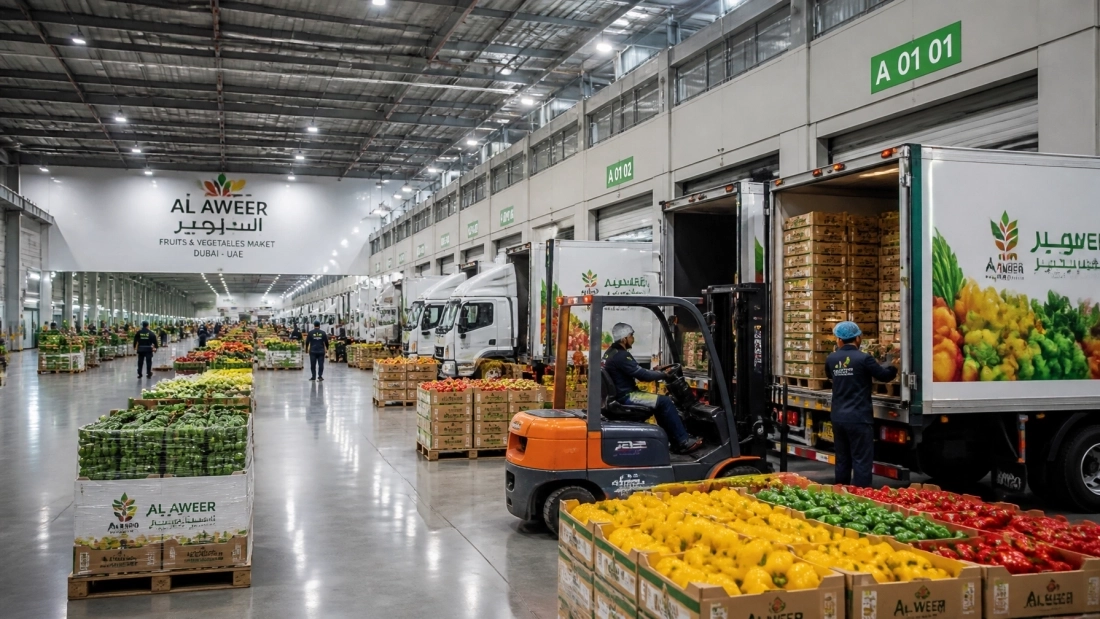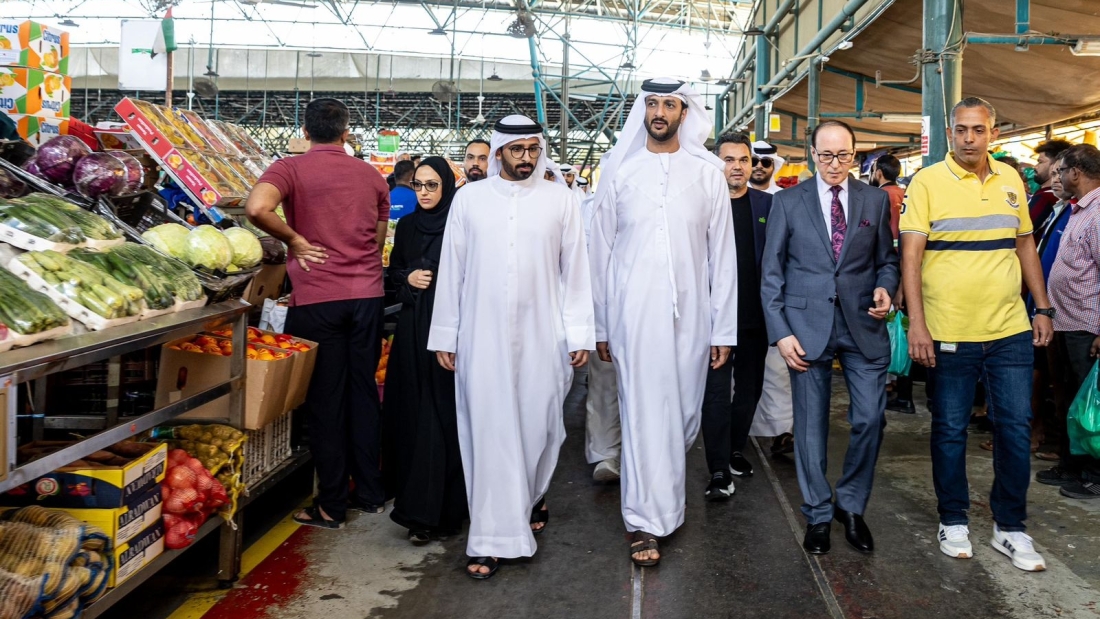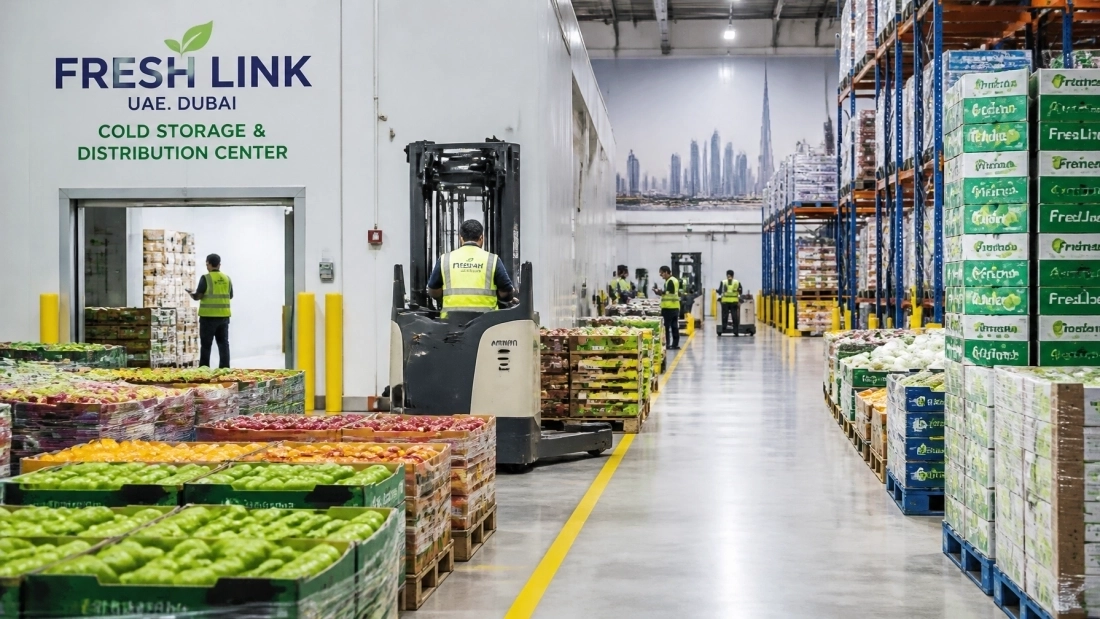
au7PWtyukll-1100x619

Verified Buyer & Exporter Authority Series: August 19 Al Aweer Market Briefing : Wholesale Fruits and Vegetables Dubai, Importing Onions and How to Export Food to Dubai

SEO title: August 19 Al Aweer Market Briefing | Wholesale Fruits and Vegetables Dubai, Onion Imports and UAE Export Guidance

Meta description: Review August 19 Al Aweer planning benchmarks, importing onions Dubai requirements, exporter documents, and Mayil Global’s transparent 3% commission and Cash & Carry distribution models.

Daily B2B briefing | 19 August 2026

Dubai’s Al Aweer Central Fruit and Vegetable Market remains a key distribution point for supermarkets, restaurants, retailers and wholesale distributors across the UAE. Daily arrivals, international harvest cycles, freight costs, product specifications and buyer demand continue to influence wholesale pricing.

This briefing provides recent available benchmarks for planning purposes. All prices are indicative, specification-sensitive and subject to change. They are not guaranteed quotations and must be verified before negotiation, shipment or purchase.

Mayil Global supports global exporters and UAE B2B buyers through farm-direct sourcing, strict quality control, hygienic handling, organized logistics and transparent distribution models.

Al Aweer Market Planning Benchmarks for August 19

The following references are suitable for initial commercial planning. Final values depend on origin, crop, grade, size, packaging, transport mode, arrival timing, condition and negotiated terms.

Product Indicative benchmark
Indian new-crop onions Approximately AED 2.00/kg
Iranian brown onions Approximately AED 1.67/kg
Egyptian onions Approximately AED 1.30/kg
Yemeni onions Approximately AED 1.60/kg
Red Shirazi onions Approximately AED 1.05/kg
Chinese garlic Approximately AED 16 per 2.8 kg carton
Indian okra Approximately AED 32 per 4 kg carton
Cucumbers Approximately AED 1.75/kg
Tomatoes Approximately AED 3.14/kg
G9 Cavendish bananas Approximately AED 3.85/kg

These figures should be compared with current market information from sources such as the Al Aweer price reference platform and confirmed with a local buyer or distributor before commercial commitment.

What Moves Al Aweer Prices?

Al Aweer pricing is determined by several operational factors:

  1. Daily arrivals: Larger container volumes can increase availability and create short-term price pressure.
  2. Origin and crop cycle: Indian, Iranian, Egyptian, Yemeni and other origins compete at different quality and cost levels.
  3. Size and grade: Uniform, larger and cleaner produce generally achieves a higher price than mixed or lower-grade stock.
  4. Packaging: Mesh bags, cartons, crates and bulk formats affect handling, presentation and landed cost.
  5. Freight and port charges: Sea freight, inland transport, customs charges and clearance timing influence the final cost.
  6. Seasonal demand: Supermarkets, restaurants and HORECA operators can increase demand for specific products.
  7. Condition on arrival: Shrinkage, moisture loss, damage, sprouting and deterioration directly affect saleability.

For exporters, the relevant question is not simply the market rate. It is whether the expected selling price supports the full landed cost after logistics, handling, quality deductions and distribution fees.

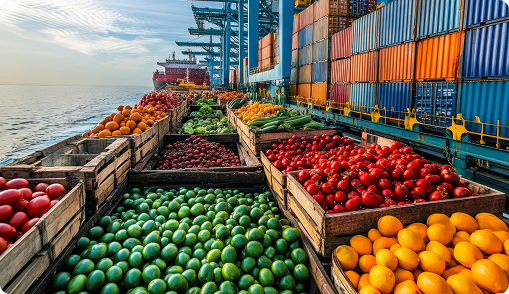
Fresh produce crates prepared for wholesale distribution in Dubai

Importing Onions Dubai: Product and Buyer Verification

Successful importing onions dubai operations begin before the container is booked. Exporters must align the product specification with the intended UAE buyer and market channel.

Confirm the Exact Onion Specification

Before sending a quotation, document the following:

  • Country and region of origin
  • Crop season and harvest date
  • Onion type: red, brown, white, pink, Shirazi or shallot
  • Bulb size, such as 50–60 mm or 55 mm and above
  • Grade and allowable percentage of defects
  • Net weight per bag or carton
  • Packaging material and ventilation
  • Sea or air transport requirement
  • Expected arrival date at Jebel Ali or another UAE entry point
  • Shelf-life expectations and storage requirements
  • Product photographs, inspection reports and pre-shipment samples where appropriate

A phrase such as “Indian onions” is not a complete commercial specification. The exporter and buyer must agree the variety, size, grade, packaging and condition standard in writing.

Verify the UAE Counterparty

An exporter should not ship a perishable container based only on an informal inquiry. Buyer verification should include:

  1. Confirming the UAE company name, trade license and business activity.
  2. Checking whether the importer is authorized to handle the relevant food product.
  3. Confirming the delivery location, warehouse or market facility.
  4. Reviewing payment terms and settlement timing.
  5. Establishing who is responsible for customs, inspection, storage and onward distribution.
  6. Confirming the buyer’s expected volume and quality acceptance procedure.
  7. Agreeing the commission, deductions and reporting method before shipment.

Mayil Global can act as a verified buyer for exporters uae and as a distribution partner for suppliers entering the UAE. Exporters should also communicate whether they require a verified buyer of that particular product, rather than a general food trading contact.

Documents and Import Coordination

The exporter and UAE importer must coordinate documentation before the vessel departs. Requirements vary by product, origin and shipment structure, so the licensed UAE importer or customs broker should confirm the current requirements.

A typical onion shipment file may include:

  • Commercial invoice
  • Packing list
  • Certificate of origin
  • Bill of lading
  • Phytosanitary certificate
  • Health or food safety certificate, where applicable
  • Product registration or importer documentation, where applicable
  • Correct HS code and customs declaration
  • Container seal details
  • Packing and labelling information
  • Inspection or quality certificate, where required

Manifest Accuracy and Timing

Manifest errors can create clearance delays, storage charges and avoidable product risk. The following details must match across the commercial documents:

  • Product description
  • Quantity and net weight
  • Number and type of packages
  • Country of origin
  • Importer and consignee details
  • Container number and seal number
  • HS classification
  • Port of loading and destination

Documents should be reviewed before loading and transmitted to the UAE importer or broker in time for pre-arrival coordination. Last-minute corrections are more difficult when a perishable container is already at the port.

Handling, Ventilation and Quality Control

Onions require appropriate ventilation and dry handling to reduce condensation, rot and sprouting. Exporters must select packaging that supports airflow and protects the bulbs during stacking and transport.

Mayil Global’s sourcing and logistics process focuses on inspection, hygienic packaging, proper storage and organized delivery. Quality control should cover:

  1. Pre-loading inspection: Checking size, maturity, dryness, external damage and visible contamination.
  2. Packing inspection: Confirming accurate net weight, secure bags or cartons and correct labelling.
  3. Container inspection: Ensuring the container is clean, dry, suitable for food cargo and free from odours.
  4. Loading control: Maintaining stable stacking and sufficient airflow.
  5. Arrival inspection: Recording condition, temperature where relevant, moisture, damage and shortages.
  6. Post-clearance storage: Moving the product to a suitable dry and hygienic facility without unnecessary delay.
  7. Onward distribution: Delivering according to buyer requirements and product shelf-life.

For fresh vegetables such as okra and cucumbers, cold-chain discipline is even more important because high moisture content can accelerate quality loss. Every product requires handling conditions suited to its own shelf-life and storage profile.

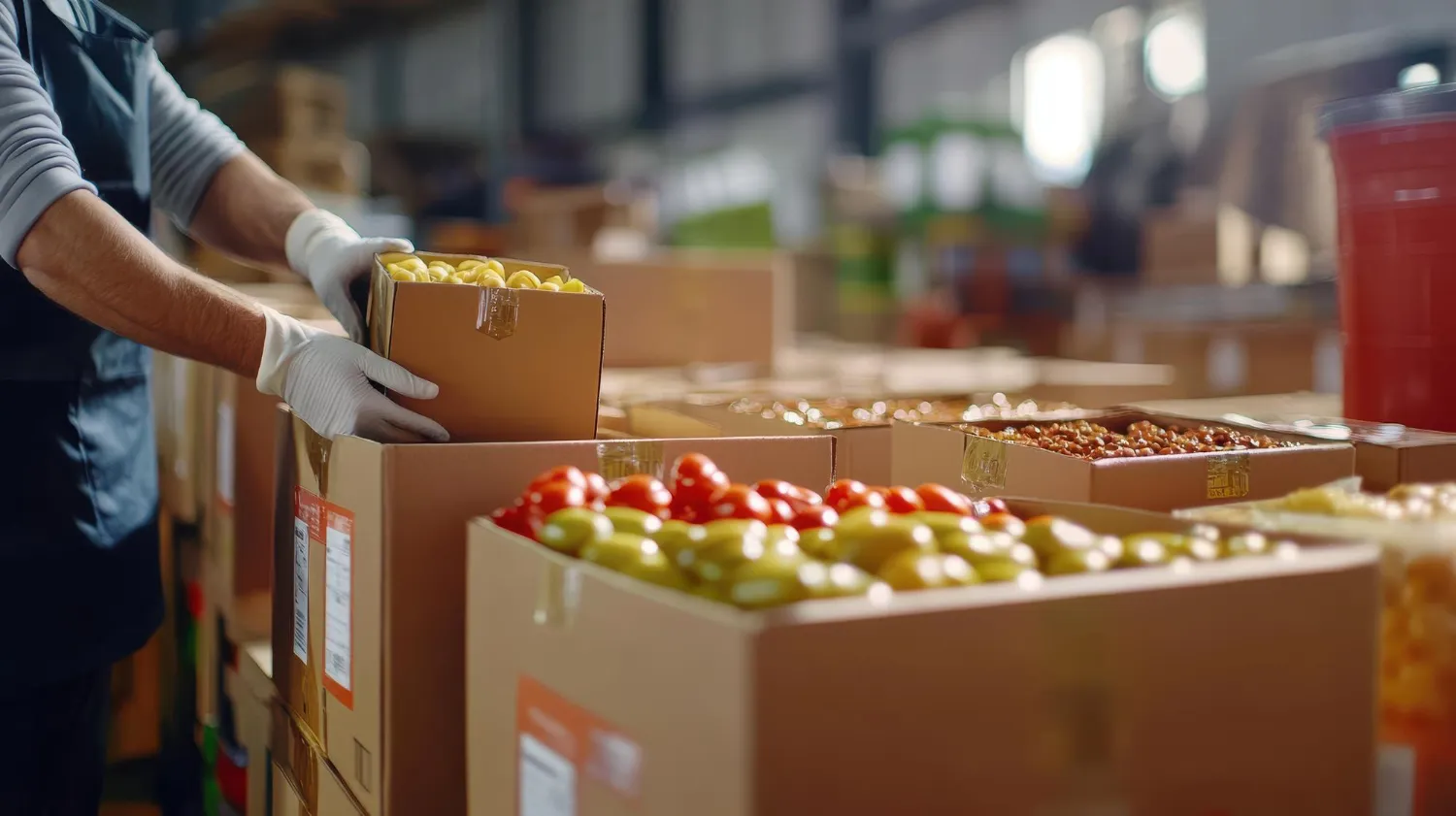
Food quality control inspection in a refrigerated Dubai distribution facility

How to Export Food to Dubai: A Practical Sequence

The process of how to export food to dubai depends on the product category, but the following sequence provides a practical B2B framework.

Step 1: Select the Market and Buyer

Define whether the shipment is intended for supermarkets, restaurants, retailers, wholesale distributors or open-market traders. Each channel may require a different pack size, grade, delivery schedule and payment structure.

Step 2: Confirm Commercial Viability

Calculate the complete landed cost:

  • Farm or supplier price
  • Sorting and grading
  • Packaging
  • Inland transport
  • Export documentation
  • Port and terminal charges
  • Freight and insurance
  • UAE clearance and handling
  • Storage
  • Distribution commission
  • Expected wastage or quality deductions

Compare the result with the latest Al Aweer benchmark for the exact specification. Do not compare a premium 55 mm onion in an 18 kg bag with a lower-grade bulk product.

Step 3: Coordinate the UAE Importer

The UAE importer or distribution partner should confirm licensing, product registration, customs procedures and delivery arrangements. This step must be completed before loading.

Step 4: Prepare and Verify Documents

Check all documents against the shipment manifest. Confirm certificates, labels, package counts, weights and consignee information.

Step 5: Control Loading and Transit

Use appropriate packaging, ventilation, palletization and transport conditions. Share loading photographs, container details and final documents with the UAE buyer.

Step 6: Inspect and Clear the Shipment

The importer or broker coordinates customs and food-control procedures. Inspection outcomes should be documented, particularly where the contract includes quality tolerances or possible deductions.

Step 7: Store and Distribute Efficiently

After clearance, the product should move into hygienic storage and onward B2B distribution. Reducing unnecessary dwell time protects freshness and helps maintain commercial value.

Mayil Global’s 3% Commission Distribution Model

Mayil Global operates a transparent 3 percent commission distributor uae model for international exporters seeking structured access to UAE buyers.

Under this model:

  • The exporter supplies the agreed product and specification.
  • Mayil Global coordinates distribution to its B2B network.
  • A flat 3% commission is applied to the agreed gross sales value.
  • Sales reporting and settlement details are documented.
  • The exporter benefits from local market access without building a complete UAE distribution operation.

Who Benefits from the 3% Model?

The model is appropriate for exporters who:

  • Have regular container supply.
  • Want to retain ownership of the product until sale.
  • Need local distribution and buyer access.
  • Prefer a predictable commission instead of opaque intermediary margins.
  • Require market visibility and structured reporting.
  • Are building long-term UAE sales relationships.

The model also benefits UAE buyers by connecting them with organized international supply, documented specifications and a professional distribution channel. Explore Mayil Global’s onion distribution model for additional commercial context.

Immediate Cash & Carry Container Purchases

The immediate Cash & Carry container purchase option is designed for exporters who prioritize fast liquidity and want to transfer the container through a direct purchase arrangement rather than waiting for a longer sales cycle.

This option can benefit exporters who:

  • Need immediate or near-immediate payment.
  • Prefer to reduce market exposure after arrival.
  • Are shipping a confirmed, specification-compliant container.
  • Want to avoid extended storage and uncertain onward sales.
  • Need to reinvest quickly in the next shipment.

It can benefit Mayil Global and UAE B2B buyers by providing immediate access to available stock for supermarkets, restaurants, retailers and wholesale distribution. Terms remain subject to product inspection, documentation, quality, quantity and commercial approval.

Mayil Global for UAE Wholesale Buyers

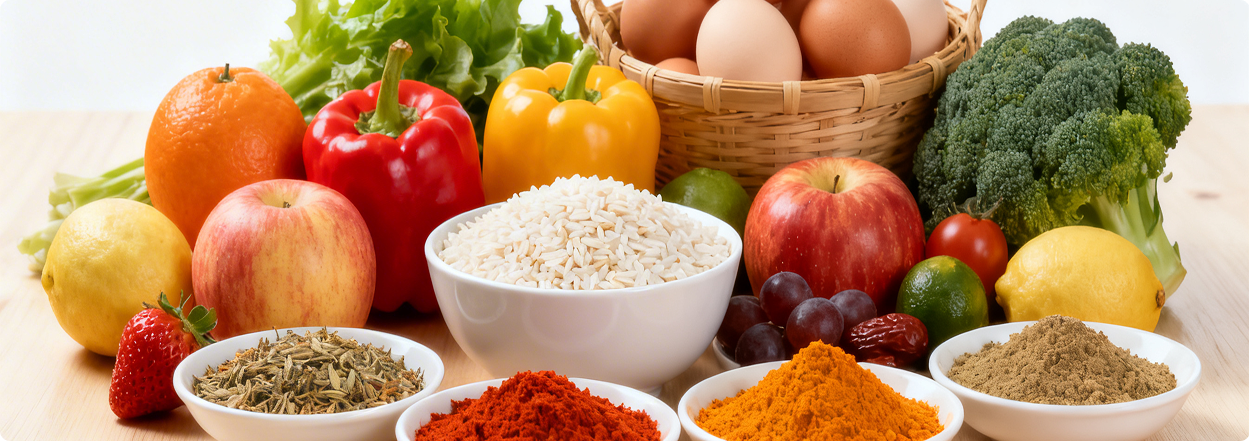
Mayil Global supplies fresh fruits, vegetables, spices, rice and eggs to businesses across the UAE. Our operating model combines global sourcing with local distribution, quality inspection and hygienic handling.

We support:

  • Supermarkets requiring consistent replenishment
  • Restaurants and HORECA operators managing daily consumption
  • Retailers seeking reliable wholesale products
  • Wholesale distributors requiring container and bulk supply
  • International exporters seeking a verified UAE market partner

Our mission is direct: delivering dependable supply, consistent quality and efficient distribution through trusted sourcing and strict quality control.

Commercial Checklist Before Negotiation

Before confirming an August shipment, exporters should verify:

  • Exact origin, variety, size and grade
  • Pack format and net weight
  • Current Al Aweer reference for the same specification
  • Full landed cost per kilogram or carton
  • UAE importer license and buyer details
  • Required certificates and product registration
  • Manifest, HS code and document accuracy
  • Loading date and estimated arrival
  • Ventilation, storage and handling requirements
  • Inspection and quality-claim procedure
  • 3% commission or Cash & Carry terms
  • Settlement timing and responsibility for charges

For a structured discussion about exporting to the UAE, contact Mayil Global. Market benchmarks should be verified again immediately before negotiation because Al Aweer prices change with arrivals, quality, demand and logistics conditions.


Z6yNM0HEl1b

Verified Buyer & Exporter Authority Series: Late-August Al Aweer Market Updates — Fresh Produce Volumes, Sourcing Resilience, and How to Export Food to Dubai via Mayil Global’s 3% Commission Model

Daily market briefing: August 18, 2026

Late-August trading at Dubai’s Al Aweer Central Fruit and Vegetable Market continues to reflect high produce inflows, diversified sourcing origins, and disciplined wholesale movement across the UAE supply chain. As of August 18, 2026, the market remains active with steady turnover in mainstream fruits and vegetables, even as intraday pricing adjusts by grade, origin, pack format, and arrival timing.

For international suppliers evaluating how to export food to dubai, the present market environment rewards structured planning rather than speculative selling. Exporters that align documentation, cold-chain execution, product specifications, and buyer placement before arrival are better positioned to protect margins and secure efficient clearance. Mayil Global operates in this environment as a wholesale supplier and verified buyer for exporters uae, connecting exporters with organized UAE distribution and transparent transaction handling.

Mayil Global’s operating model is built for B2B reliability. Through our 3 percent commission distributor uae structure, exporters gain access to a clear distribution route, immediate market interface, and cash-and-carry commercial options, while UAE supermarkets, restaurants, retailers, and wholesale distributors benefit from dependable sourcing, quality control, and timely product availability.

Late-August Al Aweer Market Context

Al Aweer remains Dubai’s central wholesale reference point for imported fruits and vegetables. The market functions as a key redistribution hub for supermarkets, restaurants, retailers, and foodservice buyers across the emirate and wider UAE. High daily vehicle movement, multi-origin arrivals, and fast trading cycles continue to define commercial activity in late August.

Current conditions indicate steady physical movement across volume categories, particularly onions, common vegetables, citrus, bananas, melons, apples, and other staple produce lines. This operational steadiness is important for both exporters and local buyers because it supports continuity of supply even when intraday wholesale prices fluctuate within narrow working bands.

Wholesale benchmark for onions

Onions remain one of the clearest benchmark products in the market this week. Late-August working levels indicate a stable wholesale range for standard 18 kg packaging at approximately AED 1.90–1.95 per kilogram, depending on quality, origin, appearance, and arrival condition.

This benchmark matters because onions are a high-volume line with direct implications for wholesale purchasing, foodservice usage, and price-sensitive retail supply. A narrow price band signals relative stability in market availability, but it does not remove the importance of execution. Margin outcomes still depend on:

  • Origin and crop cycle
  • Size uniformity and grade
  • Moisture condition and outer skin quality
  • Packing strength and handling suitability
  • Transit time and shelf life on arrival
  • Inspection readiness and documentation accuracy

In practical terms, the market is stable in volume, but selective in quality. That is why exporters should work with a verified buyer of that particular product rather than relying on open spot positioning after arrival.

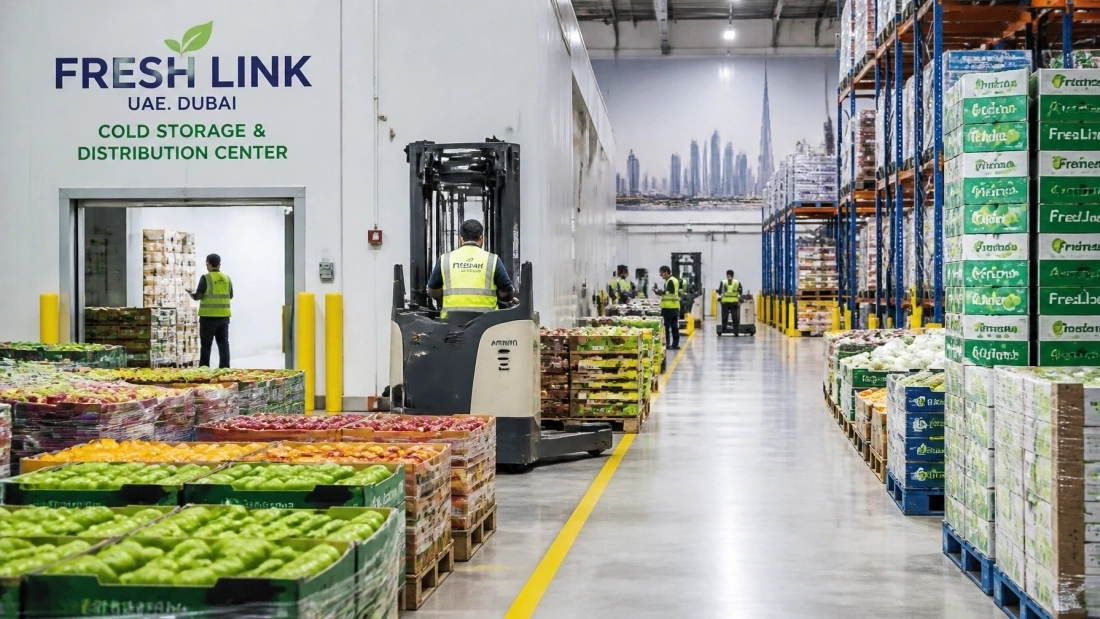
Fresh produce logistics and handling at a UAE distribution facility

Sourcing Resilience in a Volatile Intraday Market

One of the defining strengths of Al Aweer is sourcing diversity. Produce entering the market is supported by multiple countries of origin across South Asia, the Middle East, North Africa, and neighboring regional corridors. This broad sourcing base strengthens market resilience and reduces dependence on a single supply route.

For exporters, that resilience has two implications:

  1. The market remains active and absorbent for correctly specified products.
  2. The market remains competitive because buyers compare origins, grades, landed costs, and shelf-life performance in real time.

What intraday volatility actually means

Intraday price volatility in Al Aweer does not necessarily indicate weak demand. More often, it reflects normal commercial adjustments based on:

  • Morning versus late-day demand patterns
  • Fresh arrivals from competing origins
  • Product condition at unloading
  • Buyer urgency
  • Inventory held by traders and distributors
  • Packaging suitability for supermarket or foodservice channels

Exporters should therefore avoid making shipment decisions based only on a headline spot quote. A slightly higher or lower quoted rate may not reflect the actual net commercial result after rejection risk, slower movement, repacking needs, or delayed clearance.

Why structured placement matters

A planned route to end buyers is more valuable than chasing open-market uncertainty. Mayil Global supports structured placement by aligning incoming product with operational demand across:

  • Supermarkets and grocery retail chains
  • Restaurants and catering operators
  • Wholesale distributors
  • Independent retailers
  • Institutional and foodservice procurement channels

This buyer alignment supports faster movement, more predictable settlement, and better control over commercial outcomes.

The 3% Commission Advantage

The core commercial benefit of Mayil Global’s 3 percent commission distributor uae model is transparency. Exporters need visibility on how product enters the UAE market, how it is placed, what costs apply, and how settlement is calculated. A fixed commission structure supports that visibility.

In markets where intraday prices can move quickly, uncontrolled intermediary markups can erode exporter margins. A disciplined commission model helps reduce that risk by creating a defined framework for distribution rather than leaving the shipment exposed to ad hoc spot-market handling.

How the model protects exporter margins

Mayil Global’s 3% commission approach supports margin protection in several ways:

  • Transparent market handling: Exporters understand the distribution basis in advance.
  • Cash-and-carry liquidity options: Faster movement supports working-capital recovery.
  • Reduced speculative exposure: Product is aligned with actual buyers, not uncertain auction-style outcomes.
  • Operational coordination: Import, inspection, storage, and distribution are handled through a structured process.
  • Faster turnover: Better turnover reduces freshness loss, shrinkage, and carrying risk.

This model is particularly relevant for onions, potatoes, vegetables, citrus, bananas, mainstream fruit, rice, spices, and other categories where efficient clearance and fast redistribution directly influence realized value.

Immediate liquidity for exporters

For many exporters, the primary concern is not only price, but speed of monetization. Delays in clearance, buyer confirmation, or downstream placement can weaken net returns even when the initial market indication appears acceptable.

Mayil Global addresses this through transparent transaction handling and immediate cash-and-carry container purchase options, subject to product approval, documentation review, quality inspection, and commercial agreement. For exporters entering Dubai for the first time, this provides a practical route to liquidity while preserving professional market discipline.

Wholesale onions prepared for distribution in professional packaging

Connecting with a Verified Buyer for Exporters UAE

Working with a verified buyer for exporters uae is not a branding exercise. It is a risk-control measure. Exporters shipping into Dubai need commercial certainty on who will receive the goods, how the goods will be evaluated, and through which channels the product will be placed.

A verified buyer of that particular product brings product-specific market understanding. This is materially different from sending cargo into an open environment without committed buyer alignment.

Why product-specific verification matters

A buyer that handles the same product category understands:

  • Accepted grade tolerances
  • Preferred packaging formats
  • Buyer expectations by segment
  • Seasonal movement rates
  • Shelf-life sensitivity
  • Pricing differences between origin profiles
  • Inspection and acceptance risks

That level of specificity is critical for onions and equally important for premium fruits, vegetables, spices, rice, and eggs. The objective is not just to clear the shipment, but to place it efficiently into the correct channel.

Direct placement versus spot-market speculation

Exporters should avoid assuming that all products can be sold efficiently through open spot trading once the cargo lands. Speculative selling can create exposure to:

  • Uncertain buyer commitment
  • Slower movement during high-arrival windows
  • Last-minute discounting
  • Product deterioration during waiting periods
  • Margin loss through multiple intermediaries
  • Reputational risk if quality claims emerge after poor handling

By contrast, Mayil Global connects exporters with direct B2B placement pathways serving supermarkets, restaurants, retailers, and wholesale buyers. This supports disciplined market entry and greater confidence in commercial execution.

How to Export Food to Dubai: Actionable Roadmap for Exporters

Exporters searching for how to export food to dubai need a process that is practical, compliant, and commercially grounded. The route into Dubai is not only about shipping the container. It is about ensuring that the product is admissible, saleable, inspectable, and immediately placeable on arrival.

1. Confirm the importer and buyer structure before loading

Every shipment should move against a clearly identified UAE importer and defined buyer pathway. Before dispatch, exporters should confirm:

  • Importer licensing status
  • Product handling responsibilities
  • Customs and municipality coordination
  • Storage arrangements
  • Planned wholesale or retail placement
  • Payment and settlement mechanics

This is the first step in working with a verified buyer for exporters uae and avoiding avoidable arrival-day uncertainty.

2. Align product documentation and digital submission data

Documentation consistency remains essential. Exporters should ensure that commercial documents, packing details, certificates, and digital registration data match fully. The information set commonly includes:

  • Product name
  • Variety or grade
  • HS code
  • Country of origin
  • Net and gross weight
  • Number of packages
  • Batch or lot references
  • Importer details
  • Manufacturing or packing information where relevant

Misalignment between shipment documents and electronic import data can delay release and disrupt onward distribution.

3. Prepare regulatory and shipment certificates

The exact certificate set depends on the product and origin, but exporters commonly need:

  • Phytosanitary certificate
  • Health or sanitary certificate where applicable
  • Certificate of origin
  • Commercial invoice
  • Packing list
  • Bill of lading or air waybill
  • Residue or laboratory documentation where required
  • Customs and delivery support documents

Exporters should validate current import requirements with the UAE importer and relevant authorities before loading. In regulated food trade, assumptions create avoidable cost.

4. Maintain cold-chain compliance and hygienic handling

Cold-chain integrity is a commercial requirement, not just a technical one. Product that arrives with compromised temperature management, poor ventilation, unsuitable packaging, or inconsistent palletization faces elevated rejection and discount risk.

Exporters should control:

  • Pre-cooling where applicable
  • Container temperature settings
  • Packaging durability
  • Ventilation compatibility
  • Load pattern and pallet stability
  • Clean handling procedures
  • Traceability and inspection readiness

Mayil Global’s sourcing and logistics process is designed around these operational controls to support quality preservation from origin through UAE distribution.

5. Plan arrival inspection and market clearance

Arrival-day readiness directly affects realized value. Shipments should be prepared for inspection, unloading, handling, and onward dispatch without unnecessary holding time. Exporters should confirm in advance:

  • Inspection coordination
  • Unloading sequence
  • Storage contingency
  • Repacking needs, if any
  • Buyer delivery schedule
  • Immediate market release plan at Al Aweer

Fast and orderly market clearance is especially important for perishable categories and high-volume items where timing influences both freshness and price realization.

6. Move product quickly through the right B2B channels

The final step in how to export food to dubai is not merely customs release. It is commercial placement. Product should move into the right channel based on grade, shelf life, buyer type, and turnover rate.

Mayil Global supports this by distributing through established UAE B2B networks and by operating as a verified buyer of that particular product where category alignment is confirmed. This reduces uncertainty for exporters and improves continuity for local buyers.

Why Exporters and UAE Buyers Choose Mayil Global

Mayil Global combines farm-direct sourcing, global supplier access, strict quality control, hygienic handling, and organized UAE distribution. Our operating priorities remain clear and consistent:

  • Delivering dependable supply across the UAE
  • Sourcing from trusted farms and global suppliers
  • Inspecting quality at every critical stage
  • Ensuring hygienic handling and compliant packaging
  • Maintaining proper storage and temperature control
  • Supporting timely delivery to B2B customers
  • Building long-term exporter and buyer relationships
  • Operating a transparent 3 percent commission distributor uae model

For supermarkets, restaurants, retailers, and wholesale distributors, this means continuity of supply and consistent product quality. For exporters, it means a structured UAE route to market built on logistics discipline, documentation accuracy, and transparent settlement.

Secure Your Late-August Distribution Plan

Late-August conditions at Al Aweer continue to support stable movement in onions and other mainstream produce categories, with the onion benchmark for 18 kg packaging holding near AED 1.90–1.95 per kilogram. At the same time, intraday volatility reinforces the need for disciplined buyer placement, strong inspection readiness, and reliable logistics coordination.

If you are evaluating how to export food to dubai, Mayil Global can support your entry with product-specific market alignment, import coordination, structured distribution, and transparent transaction handling. Contact the Mayil Global commercial team to discuss your product, origin, volume, expected arrival schedule, and preferred settlement approach.

Mayil Global is a wholesale supplier to UAE businesses, a verified buyer for exporters uae, and a practical partner for exporters seeking a verified buyer of that particular product under a transparent 3 percent commission distributor uae model.
Mayil Global is a wholesale supplier for UAE businesses and a verified buyer for exporters uae, operating with a transparent 3% commission model and immediate cash-and-carry container purchase options.

A8XFn07T1X--1100x619

How to Export Food to Dubai: Onion Pricing, Wholesale Fruit & Veg Markets, and the 3% Commission Edge

Exporting food to Dubai requires more than arranging freight and delivering a container to Jebel Ali. International exporters must coordinate product specifications, UAE import compliance, quality control, logistics, wholesale distribution, and payment terms.

For onions, fruits, and vegetables, the commercial route is equally important. Exporters can distribute through the Dubai wholesale market on a transparent 3% commission model or sell an entire container through an immediate cash-and-carry purchase. Both models provide structured access to UAE buyers, but they address different commercial objectives.

Mayil Global supports international exporters and local UAE businesses through dependable sourcing, organized logistics, hygienic handling, and B2B wholesale distribution.

Why Dubai Is a Strategic Food Export Market

Dubai operates as both a major consumption market and a regional re-export hub. Supermarkets, restaurants, hotels, catering companies, retailers, and wholesale distributors require consistent access to imported food products throughout the year.

The strongest opportunities are available to exporters that can provide:

  • Consistent product specifications
  • Reliable shipment schedules
  • Competitive landed pricing
  • Complete documentation
  • Verified UAE distribution
  • Clear settlement terms
  • Effective handling of perishable goods

Fresh onions, potatoes, tomatoes, citrus fruits, mangoes, rice, spices, and other food products move through established channels such as the Al Aweer Central Fruit & Vegetable Market and direct B2B supply networks.

The operating principle is straightforward: sourcing, quality control, and distribution must work together to create dependable supply for UAE buyers.

Export-quality Indian onions packed in wholesale mesh bags for shipment to the Dubai market

Step 1: Define the Product Specification

Every successful food export shipment begins with a clear product specification. The exporter and UAE buyer should confirm the details before production, packing, and loading.

For onions, the specification should include:

  1. Origin and variety
    Examples include Nashik red onions, brown onions, white onions, and other market-specific varieties.

  2. Grade and size
    Medium and large onions are commonly requested for wholesale distribution. Size uniformity affects both pricing and buyer acceptance.

  3. Packaging format
    Common formats include 18 kg or 25 kg breathable mesh bags. Packaging must protect the product during loading, sea freight, port handling, and local distribution.

  4. Quantity and container type
    Confirm the expected metric tonnage, container size, and loading plan.

  5. Shelf-life and arrival condition
    Fresh produce must be packed, ventilated, and handled according to the product’s storage requirements.

The same process applies to fruits and vegetables. A buyer should receive a written specification covering variety, size, grade, packaging, country of origin, expected shelf life, and inspection requirements.

Mayil Global’s fresh fruits and vegetables supply supports supermarkets, restaurants, retailers, and wholesale buyers requiring consistent product quality and dependable availability.

Step 2: Select the Right Dubai Distribution Route

Exporters should decide how the shipment will be sold before it leaves the origin country. The two principal routes are 3% commission-based distribution and cash-and-carry container purchase.

The 3% Commission Distribution Model

Under the 3% commission model, Mayil Global distributes the exporter’s shipment through its UAE B2B network and wholesale channels. The distributor charges a flat 3% commission on the gross sales value, subject to agreed local handling, port, storage, or other operational costs.

The process generally includes:

  1. Confirming the product specification and shipment schedule
  2. Reviewing current UAE market demand and wholesale pricing
  3. Receiving and clearing the shipment
  4. Distributing the goods to suitable B2B buyers
  5. Reporting sales and settlement details
  6. Deducting the agreed 3% commission and remitting the balance

The model gives exporters access to local market knowledge without requiring them to build their own UAE sales operation. It is suitable for suppliers that want to retain exposure to market pricing while using an established distribution partner.

Mayil Global explains the commercial structure in its guide to exporting onions to Dubai through the 3% commission and cash-and-carry models.

Immediate Cash-and-Carry Container Purchases

A cash-and-carry transaction involves the sale of the full container to a UAE buyer at an agreed price. The buyer takes ownership of the shipment and assumes the subsequent market risk.

This approach is appropriate when the exporter prioritizes:

  • Immediate or near-immediate liquidity
  • A fixed settlement value
  • Reduced exposure to daily wholesale price changes
  • Faster reinvestment in the next shipment
  • A straightforward container-level transaction

The price may be negotiated below the potential open-market upside because the UAE buyer assumes the risk of price movements, unsold inventory, storage, and product deterioration.

The decision should be made shipment by shipment. The 3% commission model can provide greater market participation when prices are strong, while cash-and-carry can provide faster liquidity when working capital and shipment turnover are the priority.

Step 3: Understand Indicative Onion Pricing in Dubai

Onion prices in Dubai change according to origin, crop cycle, variety, grade, supply volume, demand, freight costs, and arrival timing. Exporters should treat market references as indicative benchmarks rather than fixed quotations.

Recent mid-August 2026 references for the Al Aweer wholesale market indicate the following approximate ranges:

  • Indian new-crop onions in 18 kg packs: AED 1.90–2.15 per kg
  • Brown onions: approximately AED 2.22 per kg
  • Pink onions: approximately AED 2.10 per kg
  • Red onions: approximately AED 1.65 per kg
  • White onions: approximately AED 1.33 per kg
  • Smaller onions and shallots: higher prices depending on grade and availability

Indian new-crop onions were reported around AED 1.95–2.00 per kg during recent market observations, with Grade 1 lots potentially reaching the upper end of the range.

For reliable pricing analysis, exporters should calculate the following:

  • FOB cost at origin
  • Packing and inland transport
  • Ocean freight and insurance
  • Port and customs charges
  • UAE handling and storage
  • Wholesale selling price
  • 3% commission, where applicable
  • Expected wastage or quality claims

For example, if a shipment contains 40,000 kg and achieves an average selling price of AED 2.00 per kg:

  • Gross sales: AED 80,000
  • 3% commission: AED 2,400
  • Net before other agreed charges: AED 77,600

This calculation must be compared with the total landed cost. A strong wholesale price does not automatically produce a profitable shipment if freight, handling, or origin costs are too high.

Step 4: Complete UAE Food Import Compliance

Food shipments must meet the requirements of UAE customs, plant quarantine authorities, and Dubai Municipality. The precise documents vary according to the product and origin, so exporters should confirm current requirements with the licensed UAE importer and relevant authorities.

For fresh fruits and vegetables, the typical documentation package includes:

  • Commercial invoice
  • Packing list
  • Bill of lading or transport document
  • Certificate of origin
  • Phytosanitary certificate
  • Health or food safety certificate where required
  • Pesticide residue analysis where applicable
  • Delivery order for container shipments
  • Import and re-export approvals where applicable

The MOCCAE service for release of imported agricultural consignments provides official guidance on agricultural product clearance, inspection, and required documents.

Dubai Municipality requirements should also be reviewed through the Food Safety Department’s import and re-export guidelines.

Documentation should be accurate and consistent across the invoice, packing list, bill of lading, certificates, product labels, and customs declaration. Errors can lead to inspection delays, additional charges, reduced shelf life, or rejection.

Step 5: Protect Product Quality During Logistics

Efficient logistics is essential for maintaining commercial value. Fresh products can lose quality quickly when they are exposed to incorrect temperature, poor ventilation, moisture, unsuitable stacking, or extended port delays.

Exporters and distributors should coordinate:

  1. Pre-shipment inspection
  2. Correct grading and packing
  3. Ventilated loading arrangements
  4. Clean and suitable transport equipment
  5. Port clearance planning
  6. Proper storage after arrival
  7. Timely movement to wholesale buyers

Mayil Global maintains a structured approach to sourcing and logistics, including supplier selection, product inspection, hygienic packaging, storage, and organized distribution.

Fresh produce logistics and wholesale distribution operations managed through a structured UAE supply chain

Quality control must continue after the container arrives. Receiving teams should inspect product condition, count and weight, packaging integrity, visible damage, moisture, sprouting, and compliance with the agreed specification.

Quality inspection and hygienic handling of food products in a professional distribution facility

Serving Local UAE B2B Buyers

Mayil Global also operates as a wholesale supplier for local UAE businesses. Supermarkets, restaurants, retailers, and wholesale distributors need a supply partner that can provide more than a single product line.

The company’s portfolio includes:

  • Fresh fruits and vegetables
  • Premium spices
  • Quality rice
  • Farm-fresh eggs

The Mayil Global product range is supported by farm-direct sourcing, global supplier relationships, quality inspection, hygienic handling, and organized delivery.

For buyers, this creates several operational benefits:

  • Fewer supplier coordination requirements
  • More consistent product availability
  • Centralized quality control
  • Better planning for recurring orders
  • Reliable delivery across the UAE
  • Access to both fresh produce and premium food products

Fresh fruits and vegetables prepared for supply to supermarkets, restaurants, retailers, and UAE wholesale buyers

A Practical Exporter Checklist

Before loading a food shipment for Dubai, confirm the following:

  • Product specifications are agreed in writing.
  • The UAE buyer or distributor is verified and licensed.
  • The commercial model is selected: 3% commission distribution or cash-and-carry purchase.
  • Current wholesale pricing has been reviewed.
  • All certificates and shipping documents are prepared.
  • Packaging is suitable for the product and transport route.
  • Inspection procedures and claim terms are defined.
  • Port clearance and local handling responsibilities are clear.
  • Settlement timing is documented.
  • The shipment has a confirmed distribution plan after arrival.

Conclusion

Exporting food to Dubai is a coordinated supply chain process involving sourcing, compliance, logistics, quality control, and distribution. Onion exporters must understand current wholesale pricing, product specifications, port requirements, and the commercial route that best supports their working capital objectives.

Mayil Global provides international exporters with access to UAE B2B distribution through a transparent 3% commission model. For exporters seeking immediate liquidity, the company also supports cash-and-carry container purchases based on agreed terms.

For local supermarkets, restaurants, retailers, and wholesale distributors, Mayil Global delivers dependable access to fresh produce and premium food products through organized sourcing, hygienic handling, and reliable UAE distribution.

Contact Mayil Global to discuss your next food shipment, wholesale requirement, or 3% commission distribution opportunity.

476942

UAE Export News & Al Aweer Market Updates: August 17, 2026 – Trade Expansion, Al Aweer Price Trends & Verified Buyer Opportunities

UAE Export News: Non-Oil Trade Reaches AED 1.937 Trillion

The UAE continues to strengthen its position as a global trade and distribution hub. According to the Dubai Government Media Office, the country’s non-oil foreign trade reached AED 1.937 trillion during the first half of 2026.

This represents:

  • 13.1% growth compared with H1 2025.
  • AED 452.8 billion in non-oil exports.
  • 23.9% year-on-year growth in non-oil exports.
  • An increase in the export share of total non-oil foreign trade from 21.3% to 23.4%.
  • AED 304.3 billion in non-oil trade with countries where UAE Comprehensive Economic Partnership Agreements are fully implemented.

The figures confirm sustained expansion in the UAE’s international sourcing, re-export, logistics, and distribution activity. The growth also supports stronger opportunities for international agricultural exporters seeking access to Dubai’s wholesale channels.

CEPA Developments Expand Market Access

Comprehensive Economic Partnership Agreements continue to influence the structure of UAE export activity. Non-oil exports to fully implemented CEPA partners reached approximately AED 66.1 billion in H1 2026, while non-oil exports represented 21.7% of total trade with in-force CEPA partners.

China, Switzerland, and India remained among the UAE’s leading non-oil trade partners. Egypt, Oman, and Hong Kong also recorded strong growth among important trading relationships.

For exporters of onions, garlic, okra, rice, spices, and other food products, this wider trade network creates more sourcing options and improves supply continuity. However, market access still depends on correct documentation, product registration, food safety compliance, and dependable local distribution.

Al Aweer Market Updates for August 17, 2026

Al Aweer Central Fruit and Vegetable Market remains one of the most important wholesale distribution points for fresh produce in the UAE. Prices change according to origin, grade, packaging, arrival volume, freight cost, seasonality, and buyer demand.

The following table presents working wholesale indications for August 17. The requested commercial reference levels for onion, garlic, and okra are included alongside the latest published market comparisons.

Fresh Produce Wholesale Price Table

Commodity Origin or specification Packaging reference Indicative price
Onion, new crop India 18 kg, sold by weight AED 2.00/kg
Onion, new crop latest published check India 18 kg AED 2.50/kg on August 16
Brown onion Iran Mesh bag AED 1.67/kg
Onion Egypt 20 kg PPE bag AED 1.30/kg
Onion Yemen Mesh bag AED 1.60/kg
Red Shirazi onion Iran 65 mm+, sold by weight AED 1.05/kg
Garlic, pure white China Approx. 2.8 kg carton AED 16.00/carton
Garlic, normal China Carton AED 4.64/kg
Garlic India Mesh bag AED 6.67/kg
Okra, bhindi UAE 10 kg carton AED 5.50/kg
Okra, bhindi India Approx. 4 kg carton AED 32.00/carton
Okra, Indian air shipment India 4 kg carton AED 8.75–10.00/kg
Ginger China Carton AED 4.64/kg
Cucumber UAE Carton AED 1.75/kg
Tomato Jordan Wooden crate AED 3.14/kg
G9 Cavendish banana India Carton AED 3.85/kg
Lemon South Africa Carton AED 3.67/kg

These rates are based on the latest available Al Aweer wholesale price list, the onion new-crop market listing, and related commodity references. They are indicative wholesale rates, not fixed quotations. Actual prices depend on inspection, volume, origin, grade, packaging, and negotiation.

Fresh fruits and vegetables prepared for wholesale supply to UAE supermarkets, restaurants, and retailers

Interpreting the Garlic and Okra Rates

The AED 16 garlic reference is best understood as an approximate carton price for pure-white Chinese garlic. The published equivalent is approximately AED 5.54/kg, which places a 2.8 kg carton near AED 15.50–16.00.

The AED 32 okra reference is also a carton-level commercial indication. A 4 kg Indian okra carton priced at approximately AED 8.00/kg would total around AED 32. Actual Indian air-freighted okra listings have recently ranged from approximately AED 8.75 to AED 10.00/kg.

This distinction between per-kilogram and per-carton pricing is essential for exporters preparing commercial invoices, landed-cost calculations, and buyer offers. A price that appears competitive per carton may not be competitive after freight, clearance, handling, wastage, and market distribution costs are included.

Regulatory Updates Affecting UAE Food Exporters

Fresh produce exporters entering Dubai must maintain strong documentation and product-control procedures. Regulatory requirements can vary by product, origin, packaging format, and port of entry. Exporters should verify current requirements with their importer, customs broker, and the relevant UAE authorities before dispatch.

1. Product Registration and Import Requests

Imported food products should be registered through the UAE’s food registration systems before arrival. Shipments entering through Dubai may also require a Food Import Request through the Dubai food import platform.

Exporters should prepare:

  1. Commercial invoice.
  2. Packing list.
  3. Bill of lading or airway bill.
  4. Certificate of origin.
  5. Phytosanitary certificate for fresh produce.
  6. Health certificate where applicable.
  7. Pesticide residue analysis when required by origin or commodity.
  8. Correct HS classification and product description.

The U.S. International Trade Administration guide to UAE import requirements provides a general reference for documentation and import procedures.

2. Customs and HS Code Accuracy

Dubai Customs introduced a duty exemption for qualifying goods valued at up to AED 1,000, effective August 3, 2026, according to Khaleej Times coverage of the amendment. The exemption does not generally change the cost structure of full produce containers, which normally exceed this threshold, but it may be relevant for samples and small commercial consignments.

Exporters must also coordinate with customs brokers on the transition to more detailed HS code classifications. Incorrect classification can create clearance delays, additional documentation requests, or valuation disputes.

3. Shelf Life, Packaging, and Traceability

Perishable products must be shipped with sufficient remaining shelf life at arrival. Fast transit, proper ventilation, temperature control, and immediate clearance are critical for onions, okra, leafy vegetables, fruits, and other short-life products.

Exporters should also review:

  • Arabic and English product labelling for retail-packed goods.
  • Country-of-origin declarations.
  • Batch and lot traceability.
  • Food-contact packaging requirements.
  • Packaging integrity during loading and transportation.
  • Pesticide residue certification for affected origins and commodities.

Mayil Global maintains quality-control and hygienic handling procedures across sourcing, storage, packaging, and transportation. Details are available on the company’s sourcing and logistics page.

Quality inspection and hygienic handling of fresh produce within a UAE distribution operation

Mayil Global: Verified Buyer for Exporters in the UAE

Mayil Global is positioned as a verified buyer for exporters UAE suppliers seeking a structured route into the Dubai wholesale market. The company evaluates container opportunities for onions, garlic, okra, fruits, vegetables, rice, spices, and other food products according to buyer demand, product specifications, documentation, and quality standards.

The operating model provides two clear options for international and local exporters.

3% Commission Distributor UAE Model

Under the 3 percent commission distributor UAE model, Mayil Global supports market placement and distribution for exporters through a transparent commission structure.

The model is designed to provide:

  • A defined 3% commission instead of unclear intermediary margins.
  • Access to UAE wholesale buyers.
  • Structured product inspection and quality control.
  • Assistance with market distribution and logistics coordination.
  • Greater visibility over commercial terms.
  • Support for long-term B2B relationships.

This approach enables exporters to retain stronger control over their margins while using an established local distribution partner.

Immediate Cash-and-Carry Container Purchases

For suitable products and approved specifications, Mayil Global also considers immediate cash-and-carry container purchases. This structure is intended for exporters requiring faster liquidity after cargo arrival.

The process generally involves:

  1. Sharing product details, origin, grade, packaging, quantity, and shipment schedule.
  2. Reviewing commercial documents and regulatory compliance.
  3. Confirming inspection requirements and market suitability.
  4. Agreeing on pricing and delivery terms.
  5. Completing the purchase and arranging distribution.

Cash-and-carry purchasing can reduce payment delays and help exporters plan their next shipment with greater certainty. Acceptance remains subject to product quality, documentation, market demand, and commercial approval.

Opportunity for UAE Supermarkets, Restaurants, and Distributors

Local UAE buyers can use Mayil Global as a wholesale supply partner for fresh produce and premium food products. The company serves supermarkets, restaurants, retailers, and wholesale distributors requiring dependable supply and consistent quality.

Its product range includes fresh fruits and vegetables, premium spices, rice, and farm-fresh eggs. The supply chain combines trusted farm sourcing, international suppliers, inspection at each stage, hygienic packaging, organized logistics, and suitable storage and handling.

This operational structure helps buyers manage:

  • Daily replenishment requirements.
  • Consistent product specifications.
  • Multi-origin sourcing.
  • Seasonal availability.
  • Delivery scheduling.
  • Food safety and handling standards.

Global sourcing network for fresh produce and premium food products supplied to UAE businesses

Conclusion: Building Dependable UAE Trade Relationships

The latest UAE export news confirms continued non-oil trade expansion, stronger CEPA-linked market access, and rising demand for efficient international distribution. At Al Aweer, onion, garlic, okra, and other produce prices remain specification-sensitive and require daily commercial verification.

For exporters, success depends on more than securing a buyer. It requires correct documentation, regulatory preparation, reliable logistics, quality control, and timely payment structures.

Mayil Global provides a practical route for exporters seeking a verified buyer for exporters UAE, a transparent 3 percent commission distributor UAE arrangement, or immediate cash-and-carry container purchases.

For shipment enquiries involving onions, garlic, okra, fruits, vegetables, rice, spices, or eggs, contact Mayil Global with the product specification, origin, packaging, quantity, and expected arrival date.

476942

UAE Export News & Al Aweer Market Updates: August 16, 2026 – EU Packaging Compliance, Price Trends & Verified Buyer Opportunities

Date: August 16, 2026

Today’s UAE export news highlights a critical European packaging compliance deadline, continued logistics disruption, and new opportunities for agricultural exporters targeting Dubai. At the same time, the latest Al Aweer market updates indicate mostly flat prices across selected Indian fruits and vegetables.

For international exporters, the operating priorities are clear:

  1. Complying with destination-market packaging and food-safety rules.
  2. Protecting product quality through reliable logistics and hygienic handling.
  3. Monitoring Al Aweer wholesale prices before dispatching containers.
  4. Working with a verified buyer for exporters UAE shipments.
  5. Selecting a transparent distribution model, including a 3% commission structure or immediate Cash & Carry purchase.

Mayil Global supports UAE supermarkets, restaurants, retailers, wholesale distributors, and international exporters through organized sourcing, quality control, storage, and B2B distribution.

UAE Export News: EU PFAS Packaging Restriction Is Now Effective

The European Union’s Packaging and Packaging Waste Regulation (PPWR) began applying on August 12, 2026. A key provision restricts the use of per- and polyfluoroalkyl substances, commonly known as PFAS, in food-contact packaging.

According to the European Commission’s official announcement, food-contact packaging containing PFAS above the applicable limits can no longer be placed on the EU market.

What UAE food exporters must understand

The restriction applies to packaging used for products such as:

  • Bakery and takeaway packaging.
  • Grease-resistant paper and cardboard.
  • Food wrappers and coated packaging.
  • Microwave and ready-meal packaging.
  • Barrier films, coatings, inks, and additives used in food-contact applications.

There is no general grace period or sell-through provision for non-compliant packaging that has not already been lawfully placed on the EU market. UAE exporters shipping food products to Europe must therefore confirm packaging compliance before production, packing, and dispatch.

Non-compliant shipments may face market withdrawal, customs or market-surveillance intervention, disposal or destruction requirements, financial penalties, and other enforcement measures under the relevant EU Member State’s national procedures. Enforcement outcomes can vary by jurisdiction, but the commercial risk is material.

Required exporter action

Exporters should complete the following steps:

  1. Obtaining supplier declarations confirming PFAS compliance.
  2. Requesting laboratory test reports for paper, board, coatings, and flexible packaging.
  3. Reviewing packaging specifications for grease resistance and fluorinated barrier treatments.
  4. Maintaining traceability records for packaging batches and suppliers.
  5. Using EU-compatible packaging when a product may serve both European and GCC markets.

Treating PFAS compliance as part of the normal quality control process reduces shipment risk. It also supports the wider Mayil Global operating principle: delivering dependable supply through documented sourcing, hygienic handling, and international-standard procedures.

Supply Chain Developments Affecting UAE Importers

Spinneys establishes new road corridors

Spinneys has expanded its logistics options by using a road freight corridor connecting the UK and Europe with the UAE through Turkey and Egypt. The retailer completed 26 road shipments during the first half of 2026.

The route takes approximately 17 days, compared with around 30 days under normal sea freight conditions and significantly longer during periods of maritime disruption. Spinneys has also used alternative ports, air freight, and diversified sourcing markets.

The Gulf News report states that container costs increased substantially during the disruption. UK and European container costs reportedly rose from approximately $3,000 before the crisis to as much as $17,000, with current costs near $7,000.

This development confirms the value of route flexibility, proper storage, and organized distribution. UAE buyers require suppliers that can protect availability even when a traditional shipping lane becomes unreliable.

iD Fresh expands GCC manufacturing

Shipping costs for fresh and short-shelf-life food products have increased sharply. This is strengthening the business case for regional manufacturing and processing.

iD Fresh is expanding its GCC manufacturing footprint as imported logistics costs reportedly triple in affected lanes. Local or regional manufacturing can reduce:

  • Long-haul freight exposure.
  • Port congestion risk.
  • Transit-time variability.
  • Cold-chain pressure.
  • Stockout risk for fresh and chilled products.

The development is relevant to food exporters evaluating UAE market entry. Products with short shelf lives require more than a buyer. They require coordinated production, documentation, storage, transport, and final distribution.

Tripura mustard honey reaches Dubai

India has recorded its first export of organic mustard honey from Tripura to Dubai. The shipment contains 1 metric tonne and was facilitated by the Agricultural and Processed Food Products Export Development Authority, or APEDA.

The shipment demonstrates the commercial potential of regionally distinctive Indian food products in the UAE. Exporters of honey, spices, rice, pulses, and specialty foods must combine product differentiation with:

  • Valid certification.
  • Food-grade packaging.
  • Accurate labeling.
  • Product testing.
  • UAE import registration.
  • Reliable local distribution.

The reported Tripura-to-Dubai mustard honey shipment illustrates how structured trade facilitation can connect origin producers with UAE wholesale and retail channels.

Quality control and safe handling for fresh produce distribution

Al Aweer Market Updates: August 16, 2026

The following prices are based on the approved MyVegmarket Al Aweer Prices list for August 16, 2026. Rates are presented in AED and are mostly flat market-rate values. Actual transactions can vary according to grade, quantity, packaging condition, arrival time, and negotiation.

Commodity Origin and pack size Market rate
Onion India, 1 kg AED 2.00
Ginger India, 3 kg AED 7.00
Pomegranate India, 2 kg AED 13.00
Small onion India, 3 kg AED 14.00
Garlic India, 3 kg AED 16.00
YB banana India, 4 kg AED 16.00
Green chilli India, 4.5 kg AED 17.00
Cluster beans India, 3 kg AED 17.00
Ivy gourd India, 3 kg AED 18.00
RK banana India, 4 kg AED 20.00
Banana leaf India, 4 kg AED 24.00
Suran India, 9 kg AED 24.00
Amla India, 3.5 kg AED 24.00
Drumstick India, 3 kg AED 28.00
Okra India, 3 kg AED 32.00
G9 banana green India, 13 kg AED 37.00
Fresh turmeric India, 3 kg AED 38.00
G9 banana yellow India, 13 kg AED 45.00
Dry coconut India, 13 kg AED 48.00

Interpreting today’s rates

The flat pricing environment supports short-term shipment planning, particularly for Indian-origin produce with established UAE demand. However, exporters should not treat one market-day rate as a guaranteed future selling price.

Price movement continues to depend on:

  1. Vessel and truck arrival schedules.
  2. Product grade and physical condition.
  3. Market demand from supermarkets and restaurants.
  4. Available inventory at Al Aweer.
  5. Clearance timing and storage duration.
  6. Freight and handling costs.

Mayil Global’s sourcing and logistics system supports inspection, hygienic handling, storage coordination, and organized distribution for UAE B2B buyers.

Fresh fruits and vegetables prepared for wholesale distribution

How to Export Food to Dubai: Compliance Requirements

Understanding how to export food to Dubai requires planning the product, documents, packaging, importer, and distribution route before loading.

1. Completing ZAD registration

Food products intended for sale in the UAE generally require registration through the ZAD food registration system. Exporters should coordinate with the UAE importer or licensed local representative to confirm product registration, supporting documents, and authority requirements.

2. Arranging Halal certification

Halal certification is required for relevant food categories and is particularly important for processed foods, ingredients, animal-derived products, and products supplied to major retail and food-service buyers. Exporters should use an accepted certification body and confirm that the certificate matches the product, manufacturer, and destination requirements.

3. Applying Arabic labeling

Food labels should provide required information in Arabic, with English included where applicable. Label details commonly include:

  • Product name.
  • Ingredients.
  • Allergens.
  • Country of origin.
  • Net weight.
  • Production and expiry dates.
  • Storage instructions.
  • Manufacturer and importer information.
  • Batch or lot number.
  • Certification details where applicable.

Labels must match the commercial documents and physical packaging.

4. Meeting shelf-life requirements

Imported food should arrive with sufficient remaining shelf life. The applicable rule varies by product category, but exporters should plan for the commonly applied requirement that products retain approximately 50% to 75% of total shelf life at arrival, depending on the item and authority requirements.

Exporters should confirm the exact rule for honey, spices, rice, processed foods, and fresh produce before shipment.

Partnering with Mayil Global

Mayil Global operates as a wholesale supplier and distribution partner for UAE businesses. The company sources fresh fruits, vegetables, premium spices, rice, eggs, and other food products from trusted farms and global suppliers.

3 percent commission distributor UAE model

The 3 percent commission distributor UAE model provides exporters with a transparent route to UAE market access. Mayil Global supports:

  • Verified B2B buyer engagement.
  • Product inspection and quality control.
  • Hygienic handling and packaging.
  • Organized storage and distribution.
  • Supermarket, restaurant, retailer, and wholesaler access.
  • Commercial reporting and shipment coordination.

The model enables exporters to use a local distribution network without depending on multiple unstructured intermediaries. It supports consistent quality, dependable supply, and long-term commercial relationships.

Verified buyer for exporters UAE

Mayil Global functions as a verified buyer for exporters UAE shipments, including suitable full-container volumes of fresh produce and premium food products. Exporters can submit product specifications, origin details, packing format, shipment timing, and expected commercial terms for review.

Immediate Cash-and-Carry container purchase

Exporters requiring immediate liquidity can also request a direct Cash-and-Carry container purchase. This model can help exporters:

  1. Recover working capital faster.
  2. Reduce credit and collection exposure.
  3. Move suitable cargo directly into UAE wholesale channels.
  4. Simplify the transaction structure.
  5. Prepare the next shipment without extended settlement cycles.

The 3% commission distribution model and immediate Cash-and-Carry option provide two practical routes for exporters managing price volatility and logistics uncertainty.

Premium food products and fresh produce supplied to UAE commercial buyers

Conclusion: Building a Reliable UAE Export Operation

The August 16 market environment presents a clear operating message. Exporters must combine regulatory compliance, market intelligence, quality control, and dependable distribution.

The EU PFAS packaging restriction requires immediate attention from UAE exporters serving European buyers. Shipping disruptions are encouraging road corridors, alternative ports, and GCC-based manufacturing. Al Aweer prices remain a practical reference for Indian-origin produce, but daily market conditions continue to influence final returns.

Mayil Global provides exporters with farm-direct sourcing capability, inspection at every stage, hygienic handling, organized logistics, and B2B market access. The 3% commission distribution model and immediate Cash-and-Carry container purchase option create practical pathways for exporters seeking liquidity and reliable UAE distribution.

Contact Mayil Global to discuss fresh produce containers, premium food products, UAE wholesale distribution, and verified buyer opportunities.

lsd1VrNz8AO-1100x619-1-1100x619

Verified Buyer & Exporter Authority Series: Late-August Al Aweer Market Trends : Fresh Produce Volumes, Onion Import Windows, and How to Export Food to Dubai via Mayil Global’s 3% Commission Model

Late August is an active planning period for exporters supplying Dubai’s Al Aweer Central Fruit and Vegetable Market. Fresh produce continues to move through a high-volume wholesale environment supported by imports, regional supply corridors, local farms, supermarkets, restaurants, retailers, and GCC re-export demand.

For exporters assessing how to export food to Dubai, the current priorities are clear: confirm a verified UAE buyer, protect product quality during summer logistics, complete documentation before loading, and select the right commercial structure.

Mayil Global supports international exporters and UAE-based B2B buyers through dependable sourcing, quality control, hygienic handling, organized logistics, and wholesale distribution. Exporters can use Mayil Global’s transparent 3% commission model or request an immediate Cash & Carry container purchase, depending on their liquidity and market-risk requirements.

Late-August Al Aweer Market Dynamics

Managing high-volume fresh produce flows

Al Aweer is Dubai’s primary wholesale hub for fruits and vegetables. It serves as a distribution point for imported and locally sourced produce moving into supermarkets, restaurants, retailers, catering businesses, and regional markets.

Public reporting has previously described the market as receiving hundreds of trucks daily, with seasonal volumes reaching several thousand tonnes per day. The exact volume changes according to origin-country production, vessel arrivals, weather, domestic demand, and re-export activity.

The important late-August trend is not one fixed volume figure. It is the market’s continued capacity to absorb and redistribute container-scale shipments when the product specification, arrival timing, and documentation are properly managed.

Recent Al Aweer market reporting also shows substantial movement between product categories. For example, the 12 August 2026 Al Aweer market report recorded significant daily price changes in items such as celery, ginger, cherry tomatoes, cabbage, capsicum, and okra. This confirms that exporters must assess each commodity separately rather than apply one general market assumption to all fresh produce.

Building an arrival-based supply plan

Late-August exporters should monitor:

  1. Vessel arrival schedules and port congestion.
  2. Daily wholesale price movements at Al Aweer.
  3. Competing origins and available grades.
  4. Retail, restaurant, and supermarket demand.
  5. Product shelf life under UAE summer conditions.
  6. Clearance, inspection, storage, and delivery capacity.

A shipment can be commercially viable at loading but face pressure on arrival if several containers reach the market simultaneously. Mayil Global’s local distribution model helps exporters coordinate market placement and select between consignment distribution and direct container purchase.

Export-grade onions prepared for inspection, handling, and shipment to the UAE

Importing Onions to Dubai in Late August

Using current prices as planning references

Onions remain a practical commodity for container-scale export planning because they support regular demand across restaurants, foodservice businesses, retailers, and wholesale distributors.

Mayil Global’s 11 August 2026 Al Aweer sourcing briefing reported new-crop Indian onions in 18 kg packaging at approximately AED 1.90–1.95 per kilogram. This indicates a more stable working benchmark compared with earlier seasonal movements.

At that indicative level, an 18 kg bag represents a wholesale value of approximately AED 34.20–35.10 before adjustments for:

  • Origin and crop quality.
  • Onion size and grade.
  • Packaging format.
  • Quantity and sales terms.
  • Freight, customs, storage, and handling.
  • Daily market movements and buyer negotiation.

This price range is a planning reference, not a guaranteed selling price. Exporters should confirm the latest market level before loading and agree how price changes will be handled under the selected distribution model.

Protecting onion quality during summer logistics

Onions require correct curing, ventilation, and moisture control. Excess humidity, condensation, wet loading conditions, and extended heat exposure can cause rot, sprouting, skin deterioration, and reduced market value.

Exporters should complete the following checks before dispatch:

  1. Inspect product condition
    Load firm, dry, mature onions without visible rot, fungal growth, excessive bruising, or premature sprouting.

  2. Confirm the packaging specification
    Mesh bags, ventilated sacks, or other suitable packaging should match the buyer’s requirements and support airflow.

  3. Control loading conditions
    Avoid loading wet product or placing cargo into a container after exposure to rain or excessive humidity.

  4. Select suitable equipment
    Ventilated containers may suit standard dry onion cargo. Reefer equipment can be considered for longer routes, premium grades, or shipments requiring tighter environmental control.

  5. Plan rapid post-clearance movement
    After customs and food-control clearance, cargo should move promptly to Al Aweer or the confirmed B2B buyer.

Mayil Global maintains quality control from sourcing through storage, packaging, and distribution. Its sourcing and logistics system is designed to protect freshness, hygiene, and supply reliability at every stage.

How to Export Food to Dubai Through a Verified Buyer

1. Confirm a licensed UAE distribution partner

International exporters should secure a UAE-licensed importer, distributor, or verified buyer before loading the container. The local partner coordinates the commercial route and supports customs, food-control procedures, product handling, and final distribution.

For exporters searching for a verified buyer for exporters UAE, Mayil Global provides access to B2B wholesale channels serving supermarkets, restaurants, retailers, and wholesale distributors.

The exporter and buyer should confirm:

  • Product and grade.
  • Quantity and packaging.
  • Origin and expected arrival window.
  • Responsibility for freight and local charges.
  • Inspection and rejection procedures.
  • Payment timing.
  • Sales reporting requirements.
  • Commission or outright-purchase terms.

2. Complete the export documentation

A fresh produce shipment commonly requires:

  • Commercial invoice.
  • Detailed packing list.
  • Certificate of origin.
  • Phytosanitary certificate.
  • Health or quality certificates where applicable.
  • Fumigation documentation where required.
  • Correct HS classification.
  • Container and seal information.
  • Net and gross weights.
  • Product and packaging specifications.
  • Arabic-English labeling information where applicable.

Requirements vary according to the commodity, origin, transport mode, and UAE authority instructions. Exporters should confirm the final documentation file with the UAE importer, customs broker, and freight forwarder before shipment.

3. Meet the advance manifest deadline

UAE-bound maritime cargo requires accurate advance cargo information. The recent Mayil Global compliance briefing explains that Shipping Instructions and manifest details should be submitted at least 72 hours before vessel departure from the applicable compliance load port.

The filing should accurately state:

  • Shipper and consignee details.
  • Notify party and forwarder information.
  • Ports of receipt, loading, discharge, and delivery.
  • Container and seal numbers.
  • Cargo description and HS code.
  • Package count.
  • Net and gross weight.
  • Container type and consolidation details.

A description such as “fresh onions, new crop, 18 kg mesh bags” is more useful than a generic description such as “food products.” Accurate information reduces avoidable port delays, documentation mismatches, demurrage, and summer quality loss.

Jebel Ali port logistics supporting UAE food imports and wholesale distribution

Choosing Mayil Global’s 3% Commission Model

Distributing through a 3% commission structure

Under Mayil Global’s 3% commission model, the exporter’s cargo is distributed through UAE wholesale channels. The exporter retains participation in the sales outcome while Mayil Global coordinates local distribution and market access.

The model is designed to provide:

  • A clearly defined 3% distribution commission.
  • Access to UAE supermarkets, restaurants, retailers, and wholesalers.
  • Local product handling and quality inspection.
  • Organized market placement.
  • Sales and inventory coordination.
  • Reduced dependence on multiple intermediaries.
  • A structured route for exporters entering Dubai.

The commission applies according to the agreed commercial terms, product category, sales structure, and documented responsibilities. Exporters should establish whether the 3% is calculated on gross sales or another agreed basis before dispatch.

For exporters seeking a 3 percent commission distributor UAE, the principal benefit is operational clarity. The exporter works with a local B2B partner that understands sourcing, logistics, quality control, and wholesale distribution.

Using immediate Cash & Carry container purchases

Some exporters prioritize immediate payment and working-capital recovery. Mayil Global’s Cash & Carry option enables the direct purchase of suitable containers, subject to product quality, volume, documentation, and commercial approval.

Cash & Carry can help exporters:

  • Reduce credit exposure.
  • Avoid extended collection cycles.
  • Release capital for the next shipment.
  • Simplify the transaction through a direct B2B buyer.
  • Move cargo quickly into UAE wholesale channels.

The two models serve different objectives. The 3% commission model supports market-linked distribution and potential upside participation. Cash & Carry prioritizes immediate liquidity and a more direct sale.

B2B wholesale produce operations supporting supermarkets, restaurants, and UAE retailers

A Late-August Export Checklist

Exporters preparing fresh produce or onion shipments for Dubai should complete the following sequence:

  1. Define the commodity
    Confirm origin, grade, size, crop, packaging, quantity, and target arrival date.

  2. Review the Al Aweer benchmark
    Use current price data as a planning reference and confirm the latest level before loading.

  3. Select the commercial route
    Choose Mayil Global’s 3% commission distribution model or request an immediate Cash & Carry container purchase.

  4. Confirm the buyer and documentation
    Finalize the UAE importer, consignee, product description, HS code, weights, certificates, and labeling.

  5. Protect product quality
    Use suitable packaging, ventilation, dry loading conditions, and temperature or humidity monitoring where appropriate.

  6. Meet the manifest deadline
    Submit complete Shipping Instructions and cargo details at least 72 hours before the applicable vessel departure deadline.

  7. Coordinate clearance and final delivery
    Arrange customs, inspection, transportation, warehouse handling, and buyer collection before cargo arrival.

Exporters can also review Mayil Global’s step-by-step food export guide and its onion export distribution model.

Building a Dependable UAE Supply Chain

Late-August Al Aweer activity provides a workable planning environment for onion and fresh produce exporters. However, commercial performance depends on more than the headline market price. Product condition, arrival timing, documentation, logistics, inspection, and buyer reliability directly affect the final result.

Mayil Global combines farm-direct sourcing, global supplier relationships, quality control, hygienic handling, storage, and organized distribution to support dependable B2B supply across the UAE. Its 3% commission model gives exporters a transparent route into the market, while the Cash & Carry option provides immediate liquidity for approved container purchases.

For international exporters and local UAE buyers, the operating objective remains direct: source consistently, comply accurately, protect product quality, and distribute efficiently. Contact Mayil Global to discuss onion imports, fresh produce containers, wholesale distribution, and verified buyer requirements in Dubai.

rVPCjf2GV5b-1100x619

Verified Buyer & Exporter Authority Series: The Late-August Demand Recovery Window : Al Aweer Baseline Stability, Category Price Swings, and How to Export Food to Dubai via Mayil Global’s 3% Commission Model

SEO slug: late-august-dubai-food-export-al-aweer-onion-prices-3-percent-commission
Meta description: Learn how to export food to Dubai during the late-August demand recovery window, with Al Aweer onion pricing, compliance steps, and Mayil Global’s 3% commission model.

Market brief: Sunday, August 16, 2026

Late August is creating a defined planning window for international exporters targeting the UAE. Retailers, restaurants, caterers, and hospitality operators are preparing for the post-summer-vacation demand rebound expected as customers and businesses return later this month.

At the same time, Al Aweer Central Market is showing a more stable working baseline for new-crop onions, while other fresh produce categories are experiencing significant price movements. Exporters must therefore combine daily market intelligence with compliant documentation, controlled logistics, and a reliable UAE distribution route.

Mayil Global supports international and local exporters through a transparent 3% commission distribution model and an immediate Cash & Carry wholesale container purchase system. Both routes are designed to provide dependable UAE market access, improve liquidity, and reduce avoidable supply chain risk.

Late-August Market Signal: Stable Onions and Uneven Category Pricing

Al Aweer onion baseline

New-crop onions in 18 kg bags are trading around AED 1.95/kg at Al Aweer Central Market. This represents an indicative value of approximately AED 35.10 per 18 kg bag before adjustments for origin, grade, size, packaging, quantity, handling, and negotiation.

The current benchmark is approximately 41% lower than the late-June level, following abundant international shipments and improved market availability. However, stability does not mean that exporters can use one fixed price for an entire shipment cycle.

Daily terminal arrivals continue to influence the market. Quality differences, vessel discharge schedules, truck inflows, storage availability, and buyer demand can create intraday movements of up to 30% in sensitive produce categories.

The Al Aweer onion price reference lists multiple onion varieties and pack sizes. The current new-crop 18 kg benchmark should therefore be treated as a working market reference, not a guaranteed transaction price.

Fresh produce crates arranged for wholesale distribution through Dubai’s supply chain

Category-specific price swings

The late-August market is not moving uniformly across all products.

  • Avocados: Severe supply gaps are supporting increases of approximately US$5–6 per carton, depending on origin, grade, carton weight, and market.
  • South African lemons: Prices are under downward pressure, with key Gulf markets reporting reductions of approximately US$3 per carton.
  • Mandarins: Indicative declines of approximately US$2–3 per carton are being reported in selected Gulf markets.
  • Onions: New-crop 18 kg bags at Al Aweer remain comparatively stable around the AED 1.95/kg reference.

These figures should be used for commercial planning alongside same-day trader quotations. They are not substitutes for product-specific offers based on grade, origin, packing format, and arrival date.

Demand Recovery Creates a Timing Advantage

UAE supermarkets and foodservice operators are rebuilding inventory ahead of the post-summer demand recovery. Restaurants, hotels, catering companies, and retailers require dependable supply as operating volumes normalize.

This creates opportunities for exporters that can provide:

  1. Consistent product specifications.
  2. Accurate shipment documentation.
  3. Reliable arrival schedules.
  4. Hygienic packaging and proper handling.
  5. Fast market placement after clearance.
  6. A transparent settlement structure.

The planned expansion of the Dubai Food District is also positioning the existing fruit and vegetable market infrastructure for more than double its current scale. The direction is clear: Dubai is strengthening its position as a regional wholesale, distribution, and re-export hub for fresh produce.

For exporters, greater market capacity increases the importance of professional execution. It does not remove the need for a verified UAE distribution partner.

How to Export Food to Dubai: The Compliance Sequence

Understanding how to export food to Dubai requires more than arranging a container and booking freight. Exporters must coordinate origin-country requirements with UAE import approvals, customs procedures, food safety controls, and market-specific quality expectations.

1. Confirm the product and commercial route

Define the commodity before negotiating shipment terms. For onions, confirm:

  • Crop and origin.
  • Bulb size and grade.
  • Moisture and curing condition.
  • Packaging format, including 18 kg bags where applicable.
  • Expected quantity and container type.
  • Arrival window.
  • Intended UAE distribution channel.

The exporter should also confirm whether Mayil Global is the verified buyer of that particular product. This distinction is important because product acceptance depends on specification, current market demand, documentation, and available distribution capacity.

Mayil Global supplies and distributes fresh fruits, vegetables, premium spices, rice, and farm-fresh eggs to supermarkets, restaurants, retailers, and wholesale distributors across the UAE.

2. Prepare the document file

Fresh produce shipments commonly require the following documents:

  • Commercial invoice.
  • Detailed packing list.
  • Certificate of origin.
  • Phytosanitary certificate.
  • Bill of lading or delivery authorization.
  • Customs manifest.
  • Health or fitness certificate where applicable.
  • Pesticide residue analysis certificate where required.
  • Correct HS code and product description.
  • Container, seal, net weight, and gross weight details.

The MOCCAE release service confirms that fresh fruit and vegetable consignments require a phytosanitary certificate, customs manifest or bill of lading, certificate of origin where necessary, and a contents list or invoice. Visual inspection and laboratory testing may also apply.

Requirements can vary by product and country of origin. Exporters should verify the final document list with the UAE importer, customs broker, freight forwarder, and relevant authorities before loading.

3. Complete pre-arrival logistics planning

The importer and shipping parties should match all shipment information across the invoice, packing list, certificate of origin, phytosanitary certificate, bill of lading, and customs declaration.

Inaccurate quantities, inconsistent product descriptions, missing container details, and late shipping instructions can create customs delays, storage charges, or missed market windows.

Mayil Global’s sourcing and logistics system focuses on supplier coordination, product inspection, hygienic handling, storage, and organized distribution from origin to UAE buyers.

Containerized produce logistics supporting fresh food imports into the UAE

4. Protect product quality in transit

Food safety and hygiene are non-negotiable. Fresh produce must be inspected before loading and handled in a way that protects quality throughout the supply chain.

For onions, exporters should:

  1. Load mature, dry, firm bulbs.
  2. Reject onions with visible fungal growth, excessive bruising, sprouting, or wet surfaces.
  3. Use breathable mesh bags or ventilated packaging.
  4. Maintain airflow throughout the container.
  5. Prevent condensation during storage and transport.
  6. Use temperature and humidity data loggers where appropriate.
  7. Arrange rapid transfer after port clearance.

Onions do not require the same temperature program as leafy vegetables, but summer heat, humidity, and poor ventilation can still cause rot, skin deterioration, and reduced market value.

Importing Onions to Dubai Through a Structured Distribution Model

The commercial objective in importing onions Dubai shipments is not simply to land cargo. The objective is to convert compliant, market-ready cargo into timely wholesale value.

Mayil Global provides two routes for suitable exporters.

The 3% commission distribution model

Under the 3% commission model, Mayil Global distributes approved exporter cargo through its UAE B2B network. The commercial structure provides a defined distribution fee while giving the exporter access to local market execution.

Key advantages include:

  • Transparent 3% commission terms.
  • Access to supermarkets, restaurants, retailers, and wholesale distributors.
  • Local market placement through organized distribution.
  • Product inspection and quality control at receiving stages.
  • Coordination of storage, handling, and delivery.
  • Reduced dependence on multiple intermediaries.
  • Clearer visibility over inventory movement and sales activity.

The 3% commission model is suitable for exporters that want UAE market access while retaining greater control over the product and commercial outcome.

Immediate Cash & Carry container purchases

The Cash & Carry wholesale route is designed for exporters that prioritize immediate settlement and working-capital recovery.

Subject to product inspection, quality approval, volume, and agreed commercial terms, Mayil Global can purchase suitable containers directly for wholesale distribution. This route can help exporters:

  • Reduce receivables exposure.
  • Avoid prolonged collection cycles.
  • Release capital for the next shipment.
  • Move inventory quickly into UAE wholesale channels.
  • Simplify market entry through a direct B2B transaction.

The Cash & Carry system and the 3% commission model address different commercial priorities. One emphasizes immediate container absorption. The other emphasizes structured distribution through a transparent 3% commission.

Quality inspection and wholesale handling of fresh onions for UAE buyers

Exporter Action Plan for August 16–31

Exporters planning late-August shipments should apply the following operating sequence.

1. Confirm demand and specifications

Match the product to a defined UAE requirement. Confirm grade, origin, pack size, quality tolerance, and arrival timing.

2. Review the daily Al Aweer benchmark

Use approximately AED 1.95/kg as the current reference for new-crop onions in 18 kg bags. Reconfirm the price on the day of negotiation because daily arrivals and quality can change the market.

3. Select the commercial route

Choose Mayil Global’s 3% commission distribution model or request an immediate Cash & Carry container purchase for suitable cargo.

4. Complete compliance before loading

Secure the phytosanitary certificate, certificate of origin, commercial invoice, packing list, and any product-specific analysis certificates. Confirm that all shipment data is consistent.

5. Protect summer handling conditions

Load dry product, use suitable ventilation, monitor environmental conditions, and coordinate refrigerated or protected transfers where required.

6. Plan clearance and final delivery

Arrange the UAE importer, customs broker, food-control submission, inspection, storage, and delivery before the vessel or truck arrives.

7. Maintain a daily market review

Track onions, avocados, lemons, mandarins, and other sensitive categories separately. A stable onion market does not indicate stable prices across the wider produce basket.

B2B wholesale distribution supporting supermarkets, restaurants, and retailers in the UAE

Building a Dependable Dubai Food Supply Chain

Late August is a practical demand-recovery window for exporters that can combine compliant sourcing with disciplined logistics. Al Aweer onion pricing is currently providing a more stable planning baseline, while avocado and citrus movements demonstrate the need for category-specific market monitoring.

Successful wholesale fruits and vegetables Dubai operations depend on:

  • Verified product demand.
  • A verified buyer of that particular product.
  • Accurate import documentation.
  • Strict quality control.
  • Hygienic packaging and safe handling.
  • Organized storage and transport.
  • Transparent commercial terms.
  • Reliable final-mile distribution.

Mayil Global connects international exporters with UAE wholesale channels through farm-direct sourcing, inspection at each stage, structured logistics, and dependable B2B distribution. The company’s 3% commission model and Cash & Carry wholesale container purchase system provide practical routes for exporters seeking market access and liquidity.

Review Mayil Global’s product range, read the UAE food export guide, or contact the Mayil Global trade team to discuss onions, fresh produce containers, and UAE distribution requirements.

au7PWtyukll-1100x619

Verified Buyer & Exporter Authority Series: Mid-August Export Readiness : Onion Import Windows, Al Aweer Compliance, and How to Export Food to Dubai via Mayil Global’s 3% Commission Model

Verified Buyer & Exporter Authority Series : August 15/16, 2026

For international exporters and UAE-based B2B buyers, mid-August is an important planning period for onion shipments into Dubai. Al Aweer Central Fruit and Vegetable Market remains a major wholesale distribution hub, while summer conditions require tighter control over documentation, container handling, moisture, ventilation, and delivery timing.

The commercial requirement is clear: exporters need a verified buyer of that particular product, a compliant import route, and a distribution structure that protects liquidity. Mayil Global supports this process through a transparent 3% commission distributor UAE model and immediate Cash & Carry container purchases for suitable products and shipment volumes.

This briefing explains the onion import planning window at Al Aweer, the principal port and food-import compliance requirements, and how exporters can use Mayil Global’s B2B distribution network to enter the UAE market.

Understanding the Mid-August Onion Import Window at Al Aweer

Al Aweer is a wholesale market and distribution destination. It is not a port of entry. Imported onions generally clear through a UAE port, such as Jebel Ali, before moving to Al Aweer or directly to approved supermarkets, restaurants, retailers, and wholesale distributors.

The mid-August import window should therefore be treated as an operational planning window, not a fixed regulatory opening or closing date. Exporters must align four factors:

  1. Available market demand
  2. Expected vessel or land arrival date
  3. Current Al Aweer wholesale pricing
  4. Product quality at arrival

Mayil Global’s August 11 market briefing referenced new-crop Indian onions in 18 kg packaging at an indicative working level of approximately AED 1.90–1.95 per kilogram. This is a market reference only. Actual values vary according to origin, size, grade, packaging, arrival timing, quality, freight, customs costs, and buyer requirements. Exporters should review the latest onion market briefing before confirming a shipment.

What Exporters Should Confirm Before Loading

Before dispatching onions to Dubai, the exporter should provide:

  • Origin and crop details
  • Bulb size and grade
  • Packaging format and bag weight
  • Expected loading date
  • Estimated arrival date
  • Available quantity
  • Moisture and curing condition
  • Photographs or inspection records
  • Commercial terms and preferred settlement model

This information enables Mayil Global to assess demand, coordinate a verified buyer of that particular product, and determine whether the shipment is suitable for the 3% commission route or an immediate Cash & Carry container purchase.

High-quality onions prepared for inspection, grading, and wholesale container distribution

Importing Onions to Dubai: Port and Documentation Compliance

Understanding importing onions Dubai procedures requires coordination between the exporter, UAE importer, customs broker, freight forwarder, and food-control authorities.

The UAE-based importer must hold the relevant food or produce trading licence and maintain the registrations required for customs and food-import processing. The exporter must then supply a consistent document package before the shipment departs.

The standard documentation commonly includes:

  1. Commercial invoice
    The invoice should identify the exporter, importer, product description, quantity, unit value, total value, currency, and agreed trade terms.

  2. Detailed packing list
    The packing list should state the number of bags or packages, net and gross weights, packaging type, lot details, and container information.

  3. Bill of lading or airway bill
    Shipping information must match the invoice and packing list, including shipper, consignee, container number, seal number, ports, and cargo description.

  4. Certificate of origin
    This confirms the country of origin and is normally issued or approved by the relevant authority or chamber of commerce.

  5. Phytosanitary certificate
    Fresh onions are plant products. The exporting country’s competent plant-health authority typically issues a phytosanitary certificate confirming compliance with plant-quarantine requirements.

  6. Health or food-safety certificate where applicable
    The importer or authority may require an original certificate confirming that the product is fit for human consumption.

  7. Additional supporting documents
    These may include fumigation records, pesticide-residue or MRL reports, insurance documents, product specifications, and buyer-specific quality certificates.

The UAE import requirements guide published by the U.S. International Trade Administration confirms the importance of original commercial documentation, certificates of origin, packing lists, bills of entry, and food-related certificates.

Requirements can vary by origin, product category, port, and current authority instructions. Exporters should confirm the final document list with the UAE importer, customs broker, and relevant food-control authorities before loading.

Al Aweer Compliance: What Happens After the Container Arrives

Al Aweer compliance depends on the shipment first meeting UAE import and food-safety requirements. The process normally includes:

1. Customs and port clearance

The UAE importer or appointed customs broker submits the import declaration and supporting documents. Dubai Customs reviews the commercial information, customs classification, value, and shipment details.

2. Food-control review

Dubai Municipality may review the shipment documentation, product information, and food-safety requirements. Physical inspection or sampling may also apply.

3. Plant-health inspection

Fresh onions may be subject to plant-health inspection. The phytosanitary certificate must accurately identify the commodity, origin, quantity, and relevant plant-health information.

4. Release and movement to market

After clearance, the container can move to Al Aweer or another approved receiving location. The receiving party must maintain hygienic handling, traceability, appropriate storage, and protection from heat and moisture.

Al Aweer is therefore the final wholesale distribution point in the chain, not a substitute for port compliance. A container cannot be commercially recovered through the market if its import documents are incomplete or inconsistent.

Port containers and logistics operations supporting food imports into the UAE

Onion Quality Control During Summer Distribution

Onions require controlled handling even though they are less temperature-sensitive than leafy vegetables or soft fruits. Excess moisture, condensation, poor ventilation, and wet loading conditions can cause decay, sprouting, skin damage, and reduced market value.

Mayil Global’s quality-control process focuses on:

  • Firm, mature bulbs
  • Dry outer skins
  • Consistent grading
  • Absence of visible fungal growth
  • Reduced mechanical damage
  • Suitable mesh or ventilated packaging
  • Stable container loading
  • Efficient movement from port to wholesale distribution

Exporters should avoid loading wet or recently harvested onions without suitable curing. Container airflow must remain unobstructed. Where appropriate, temperature and humidity data loggers provide additional evidence of handling conditions.

The supply-chain objective is consistent from farm to market: protect product quality, maintain hygienic handling, and deliver dependable wholesale value to the buyer.

How to Export Food to Dubai Through Mayil Global

The practical process for exporters is structured around product verification, compliance, distribution, and settlement.

Step 1: Submit the shipment profile

The exporter shares the commodity specification, origin, quantity, packaging, shipment timing, and required commercial model.

Step 2: Verify the buyer and route

Mayil Global assesses the product against UAE B2B demand and coordinates access to a verified buyer of that particular product. Potential channels include supermarkets, restaurants, retailers, wholesale distributors, and produce-market operators.

Step 3: Complete the compliance file

The exporter and UAE-side partners review the invoice, packing list, certificate of origin, bill of lading, phytosanitary certificate, health documents, and any additional requirements.

Step 4: Coordinate logistics

Mayil Global’s sourcing and logistics infrastructure supports shipment coordination, quality inspection, hygienic handling, storage planning, and organized distribution.

Step 5: Select the settlement model

The exporter may choose the 3% commission distribution structure or request an immediate Cash & Carry container purchase, subject to product, quality, volume, documentation, and agreed commercial terms.

Mayil Global’s 3% Commission Distributor UAE Model

The 3 percent commission distributor UAE model is designed for exporters that want local market access without relying on multiple opaque intermediaries.

Under the model, Mayil Global supports:

  • Access to established UAE B2B distribution channels
  • A clearly defined 3% commission structure
  • Product placement with verified commercial buyers
  • Local logistics and delivery coordination
  • Quality inspection and handling oversight
  • Transparent sales and settlement communication
  • Reduced exposure to extended credit cycles

The model aligns distribution performance with exporter outcomes. Mayil Global benefits from efficient sales, reliable supply, consistent quality, and long-term B2B relationships.

Immediate Cash & Carry Container Purchases

Some exporters require immediate capital recovery rather than a consignment arrangement. For suitable shipments, Mayil Global can structure an immediate Cash & Carry container purchase.

This model can help exporters:

  • Reduce receivables exposure
  • Avoid extended payment cycles
  • Release working capital for the next shipment
  • Transfer inventory risk through a direct purchase
  • Move containers efficiently into UAE wholesale channels

The 3% commission model and Cash & Carry model serve different commercial objectives. Both are designed to improve supply-chain predictability and provide a practical route into the UAE wholesale market.

B2B wholesale produce distribution supporting supermarkets, restaurants, retailers, and UAE buyers

Mid-August Export Readiness Checklist

Exporters planning onion or other fresh-produce shipments should complete the following checklist:

  1. Confirm product grade, origin, packaging, and available quantity.
  2. Review current Al Aweer market conditions and expected arrival timing.
  3. Identify a verified buyer of that particular product before shipment.
  4. Confirm the UAE importer, customs broker, and distribution route.
  5. Prepare all commercial, plant-health, and food-safety documentation.
  6. Check that every document contains matching product, quantity, origin, and container details.
  7. Protect onions from moisture, heat exposure, and poor ventilation.
  8. Submit required shipping information before the applicable carrier and port deadlines.
  9. Choose the 3% commission distribution model or immediate Cash & Carry purchase.
  10. Coordinate port clearance, final delivery, inspection, and buyer collection in advance.

Conclusion: Build a Reliable UAE Distribution Route

Successful wholesale fruits and vegetables Dubai operations depend on more than product availability. Exporters require accurate documents, quality-controlled handling, organized logistics, compliant import procedures, and a verified commercial route.

For onions, the mid-August planning window requires particular attention to Al Aweer market movement, container arrival timing, dry loading, ventilation, and rapid wholesale placement. Mayil Global provides international and local exporters with a structured route through its 3% commission distributor UAE model and immediate Cash & Carry container purchases.

The operating standard remains direct: source reliably, comply accurately, protect product quality, and convert each shipment into dependable wholesale value.

Review Mayil Global’s product range, onion export distribution model, and food-export guide for Dubai, or contact Mayil Global to discuss onion containers, fresh produce distribution, and verified B2B buyer requirements in the UAE.

featured-image-70bc57a6

UAE Export News & Al Aweer Market Updates: August 15, 2026 – Trade Expansion, Price Trends & Verified Buyer Opportunities

The UAE food trade continues to expand through stronger international partnerships, upgraded logistics infrastructure, and resilient wholesale distribution channels. For exporters monitoring Dubai, the latest Al Aweer market signals show stable working prices for new-crop onions, although intraday volatility remains significant across fresh produce categories.

As of August 15, 2026, the key commercial priorities are clear:

  1. Tracking Al Aweer prices by commodity, grade, origin, and packaging.
  2. Maintaining accurate UAE food-import documentation.
  3. Protecting product quality during summer logistics operations.
  4. Selecting a dependable UAE distribution partner.
  5. Converting container shipments into liquidity through a transparent 3% commission model or immediate Cash & Carry purchase.

Mayil Global supports international exporters and UAE-based supermarkets, restaurants, retailers, and wholesale distributors through farm-direct sourcing, quality control, hygienic handling, organized logistics, and B2B distribution.

UAE Export News: Trade Expansion Creates New Food-Supply Opportunities

The UAE continues to strengthen its role as a regional gateway for food imports, re-exports, and distribution. Comprehensive Economic Partnership Agreements, improved customs cooperation, and large-scale market infrastructure are creating opportunities for exporters that can meet commercial and regulatory requirements consistently.

UAE–Azerbaijan CEPA Enters into Force

The UAE–Azerbaijan Comprehensive Economic Partnership Agreement entered into force on April 15, 2026, following its signing in July 2025. According to the UAE Ministry of Economy and Tourism, the agreement provides tariff elimination or reduction on more than 95% of qualifying goods made in Azerbaijan or the UAE, including goods from free zones.

The agreement also addresses:

  • Rules of origin.
  • Customs cooperation.
  • Sanitary and phytosanitary measures.
  • Non-tariff barriers.
  • Logistics and services.
  • Digital trade and investment.

For food exporters, CEPA benefits must be evaluated against the correct HS code, country-of-origin requirements, product specifications, and applicable UAE import controls. Preferential access does not remove the need for phytosanitary certification, accurate labeling, food registration, or customs compliance.

Wider CEPA Expansion

The UAE–India CEPA, which entered into force in 2022, remains relevant to fresh produce, rice, spices, and other food supply chains between India and the UAE. It supports tariff reductions, improved market access, and clearer trade procedures.

The UAE and Canada also concluded CEPA negotiations in July 2026, with the agreement subject to the required ratification and implementation processes. Agri-food and seafood are among the sectors expected to benefit once the agreement becomes operational.

For exporters, the commercial implication is direct: the UAE is expanding its international sourcing network, but reliable market access depends on compliant documentation, verified buyers, consistent product quality, and efficient distribution.

Al Aweer Market Update: Onion Prices Remain Within a Narrow Working Band

The latest available market reference places new-crop Indian onions in standard 18 kg packaging at approximately AED 1.90–1.95 per kilogram.

At this level, one 18 kg bag represents an indicative wholesale value of approximately:

  • AED 34.20 at AED 1.90/kg
  • AED 35.10 at AED 1.95/kg

The Al Aweer onion price reference records a much wider historical range, from approximately AED 1.85/kg to AED 4.90/kg across a 42-trading-day period. This confirms that the current price band should be treated as a planning benchmark rather than a guaranteed forward price.

Export-grade onions prepared for quality inspection and UAE wholesale distribution

Intraday Volatility Remains a Commercial Risk

Stable onion pricing does not mean that all fresh produce prices are stable. The Al Aweer market report for August 14, 2026 recorded substantial daily movements in several products:

  • Eggplant increased by 56.2%.
  • Greenhouse tomato decreased by 22.3%.
  • Celery decreased by 20.1%.
  • Lettuce increased by 29.4%.

These movements reflect the effect of arrival volumes, product quality, buyer demand, auction timing, and short-term inventory requirements. Supermarkets and restaurants may also place urgent replenishment orders, creating price changes within the same trading day.

Exporters should therefore confirm the following before finalizing a shipment:

  1. Product grade and size.
  2. Crop and country of origin.
  3. Packaging format and net weight.
  4. Expected arrival date.
  5. Quality tolerances.
  6. Freight and handling costs.
  7. Distribution or container-purchase terms.

How to Export Food to Dubai: Compliance and Documentation Priorities

Understanding how to export food to Dubai requires more than arranging a vessel and securing a product. Exporters must coordinate origin-country requirements with UAE customs, food-control, labeling, and import procedures.

Confirm the UAE Buyer and Import Route

Before loading, exporters should identify the UAE importer, distributor, or wholesale buyer responsible for clearance and market placement. The buyer must confirm the product route, required registrations, inspection requirements, and final delivery location.

Mayil Global serves as a verified buyer for exporters UAE seeking a practical route into Dubai’s B2B food market. Its network supports wholesale distribution to supermarkets, restaurants, retailers, and other commercial buyers.

Prepare the Shipment File

Depending on the product and origin, the shipment file may include:

  • Commercial invoice.
  • Detailed packing list.
  • Certificate of origin.
  • Phytosanitary certificate.
  • Health or fitness certificate where applicable.
  • Fumigation certificate where required.
  • Correct HS code.
  • Container and seal details.
  • Net and gross weights.
  • Product specifications.
  • Arabic and English label information.

Exporters should verify the final requirements with their UAE importer, customs broker, freight forwarder, and relevant authorities before dispatch.

Complete Advance Manifest Information

Maritime shipments require accurate advance cargo information and timely Shipping Instructions. Exporters should plan to submit complete manifest details at least 72 hours before the applicable vessel departure deadline.

Required information commonly includes:

  • Shipper and consignee details.
  • Notify party and forwarding agent.
  • Ports of loading and discharge.
  • Container and seal numbers.
  • Cargo description.
  • HS code.
  • Package count.
  • Net and gross weight.
  • Container type.
  • Transshipment details where applicable.

Descriptions must be specific. “Fresh onions, new crop, packed in 18 kg ventilated bags” provides stronger documentation clarity than “food products.”

Packaging and Food-Safety Requirements

Packaging is a commercial and regulatory control point. Onions and other fresh produce must arrive in a condition suitable for inspection, storage, and wholesale distribution.

Onion Packaging Controls

Exporters should use suitable breathable packaging, including mesh bags, ventilated sacks, or approved perforated formats. Product must be dry and mature before loading. Wet onions, condensation, and poor airflow increase the risk of rot, skin damage, and quality deductions.

The loading process should include:

  1. Pre-loading quality inspection.
  2. Removal of damaged, sprouted, or diseased bulbs.
  3. Verification of bag weight and count.
  4. Confirmation of origin and grade.
  5. Stable stacking with adequate airflow.
  6. Moisture and ventilation checks.
  7. Clear lot identification and traceability.

Arabic and English product information may be required depending on the product, packaging format, and route to market. Exporters should also confirm whether ZAD registration, nutrition-labeling requirements, or other food-registration procedures apply to packaged or repacked products.

Safety, hygiene, and international standards remain non-negotiable. Compliance protects the exporter from avoidable delays and protects the UAE buyer from inconsistent supply.

Dubai Food District Will Strengthen Distribution Capacity

In January 2026, DP World officially unveiled the Dubai Food District, an expansion and rebranding of the Al Aweer Central Fruit and Vegetable Market.

The first phase is scheduled to begin in 2027. The planned 29-million-square-foot food hub will bring together:

  • Cold storage.
  • Temperature-controlled warehousing.
  • Primary and secondary processing.
  • Digital back-office services.
  • Cash-and-carry facilities.
  • Wholesale and distribution operations.

The development is designed to expand trade capacity, improve speed to market, reduce supply chain risks, and connect international producers with regional buyers. It reinforces Al Aweer’s role as a central gateway for wholesale fruits and vegetables Dubai.

Jebel Ali port logistics supporting UAE food imports and wholesale distribution

Mayil Global: A Verified Buyer and 3% Commission Distributor

International exporters need more than a market listing. They require a local partner that understands buyer demand, quality control, logistics, documentation, and settlement structures.

Mayil Global offers two commercial pathways.

3 Percent Commission Distributor UAE Model

The 3 percent commission distributor UAE model enables exporters to access UAE wholesale channels while using Mayil Global’s local distribution network.

The model provides:

  • A transparent 3% distribution commission.
  • Access to UAE B2B buyers.
  • Coordination with supermarkets, restaurants, retailers, and wholesalers.
  • Product inspection and quality-control support.
  • Organized logistics and market placement.
  • Reduced dependence on multiple intermediaries.
  • Clearer inventory and sales reporting.

This structure is suitable for exporters that want market access while retaining greater control over shipment economics.

Immediate Cash & Carry Container Purchases

Some exporters require immediate settlement instead of a consignment arrangement. Mayil Global can also evaluate Cash & Carry container purchases for suitable products, volumes, specifications, and arrival schedules.

This option can help exporters:

  • Recover working capital faster.
  • Reduce credit exposure.
  • Avoid extended collection periods.
  • Simplify UAE market entry.
  • Move containers directly into wholesale channels.
  • Plan the next shipment with greater liquidity.

The 3% commission model and Cash & Carry model address different commercial requirements. Both are designed to improve supply chain predictability and provide exporters with a dependable UAE buyer pathway.

B2B wholesale produce operations supporting supermarkets, restaurants, and UAE retailers

August 15 Exporter Action Plan

Exporters planning fresh produce or food shipments to Dubai should complete the following steps:

  1. Confirm the product specification
    Define grade, size, origin, crop, packaging, moisture condition, and expected arrival date.

  2. Use the onion benchmark carefully
    Treat AED 1.90–1.95/kg as a current working reference for new-crop onions in 18 kg packaging, subject to daily negotiation and quality adjustments.

  3. Monitor intraday movement
    Review the latest Al Aweer price reports before committing to a shipment or container sale.

  4. Select the commercial structure
    Choose Mayil Global’s 3% commission distribution model or request an immediate Cash & Carry container purchase.

  5. Complete documents early
    Confirm HS codes, weights, consignee details, certificates, labels, container data, and manifest information before vessel cut-off.

  6. Protect product quality
    Load dry produce in suitable ventilated packaging and control exposure to heat, humidity, and condensation.

  7. Plan final delivery
    Coordinate customs clearance, inspection, transport, storage, wholesale placement, and buyer collection before the container arrives.

For additional guidance, review Mayil Global’s sourcing and logistics services, food export guide, and onion export distribution model.

Conclusion: Converting Trade Expansion into Reliable Supply

The August 15 Al Aweer update presents a workable planning environment for onion exporters, with new-crop Indian onions referenced around AED 1.90–1.95/kg in standard 18 kg packaging. However, intraday price changes, quality variation, documentation requirements, and summer logistics risks continue to influence final margins.

Successful importing onions Dubai operations depend on accurate specifications, compliant documentation, proper packaging, reliable handling, and fast market placement.

Mayil Global combines these capabilities with a transparent 3% commission model, immediate Cash & Carry container purchases, and B2B wholesale distribution across the UAE. For exporters seeking a verified buyer for exporters UAE, the operating objective is direct: source consistently, comply accurately, protect product quality, and convert every container into dependable wholesale value.

Contact Mayil Global to discuss fresh produce shipments, onion containers, premium food products, and UAE distribution requirements.

lsd1VrNz8AO-1100x619-1-1100x619

Verified Buyer & Exporter Authority Series: The Mid-August Wholesale Opportunity : Moving Fruits & Vegetables Through Al Aweer, Onion Import Timing, and How to Export Food to Dubai via the 3% Commission Model

Mid-August presents a practical operating window for international exporters and UAE-based B2B buyers sourcing fresh produce. New-crop Indian onions at Dubai’s Al Aweer Central Market are currently working around an indicative level of AED 1.95 per kilogram, subject to grade, packaging, arrival timing, and daily market conditions.

For exporters, the opportunity is not limited to onions. The wider wholesale fruits and vegetables Dubai market continues to depend on reliable sourcing, accurate documentation, efficient logistics, and rapid distribution. Mayil Global supports international suppliers through a transparent 3% commission distribution model and provides an alternative immediate Cash & Carry container purchase route for suitable shipments.

Mid-August Market Conditions at Al Aweer

Al Aweer Central Market remains a primary wholesale hub for fruits and vegetables entering Dubai and moving into supermarkets, restaurants, retailers, catering companies, and regional distribution channels.

The current onion market provides a useful reference point for shipment planning:

  • New-crop Indian onions in 18 kg packaging are trading near AED 1.90–2.00/kg.
  • The working market reference is approximately AED 1.95/kg.
  • An 18 kg bag represents an indicative wholesale value of approximately AED 34.20–35.10 before quality, handling, transport, and negotiation adjustments.
  • Historical price data indicates a much wider range, demonstrating that the current stability is not a guaranteed floor or ceiling.
  • Selected fresh produce categories can experience intraday swings of up to 30%, particularly when arrivals, quality, ambient heat, or buyer demand change quickly.

The Al Aweer onion price reference should be used as a market indicator rather than a fixed commercial quotation. Exporters should confirm the final price against the expected arrival date and the actual condition of the shipment.

What the AED 1.95/kg Reference Means

A stabilized benchmark allows exporters to model container economics more effectively. It does not remove market risk.

The final realized value depends on:

  1. Onion grade, size, origin, and crop.
  2. Packaging format and net weight accuracy.
  3. Moisture condition and visible product quality.
  4. Vessel arrival and customs clearance timing.
  5. Daily buyer demand at Al Aweer.
  6. Storage, handling, transportation, and distribution costs.
  7. The selected commercial model.

Mayil Global’s 3% commission model gives exporters a structured route into the UAE wholesale market. The commission is applied to executed sales under an agreed distribution arrangement. Exporters requiring immediate liquidity can instead request a Cash & Carry container purchase, subject to product, quality, and volume approval.

Export-grade onions inspected and prepared for wholesale distribution in Dubai

Importing Onions to Dubai: Timing and Handling Requirements

The timing of importing onions Dubai shipments must be coordinated across sourcing, documentation, vessel schedules, customs clearance, and market placement.

Onions generally require dry handling, suitable ventilation, and protection from condensation. Poor loading conditions can lead to fungal growth, skin deterioration, sprouting, and reduced market value.

Onion Import Checklist

1. Confirm the specification

Before purchase or loading, define:

  • Variety and origin.
  • Crop and harvest period.
  • Bulb size and grade.
  • Packaging format, such as 18 kg bags.
  • Net and gross weight.
  • Target arrival date.
  • Required storage and transport conditions.

Clear specifications reduce disputes between exporters, importers, distributors, and final B2B buyers.

2. Inspect before loading

The shipment should be checked for firm bulbs, dry outer skins, acceptable uniformity, and the absence of visible rot, excessive sprouting, fungal growth, or physical damage.

Mayil Global applies quality control across sourcing, handling, storage, and distribution. This approach helps supermarkets, restaurants, and wholesale buyers receive consistent product rather than unmanaged spot cargo.

3. Use suitable packaging and equipment

Breathable mesh bags, ventilated sacks, or other approved packaging can support airflow during transit and storage. The container selection should reflect the route, transit duration, cargo condition, and required environmental control.

4. Plan rapid market placement

Once cleared, onions should move promptly to Al Aweer or directly to an approved B2B buyer. Extended exposure to heat during port handling, truck transfers, or loading dock operations can reduce quality.

How to Export Food to Dubai: The Compliance Sequence

Understanding how to export food to Dubai requires more than booking a container. Exporters must coordinate origin-country requirements with UAE import, customs, food-control, and market-entry procedures.

The exact documentation depends on the product, origin, transport mode, and importer structure. The UAE importer, customs broker, and freight forwarder should confirm the current requirements before shipment.

1. Confirm the UAE importer or distribution partner

International exporters generally require a UAE-licensed importer or local distribution partner to coordinate import procedures, customs clearance, food-control requirements, and final market placement.

The partner should have the appropriate commercial activity, customs capability, and food-import experience. A compliant local structure is essential for entering the wholesale fruits and vegetables Dubai market efficiently.

Mayil Global connects international suppliers with UAE B2B distribution channels and supports market access for fresh fruits, vegetables, premium spices, rice, and farm-fresh eggs.

2. Prepare the export documentation

A fresh produce shipment commonly requires:

  • Commercial invoice.
  • Detailed packing list.
  • Certificate of origin.
  • Phytosanitary certificate.
  • Health or fitness certificates where applicable.
  • Fumigation documentation where required.
  • Correct HS classification.
  • Bill of lading.
  • Container and seal details.
  • Net and gross weights.
  • Product and packaging specifications.
  • Arabic-English labeling information where applicable.

Descriptions should be specific. “Fresh onions, new crop, 18 kg bags” provides better customs and logistics clarity than a general description such as “food products.”

3. Complete FIRS and ZAD requirements

Food importers and applicable products must be registered through the relevant Dubai food-control systems, including FIRS/ZAD requirements where applicable.

Registration details should match the commercial invoice, packing list, certificate of origin, product description, packaging, and declared quantities. Product registration and permit requirements should be completed before the shipment departs.

4. Obtain the required agricultural permits

Agricultural products such as onions may require a UAE import permit and supporting phytosanitary documentation. The importer and exporter must confirm the requirements with the relevant UAE authorities before vessel departure.

Incorrect or incomplete permits can result in clearance delays, additional storage charges, demurrage, inspection issues, or cargo rejection.

5. Submit shipping instructions on time

Shipping Instructions and manifest information should be completed at least 72 hours before vessel departure from the applicable load port, based on the relevant carrier and UAE advance cargo requirements.

The filing should accurately reflect:

  • Shipper and consignee.
  • Notify party and agent.
  • Port of receipt and loading.
  • Port of discharge.
  • Final delivery location.
  • Container and seal numbers.
  • Cargo description.
  • HS code.
  • Package count.
  • Net and gross weight.

The UAE advance cargo manifest guidance provides additional background on advance filing procedures.

Port logistics supporting containerized food imports into the UAE

Moving Produce from Jebel Ali to Al Aweer

Sea freight through Jebel Ali remains the standard route for full-container volumes from major sourcing markets. It supports regular replenishment when vessel schedules, documentation, customs clearance, and delivery planning are coordinated correctly.

The operating sequence is straightforward:

  1. Confirm buyer demand and product specification.
  2. Approve the exporter, importer, and distribution structure.
  3. Complete FIRS/ZAD and permit requirements where applicable.
  4. Prepare commercial and phytosanitary documentation.
  5. Submit Shipping Instructions before the 72-hour deadline.
  6. Load and monitor the container.
  7. Coordinate customs and food-control clearance.
  8. Transfer cargo to Al Aweer or directly to approved B2B buyers.
  9. Complete sales and settlement under the agreed commercial model.

Alternative land corridors through Oman or Saudi Arabia may provide flexibility when sea schedules are unsuitable. These routes require additional planning for cross-border permits, customs declarations, truck authorization, border inspections, and summer heat exposure.

Air freight is more suitable for urgent replenishment, premium produce, smaller volumes, or high-value products that require rapid delivery.

Mayil Global’s 3% Commission Distribution Model

Mayil Global’s 3% commission distributor model is designed for exporters seeking structured UAE market access without building a full local sales and distribution operation.

Under the model, Mayil Global coordinates distribution through suitable UAE B2B channels. The commercial framework can support:

  • Supermarkets and retailers.
  • Restaurants and catering businesses.
  • Wholesale distributors.
  • Al Aweer market channels.
  • Direct institutional buyers.
  • Regional re-export opportunities where appropriate.

The core advantages include:

Transparent commercial structure

A defined 3% commission provides exporters with a clear basis for calculating expected net proceeds. Contractual terms should specify the commission scope, sales reporting, handling costs, quality claims, and treatment of unsold or distressed stock.

Aligned distribution incentives

A commission linked to executed sales aligns the distributor’s activity with market placement, pricing discipline, and timely inventory movement.

Reduced local operating burden

Exporters can use Mayil Global’s local market knowledge, sourcing network, quality-control processes, logistics coordination, and B2B relationships instead of managing each UAE function independently.

Consistent reporting

An effective distribution agreement should provide clear information on quantities received, quantities sold, achieved prices, deductions, and settlement timing.

Immediate Cash & Carry Container Purchases

Some exporters prioritize immediate liquidity over consignment distribution. Mayil Global’s Cash & Carry model provides an alternative for suitable commodities, grades, and container volumes.

A direct container purchase can help exporters:

  • Reduce payment-cycle exposure.
  • Release working capital for the next shipment.
  • Avoid prolonged inventory ownership.
  • Simplify the transaction through a direct B2B buyer.
  • Transfer market and resale risk after the purchase is completed.

The 3% commission route and Cash & Carry route serve different commercial objectives. Exporters should select the structure based on their cash-flow requirements, risk tolerance, shipment quality, and target market conditions.

B2B wholesale produce operations supporting UAE supermarkets, restaurants, and retailers

Mid-August Export Action Plan

Exporters planning onions or other fresh produce shipments should complete the following actions:

  1. Confirm product grade, packaging, origin, and target arrival date.
  2. Review the current Al Aweer market reference near AED 1.95/kg for new-crop onions.
  3. Allow for daily pricing changes and potential intraday volatility in sensitive produce categories.
  4. Confirm the UAE importer, buyer, or Mayil Global distribution route.
  5. Choose the 3% commission model or request an immediate Cash & Carry purchase.
  6. Complete product registration, permits, certificates, and customs information.
  7. Submit accurate Shipping Instructions at least 72 hours before departure.
  8. Protect product quality through dry loading, ventilation, suitable equipment, and monitored handling.
  9. Arrange customs clearance and final delivery before the container arrives.
  10. Confirm settlement terms and reporting requirements in writing.

For additional guidance, review Mayil Global’s food export guide, onion export model, products and supply categories, and sourcing and logistics capabilities.

Conclusion: Converting Mid-August Supply into Dependable Wholesale Value

The mid-August onion market is providing a more stable working reference near AED 1.95/kg, but exporters must continue to account for daily price movement, product quality, documentation, logistics costs, and summer handling conditions.

Successful wholesale fruits and vegetables Dubai operations depend on disciplined sourcing, verified buyers, strict quality control, compliant import procedures, and organized distribution.

Mayil Global supports these requirements through farm-direct sourcing, hygienic handling, efficient logistics, and a transparent 3% commission distribution model. For exporters requiring immediate liquidity, the Cash & Carry container purchase model offers a direct alternative.

The operating objective remains clear: source consistently, comply accurately, protect product quality, and move every container into the UAE market through a dependable B2B distribution structure. Contact Mayil Global to discuss onion shipments, fresh produce containers, and wholesale distribution requirements in the UAE.