F_K5ScSFMQ3

Verified Buyer & Exporter Authority Series: Exporting Premium Spices and Herbs to Dubai : How Mayil Global’s 3% Commission Model Connects Verified Suppliers with UAE Wholesale Buyers

The landscape of international food trade in the United Arab Emirates is undergoing a transformative shift. As the UAE’s non-oil foreign trade hits record highs in 2024, the demand for reliable, high-quality food supply chains has never been greater. For global exporters of premium spices and herbs, Dubai remains the premier gateway to the Middle East and North Africa (MENA) region.

Navigating this lucrative market requires more than just a quality product; it requires a strategic partnership with a verified buyer for exporters in the UAE. Mayil Global is leading this evolution through a transparent 3% commission distributor model, designed to bridge the gap between international producers and local wholesale demand.

The UAE’s Strategic Push for Food Security and Trade Expansion

Recent geopolitical developments have fortified the UAE’s position as a global food hub. Understanding these macro-trends is essential for any exporter looking to master how to export food to Dubai.

The UAE-India Food Security Corridor

A landmark development is the UAE-India Food Security Corridor, recently bolstered by a specific partnership with Andhra Pradesh. This initiative aims to connect Indian farms directly to UAE ports. With over US$7 billion pledged by UAE entities to India’s food ecosystem, the corridor is designed to triple bilateral food trade by 2025. For exporters in Andhra Pradesh and across India, this means streamlined logistics and reduced tariffs under the Comprehensive Economic Partnership Agreement (CEPA).

Egypt’s Ascendance in the Spice Market

Egypt has emerged as a top exporter to the UAE, shipping over 185,000 tons of goods to 194 countries, with the UAE remaining a primary destination. Egyptian herbs and spices: including cumin, coriander, and basil: are in high demand within the Dubai wholesale market.

Strengthening Regional Ties

The recent UAE-Syria food security pact further illustrates the Emirates' commitment to diversifying its sourcing network. As the UAE non-oil trade continues to break records, the infrastructure for importing, storing, and distributing premium spices is expanding at an unprecedented rate.

Navigating the Regulatory Framework: How to Export Food to Dubai

Successfully entering the Dubai market requires strict adherence to technical and safety standards. As a leading wholesale fruits and vegetables Dubai supplier, Mayil Global assists partners in meeting these rigorous requirements.

  1. HS Code Identification: Correct classification of spice and herb products is critical for determining tariffs and control measures.
  2. Dubai Municipality Registration: Every food item must be registered via the Food Import & Re-export System (FIRS). This involves submitting ingredient lists, label artwork, and shelf-life details.
  3. Labeling Standards: Labels must be in Arabic (or bilingual Arabic/English) and include mandatory information such as country of origin, production/expiry dates, and allergen declarations.
  4. Phytosanitary Certification: Exporting countries must provide health and phytosanitary certificates to ensure products are free from contaminants and meet UAE pesticide residue limits.

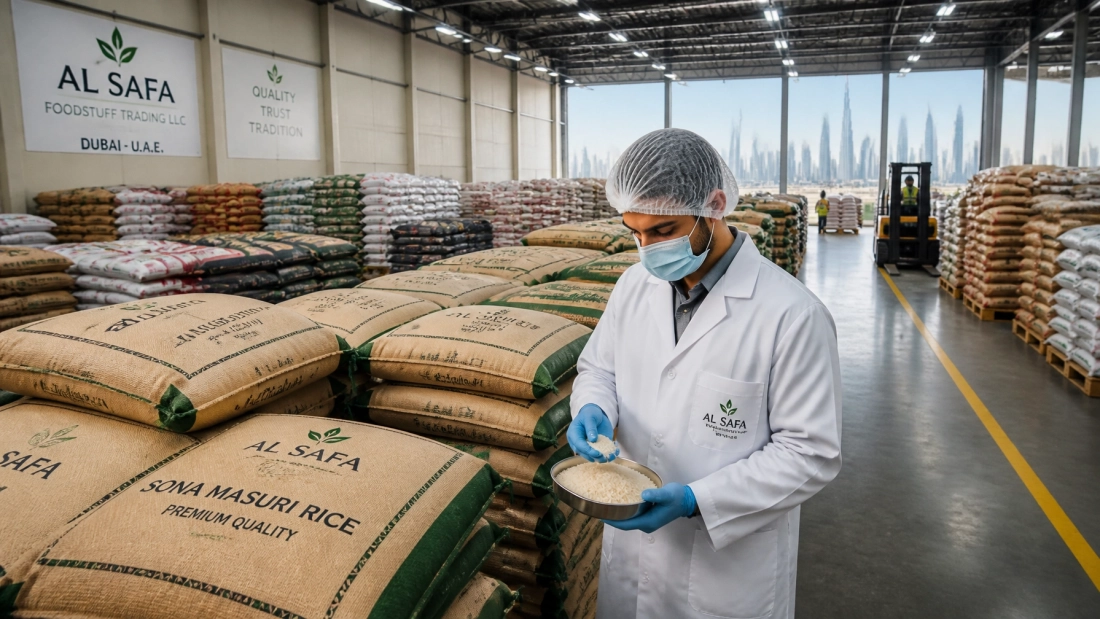
Quality control and hygienic handling in a modern UAE warehouse

The Mayil Global Advantage: The 3% Commission Model Explained

The traditional distribution model often leaves exporters vulnerable to high fees, delayed payments, and opaque pricing. Mayil Global addresses these "liquidity gaps" through our signature 3% commission distributor UAE model.

1. Transparent Pricing and Low Commission

Unlike traditional distributors who may take significant margins, Mayil Global operates on a flat 3% commission. This ensures that the bulk of the profit remains with the exporter, fostering a sustainable, long-term partnership.

2. Immediate Liquidity through Cash-and-Carry

One of the primary challenges for international exporters is the waiting period for payment. Mayil Global offers cash-and-carry container purchases, providing immediate liquidity for verified suppliers. This allows exporters to reinvest in their next harvest or shipment without the burden of long credit cycles.

3. Verified Buyer Status

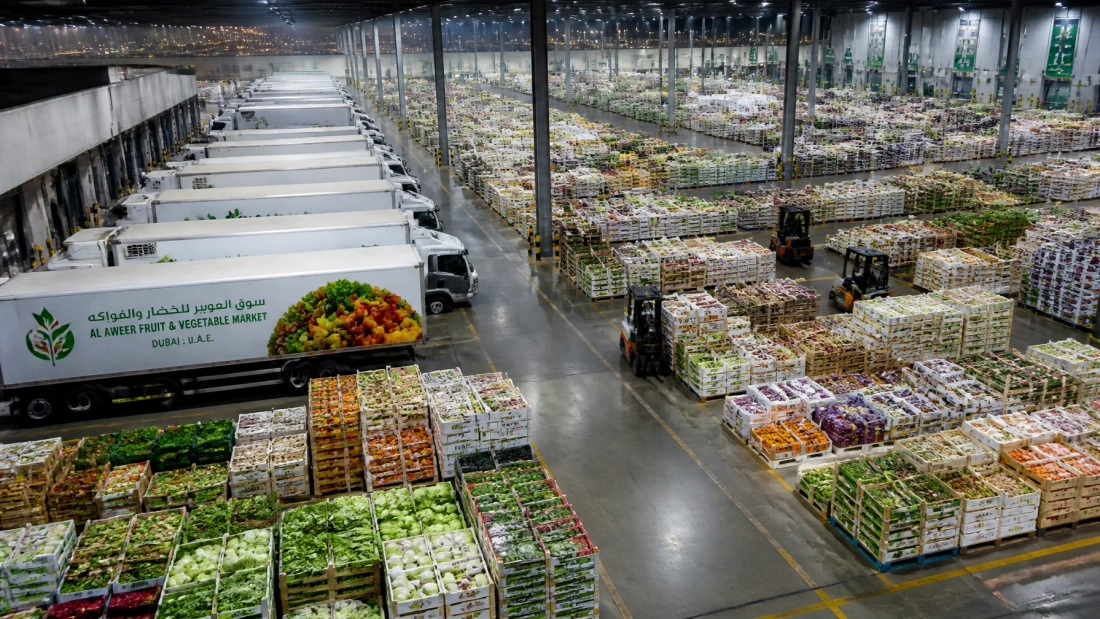
Exporters need to know their goods are in safe hands. As a verified buyer for exporters in the UAE, Mayil Global provides the security and reliability required for large-scale international trade. We manage the local complexities of the Al Aweer Market and wider distribution networks, ensuring your products reach the right B2B buyers.

Streamlining Sourcing and Logistics

Our operational excellence is built on strict quality control and organized logistics. For exporters of premium spices and herbs, the integrity of the product must be maintained from the farm to the final customer.

  • Farm-Direct Sourcing: We prioritize direct relationships with trusted farms and global suppliers.
  • Hygienic Handling: Our facilities follow international safety standards, ensuring that spices are stored and packaged in a way that preserves their aroma and potency.
  • Global Supply Network: With a steady supply chain across multiple countries, we provide a reliable outlet for exporters regardless of seasonal fluctuations.

Global logistics and container shipping for food exports

Targeting the UAE B2B Market: Supermarkets, Restaurants, and Wholesalers

The end-users of our premium spices and herbs are the UAE’s leading B2B entities. By positioning your products through Mayil Global, you gain access to:

  • Supermarkets and Retailers: High-demand outlets looking for consistent, high-quality spice blends and raw herbs.
  • Horeca Sector (Hotels, Restaurants, Cafes): Professional kitchens in Dubai require premium grade spices that meet strict safety certifications.
  • Wholesale Distributors: Local distributors who rely on our bulk supplies to feed the city's vast food ecosystem.

The demand for wholesale fruits and vegetables in Dubai is often mirrored by the demand for spices. A restaurant ordering fresh produce from Mayil Global often requires the corresponding spices to complete their inventory, creating a comprehensive supply solution for our local clients.

Building Strategic Partnerships Across Value Chains

Our mission is to foster a resilient supply chain that benefits both the producer and the buyer. The 3% commission model is not just a pricing strategy; it is a commitment to operational excellence.

As part of our ongoing Authority Series, we continue to educate our partners on the evolving market conditions in the UAE. Whether it is navigating the nuances of bulk rice supply or the complexities of the spice trade, Mayil Global stands as a beacon of stability.

Strategic business partnership in a Dubai corporate setting

Conclusion: Securing Your Position in the Dubai Market

The opportunity for spice and herb exporters in Dubai has never been more promising. With the UAE’s non-oil trade at record levels and strategic food corridors in place with countries like India and Egypt, the path to market is clear.

Mayil Global provides the final, essential piece of the puzzle: a reliable, low-cost, and efficient distribution partner. By leveraging our 3% commission model and cash-and-carry purchasing, exporters can secure their margins, eliminate liquidity risks, and focus on what they do best: producing world-class food products.

For more information on becoming a verified supplier or to learn more about our wholesale offerings, contact us today. Let us build a more efficient, transparent, and profitable food supply chain together.


About Mayil Global

Mayil Global is a premier wholesale supplier and distributor of fresh produce and premium food products in the UAE. Specialized in B2B supply to supermarkets, restaurants, and retailers, we prioritize farm-direct sourcing and rigorous quality control. Learn more about us and our commitment to the UAE food industry.

yJ-e3Eu3LK2

Verified Buyer & Exporter Authority Series: Cash & Carry vs. Traditional Credit : Why the 3% Commission Model is the Fastest Path to Liquidity for Dubai Food Exporters

In the high-stakes environment of the Dubai food trade, particularly within the Al Aweer Central Fruit and Vegetable Market, liquidity is the primary determinant of an exporter's longevity. For international suppliers, the traditional model of extending 30, 60, or even 90 days of credit to regional buyers has long been the industry standard. However, this legacy system often creates a structural bottleneck, tying up critical working capital and exposing exporters to unnecessary market volatility.

Mayil Global is redefining this paradigm. By prioritizing immediate liquidity through our 3% commission model and Cash & Carry wholesale system, we provide a robust financial framework that allows exporters to bypass the traditional credit trap. This article analyzes the mechanical differences between credit-based distribution and the Mayil Global liquidity model, demonstrating why the latter is the superior path for those seeking to scale their operations in the UAE.

The Liquidity Trap: Understanding the Cost of Traditional Credit

For many years, exporters entering the UAE market have operated on an "open account" or credit basis. While this lowers the barrier to entry for local distributors, it places the entire financial burden on the exporter.

1. Capital Stagnation

When an exporter ships a container of wholesale fruits and vegetables to Dubai, their capital is effectively "frozen" from the moment the goods leave the port of origin. If the buyer operates on a 60-day credit cycle, the exporter may not see a return on investment for nearly three months. This delay prevents the procurement of the next shipment, stalling the supply chain and limiting annual turnover.

2. Market Exposure and Price Erosion

Fresh produce is a perishable asset. In a credit model, the exporter remains exposed to price fluctuations in the Al Aweer market throughout the credit period. If the local market price for importing onions to Dubai drops significantly while the goods are in transit or storage, the exporter often bears the loss, while the distributor’s commission remains protected.

3. Counterparty Risk

Extended credit terms increase the risk of payment defaults or "price adjustments" after delivery. Without a verified buyer for exporters in the UAE, many suppliers find themselves negotiating from a position of weakness once the cargo has already been cleared and distributed.

Comparing Liquidity vs Credit Cycles

The Mayil Global Model: 3% Commission & Cash & Carry

Mayil Global operates as a specialized 3 percent commission distributor in the UAE, offering a transparent, performance-driven alternative to traditional credit cycles. Our model is built on two primary pillars designed to maximize exporter liquidity and minimize risk.

The 3% Commission Advantage

Unlike standard market agents who may charge 5% or more, often with hidden costs, Mayil Global operates on a flat 3% commission on gross sales.

  • Transparency: Exporters receive detailed sales reports. We act as a service provider, ensuring that you retain ownership and control over the pricing strategy until the final sale.
  • Incentive Alignment: Because our fee is a percentage of the final sale, we are incentivized to achieve the highest possible market price. This turns the distributor into a strategic partner rather than just a middleman.
  • Faster Settlement: Once the container is liquidated in the market, funds are settled according to a pre-agreed, expedited timeline, significantly faster than the 90-day industry average.

The Cash & Carry Wholesale System

For exporters requiring immediate cash flow, our wholesale food buyer Dubai services include a direct "Cash & Carry" purchase option.

  • Immediate Liquidity: Mayil Global purchases the container outright upon customs clearance.
  • Risk Transfer: Once the transaction is complete, Mayil Global assumes all market price risks. The exporter receives their funds immediately and can reinvest in their next shipment.
  • Simplified Operations: This model is ideal for high-volume commodities like bulk rice suppliers in Dubai or large-scale vegetable shipments where speed of turnover is more important than marginal price upside.

Real-World Comparison: Traditional Credit vs. Mayil Global

To illustrate the impact on your bottom line, consider the following data-driven comparison of a standard 40ft reefer container shipment.

Feature Traditional Credit (30-90 Days) Mayil Global 3% Commission Mayil Global Cash & Carry
Payment Timeline 30 – 90 Days post-delivery Expedited post-sale (7-14 days) Immediate (Upon Clearance)
Commission/Fee 5% – 10% (Often hidden) Fixed 3% N/A (Direct Purchase)
Market Risk Borne by Exporter Borne by Exporter (Full Upside) Borne by Mayil Global
Transparency Low (Minimal reporting) High (Daily Sales Reports) High (Fixed Purchase Price)
Capital Velocity 3 – 4 shipments per year 8 – 10 shipments per year 12+ shipments per year

Sourcing and Distribution: Who, What, and How

Maintaining a consistent supply chain requires more than just financial agility; it requires operational excellence. Mayil Global’s infrastructure is designed to support the entire lifecycle of the food export process.

Strategic Sourcing

We focus on farm-direct sourcing from trusted global suppliers. This ensures that the products: whether they are premium spices, farm-fresh eggs, or seasonal fruits: meet the stringent quality control standards of the UAE.

Logistics and Quality Control

Our logistics network ensures timely delivery and hygienic handling. Every stage, from the port of entry to the Al Aweer market facility, is managed with strict adherence to safety standards. This reliability is why we are considered a premier wholesale food buyer in Dubai.

Bulk Onion and Rice Inventory Management

Step-by-Step Guide: How to Export Food to Dubai via Mayil Global

For exporters looking to leverage our 3% commission or Cash & Carry models, follow these professional steps to ensure a seamless entry into the UAE market:

  1. Verification and Documentation: Ensure your company and products are registered. We assist in verifying that your documentation meets Dubai Municipality and FIRS requirements.
  2. Product Selection: Focus on high-demand items. We specialize in importing onions to Dubai and bulk rice distribution.
  3. Model Selection: Choose between the 3% Commission model (to capture market upside) or the Cash & Carry model (for immediate liquidity).
  4. Logistics Coordination: Ship your container to Jebel Ali Port. Mayil Global manages the clearing, forwarding, and transport to our organized logistics hubs.
  5. Market Execution: Our sales team executes the distribution in the Al Aweer market or directly to our B2B network of supermarkets and restaurants.
  6. Liquidation and Settlement: Receive transparent reporting and fast payment, allowing you to cycle your capital back into production immediately.

Establishing Trust through Operational Excellence

In the B2B sector, trust is built through consistent performance. Mayil Global’s commitment to being a verified buyer for exporters in the UAE is backed by our physical presence in the market and our transparent financial practices. We do not just facilitate trades; we build long-term relationships based on the "Who, What, and How" of stable business operations.

By reducing the commission to 3% and offering immediate cash-and-carry options, we empower exporters to take control of their financial destiny. No longer must you wait for 90 days to see the fruits of your labor.

Building Long-Term Export Partnerships in Dubai

Conclusion: Accelerate Your Growth in the UAE

The choice between traditional credit and the Mayil Global liquidity model is a choice between stagnation and growth. For exporters of wholesale fruits and vegetables in Dubai, the 3% commission model offers the perfect balance of market exposure and cost efficiency, while the Cash & Carry model provides the ultimate protection against market volatility and liquidity gaps.

As part of our Verified Buyer & Exporter Authority Series, we invite global suppliers to experience a more professional, corporate, and reliable approach to food distribution. Secure your margins, accelerate your cash flow, and build a sustainable export business with Mayil Global.

For more insights on maximizing your export profits, read our guide on The 3% Commission Strategy for Daily Liquidity or explore our wholesale vegetable distribution services.


rusFn2TjFus

Basmati and Jasmine Rice: Exporting Premium Long-Grain Varieties to Dubai with Mayil Global’s 3% Commission Model

The United Arab Emirates represents one of the most dynamic and high-volume markets for premium rice in the Middle East. As a critical hub for food security and international trade, Dubai serves as the primary entry point for high-demand varieties such as Basmati from India and Pakistan, and Jasmine rice from Thailand and Vietnam. For international exporters, the challenge often lies not in the quality of the product, but in navigating the complexities of the UAE supply chain, managing logistics at Jebel Ali Port, and securing fair distribution terms.

Mayil Global is redefining this landscape. By operating as a 3 percent commission distributor UAE, we provide a transparent, high-efficiency pathway for exporters to reach wholesale food buyer Dubai networks and major retailers. Our model prioritizes the exporter's margins while ensuring that the Dubai market receives a steady, reliable supply of premium long-grain varieties.

The Strategic Importance of Premium Rice in the UAE Market

Rice is a non-negotiable staple in the UAE, with a consumption profile that spans from daily household use to high-end hospitality and catering. The market demand is bifurcated between two primary premium categories:

1. Basmati Rice (The Fragrant Giant)

Sourced primarily from the fertile plains of India and Pakistan, Basmati is prized for its extra-long grains, distinct aroma, and fluffy texture after cooking. In Dubai, Basmati is the preferred choice for traditional Middle Eastern and South Asian cuisines. As leading bulk rice suppliers Dubai, we specialize in sourcing 1121 Sella, Pusa, and Traditional Basmati to meet the rigorous standards of UAE's culinary sector.

2. Jasmine Rice (The Silky Staple)

Hailing from Thailand and Vietnam, Jasmine rice is essential for the UAE’s extensive East Asian culinary scene and health-conscious consumer base. Its slightly sticky texture and floral fragrance make it a premium commodity in both the Aweer Market and high-end supermarket chains.

3. Specialty and Global Varieties

Beyond the long-grain staples, Mayil Global manages the distribution of specialty grains including:

  • Arborio Rice: Essential for the UAE’s sophisticated Italian dining sector.
  • Sushi Rice: Serving the rapidly growing Japanese culinary market.
  • Brown Rice: Meeting the increasing demand for whole-grain, health-focused options among urban professionals.

Quality inspection of premium Basmati and Jasmine rice grains

Understanding the 3% Commission Model: A Game-Changer for Exporters

For many international shippers, the traditional "buy-sell" model in the UAE can be opaque, often resulting in squeezed margins and delayed payments. Mayil Global addresses these "liquidity gaps" through our specialized 3% commission-based distribution model.

How the Model Benefits Exporters

  • Fixed Low Commission: We operate on a flat 3% commission, ensuring that the vast majority of the market value stays with the exporter.
  • Daily Liquidity: We facilitate immediate cash-and-carry container purchases, solving the cash flow issues often associated with international trade.
  • Transparent Pricing: Exporters gain direct visibility into the market prices in Dubai, allowing for better strategic planning.
  • Verified Buyer Status: Mayil Global acts as a verified buyer for exporters UAE, providing a secure and trusted partnership that mitigates the risk of non-payment.

This model is particularly effective for exporters who have established high-quality production lines but require a reliable partner to manage the "last mile" of distribution within the UAE.

How to Export Food to Dubai: Documentation and Compliance

Navigating the regulatory framework of the UAE is the most critical step for any successful rice export operation. When shipping to Jebel Ali Port, documentation must be precise to avoid costly delays or container detentions.

Essential Export Documents for Rice

To ensure a seamless transition from the port to the Aweer Market, exporters must provide the following:

  1. Bill of Lading (BL): The primary transport document issued by the shipping line.
  2. Commercial Invoice: Must clearly state the HS Code (typically 1006.30 for milled rice), unit price, and total value.
  3. Packing List: Detailing the net/gross weight and number of bags per container.
  4. Certificate of Origin (CoO): Stamped by the Chamber of Commerce in the country of origin.
  5. Phytosanitary Certificate: Mandatory for all grains to prove the shipment is free from pests.
  6. Fumigation Certificate: Required to confirm the rice has been treated according to international safety standards.
  7. Health Certificate: Confirming the product is fit for human consumption.
  8. Halal Certificate: While rice is naturally halal, many UAE retailers and supermarkets require this for branded retail packs.

By partnering with a specialized wholesale supplier, exporters can ensure their documentation is reviewed prior to shipment, minimizing risk at the Dubai Customs stage.

Cinematic view of Jebel Ali Port, the logistics hub of Dubai

Logistics Excellence: From Jebel Ali to Aweer Market

The journey of premium rice involves two major landmarks in Dubai’s trade infrastructure: Jebel Ali Port and the Aweer Central Fruit & Vegetable Market.

Jebel Ali Port: The Gateway

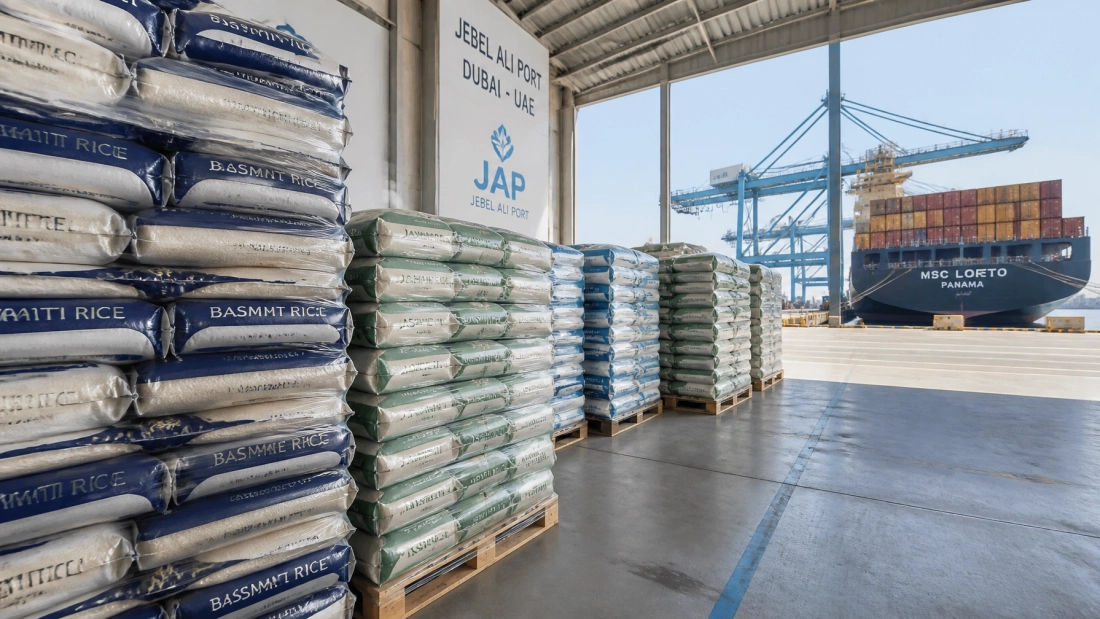
As one of the world's most advanced ports, Jebel Ali handles the bulk of the UAE's food imports. Mayil Global’s logistics team manages the clearing process, ensuring that containers are moved efficiently through customs and Dubai Municipality food control. Our proximity and deep understanding of port operations mean that we can handle high volumes of Basmati and Jasmine rice with minimal turnaround time.

Aweer Market: The Wholesale Hub

Once cleared, the rice is moved to our strategically located warehouses near the Aweer Market. This location is vital for distributing to local UAE B2B buyers. Aweer serves as the central nervous system for wholesale trade in Dubai, where restaurants, smaller distributors, and supermarkets source their bulk requirements.

Quality Control and Storage Standards

Rice is a sensitive commodity. Improper storage can lead to moisture gain, pest infestation, or the loss of the delicate aroma that defines premium Jasmine and Basmati varieties. Mayil Global employs strict quality control measures:

  • Climate-Controlled Storage: We maintain optimal humidity levels to preserve the integrity of the grain.
  • Hygienic Handling: Our facilities follow international food safety standards, ensuring that every bag of rice remains pristine from the time it leaves the container until it reaches the buyer.
  • Visual Inspection: Every shipment undergoes a secondary inspection upon arrival to verify grain length, purity, and the absence of broken kernels.

Wholesale trade office in Dubai with premium rice samples and export documents

Conclusion: Partnering for Profitability in the UAE

The Dubai rice market offers immense opportunities for exporters of premium long-grain varieties. However, success depends on choosing a partner who understands the nuances of the local market and prioritizes the exporter’s financial health.

Whether you are looking for bulk rice in Dubai or searching for a verified buyer for exporters UAE, Mayil Global provides the infrastructure, transparency, and the unique 3% commission model to ensure your business thrives. By streamlining the supply chain and focusing on operational excellence, we ensure that premium Basmati and Jasmine rice reach the tables of Dubai with unmatched efficiency.

Ready to export to the UAE? Contact Mayil Global today to learn how our 3% commission model can maximize your margins and secure your position in the Dubai wholesale market.

3bLHbXrzk15

Verified Buyer & Exporter Authority Series: Importing Onions and Fresh Produce to Dubai : A Step-by-Step Logistics Guide with Mayil Global’s 3% Commission Model

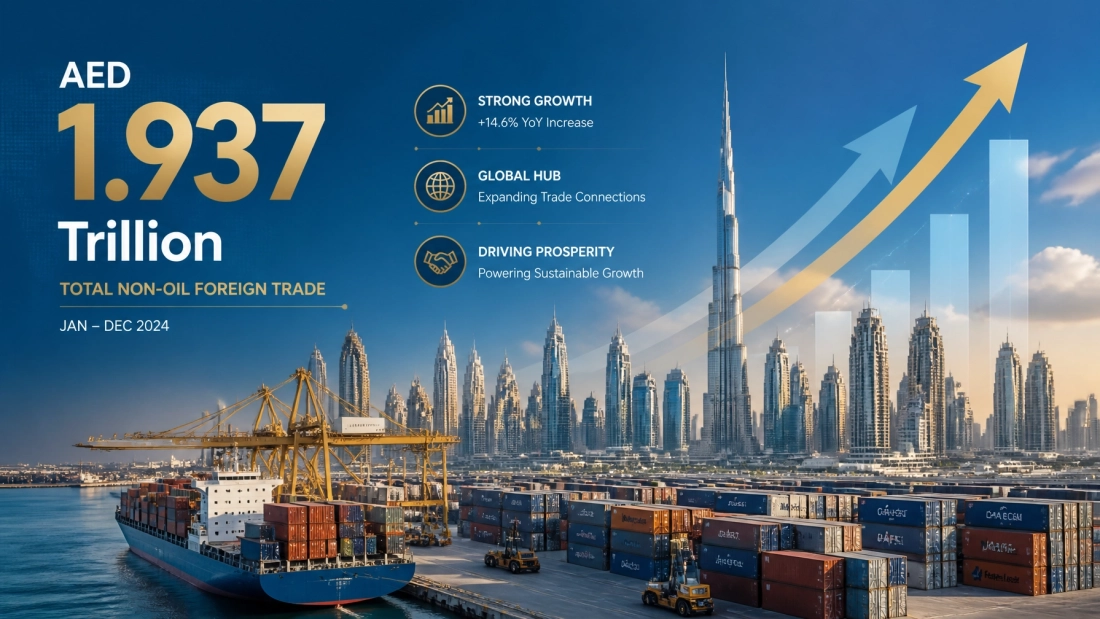
The UAE’s position as a global trade hub has reached unprecedented heights. In the first half of 2026, the UAE’s non-oil trade hit a staggering AED 1.937 trillion, underscoring the nation's critical role in international food security and logistics. For exporters looking at importing onions to Dubai or expanding into wholesale fruits and vegetables in Dubai, the market presents both significant opportunities and rigorous regulatory demands.

Success in this high-volume environment requires more than just high-quality produce; it demands a deep understanding of Dubai’s logistical framework and a reliable local partner. Mayil Global continues to lead this sector by providing a transparent, 3% commission-based distribution model that prioritizes exporter liquidity and operational efficiency.

The 2026 Market Context: Growth and Supply Dynamics

The landscape of food imports in the UAE is evolving rapidly. Recent trade milestones include India’s first successful exports of Areko cherries and Scentrose plums to the UAE, alongside specialized shipments of Ladakh apricots. Furthermore, the establishment of the UAE-Syria food security corridor has streamlined the movement of essential commodities across the region.

However, the market remains sensitive to supply fluctuations. Currently, the Al Aweer Fruit and Vegetable Market is experiencing notable trends:

  • Onion Supply Constraints: Tightening supply from traditional corridors has increased the demand for new, verified sources.
  • Pricing Trends: Fresh grapes are currently trading at approximately 21–24 AED per 5.5kg box, reflecting the high standards and competitive nature of the Al Aweer auction system.

For exporters, navigating these trends requires a partner who acts as a verified buyer for exporters in the UAE, ensuring that containers are moved quickly and at the best possible market rates.

Step 1: Navigating Documentation and Compliance

To successfully execute the process of how to export food to dubai, exporters must adhere to a strict multi-layered documentation process. Failure to comply with these digital and physical standards can result in costly delays or shipment rejections at the port.

1. MOCCAE and ZAD Registration

All food products must be registered in the National Food Accreditation and Registration System (ZAD), overseen by the Ministry of Climate Change & Environment (MOCCAE). This ensures all agricultural imports meet UAE health and safety standards.

2. The FIRS Platform

For shipments entering through Dubai ports, such as Jebel Ali, the Food Import & Re-export System (FIRS) is mandatory. The importer must file a Food Import Request for every consignment, detailing HS codes (e.g., HS 0703.10 for fresh onions).

3. Essential Certificates

Every container must be accompanied by:

  • Phytosanitary Certificate: Issued by the exporting country’s National Plant Protection Organization (NPPO).
  • Original Health Certificate: Attesting that the produce is fit for human consumption.
  • Certificate of Origin (COO): To verify the source and comply with customs regulations.
  • Bilingual Labeling: For retail-packed items, labels must be in both Arabic and English, listing the product name, country of origin, net weight, and shelf-life dates.

Premium quality onions and fresh vegetables in crates

Step 2: Al Aweer Market Logistics and Quality Control

Once the produce clears the port, the focus shifts to the Al Aweer Fruit and Vegetable Market. This is the central nervous system for wholesale fruits and vegetables in Dubai. Managing the transition from the container terminal to the auction floor requires precision.

Cold Chain Handling

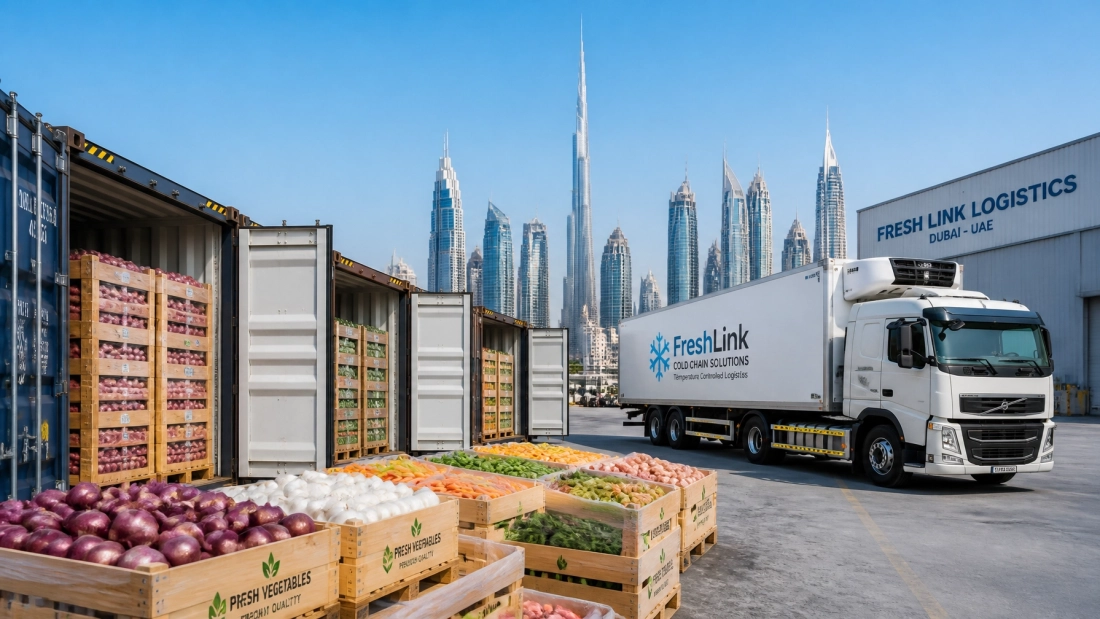
Maintaining the cold chain is non-negotiable. Produce like onions, while more resilient than leafy greens, still require temperature-controlled environments to prevent sprouting or rot during the transition. Mayil Global ensures that all logistics partners utilize refrigerated transport that meets strict hygiene standards.

Quality Inspection and Grading

At Al Aweer, quality dictates price. Upon arrival, consignments undergo a physical inspection. Inspectors look for:

  • Consistency: Uniform sizing and grading within the crates.
  • Integrity: Freedom from mechanical damage, pests, and moisture.
  • Compliance: Verification that the physical goods match the FIRS declaration and phytosanitary documents.

Quality control inspection of fresh produce in Dubai

Step 3: Mayil Global’s 3% Commission and Cash & Carry Model

Traditional distribution models often leave exporters waiting for weeks to realize their returns. Mayil Global has revolutionized this by offering two distinct paths for exporters:

1. The 3% Commission Distribution Model

We operate as your dedicated agent in the Al Aweer market. We handle the sales, logistics, and collections for a flat 3% commission. This model ensures that the exporter retains the majority of the profit while benefiting from our established network of buyers. You can learn more about how this 3 percent commission distributor UAE model functions.

2. Immediate Cash & Carry Purchases

For exporters who prioritize immediate liquidity, Mayil Global offers a Cash & Carry system. We purchase entire containers at a fair market price upon arrival and inspection. This Cash & Carry wholesale solution eliminates the risk of market price fluctuations for the exporter and provides instant cash flow for their next shipment.

Step-by-Step: From Farm-Gate to Al Aweer Sale

For a seamless export experience, follow this operational blueprint developed by Mayil Global:

  1. Sourcing and Grading: Source onions or fresh produce from trusted farms. Ensure they are graded and packed into clean, standardized crates suitable for international transit.
  2. Document Preparation: Secure the Phytosanitary Certificate, Health Certificate, and COO. Ensure your UAE importer (Mayil Global) has registered the product in ZAD and FIRS.
  3. Container Loading: Load the produce into a pre-cooled refrigerated container. Ensure the temperature and humidity settings are calibrated for the specific variety of produce.
  4. Dubai Arrival and Clearance: Upon arrival at Jebel Ali, Mayil Global manages the customs clearance and MOCCAE inspections.
  5. Market Placement: The container is transported to our facilities at the Al Aweer market. Depending on the agreed model, the produce is either sold via auction at the wholesale vegetables in Dubai hub or purchased directly by us.
  6. Liquidity Realization: Exporters receive their funds based on the 3% commission sales or the immediate Cash & Carry agreement.

Al Aweer Fruit and Vegetable Market auction floor

Conclusion: Partnering for Reliable Supply Chains

The Dubai market is rigorous but highly rewarding for exporters who prioritize quality and compliance. By leveraging Mayil Global’s infrastructure, you gain access to a verified buyer who understands the intricacies of importing onions to Dubai and the broader wholesale fruits and vegetables sector.

Our commitment to a transparent 3% commission and immediate cash-and-carry options provides the stability exporters need to scale their operations in the UAE. Whether you are shipping onions from India, cherries from the Levant, or vegetables from Europe, Mayil Global is your operational anchor in Dubai.

For inquiries regarding container-level distribution and verified buyer services, contact Mayil Global today to secure your position in the UAE's thriving food trade network.

P-e8A9k3F3q

UAE Export News: H1 2026 Trade Hits Record AED 1.937 Trillion – Al Aweer Market Update

The UAE’s economic landscape has reached a significant milestone in the first half of 2026. According to the latest UAE export news, non-oil foreign trade has surged to a record-breaking AED 1.937 trillion, representing a 13.1% increase compared to the same period in 2025. This robust growth underscores the UAE's position as a premier global trade hub and a pivotal gateway for food distribution across the Middle East.

For international exporters and local stakeholders, these figures are more than just statistics; they represent a fundamental shift in market capacity and regulatory sophistication. As the non-oil sector continues to diversify, the demand for high-quality food products, efficient logistics, and reliable distribution partners is at an all-time high.

H1 2026: A Landmark Period for UAE Non-Oil Trade

The H1 2026 data reveals a sophisticated trade ecosystem that is increasingly decoupled from oil price fluctuations. Non-oil exports alone reached an all-time high of AED 452.8 billion. This surge is driven by several key factors:

  • Commodity Leadership: Gold remains the leading non-oil commodity, reflecting the UAE's strength in precious metals refining and trade.
  • Strategic Global Status: The United States recently upgraded the UAE to Category A5 export control status, facilitating smoother trade transitions for advanced technologies and high-value goods.
  • Sector Diversification: Beyond metals and electronics, the food and beverage sector has shown resilient growth, contributing significantly to the overall trade volume.

For those looking into how to export food to dubai, this macroeconomic stability provides a secure environment for long-term investment and large-scale supply contracts.

Modern UAE Logistics and Supply Chain Operations

The Power of Comprehensive Economic Partnership Agreements (CEPAs)

The UAE’s aggressive pursuit of Comprehensive Economic Partnership Agreements (CEPAs) has paid dividends. In H1 2026, trade with CEPA partner nations jumped by an astounding 121%. These bilateral agreements have effectively lowered tariffs, eliminated trade barriers, and streamlined customs procedures, making the UAE a more attractive destination for global exporters.

These partnerships have directly benefited the food sector, specifically in the import of staples. For instance, importing onions dubai has become more efficient through reduced duties and faster clearance protocols for CEPA-aligned countries. This trade liberalization ensures that the UAE market remains well-supplied with essential produce while offering exporters better profit margins.

Al Aweer Market Updates: Navigating Daily Price Fluctuations

As the primary hub for fresh produce in the region, the Al Aweer market updates for July 2026 highlight a period of high activity and significant price volatility. Daily price trends in the market are influenced by global supply chain shifts, seasonal harvests in exporting nations, and local demand peaks.

Traders and exporters must recognize that the Al Aweer Market operates on real-time market intelligence. Prices for wholesale fruits and vegetables dubai can vary significantly between morning and evening sessions. To navigate this volatility, exporters require more than just a destination; they need a reliable distribution partner who understands the rhythm of the market.

Key Market Factors in July 2026:

  1. Seasonal Shifts: End-of-season transitions in the Southern Hemisphere are impacting the availability of certain citrus and stone fruits.
  2. Supply Chain Logistics: While trade volumes are up, organized logistics remain critical to preventing spoilage and ensuring that produce reaches the shelf within its prime window.
  3. Liquidity Demands: The fast-paced nature of Al Aweer requires immediate cash flow. Exporters often face "liquidity gaps" while waiting for containers to clear and sell.

Al Aweer Wholesale Fruit and Vegetable Market Activity

Navigating the 2026 Regulatory Landscape

The record trade figures come with increased regulatory oversight to ensure food safety and consumer protection. All food exporters and importers must align their operations with the latest UAE standards:

1. The ZAD Platform

Registration on the ZAD platform is now mandatory for all food imports. This unified national electronic system facilitates the registration of food products, ingredients, and the obtaining of import permits. Failure to maintain an updated ZAD profile can lead to significant delays at the port of entry.

2. Arabic Labeling Requirements

Arabic labeling is a non-negotiable requirement for all pre-packed food products. In 2026, authorities have intensified inspections to ensure that labels include mandatory information in Arabic, including product names, ingredients, allergen warnings, and country of origin.

3. Federal Law No. 6 of 2025 on Veterinary Quarantine

This law governs all animal-origin consignments. It mandates strict veterinary inspection, health certificates, and quarantine procedures for products like eggs and dairy. As a wholesale supplier of farm fresh eggs, we ensure that every shipment adheres to these rigorous safety standards.

4. Minimum Shelf-Life Requirements

The UAE has strict guidelines regarding the remaining shelf-life of food products upon arrival. Exporters must ensure that their logistics timeline accounts for shipping duration to meet these local municipality standards.

UAE Food Import Compliance and ZAD Registration

Mayil Global: Your Strategic Partner in the UAE

At Mayil Global, we understand the complexities of the UAE trade environment. We have positioned ourselves as a verified buyer for exporters uae, providing a bridge between global producers and the lucrative Al Aweer Market.

The 3% Commission Distributor Model

Our primary USP for international exporters is our 3 percent commission distributor uae model. Unlike traditional distributors who may take significant margins, our transparent 3% commission structure ensures that the exporter retains the lion's share of the profits.

Why exporters choose Mayil Global:

  • Daily Liquidity: We solve the problem of cash flow by offering immediate cash-and-carry options for container-load purchases. This allows exporters to reinvest their capital quickly without waiting for retail cycles.
  • Al Aweer Market Access: We provide direct access to the Al Aweer Market buyer network, ensuring your products are seen by the right B2B customers, including supermarkets and large-scale caterers.
  • Comprehensive Logistics: Our expertise in wholesale vegetables in Dubai ensures that your produce is handled with strict quality control from farm to market.

Whether you are exporting onions to Dubai or looking to supply premium rice and spices, our model is designed to maximize your efficiency and profitability. You can learn more about our operational excellence in our guide on the 3% commission strategy for daily liquidity.

Wholesale Quality Rice and Onions for UAE Export

Conclusion

The H1 2026 trade data confirms that the UAE is entering a golden era of non-oil trade. With AED 1.937 trillion in trade volume and a 121% boost from CEPAs, the opportunities for food exporters are vast. However, success in this market requires more than just high-quality produce; it requires regulatory compliance, market intelligence, and a distribution partner that prioritizes your liquidity.

As a leading 3 percent commission distributor in the UAE, Mayil Global is ready to help you navigate the Al Aweer Market and beyond. We are currently seeking reliable exporters for long-term partnerships.

Are you ready to scale your exports in the UAE?
Contact Mayil Global today to discuss how our commission-based distribution and cash-and-carry models can grow your business.

Contact Mayil Global Now

95bM1AT6KjI

Exporting Organic Rice, Millets, and Ancient Grains to Dubai: How Mayil Global’s 3% Commission Model Opens Doors to Premium Wholesale Buyers

The United Arab Emirates, and Dubai specifically, is witnessing a significant shift in consumer dietary preferences. As health consciousness rises, the demand for organic rice, nutrient-dense millets, and ancient grains has transitioned from a niche market to a mainstream requirement. For international exporters and local producers, this shift presents a substantial opportunity. However, navigating the complexities of the UAE supply chain and finding a verified buyer for exporters uae requires a strategic partnership that prioritizes transparency and operational efficiency.

Mayil Global operates as a premier wholesale food buyer dubai, bridging the gap between global producers and the local B2B market. By utilizing a specialized 3% commission-based distribution model, we provide a streamlined pathway for exporters to enter the Dubai market with minimal risk and maximum market penetration.

The Growing Demand for Organic Grains in the UAE

The Dubai food sector is characterized by its reliance on high-quality imports. Recent market data indicates an increasing preference for organic varieties such as brown rice, red rice, and black rice, alongside ancient grains like quinoa, amaranth, and buckwheat. This trend is driven by a diverse expatriate population and a growing local focus on wellness and preventive health.

For those considering how to export food to dubai, understanding this demand is the first step. The market is no longer satisfied with standard commodities; there is a distinct move toward "superfoods." This includes various millets: specifically foxtail, pearl, and finger millet: which are valued for their high fiber content and gluten-free properties. As a leading wholesale food buyer dubai, Mayil Global identifies and secures these premium products to meet the rigorous standards of supermarkets and high-end restaurants across the Emirates.

Organic red and black rice grains for wholesale distribution

Navigating the Regulatory Landscape: How to Export Food to Dubai

Exporting organic grains to the UAE involves a structured regulatory process managed primarily by the Dubai Municipality and the Ministry of Climate Change and Environment (MOCCAE). Success in this market is predicated on strict adherence to these standards.

1. Product Registration and Labeling

Every food item must be registered through the Food Import and Re-export System (FIRS) or the ZAD portal. A critical requirement is bilingual labeling; all packaging must feature both Arabic and English text. Information such as the product name, country of origin, production and expiry dates, and net weight must be clearly visible.

2. Certification for Organic Claims

If a product is marketed as "organic," it must carry a valid organic certificate from a recognized competent authority in the country of origin. Without this documentation, products cannot be sold under the organic label in the UAE.

3. Essential Documentation

To ensure a smooth clearance process at Jebel Ali Port or other points of entry, exporters must provide:

  • Commercial Invoice and Packing List
  • Original Health Certificate issued by the government authority in the exporting country.
  • Phytosanitary Certificate confirming the grains are free from pests.
  • Fumigation Certificate for bulk shipments.
  • Certificate of Origin.

Mayil Global acts as the verified buyer of organic rice and millets, assisting partners in ensuring all documentation meets local requirements before the shipment departs, thus avoiding costly delays or re-exports.

The Mayil Global 3% Commission Model: A New Standard for Exporters

One of the primary challenges for exporters is the uncertainty of price and the complexity of local distribution. Mayil Global addresses this through our 3 percent commission distributor uae model.

How the Model Works

Unlike traditional trading houses that may take large margins, our model is built on transparency. We charge a flat 3% commission for handling the distribution of your cargo. This ensures that the exporter retains the majority of the market value while benefiting from our established logistics network and buyer relationships.

Immediate Cash-and-Carry Options

For exporters who prefer immediate liquidity, we offer a cash-and-carry model for full container loads. As a verified buyer of ancient grains, we are positioned to purchase high-quality containers directly, providing exporters with immediate payment and a guaranteed exit strategy for their stock.

Modern hygienic warehouse for grain storage and distribution

Product Spotlight: Premium Grains and Millets

Our sourcing strategy focuses on products that offer both nutritional value and market longevity. We are currently a verified buyer of the following varieties:

Organic Rice Varieties

  • Brown Rice: Retaining the bran and germ layers, this is the preferred choice for health-conscious consumers.
  • Red Rice: Valued for its antioxidant properties and nutty flavor.
  • Black Rice (Forbidden Rice): A premium variety increasingly sought after by high-end culinary establishments.

Nutrient-Dense Millets

  • Foxtail Millet: Known for its low glycemic index.
  • Pearl Millet (Bajra): A staple that is gaining traction in organic food aisles.
  • Finger Millet (Ragi): Highly valued for its calcium content.

Ancient Grains

  • Quinoa: We source white, red, and black quinoa for the growing health food sector.
  • Amaranth and Buckwheat: Essential grains for gluten-free and vegan-friendly product lines.

Strategic Benefits for Dubai-Based Wholesale Buyers

While we provide a platform for exporters, Mayil Global is equally committed to our local partners. As one of the most reliable bulk rice suppliers dubai, we offer several advantages to supermarkets, restaurants, and retailers:

  • Farm-Direct Sourcing: By eliminating unnecessary intermediaries, we provide fresher products and more competitive pricing.
  • Strict Quality Control: Every batch undergoes inspection at multiple stages, from the farm to our Dubai warehouse.
  • Hygienic Handling: Our facilities follow international safety standards, ensuring that grains are stored and handled in a climate-controlled, sterile environment.
  • Reliable Supply Chain: Our global network ensures a steady supply of seasonal and year-round grains, mitigating the risk of inventory shortages.

Artistic arrangement of various millets and ancient grains

Operational Excellence in Logistics and Distribution

Efficiency in the supply chain is a non-negotiable pillar of our business. Our logistics framework is designed to handle the delicate nature of organic products, ensuring they reach their destination in optimal condition.

We manage the entire sourcing and logistics process, providing real-time updates and transparent reporting to our partners. This level of operational clarity is what defines Mayil Global as a leading 3 percent commission distributor uae. Our ability to move large volumes quickly through Jebel Ali Port and into the local market is a key differentiator for exporters who need a dependable partner.

Efficient logistics and container distribution at Dubai port

Partnering with a Verified Buyer for Exporters UAE

For global exporters, the choice of a partner in Dubai determines the success of their market entry. Mayil Global is not just a distributor; we are a strategic ally. By positioning ourselves as the verified buyer of organic grains and millets, we take on the responsibility of quality assurance and market placement.

Our 3% commission model is designed to foster long-term relationships based on mutual growth. We invite exporters of premium rice, millets, and ancient grains to leverage our infrastructure and expertise. Whether you are looking to move a single container or establish a consistent monthly supply, our team is equipped to manage the complexities of the UAE market on your behalf.

Conclusion: Securing Your Position in the Dubai Market

The demand for organic and ancient grains in the UAE is a permanent shift in the food landscape. To capitalize on this, exporters need a partner that offers more than just a warehouse: they need a partner that offers a competitive advantage.

Mayil Global’s commitment to quality, combined with our innovative 3 percent commission distributor uae model, makes us the preferred choice for those seeking a wholesale food buyer dubai. We invite you to contact our team today to discuss how we can facilitate your export operations and connect your premium products with the UAE’s leading retailers and consumers.

Today's UAE Export News Highlights

Daily export developments continue to shape sourcing, pricing, and distribution decisions across the UAE food supply chain. The following updates are especially relevant for exporters, importers, and wholesale buyers monitoring market access, logistics, and category expansion opportunities.

  1. UAE non-oil trade reached a new H1 2026 record: Announced on July 19, the UAE reported non-oil foreign trade of AED 1.937 trillion in the first half of 2026, while non-oil exports surged 23.9% to AED 452.8 billion. This reinforces the UAE's position as a high-growth trade hub and signals stronger throughput across customs, distribution, and wholesale channels.
  2. Paraguay secured poultry export access to the UAE: Following bilateral trade discussions, Paraguay received authorization to export poultry meat to the UAE. For regional buyers, this expands sourcing optionality and supports supply diversification in the poultry category.
  3. UAE advanced a new food security route with Syria: A new agreement focused on food security and direct fruit and vegetable imports is expected to support a dedicated logistics corridor. This may improve inbound produce availability and create shorter regional supply pathways for selected categories.
  4. Ladakh shipped its first fresh apricot consignment to Dubai: Under an agreement with the Lulu Group, Ladakh completed its first fresh apricot export to Dubai. This highlights continued growth in direct origin-to-UAE produce programs and increasing retailer interest in differentiated seasonal fruit lines.
  5. Seara expanded poultry infrastructure in Ras Al Khaimah: JBS subsidiary Seara opened a poultry processing hub in Ras Al Khaimah, strengthening local processing and distribution capabilities. This is relevant for foodservice and retail buyers seeking broader poultry supply support inside the UAE.

Regulatory Update: New Compliance Standards for 2026

The UAE regulatory environment for food imports has undergone significant updates to ensure the highest levels of safety and transparency. All food importers and exporters must now adhere to the following mandatory requirements:

  1. ZAD Platform Registration: All food imports must be registered through the ZAD platform. This integrated system streamlines the tracking and approval of food shipments, ensuring that all data is centralized for regulatory oversight.
  2. Nutri-Mark Grading: Mandatory front-of-pack Nutri-Mark grading is now in effect. This system categorizes food products based on their nutritional profile, providing clear information to consumers and requiring exporters to provide detailed nutritional data.
  3. Labeling and Certification: Arabic labeling remains a strict requirement for all retail-ready packaging. Furthermore, all shipments must be accompanied by valid Health Certificates and Halal Certificates (where applicable), issued by recognized international bodies.

Exporters who fail to comply with these digital and physical labeling requirements face significant delays at the port of entry. At Mayil Global, we provide our partners with comprehensive guidance on meeting these standards, ensuring that every container we manage meets the latest UAE federal requirements.

Al Aweer Market: Daily Price Trends & Trading Insights

Al Aweer market activity in mid-July 2026 continues to reflect normal wholesale produce price volatility driven by shipment timing, heat-sensitive handling requirements, and uneven daily arrivals across major fruit and vegetable lines. For exporters supplying the UAE, pricing remains highly responsive to freshness, grading consistency, carton presentation, and same-day unloading conditions.

Seasonal supply fluctuations are especially visible in onions, tomatoes, leafy vegetables, mangoes, citrus, and stone fruit. When multiple containers land within a short trading window, wholesale rates tend to soften quickly. When arrivals are delayed or quality issues reduce usable sellable volume, prices can firm within hours. This pattern is typical in a fast-moving cash market where buyers compare origin, shelf life, and handling quality before committing to volume.

Typical trading patterns at Al Aweer remain important for exporters planning dispatch schedules:

  1. Early-morning price discovery: Rates are usually set by visible arrivals, stock freshness, and immediate retailer demand.
  2. Mid-session negotiation: Traders adjust based on actual movement, repeat buyer interest, and competing origin supply.
  3. Quality-led differentiation: Better color, sizing, packing discipline, and lower damage levels command stronger rates even in softer markets.
  4. Fast reaction to oversupply: Heavy arrivals in a single category can compress margins quickly, making timing critical.
  5. Exporter advantage through local intelligence: Suppliers with daily market visibility are better positioned to manage container release timing, defend pricing, and maintain turnover.

For exporters, the key lesson is operational rather than speculative: dependable margins in Dubai wholesale depend on disciplined sourcing, correct shipment timing, and local distribution execution. This is where a responsive UAE partner, daily market intelligence, and a transparent 3% commission distributor UAE model become commercially important.

Mayil Global: Your Verified Partner in the UAE Market

In an era of record-breaking trade and evolving regulations, having a dependable partner on the ground is essential. Mayil Global is more than just a distributor; we are a strategic ally for international exporters looking to secure a foothold in the UAE.

The 3% Commission Model

Our primary USP is our 3% commission distributor UAE model. Unlike traditional distributors who may take high margins that erode your profits, we work on a transparent, volume-based commission. This allows you, the exporter, to benefit directly from market price increases while maintaining a low, predictable cost for distribution. We offer:

  • Immediate Cash-and-Carry: For container-sized shipments, we offer immediate cash-and-carry options, providing the liquidity necessary for your ongoing operations.
  • Market Intelligence: We provide daily updates from the Al Aweer market, allowing you to make informed decisions on timing and volume.
  • Reliability: As a verified buyer for exporters UAE, we have a proven track record of handling high-value consignments with integrity.

Whether you are looking to export onions to Dubai or supply wholesale vegetables, Mayil Global provides the infrastructure, the network, and the transparent business model to ensure your success.

Conclusion

The UAE food trade sector in July 2026 is characterized by unprecedented growth and tightening standards. By leveraging new trade corridors, complying with digital platforms like ZAD, and partnering with a transparent distributor, exporters can maximize their margins in this competitive market.

For more information on how to join our distribution network or to receive our daily market updates, visit our services page.


p0tc6CZzMiH

Verified Buyer & Exporter Authority Series: Mastering Al Aweer Market Pricing with Mayil Global’s 3% Commission Model

Navigating the complexities of the Middle Eastern food trade requires more than just high-quality produce; it demands an intricate understanding of the region's price-settling hubs. As of July 2026, the Al Aweer Fruit and Vegetable Market remains the central nervous system for food distribution in the UAE and the broader GCC. For international exporters, the challenge has shifted from simply moving volume to optimizing the timing and pricing of those volumes.

At Mayil Global, we facilitate this optimization through a transparent 3% commission-based distribution model. This framework is designed to align the interests of the exporter with the real-time fluctuations of the Al Aweer market, ensuring that the primary producer captures the maximum possible upside. This second installment of our 'Verified Buyer & Exporter Authority Series' examines the current 2026 market dynamics and the operational strategies required to master them.

Al Aweer Market Pricing Dynamics: The 2026 Landscape

The Al Aweer market serves as the primary price-discovery mechanism for wholesale fruits and vegetables in Dubai. In the third quarter of 2026, we are observing a "plateau phase" in pricing. Following a period of high volatility in earlier months, the market is currently characterized by a significant abundance of products, leading to a general softening of prices across several categories.

The Shift to Market Plateau: Why Now is Strategic

For exporters wondering how to export food to Dubai effectively, understanding the "plateau" is critical. While prices have flattened, the volume of consumption remains high due to a robust hospitality sector and a growing population. This stability favors high-volume staples: specifically onions, potatoes, and citrus fruits.

Operating in a plateau market requires a shift in strategy. Rather than seeking speculative price spikes, exporters should focus on consistent supply chains that leverage high throughput. The abundance of supply means that buyers are more selective, placing a heavy premium on quality and regulatory compliance.

The Quality Premium: Grade 1 vs. Grade 2 Arrivals

A defining trend in 2026 is the widening price gap based on produce grading. Currently, Class 1 produce commands a 20–30% price premium over Class 2 arrivals. This is a significant increase from previous years and reflects a market that is maturing in its demand for aesthetic and nutritional excellence.

Exporters utilizing Mayil Global’s network are advised to prioritize Grade 1 shipments. In a well-supplied market, lower-grade produce often faces steep price cuts to ensure liquidation, whereas premium stock maintains its value due to demand from high-end retail and luxury hospitality segments.

Premium red and yellow onions stacked for wholesale distribution

The 3% Commission Strategy vs. Fixed-Price Buying

Traditional procurement often involves fixed-price contracts, where a middleman buys the produce at a set rate, insulating the exporter from market drops but also cutting them off from potential surges. Mayil Global’s 3% commission model operates on a fundamentally different principle: transparency.

Capturing Market Upside

When importing onions to Dubai or shipping large volumes of seasonal fruit, market prices can fluctuate daily based on arrival volumes at Al Aweer. Under our 3% commission framework, Mayil Global acts as your distribution partner. We sell your produce at the highest possible market rate and charge a flat 3% service fee.

This model ensures that if the market price for red onions increases by 15% due to a sudden regional shortage, that 15% gain belongs to the exporter, not the distributor. This 3% commission strategy is particularly effective during the current 2026 trend where premium grades are resisting the general price softening.

Immediate Liquidity via Cash & Carry

Liquidity is the lifeblood of the export business. One of the primary barriers to entry in the Dubai market has historically been the long credit cycles required by retailers. Mayil Global solves this through our Cash & Carry wholesale model. By maintaining a constant flow of verified B2B buyers: including supermarkets and large-scale caterers: we facilitate immediate transactions.

For exporters, this means faster capital rotation. Instead of waiting 30 to 60 days for payment, our system focuses on moving containers directly into the market with immediate cash settlement, allowing you to reinvest in your next shipment without delay.

Corporate infographic representing the 3% commission and profit margins

Operational Excellence: Importing Onions to Dubai in 2026

Onions remain one of the most traded commodities at Al Aweer. However, importing onions to Dubai in 2026 requires strict adherence to updated safety and administrative protocols. Failure to comply with these can result in shipments being downgraded or rejected entirely at the border.

Regulatory Compliance: MRLs and ZAD Registration

In early 2026, the UAE Ministry of Climate Change and Environment updated the Maximum Residue Limit (MRL) protocols. Shipments are now scrutinized under a "compliance by composition" approach. This means that lab reports must be impeccable, and residue levels for pesticides must strictly meet the new 2026 standards.

Furthermore, all products must be registered through the ZAD or Dubai Municipality portals. This registration is not a one-time formality but a continuous requirement that includes:

  1. Label Assessment: Ensuring all labels meet UAE/GCC specifications.
  2. Arabic Translation: Mandatory inclusion of Arabic text for all mandatory product information.
  3. Ingredient Disclosure: Full transparency of additives or treatments used during post-harvest.

Logistics and Labeling Requirements

Efficiency in the Al Aweer market is often determined by the speed of customs clearance. We recommend that exporters secure label approval well before the container leaves the port of origin. At Mayil Global, we provide our partners with a comprehensive guide to rice, pulses, and vegetables that details these labeling requirements to prevent costly demurrage charges.

Connecting to Verified Buyers: The Mayil Advantage

The strength of your export strategy is only as good as the reliability of your buyers. Mayil Global bridges the gap between international exporters and a vetted network of wholesale fruits and vegetables Dubai buyers.

Our role as a verified buyer and distributor involves:

  • Inspection at Every Stage: We conduct rigorous quality control upon arrival to ensure produce matches the declared grade.
  • Organized Logistics: Utilizing our fleet of temperature-controlled vehicles to maintain the cold chain from Al Aweer to the final retail destination.
  • Global Supply Network: Leveraging our presence across multiple countries to provide our UAE-based buyers with a steady, year-round supply.

By positioning yourself within Mayil Global’s 3% commission ecosystem, you are not just selling a commodity; you are participating in a sophisticated supply chain designed for the modern B2B landscape. Whether you are exporting premium basmati rice or bulk onions, our model provides the stability and transparency needed to scale.

Cargo ship entering Dubai port representing global food trade and exports

Conclusion: Securing Your Position in the 2026 Market

Mastering the Al Aweer market in 2026 requires a balance of high-quality produce, regulatory precision, and a pricing strategy that favors the exporter. The 3% commission model offered by Mayil Global represents the most equitable way to engage with the Dubai wholesale market, providing the tools for immediate liquidity and market-driven returns.

As we continue this series, our focus remains on providing actionable intelligence for global exporters. For those ready to enter the UAE market or optimize their existing operations, the path to success lies in professional partnership and operational excellence.

For inquiries regarding container-level distribution or to learn more about our 3% commission framework, visit Mayil Global or contact our logistics team today.

yuZSAwIzY9X

Sona Masuri, Parboiled Rice, and Pigeon Peas: Tapping into Dubai’s South Asian Wholesale Market with Mayil Global’s 3% Commission Model

The United Arab Emirates, and Dubai in particular, serves as a global crossroad for the food trade. For exporters of South Asian staples, the region represents more than just a destination; it is a high-volume, consistent market driven by a massive expatriate population and a booming hospitality sector. Among the most critical commodities in this trade are Sona Masuri rice, various parboiled rice varieties like Matta rice, and Pigeon Peas (Toor Dal).

Navigating the complexities of the UAE’s wholesale landscape requires more than just high-quality products. It demands a reliable local partner capable of managing the intricacies of the supply chain while offering transparent, lucrative financial models. As leading bulk rice suppliers in Dubai, Mayil Global provides a specialized gateway for international exporters through our innovative 3% commission distribution model and professional cash-and-carry infrastructure.

Understanding the Demand: Why Sona Masuri and Parboiled Rice Dominate

The South Asian diaspora, comprising a significant portion of the UAE's workforce and resident population, has a non-negotiable demand for specific rice varieties. Unlike generic long-grain rice, varieties like Sona Masuri and Matta rice are culturally and culinarily essential.

Sona Masuri: The Everyday Premium Staple

Sona Masuri is a lightweight, aromatic, medium-grain rice primarily grown in the Indian states of Andhra Pradesh, Telangana, and Karnataka. In the UAE, it is the preferred choice for daily household consumption and Indian restaurants due to its easy digestibility and low starch content.

Wholesale demand for Sona Masuri in Dubai remains inelastic. Supermarkets and institutional caterers require steady, high-volume shipments to satisfy the daily needs of millions of residents. At Mayil Global, we facilitate the movement of Sona Masuri from mill-direct sources to the shelves of major retailers, ensuring that the grain’s delicate aroma and texture are preserved through temperature-controlled storage and hygienic handling.

Parboiled and Matta Rice: Catering to Regional Preferences

Beyond Sona Masuri, the demand for parboiled rice varieties: particularly Kerala Matta (Palakkadan Matta): is substantial. These grains undergo a partial boiling process in the husk, which helps retain essential nutrients and results in a distinct, robust flavor profile.

For wholesale food buyers in Dubai, sourcing consistent quality Matta rice is often a challenge due to varying harvest cycles and processing standards. Mayil Global bridges this gap by implementing strict quality control protocols at the source, ensuring that every container meets the stringent safety standards of the UAE Ministry of Climate Change and Environment (MOCCAE).

Premium Sona Masuri and Matta rice grains displayed in professional ceramic bowls

Pigeon Peas (Toor Dal): The Backbone of Institutional Catering

While rice is the foundation, pulses are the essential protein source for the South Asian community. Pigeon Peas, commonly known as Toor Dal, are the most widely consumed pulse in the UAE. From small cafeterias to massive industrial kitchens that provide catering for thousands of workers, Toor Dal is a daily requirement.

Stability in a Volatile Market

The global market for Pigeon Peas can be volatile, influenced by crop yields in India and East Africa. However, the Dubai market requires stability. As a 3 percent commission distributor in the UAE, Mayil Global offers exporters a way to maintain a consistent market presence. We focus on securing high-grade, polished, and unpolished Pigeon Peas that meet the specific grading requirements of UAE retailers.

Our sourcing strategy emphasizes:

  • Uniformity: Consistent grain size and color to ensure even cooking.
  • Purity: 99.9% purity levels with minimal foreign matter or broken grains.
  • Packaging: Multi-layered, moisture-resistant packaging (25kg and 50kg sacks) suitable for long-term storage in the Gulf climate.

Yellow Pigeon Peas overflowing from a professional burlap sack in a warehouse

The Mayil Global Advantage: The 3% Commission Model

For international exporters, the traditional trading model often involves high risks, hidden costs, and delayed payments. Mayil Global has revolutionized this process by introducing a transparent 3 percent commission distributor model in the UAE.

How the Model Works for Exporters

  1. Direct Sourcing & Shipping: Exporters ship their premium Sona Masuri, Matta rice, or Pigeon Peas directly to our facilities in Dubai.
  2. Market-Linked Sales: We utilize our extensive network of supermarkets, restaurants, and wholesale distributors to sell the goods at the best possible market rates.
  3. Fixed Commission: Mayil Global takes a flat 3% commission on the sale value.
  4. Immediate Liquidity: We prioritize cash-and-carry transactions, ensuring that exporters receive their funds quickly, facilitating better cash flow for their next harvest or shipment.

This model is designed to attract high-volume exporters who want to maximize their margins while leveraging our local expertise and logistical infrastructure. By acting as a verified buyer for exporters in the UAE, we eliminate the uncertainty typically associated with international trade.

Operational Excellence: Ensuring Quality from Farm to Market

In the food distribution industry, reliability is built on rigorous operational standards. Mayil Global does not merely move goods; we manage a comprehensive quality-assured supply chain.

Strict Quality Control

Every shipment of rice and pulses undergoes a multi-stage inspection. Our team checks for moisture content, grain length, and the presence of any contaminants. For Sona Masuri and Matta rice, ensuring the grains are aged correctly is vital for the desired cooking results that Dubai’s chefs demand.

Organized Logistics and Storage

Operating out of Dubai allows us to utilize world-class infrastructure. Our logistics network ensures that products move swiftly from the port to our organized warehouses and finally to the client.

  • Hygienic Handling: Our facilities follow international food safety standards, preventing cross-contamination and pest infestation.
  • Timely Delivery: With a fleet of modern delivery vehicles, we guarantee that our B2B clients never face stockouts of essential staples.

Modern delivery truck driving with the Dubai skyline in the background

Positioning for Success in the UAE B2B Sector

The UAE food market is highly competitive, yet it offers immense rewards for those who prioritize quality and operational transparency. Mayil Global is positioned as a premier wholesale food buyer in Dubai, serving a diverse clientele including:

  • Supermarket Chains: Requiring consistent, branded or private-label Sona Masuri and pulses.
  • Hospitality Groups: Demanding premium-grade rice for high-end dining and traditional South Asian cuisine.
  • Institutional Caterers: Needing bulk, cost-effective, and high-quality staples for labor housing and corporate canteens.

By partnering with us, exporters gain immediate access to these segments without the need to build their own local sales and logistics teams. Our deep understanding of local procurement patterns allows us to advise our partners on the best times to ship and the specific varieties currently in peak demand.

Business handshake in a Dubai office representing a trade partnership

Conclusion: Build Your Export Future with Mayil Global

The demand for Sona Masuri, parboiled rice, and Pigeon Peas in Dubai is a constant that shows no signs of slowing. As the UAE population grows and the food sector matures, the need for professional, reliable, and transparent distribution becomes even more critical.

Mayil Global is more than a distributor; we are a strategic partner dedicated to your growth. Whether you are an international exporter looking to penetrate the Dubai market with our 3% commission framework or a local business seeking the most reliable bulk rice suppliers in Dubai, we have the infrastructure and expertise to deliver.

Sourcing. Distributing. Delivering Excellence.

For more information on how to start your export journey or to secure your wholesale supply, visit our Contact Us page today.

BIFLmp-lqn4

UAE Export News & Al Aweer Market Updates – July 19, 2026

Maintaining a leading position in the global supply chain, the UAE continues to strengthen its infrastructure and regulatory frameworks. As of July 19, 2026, several strategic developments are reshaping the landscape for international exporters and local market participants. This report provides a comprehensive analysis of recent UAE export news, shifting price trends within the Al Aweer Market, and critical regulatory updates essential for maintaining compliance in the food distribution sector.

Strategic UAE Export News: Global Partnerships and Economic Recovery

The UAE’s trade sector has reached a significant milestone with the United States Department of Commerce upgrading the country’s export control status to Country Group A:5. This designation classifies the UAE as a "trusted partner," providing it with the most favorable export control treatment under U.S. law. This upgrade facilitates streamlined access to advanced technologies and military-grade dual-use items, reinforcing the UAE's role as a secure hub for global innovation and strategic trade.

Complementing this diplomatic progress, the International Monetary Fund (IMF) has released its latest projections, indicating a robust recovery for UAE exports throughout the remainder of 2026. This growth is bolstered by high-value energy agreements and expanded trade corridors. Notable developments include:

  • ADNOC’s 15-Year LNG Deal: ADNOC has finalized a long-term Liquefied Natural Gas (LNG) agreement with Japan’s Inpex, ensuring a stable energy supply and reinforcing the UAE's position in the Asian energy market.
  • South Korea-UAE Crude Security: A new crude oil security agreement has been signed with South Korea, guaranteeing prioritized supply and storage, which stabilizes energy costs for industrial partners.
  • Trade Finance Expansion: Etihad Credit Insurance (ECI) has announced a $50 million trade finance facility for Gerald Metals, specifically aimed at enhancing the flow of commodities and supporting large-scale export operations.

For local exporters and distributors, these macro-economic shifts signify a stable environment for long-term investment and a verified buyer for exporters UAE ecosystem that is more resilient than ever.

Al Aweer Market Updates: Fresh Produce Price Trends

Monitoring daily fluctuations in the Al Aweer Market is essential for B2B buyers, including supermarkets and restaurants, to manage inventory costs effectively. Today’s market data reflects a general abundance of goods, as noted by the UAE Minister of Economy, leading to a steady decline in prices across several key categories.

Fresh produce display at Al Aweer Market Dubai

Fresh Produce Price Index – July 19, 2026

Commodity Current Price (AED/kg) Market Trend
Tomatoes AED 8.00 – 10.00 Stable supply
Onions (Red) ~AED 7.00 Consistent availability
Garlic (White) Market Premium Rising demand
Bananas AED 4.00 – 6.00 Steady
Carrots AED 5.00 – 6.00 High volume
Potatoes AED 2.50 – 4.00 Competitive pricing
Cucumbers AED 3.50 – 5.00 Seasonal fluctuation

The Ministry of Economy continues to emphasize the availability of premium goods. While demand for white garlic remains high, the pricing for staples like potatoes and onions has become increasingly favorable for bulk procurement. At Mayil Global, we leverage our sourcing and logistics network to ensure these market fluctuations translate into cost savings for our retail partners.

Regulatory Framework & Import Compliance

Navigating the UAE’s food safety and customs regulations requires rigorous attention to detail. Several mandatory requirements have been reinforced as of July 2026 to ensure the highest standards of hygiene and safety for the population.

Quality control inspection in UAE food facility

1. Mandatory ZAD Registration

All food products entering the UAE must be registered in the federal ZAD system. This process involves providing comprehensive ingredient lists, shelf-life data, and packaging specifications. Registration is a prerequisite for any commercial distribution.

2. MOCCAE Pre-Approval

First-time exporters to the UAE must obtain pre-approval from the Ministry of Climate Change and Environment (MOCCAE). This step ensures that the sourcing farms and production facilities meet the UAE’s stringent sanitary and phytosanitary (SPS) standards.

3. Labeling and Certification

  • Arabic Labeling: All retail packaging must include mandatory product information in Arabic. This includes product names, ingredients, and country of origin.
  • Halal Certification: For meat and animal-derived products, Halal certification from a UAE-approved Islamic organization is non-negotiable. This certification must be verifiable at the point of entry.

Failure to adhere to these standards can result in shipment delays or rejection at the port. Mayil Global acts as a strategic consultant for international firms, ensuring all exporting requirements are met before the cargo reaches Dubai.

Mayil Global: A Strategic 3% Commission Distributor in the UAE

For international exporters seeking a reliable entry point into the Middle East, Mayil Global offers a unique operational model designed to maximize transparency and profit margins. We position ourselves as a 3 percent commission distributor UAE, providing a clear and fixed-cost structure for our partners.

Modern food logistics warehouse in Dubai

Why Exporters Choose Mayil Global

Our business model is built on the pillars of reliability and operational excellence. By operating as a verified buyer for exporters UAE, we eliminate the uncertainties often associated with third-party wholesaling.

  • Fixed 3% Commission Model: Unlike traditional distributors that may have opaque pricing structures, we offer a transparent 3% commission framework. This allows exporters to retain the majority of their profits while benefiting from our local distribution expertise.
  • Immediate Cash-and-Carry: For exporters with container-ready inventory, we facilitate immediate cash-and-carry purchases, ensuring rapid liquidity and efficient turnover.
  • Quality Control: Every shipment undergoes strict inspection at our facilities. From premium spices to farm-fresh eggs, we maintain the integrity of the supply chain from the farm to the supermarket shelf.
  • Established Network: We supply a vast network of supermarkets, restaurants, and retailers across the UAE, ensuring your products reach the right market segments promptly.

Building Long-Term B2B Relationships

At Mayil Global, we prioritize the "How" of business operations. We do not just move products; we manage a global supply network. Our status as a verified buyer ensures that exporters can trust our financial stability and logistics capabilities.

Whether you are looking to export premium Basmati rice or seasonal vegetables, our team is equipped to handle the complexities of the UAE market on your behalf.

Conclusion

The updates from July 19, 2026, highlight a UAE market that is both open for business and strictly regulated. The upgrade to U.S. Export Control Group A:5 and the stability in Al Aweer Market prices present a significant opportunity for growth. However, success in this region requires a partner who understands the nuances of ZAD registration, MOCCAE approvals, and efficient logistics.

Mayil Global remains committed to providing world-class distribution services with a focus on hygiene, safety, and transparency. To learn more about our 3% commission model or to begin your export journey with a verified UAE buyer, please contact our team today.