Exporting food to Dubai represents one of the most lucrative opportunities for global agricultural producers today. As a premier global logistics hub, Dubai serves not only its own growing population but also acts as a re-export gateway to the wider GCC, South Asia, and East Africa. However, for many exporters, the barrier to entry isn't just the distance: it is the complexity of regulations, the volatility of market pricing at the Al Aweer market, and the struggle to find verified buyers who offer fair terms.
At Mayil Global, we have revolutionized the supply chain for international shippers. By offering a transparent 3% commission model and immediate Cash & Carry wholesale options, we remove the traditional financial bottlenecks associated with food distribution. This guide provides a comprehensive roadmap on how to export food to Dubai, ensuring your shipments reach the market safely and your margins remain protected.
Understanding the Dubai Food Import Landscape
The UAE imports approximately 80% to 90% of its food requirements. This dependency makes the market highly receptive to international suppliers but equally rigorous regarding quality standards. Whether you are importing onions to Dubai or supplying exotic fruits, understanding the regulatory framework is the first step toward a successful partnership.
Regulatory Compliance and Licensing
The Ministry of Climate Change & Environment (MOCCAE) and Dubai Municipality are the primary governing bodies. To successfully land a container, you must ensure:
- Product Registration: All food items must be registered via the "Zad" portal before arrival.
- Labeling Requirements: Labels must be in Arabic and English, clearly stating the product name, brand, ingredients, country of origin, shelf life, and nutritional facts.
- Health Certifications: Every shipment requires an original Health Certificate issued by the competent authority in the country of origin.

The Strategic Importance of Al Aweer Market
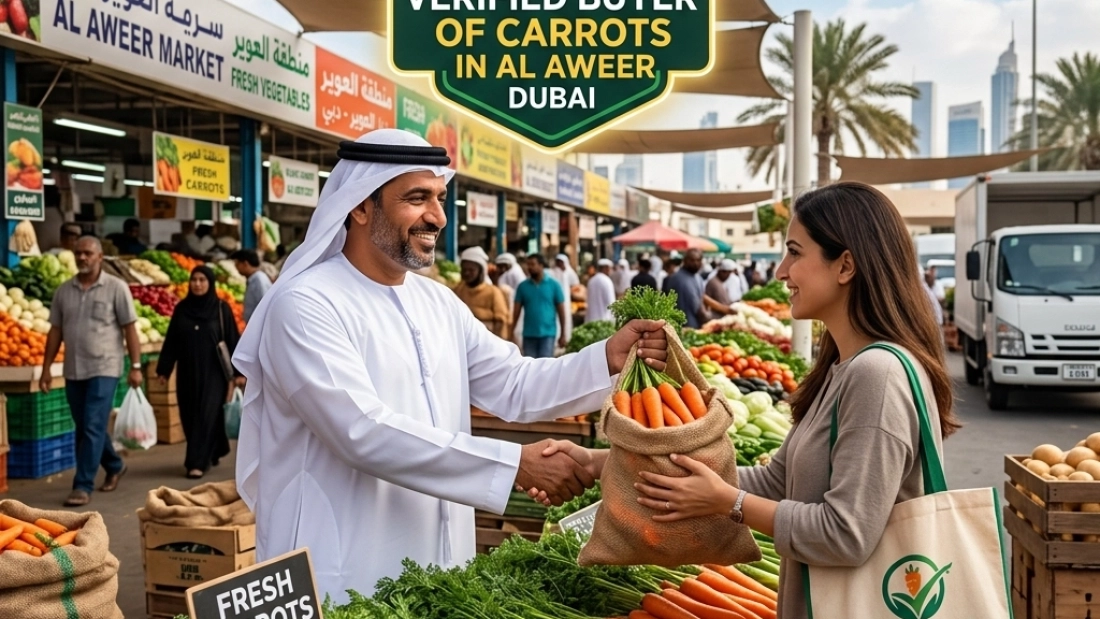
The Al Aweer Fruit and Vegetable Market is the pulse of the UAE’s fresh produce trade. It is where daily prices are set based on supply and demand. For global exporters, navigating this market can be daunting due to price fluctuations.
Many traditional distributors charge anywhere from 10% to 15% in commissions, significantly eating into the exporter's profit. Mayil Global operates differently. We leverage our deep-rooted presence in Al Aweer to offer a 3% commission model. This strategy is designed to provide exporters with higher net returns while ensuring their products are placed with verified buyers across the UAE.
Securing Daily Liquidity
One of the biggest challenges in the export business is the waiting period for payments. Our Cash & Carry model solves this liquidity gap. By purchasing containers directly or facilitating rapid turnover through our wholesale network, we ensure that exporters can reinvest their capital faster. You can learn more about how this works in our detailed post on the 3% commission strategy for Al Aweer exporters.
Step-by-Step Guide: How to Export Food to Dubai
1. Market Research and Sourcing
Before shipping, identify the demand. Currently, there is a high demand for wholesale fruits and vegetables in Dubai, specifically staples like onions, potatoes, ginger, and garlic.
- Onions: One of the most traded commodities. Learn the specifics of exporting onions to Dubai.
- Ginger: A high-value crop that requires careful cold chain management. See our guide on finding a ginger buyer in Dubai.
2. Documentation Preparation
Precision in paperwork is non-negotiable. Missing documents lead to customs delays, which are fatal for perishable goods. Essential documents include:
- Commercial Invoice
- Packing List
- Certificate of Origin
- Original Bill of Lading
- Halal Certificate (Mandatory for meat and meat-based products)
- Phytosanitary Certificate (For plants and produce)
3. Logistics and Cold Chain Integrity
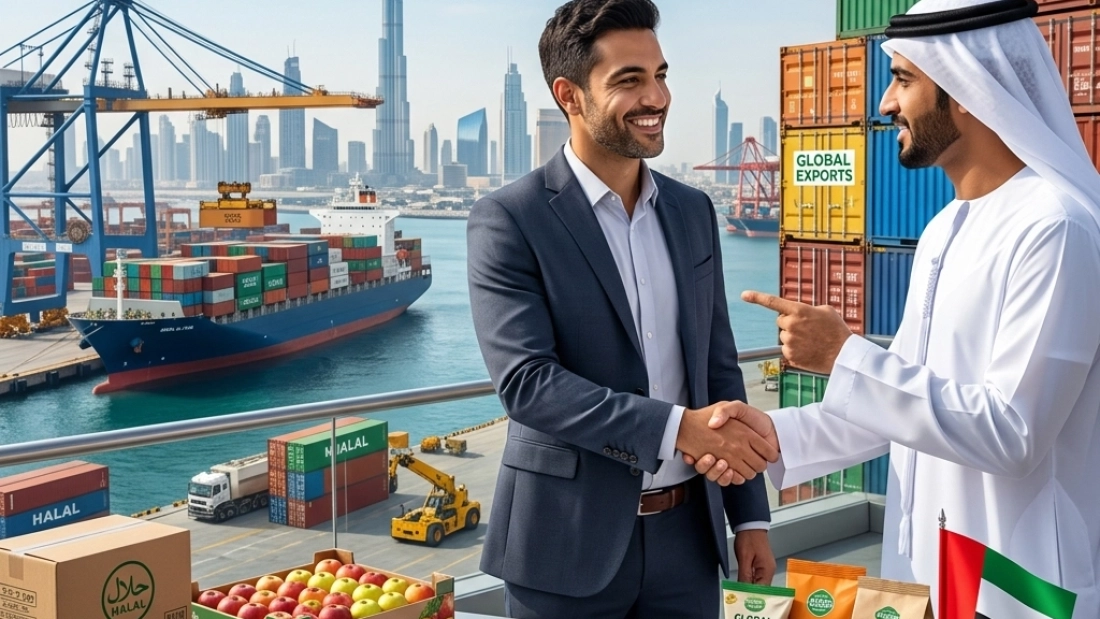
Ensuring the "Cold Chain" remains unbroken is critical. Whether shipping via Jebel Ali Port or Al Maktoum International Airport, the use of temperature-controlled containers (Reefers) is standard. Mayil Global assists exporters in sourcing and logistics to ensure that the quality of the product at the farm is the same quality that arrives at our warehouse.

Why Exporters are Switching to Mayil Global
The traditional export-import model in Dubai often lacks transparency. Exporters often feel left in the dark regarding the actual selling price of their goods in the local market. Mayil Global prioritizes operational excellence and transparency through:
The 3% Commission Advantage
Most distributors operate on high margins. We operate on volume and partnership. By charging only a 3% commission, we align our success with yours. The more profit you make, the more you ship. This model is particularly beneficial for high-volume items like wholesale vegetables.
Verified Buyer Network
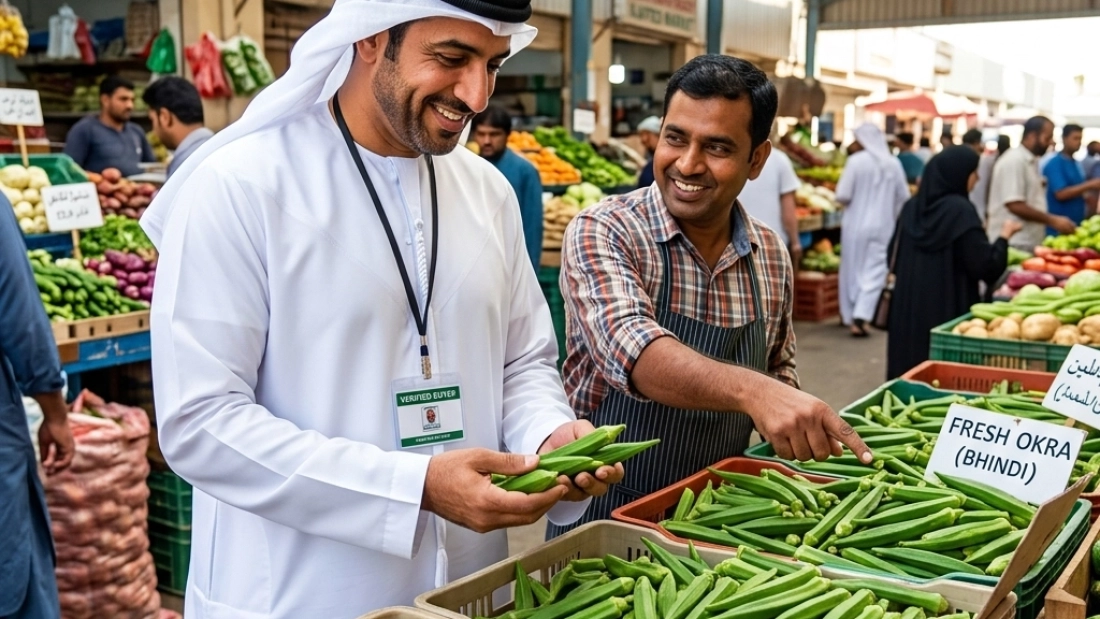
Finding a "buyer" is easy; finding a "verified buyer" who pays on time and respects contract terms is the challenge. We vet every buyer in our network, from major supermarket chains to high-end restaurants and catering companies. This ensures that when your product arrives, it already has a destination.
Cash & Carry Wholesale
For exporters looking for immediate exits, our Cash & Carry wholesale model allows for rapid inventory turnover. This is ideal for bulk commodities like rice or potatoes where market price stability is key.

High-Potential Products for the UAE Market
To maximize your success, focus on these high-demand categories:
- Potatoes: A staple for both the retail and hospitality sectors. Find potato buyers in Dubai.
- Lemons and Citrus: High demand year-round for the beverage and culinary industry. Explore the lemon export guide.
- Bulk Rice: Especially Basmati and Long Grain varieties. Understand bulk rice price stability.
- Tomatoes: While locally grown produce is increasing, the demand for high-quality imports remains steady. Secure your margins on tomato exports.
Overcoming Common Export Mistakes
Many exporters fail because of small, avoidable errors. These include:
- Poor Packaging: Using non-export grade cartons that collapse under humidity.
- Inaccurate Weight Declarations: Leading to fines and customs holds.
- Ignoring Seasonality: Shipping products when the local market is already flooded, leading to low prices.
Working with a partner like Mayil Global helps you avoid these pitfalls. We provide real-time market insights so you know exactly when to ship and how to pack for the Dubai climate.

Conclusion: Your Path to Profit in Dubai
Exporting food to Dubai is a sophisticated operation that requires a blend of regulatory knowledge, logistical precision, and trusted local partnerships. By leveraging Mayil Global’s 3% commission model and our extensive Cash & Carry network, you can bypass the traditional hurdles and focus on what you do best: producing high-quality food.
Whether you are a seasoned exporter or looking to make your first shipment of wholesale fruits and vegetables to Dubai, we are here to facilitate your growth. Our commitment to transparency, safety, and hygiene ensures that your brand is represented with the highest standards in the UAE.
Ready to Start Exporting?
Connect with our sourcing experts today to discuss your next container.
- Explore our Product Range
- Learn more About Mayil Global
- Contact Us to get a quote on our 3% commission services.
Join the ranks of successful global exporters who have made Mayil Global their trusted partner in the Middle East. Let’s build a sustainable and profitable supply chain together.