Verified Buyer & Exporter Authority Series | 21 August 2026
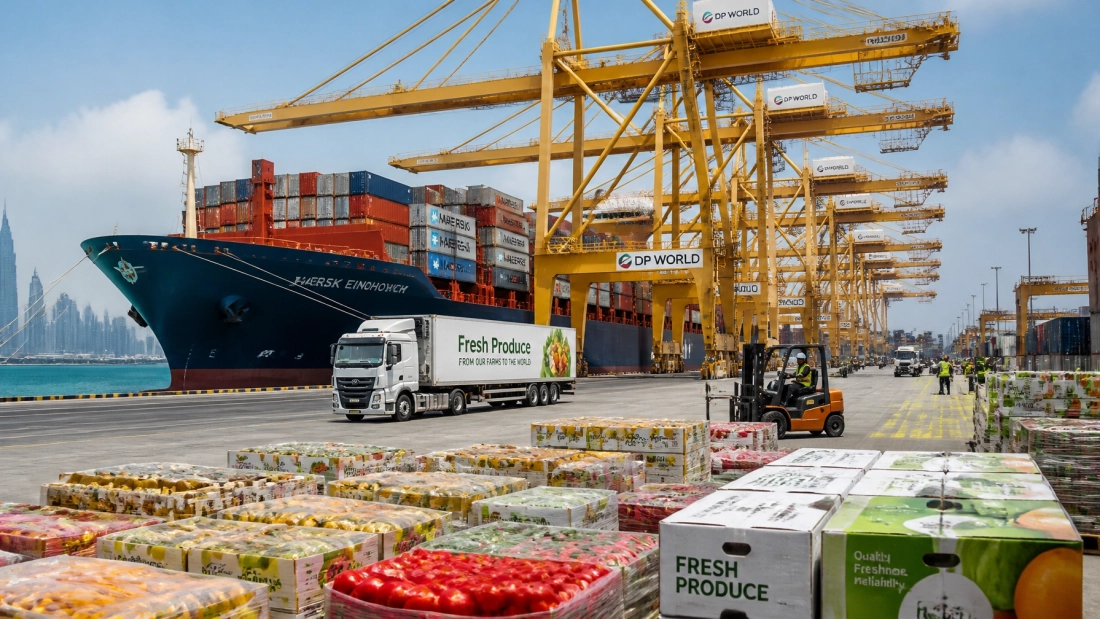
Exporting fresh produce to the UAE requires more than shipping a container to a Dubai port. Exporters need a verified local buyer, compliant documentation, reliable receiving procedures, accurate market intelligence, and a clear settlement structure.
Mayil Global supports international and local exporters entering the UAE through two practical routes: a 3% commission-based distribution model and an immediate Cash & Carry container purchase model, subject to product approval, quality inspection, availability, and agreed commercial terms.
For exporters targeting wholesale fruits and vegetables Dubai, this structure provides a direct connection to UAE supermarkets, restaurants, retailers, wholesale distributors, and market buyers.
Why a Verified Product Buyer Matters
A verified buyer must understand the specific product being supplied. Onions, potatoes, tomatoes, mangoes, bananas, citrus, and leafy vegetables each require different specifications, handling standards, and sales channels.
Before accepting a shipment, a professional UAE distributor should review:
- Product variety and country of origin.
- Grade, size, maturity, and expected shelf life.
- Packing format, unit weight, and container loading plan.
- Shipment volume and arrival schedule.
- Required import documents and certificates.
- Current market demand and likely distribution route.
- Quality risks, including rot, bruising, sprouting, contamination, or temperature damage.
Mayil Global’s role is based on farm-direct sourcing, quality inspection, hygienic handling, organized logistics, and UAE distribution. The objective is to connect suitable products with the right B2B buyers while protecting product condition and exporter visibility.
Learn more about the company’s business approach and sourcing and logistics system.
Two Distribution Routes for Exporters
1. The 3% Commission-Based Distribution Model
Under the 3% commission model, Mayil Global distributes an exporter’s approved product in the UAE for a transparent service commission.
The commercial structure should be confirmed in writing before shipment. In a typical arrangement:
- The exporter supplies an agreed quantity and specification.
- Mayil Global receives and distributes the goods through its UAE B2B network.
- Product is offered to suitable wholesale buyers and cash-and-carry customers.
- The exporter receives sales information and settlement details.
- Mayil Global charges a flat 3% commission on the agreed gross sales value.
- Any direct local costs, such as transport, customs-related charges, storage, or handling, should be identified and agreed in advance.
The basic calculation is:
Gross sales value – agreed direct costs – 3% commission = exporter settlement
The 3% commission is the key advantage for exporters seeking a clear and controlled distribution cost. It avoids the uncertainty of large undisclosed intermediary margins and gives the exporter a defined basis for evaluating shipment profitability.
The model also aligns incentives. Mayil Global benefits when the product is sold efficiently at a commercially appropriate market value. Exporters receive a clearer view of selling prices, deductions, and final settlement.
2. Immediate Cash & Carry Container Purchases
The Cash & Carry system is designed for exporters who prefer a direct purchase structure rather than waiting for consignment sales.
Subject to product inspection, documentation, market demand, and mutually agreed terms, Mayil Global can evaluate immediate Cash & Carry container purchases. This can help exporters:
- Release working capital faster.
- Reduce exposure to extended buyer credit.
- Reinvest in the next shipment.
- Move high-volume commodities during active demand periods.
- Avoid managing multiple local wholesale accounts.
The Cash & Carry purchase price, payment timing, inspection conditions, and responsibility for freight, clearance, and local handling must be agreed before loading. The Cash & Carry model is commercially distinct from the 3% commission model. Exporters should confirm whether the transaction is an outright purchase or a commission distribution arrangement.

Al Aweer Market Pricing: How Exporters Should Verify Current Rates
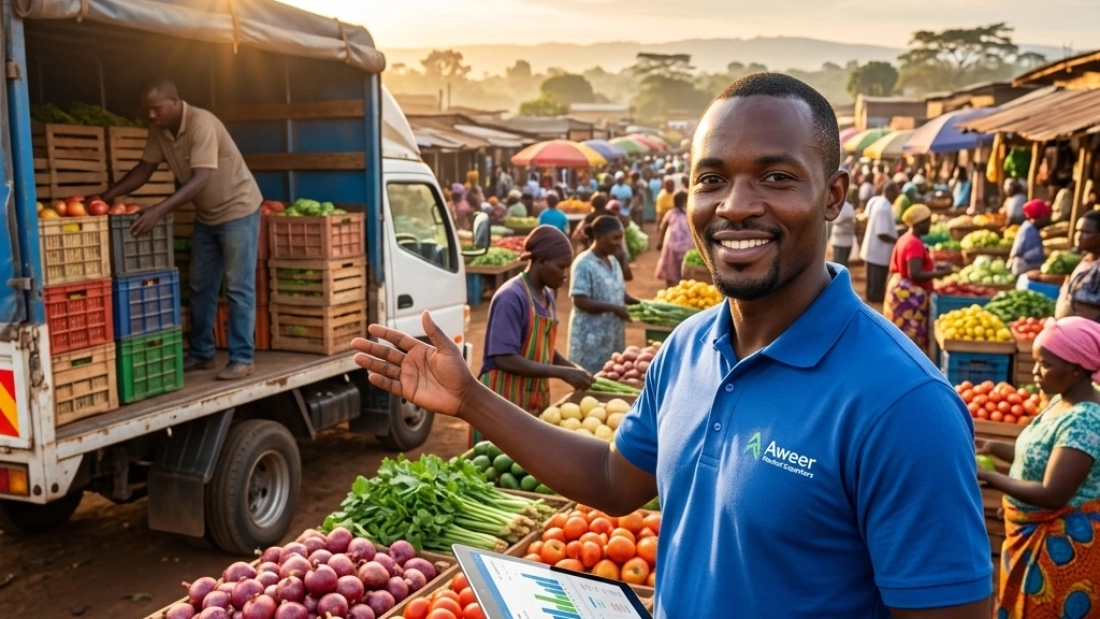
Al Aweer Central Fruit and Vegetable Market is a major wholesale reference point in Dubai. However, exporters should not rely on old articles, static price lists, social media posts, or unverified online figures as live market prices.
Produce prices change according to:
- Daily arrivals.
- Country of origin.
- Crop season.
- Product grade and size.
- Packaging format.
- Available stock.
- Weather and transport conditions.
- Retail, restaurant, and wholesale demand.
- Quality losses during receiving.
Before finalising a shipment, exporters should use the following process:
- Request the current day’s quotation from the UAE buyer or licensed market representative.
- Confirm whether the price is per kilogram, carton, bag, crate, or pallet.
- Match the quotation to the exact origin, grade, variety, and pack size.
- Compare more than one qualified market reference.
- Ask whether the price is an indicative range or an executable purchase offer.
- Confirm the expected deduction for local transport, handling, storage, or clearance.
- Record the quotation date and time because market conditions can change during the day.
Exporters can also review the Al Aweer Central Market Instagram channel and use third-party price websites such as AlAweerPrices for market orientation. These sources should be treated as references only. They do not replace a written quotation or same-day confirmation from a licensed buyer.
Mayil Global’s 3% commission structure supports transparent reporting, but it does not remove market risk. The final result still depends on product quality, arrival timing, demand, and actual selling conditions.
Importing Onions Dubai: Product and Receiving Requirements
Onions are a high-volume staple for supermarkets, restaurants, catering operators, retailers, and wholesale distributors. Successful importing onions Dubai requires consistency in quality, packing, documentation, and arrival planning.
Exporters should prepare onions with the following controls:
Product quality
- Dry, clean outer skin.
- Uniform size and grade.
- No active rot, excessive sprouting, or mechanical damage.
- Suitable firmness and maturity.
- No visible pest contamination.
- Compliance with applicable pesticide residue requirements.
Packaging
Common formats include mesh bags, cartons, and crates. Packaging should be strong enough for container loading, unloading, stacking, and market handling. Each unit should be matched to the buyer’s requirements before production.
Documentation
The UAE importer will normally require a complete document set, including:
- Commercial invoice.
- Packing list with weights and quantities.
- Certificate of origin.
- Bill of lading or airway bill.
- Applicable health certificate.
- Phytosanitary certificate issued by the competent plant health authority in the exporting country.
- Laboratory or residue reports when requested.
Requirements can vary by product, origin, shipment route, and current authority instructions. Exporters should verify the exact requirements with their UAE importer before loading.

How to Export Food to Dubai: A Practical Step-by-Step Process
The following process explains how to export food to Dubai through a licensed local partner.
Step 1: Confirm the product and buyer specification
Send the UAE buyer a complete product profile covering origin, variety, grade, size, packing, volume, photographs, harvest timing, and expected shipment frequency.
Mayil Global can evaluate whether the product is suitable for UAE wholesale distribution, supermarket supply, restaurant procurement, or retailer channels.
Step 2: Confirm the UAE importer
The UAE-side importer should have an appropriate food trading activity, customs registration, and the ability to coordinate Dubai Municipality requirements.
A written agreement should define:
- Product ownership.
- Commission or purchase price.
- Payment timing.
- Inspection standards.
- Local cost deductions.
- Rejection or quality claim procedures.
- Receiving and settlement reporting.
Step 3: Complete product and label checks
Packaged food and retail-ready produce may require product registration and label assessment through applicable Dubai Municipality systems. Labels commonly need product identity, country of origin, net weight, packing information, storage instructions, and importer details. Arabic and English labelling may be required depending on the product and sales channel.
For current requirements, consult Dubai Municipality Food Safety information and confirm the shipment-specific position with the importer.
Step 4: Prepare export documents
The commercial invoice, packing list, certificate of origin, transport document, and required health or phytosanitary certificates must match one another.
Differences in product description, quantity, weight, origin, consignee, or container details can create delays during clearance.
Step 5: Protect the cold chain and product condition
Fresh produce should be harvested, packed, stored, and transported according to its temperature and humidity requirements. Pre-cooling, ventilation, suitable packaging, and correct container loading reduce quality deterioration.
Mayil Global applies inspection and hygienic handling controls from receiving through distribution. These controls help protect freshness, food safety, and buyer confidence.
Step 6: Coordinate port receiving and clearance
The UAE importer or appointed clearing agent coordinates delivery orders, customs declarations, municipality inspection, and any required sampling.
The shipment should not be dispatched until the buyer confirms that the documentation and product registration position are ready.
Step 7: Receive, inspect, distribute, and settle
After clearance, Mayil Global receives the container, checks quantity and condition, and distributes the product through suitable UAE B2B channels.
For a 3% commission shipment, the exporter should receive a settlement report showing sales value, agreed direct costs, 3% commission, and net balance. For a Cash & Carry purchase, the exporter follows the agreed purchase and payment terms.
Exporter Readiness Checklist
Before confirming a shipment, exporters should verify:
- The product specification is approved by the buyer.
- The importer’s licence and customs capability are confirmed.
- The commercial model is documented.
- The 3% commission basis is clearly stated where applicable.
- Cash & Carry purchase terms are confirmed where applicable.
- Current Al Aweer market references have been checked.
- Packing and labelling comply with the agreed sales channel.
- Original certificates are available.
- Transit and arrival timing are realistic.
- Receiving, inspection, claims, and settlement procedures are documented.
Building a Dependable UAE Supply Relationship
Entering Dubai’s wholesale market is not only a transaction. It is a supply chain process requiring accurate sourcing, controlled logistics, food safety compliance, quality control, and reliable settlement.
Mayil Global provides a UAE distribution platform for exporters seeking dependable market access. The 3% commission model offers transparent distribution economics, while Cash & Carry container purchases can support faster liquidity when the product and terms are suitable.
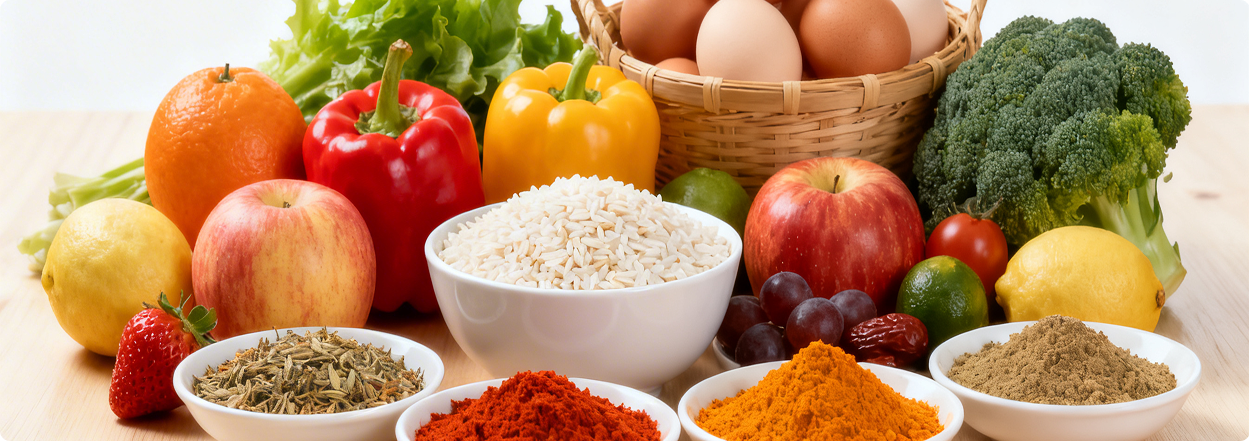
For exporters of onions, fruits, vegetables, spices, rice, and other food products, the next step is to submit a detailed product and shipment profile. Contact Mayil Global to discuss buyer verification, wholesale distribution, 3% commission distribution, or immediate Cash & Carry container opportunities.
Regulatory requirements and market prices can change. Exporters should obtain current confirmation from their UAE importer, Dubai Municipality, customs authorities, and the competent authority in the exporting country before shipment.
Frequently Asked Questions
What is Mayil Global’s 3% commission model?
It is a distribution arrangement in which Mayil Global markets and distributes an approved exporter’s product in the UAE for a flat 3% commission on the agreed gross sales value, subject to written terms and agreed direct costs.
Does Mayil Global purchase containers immediately?
Mayil Global evaluates immediate Cash & Carry container purchases subject to product specifications, quality inspection, documentation, demand, and mutually agreed commercial terms.
How can exporters verify Al Aweer prices?
Exporters should obtain a same-day quotation from a licensed buyer or market representative and compare it with current market references. Prices must be matched to the exact product origin, grade, size, packaging, and unit of sale.
What documents are required for exporting fresh vegetables to Dubai?
Common documents include a commercial invoice, packing list, certificate of origin, bill of lading or airway bill, and applicable health and phytosanitary certificates. The exact requirements should be confirmed before dispatch.