400d0019fc82-gettyimages-1273470708

UAE Export News & Al Aweer Market Updates: 26 August 2026 – Record Non-Oil Trade, Iran Trade Suspension Fallout, Oman Corridor Growth & Verified Buyer Opportunities

The latest UAE export news confirms continued expansion in non-oil trade, supported by the UAE’s logistics infrastructure, international partnerships and re-export capabilities. At the same time, the indefinite suspension of trade and financial transactions with Iran is creating new compliance and sourcing requirements for businesses operating through Dubai.

For Al Aweer Market buyers and international exporters, the immediate priorities are clear: diversify origins, verify documentation, monitor landed costs and secure dependable distribution channels. Mayil Global supports this process as a verified buyer for exporters UAE, offering a 3 percent commission-based distributor UAE model and immediate cash-and-carry container purchases for approved products.

UAE Export News: H1 2026 Non-Oil Trade Reaches AED 1.937 Trillion

The UAE recorded approximately AED 1.937 trillion in non-oil foreign trade during the first half of 2026. Non-oil exports reached approximately AED 452.8 billion, equivalent to around US$123.3 billion.

The data confirms the UAE’s role as a regional trading, sourcing and distribution hub. The country continues to connect exporters and buyers across Asia, Africa, Europe and the Middle East through ports, free zones, road corridors and established commercial infrastructure.

CEPA Network Expands to 38 Agreements

The UAE’s Comprehensive Economic Partnership Agreement network has expanded to 38 concluded agreements. Trade with CEPA partner markets reached approximately AED 304.3 billion in H1 2026.

This network supports:

  1. Improved market access for UAE and re-export products.
  2. Reduced customs duties across selected product categories.
  3. Lower trade barriers for approved exporters.
  4. Wider access to international sourcing markets.
  5. Greater supply chain diversification for food and non-food businesses.

For the fresh produce sector, these developments strengthen the UAE’s ability to receive, store, consolidate and distribute products to supermarkets, restaurants, retailers and wholesale distributors.

India remains a strategically important partner. UAE–India non-oil trade reached approximately AED 107.5 billion during the first half of 2026. Indian-origin onions, ginger, garlic, okra, bananas and other vegetables remain important products in Dubai’s wholesale supply chain.

Iran Trade Suspension: Operational Implications for Al Aweer Sourcing

On 19 August 2026, the UAE Ministry of Foreign Affairs announced that all trade, commercial exchanges and financial transactions with Iran had been halted until further notice.

The announcement affects businesses involved in:

  • Imports and exports linked to Iran.
  • Re-export activity involving Iranian products.
  • Commercial settlements and payment arrangements.
  • Logistics and transport coordination connected with Iran.
  • Supplier and buyer relationships dependent on Iranian trade routes.

The suspension requires importers, wholesalers and exporters to review their current contracts, payment channels, shipping routes and product origins. Businesses should not assume that previous arrangements remain operational. Compliance teams and customs advisers should confirm the treatment of each transaction before proceeding.

Sourcing Alternatives for Essential Produce

For Al Aweer buyers sourcing onions, garlic, ginger and okra, the practical response is to increase sourcing from alternative origins, including:

  • India for onions, ginger, garlic, okra and selected vegetables.
  • Egypt for onions, garlic and other seasonal produce.
  • Jordan for onions, garlic, ginger, okra and regional supply options.

This pivot requires more than identifying a replacement supplier. Buyers should verify farm or packhouse capacity, phytosanitary documentation, packaging specifications, shelf life, inspection procedures, shipping schedules and UAE clearance requirements.

Maintaining a multi-origin sourcing strategy is essential for dependable supply. Mayil Global’s supply approach is based on global supplier relationships, quality control and organized distribution from farm to market.

Reported Visa Constraints Affect Pakistani Exporters and Gulfood 2027 Planning

Business media has reported visa constraints affecting Pakistani exporters, traders and business delegations travelling to the UAE. The reports state that some Pakistani businesspeople are experiencing visa rejections or delays, creating difficulties for buyer meetings, commercial travel and participation in exhibitions.

The same reports identify concerns about preparations for Gulfood 2027, particularly where sales teams require UAE entry approval to meet distributors, supermarkets and foodservice buyers.

The UAE authorities have reportedly maintained that visa applications continue to be processed, while business groups have described practical difficulties. Exporters should therefore treat visa availability as a planning risk rather than relying on assumptions.

Pakistani exporters preparing for Gulfood 2027 should:

  1. Begin visa and documentation planning well in advance.
  2. Confirm requirements through official UAE channels.
  3. Appoint UAE-based representatives where appropriate.
  4. Prepare digital product catalogues and certificates.
  5. Secure buyer meetings before travel.
  6. Maintain a contingency plan if sales staff cannot attend.

A local verified buyer or distributor can help exporters maintain commercial continuity when travel is delayed. This is particularly important for fresh produce, spices, rice, eggs and other products requiring regular buyer communication.

Oman–UAE Trade Corridor Shows Strong Growth

Oman’s non-oil exports to the UAE increased by approximately 33 percent year-on-year to OMR 645 million through May 2026.

This growth reflects the importance of Oman as a regional trade partner and the increasing use of alternative land and maritime routes. With the Strait of Hormuz remaining closed, land corridors and maritime alternatives are critical for maintaining cargo movement and supply chain continuity.

For food exporters and wholesale buyers, the Oman–UAE corridor can support:

  • Alternative regional distribution routes.
  • Shorter replenishment cycles for selected products.
  • Greater flexibility during maritime disruption.
  • Cross-border logistics and re-export activity.
  • Additional sourcing options for UAE buyers.

Route selection must consider customs procedures, border capacity, transit times, temperature control and product shelf life. Fresh produce requires coordinated logistics because delays can affect quality, rejection rates and final margins.

Al Aweer Market Updates: Indicative Prices for 26 August 2026

The following references were approved by My Veg Market on 26 August 2026. They represent indicative market references for specified origins and pack sizes. They are not fixed offers, guaranteed quotations or binding transaction prices. Actual prices can change according to quality, grade, availability, origin, packaging, logistics and time of purchase.

Product Origin Pack Indicative Market Price
Onion India 1kg AED 2.00
Ginger India 3kg AED 7.00
Pomegranate India 2kg AED 13.00
Small onion India 3kg AED 14.00
Garlic India 3kg AED 16.00
YB banana India 4kg AED 16.00
Cluster beans India 3kg AED 17.00
Ivy gourd India 3kg AED 18.00
RK banana India 4kg AED 20.00
Banana leaf India 4kg AED 24.00
Suran India 9kg AED 24.00
Amla India 3.5kg AED 24.00
Green chilli India 4.5kg AED 26.00
Drumstick India 3kg AED 28.00
Okra India 3kg AED 32.00
G9 banana green India 13kg AED 37.00
Fresh turmeric India 3kg AED 38.00
G9 banana yellow India 13kg AED 45.00
Dry coconut India 13kg AED 48.00

These references show the continued relevance of Indian-origin products in Al Aweer’s wholesale ecosystem. Exporters should compare these market indicators with their product grade, pack configuration, freight cost, customs charges, handling expenses and expected distribution margin.

Buyers should also confirm whether a supplier has a reliable replenishment programme rather than evaluating a single shipment price.

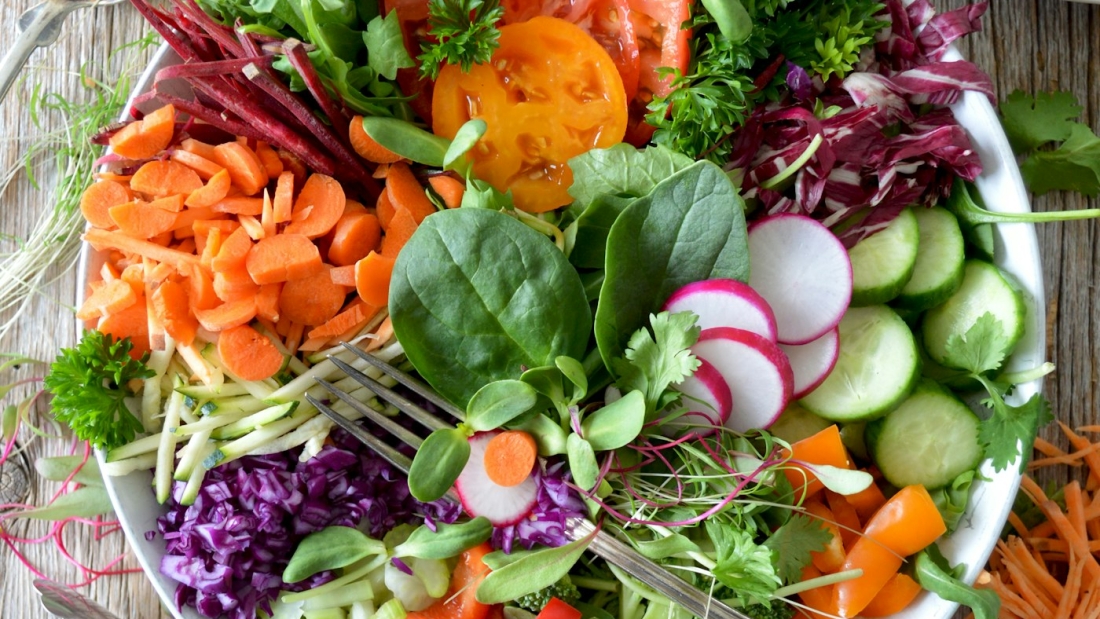
Fresh vegetables representing Al Aweer wholesale produce supply

Nepal DDC Ghee Makes Its Dubai Market Debut

Nepal’s Dairy Development Corporation has started exporting ghee to Dubai through an arrangement involving Matribhoomi General Trading LLC. The initial shipment is reported at 600 kilograms, while the agreement includes an annual export plan of at least 50,000 kilograms.

The product has reportedly received a health certificate based on laboratory testing in Nepal and will undergo further testing in Dubai before sale. The ghee is packed in jars or bottles and has a reported shelf life of one year.

This shipment demonstrates how Dubai provides a platform for international food products entering the wider West Asian market. It also highlights the importance of:

  • Health certification.
  • Product testing in the destination market.
  • Compliant packaging and labelling.
  • Shelf-life management.
  • A local importer or distributor.
  • Verified demand before scaling shipments.

For exporters, identifying a verified buyer of that particular product is essential. A buyer must understand the product category, regulatory requirements, storage conditions and expected customer base.

Packaged food products representing hygienic handling and UAE distribution

Mayil Global: Verified Buyer and 3 Percent Commission Distributor UAE Model

Mayil Global is a UAE-based wholesale supplier of fresh fruits, vegetables, premium spices, premium rice and farm fresh eggs. The company serves supermarkets, restaurants, retailers and wholesale distributors through farm-direct sourcing, inspection, hygienic handling and organized logistics.

For international and local exporters, Mayil Global offers two practical commercial routes:

1. Three Percent Commission Distribution

The 3 percent commission distributor UAE model provides exporters with a structured route to market without requiring them to build a complete local distribution operation. Mayil Global can support buyer access, product movement and distribution coordination under agreed commercial terms.

The 3 percent commission should be evaluated alongside product grade, volume, packaging, delivery terms and documentation requirements.

2. Immediate Cash-and-Carry Container Purchases

Approved exporters may also discuss immediate cash-and-carry container purchases. This model can provide faster liquidity and reduce extended receivable cycles for suppliers who need a direct UAE buyer.

Every transaction remains subject to product verification, quality inspection, documentation, availability and mutually agreed terms. Exporters can request a quotation from Mayil Global or review the company’s fresh produce and food product range.

Exporter Checklist for UAE Market Entry

Before shipping to Dubai, exporters should confirm:

  • Product origin and approved supplier details.
  • UAE import documentation and certificates.
  • Phytosanitary or health certification requirements.
  • Packaging, labelling and shelf-life specifications.
  • Container temperature and handling requirements.
  • Current freight and route availability.
  • Alternative logistics corridors.
  • Buyer verification and purchase terms.
  • Whether a 3 percent commission distribution structure is suitable.
  • Whether an immediate cash-and-carry container purchase is available.
  • A contingency plan for visa, customs or route delays.

Dependable supply requires disciplined preparation. Exporters that combine compliant documentation, consistent quality and verified buyer relationships are better positioned to build long-term UAE distribution.

Conclusion: Diversification and Verified Distribution Are the Immediate Priorities

The latest UAE export news presents a strong macroeconomic outlook, with record non-oil trade, expanding CEPA coverage and growing regional connectivity. However, the Iran trade suspension, reported visa constraints and continued route disruption require operational discipline.

Al Aweer buyers should diversify origins for onions, garlic, ginger and okra. Exporters should confirm documentation, route options, buyer requirements and payment terms before dispatch. Mayil Global provides a structured UAE wholesale channel, a 3 percent commission-based distributor UAE model and immediate cash-and-carry container purchase opportunities for approved suppliers.

The operating priorities remain consistent: dependable supply, consistent quality, strict quality control and reliable distribution.

Sources

476942-3-1100x619-3-1100x619-1-1100x619

Verified Buyer & Exporter Authority Series: August 30 Al Aweer Market Briefing : Week 35 Opening Supply Strategy, Onion and Grape Procurement, and How to Export Food to Dubai

B2B market briefing | August 30, 2026 | GCC Week 35 opening

Dubai’s Al Aweer Central Fruit and Vegetable Market remains a key distribution point for supermarkets, restaurants, retailers, and wholesale distributors across the UAE. Daily arrivals, origin availability, crop cycles, product specifications, freight exposure, and buyer demand continue to influence wholesale trading conditions.

This Week 35 opening briefing uses the latest available market references through August 24–26. Market figures are indicative planning observations, not fixed quotations. Final prices must be confirmed against the exact product grade, origin, packaging, arrival condition, and trading date.

Mayil Global supports exporters and UAE B2B buyers through farm-direct sourcing, strict quality control, hygienic handling, organized logistics, proper storage, and dependable distribution. The company also offers a transparent 3% commission-based distribution model and immediate Cash & Carry container purchases where commercial and quality conditions are approved.

August 30 Market Position: Stable Onions, Active Fruit Demand

Current Al Aweer market updates indicate a broadly functional late-August market. Mainstream onion supply remains available, while fruits such as grapes continue to receive steady attention from wholesale and foodservice buyers.

Product-level differences remain important:

  • Origin continues to affect price and buyer acceptance.
  • Grade, size, packaging, and shelf life create different market values.
  • Freight and clearance costs continue to affect landed cost.
  • Perishable products require controlled handling from loading through delivery.
  • A buyer suitable for one commodity may not be suitable for another.

Exporters should therefore present a complete product specification rather than a general commodity offer. UAE buyers should compare shipments on delivered quality and total cost, not only on the quoted origin price.

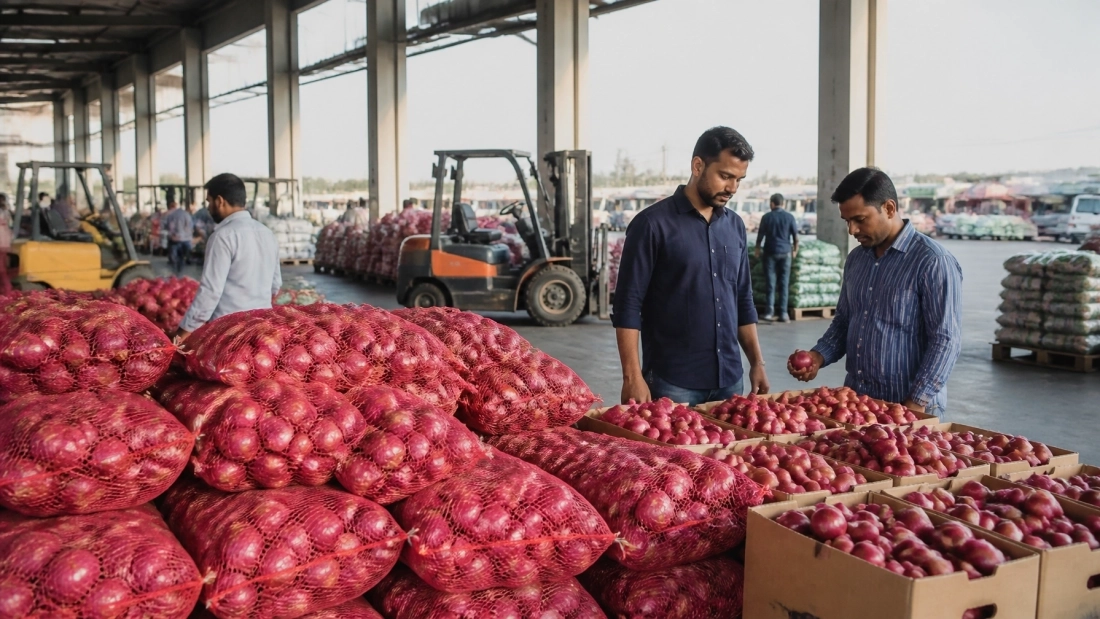
Fresh fruits and vegetables for supermarkets, restaurants, and UAE wholesale buyers

Onion Procurement Strategy for Week 35

Late-August references indicate that mainstream Indian onions at Al Aweer are trading in an indicative planning range of approximately AED 1.90–2.00 per kilogram. Earlier market references also placed new-crop Indian onions near the AED 2.00/kg level.

This range should be treated as a planning benchmark only. The executable value may change according to:

  1. Country and region of origin.
  2. Onion variety and crop cycle.
  3. Bulb size and grade.
  4. Dryness, firmness, skin condition, and defect tolerance.
  5. Pack format and net weight.
  6. Arrival timing and available stock.
  7. Freight, customs, clearance, and storage charges.
  8. Buyer requirements for supermarkets, restaurants, or wholesale distribution.

Comparing Multiple Origins

India remains an important compliant volume source for onions and other fresh vegetables supplied to the UAE. Egypt and Yemen may provide alternative sourcing options at different benchmark levels. However, a lower origin price does not automatically produce a lower landed cost.

A proper comparison should include:

  • Farm or supplier price.
  • Packing and inland transport.
  • Freight and applicable surcharges.
  • Customs and clearance charges.
  • Inspection and handling costs.
  • Expected wastage.
  • Storage and local delivery.
  • Distribution commission.
  • Final buyer acceptance.

Egypt’s reported food-export momentum also supports the importance of multi-origin sourcing. The Egyptian food export report referenced approximately 208,000 tons of food exports during the week ending August 21, including vegetables and tubers. This indicates that Egyptian suppliers may remain commercially relevant for onions and other categories, subject to exporter verification and UAE import eligibility.

Onion Inspection Requirements

Before dispatch, exporters should document:

  • Calibre and count.
  • Moisture and dryness.
  • Visible defects and decay.
  • Packaging strength and ventilation.
  • Net and gross weights.
  • Loading photographs.
  • Container condition and seal number.
  • Phytosanitary and health documentation.
  • Expected arrival date and storage requirements.

Mayil Global’s quality-control process is designed to reduce specification disputes and ensure that the shipment is matched with a verified buyer of that particular product.

Grape Procurement: Specification Determines Commercial Value

Grape pricing is less consistently published than onion pricing and can move more sharply according to grade, origin, pack format, and arrival timing. Late-August market observations indicate steady trading activity in mainstream fruit categories, but exporters should request a current product-specific reference before loading.

For grapes, buyers and exporters should confirm:

  • Country and growing region.
  • Variety, colour, and seedless specification.
  • Berry size and bunch presentation.
  • Sugar level or Brix where relevant.
  • Carton size and inner packaging.
  • Remaining shelf life.
  • Temperature requirements.
  • Sea-freight or airfreight routing.
  • Retail, foodservice, or wholesale destination.

Premium grape lots should be directed to buyers that require presentation, consistency, and shelf life. Secondary lots should be priced and placed through suitable wholesale or foodservice channels. Mayil Global coordinates product-specific distribution rather than treating every buyer as suitable for every grape specification.

UAE Export News: Freight and Landed-Cost Control

Recent UAE export news and Al Aweer market updates show that freight exposure remains a significant part of food distribution planning. Carrier-specific reefer surcharges, fuel costs, route changes, transshipment delays, port storage, and vessel bunching can affect the final cost of a perishable shipment.

A complete landed-cost calculation should include:

  1. Product purchase price.
  2. Packing and export handling.
  3. Inland transport to the port.
  4. Ocean or air freight.
  5. Reefer, fuel, conflict, or route surcharges.
  6. Insurance.
  7. Customs and municipality charges.
  8. Clearance and inspection.
  9. UAE transport and storage.
  10. Distribution commission.
  11. Expected wastage and quality claims.

The cost per kilogram should be calculated using the realistic saleable quantity, not only the gross container weight. This is particularly important for grapes and other products where temperature deviations, bruising, delayed clearance, or weak packaging can reduce the saleable volume.

How to Export Food to Dubai: A Controlled Eight-Step Process

Businesses researching how to export food to dubai should establish compliance and commercial terms before loading.

1. Define the Product

Confirm the exact product, variety, origin, grade, size, packaging, quantity, and expected supply frequency. Generic descriptions create avoidable disputes.

2. Confirm the UAE Buyer or Distributor

Identify the intended channel: supermarket, restaurant, retailer, wholesale distributor, foodservice operator, or market trader. Confirm receiving capacity, product demand, delivery location, and settlement terms.

3. Verify Product Registration

Confirm the applicable Dubai Municipality food-registration process, including the current Foodwatch requirements and any applicable UAE product registration or labelling systems. Prepackaged products may require approved label artwork, ingredient information, nutritional details, Arabic information, net weight, country of origin, and storage instructions.

4. Prepare the Document Pack

Typical documents may include:

  • Commercial invoice with HS code, quantity, unit price, and total value.
  • Detailed packing list.
  • Bill of lading or airway bill.
  • Certificate of origin.
  • Original health certificate where required.
  • Phytosanitary certificate for fresh produce.
  • Product registration and labelling approvals.
  • Any additional certificates required for the commodity or origin.

Requirements vary by product and shipment. Exporters should confirm the current requirements with the importer, competent authority, and customs broker before dispatch.

5. Agree Incoterms and Settlement

Confirm whether the shipment is offered on FOB, CIF, or another agreed basis. Establish responsibility for freight, clearance, inspection, storage, local delivery, quality claims, and payment.

6. Inspect Before Loading

Check product condition, weights, packaging, temperature, ventilation, container suitability, and seal details. Retain inspection records and loading photographs.

7. Coordinate Clearance and UAE Distribution

Arrange port clearance, municipality inspection where applicable, transport, storage, and onward delivery to Al Aweer or the final buyer. Organized logistics protect product quality and support timely delivery.

8. Review the Shipment

After delivery, assess buyer acceptance, realized price, wastage, delivery timing, claim levels, and repeat-order potential. This creates a more reliable supply programme for future containers.

Mayil Global’s sourcing and logistics process integrates supplier coordination, inspection, hygienic handling, storage, and organized UAE distribution.

The 3 Percent Commission Distributor UAE Model

Mayil Global provides a structured 3 percent commission distributor uae model for international and local exporters seeking market access and distribution support in the UAE.

The 3% commission is a central Mayil Global USP. It gives exporters a defined distribution cost while supporting access to supermarkets, restaurants, retailers, and wholesale distributors.

The model may include:

  • Product-specific buyer coordination.
  • UAE wholesale distribution.
  • Local delivery planning.
  • Quality and documentation coordination.
  • Shipment communication.
  • Sales reporting.
  • Settlement visibility.
  • A clearly agreed 3% commission basis.

The commercial agreement should state the product, shipment value, commission calculation, responsibilities, deductions, payment timing, inspection procedure, and claim process. The 3% commission applies only under agreed terms and should be confirmed before shipment execution.

Immediate Cash & Carry Container Purchases

Exporters that require faster liquidity may discuss immediate Cash & Carry container purchases. This structure can reduce receivables exposure and provide a direct purchase route for suitable shipments.

Before confirming a Cash & Carry transaction, Mayil Global evaluates:

  • Product and origin.
  • Grade and packaging.
  • Quantity and arrival timing.
  • Regulatory eligibility.
  • Documentation.
  • Inspection results.
  • Market demand.
  • Storage and delivery feasibility.
  • Agreed purchase terms.

For approved containers, Cash & Carry purchasing can help exporters recover working capital faster, reduce extended consignment risk, and plan the next export cycle. It is particularly relevant for high-volume products such as onions, rice, spices, and selected fresh produce.

Quality inspection and hygienic handling before UAE food distribution

Verified Buyer for Exporters UAE: What to Confirm

Exporters searching for a verified buyer for exporters uae should provide complete information before requesting a commercial proposal. Verification must be product-specific.

The required information includes:

  • Exact product and variety.
  • Country and region of origin.
  • Grade, size, and tolerance.
  • Packaging and net weight.
  • Available quantity.
  • Loading and arrival dates.
  • Temperature and ventilation requirements.
  • Certificates and registration status.
  • Target commercial structure.
  • Payment preference.
  • Current product photographs or inspection records.

The key question is whether the counterparty is a verified buyer of that particular product. A buyer for Indian onions may not be a suitable buyer for premium grapes, avocados, spices, rice, or farm-fresh eggs.

Wholesale Food Supply for UAE Businesses

Mayil Global supplies fresh fruits, vegetables, premium spices, premium rice, and farm-fresh eggs to UAE businesses. Its product categories support local buyers requiring consistent supply and controlled distribution.

The operating process combines:

  • Farm-direct sourcing from trusted farms.
  • Global supplier relationships.
  • Strict quality control at every stage.
  • Hygienic handling and safety-standard packaging.
  • Proper storage from farm to market.
  • Organized logistics and timely delivery.
  • Product-specific buyer coordination.

Organized fresh produce storage and distribution for UAE wholesale buyers

Week 35 Opening Checklist

Before confirming an August 30 shipment or procurement programme:

  • Verify current Al Aweer pricing for the exact specification.
  • Confirm origin eligibility and supplier documentation.
  • Compare complete landed cost.
  • Inspect onions or grapes before dispatch.
  • Confirm packaging, temperature, and shelf-life requirements.
  • Register products and labels where applicable.
  • Agree the 3% commission structure or Cash & Carry purchase terms.
  • Confirm payment channels and responsibilities.
  • Match the shipment with a verified buyer of that particular product.
  • Coordinate clearance, storage, and final UAE delivery.

Conclusion: Reliable Supply Requires Operational Control

The August 30 Week 35 opening strategy is based on stable mainstream onion references, active grape demand, multi-origin procurement, and continued attention to freight and compliance exposure.

Price alone is not a reliable procurement strategy. Exporters and UAE buyers require verified counterparties, specification control, hygienic handling, accurate documentation, quality inspection, and organized logistics.

Mayil Global’s 3% commission-based distribution model and immediate Cash & Carry container purchase option provide structured routes for exporters entering or expanding in the UAE market. Its farm-direct sourcing, strict quality control, storage, and distribution capabilities support supermarkets, restaurants, retailers, and wholesale distributors requiring dependable supply and consistent quality.

To discuss onion or grape procurement, UAE export news, a verified buyer for exporters uae requirement, the 3 percent commission distributor uae model, or an immediate Cash & Carry container purchase, contact Mayil Global.

VNU5KBFJaNy-1100x619

Verified Buyer & Exporter Authority Series: August 29 Al Aweer Market Briefing : Weekend Trading Position, Week 35 Opening Planning, Onion Origin Competition, Grape Price Surge, and How to Export Food to Dubai

This daily entry in the Verified Buyer & Exporter Authority Series covers Saturday, August 29, 2026: the first day of the UAE weekend and the close of GCC Week 34. Buyers are consolidating weekend replenishment while planning Week 35 opening requirements for Monday, August 31. The information below is for market planning only. It is not a quotation, offer, or guarantee of availability. Product value varies according to origin, grade, size, packing, arrival condition, quantity, and timing. Use alaweerprices.com for live verification before confirming a transaction.

1. India-Origin Planning Benchmarks at Al Aweer

The following benchmarks continue the August series reference set. They are planning indicators, not fixed quotations.

India-origin product Pack reference Planning benchmark
Onion 1kg AED 2.00
Ginger 3kg AED 7.00
Garlic 3kg AED 16.00
Okra 3kg AED 32.00
Green chilli 4.5kg AED 26.00
Pomegranate 2kg AED 13.00
Small onion 3kg AED 14.00
Cluster beans 3kg AED 17.00
Ivy gourd 3kg AED 18.00
Fresh turmeric 3kg AED 38.00
G9 banana, green 13kg AED 37.00
G9 banana, yellow 13kg AED 45.00
Dry coconut 13kg AED 48.00
Amla 3.5kg AED 24.00
Drumstick 3kg AED 28.00
YB banana 4kg AED 16.00
RK banana 4kg AED 20.00
Banana leaf 4kg AED 24.00
Suran 9kg AED 24.00

These planning benchmarks vary by grade, size, crop, packing, inspection result, loading date, freight, and market timing. Exporters and UAE buyers should confirm the exact specification and current market position before loading or purchase approval.

Fresh fruits, vegetables, spices, rice, and eggs for UAE wholesale buyers

2. Weekend Trading Position and Week 35 Planning

Saturday is the first day of the UAE weekend. Buyers are managing immediate weekend replenishment while forward-positioning stock for Week 35 opening on Monday, August 31.

The priority is dependable supply rather than unverified price chasing. Supermarkets, restaurants, retailers, and wholesale distributors should complete the following planning actions:

  1. Consolidate weekend requirements by product, grade, pack format, and delivery location.
  2. Verify delivery windows with suppliers, transporters, warehouses, and receiving teams.
  3. Confirm Week 35 loading plans before the weekend closes.
  4. Obtain confirmed buyer allocation before loading containers.
  5. Match the shipment with a verified buyer of that particular product.
  6. Recheck documentation, inspection status, and arrival timing before dispatch.

Planning demand without confirmed allocation creates avoidable exposure. A container should not be loaded solely because a market indication appears favourable.

3. Onion Origin Competition at Al Aweer

Current planning references show competitive onion values by origin:

  • India new-crop: approximately AED 2.00 per kg.
  • Egyptian: approximately AED 1.30 per kg.
  • Yemeni: approximately AED 1.60 per kg.

These are planning references, not quotations. Origin selection must compare the complete commercial and operational position. The lowest headline price may not provide the lowest usable landed cost.

Buyers should compare:

  • Complete landed cost.
  • Variety and crop condition.
  • Size and grade specification.
  • Net weight and packaging.
  • Phytosanitary and regulatory eligibility.
  • Availability and loading capacity.
  • Transit time and arrival reliability.
  • Expected wastage and usable yield.
  • Buyer acceptance requirements.

India may provide suitable new-crop programmes for buyers requiring specific sizes or pack formats. Egypt and Yemen may offer different freight and transit advantages. The correct decision depends on specification, compliance, delivery timing, and reliability: not price alone.

4. Fresh Category Moves from the August 24 Al Aweer Data

The August 24, 2026 Al Aweer report recorded significant intra-week movements.

Top increases

  • Grapes Black: +185.6%
  • Grapes Red Seedless: +157.2%
  • Grapes White Seedless: +154.0%
  • Wax Gourd: +67.3%
  • Zucchini: +40.0%

Top declines

  • Green Capsicum: -35.0%
  • Celery: -28.5%
  • Purple Cabbage: -28.1%
  • Tomato: -19.9%

The figures demonstrate intra-week volatility across both fruit and vegetable categories. Grape movements were particularly sharp, while selected vegetables moved in opposite directions as arrivals, supply availability, and buyer demand changed.

The report provides indicative wholesale market data. Actual traded prices vary according to quality, quantity, negotiation, and product condition. Buyers planning weekend or Week 35 purchases should lock product specifications and confirm the buyer before committing to a shipment.

A generic instruction such as “send grapes” is commercially insufficient. The offer should state variety, colour, seed status, pack format, grade, origin, count, shelf life, and arrival requirement.

5. Avocado Premium and Citrus Discount Pressure

Avocado premium conditions continue. Tight regional spot inventory and supply gaps added approximately USD 5–6 per carton during August 2026, depending on origin, variety, size, and channel.

The premium must be matched to a confirmed channel before loading. Premium avocado can lose value through delayed clearance, incorrect maturity, bruising, unsuitable temperature management, or a buyer specification mismatch.

South African lemons and mandarins remain under discount pressure from peak-season arrivals. Extended transit and condition differences are creating separate outcomes for premium and secondary lots. Premium lots should be matched with supermarkets and higher-specification retailers. Secondary lots require an appropriate wholesale, foodservice, or processing channel.

6. UAE Export News and Regional Supply Routes

The latest UAE export news shows continued expansion in regional trade and distribution capacity.

Oman’s non-oil exports to the UAE nearly doubled in the first half of 2026, increasing by approximately 93% to OMR 1.1 billion. Route changes and regional logistics disruption have increased the relevance of Oman’s land routes and green-corridor supply options for fresh produce entering Dubai.

For importers, Oman's proximity can support shorter road transit for selected onions, vegetables, and fruit categories. It does not remove the need for origin documentation, inspection, food-safety compliance, and confirmed delivery planning.

The UAE’s non-oil foreign trade reached approximately AED 1.937 trillion in H1 2026. National non-oil exports reached approximately AED 452.8 billion, according to the Dubai Government Media Office.

The UAE–Russia Trade in Services and Investment Agreement, or TISIA, was reported as in force on August 23, 2026. It concerns services and investment. It is not a direct goods-tariff change for fresh produce and should not be treated as an automatic tariff benefit for food shipments.

Egypt also continues to demonstrate strong export capacity. For the week ending August 21, 2026, Egypt’s National Food Safety Authority reported:

  • 208,000 tons of food exports.
  • 4,370 shipments.
  • 1,410 exporting companies.
  • Approximately 758 food products.
  • Approximately 50,000 tons of vegetables and tubers.
  • Approximately 10,000 tons of onions.

The NFSA report coverage confirms the scale of Egypt’s export pipeline.

The UAE–Iran trade, commercial exchange, and financial transaction suspension remains in force. Iranian benchmarks are non-executable without formal regulatory, banking, origin, and shipment confirmation. Alternative origins must be screened for compliance before use.

7. Importing Onions Dubai: Specification and Compliance Checklist

Businesses involved in importing onions Dubai should complete the following checklist before confirming a shipment:

  1. Origin: Confirm the country of origin and supporting certificate.
  2. Variety and crop: State the onion variety, new-crop or stored crop status, and harvest information.
  3. Size and grade: Specify millimetre range, grade, tolerance, and defect limits.
  4. Net weight and packing: Confirm bag or carton type, declared net weight, palletisation, and count.
  5. Condition: Record firmness, dryness, sprouting, mould, bruising, cuts, and visible defects.
  6. Shelf life: Confirm expected usable life at arrival and required storage conditions.
  7. Documents: Prepare invoice, packing list, certificate of origin, phytosanitary certificate, transport document, and applicable inspection records.
  8. Inspection: Complete inspection before dispatch and document weights, photographs, seals, and loading condition.
  9. Commercial acceptance: Confirm the buyer, price basis, delivery point, payment structure, rejection terms, and claim process.

Origin and product descriptions must remain consistent across all documents. Incorrect quantities, unclear variety descriptions, and mismatched certificates can delay clearance and increase storage costs.

8. Freight and Landed-Cost Discipline

CMA CGM lowered the North Europe-to-Middle East Gulf reefer Peak Season Surcharge to approximately USD 1,000 per container, effective August 15, 2026. CMA CGM emergency fuel exposure was approximately USD 165 per reefer TEU, subject to the booking, route, and carrier confirmation.

For a 24,000kg reefer, a USD 1,000 surcharge equals approximately AED 0.15 per kg, before other freight and handling charges.

Maersk emergency exposure was approximately:

  • USD 3,800 per reefer container for emergency freight.
  • USD 1,000 per container for vessels transiting the Strait of Hormuz.

These figures are planning references only. Confirm all surcharges, booking restrictions, transit conditions, and equipment availability in writing for the specific shipment.

Landed cost should include product, packing, inland transport, ocean freight, surcharges, insurance, customs, clearance, storage, delivery, commission, and estimated wastage.

9. How to Export Food to Dubai: Eight Controlled Steps

Businesses researching how to export food to Dubai should follow a controlled sequence:

  1. Define the specification
    Confirm product, variety, origin, grade, size, packing, quantity, and shelf life.

  2. Verify the buyer
    Confirm registration, receiving capability, product demand, delivery location, and payment terms.

  3. Check regulatory eligibility
    Review food-safety, agricultural, labelling, certificate, origin, and import requirements.

  4. Calculate landed cost
    Include every logistics, clearance, storage, commission, and wastage cost.

  5. Agree the commercial model
    Select commission-based distribution or an immediate Cash & Carry container purchase.

  6. Inspect before dispatch
    Record quality, net weights, packaging, seals, photographs, and temperature requirements.

  7. Coordinate clearance and delivery
    Align shipping documents, customs clearance, transport, warehouse receiving, and final delivery.

  8. Review performance
    Measure buyer acceptance, wastage, realized price, delivery timing, and repeat-order potential.

Mayil Global’s sourcing and logistics process is structured around supplier coordination, quality control, hygienic handling, storage, and organized distribution.

10. Mayil Global’s 3% Commission Distributor UAE Model

Mayil Global provides a defined 3 percent commission distributor UAE model for international and local exporters seeking professional UAE market access.

The 3% commission is a key Mayil Global USP. Under agreed terms, the model can include:

  • Product-specific buyer coordination.
  • UAE wholesale distribution.
  • Delivery and storage planning.
  • Shipment communication.
  • Quality and document coordination.
  • Commercial reporting.
  • Access to supermarkets, restaurants, retailers, and wholesale distributors.

The agreement should define the product, commission basis, responsibilities, payment timing, storage, delivery, inspection, deductions, and claims process.

Immediate Cash & Carry Container Purchases

Exporters requiring immediate liquidity can discuss Cash & Carry container purchases for approved products and specifications. Transactions remain subject to inspection, documentation, legal eligibility, current demand, arrival feasibility, and agreed commercial terms.

This option can reduce receivables exposure and help exporters recover working capital faster. It also gives UAE buyers access to organized supply through a controlled wholesale channel.

11. Wholesale Fruits and Vegetables Dubai

Mayil Global supplies fresh fruits, vegetables, premium spices, premium rice, and farm-fresh eggs to supermarkets, restaurants, retailers, and wholesale distributors.

The company combines:

  • Farm-direct sourcing.
  • Trusted global suppliers.
  • A multi-country supply network.
  • Quality control with inspection at every stage.
  • Hygienic handling and safety-standard packaging.
  • Proper storage from farm to market.
  • Organized logistics and timely delivery.

This operating model supports UAE buyers requiring dependable supply, consistent quality, and long-term commercial relationships. Buyers can review Mayil Global’s product categories for current sourcing discussions.

Quality inspection and hygienic handling of fresh produce

12. Verified Buyer Guidance for Exporters

Exporters seeking a verified buyer for exporters UAE should submit a complete product-specific offer. The commercial requirement is a verified buyer of that particular product, grade, and condition.

Every offer should include:

  • Product and variety.
  • Origin and crop.
  • Grade, size, count, and tolerance.
  • Pack format and net weight.
  • Available quantity.
  • Loading date.
  • Estimated arrival date.
  • Required certificates.
  • Shelf-life expectation.
  • Inspection terms.
  • Commercial structure.
  • Price basis and validity period.

A buyer suitable for Indian onions may not be suitable for avocados, grapes, okra, premium rice, spices, or farm-fresh eggs. Product-specific verification reduces disputes, rejection risk, and unsuitable shipment allocation.

Conclusion: Dependable Supply Requires Verified Execution

The August 29 position combines weekend replenishment, Week 35 opening planning, onion origin competition, sharp grape volatility, avocado premiums, citrus discount pressure, freight exposure, and continuing compliance requirements.

Market benchmarks are useful for planning, but they are not quotations. Final decisions require current verification, exact specifications, complete landed-cost calculations, and a confirmed buyer.

Mayil Global’s 3% commission distribution model provides a defined route for exporters seeking UAE distribution. Immediate Cash & Carry container purchases provide an alternative for approved shipments requiring faster liquidity. Mayil Global also supplies wholesale fruits and vegetables, premium spices, premium rice, and farm-fresh eggs to UAE B2B buyers.

For sourcing, a verified buyer of that particular product, 3% distribution, Cash & Carry container purchases, or wholesale supply in Dubai, contact Mayil Global.

Sources

JPmwVnvV18v

Basmati Rice Export to Dubai: A Transparent 3% Commission Model for Wholesale Buyers

Rice, Pulses, and Grains Export Series : Dubai market entry, 25 August 2026

Dubai is a strategic distribution hub for premium Basmati rice serving supermarkets, restaurants, retailers, catering companies, and wholesale distributors across the UAE and wider region. However, successful rice distribution depends on more than product availability. Buyers require consistent specifications, reliable documentation, hygienic handling, organized logistics, and dependable delivery schedules.

Mayil Global supports this requirement through a transparent distribution structure. International and local exporters can access a 3% commission-based distribution model or arrange immediate cash-and-carry container purchases. UAE businesses receive access to premium rice sourced through trusted farms, processing units, and global suppliers.

A Transparent Commercial Model for Basmati Rice

Mayil Global operates as a wholesale supplier and distribution partner for the UAE food trade. The company’s model is designed for two distinct requirements:

  1. Distribution on a 3% commission basis for exporters seeking market access and local sales support.
  2. Immediate cash-and-carry container purchases for exporters prioritising faster payment and capital turnover.

Under the commission structure, Mayil Global applies a clear 3% commission to the agreed sale price. Commercial terms, product specifications, delivery responsibilities, payment timelines, and reporting requirements are confirmed before the transaction proceeds.

This approach gives exporters greater visibility over market pricing and sales performance. It also gives supermarkets, restaurants, and retailers a structured route to source Basmati rice through an established UAE distribution network.

For exporters comparing a 3 percent commission distributor UAE model with traditional wholesale arrangements, the main advantage is cost transparency. The exporter knows the distribution charge in advance instead of absorbing unclear margins, layered brokerage fees, or uncertain local selling costs.

Sourcing Premium Basmati Rice for Dubai Buyers

Basmati rice buyers in Dubai typically evaluate several quality and commercial parameters before approving a supplier. These include:

  • Rice variety, such as 1121, 1509, or another defined grade
  • Raw, parboiled, or Sella processing
  • Grain length and appearance
  • Broken rice percentage
  • Moisture level
  • Foreign matter and impurity control
  • Aroma, cooking performance, and grain separation
  • Packaging format and private-label requirements
  • Country of origin and traceability documentation

Mayil Global’s rice and food products range is supported by a global supply network and sourcing relationships with trusted farms, mills, and international suppliers. This network supports dependable procurement across different origins and helps reduce the risk of supply interruptions.

Sourcing is matched to the buyer’s intended channel. A supermarket may require branded retail packs with Arabic and English labelling. A restaurant or catering operator may prefer 25 kg or 50 kg sacks for high-volume kitchen use. A wholesale distributor may require full-container quantities, neutral packaging, or a defined private-label specification.

The process begins by matching the available product to the verified buyer of that particular product. This protects both parties from unsuitable specifications and reduces unnecessary delays during quotation, documentation, and shipment planning.

Bulk Basmati rice sacks arranged on pallets in a Dubai warehouse

Quality Control at Every Stage

Consistent quality is a commercial requirement for Basmati rice distribution. A shipment that does not meet the agreed specification can create rejected deliveries, customer complaints, stock losses, and reputational damage for the buyer.

Mayil Global applies quality control throughout the supply chain:

1. Supplier and Farm Verification

Sourcing begins with farms, mills, and suppliers that can demonstrate stable production and reliable export capability. Product availability, processing standards, packaging capacity, and documentation are reviewed before shipment planning.

2. Product Inspection

Rice is inspected against the agreed specification. Checks may include physical appearance, grain consistency, broken percentage, moisture, packaging integrity, and visible contamination control. Laboratory documentation can also be requested according to buyer and destination requirements.

3. Hygienic Packaging

Packaging must protect the product during handling, container loading, transport, storage, and final distribution. Mayil Global follows hygienic handling and secure packaging practices to reduce exposure to contamination, moisture, pests, and physical damage.

4. Storage and Handling

Proper storage protects the value of the shipment after arrival in Dubai. Rice should be kept in clean, dry, well-organized facilities with suitable stock rotation and protection from moisture and pests. Mayil Global’s sourcing and logistics operations are structured to maintain product condition from origin to market.

5. Distribution and Delivery

Organized logistics support timely movement to supermarkets, restaurants, retailers, and wholesale customers. Delivery schedules are coordinated with purchase orders, warehouse capacity, container availability, and the buyer’s inventory requirements.

This structured approach supports the core B2B objectives: dependable supply, consistent quality, and long-term commercial relationships.

Why the 3% Commission Model Can Improve Export Economics

Traditional export distribution may involve several cost layers. These can include local representation, sales commissions, warehousing, market development, customer acquisition, and administrative expenses. When each cost is unclear, exporters have difficulty calculating their real margin.

Mayil Global’s transparent 3% model provides a defined distribution cost. The exporter retains greater control over product pricing while using Mayil Global’s local network and operational infrastructure.

The model can provide several advantages:

  • Predictable selling costs: The commission is known before distribution begins.
  • Lower market-entry overhead: Exporters can access UAE buyers without immediately establishing a local sales operation.
  • Improved pricing visibility: Sales reporting helps exporters understand market movement and buyer response.
  • Reduced operational complexity: Local distribution, storage coordination, and customer communication are handled through one partner.
  • Better working-capital planning: Clear commercial terms support more accurate shipment and production decisions.
  • Scalable market participation: Exporters can begin with defined volumes and expand based on sales performance.

For exporters requiring immediate liquidity, Mayil Global also supports cash-and-carry container purchases. Under this route, the exporter can sell a complete container to Mayil Global for immediate payment after the agreed delivery and inspection conditions are satisfied. Mayil Global then manages local storage and secondary distribution.

Supporting Supermarkets, Restaurants, and Wholesale Distributors

Dubai-based buyers need a wholesale supplier that can provide more than a competitive rice price. They require predictable replenishment and documentation that supports internal quality assurance and regulatory compliance.

Mayil Global supplies Basmati rice for several B2B channels:

Supermarkets and Retailers

Retail buyers need consistent pack sizes, compliant labelling, traceable batches, and reliable replenishment. Product presentation and packaging integrity are essential because the rice must remain saleable throughout warehouse and shelf operations.

Restaurants and Catering Businesses

Professional kitchens require stable cooking performance and consistent supply. A change in grain quality, broken percentage, or cooking result can affect menu standards and operating costs. Bulk pack formats can support efficient purchasing for high-volume foodservice operations.

Wholesale Distributors

Distributors require container-scale supply, dependable documentation, and product specifications that can be communicated to downstream customers. Mayil Global provides a structured distribution route for buyers that need regular access to premium rice.

This positions Mayil Global among the bulk rice suppliers dubai businesses can evaluate when dependable supply and operational consistency are priorities.

Premium rice products positioned for supermarket and wholesale distribution in the UAE

Practical Import Considerations for Basmati Rice in Dubai

Importers and exporters should confirm regulatory requirements before shipment. Requirements can vary according to product origin, packaging format, intended use, importer status, and current authority procedures.

A standard commercial file may include:

  1. Commercial invoice with product description, quantity, value, origin, and HS classification
  2. Detailed packing list with package count, net weight, gross weight, and packing method
  3. Bill of lading or other transport document
  4. Certificate of origin approved by the relevant authority
  5. Health or fitness-for-human-consumption certificate
  6. Phytosanitary or other agricultural documentation where applicable
  7. Fumigation certificate where required
  8. Certificate of analysis or laboratory test reports
  9. Product and batch traceability information
  10. UAE importer and food registration documentation

For retail packs, buyers should verify Arabic-English labelling requirements, product name, country of origin, net weight, production and expiry dates, batch number, storage conditions, importer details, ingredients, and nutritional information.

The Dubai Municipality Food and Consumer services provide official guidance and inspection services for food products. The UAE import requirements guide also outlines standard commercial documents and food-related certificates. Importers should confirm the latest requirements with Dubai Municipality, UAE Customs, the relevant port authority, and their licensed clearing agent before dispatch.

The Verified Buyer and Exporter Process

Mayil Global keeps the transaction process structured and commercially focused.

Step 1: Submit Product Details

The exporter provides the rice variety, origin, processing type, grade, packaging, available volume, certificates, target price, and shipment readiness.

Step 2: Confirm the Buyer Requirement

Mayil Global identifies the verified buyer of that particular product based on specifications, volume, packaging, and intended market channel.

Step 3: Review Samples and Documentation

Samples, product photographs, technical specifications, lab reports, and packaging details are reviewed before the final commercial offer.

Step 4: Select the Commercial Route

The exporter chooses either:

  • A transparent 3% commission-based distribution arrangement; or
  • An immediate cash-and-carry container purchase.

Step 5: Confirm Logistics and Delivery

The parties agree on Incoterms, container size, loading point, port, delivery schedule, inspection conditions, documents, and payment terms.

Step 6: Distribute and Report

After arrival and clearance, the rice is stored and distributed through Mayil Global’s UAE network. Commission-based exporters receive agreed sales and market reporting, while cash-and-carry exporters receive payment under the confirmed purchase terms.

Organized logistics and delivery vehicles supporting wholesale food distribution across Dubai

Choosing a Wholesale Food Partner in Dubai

A reliable distribution partner must combine sourcing capability, quality control, storage, logistics, and commercial transparency. Price alone does not protect a buyer from stock-outs, delayed containers, non-compliant packaging, or inconsistent product quality.

Mayil Global provides a complete B2B supply structure for premium Basmati rice:

  • Farm-direct and trusted-supplier sourcing
  • Global supply network across multiple origins
  • Inspection at every stage
  • Hygienic handling and secure packaging
  • Proper storage and stock management
  • Organized UAE distribution logistics
  • Reliable delivery planning
  • Transparent 3% commission distribution
  • Immediate cash-and-carry container purchase options

For a wholesale food buyer Dubai businesses can rely on, Mayil Global provides a practical route to consistent rice supply. For exporters, the company provides a defined commission structure and immediate purchase alternative designed to improve market access and working-capital control.

Building Reliable Rice Trade Relationships

Premium Basmati rice requires disciplined sourcing, accurate documentation, careful handling, and dependable distribution. Mayil Global’s role is to connect verified exporters with UAE demand while giving local businesses a stable wholesale supply channel.

The transparent 3% commission model supports market entry without unnecessary cost layers. The cash-and-carry model supports faster liquidity for ready containers. Both routes are supported by quality control, hygienic handling, proper storage, and organized logistics.

To discuss Basmati rice specifications, container volumes, distribution terms, or wholesale purchasing, visit the Mayil Global contact page. Learn more about the company’s operating approach on the About Us page.

This is the next entry in the Rice, Pulses, and Grains Export Series, focused on strengthening dependable supply between global exporters and Dubai’s professional food-buying market.

476942-3-1100x619-1-1100x619

Verified Buyer & Exporter Authority Series: August 28 Al Aweer Market Briefing : Week 34 Closing, Onion Origin Competition, Avocado Premium Persists, and How to Export Food to Dubai

Friday, August 28, 2026, is the fifth and final trading day of GCC Week 34 before the UAE weekend. Buyers and exporters are closing weekend stock positions, consolidating replenishment for the Saturday–Sunday break, and confirming which shipments will close this week or roll into Week 35, opening Monday, August 31. Onion origin competition remains active, avocado continues to command a premium because regional spot inventory is tight, and freight surcharges require disciplined landed-cost calculations. All market figures below are planning benchmarks, not quotations. Verify live conditions at alaweerprices.com before confirming a purchase or shipment.

Planning Benchmarks for August 28

The following India-origin figures are carried forward from the August 27 planning schedule. They are indicative only and vary by grade, size, packing, shipment timing, quality, and negotiation.

India-origin product Planning benchmark
Onion, 1 kg AED 2.00
Ginger, 3 kg AED 7.00
Garlic, 3 kg AED 16.00
Okra, 3 kg AED 32.00
Green chilli, 4.5 kg AED 26.00
Pomegranate, 2 kg AED 13.00
Small onion, 3 kg AED 14.00
Cluster beans, 3 kg AED 17.00
Ivy gourd, 3 kg AED 18.00
Fresh turmeric, 3 kg AED 38.00
G9 banana green, 13 kg AED 37.00
G9 banana yellow, 13 kg AED 45.00
Dry coconut, 13 kg AED 48.00
Amla, 3.5 kg AED 24.00
Drumstick, 3 kg AED 28.00
YB banana, 4 kg AED 16.00
RK banana, 4 kg AED 20.00
Banana leaf, 4 kg AED 24.00
Suran, 9 kg AED 24.00

These benchmarks support planning for weekend replenishment. They do not replace a product-specific offer, inspection, or confirmed buyer requirement.

Onion Origin Competition at Al Aweer

Current Al Aweer market updates show three principal planning references for compliant onion sourcing:

  • India-origin new-crop onions: approximately AED 2.00/kg
  • Egyptian onions: approximately AED 1.30/kg
  • Yemeni onions: approximately AED 1.60/kg

Origin selection must not be based on price alone. Buyers and exporters should compare the complete landed cost, specification control, regulatory eligibility, documentation, availability, and supply reliability.

Indian onions remain a core reference for buyers requiring consistent new-crop supply. Egyptian onions provide a value-oriented alternative, subject to grade and condition. Yemeni onions may suit specific channels where road logistics, pack format, and delivery timing support the commercial calculation.

The correct decision is the origin that delivers dependable supply and consistent quality after freight, clearance, handling, expected wastage, and distribution costs are included.

Avocado Premium Persists

Regional spot inventory remains tight, with supply gaps adding approximately USD 5–6 per carton during August 2026. This premium is not automatic profit. It depends on matching the shipment to a defined channel before loading.

Exporters should confirm:

  1. Variety and origin.
  2. Count and carton configuration.
  3. Maturity stage at arrival.
  4. Minimum remaining shelf life.
  5. Temperature requirements.
  6. Retail or foodservice channel.
  7. Inspection and acceptance terms.

Premium avocado shipments should be allocated to a confirmed buyer before dispatch. A shipment without defined maturity and count specifications creates avoidable rejection and discount risk.

Citrus Condition and Discount Pressure

South African lemons and mandarins remain under discount pressure because of heavy peak-season arrivals and condition variances following extended transits.

Premium lots should be directed to supermarkets and retailers that require strong appearance, uniform sizing, and shelf life. Secondary lots should be allocated to wholesale and foodservice channels at prices that reflect their condition. Mayil Global focuses on matching the shipment with a verified buyer of that particular product, grade, and condition.

Fresh fruits, vegetables, rice, spices, and eggs for UAE wholesale supply

Egyptian Export Momentum

Egypt continues to demonstrate substantial export capacity. According to the Egypt Independent report on the NFSA weekly update, Egypt exported 208,000 tons of food products in the week ending August 21, 2026.

The report recorded:

  • 4,370 export shipments
  • 1,410 exporting companies
  • Approximately 758 food products
  • Shipments to 182 countries
  • Approximately 50,000 tons of vegetables and tubers
  • Approximately 10,000 tons of onions

This export momentum supports Egypt’s position as an important alternative origin for onions and other food products entering regional markets. Exporters must still confirm NFSA documentation, UAE import eligibility, phytosanitary requirements, packing specifications, and buyer acceptance before loading.

UAE–Iran Suspension Remains in Force

The UAE/Iran trade and financial suspension continues to affect origin eligibility, payment compliance, shipment authorization, and customs acceptance. Iranian benchmarks may appear commercially attractive, but they are non-executable without formal confirmation.

Businesses should not assume that third-country routing or alternative payment channels resolve the issue. The full transaction chain must be reviewed, including:

  • Seller and beneficial owner.
  • Country of origin.
  • Beneficiary bank.
  • Carrier and route.
  • Consignee and importer.
  • Shipment authorization.
  • Customs and regulatory acceptance.

The reported UAE suspension of trade and financial activity with Iran remains a material risk factor. Until formal clarification is available, buyers should prioritize India, Egypt, Yemen, and other approved origins where documentation and eligibility can be verified.

Importing Onions to Dubai: Specification Checklist

Businesses researching importing onions dubai should complete the following checks before confirming a container:

  1. Product identity: Confirm brown, red, white, small onion, or another specified type.
  2. Origin: Match commercial documents, certificates, labels, and physical cargo.
  3. Grade and size: Define diameter, tolerance, maturity, dryness, and defect limits.
  4. Packing: Confirm net weight, bag type, carton or mesh format, palletization, and labeling.
  5. Quantity: Reconcile order quantity with container capacity and expected handling loss.
  6. Documents: Prepare invoice, packing list, certificate of origin, phytosanitary certificate, and applicable health documents.
  7. Inspection: Record pre-loading condition, weights, packaging, seals, and photographs.
  8. Arrival plan: Confirm clearance, transport, storage, Al Aweer delivery, and buyer inspection.
  9. Commercial terms: Agree price basis, deductions, rejection procedure, payment terms, and distribution structure.
  10. Live market check: Verify the latest onion conditions at alaweerprices.com price listings.

Freight and Landed-Cost Discipline

CMA CGM’s reefer Peak Season Surcharge from North Europe to the Middle East Gulf was lowered to USD 1,000 per container, effective August 15, 2026. CMA CGM’s Emergency Fuel Surcharge is approximately USD 165 per reefer TEU on the head-haul route.

Maersk emergency exposure has been reported at approximately USD 3,800 per reefer container, with a further amount of approximately USD 1,000 per container for Strait of Hormuz transit. For a 24,000 kg reefer, every USD 1,000 charge represents roughly AED 0.15/kg, subject to exchange rates and the final booking structure.

Confirm all surcharges per booking, route, carrier, equipment type, and loading date. The landed-cost calculation should include:

  • Product and packing cost.
  • Inland transport at origin.
  • Ocean freight and reefer charges.
  • Peak season, fuel, conflict, and transit surcharges.
  • Insurance.
  • Customs, clearance, and port handling.
  • UAE inland delivery and storage.
  • Commission or distribution cost.
  • Quality-related wastage and discount exposure.

Fresh produce quality control and hygienic handling

How to Export Food to Dubai: Eight Steps

Businesses asking how to export food to dubai should use a controlled operating sequence:

  1. Define the product specification
    Confirm origin, variety, grade, count, packaging, quantity, and shelf-life requirement.

  2. Identify the target channel
    Match premium products to supermarkets and retailers, and suitable secondary grades to wholesale or foodservice buyers.

  3. Verify the UAE buyer
    Check trade activity, receiving capacity, product demand, location, and settlement terms.

  4. Confirm regulatory eligibility
    Review UAE food-safety, labeling, agricultural, phytosanitary, and import requirements.

  5. Calculate complete landed cost
    Include every freight surcharge, handling charge, commission, and expected wastage.

  6. Agree the commercial model
    Select commission distribution or an immediate Cash & Carry container purchase.

  7. Inspect and document before loading
    Record product condition, temperature, weights, photographs, seals, and shipping documents.

  8. Coordinate arrival and review performance
    Manage clearance, delivery, inspection, settlement, claims, realized price, and repeat-order potential.

Mayil Global’s sourcing and logistics process supports supplier coordination, quality control, hygienic handling, storage, and organized distribution.

Mayil Global’s 3% Commission Distributor UAE Model

Mayil Global provides a structured 3 percent commission distributor uae model for international and local exporters seeking UAE market access.

The model supports:

  • Product-specific buyer identification.
  • UAE wholesale distribution.
  • Supermarket, restaurant, retailer, and distributor access.
  • Local delivery coordination.
  • Quality and documentation control.
  • Sales communication and reporting.
  • A clearly agreed 3% commission.

The 3% commission is a central Mayil Global USP. It gives exporters a defined distribution cost while reducing the need to build an independent UAE sales and logistics structure.

Commercial agreements should define the commission basis, product specification, shipment value, deductions, inspection process, settlement timing, claims procedure, and responsibilities of each party.

Immediate Cash & Carry Container Purchases

Exporters requiring faster liquidity may discuss immediate Cash & Carry container purchases. This structure can reduce receivables exposure and provide a faster working-capital cycle than extended consignment arrangements.

Each purchase remains subject to:

  • Product and origin verification.
  • Legal and regulatory eligibility.
  • Documentation review.
  • Pre-shipment or arrival inspection.
  • Confirmed delivery feasibility.
  • Agreed quality and settlement terms.

For suitable shipments, Cash & Carry purchasing allows exporters to close the shipment, recover funds, and plan the next production or export cycle with greater certainty.

Wholesale Fruits and Vegetables Dubai

Mayil Global supplies fresh fruits, vegetables, premium spices, rice, and farm-fresh eggs to UAE supermarkets, restaurants, retailers, and wholesale distributors.

The supply model combines farm-direct sourcing, global supplier relationships, inspection at every stage, hygienic packaging, proper storage, and organized logistics. This gives local B2B buyers access to:

  • Dependable supply.
  • Consistent quality.
  • Alternative origins.
  • Product-specific procurement.
  • Timely delivery.
  • Documented quality control.
  • Long-term commercial support.

Buyers seeking wholesale fruits and vegetables dubai should provide the exact product, quantity, delivery schedule, packaging, and quality standard required.

Verified Buyer Guidance for Week 34 Closing

Exporters searching for a verified buyer for exporters uae should submit a complete offer rather than a general commodity description.

Include:

  • Product, variety, and origin.
  • Grade, size, count, and tolerance.
  • Packing format and net weight.
  • Available quantity and loading date.
  • Estimated arrival date.
  • Certificates and documentation.
  • Target commercial structure.
  • Expected shelf life and handling requirements.

The key question is whether the counterparty is a verified buyer of that particular product. A buyer suitable for onions may not be suitable for avocados, citrus, okra, premium rice, spices, or eggs.

For additional UAE export news, review current compliance requirements, carrier notices, and Mayil Global’s latest market briefings.

Conclusion: Closing Week 34 with Controlled Decisions

The August 28 closing position is defined by onion origin competition, strong Egyptian export momentum, a continuing avocado premium, citrus condition-based discounting, freight uncertainty, and ongoing restrictions affecting Iranian-origin supply.

Buyers and exporters should close Week 34 using verified specifications, complete landed-cost calculations, compliant documentation, and confirmed counterparties. Price alone does not establish a viable shipment.

Mayil Global’s 3% commission distributor UAE model and immediate Cash & Carry container purchase option provide structured routes for exporters seeking dependable UAE distribution. Its wholesale supply network supports supermarkets, restaurants, retailers, and distributors requiring consistent quality and reliable delivery.

To discuss a shipment, a verified buyer for exporters UAE, importing onions, Cash & Carry purchasing, or wholesale supply, contact Mayil Global.

Frame-1-1

Verified Buyer & Exporter Authority Series: August 27 Al Aweer Market Briefing : Week 34 Pre-Weekend Positioning, Onion Origin Competition, Avocado Premium Persists, and How to Export Food to Dubai

Daily B2B Market Briefing : Thursday, August 27, 2026 | GCC Week 34 | Fourth Trading Day

Al Aweer market participants are entering pre-weekend positioning. Supermarkets, restaurants, retailers, and wholesale distributors are consolidating Week 34 replenishment requirements before weekend demand increases.

Onions remain an active comparison category. India new-crop onions are working near AED 2.00 per kilogram, while Egyptian and Yemeni origins remain competitive at lower indicative levels. Origin selection must be based on complete landed cost, specification control, regulatory eligibility, and supply reliability rather than price alone.

Avocado premium conditions persist because of tight regional inventory. South African lemons and mandarins remain under discount pressure as peak-season arrivals increase availability and condition differences become more visible.

Freight planning also requires updated carrier confirmation. CMA CGM’s reefer Peak Season Surcharge from North Europe to the Middle East Gulf has been lowered to USD 1,000 per container from August 15, 2026. Maersk emergency exposure is approximately USD 3,800 per reefer container, with an additional approximate USD 1,000 for Strait of Hormuz transit. These costs influence the delivered price of short-shelf-life products.

August 27 Market Positioning at Al Aweer

Pre-weekend trading is prioritizing availability, fast replenishment, and reliable receiving schedules. Buyers are consolidating orders to reduce stock gaps during the weekend, while exporters are evaluating whether current market levels justify immediate loading or require a revised origin and pack specification.

The main operating themes are:

  1. Positioning Week 34 replenishment before weekend demand.
  2. Comparing India, Egypt, and Yemen onion origins.
  3. Protecting avocado margins while inventory remains tight.
  4. Managing citrus discount pressure from South African arrivals.
  5. Recalculating reefer landed cost after carrier surcharge changes.
  6. Avoiding non-executable Iranian benchmarks without formal confirmation.

Businesses should verify current market conditions through Al Aweer Prices before confirming any commercial commitment.

Planning Benchmarks: India-Origin Products at Al Aweer

The following table provides planning benchmarks for India-origin products at Al Aweer for August 27, 2026.

These figures are planning benchmarks, not quotations. Actual prices vary according to grade, size, condition, packaging, quantity, arrival timing, negotiation, and buyer specification. Verify live market information at alaweerprices.com.

India-origin product Pack size Planning benchmark
Onion 1 kg AED 2.00
Ginger 3 kg AED 7.00
Garlic 3 kg AED 16.00
Okra 3 kg AED 32.00
Green chilli 4.5 kg AED 26.00
Pomegranate 2 kg AED 13.00
Small onion 3 kg AED 14.00
Cluster beans 3 kg AED 17.00
Ivy gourd 3 kg AED 18.00
Fresh turmeric 3 kg AED 38.00
G9 banana green 13 kg AED 37.00
G9 banana yellow 13 kg AED 45.00
Dry coconut 13 kg AED 48.00
Amla 3.5 kg AED 24.00
Drumstick 3 kg AED 28.00
YB banana 4 kg AED 16.00
RK banana 4 kg AED 20.00
Banana leaf 4 kg AED 24.00
Suran 9 kg AED 24.00

Onion Origin Competition Requires a Landed-Cost Review

India new-crop onions are positioned near AED 2.00/kg for planning. Egyptian onions are near AED 1.30/kg, and Yemeni onions are near AED 1.60/kg.

These price differences do not independently establish the most profitable supply route. Buyers and exporters must compare:

  • Product cost at origin.
  • Packing and grading expenses.
  • Inland transport to the loading port.
  • Ocean or road freight.
  • Reefer or equipment surcharges.
  • Insurance and documentation.
  • Customs, clearance, and port handling.
  • Inland delivery to Dubai.
  • Expected wastage and rejection.
  • Commission or distribution costs.
  • Payment terms and working-capital exposure.

Egyptian onions may offer a lower base price, but the final commercial result depends on specification, arrival condition, pack format, and market acceptance. Yemeni onions may provide a different logistics profile depending on route and shipment scale. Indian new-crop onions may justify a premium where buyers require a specific variety, size, firmness, shelf life, or established supply programme.

Egypt Food Export Activity

The Egypt National Food Safety Authority weekly report for the week ending August 21, 2026, recorded:

  • 208,000 tons of food exports.
  • 4,370 shipments.
  • 1,410 exporting companies.
  • Approximately 758 food products.
  • Approximately 50,000 tons of vegetables and tubers.
  • Approximately 10,000 tons of onions.
  • Shipments to 182 importing countries.
  • Tunisia as the leading destination during the reported week.

The full report is available through Egypt Independent’s NFSA report. This export volume demonstrates the importance of checking supplier capacity, documentation quality, and shipment consistency when evaluating Egyptian origin.

Importing Onions Dubai: Specification and Compliance Checklist

Importers researching importing onions Dubai should document the product before approving a shipment. A generic onion description is insufficient for professional wholesale distribution.

Documented Specification Checklist

  1. Country of origin
    State India, Egypt, Yemen, or another approved origin clearly on all relevant documents.

  2. Variety and crop status
    Identify the variety, new-crop status, colour, and intended market use.

  3. Size and grade
    Confirm minimum and maximum size, grading tolerance, firmness, external appearance, and defect allowance.

  4. Net weight and packaging
    Specify bag or carton format, declared net weight, packaging material, and pallet configuration.

  5. Condition at loading
    Record dryness, sprouting, bruising, rot, cuts, soil contamination, and visible defects.

  6. Shelf-life expectation
    Establish the expected remaining shelf life at arrival and the storage requirements.

  7. Regulatory documents
    Confirm invoice, packing list, certificate of origin, phytosanitary certificate, health documents, and any applicable import approvals.

  8. Inspection records
    Maintain pre-dispatch inspection photographs, loading records, seal numbers, and temperature or ventilation requirements where applicable.

  9. Commercial acceptance terms
    Define inspection at arrival, rejection thresholds, claims procedure, and settlement timing.

The UAE/Iran trade suspension remains in force. Iranian benchmarks are non-executable without formal confirmation of origin eligibility, payment compliance, shipment authorization, and current regulatory status. Alternative origins must be assessed through documented compliance procedures.

Freight Cost: Reefer Surcharge Relief and Transit Exposure

CMA CGM’s reefer Peak Season Surcharge for the North Europe to Middle East Gulf route has been lowered to USD 1,000 per container, effective from August 15, 2026.

Maersk emergency exposure is approximately:

  • USD 3,800 per reefer container for emergency-related exposure.
  • Approximately USD 1,000 per container for Strait of Hormuz transit.
  • Approximately USD 1,000 per container for the CMA CGM Peak Season Surcharge on the specified trade lane.

For a 24,000 kg reefer container:

Charge Approximate cost per container Approximate cost per kg
USD 1,000 surcharge AED 3,673 AED 0.15/kg
USD 3,800 emergency exposure AED 13,955 AED 0.58/kg
USD 1,000 Hormuz transit exposure AED 3,673 AED 0.15/kg

These are illustrations, not carrier quotations. Base freight, insurance, port costs, inland transport, customs, and storage remain separate. Exporters should obtain written carrier and forwarder confirmation before finalizing the selling price.

Avocado Premium and Citrus Discount Pressure

Avocado premium conditions continue because regional inventory remains tight. Buyers should match avocado shipments with a defined sales channel before loading.

The specification should include:

  • Variety and origin.
  • Size count.
  • Maturity stage.
  • Pack format.
  • Expected shelf life.
  • Temperature requirements.
  • Tolerance for bruising and cosmetic defects.
  • Retail, foodservice, or wholesale destination.

South African lemons and mandarins are under discount pressure from peak-season arrivals. Premium lots with strong colour, firmness, and shelf life require supermarket or premium retail placement. Secondary lots require fast movement through suitable wholesale or foodservice channels.

This product-to-buyer matching process protects realized value. A buyer suitable for avocados may not be a suitable buyer for citrus, onions, okra, spices, or rice.

Quality inspection and hygienic handling of fresh produce before distribution

How to Export Food to Dubai: Eight-Step Sequence

Businesses researching how to export food to Dubai should follow a controlled operating sequence.

  1. Define the product specification
    Confirm origin, variety, grade, size, packaging, quantity, shelf life, and intended use.

  2. Verify the buyer or distributor
    Confirm company identity, registration, receiving capacity, product requirement, delivery location, and payment terms.

  3. Confirm regulatory eligibility
    Review import permissions, food-safety requirements, labelling, certificates, phytosanitary obligations, and origin restrictions.

  4. Calculate complete landed cost
    Include product cost, packing, inland transport, freight, surcharges, insurance, customs, clearance, storage, delivery, commission, and expected wastage.

  5. Agree the commercial structure
    Select commission-based distribution or an immediate Cash & Carry container purchase.

  6. Inspect before dispatch
    Record product condition, weights, packaging, seals, loading photographs, and supporting documents.

  7. Coordinate arrival and clearance
    Manage shipping documents, port clearance, inspection, transport to Al Aweer, storage, and final delivery.

  8. Review shipment performance
    Measure landed cost, buyer acceptance, wastage, delivery timing, realized price, and repeat-order potential.

Mayil Global supports this process through sourcing and logistics coordination, supplier communication, inspection, hygienic handling, packaging, storage, and organized UAE distribution.

Mayil Global’s 3% Commission Distributor UAE Model

Mayil Global provides a structured 3% commission distributor UAE model for international and local exporters seeking market access and distribution support.

The model includes:

  • Product-specific buyer coordination.
  • Access to UAE supermarkets, restaurants, retailers, and wholesale distributors.
  • Distribution and delivery planning.
  • Shipment and documentation coordination.
  • Quality-control communication.
  • Sales reporting and settlement clarity.
  • A defined 3% commission structure.

The 3 percent commission distributor UAE model is a key Mayil Global USP. It gives exporters a transparent distribution cost while supporting dependable UAE market access.

The commercial agreement should identify the product, shipment value, commission basis, inspection responsibilities, deductions, settlement schedule, claim process, and delivery obligations.

Immediate Cash & Carry Container Purchases

Exporters seeking immediate liquidity can discuss Immediate Cash & Carry container purchases with Mayil Global. This model provides an alternative to extended consignment periods and downstream credit exposure.

Each shipment remains subject to:

  • Product and exporter verification.
  • Quality inspection.
  • Origin and regulatory eligibility.
  • Complete documentation.
  • Confirmed arrival and delivery feasibility.
  • Agreed purchase and settlement terms.

For suitable containers, Cash & Carry purchases can reduce receivables exposure, accelerate working-capital recovery, and support the exporter’s next production or shipment cycle.

Wholesale Fruits and Vegetables Dubai

Mayil Global supplies fresh fruits, vegetables, premium spices, premium rice, and farm-fresh eggs to UAE supermarkets, restaurants, retailers, and wholesale distributors.

Its operating model combines farm-direct sourcing, global supplier relationships, inspection at every stage, hygienic handling, suitable storage, and organized logistics. Buyers can review the Mayil Global product range.

This model supports customers requiring:

  • Dependable wholesale supply.
  • Consistent product quality.
  • Alternative-origin sourcing.
  • Documented quality control.
  • Hygienic packaging and handling.
  • Timely distribution.
  • Long-term commercial relationships.

Global sourcing network supporting UAE food distribution

Verified Buyer Guidance for Exporters

Exporters looking for a verified buyer for exporters UAE should provide complete product information before requesting a commercial proposal.

The offer should state:

  • Exact product and variety.
  • Country of origin.
  • Grade, size, and tolerance.
  • Pack format and net weight.
  • Available quantity.
  • Loading date.
  • Estimated arrival date.
  • Temperature and handling requirements.
  • Required certificates.
  • Target price and settlement preference.

The relevant commercial objective is finding a verified buyer of that particular product. A buyer for Indian onions may not be suitable for premium avocados, South African mandarins, okra, spices, rice, or eggs.

Mayil Global verifies demand according to product, origin, grade, quantity, delivery timing, and buyer capability. This reduces unsuitable offers, quality disputes, delayed movement, and settlement risk.

Conclusion: Reliable Positioning Before the Weekend

August 27 trading is defined by pre-weekend replenishment, active onion origin competition, a persistent avocado premium, citrus discount pressure, and continuing freight and compliance exposure.

The correct decision is not based on the lowest quoted price. It is based on complete landed cost, specification control, regulatory eligibility, verified counterparties, quality inspection, and dependable logistics.

Mayil Global’s 3% commission distribution model and Immediate Cash & Carry container purchase option support exporters seeking structured UAE market access and faster liquidity. Its wholesale supply operation supports supermarkets, restaurants, retailers, and distributors requiring consistent quality and dependable supply.

To discuss onion sourcing, a verified buyer requirement, 3% commission distributor UAE arrangements, Cash & Carry container purchases, or wholesale fruits and vegetables in Dubai, contact Mayil Global.

9pFMJ1Q27z8

Rice, Pulses, and Grains Export Series with 3% Commission Model: Exporting Golden Sella Basmati, Red Lentils, and Pearl Millet to Dubai

Dubai continues to serve as a strategic gateway for food distribution across the UAE, the GCC, and nearby international markets. Supermarkets, restaurants, retailers, and wholesale distributors require dependable access to essential food products with consistent specifications, controlled handling, and reliable delivery schedules.

As part of Mayil Global’s daily Rice, Pulses, and Grains Export Series, this installment focuses on three high-demand categories: Golden Sella Basmati rice, red lentils, and pearl millet.

Mayil Global supports international exporters through a transparent 3% commission-based distribution model and an immediate cash-and-carry container purchase option. At the same time, the company supplies UAE-based businesses with quality-controlled products sourced through a global network of trusted farms, mills, and suppliers.

Dubai’s B2B Demand for Rice, Pulses, and Grains

The Dubai food market operates on volume, consistency, and speed. A buyer does not only require an attractive price. The buyer also needs:

  • Stable product specifications across repeated shipments
  • Proper export packaging and hygienic handling
  • Reliable container availability
  • Clear documentation and commercial terms
  • Timely delivery to warehouses, supermarkets, restaurants, and retailers
  • A supplier capable of supporting both immediate and recurring requirements

This is where structured distribution creates measurable value. Mayil Global coordinates sourcing, quality control, storage, and logistics so exporters can access UAE buyers without establishing a full local distribution operation.

For businesses searching for bulk rice suppliers dubai, the priority is dependable supply backed by operational discipline. Mayil Global applies the same standard to rice, pulses, and grains.

Product Focus: Three Export Categories for Dubai

Golden Sella Basmati Rice

Golden Sella Basmati is a parboiled basmati variety valued for its long grain profile, golden appearance, aroma, and cooking performance. It is widely used by restaurants, catering companies, retailers, and foodservice distributors.

Buyer specifications may include:

  1. Variety and grain profile, such as 1121 or another agreed grade
  2. Grain length and appearance
  3. Broken grain percentage
  4. Moisture level
  5. Purity and foreign matter limits
  6. Packaging format and private-label requirements
  7. FOB origin or CIF Dubai pricing

Specifications must be agreed before contracting. Samples, technical sheets, inspection reports, and packing details should form part of the approval process.

Mayil Global works with global suppliers and rice exporters to match these requirements with suitable offers. This supports container-level purchasing while giving Dubai buyers greater consistency across repeat orders.

Red Lentils and Masoor Dal

Red lentils, commonly traded as masoor dal, serve retail, restaurant, catering, and food manufacturing channels. Buyers may require whole or split lentils, polished or unpolished formats, and specific country-of-origin preferences.

Quality review typically covers:

  • Variety and processing format
  • Uniformity of size and color
  • Moisture content
  • Purity and foreign matter
  • Insect or infestation control
  • Packaging integrity
  • Suitability for retail or foodservice use

Red lentils must be stored in clean, dry conditions. Proper warehouse management protects the product from moisture, contamination, and handling damage. Mayil Global coordinates storage and distribution with these requirements in mind.

Pearl Millet

Pearl millet, also known as bajra, is supplied for human consumption and, where applicable, approved feed-related channels. The buyer’s intended use determines the required grade, processing, packaging, and documentation.

Commercial buyers may assess:

  • Food-grade or feed-grade application
  • Grain purity
  • Moisture level
  • Grain size and uniformity
  • Cleaning and processing method
  • Packaging and labeling requirements
  • Delivery volume and schedule

Pearl millet requires clear product identification throughout the supply chain. Mayil Global helps exporters and buyers align the product offer with the correct market channel before shipment or distribution.

Quality-control inspection of Golden Sella Basmati rice, red lentils, and pearl millet in a hygienic food-supply operation

How Mayil Global’s 3% Commission Model Works

Mayil Global provides a structured distribution route for exporters seeking access to Dubai and the wider UAE market. Under the model, Mayil Global connects approved products with its B2B buyer network and manages the distribution process for an agreed 3% commission.

The commercial structure should clearly define:

  1. Product and grade
  2. Origin and supplier details
  3. Quantity and packaging
  4. Price basis, such as FOB, CFR, or CIF
  5. Delivery location
  6. Commission calculation
  7. Reporting requirements
  8. Payment and settlement milestones

The 3% commission is calculated according to the agreed transaction value and commercial agreement. For example, on an illustrative shipment value of USD 25,000, a 3% commission would equal USD 750. Final calculations depend on the agreed contract value, pricing basis, and settlement terms.

This model provides exporters with a more transparent distribution cost. It also supports competitive offers for local UAE buyers because the distribution structure is defined from the beginning rather than built through unclear or multiple intermediary charges.

Exporters evaluating a 3 percent commission distributor uae arrangement should focus on three factors: market access, reporting discipline, and payment clarity. Mayil Global’s approach is designed around these operational requirements.

Immediate Cash-and-Carry Container Purchases

Some exporters require immediate liquidity rather than a longer consignment-based sales cycle. Mayil Global therefore offers an immediate cash-and-carry container purchase option for suitable shipments of rice, pulses, and grains.

Under this structure:

  • Mayil Global reviews the product, quantity, origin, and documentation.
  • The container is assessed against agreed quality and commercial requirements.
  • The exporter receives a direct purchase arrangement rather than waiting for extended downstream sales.
  • Mayil Global manages local storage and onward B2B distribution.
  • The exporter can recycle working capital into the next shipment more quickly.

This option is suitable for exporters with ready containers, available stock, or regular production capacity. It reduces the time that capital remains tied up in inventory, port handling, or local sales cycles.

The cash-and-carry model is separate from the 3% commission model. Exporters can discuss both routes with Mayil Global and select the structure that best suits their cash-flow requirements, market strategy, and shipment schedule.

Container-level shipment of rice, pulses, and grains being organized at a clean Dubai distribution warehouse

Benefits for Dubai Wholesale Buyers

Mayil Global serves supermarkets, restaurants, retailers, and distributors that require dependable wholesale supply. The 3% commission-based distribution model also creates practical benefits for buyers by improving supply coordination and reducing unnecessary distribution complexity.

Consistent Specifications

Buyers can define requirements for grade, packaging, origin, and volume before an order is confirmed. This is important for restaurant kitchens, supermarket private labels, and distributors managing multiple customer accounts.

Cost Efficiency

A transparent 3% commission structure helps clarify the distribution cost within the supply chain. Buyers receive clearer commercial information and can compare offers based on product value, logistics, packaging, and total landed cost.

Bulk and Container-Level Purchasing

Mayil Global supports different purchasing requirements, including:

  • Full-container orders
  • Bulk warehouse supply
  • Recurring monthly requirements
  • Retail-ready packaging
  • Foodservice and restaurant quantities
  • Distributor-level procurement

This flexibility allows a small retail chain and a large wholesale distributor to work through an appropriate purchasing format.

Dependable Supply

Mayil Global maintains relationships with trusted farms, mills, and international suppliers across multiple sourcing regions. This global supply network supports continuity when buyers require regular stock and reduces dependence on a single origin or supplier.

A wholesale food buyer Dubai businesses can rely on needs more than a product listing. The buyer needs dependable sourcing, quality control, organized logistics, and responsive communication. Mayil Global coordinates these functions through one B2B supply channel.

Quality Control from Sourcing to Delivery

Quality control is applied at every stage of the process. Mayil Global works with trusted farms and global suppliers, reviews product specifications, and coordinates inspection before distribution.

The operating process includes:

  1. Supplier assessment: Reviewing the supplier’s product capability, origin, packaging, and export readiness.
  2. Product inspection: Checking appearance, purity, moisture, packaging condition, and agreed specifications.
  3. Documentation review: Confirming commercial and shipment documents are available and consistent.
  4. Hygienic handling: Using safe handling and packaging practices to protect food products from contamination and damage.
  5. Storage control: Keeping products in suitable, clean, and dry storage conditions from arrival to dispatch.
  6. Distribution coordination: Planning deliveries according to buyer requirements and available logistics capacity.

Importers and exporters must confirm the latest requirements with the relevant UAE authorities. Food shipments may require documents such as commercial invoices, packing lists, certificates of origin, health certificates, phytosanitary certificates, and approved labeling, depending on the product, origin, packaging, and intended use. Businesses can review the UAE government’s food safety guidance and confirm shipment-specific procedures with Dubai Municipality and their licensed importer.

Organized wholesale food inventory in a Dubai warehouse prepared for reliable distribution to supermarkets, restaurants, and retailers

Sourcing, Storage, and Logistics Built for B2B Supply

Mayil Global’s sourcing and logistics operation is designed to connect international supply with UAE demand. The company coordinates product movement from trusted sources through inspection, hygienic packing, storage, and organized distribution.

This operating model provides exporters with:

  • Access to UAE wholesale channels
  • A defined 3% commission distribution option
  • Immediate cash-and-carry container purchasing when applicable
  • Local storage and market coordination
  • Clear communication on product movement and buyer requirements

It provides local buyers with:

  • Consistent access to rice, pulses, and grains
  • Container and bulk purchasing options
  • Professional quality control
  • Efficient delivery planning
  • A dependable wholesale supply partner

Mayil Global’s wider product portfolio includes quality rice, premium spices, fresh produce, and farm-fresh eggs. This enables UAE buyers to consolidate selected food requirements through one experienced wholesale supplier.

Partner with Mayil Global

International exporters with Golden Sella Basmati rice, red lentils, or pearl millet can contact Mayil Global to discuss shipment volume, product specifications, pricing basis, documentation, and distribution requirements.

Dubai supermarkets, restaurants, retailers, and wholesale distributors can also submit their purchase requirements for container-level or bulk supply.

Mayil Global delivers dependable supply through farm-direct sourcing, trusted global suppliers, strict quality control, hygienic handling, proper storage, and efficient logistics. Exporters can choose between the transparent 3% commission-based distribution model and the immediate cash-and-carry container purchase option, subject to product approval and commercial terms.

To discuss your next shipment or wholesale requirement, contact Mayil Global.

featured-image-66a83f47

UAE Export News & Al Aweer Market Updates: 24 August 2026

This daily briefing covers the latest UAE export news, regional logistics developments, food packaging compliance, and Al Aweer market updates for Monday, 24 August 2026. The operating priorities for exporters and UAE buyers remain clear: securing dependable origins, maintaining quality control, protecting cold-chain integrity, and managing logistics risk through diversified distribution routes.

1. Latest UAE Export News

Record H1 2026 non-oil trade

The UAE recorded strong trade growth during the first half of 2026.

  • Non-oil foreign trade reached AED 1.937 trillion, increasing 13.1% year on year.
  • Non-oil exports reached a record AED 452.8 billion, increasing 23.9% year on year.
  • The UAE now has 38 Comprehensive Economic Partnership Agreements (CEPAs) supporting market access, lower trade barriers, and wider international distribution.

Non-oil exports are becoming a stronger contributor to UAE trade performance. The figures reinforce the UAE’s position as a global re-export, logistics, and distribution hub for food products, fresh produce, spices, rice, and other essential commodities. ZAWYA reports the H1 2026 figures.

UAE-Iran trade suspension affects produce sourcing

On 19 August, the UAE announced the suspension of trade, commercial exchanges, and financial transactions with Iran until further notice. The measure is indefinite and forms part of the wider regional US–Iran standoff and Strait of Hormuz disruption. Gulf News coverage provides the current business context.

For produce importers and exporters, this suspension requires immediate origin and route reviews. Businesses previously relying on Iranian supply or payment channels must validate alternative sourcing options. Relevant alternatives include:

  1. India for onions, bananas, ginger, okra, green chilli, and other vegetables.
  2. Egypt for onions, citrus, potatoes, and selected fresh produce.
  3. Jordan for vegetables and regional agricultural supply.
  4. Oman for shorter-haul produce movements and regional logistics.
  5. Syria, subject to current compliance, documentation, and route approvals.
  6. Local UAE production for selected vegetables, greenhouse crops, dates, and other domestic supply.

Alternative origins do not remove the need for inspection. Buyers must confirm crop quality, pesticide compliance, phytosanitary documentation, pack specifications, transit time, and temperature requirements before approving replacement suppliers.

Fresh fruit representing diversified produce sourcing for UAE buyers

Building supply chain resilience

The UAE is expanding multimodal logistics capacity to keep essential goods moving despite regional disruption.

DP World has reported moving 500,000 TEUs across its GCC overland network since March 2026. The network uses road and rail connections to provide alternatives to disrupted sea lanes and is handling approximately 3,000 truck movements per day. DP World’s announcement outlines the role of the network in supporting regional trade continuity.

AD Ports Group has also expanded its operating capacity. According to Gulf News, the group has:

  • Added 400 trucks.
  • Increased Etihad Rail service frequency.
  • Rerouted feeder services through Fujairah Terminals and Khor Fakkan Port.
  • Introduced air cargo solutions for food, pharmaceuticals, and other critical goods.
  • Used six chartered aircraft.
  • Added more than 54,000 square metres of storage and warehousing capacity.

The wider UAE strategy is integrating sea, road, rail, air cargo, bonded customs corridors, free zones, and cold storage. WAM reports on the UAE’s expanding logistics network, including connections between east-coast ports, Oman, inland distribution centres, and international markets.

The Middle East food logistics market is projected to grow from approximately USD 67.14 billion in 2025 to USD 100.59 billion by 2030. The UAE is positioned as a key player because of its ports, free zones, air cargo infrastructure, warehousing capacity, and established re-export channels. Gulf News details this food logistics outlook.

2. Regulatory Update: EU PFAS Packaging Limits

The EU Packaging and Packaging Waste Regulation introduces strict PFAS limits for food-contact packaging from 12 August 2026. There is no grace period for packaging placed on the EU market after the effective date.

The principal thresholds are:

Requirement Maximum limit
Individual non-polymeric PFAS 25 ppb
Sum of non-polymeric PFAS 250 ppb
Total fluorine / total PFAS screening 50 ppm

The limits apply to relevant packaging materials, including coatings, inks, adhesives, barrier layers, and other food-contact components. Exporters supplying food products to EU customers must obtain supporting laboratory documentation and provide an EU Declaration of Conformity.

Exporters should complete the following controls:

  • Map all packaging materials and chemical components.
  • Request PFAS and fluorine test reports from packaging suppliers.
  • Confirm targeted PFAS testing and total fluorine screening.
  • Retain technical documentation for each packaging format.
  • Update the EU Declaration of Conformity before dispatch.
  • Confirm that existing packaging stock can legally be placed on the EU market.

The European Commission PPWR materials and the official EU regulation should be reviewed with the importer or compliance adviser. A practical UAE-focused explanation is also available from United Arab Times.

3. Al Aweer Market Updates: 24 August 2026

The following prices are the approved daily reference supplied through MyVegmarket’s Al Aweer price platform. Prices are reference rates for wholesale planning. Final transactions vary according to origin, grade, pack condition, volume, and negotiation.

Product Pack size Reference price
Onion 1 kg AED 2.00
Ginger 3 kg AED 7.00
Pomegranate 2 kg AED 13.00
Small onion 3 kg AED 14.00
Garlic 3 kg AED 16.00
YB banana 4 kg AED 16.00
Cluster beans 3 kg AED 17.00
Ivy gourd 3 kg AED 18.00
RK banana 4 kg AED 20.00
Banana leaf 4 kg AED 24.00
Suran 9 kg AED 24.00
Amla 3.5 kg AED 24.00
Green chilli 4.5 kg AED 26.00
Drumstick 3 kg AED 28.00
Okra 3 kg AED 32.00
G9 banana green 13 kg AED 37.00
Fresh turmeric 3 kg AED 38.00
G9 banana yellow 13 kg AED 45.00
Dry coconut 13 kg AED 48.00

Market insight: onion stability

Onion is holding at AED 2.00 per kilogram on the daily reference. This provides a relatively stable planning point for restaurants, supermarkets, retailers, and foodservice distributors. However, buyers must continue monitoring Indian, Egyptian, Yemeni, local, and other origin-specific prices because grade, bag type, crop cycle, and shipment availability can create significant differences.

Stable onion pricing supports contract planning, but it does not eliminate supply risk. Buyers should maintain at least two approved origins and confirm replacement volumes before committing to promotional or high-volume orders.

Market insight: banana spread

The banana market shows a clear spread between green and yellow G9 bananas:

  • G9 banana green: AED 37 per 13 kg, approximately AED 2.85 per kg.
  • G9 banana yellow: AED 45 per 13 kg, approximately AED 3.46 per kg.

The yellow product carries an AED 8 per carton premium, or approximately AED 0.62 per kilogram. This spread reflects ripeness, shelf-life positioning, handling requirements, and immediate saleability. Supermarkets and restaurants should align purchase timing with expected sell-through to control shrinkage and protect margins.

Spices representing Mayil Global’s wholesale food distribution range

4. Mayil Global: Distribution for Exporters and UAE Buyers

Mayil Global supports exporters, supermarkets, restaurants, retailers, and wholesale distributors through structured sourcing and distribution.

Verified buyer for exporters UAE

Mayil Global operates as a verified buyer for exporters in the UAE, supporting exporters that require a credible local distribution channel, clear purchasing coordination, and dependable market access. Exporters can review Mayil Global’s sourcing and logistics services or contact the team through the company contact page.

3 percent commission distributor UAE model

The 3% commission-based distributor UAE model gives international and local exporters a transparent distribution option. Instead of carrying an unnecessarily heavy distribution margin, exporters can use Mayil Global’s local market access, buyer relationships, quality control, and logistics coordination for a defined 3% commission.

Immediate cash-and-carry container purchase

Exporters can also evaluate an immediate cash-and-carry container purchase where the product, documentation, inspection, and commercial terms are approved in advance. This model supports faster liquidity and reduces prolonged inventory exposure at origin.

Mayil Global also supplies fresh fruits, vegetables, premium spices, premium rice, and farm fresh eggs to UAE supermarkets, restaurants, and retailers. Products are managed through inspection, hygienic handling, organized packaging, proper storage, and timely distribution.

Farm fresh eggs representing Mayil Global’s B2B food supply range

5. Exporter Checklist: How to Export Food to Dubai

Exporters preparing food shipments for Dubai should complete the following steps:

  1. Confirm the buyer and product specification
    Agree on product name, origin, grade, pack size, labelling, shelf life, delivery point, and payment terms.

  2. Verify UAE import requirements
    Confirm the importer’s trade licence, food registration requirements, customs documentation, and product-specific approvals.

  3. Prepare export documents
    Typical documents include the commercial invoice, packing list, certificate of origin, bill of lading or airway bill, health certificate, phytosanitary certificate for applicable produce, and relevant laboratory reports.

  4. Control packaging and labelling
    Use hygienic, food-grade packaging. Ensure labels identify product, origin, net weight, production or packing date, expiry or best-before information where required, and exporter details.

  5. Protect the cold chain
    Maintain appropriate temperature, humidity, ventilation, palletization, and reefer settings from farm to port and through UAE distribution.

  6. Complete pre-shipment quality control
    Inspect appearance, maturity, weight, defects, residue compliance, packaging integrity, and contamination risks before loading.

  7. Plan route resilience
    Review port, road, rail, and air alternatives. Avoid relying on one origin, one route, or one payment channel.

  8. Use an established UAE distributor
    A verified local buyer or distributor can coordinate customs, inspection, storage, wholesale distribution, and final delivery. Mayil Global offers the 3% commission distributor UAE model and immediate cash-and-carry container purchasing for approved shipments.

The UAE market continues to reward exporters that combine competitive pricing with documentation accuracy, food safety, reliable logistics, and consistent quality control. Mayil Global is positioned to support dependable supply and long-term B2B relationships across the UAE.

Sources

476942-3-1100x619-3-1100x619

Verified Buyer & Exporter Authority Series: August 26 Al Aweer Market Briefing : Multi-Origin Onion Supply, Egyptian Export Momentum, Avocado Premium Persists, and How to Export Food to Dubai

Daily B2B briefing | Wednesday, August 26, 2026 | GCC Week 34 | Third trading day

Dubai’s Al Aweer Central Fruit and Vegetable Market remains a major distribution point for supermarkets, restaurants, retailers and wholesale distributors across the UAE. Daily arrivals, crop cycles, origin availability, freight exposure, product specifications and buyer demand continue to determine wholesale pricing.

India-origin supply remains the primary compliant volume source for onions and vegetables at Al Aweer. At the same time, multi-origin onion sourcing is becoming more commercially relevant as Egyptian export volumes increase and Yemeni product provides an alternative price point. Importers must compare origins through complete landed cost, documented specifications and confirmed regulatory eligibility.

The following briefing provides planning information, not fixed quotations. Mayil Global supports exporters and UAE B2B buyers through farm-direct sourcing, strict quality control, hygienic handling, proper storage and efficient distribution.

Planning Benchmarks for August 26

The following India-origin product references are planning benchmarks aligned with the current series. They are not quotations or guaranteed transaction prices. Actual prices vary according to grade, size, packaging, arrival condition, availability and negotiated terms. Check alaweerprices.com for live verification before negotiation or shipment.

Product Pack reference Planning benchmark
India-origin onion 1 kg AED 2.00
Ginger 3 kg AED 7.00
Garlic 3 kg AED 16.00
Okra 3 kg AED 32.00
Green chilli 4.5 kg AED 26.00
Pomegranate 2 kg AED 13.00
Small onion 3 kg AED 14.00
Cluster beans 3 kg AED 17.00
Ivy gourd 3 kg AED 18.00
Fresh turmeric 3 kg AED 38.00
G9 banana green 13 kg AED 37.00
G9 banana yellow 13 kg AED 45.00
Dry coconut 13 kg AED 48.00
Amla 3.5 kg AED 24.00
Drumstick 3 kg AED 28.00
YB banana 4 kg AED 16.00
RK banana 4 kg AED 20.00
Banana leaf 4 kg AED 24.00
Suran 9 kg AED 24.00

Market Briefing: Multi-Origin Onion Supply

Current Al Aweer market updates indicate that the market is broadly functional, but product-level divergence remains significant. Origin, grade, crop timing, pack format and arrival condition are creating different commercial outcomes within the same commodity category.

India-origin new-crop onions remain the primary compliant volume reference near AED 2.00/kg. Egyptian onions are benchmarking near AED 1.30/kg, while Yemeni onions are near AED 1.60/kg. These levels create alternative price points for importers:

  • Egyptian onions are approximately AED 0.70/kg below the Indian benchmark.
  • Yemeni onions are approximately AED 0.40/kg below the Indian benchmark.
  • The lower price does not automatically represent a lower landed cost or better commercial value.

Specification control is essential when comparing origins. Bulb size, dryness, firmness, skin condition, defect tolerance, packaging, ventilation and shelf life must be recorded before purchase. A lower origin benchmark can be offset by higher wastage, weaker presentation, delayed clearance or a mismatch with buyer requirements.

Egyptian Export Momentum

Egypt’s National Food Safety Authority reported approximately 208,000 tons of food exports during the week ending August 21, 2026. The reported volume covered 4,370 shipments, 1,410 exporting companies and approximately 758 food products. Vegetables and tubers accounted for about 50,000 tons, including approximately 10,000 tons of onions.

This volume confirms Egypt’s growing relevance as an alternative onion supply origin for the UAE and wider GCC markets. The NFSA export report also demonstrates the breadth of Egypt’s export infrastructure across vegetables, fruits, citrus and other food categories.

For exporters, Egyptian momentum creates an opportunity to present regular supply programmes. For UAE buyers, it creates additional sourcing options. Both sides must still verify the specific exporter, product grade, packing standard, certificates and arrival performance.

Importing Onions to Dubai: Origin and Compliance Control

Businesses involved in importing onions Dubai should evaluate the shipment through a documented commercial process.

India Remains the Primary Compliant Volume Source

India-origin onions and vegetables continue to provide the most dependable volume base for many UAE wholesale requirements. Mayil Global supports farm-direct sourcing and supplier coordination across a global network, helping buyers reduce dependence on unverified spot offers.

Each onion shipment should specify:

  1. Country and region of origin.
  2. Variety and crop cycle.
  3. Bulb size and grade.
  4. Defect and tolerance limits.
  5. Net weight and pack format.
  6. Ventilation and storage requirements.
  7. Loading date and expected arrival date.
  8. Required phytosanitary and food-safety documents.

Iran Suspension Continues

UAE/Iran trade suspension conditions continue. Iranian price references remain non-executable without formal confirmation of origin eligibility, shipment authorization, payment channels, documentation and regulatory acceptance.

Iranian benchmarks must not be treated as available replacement supply. Third-country routing or alternative payment arrangements do not remove origin and compliance obligations. Importers should shift suitable requirements to confirmed origins such as India, Egypt, Yemen or other approved suppliers only after verification.

Fresh fruits and vegetables for supermarkets, restaurants and UAE wholesale buyers

Avocado Premium Persists While Citrus Faces Discount Pressure

Avocado Availability Remains Tight

Avocado prices continue to hold a premium because of tight regional spot inventory and gaps between arrivals. Buyers should confirm origin, variety, count, maturity stage, carton specification, remaining shelf life and temperature requirements before booking.

The premium is commercially sustainable only when the product arrives with acceptable firmness, appearance and shelf life. Poor maturity control, bruising, delayed clearance or unsuitable cold-chain handling can remove the expected margin.

South African Lemons and Mandarins Under Pressure

South African lemons and mandarins remain under discount pressure due to heavy peak-season arrivals. Extended transit can also create condition differences between premium and secondary lots.

Premium lots should be matched with supermarkets and retailers requiring appearance and shelf life. Secondary lots should be directed to suitable wholesale, restaurant or foodservice channels with pricing that reflects condition. Mayil Global’s role is to match each shipment with a verified buyer of that particular product, grade and condition.

Freight and Landed-Cost Discipline

CMA CGM’s reefer Peak Season Surcharge from North Europe to the Middle East Gulf was lowered to USD 1,000 per container for loading from August 15, 2026. CMA CGM’s Emergency Fuel Surcharge is reported at USD 165/TEU for head-haul reefer cargo from August 1, 2026.

Maersk exposure on affected corridors is approximately USD 3,800 per reefer container, with an additional approximately USD 1,000 per container for Strait of Hormuz transit. Carrier-specific charges must be confirmed against the actual booking and routing.

For a 24,000 kg reefer:

  • USD 1,000 ÷ 24,000 kg = USD 0.0417/kg, approximately AED 0.15/kg.
  • USD 3,800 ÷ 24,000 kg = USD 0.158/kg, approximately AED 0.58/kg.
  • USD 165 ÷ 24,000 kg = USD 0.0069/kg, approximately AED 0.03/kg.
  • USD 1,000 Hormuz exposure ÷ 24,000 kg = approximately AED 0.15/kg.

If all listed exposures applied in one illustrative scenario, the surcharge stack would be:

USD 1,000 + USD 165 + USD 3,800 + USD 1,000 = USD 5,965

That equals approximately USD 0.249/kg, or about AED 0.91/kg across 24,000 kg. This is a planning illustration, not a universal carrier quotation. Importers must confirm whether each surcharge applies, whether it is charged per container or TEU, and whether the selected route is affected.

Complete landed cost must include product cost, packing, inland transport, freight, surcharges, insurance, customs, clearance, storage, commission, delivery and expected wastage.

How to Export Food to Dubai: Eight Steps

Businesses researching how to export food to dubai should follow a controlled sequence:

  1. Define the product specification
    Confirm origin, variety, grade, size, packaging, quantity and expected frequency of supply.

  2. Identify the correct UAE buyer
    Establish whether the shipment is intended for a supermarket, restaurant, retailer, wholesale distributor or open-market trader.

  3. Verify regulatory eligibility
    Confirm food-safety, phytosanitary, labelling, origin, health-certificate and import requirements before loading.

  4. Calculate complete landed cost
    Include all freight, surcharge, clearance, storage, distribution, commission and wastage assumptions.

  5. Agree the commercial structure
    Select a 3% commission distribution arrangement or an immediate Cash & Carry purchase, subject to approval.

  6. Inspect before dispatch
    Check weights, grade, packaging, product condition, container suitability, seals and loading records.

  7. Coordinate clearance and delivery
    Prepare accurate documents and arrange transport, inspection, storage and onward UAE distribution.

  8. Review shipment performance
    Compare realized price, buyer acceptance, wastage, delivery timing and repeat-order potential.

Mayil Global’s sourcing and logistics process is built around supplier coordination, inspection, hygienic handling, proper storage and organized distribution.

Mayil Global’s 3% Commission Distributor UAE Model

Mayil Global offers a transparent 3 percent commission distributor uae model for international and local exporters seeking structured UAE market access.

The model supports:

  • Product-specific buyer coordination.
  • Wholesale market access.
  • Local distribution and delivery planning.
  • Quality and documentation coordination.
  • Sales reporting and settlement visibility.
  • A clearly agreed 3% commission.

The 3% commission is a central Mayil Global USP. It provides exporters with a defined distribution cost while connecting suitable products with supermarkets, restaurants, retailers and wholesale distributors.

The agreement should clearly state the product, shipment value, commission basis, inspection process, responsibilities, deductions, payment timing and claim procedures.

Immediate Cash & Carry Container Purchases

Exporters seeking faster liquidity can discuss immediate Cash & Carry container purchases. Under this structure, Mayil Global evaluates the product, origin, grade, quantity, documentation, arrival condition and market position before confirming a direct purchase.

This option can help exporters:

  • Reduce receivables exposure.
  • Recover working capital faster.
  • Avoid extended consignment periods.
  • Reduce storage and onward-sales uncertainty.
  • Reinvest in the next export cycle.

Purchases remain subject to product inspection, regulatory eligibility, complete documentation and agreed commercial terms.

Quality inspection and hygienic handling of fresh produce before UAE distribution

Wholesale Fruits and Vegetables Dubai

Mayil Global supplies fresh fruits and vegetables, premium spices, premium rice and farm-fresh eggs to UAE businesses. Our product categories support supermarkets, restaurants, retailers and wholesale distributors requiring dependable supply.

The operating model combines:

  • Farm-direct sourcing from trusted farms.
  • A global supply network across multiple countries.
  • Strict quality control at every stage.
  • Hygienic handling and safety-standard packaging.
  • Proper storage from farm to market.
  • Efficient logistics and timely delivery.

This structure supports consistent quality and long-term commercial relationships.

Verified Buyer Guidance and Commercial Checklist

Exporters searching for a verified buyer for exporters uae should provide complete product information before requesting a proposal. A general food-trading inquiry is not sufficient.

Before negotiation, confirm:

  • Exact product, origin, variety, grade and size.
  • Pack format and net weight.
  • Current benchmark for the same specification.
  • Exporter and UAE buyer registration details.
  • Required certificates and import eligibility.
  • Loading date and expected arrival.
  • Complete landed cost.
  • Freight and surcharge exposure.
  • Inspection and rejection terms.
  • 3% commission or Cash & Carry structure.
  • Payment timing and responsibility for charges.
  • Storage, delivery and distribution arrangements.
  • Whether the counterparty is a verified buyer of that particular product.

Conclusion: Building a Reliable UAE Supply Route

The August 26 market briefing is defined by multi-origin onion competition, Egyptian export momentum, India’s continuing role as the primary compliant volume source, persistent avocado premiums, citrus discount pressure and elevated freight-risk exposure.

Price comparison alone is insufficient. Exporters and UAE buyers require verified counterparties, specification control, accurate documentation, strict quality inspection and disciplined landed-cost management.

Mayil Global’s 3% commission distribution model and immediate Cash & Carry container purchase option provide structured routes into the UAE market. Its sourcing, quality control, hygienic handling, storage and distribution capabilities support reliable supply for supermarkets, restaurants, retailers and wholesale distributors.

To discuss a shipment, onion sourcing requirement, verified buyer for exporters uae request, 3% distribution arrangement, Cash & Carry container purchase or Wholesale Fruits and Vegetables Dubai programme, contact Mayil Global.

476942-3-1100x619

Verified Buyer & Exporter Authority Series: August 25 Al Aweer Market Briefing : India-Origin Supply Strength, Onion Import Windows, Avocado Premium Persists, and How to Export Food to Dubai

Tuesday, August 25, 2026 | GCC Week 34 | Second trading day

Tracking the second trading day of GCC Week 34, Al Aweer Central Fruit and Vegetable Market is entering a period of midweek replenishment. Supermarkets, restaurants, retailers and wholesale distributors are rotating stock after the weekend and planning the next delivery cycle.

India-origin supply is widening across several compliant product lines, particularly onions and vegetables. At the same time, avocado inventory remains tight, citrus arrivals are creating discount pressure, and freight surcharges continue to influence landed-cost calculations.

These conditions require disciplined sourcing, product-specific buyer verification, quality control and organized logistics.

August 25 Al Aweer Planning Benchmarks

The following rates were approved on August 24, 2026 for India-origin supply at Al Aweer. They are planning benchmarks only, not fixed quotations.

Product Pack reference Benchmark
Onion 1 kg AED 2.00
Ginger 3 kg AED 7.00
Garlic 3 kg AED 16.00
Okra 3 kg AED 32.00
Green chilli 4.5 kg AED 26.00
Pomegranate 2 kg AED 13.00
Small onion 3 kg AED 14.00
Cluster beans 3 kg AED 17.00
Ivy gourd 3 kg AED 18.00
Fresh turmeric 3 kg AED 38.00
G9 banana, green 13 kg AED 37.00
G9 banana, yellow 13 kg AED 45.00
Dry coconut 13 kg AED 48.00
Amla 3.5 kg AED 24.00
Drumstick 3 kg AED 28.00
YB banana 4 kg AED 16.00
RK banana 4 kg AED 20.00
Banana leaf 4 kg AED 24.00
Suran 9 kg AED 24.00

Actual prices vary by origin, grade, size, packaging, daily arrivals, quality, freight, storage, inspection results and negotiated terms. Exporters and buyers should check the Al Aweer price reference platform immediately before negotiation or loading.

India-Origin Supply Strength

Expanding India-origin line coverage is supporting Al Aweer’s current procurement requirements. India is functioning as a primary compliant volume source for onions and several vegetables because it offers reliable production volume, established export channels and product formats suited to UAE wholesale distribution.

Indian onions are particularly relevant during the current import window. Exporters and buyers are evaluating curing, dry matter, bulb uniformity, shelf life and packing consistency rather than comparing price alone. Export policy stability and dependable supply planning remain important commercial advantages.

Egypt, Yemen, Jordan, Oman and local UAE farms continue to operate as complementary origins. Each origin must be assessed according to product availability, legal eligibility, crop timing, transit duration, quality and landed cost. A multi-country supply network reduces dependence on one route and supports dependable replenishment.

Importing Onions Dubai: Landed-Cost Discipline

Businesses importing onions Dubai must treat FOB as one cost component, not as the final commercial price. The landed-cost model should include:

  1. FOB or farm-gate value.
  2. Sorting, grading and packaging.
  3. Origin transport and export documentation.
  4. Ocean freight, reefer or dry-container costs.
  5. Carrier surcharges and insurance.
  6. Port, clearance, inspection and inland reefer charges.
  7. Storage, demurrage and expected quality deductions.
  8. Distribution commission or buyer margin.

India new-crop onions are referenced near AED 2.00 per kilogram for planning. This benchmark does not establish a guaranteed container sale price.

Confirming the Onion Specification

Every onion offer should document:

  • Origin and producing region.
  • Variety, colour and bulb size.
  • Grade and crop or harvest period.
  • Defect tolerance and maturity.
  • Net weight per package.
  • Packaging material, ventilation and palletization.
  • Curing, moisture and dry-matter condition.
  • Expected shelf life on arrival.
  • Storage and ventilation requirements.
  • Pre-shipment inspection procedure.
  • Arrival inspection, rejection and claims process.

The UAE/Iran trade suspension continues. Iranian benchmarks remain non-executable without formal confirmation of current legal eligibility, documentation, payment routes and transaction approval. Buyers should not use an Iranian reference rate as a confirmed procurement offer.

Avocado Premium and Citrus Discount Pressure

Maintaining premium avocado supply requires advance reservation. Tight regional spot-market inventory and arrival gaps continue to support elevated avocado prices. Buyers should reserve against confirmed requirements, define size and maturity specifications, and protect the cold chain from origin through UAE delivery.

Managing temperature, ventilation and clearance timing is essential. Delays can reduce saleable shelf life and increase the effective landed cost per kilogram.

South African lemons and mandarins remain under downward floor pressure because of heavy peak-season arrivals and extended-transit condition variance. This creates a short-window opportunity for high-velocity buyers with confirmed demand.

Inspect every citrus lot for:

  • Colour development.
  • Firmness and juice condition.
  • Decay and mould.
  • Pressure damage.
  • Skin defects.
  • Remaining shelf life.
  • Carton integrity and arrival temperature.

Matching volume to confirmed demand is more effective than pursuing a low nominal price on cargo that may remain in storage.

Fresh fruits, vegetables, spices, rice and eggs for UAE wholesale buyers

Freight and Landed-Cost Reality

Freight volatility continues to affect UAE food-import economics. CMA CGM’s reefer Peak Season Surcharge for North Europe to the Middle East Gulf was lowered to USD 1,000 per container for loading from August 15, 2026. The applicable tariff must still be confirmed against the carrier notice, contract and loading date.

Maersk emergency freight exposure is approximately USD 3,800 per reefer container on affected corridors, with an additional approximate USD 1,000 per container for vessels transiting the Strait of Hormuz. These figures require confirmation from the carrier or freight forwarder for the specific route.

For a 24,000 kg reefer:

  • USD 1,000 equals approximately USD 0.042/kg, or AED 0.15/kg.
  • USD 3,800 equals approximately USD 0.158/kg, or AED 0.58/kg.

The surcharge stack may include base ocean freight, reefer equipment and operating costs, PSS, Emergency Conflict Surcharge, War Risk Surcharge, transshipment or rerouting, port and documentation charges, customs clearance, inland reefer transport, storage, demurrage and inspection.

Vessel bunching, Cape reroutings and erratic arrival windows continue. Exporters must price the complete landed cost and avoid treating a carrier surcharge as an isolated line item.

How to Export Food to Dubai

Following the established operating sequence improves compliance and commercial control.

  1. Defining the product specification
    Confirm product, origin, variety, grade, size, packaging, volume and required arrival date.

  2. Identifying a verified UAE counterparty
    Confirm the buyer’s registration, import capability, delivery location, product experience and payment route.

  3. Verifying market fit
    Compare the exact specification with current Al Aweer demand, price benchmarks, buyer requirements and expected shelf life.

  4. Confirming regulatory requirements
    Review certificates, labelling, phytosanitary requirements, food-control procedures, origin eligibility and customs documentation.

  5. Agreeing the commercial structure
    Document price basis, freight responsibility, inspection terms, payment timing, commission, deductions and risk allocation.

  6. Preparing and inspecting cargo
    Control sorting, grading, hygienic packing, weights, container condition, loading photographs and seal details.

  7. Coordinating freight and UAE delivery
    Confirm booking, reefer requirements, clearance, inspection, inland transport, storage and final delivery.

  8. Reviewing before scaling
    Measure landed cost, wastage, buyer acceptance, delivery performance and repeat-order potential before increasing volume.

Mayil Global’s 3% Commission Distributor UAE Model

Mayil Global provides a transparent 3 percent commission distributor UAE model for international exporters seeking structured UAE market access.

The model includes:

  • Product-specific buyer coordination.
  • UAE market distribution.
  • Local commercial communication.
  • Organized logistics and delivery planning.
  • Transparent commission-based representation.
  • Repeat-order development.
  • Documented sales reporting and settlement.

The exporter and Mayil Global should document the service scope, shipment value, payment timing, quality responsibilities, inspection process and charge allocation. The 3% commission is designed to provide a clear alternative to opaque intermediary margins.

Immediate Cash & Carry Container Purchases

Exporters requiring liquidity can also request an immediate Cash & Carry container purchase. Commercial approval depends on:

  • Product inspection.
  • Origin eligibility.
  • Documentation.
  • Quality and shelf life.
  • Confirmed volume.
  • Arrival timing.
  • Packaging and specification.
  • Final commercial approval.

Cash & Carry can reduce receivable exposure and support faster reinvestment into the next shipment. It also gives UAE buyers immediate access to suitable inventory for wholesale distribution.

Wholesale Fruits and Vegetables Dubai

Supplying wholesale fruits and vegetables Dubai requires dependable sourcing and execution across the entire supply chain. Mayil Global serves supermarkets, restaurants, retailers and wholesale distributors with:

  • Fresh fruits and vegetables.
  • Premium spices.
  • Quality rice.
  • Farm-fresh eggs.

The operating model combines farm-direct sourcing, trusted global suppliers, inspection at every stage, hygienic handling and packaging, proper storage, organized logistics and multi-country supply. The objective remains consistent: delivering dependable supply, consistent quality and timely distribution.

Quality inspection and hygienic food handling for UAE distribution

Verified Buyer Guidance for Exporters

A verified buyer for exporters UAE must be verified for the specific product, not only for the general food category. Exporters seeking a verified buyer of that particular product should confirm:

  • Exact product and origin.
  • Grade, size, packaging and volume.
  • Delivery location and receiving capability.
  • Import authorization and customs capability.
  • Payment terms and banking route.
  • Inspection and rejection process.
  • Buying frequency and expected continuity.
  • Acceptance of Cash & Carry or commission distribution.
  • Responsibility for freight, clearance, storage and quality claims.

Product-specific verification reduces unsuitable offers and protects both the exporter and UAE buyer from specification disputes.

Commercial Checklist

  • Confirm origin, variety, grade and size.
  • Confirm pack format, net weight and ventilation.
  • Review the latest Al Aweer benchmark.
  • Calculate complete landed cost.
  • Verify UAE buyer and importer capability.
  • Confirm certificates, labels and origin eligibility.
  • Review freight, PSS, emergency and war-risk charges.
  • Agree inspection and rejection terms.
  • Document the 3% commission structure, if applicable.
  • Confirm Cash & Carry purchase terms, if applicable.
  • Agree payment timing and banking responsibility.
  • Coordinate storage, clearance and final delivery.
  • Review quality, wastage and repeat-order performance.

Conclusion

Strengthening India-origin supply, disciplined onion specifications, controlled avocado procurement and targeted citrus buying are defining the August 25 Al Aweer market position.

Exporters entering Dubai require more than a buyer name or an FOB quotation. They require product-specific verification, regulatory control, accurate landed-cost modelling, quality inspection and organized UAE distribution.

Mayil Global supports this process through farm-direct sourcing, strict quality control, hygienic handling, efficient logistics, a transparent 3% commission distribution model and immediate Cash & Carry container purchase options.

International exporters and UAE B2B buyers can review Mayil Global’s sourcing and logistics process, product categories and contact page to begin a structured commercial discussion.

Global sourcing and logistics network supporting reliable UAE food distribution