


Daily B2B market briefing : August 22, 2026
Al Aweer market conditions are broadly consolidating across GCC Week 33, with only minor routine adjustments across most fresh produce categories. The main exception is the continued premium for avocados, while selected citrus lines, particularly South African lemons and mandarins, remain under downward pressure from heavy peak-season arrivals and condition differences caused by extended transit.
Freight conditions are also changing. CMA CGM has reduced the reefer Peak Season Surcharge from North Europe to the Middle East Gulf, but conflict-related surcharges, Cape reroutings, transshipment delays, and vessel bunching continue to affect landed cost and arrival reliability.
For exporters, supermarkets, restaurants, retailers, and wholesale distributors, the operating priority remains consistent: securing dependable supply, verifying counterparties, protecting product quality, and managing compliance before shipment.
Market Briefing: Consolidation with Product-Level Divergence
Current Al Aweer market updates indicate a generally stable trading environment. Most product categories are moving within established ranges, although arrival timing, grade, shelf life, and origin continue to determine the actual transaction price.
According to market intelligence reported by Fruitnet and Global Star Group on August 19:
- GCC Week 33 markets are broadly consolidating.
- Avocado prices remain elevated because of tight inventory and arrival gaps.
- South African lemons face downward pressure from heavy peak-season arrivals.
- South African mandarins are also under pressure as peak-season volumes remain available.
- Extended-transit condition variances are creating different price outcomes between premium and secondary lots.
- Secondary citrus lots may require floor discounting to support rapid movement.
These conditions reinforce the importance of product-specific market intelligence. A shipment should not be priced only by commodity name. Origin, variety, grade, packaging, remaining shelf life, arrival condition, and buyer specification directly affect commercial value.
Indicative Al Aweer Planning Benchmarks
The following figures are indicative planning benchmarks aligned with August 21 market levels. They are not fixed quotations or guaranteed transaction prices.
| Product | Indicative benchmark |
|---|---|
| Indian new-crop onions | AED 2.00/kg |
| Egyptian onions | AED 1.30/kg |
| Yemeni onions | AED 1.60/kg |
| Iranian brown onions | AED 1.67/kg : caution |
| Red Shirazi onions | AED 1.05/kg : caution |
| Chinese garlic | AED 16 per 2.8 kg carton |
| Indian okra | AED 32 per 4 kg carton |
| Cucumbers | AED 1.75/kg |
| Jordan tomatoes | AED 3.14/kg |
| G9 Cavendish bananas | AED 3.85/kg |
Actual prices vary according to origin, grade, size, packaging, shipment timing, freight, customs clearance, inspection results, storage, demand, currency movement, stock position, and trader margins.
Iranian-origin products require additional regulatory confirmation because the current UAE suspension continues to affect trade, payments, and shipment eligibility.
Category Price Divergence: Avocado Up, Citrus Down
Avocados Maintaining a Premium
Avocado availability remains constrained by tight inventory and gaps between arrivals. This is supporting elevated wholesale values in Dubai and wider GCC markets.
Buyers should evaluate:
- Origin and variety.
- Size count and pack format.
- Maturity stage at arrival.
- Expected retail or foodservice use.
- Remaining shelf life.
- Airfreight or sea-freight exposure.
- Inspection and rejection terms.
For exporters, the avocado premium does not remove the need for careful shipment planning. A higher market price can be lost through inconsistent maturity, bruising, delayed clearance, or unsuitable temperature management.
Citrus Facing Discount Pressure
South African lemons and mandarins remain under downward pressure due to heavy peak-season arrivals and differences in condition after extended transit. Premium lots with strong appearance and shelf life may continue to achieve better placement, while secondary lots may require floor discounting.
This divergence creates two separate commercial strategies:
- Premium lots: Match with supermarkets, premium retailers, and buyers requiring consistent specifications.
- Secondary lots: Position quickly with appropriate wholesale, foodservice, or processing channels where the price reflects condition.
Mayil Global’s role is to match the shipment with a verified buyer of that particular product, grade, and condition rather than treating every buyer as suitable for every commodity.
Freight and Reefer Cost Update
CMA CGM lowered its reefer Peak Season Surcharge from North Europe to the Middle East Gulf to USD 1,000 per container, effective August 15, 2026, based on the loading date at origin. The update provides some relief for reefer shipments on the specified trade lane.
However, exporters and buyers must not treat the PSS reduction as the full freight adjustment. Emergency Conflict Surcharges and War Risk Surcharges of approximately USD 4,000 for reefer and special equipment remain relevant under current advisories, subject to the exact routing, equipment, service, and loading date.
Additional operational risks include:
- Cape reroutings.
- Transshipment delays.
- Erratic arrival windows.
- Vessel bunching.
- Higher port and storage exposure.
- Increased risk of quality deterioration for short-shelf-life products.
The Container News update should be reviewed alongside the carrier’s latest tariff confirmation. Before committing to a container, calculate the complete landed cost, including freight, surcharges, insurance, clearance, inland transport, handling, commission, and expected wastage.
Iranian Supply and Payment Compliance Update
The suspension of Iran-related trade continues to shape onion and value-line sourcing in the UAE. Current reporting indicates that Iranian weekly shipments were stopped at port before departure, while pending UAE payments remain unresolved. There is no clear transition plan for restoring regular trade.
This situation affects more than physical supply. It also affects:
- Seller and buyer identity.
- Country of origin.
- Payment beneficiaries.
- Banking channels.
- Shipping documents.
- Transshipment routes.
- Customs and regulatory review.
Third-country transshipment or payment structures remain high-risk where they appear designed to disguise Iranian origin or redirect funds to Iranian counterparties. Businesses should not assume that routing cargo or payments through another country makes the transaction compliant.
The prudent approach is to:
- Pause direct Iranian-origin procurement until official clarification is available.
- Verify origin documentation and the complete transaction chain.
- Confirm seller, beneficiary bank, carrier, and consignee details.
- Obtain sanctions and trade-compliance advice where necessary.
- Shift suitable onion requirements to compliant alternative origins such as India, Egypt, Yemen, or other approved suppliers.
Mayil Global supports alternative-origin sourcing through a multi-country supply network, while maintaining inspection, hygienic handling, and organized distribution.
Product and Buyer Verification
Exporters searching for a verified buyer for exporters uae should provide complete product information before requesting a commercial proposal. A generic product offer is insufficient for a fast-moving wholesale market.
The exporter should state:
- Exact product and variety.
- Country of origin.
- Grade, size, and tolerance.
- Packing format and net weight.
- Available quantity.
- Loading date.
- Estimated arrival date.
- Temperature and ventilation requirements.
- Required certificates.
- Target price and settlement preference.
The UAE counterparty should also be verified through company registration details, trade activity, receiving capacity, delivery location, payment terms, and product-specific demand.
The correct commercial question is whether there is a verified buyer of that particular product. A buyer suitable for Indian onions may not be suitable for avocados, okra, mandarins, premium rice, spices, or farm-fresh eggs. Product-specific verification reduces unsuitable offers, quality disputes, and settlement risk.
How to Export Food to Dubai: Operating Sequence
Businesses researching how to export food to dubai should follow a controlled sequence:
-
Define the product specification
Confirm origin, variety, grade, size, packaging, quantity, and delivery frequency. -
Verify the UAE buyer or distributor
Confirm registration, receiving capability, product requirement, and settlement terms. -
Confirm regulatory eligibility
Review food-safety, agricultural, labelling, origin, and certificate requirements before loading. -
Calculate landed cost
Include product cost, packing, inland transport, freight, surcharges, insurance, customs, clearance, delivery, handling, commission, and estimated wastage. -
Agree the commercial structure
Establish whether the shipment will operate under commission distribution or an immediate Cash & Carry purchase. -
Inspect before dispatch
Record quality, weights, packaging, seals, loading photographs, and temperature requirements. -
Coordinate arrival and clearance
Manage shipping documents, port clearance, transport to Al Aweer, inspection, storage, and final delivery. -
Review shipment performance
Compare landed cost, buyer acceptance, wastage, delivery timing, realized price, and repeat-order potential.
Mayil Global’s sourcing and logistics process is structured around supplier coordination, quality control, hygienic handling, packaging, storage, and organized distribution.
Mayil Global’s 3% Commission Distributor UAE Model
Mayil Global provides a structured 3 percent commission distributor uae model for international and local exporters seeking professional distribution in the UAE.
Under the model, Mayil Global supports:
- Product-specific buyer coordination.
- UAE wholesale market access.
- Local distribution and delivery planning.
- Shipment communication.
- Quality and documentation coordination.
- Transparent sales reporting.
- A clearly agreed 3% commission structure.
The 3% commission is a central Mayil Global USP. It provides exporters with a defined distribution cost while connecting them to supermarkets, restaurants, retailers, wholesale buyers, and foodservice operators.
The agreement should state the product, shipment value, commission basis, responsibilities, payment timing, inspection process, deductions, and claim procedures.
Immediate Cash & Carry Container Purchases
Exporters requiring immediate liquidity can also discuss Cash & Carry container purchases. This structure provides an alternative to extended consignment or downstream credit exposure.
Mayil Global evaluates the product, origin, grade, quantity, shipment timing, documentation, arrival condition, and current market position before confirming a purchase.
Cash & Carry transactions remain subject to:
- Product and buyer verification.
- Quality inspection.
- Legal and regulatory eligibility.
- Complete documentation.
- Confirmed delivery feasibility.
- Agreed commercial terms.
For suitable shipments, immediate container purchases can help exporters recover working capital faster, reduce receivables exposure, and plan the next production or export cycle.

Mayil Global Wholesale Supply for UAE Buyers
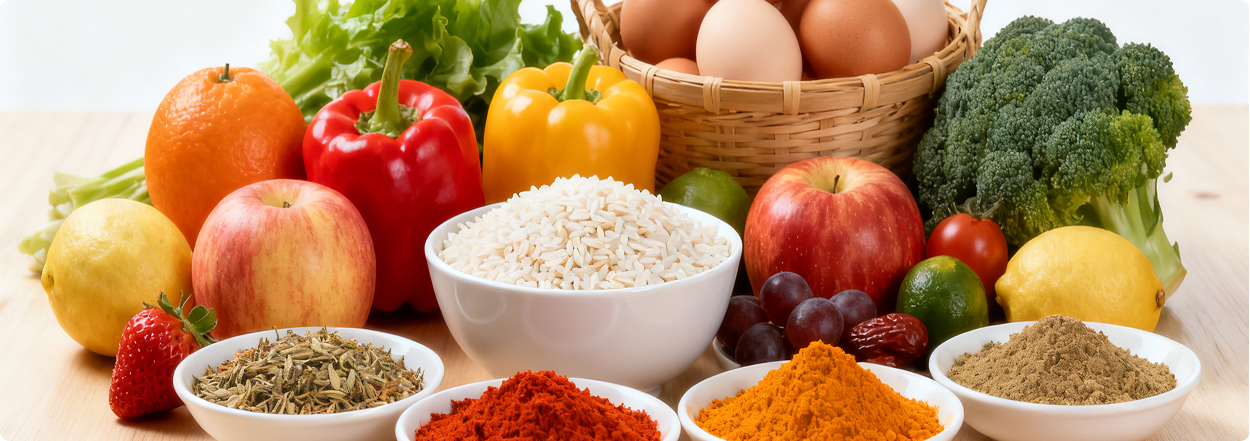
Mayil Global supplies fresh fruits, vegetables, premium spices, premium rice, and farm-fresh eggs to UAE supermarkets, restaurants, retailers, and wholesale distributors.
The operating model combines farm-direct sourcing, global supplier relationships, strict quality control, hygienic packaging, suitable storage, and organized logistics. This supports local buyers requiring:
- Dependable supply.
- Consistent quality.
- Product-specific sourcing.
- Alternative origins.
- Timely delivery.
- Documented inspection.
- Long-term commercial relationships.
UAE buyers can review the available Mayil Global product categories and discuss current requirements with the distribution team.
Commercial Checklist Before Negotiation
Before confirming a purchase, shipment, or distribution mandate:
- Confirm the exact product and grade.
- Verify country of origin and legal eligibility.
- Confirm buyer or exporter registration details.
- Define quantity, packaging, and loading date.
- Calculate complete landed cost.
- Review reefer and conflict-related surcharges.
- Agree the 3% commission structure where applicable.
- Confirm Cash & Carry or commission-based settlement.
- Review inspection and rejection terms.
- Prepare invoice, packing list, origin, phytosanitary, and applicable health documents.
- Confirm payment channels and counterparties.
- Establish arrival inspection and dispute procedures.
- Verify that the buyer is a verified buyer of that particular product.
- Obtain current market and regulatory confirmation before shipment.
Conclusion: Building a Reliable UAE Supply Route
The August 22 market position is defined by broad consolidation, an avocado premium, citrus discount pressure, freight uncertainty, and continuing compliance concerns around Iranian supply.
Exporters and UAE wholesale buyers require more than a price indication. They require verified counterparties, compliant documentation, controlled logistics, quality inspection, and a clear settlement structure.
Mayil Global’s 3% commission distribution model and immediate Cash & Carry container purchase option support exporters seeking efficient UAE market access. Its wholesale supply network supports supermarkets, restaurants, retailers, and distributors requiring dependable supply and consistent quality.
To discuss a product shipment, verified buyer requirement, 3% distribution arrangement, Cash & Carry container purchase, or UAE wholesale supply programme, contact Mayil Global.