


Friday, August 28, 2026, is the fifth and final trading day of GCC Week 34 before the UAE weekend. Buyers and exporters are closing weekend stock positions, consolidating replenishment for the Saturday–Sunday break, and confirming which shipments will close this week or roll into Week 35, opening Monday, August 31. Onion origin competition remains active, avocado continues to command a premium because regional spot inventory is tight, and freight surcharges require disciplined landed-cost calculations. All market figures below are planning benchmarks, not quotations. Verify live conditions at alaweerprices.com before confirming a purchase or shipment.
Planning Benchmarks for August 28
The following India-origin figures are carried forward from the August 27 planning schedule. They are indicative only and vary by grade, size, packing, shipment timing, quality, and negotiation.
| India-origin product | Planning benchmark |
|---|---|
| Onion, 1 kg | AED 2.00 |
| Ginger, 3 kg | AED 7.00 |
| Garlic, 3 kg | AED 16.00 |
| Okra, 3 kg | AED 32.00 |
| Green chilli, 4.5 kg | AED 26.00 |
| Pomegranate, 2 kg | AED 13.00 |
| Small onion, 3 kg | AED 14.00 |
| Cluster beans, 3 kg | AED 17.00 |
| Ivy gourd, 3 kg | AED 18.00 |
| Fresh turmeric, 3 kg | AED 38.00 |
| G9 banana green, 13 kg | AED 37.00 |
| G9 banana yellow, 13 kg | AED 45.00 |
| Dry coconut, 13 kg | AED 48.00 |
| Amla, 3.5 kg | AED 24.00 |
| Drumstick, 3 kg | AED 28.00 |
| YB banana, 4 kg | AED 16.00 |
| RK banana, 4 kg | AED 20.00 |
| Banana leaf, 4 kg | AED 24.00 |
| Suran, 9 kg | AED 24.00 |
These benchmarks support planning for weekend replenishment. They do not replace a product-specific offer, inspection, or confirmed buyer requirement.
Onion Origin Competition at Al Aweer
Current Al Aweer market updates show three principal planning references for compliant onion sourcing:
- India-origin new-crop onions: approximately AED 2.00/kg
- Egyptian onions: approximately AED 1.30/kg
- Yemeni onions: approximately AED 1.60/kg
Origin selection must not be based on price alone. Buyers and exporters should compare the complete landed cost, specification control, regulatory eligibility, documentation, availability, and supply reliability.
Indian onions remain a core reference for buyers requiring consistent new-crop supply. Egyptian onions provide a value-oriented alternative, subject to grade and condition. Yemeni onions may suit specific channels where road logistics, pack format, and delivery timing support the commercial calculation.
The correct decision is the origin that delivers dependable supply and consistent quality after freight, clearance, handling, expected wastage, and distribution costs are included.
Avocado Premium Persists
Regional spot inventory remains tight, with supply gaps adding approximately USD 5–6 per carton during August 2026. This premium is not automatic profit. It depends on matching the shipment to a defined channel before loading.
Exporters should confirm:
- Variety and origin.
- Count and carton configuration.
- Maturity stage at arrival.
- Minimum remaining shelf life.
- Temperature requirements.
- Retail or foodservice channel.
- Inspection and acceptance terms.
Premium avocado shipments should be allocated to a confirmed buyer before dispatch. A shipment without defined maturity and count specifications creates avoidable rejection and discount risk.
Citrus Condition and Discount Pressure
South African lemons and mandarins remain under discount pressure because of heavy peak-season arrivals and condition variances following extended transits.
Premium lots should be directed to supermarkets and retailers that require strong appearance, uniform sizing, and shelf life. Secondary lots should be allocated to wholesale and foodservice channels at prices that reflect their condition. Mayil Global focuses on matching the shipment with a verified buyer of that particular product, grade, and condition.
Egyptian Export Momentum
Egypt continues to demonstrate substantial export capacity. According to the Egypt Independent report on the NFSA weekly update, Egypt exported 208,000 tons of food products in the week ending August 21, 2026.
The report recorded:
- 4,370 export shipments
- 1,410 exporting companies
- Approximately 758 food products
- Shipments to 182 countries
- Approximately 50,000 tons of vegetables and tubers
- Approximately 10,000 tons of onions
This export momentum supports Egypt’s position as an important alternative origin for onions and other food products entering regional markets. Exporters must still confirm NFSA documentation, UAE import eligibility, phytosanitary requirements, packing specifications, and buyer acceptance before loading.
UAE–Iran Suspension Remains in Force
The UAE/Iran trade and financial suspension continues to affect origin eligibility, payment compliance, shipment authorization, and customs acceptance. Iranian benchmarks may appear commercially attractive, but they are non-executable without formal confirmation.
Businesses should not assume that third-country routing or alternative payment channels resolve the issue. The full transaction chain must be reviewed, including:
- Seller and beneficial owner.
- Country of origin.
- Beneficiary bank.
- Carrier and route.
- Consignee and importer.
- Shipment authorization.
- Customs and regulatory acceptance.
The reported UAE suspension of trade and financial activity with Iran remains a material risk factor. Until formal clarification is available, buyers should prioritize India, Egypt, Yemen, and other approved origins where documentation and eligibility can be verified.
Importing Onions to Dubai: Specification Checklist
Businesses researching importing onions dubai should complete the following checks before confirming a container:
- Product identity: Confirm brown, red, white, small onion, or another specified type.
- Origin: Match commercial documents, certificates, labels, and physical cargo.
- Grade and size: Define diameter, tolerance, maturity, dryness, and defect limits.
- Packing: Confirm net weight, bag type, carton or mesh format, palletization, and labeling.
- Quantity: Reconcile order quantity with container capacity and expected handling loss.
- Documents: Prepare invoice, packing list, certificate of origin, phytosanitary certificate, and applicable health documents.
- Inspection: Record pre-loading condition, weights, packaging, seals, and photographs.
- Arrival plan: Confirm clearance, transport, storage, Al Aweer delivery, and buyer inspection.
- Commercial terms: Agree price basis, deductions, rejection procedure, payment terms, and distribution structure.
- Live market check: Verify the latest onion conditions at alaweerprices.com price listings.
Freight and Landed-Cost Discipline
CMA CGM’s reefer Peak Season Surcharge from North Europe to the Middle East Gulf was lowered to USD 1,000 per container, effective August 15, 2026. CMA CGM’s Emergency Fuel Surcharge is approximately USD 165 per reefer TEU on the head-haul route.
Maersk emergency exposure has been reported at approximately USD 3,800 per reefer container, with a further amount of approximately USD 1,000 per container for Strait of Hormuz transit. For a 24,000 kg reefer, every USD 1,000 charge represents roughly AED 0.15/kg, subject to exchange rates and the final booking structure.
Confirm all surcharges per booking, route, carrier, equipment type, and loading date. The landed-cost calculation should include:
- Product and packing cost.
- Inland transport at origin.
- Ocean freight and reefer charges.
- Peak season, fuel, conflict, and transit surcharges.
- Insurance.
- Customs, clearance, and port handling.
- UAE inland delivery and storage.
- Commission or distribution cost.
- Quality-related wastage and discount exposure.

How to Export Food to Dubai: Eight Steps
Businesses asking how to export food to dubai should use a controlled operating sequence:
-
Define the product specification
Confirm origin, variety, grade, count, packaging, quantity, and shelf-life requirement. -
Identify the target channel
Match premium products to supermarkets and retailers, and suitable secondary grades to wholesale or foodservice buyers. -
Verify the UAE buyer
Check trade activity, receiving capacity, product demand, location, and settlement terms. -
Confirm regulatory eligibility
Review UAE food-safety, labeling, agricultural, phytosanitary, and import requirements. -
Calculate complete landed cost
Include every freight surcharge, handling charge, commission, and expected wastage. -
Agree the commercial model
Select commission distribution or an immediate Cash & Carry container purchase. -
Inspect and document before loading
Record product condition, temperature, weights, photographs, seals, and shipping documents. -
Coordinate arrival and review performance
Manage clearance, delivery, inspection, settlement, claims, realized price, and repeat-order potential.
Mayil Global’s sourcing and logistics process supports supplier coordination, quality control, hygienic handling, storage, and organized distribution.
Mayil Global’s 3% Commission Distributor UAE Model
Mayil Global provides a structured 3 percent commission distributor uae model for international and local exporters seeking UAE market access.
The model supports:
- Product-specific buyer identification.
- UAE wholesale distribution.
- Supermarket, restaurant, retailer, and distributor access.
- Local delivery coordination.
- Quality and documentation control.
- Sales communication and reporting.
- A clearly agreed 3% commission.
The 3% commission is a central Mayil Global USP. It gives exporters a defined distribution cost while reducing the need to build an independent UAE sales and logistics structure.
Commercial agreements should define the commission basis, product specification, shipment value, deductions, inspection process, settlement timing, claims procedure, and responsibilities of each party.
Immediate Cash & Carry Container Purchases
Exporters requiring faster liquidity may discuss immediate Cash & Carry container purchases. This structure can reduce receivables exposure and provide a faster working-capital cycle than extended consignment arrangements.
Each purchase remains subject to:
- Product and origin verification.
- Legal and regulatory eligibility.
- Documentation review.
- Pre-shipment or arrival inspection.
- Confirmed delivery feasibility.
- Agreed quality and settlement terms.
For suitable shipments, Cash & Carry purchasing allows exporters to close the shipment, recover funds, and plan the next production or export cycle with greater certainty.
Wholesale Fruits and Vegetables Dubai
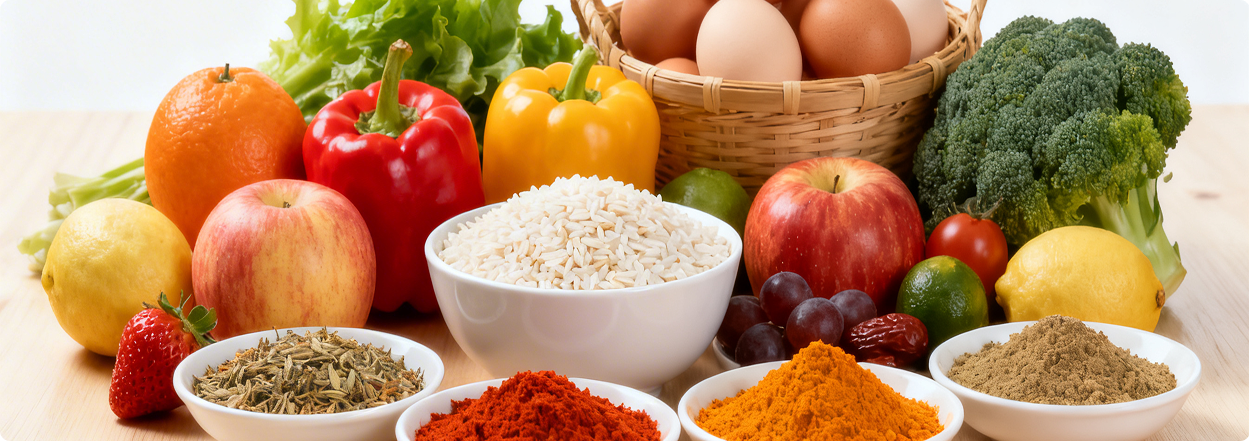
Mayil Global supplies fresh fruits, vegetables, premium spices, rice, and farm-fresh eggs to UAE supermarkets, restaurants, retailers, and wholesale distributors.
The supply model combines farm-direct sourcing, global supplier relationships, inspection at every stage, hygienic packaging, proper storage, and organized logistics. This gives local B2B buyers access to:
- Dependable supply.
- Consistent quality.
- Alternative origins.
- Product-specific procurement.
- Timely delivery.
- Documented quality control.
- Long-term commercial support.
Buyers seeking wholesale fruits and vegetables dubai should provide the exact product, quantity, delivery schedule, packaging, and quality standard required.
Verified Buyer Guidance for Week 34 Closing
Exporters searching for a verified buyer for exporters uae should submit a complete offer rather than a general commodity description.
Include:
- Product, variety, and origin.
- Grade, size, count, and tolerance.
- Packing format and net weight.
- Available quantity and loading date.
- Estimated arrival date.
- Certificates and documentation.
- Target commercial structure.
- Expected shelf life and handling requirements.
The key question is whether the counterparty is a verified buyer of that particular product. A buyer suitable for onions may not be suitable for avocados, citrus, okra, premium rice, spices, or eggs.
For additional UAE export news, review current compliance requirements, carrier notices, and Mayil Global’s latest market briefings.
Conclusion: Closing Week 34 with Controlled Decisions
The August 28 closing position is defined by onion origin competition, strong Egyptian export momentum, a continuing avocado premium, citrus condition-based discounting, freight uncertainty, and ongoing restrictions affecting Iranian-origin supply.
Buyers and exporters should close Week 34 using verified specifications, complete landed-cost calculations, compliant documentation, and confirmed counterparties. Price alone does not establish a viable shipment.
Mayil Global’s 3% commission distributor UAE model and immediate Cash & Carry container purchase option provide structured routes for exporters seeking dependable UAE distribution. Its wholesale supply network supports supermarkets, restaurants, retailers, and distributors requiring consistent quality and reliable delivery.
To discuss a shipment, a verified buyer for exporters UAE, importing onions, Cash & Carry purchasing, or wholesale supply, contact Mayil Global.