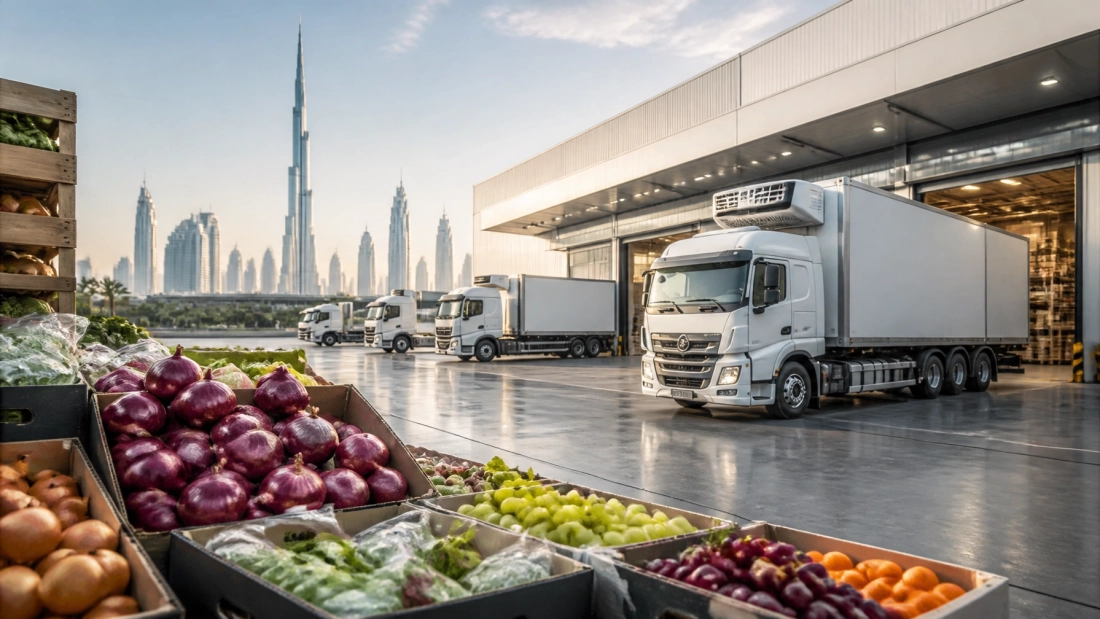
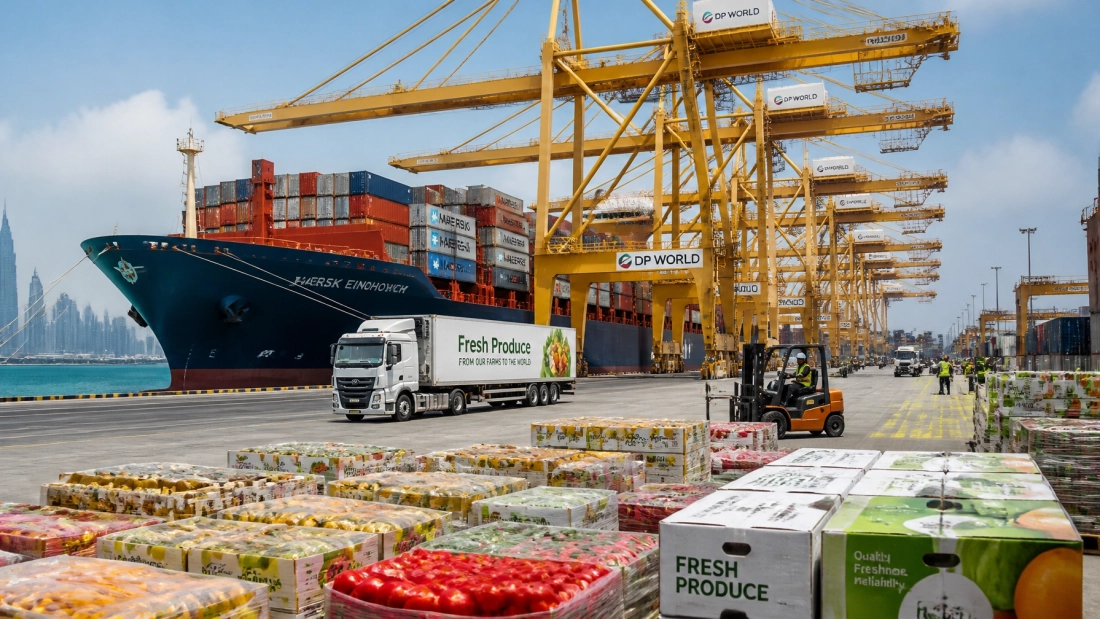
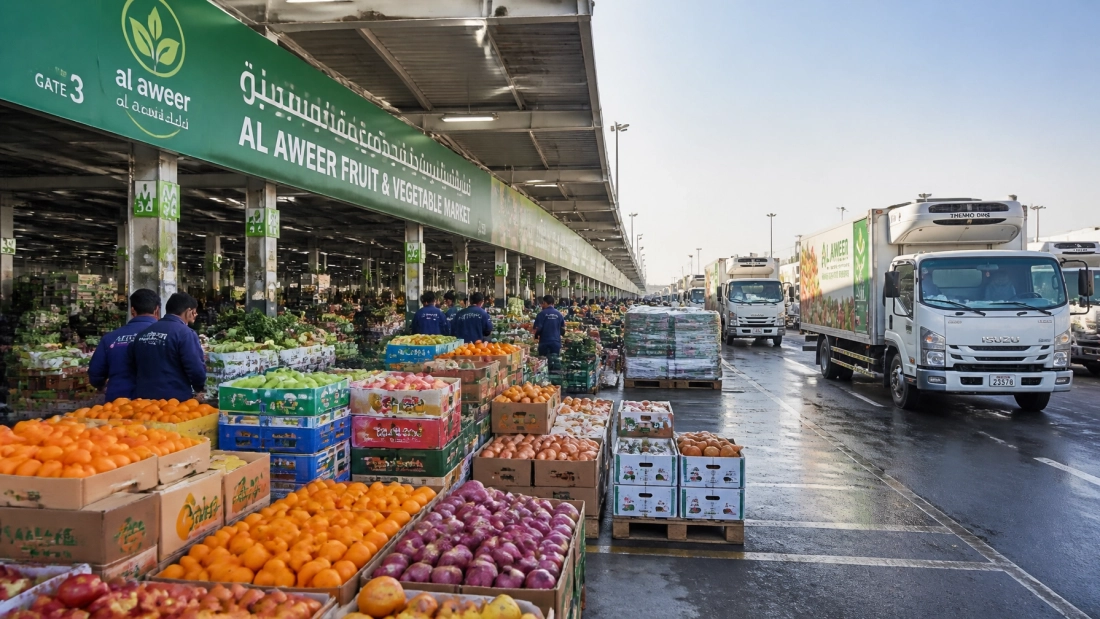
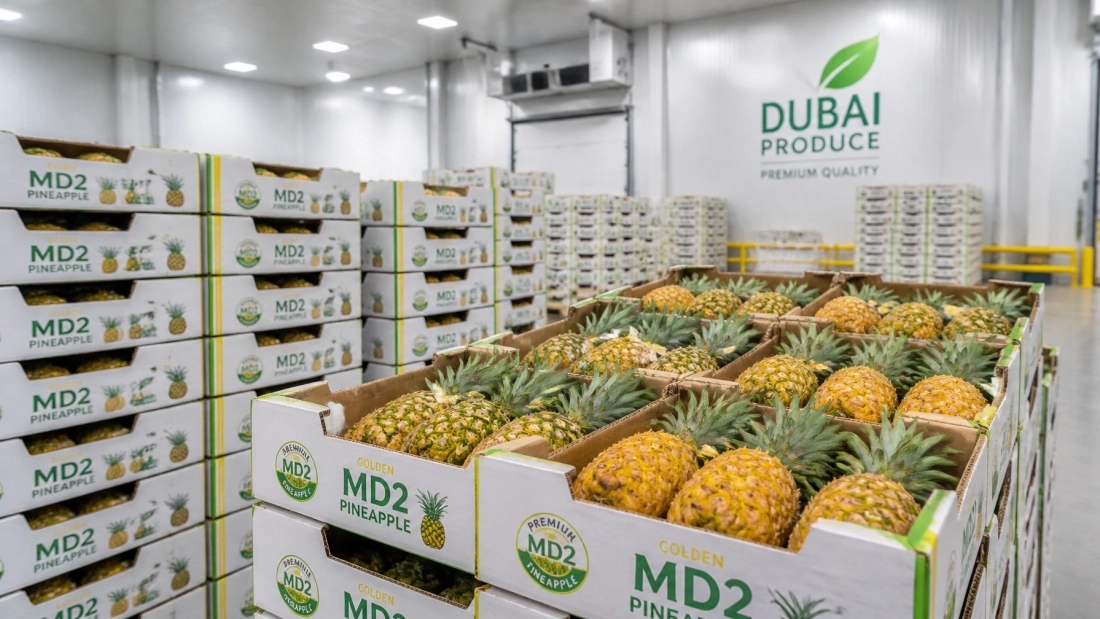
A close-up, high-quality image of premium fresh produce, including crisp apples, vibrant citrus, and ripe tomatoes, neatly organized in professional wholesale crates. The lighting is natural and highlights the freshness and quality control standards.

Traditional Brokers Vs. 3% Commission Distributor UAE: Which Is Better For Your Export Margins?

For global exporters targeting the United Arab Emirates, the primary challenge is not just entering the market, but retaining a profitable margin. In the competitive landscape of Dubai’s food wholesale sector, the choice of a distribution partner determines whether an export venture thrives or merely survives.

Traditional brokering models have long dominated the industry, often characterized by complex fee structures and extended payment cycles. However, a shift toward the 3 percent commission distributor UAE model is redefining how international suppliers interact with the market. At Mayil Global, we have optimized our operations to provide a transparent, volume-driven alternative that prioritizes the exporter's liquidity and net profit.

This article provides a rigorous comparison between traditional brokerage and the modern 3% commission distribution model, focusing on the operational efficiencies and financial benefits for B2B stakeholders.

1. The Traditional Broker Model: An Analysis of Hidden Costs

Traditional food brokers and traders in the UAE typically operate on a commission-plus-fees basis. While the headline commission might seem standard, the "effective cost" of distribution often escalates through secondary charges.

Complex Fee Structures

In a traditional setup, exporters often face a headline commission ranging from 5% to 15%. However, this is rarely the final cost. Additional deductions frequently include:

  • Handling and Offloading Fees: Charges for moving stock from containers to the floor.
  • Storage and Cooling Surcharges: Daily costs for maintaining temperature-controlled environments.
  • Market Loss Adjustments: Debits passed back to the exporter if market prices fluctuate negatively.
  • Unclear Discounts: Opaque price reductions offered to local buyers at the exporter's expense.

Information Asymmetry

Traditional models often suffer from a lack of real-time transparency. Exporters may receive settlement reports days or even weeks after the sale, making it difficult to adjust supply strategies based on current market demand. This delay in information creates a barrier to effective supply chain management.

2. The 3% Commission Distributor Model: Operational Excellence

Mayil Global operates as a specialized 3 percent commission distributor UAE, focusing on high-volume throughput rather than high-margin fees. This model is designed for exporters who require a lean, transparent, and predictable entry into the UAE market.

A close-up, high-quality image of premium fresh produce, including crisp apples, vibrant citrus, and ripe tomatoes, neatly organized in professional wholesale crates. The lighting is natural and highlights the freshness and quality control standards.

Flat, Transparent Commission

Our core value proposition is a flat 3% commission on the realized sale price. By eliminating hidden "extra" charges, we ensure that exporters can calculate their net margins with precision before the container even departs the port of origin.

Incentivized Fast Turnover

Because our revenue is tied to a low percentage of volume, our operational incentive is aligned with the exporter's: to move stock rapidly at the best possible market price. We do not profit from prolonged storage or administrative fees. This ensures that fresh produce, such as wholesale fruits and vegetables Dubai, reaches the end-buyer in peak condition.

3. Liquidity and the Cash & Carry Advantage

Cash flow is the lifeblood of any export business. One of the most significant drawbacks of traditional brokering is the credit cycle. Brokers often extend 15 to 30-day credit to local retailers and supermarkets, using the exporter's stock as collateral. This ties up the exporter's working capital and increases financial risk.

Daily Liquidity Solutions

As a leader in cash and carry food wholesale Dubai, Mayil Global prioritizes immediate liquidity. Our model is built around a B2B network that pays upon or shortly after delivery. This allows us to offer:

  • Daily Settlements: Reducing the time between sale and payment.
  • Reduced Financing Costs: Faster capital rotation means exporters need less bridge financing for their next shipment.
  • Risk Mitigation: Minimized exposure to long-term credit defaults in the local market.

For a deeper look into why payment speed is critical, read our analysis on why cash and carry matters in the Aweer market.

4. Comprehensive Distribution: Beyond Fresh Produce

While fresh fruits and vegetables are a cornerstone of our operations, Mayil Global’s infrastructure is designed to handle a diverse portfolio of premium food products. Our role as one of the premier food distribution companies in UAE extends to several key categories.

Premium Spices and Rice

The UAE is a global hub for the spice and grain trade. We provide the same 3% commission structure and cash-and-carry efficiency for exporters of premium rice and spices. Our specialized sourcing and logistics ensure that these dry goods are handled with the same rigor as perishable items, maintaining quality from farm to market.

An organized warehouse section showing bulk sacks of premium Basmati rice and various high-quality spices in professional packaging. The setting is clean, well-lit, and reflects a high-standard storage facility.

Farm Fresh Eggs

Logistics for eggs require specialized handling to prevent breakage and maintain hygiene standards. Our distribution network ensures a steady, reliable supply of farm-fresh eggs to supermarkets and restaurants throughout the UAE, backed by our strict quality control protocols.

5. Why Choose Mayil Global for Your UAE Exports?

Choosing Mayil Global means partnering with a company that understands the mechanics of the UAE supply chain. We prioritize functional clarity and operational reliability over creative promises.

Strategic Infrastructure

We maintain our own storage and handling facilities, ensuring that your containers are processed through an efficient, integrated system. This direct control allows us to maintain the 3% commission model without relying on third-party intermediaries who would inflate costs.

B2B Network Reach

Our distribution reach includes:

  1. Supermarkets and Hypermarkets: Direct supply lines to major retail chains.
  2. Restaurants and HORECA: Tailored wholesale solutions for the hospitality sector.
  3. Wholesale Distributors: Strategic partnerships that expand the footprint of your products across the region.

A professional B2B setting showing two business professionals reviewing a digital tablet with charts and supply chain data. The background is a corporate office overlooking a logistics hub, symbolizing transparency and data-driven decision-making.

Strict Quality Control

Inspection occurs at every stage: from arrival at the port to final delivery. Our commitment to international safety and hygiene standards ensures that your brand reputation remains intact in the high-standard UAE market.

Conclusion: Maximizing Your Export Potential

The comparison is clear: while traditional brokers offer a familiar route, the associated hidden costs and slow liquidity often erode the very margins exporters work so hard to build. The 3 percent commission distributor UAE model, pioneered by Mayil Global, offers a leaner, more transparent, and financially advantageous alternative.

By focusing on cash and carry food wholesale Dubai, we provide the liquidity needed to scale your operations. Whether you are exporting fruits, vegetables, spices, rice, or eggs, our infrastructure is designed to ensure your success in the UAE market.

To explore how our distribution model can optimize your specific export margins, contact our team today.
zW6dnyjacfZ

Al Aweer Market Secrets Revealed: How a Verified Buyer for Exporters UAE Protects Your Daily Profits

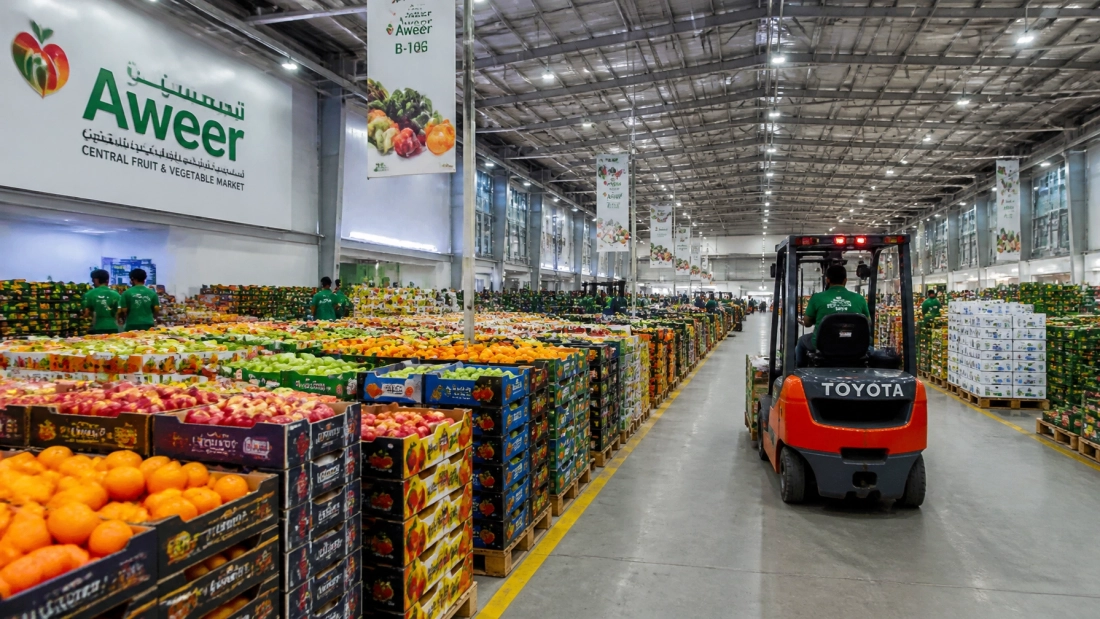
For any global exporter eyeing the Middle East, the Al Aweer Central Fruit & Vegetable Market in Dubai is both the ultimate prize and a daunting challenge. Known as the "Ras Al Khor Market," this massive hub handles the majority of the UAE’s fresh produce. However, behind the rows of colorful crates and the hum of refrigerated trucks lies a high-stakes trading floor where fortunes are made or lost in hours.

Navigating this market requires more than just high-quality produce; it requires a strategic partner who understands the "secrets" of Al Aweer. At Mayil Global, we act as a Verified Buyer for Exporters in the UAE, offering a revolutionary 3% commission model designed to protect your margins and ensure your containers turn into consistent profit.

The Volatility Secret: Why Timing is Everything at Al Aweer

The first secret every exporter must understand is that Al Aweer is famously volatile. Prices for wholesale fruits and vegetables in Dubai can swing by as much as 20% in a single afternoon. This isn't just market noise: it’s a direct result of supply-and-demand mechanics.

When multiple vessels carrying the same commodity: for instance, if three large shipments of onions arrive simultaneously: the market becomes "heavy." Prices plummet as commission agents scramble to move perishable stock. Conversely, arriving during a supply gap can result in premium returns.

As your verified buyer, Mayil Global provides real-time market intelligence. We don't just wait for your container to arrive; we help you plan your ETA to avoid clashes with high-volume arrivals. This strategic positioning is the difference between liquidating stock at a loss and securing a high-margin sale.

The 3% Commission Advantage: Reclaiming Your Margins

The "standard" in Al Aweer has long been a 5% commission charged by local distributors. For many exporters, this has been accepted as an immovable cost of doing business. However, the reality is that the 5% rate is a convention, not a regulation.

Infographic comparing the standard 5% commission model versus Mayil Global's 3% commission model, highlighting increased profit for exporters.

At Mayil Global, we have disrupted this norm by offering a transparent 3% commission-based distribution model. On a single container with a gross sale value of $100,000, that 2% difference puts an additional $2,000 directly back into your pocket.

Why Choose the 3% Model?

  1. Immediate Liquidity: We prioritize fast turnover. Our Cash & Carry wholesale model means we have the liquidity to move your products quickly to our network of B2B buyers.
  2. Transparency: Many 5% agents hide additional "service fees" or handling costs. Our 3% model is straightforward, allowing you to calculate your ROI with precision.
  3. Incentivized Volume: We thrive on long-term partnerships. By lowering our commission, we encourage higher volumes, which strengthens our position as a leading wholesale supplier in the UAE.

Deep Dive: Importing Onions to Dubai

If you are importing onions to Dubai, you are entering one of the market's most competitive segments. Onions are a staple, but they are also sensitive to moisture and heat, making quality control paramount.

To successfully export onions, you must adhere to the Dubai Municipality’s Food Import & Re-export System (FIRS). This involves:

  • Product Registration: Ensuring your brand and packaging are registered before the container leaves the port of origin.
  • Labeling: Clear Arabic/English labels showing the country of origin, net weight, and exporter details.
  • Phytosanitary Certification: Confirming the produce is free from pests and meets UAE health standards.

Close-up of premium red onions in wholesale mesh bags, highlighting the quality standards required for the Dubai market.

Mayil Global simplifies this process. As a verified buyer, we assist our partners in navigating the FIRS registration and ensure that your shipment meets all regulatory hurdles before it even hits the Al Aweer floor. Whether you are shipping red onions from India or yellow onions from Egypt, our team ensures that "export quality" actually meets "Dubai standards."

How a Verified Buyer Protects Your Container ROI

The term "Verified Buyer" isn't just a title: it's a commitment to operational excellence. When you partner with Mayil Global, we take on the heavy lifting of the supply chain.

1. Strict Quality Control

One of the biggest "secrets" of Al Aweer is how much money is lost to avoidable wastage. Improper handling during offloading can damage produce, leading to heavy discounts. We employ strict quality control at every stage. Our inspectors are on-site at the market to verify the condition of the goods the moment the container seal is broken.

2. Organized Logistics

Efficiency in the Dubai supply chain is critical. We manage the transition from Jebel Ali Port to Al Aweer with precision. By ensuring timely delivery and proper storage, we extend the shelf life of your produce, giving us more leverage during price negotiations with local B2B buyers.

3. Diverse B2B Network

We don't just sell to anyone. Mayil Global has a curated network of supermarkets, restaurants, and wholesale distributors across the UAE. Because we have established trust with these buyers, they look to us for a "steady and reliable supply." This built-in demand reduces the risk of your container sitting idle in the heat.

How to Export Food to Dubai: A Step-by-Step Approach

For global exporters wondering how to export food to Dubai, the path is clear but requires attention to detail:

  1. Market Research: Identify the current demand trends. Are you shipping staples like bulk rice or seasonal fruits?
  2. Partner Selection: Choose a distributor like Mayil Global that offers a commission model (3%) that aligns with your profitability goals.
  3. Compliance: Work with your partner to register your products in the Dubai Municipality systems.
  4. Logistics Coordination: Coordinate with your freight forwarder and your UAE partner to ensure a smooth clearance process at Jebel Ali.
  5. Sales & Settlement: Receive detailed sales reports and prompt payments.

A modern, clean food distribution warehouse in Dubai, showcasing the high standards of hygiene and organized logistics at Mayil Global.

Serving Local UAE B2B Buyers: The Other Side of the Coin

While we focus heavily on protecting global exporters, Mayil Global is equally dedicated to our local customers. For supermarkets and restaurants in the UAE, we are a premier wholesale supplier.

Our ability to source directly from farms and global exporters means we provide:

  • Farm-Fresh Quality: We skip the multiple middlemen that usually add cost and time to the supply chain.
  • Hygienic Handling: Our packaging and storage follow the highest safety standards, ensuring that the farm-fresh eggs or premium spices you receive are of top-tier quality.
  • Price Stability: Our Cash & Carry model allows us to offer competitive, stable pricing even when the Al Aweer market is fluctuating.

Conclusion: Secure Your Daily Profits with Mayil Global

The Al Aweer market doesn't have to be a gamble. By understanding the secrets of market timing, regulatory compliance, and commission structures, you can turn the UAE into your most profitable export destination.

Whether you are looking for a ginger buyer in Dubai or a partner to help you navigate wholesale vegetables in Dubai, Mayil Global is here to protect your daily profits. Our 3% commission model and verified buyer status provide the stability and transparency you need to scale your business.

Ready to maximize your container ROI? Contact Mayil Global today and let’s discuss how our 3% commission model can transform your export business.

P6IiaRSUa1w

Looking For a Verified Buyer for Exporters UAE? Here Are 10 Things You Should Know About Cash and Carry Wholesale

Navigating the international trade landscape of the United Arab Emirates requires more than just high-quality produce; it demands a strategic partnership with a verified buyer. For global exporters, the transition from local harvests to the bustling stalls of the Al Aweer Fruit and Vegetable Market in Dubai involves complex logistics, regulatory compliance, and financial risk management. Establishing a reliable presence in the UAE market is predicated on understanding the operational mechanics of wholesale distribution.

Mayil Global operates as a cornerstone for exporters seeking stability and transparency. By specializing in B2B supply chains, we provide the infrastructure necessary for seamless entry into the Middle Eastern market. Central to our operations is a commitment to operational excellence, anchored by our distinctive 3% commission model and a robust Cash and Carry wholesale system.

Here are 10 essential insights regarding Cash and Carry wholesale and how to position your business as a preferred supplier in the UAE.

1. Understanding the Cash and Carry Wholesale Model

In the context of the UAE’s food distribution sector, Cash and Carry refers to a high-velocity business model where local B2B buyers: including supermarkets, restaurants, and wholesale distributors: purchase goods directly from a central warehouse or market point. Unlike traditional credit-based retail, the transaction involves immediate or near-immediate payment. For an exporter, this model ensures that inventory does not sit stagnant. Rapid turnover is the primary objective, facilitating a continuous cycle of supply and demand.

2. The Strategic Advantage of the 3% Commission Model

Traditional distribution in Dubai often involves commission rates ranging from 8% to 15%, frequently accompanied by hidden handling fees. Mayil Global has disrupted this standard by offering a transparent 3% commission model. This lean structure is designed to maximize the exporter's margins while ensuring that the distributor remains focused on high-volume throughput. By reducing the cost of distribution, exporters can price their products more competitively in the wholesale fruits and vegetables dubai market.

3. Navigating the Al Aweer Fruit and Vegetable Market

Al Aweer serves as the epicenter of fresh produce trade for the entire GCC region. It is a strictly B2B environment where thousands of registered traders and wholesalers interact daily. Understanding the timing of this market is critical; peak trading occurs between 2:00 AM and 8:00 AM. Prices are discovered in real-time based on the volume of arrivals and the immediate demand from local retailers. A verified buyer with an established footprint in Al Aweer, like Mayil Global, provides exporters with the on-ground intelligence needed to navigate these price fluctuations.

High-quality red and yellow onions packed for export in a professional UAE wholesale warehouse.

4. Documentation Requirements for Importing Onions to Dubai

Exporters often ask how to export food to dubai, particularly high-demand commodities like onions. Importing onions dubai involves a rigorous "golden set" of documentation:

  • Phytosanitary Certificate: Mandatory proof from the origin country that the shipment is free of regulated pests.
  • Certificate of Origin: Required for customs clearance and to leverage trade agreements.
  • Commercial Invoice and Packing List: Must accurately reflect HS codes, weights, and values.
  • MOCCAE Permit: An import permit from the Ministry of Climate Change and Environment must be secured by the UAE importer prior to loading.

5. Logistics: The Jebel Ali and Cold Chain Connection

Most bulk shipments of fruits and vegetables arrive via Jebel Ali Port in refrigerated (reefer) containers. Maintaining an unbroken cold chain from the farm to our Dubai warehouse is non-negotiable. For perishable items, temperature control is the single most important factor in preserving market value. Our logistics network ensures that containers are cleared efficiently and transported to temperature-controlled storage, minimizing spoilage and maximizing the shelf life of the produce upon arrival at the market.

6. Daily Liquidity and Cash Flow Management

One of the most significant challenges for exporters is the "liquidity gap": the time between shipping a container and receiving payment. Traditional models often involve 30-day or 60-day credit terms provided to local buyers. Mayil Global’s Cash and Carry approach prioritizes daily liquidity. By selling to buyers who pay on the spot, we are able to provide exporters with faster settlements. This allows you to reinvest capital into your next shipment immediately, rather than waiting for extended credit cycles to conclude.

B2B business partners finalizing a trade agreement in a modern Dubai office environment.

7. Strict Quality Control and Inspection Standards

The UAE market is globally competitive, attracting produce from every continent. To maintain "Verified Buyer" status, Mayil Global enforces strict quality control at every stage. This includes inspection upon arrival at the port and a secondary check at our distribution center. Factors such as size grading (e.g., 60mm+ for onions), skin integrity, and color uniformity are assessed. Consistently meeting these standards ensures that your products are prioritized by premium supermarket chains and high-end restaurants.

8. Identifying Real-Time Market Pricing Dynamics

There is no fixed price list in the Dubai wholesale market. Prices are a reflection of daily supply levels. For instance, a shortage of shipments from India may cause onion prices to spike, while a surplus from Egypt might lead to a correction. We provide our partners with transparent daily sales reports. This real-time feedback allows exporters to adjust their shipping volumes and timing to capitalize on favorable market conditions, rather than shipping blindly into an oversupplied market.

9. Leveraging Global Sourcing Networks

Successful exporters do not operate in a vacuum. Being part of a global supply network allows for a steady and reliable supply of diverse products, including premium spices, bulk rice, and fresh produce. Mayil Global’s infrastructure supports a wide array of food products, enabling us to act as a comprehensive partner for exporters who handle multiple commodities. Our focus on B2B supply ensures that we have a ready pool of buyers for almost any high-quality food product.

Refrigerated container being unloaded at a modern Dubai distribution dock, emphasizing cold chain efficiency.

10. Building Long-Term B2B Relationships

The ultimate goal of Cash and Carry wholesale is not just a single transaction, but the establishment of a dependable supply chain. For exporters, this means finding a partner in the UAE that offers functional clarity and operational stability. Mayil Global prioritizes long-term relationships over short-term gains. By aligning our interests through the 3% commission model, we ensure that our success is directly tied to the volume and quality of the products you provide.

Conclusion: Securing Your Position in the UAE Market

Finding a verified buyer for exporters in the UAE is a matter of due diligence and strategic alignment. The Cash and Carry wholesale model, when paired with a transparent commission structure and efficient logistics, offers a clear path to profitability.

At Mayil Global, we provide the platform for global exporters to succeed in one of the world's most dynamic food hubs. Whether you are importing onions to dubai or supplying fresh fruits to major supermarkets, our systems are designed to ensure your cargo moves fast, your payments arrive quickly, and your business continues to grow.

For more information on how to start your export journey with us, explore our product range or contact our distribution team today.

pBloQJQrHaj

The Ultimate Guide to 3 Percent Commission Distributor UAE: Everything You Need to Succeed in Food Exporting

Establishing a profitable presence in the UAE food market requires more than just high-quality products; it demands a distribution partner that prioritizes transparency, liquidity, and operational efficiency. For international exporters and container owners, navigating the complexities of the Al Aweer Central Fruit & Vegetable Market can be challenging. Traditional models often involve opaque fee structures and high commission rates that erode profit margins.

Mayil Global is redefining the food distribution landscape in the UAE. By offering a specialized 3 percent commission distributor UAE model, we provide a streamlined pathway for exporters to move volume while maintaining healthy returns. This guide explores the mechanics of this model, the advantages of our Cash & Carry system, and how our B2B wholesale services support the growing demands of supermarkets, restaurants, and retailers across the Emirates.

Understanding the 3% Commission Model

The 3% commission model is a strategic financial structure designed for high-volume exporters who require a reliable local partner to manage the "last mile" of international trade. Unlike traditional agents who may charge between 5% and 10%, Mayil Global operates on a flat, transparent 3% fee on the total sales value.

How the Process Works

Delivering a container to the UAE involves several critical stages. Our team manages the process with rigorous attention to detail:

  1. Container Arrival and Clearance: Upon the arrival of your shipment at Jebel Ali or Port Rashid, we facilitate the transition from the port to our distribution hubs.
  2. Logistics and Handling: Goods are transported using temperature-controlled logistics to ensure the cold chain remains intact, preserving the shelf life of fresh produce.
  3. Sales Execution: Leveraging our extensive network in the Al Aweer Central Fruit & Vegetable Market, we sell your products to pre-vetted B2B buyers.
  4. Transparent Deductions: Every expense: including customs duties, municipality fees, and port charges: is documented and shared. There are no hidden "handling" or "administrative" fees.
  5. Rapid Settlement: We prioritize liquidity. Once the goods are sold, the balance (minus the 3% commission and documented costs) is settled swiftly, allowing you to reinvest in your next shipment.

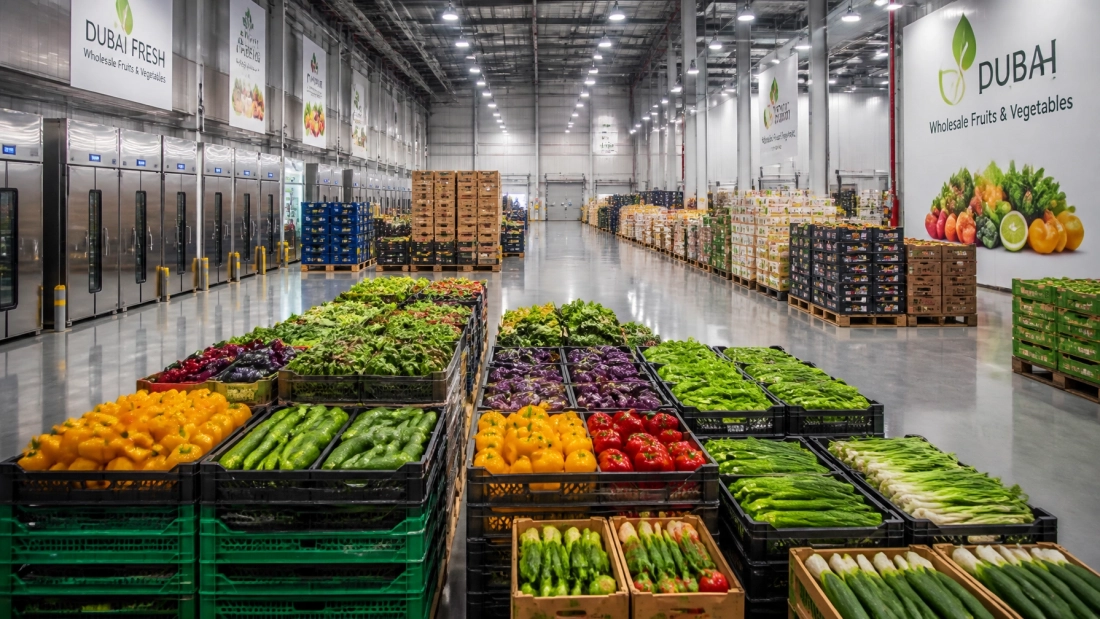
A professional display of wholesale fresh fruits and vegetables, including onions, potatoes, and citrus, arranged in a clean, organized warehouse setting.
Caption: Maintaining peak freshness through organized logistics and cold chain management.

Why Exporters are Switching to Mayil Global

In the competitive world of wholesale fruits and vegetables Dubai, the difference between profit and loss often comes down to the distributor’s commission and the speed of capital turnover.

Maximizing Margins on High-Volume Commodities

For commodities like onions and potatoes, where margins are tight, a 3% commission provides a significant competitive advantage over the industry standard of 7-10%. This model is specifically built for exporters who own their containers and seek a volume-based strategy.

Ensuring Daily Liquidity

One of the primary hurdles for exporters is the "liquidity gap": the time between shipping a container and receiving payment. Our Cash & Carry food wholesale Dubai model and the 3% commission structure are designed to minimize this gap. By facilitating quick sales and providing transparent reporting, we ensure that exporters can maintain a steady flow of containers without being stalled by slow payments.

Sourcing and Quality Control Standards

Sourcing from trusted farms and global suppliers is the foundation of our operations. At Mayil Global, we do not compromise on quality. Every product, from premium spices to farm-fresh eggs, undergoes a multi-stage inspection process.

Our Core Product Categories

  • Fresh Fruits and Vegetables: Sourcing seasonal produce globally to ensure a consistent supply for the UAE market.
  • Premium Spices: Providing bulk wholesale spices that meet international safety and flavor profiles.
  • Bulk Rice: Offering various grades of premium rice to satisfy the diverse culinary needs of the region.
  • Farm Fresh Eggs: Supplying high-quality eggs handled with the highest hygiene standards.

Burlap sacks of premium rice and colorful spices stacked neatly in a modern, hygienic wholesale warehouse.
Caption: Our premium dry goods are stored in climate-controlled environments to maintain quality and flavor.

The Role of Al Aweer Market in UAE Distribution

The Al Aweer Central Fruit & Vegetable Market serves as the pulse of the UAE’s food supply chain. As one of the most prominent food distribution companies in UAE, Mayil Global maintains a strong presence within this hub.

Operational Excellence in Al Aweer

Operating in Al Aweer requires a deep understanding of local market dynamics and buyer behavior. Sourcing and selling in this environment demand:

  • Efficient Logistics: Moving goods quickly from the port to the market stalls or cold stores.
  • Market Intelligence: Real-time tracking of price fluctuations to ensure containers are sold at the optimal price point.
  • Relationship Management: Building long-term trust with local B2B buyers, including restaurant groups and supermarket chains.

Strategic Benefits for Local B2B Buyers

While our 3% commission model targets exporters, our wholesale infrastructure provides immense value to local UAE businesses. Supermarkets and restaurants benefit from our direct-from-farm sourcing and organized logistics.

Reliability for Supermarkets and Restaurants

  • Consistent Supply: Our global network ensures that even during seasonal shifts, your shelves remain stocked.
  • Hygienic Handling: Following international safety standards, we ensure that every delivery is safe and fresh.
  • Organized Logistics: Timely delivery is a non-negotiable pillar of our service. Our fleet is equipped to handle bulk orders with precision.

A white, modern delivery truck with subtle branding parked in front of a professional warehouse facility in Dubai.
Caption: Delivering fresh produce and premium goods across the UAE with our dedicated logistics fleet.

Success Strategies for Exporters

To succeed as a food exporter in the UAE, you must align your operations with local standards and partner with the right distributor.

  1. Product Compliance: Ensure all goods meet UAE municipality standards for grading and pesticide residues.
  2. Documentation Accuracy: Phytosanitary certificates and Certificates of Origin must be flawless to avoid port delays.
  3. Volume Consistency: The 3% commission model works best for exporters who can maintain a regular schedule of container arrivals.
  4. Partner with a Specialist: Choose a partner like Mayil Global that offers a clear sourcing and logistics framework.

Conclusion: Building Long-Term Growth

The UAE market is a land of opportunity for food exporters, but success depends on the efficiency of your distribution partner. By choosing Mayil Global’s 3% commission model, you are opting for a partner that values transparency, speed, and professional excellence. Whether you are exporting ginger or supplying bulk rice, our infrastructure is built to support your growth.

Building a dependable supply chain is not just about moving products; it is about fostering trust through consistent quality and honest business practices.


Ready to maximize your export profits?
Contact Mayil Global today to discuss how our 3% commission and Cash & Carry models can transform your business in the UAE.

S-OCgs4gBuR

5 Steps How to Export Food to Dubai and Get Paid Faster (Easy Guide for Global Shippers)

The United Arab Emirates (UAE) stands as a premier global hub for food trade, with Dubai serving as the central gateway for a multi-billion dollar import market. For global exporters, the opportunity is significant; however, the challenges of navigating complex regulations and ensuring consistent liquidity can often delay business growth. Successfully entering this market requires more than just high-quality produce; it demands a strategic partnership and an understanding of regional logistics.

This guide outlines the critical steps for how to export food to dubai efficiently, focusing on maximizing margins through Mayil Global’s unique 3% commission model and the immediate liquidity of our Cash & Carry wholesale operations.

Step 1: Identifying High-Demand Commodities in the UAE Market

The first step for any exporter is selecting products with consistent demand and high turnover rates. Dubai is heavily dependent on imports for daily essentials. Understanding the specific requirements for wholesale fruits and vegetables in Dubai is essential for selecting the right cargo.

Key commodities currently in high demand include:

  • Dry Onions: A staple with massive daily volume. When importing onions to Dubai, exporters should focus on red and yellow varieties from India, Pakistan, and Egypt.
  • Premium Rice: Particularly Basmati and Long-grain varieties sourced from the Indian subcontinent.
  • Premium Spices: Including black pepper, cardamom, and ginger.
  • Fresh Fruits: Such as apples, citrus, and bananas, which require strict cold-chain maintenance.

Selecting the right product ensures that your container moves quickly upon arrival at the Al Aweer Fruit and Vegetable Market.

Step 2: Navigating Regulatory Compliance and Documentation

Dubai Municipality food import registration and phytosanitary documents

Compliance is the pillar of a successful export operation. Dubai Municipality and the Ministry of Industry and Advanced Technology (MOIAT) enforce rigorous standards to ensure food safety. Failure to provide accurate documentation can lead to shipment rejections or costly delays at Jebel Ali Port.

To ensure a smooth transition, global shippers must secure the following:

  1. Phytosanitary Certificate: Required for all fresh produce to prove it is free from pests and diseases.
  2. Health Certificate: Issued by the competent authority in the country of origin.
  3. Certificate of Origin: To verify the source of the goods for customs and duty calculations.
  4. Food Import & Re-export System (FIRS) Registration: All products must be registered in the Dubai Municipality system by a licensed local importer like Mayil Global.

Proper labeling is also mandatory. All packaging must include the product name, country of origin, net weight, and production/expiry dates, often required in both Arabic and English.

Step 3: Streamlining Logistics and Arrival at Al Aweer Market

Al Aweer Fruit and Vegetable Market wholesale distribution scene

Logistics management defines the profitability of your shipment. Most food imports enter through Jebel Ali Port, the largest marine terminal in the Middle East. From the port, containers are transported to the Al Aweer Fruit and Vegetable Market, the central nervous system of Dubai’s wholesale trade.

Exporters must ensure:

  • Cold Chain Integrity: For perishables, continuous temperature control is non-negotiable. Any fluctuation can lead to quality degradation and lower market prices.
  • Efficient Offloading: Once the container arrives at Al Aweer, rapid offloading and inspection are required to hit the early morning wholesale windows when prices are most competitive.

Mayil Global manages this process with organized logistics, ensuring that your goods are handled with the highest standards of hygiene and speed.

Step 4: Maximizing Margins with the 3% Commission Model

Financial breakdown showing transparent 3% commission model

One of the most significant barriers for exporters is the high commission rates charged by traditional agents in the UAE. Many distributors charge between 5% and 10%, which significantly erodes the exporter's profit.

Mayil Global has revolutionized this by offering a transparent 3% commission strategy. This model is designed to:

  • Increase Net Returns: By lowering the cost of distribution, exporters retain a larger share of the market price.
  • Provide Transparent Reporting: Every sale is documented, providing exporters with clear insights into how their products are performing in the Dubai market.
  • Build Long-Term Trust: We prioritize a partnership-first approach, ensuring that our interests are aligned with yours.

Whether you are importing onions to Dubai or bulk spices, this low-commission model ensures you remain competitive against local and global suppliers.

Step 5: Achieving Daily Liquidity via Cash & Carry

Modern cold storage warehouse showing Cash and Carry wholesale operations

For many global shippers, the biggest challenge isn't finding a buyer, but getting paid quickly. Traditional wholesale cycles can take weeks to settle, creating liquidity gaps that prevent exporters from funding their next shipment.

Mayil Global solves this through our Cash & Carry wholesale model. We offer:

  • Immediate Container Purchases: For qualified shipments of rice, onions, and spices, we provide direct cash-and-carry purchases. This means you get paid immediately upon delivery and inspection.
  • Reduced Risk: By selling directly to us, exporters avoid the risks associated with market price fluctuations during the sales period.
  • Consistent Cash Flow: Immediate payment allows you to reinvest in your supply chain without waiting for retail or supermarket payment cycles.

This approach is particularly beneficial for exporters focusing on bulk rice and other high-volume commodities where capital turnover is key to scaling operations.

Conclusion: Your Strategic Partner in Dubai Food Distribution

Exporting food to Dubai is a high-reward venture for those who understand the operational nuances of the region. By following these five steps: product selection, compliance, logistics optimization, choosing a low-commission model, and securing immediate liquidity: global shippers can build a sustainable and highly profitable trade route.

Mayil Global is committed to being the most reliable bridge between global farms and the UAE market. Whether you are looking for a 3% commission distributor or a direct Cash & Carry buyer, our infrastructure and expertise are at your disposal.

Contact us today to discuss your next shipment and experience a more efficient way to do business in the UAE.

Ib0sG9g7crK

3% Commission vs. Traditional Trading: Which Is Better For Your UAE Food Export Margins?

Navigating the complexities of the UAE food market requires a sophisticated understanding of distribution models and their direct impact on bottom-line profitability. For international exporters and container owners looking to penetrate the Dubai market, the choice between traditional trading structures and the emerging 3% commission model is more than a logistical decision; it is a strategic financial imperative.

In 2026, the UAE continues to solidify its position as a global hub for food re-export and domestic consumption. As demand from supermarkets, restaurants, and retail chains grows, the efficiency of your supply chain: and the transparency of your commissions: determines your long-term viability. Mayil Global stands at the forefront of this evolution, offering a streamlined 3% commission distributor UAE model designed to maximize liquidity and transparency for global shippers.

The Traditional Trading Landscape: Identifying the Margin Erosion

For decades, the Al Aweer Fruit and Vegetable Market has operated on a legacy model of commission-based trading. While this system provided a basic entry point for exporters, it often introduced significant variables that compromised net returns.

High and Variable Commission Structures

Traditional agents in the UAE typically charge commissions ranging from 5% to 10% on the total sales value. Furthermore, these structures are often opaque, with additional "handling" or "service" fees layered on top of the base percentage. For high-volume commodities like citrus, onions, or potatoes, an extra 2–5% in hidden costs can be the difference between a profitable shipment and a financial loss.

Delayed Liquidity and Credit Risks

A significant pain point in traditional trading is the prevalence of credit-based sales. Many traditional distributors sell into the local market on 30-to-90-day credit terms. This forces the exporter to bear the burden of the credit cycle, delaying the settlement of funds and hindering the ability to finance subsequent containers.

Opaque Market Data

In a traditional setup, exporters frequently lack real-time visibility into the actual selling prices achieved at the market level. Without itemized sales reports and verifiable buyer data, exporters remain in a disadvantaged position, unable to verify if they are receiving the true market value for their premium produce.

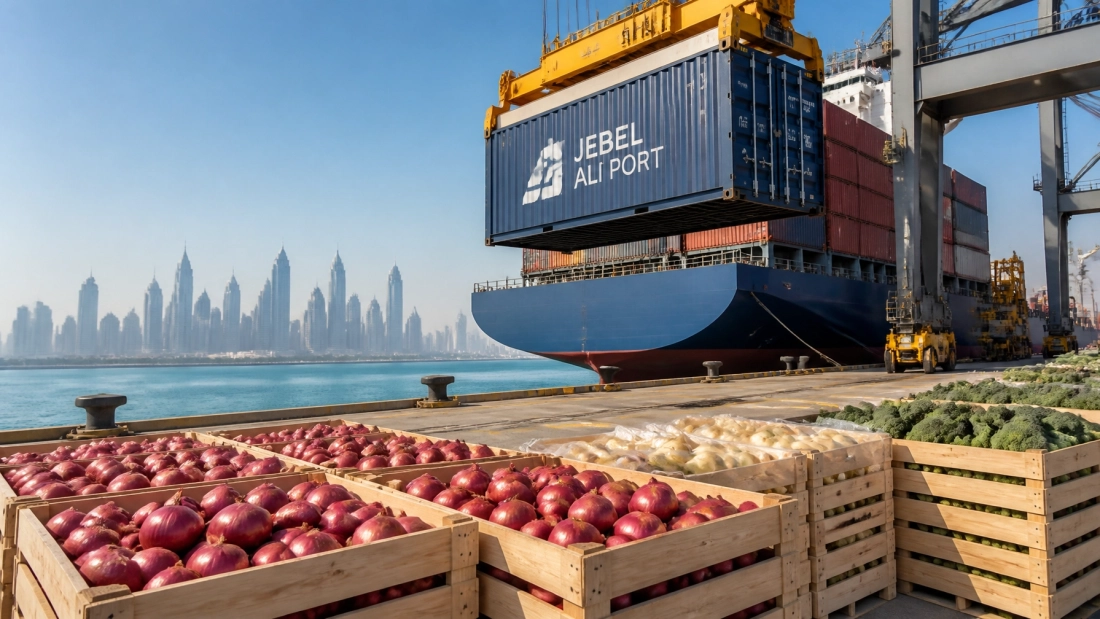
Global food sourcing and export logistics showing a shipping port with colorful containers

The Mayil Global Advantage: The 3% Commission Paradigm

Modernizing the export experience requires a shift toward transparency and operational speed. Mayil Global has engineered a distribution strategy that prioritizes the exporter's margins through a flat, transparent commission structure.

Fixed 3% Commission for Transparent Growth

Our primary value proposition is a strictly defined 3% commission on the total sales value of the container. This model eliminates the "padding" common in traditional trading. By initiating this flat rate, Mayil Global ensures that the majority of the market upside remains with the producer and the exporter. This predictable cost structure allows for more accurate financial forecasting and aggressive scaling of export volumes.

Operational Excellence in Al Aweer

Operating as a premier wholesale fruits and vegetables Dubai entity, Mayil Global utilizes its established presence in the Al Aweer market to facilitate rapid throughput. We focus on high-volume distribution, where our income is derived from volume-based efficiency rather than high per-unit margins. This aligns our interests directly with yours: the faster and more efficiently we sell your cargo, the better our mutual performance.

  • Sourcing: Direct collaboration with farm-gate owners and exporters.
  • Logistics: Organized handling from the port to the wholesale floor.
  • Distribution: Seamless integration into the UAE’s B2B supply chain.

For a deeper dive into how this affects daily operations, read our comprehensive guide to the 3% commission strategy.

Cash & Carry: Solving the Liquidity Gap for Food Wholesale

The cash and carry food wholesale Dubai model is a critical component of the Mayil Global ecosystem. By targeting B2B buyers who prioritize immediate stock availability and quality over long-term credit, we facilitate a faster cash cycle.

Generating Daily Liquidity

Liquidity is the lifeblood of international trade. Our Cash & Carry approach minimizes the credit tail. By selling primarily to supermarkets, restaurants, and specialized retailers who pay upfront or on highly compressed cycles, we generate daily liquidity. This allows for prompt settlement with exporters, often within days of the final sale, rather than months.

Strategic B2B Supply

Mayil Global is not merely a market agent; we are one of the leading food distribution companies in uae. We supply a wide network of institutional buyers who require consistent, high-quality inventory. This structured demand helps stabilize prices and ensures that your containers are not subject to the extreme volatility of spot-market fluctuations.

Detailed close-up of premium spices and high-grade basmati rice in a clean warehouse environment

Comparative Analysis: 3% Commission vs. Traditional Agents

Feature Traditional Trading (Al Aweer) Mayil Global 3% Commission Model
Commission Rate 5% – 12% (variable) Fixed 3%
Hidden Fees Common (Handling, Service, Market) None (Transparent Itemization)
Payment Cycle 30 – 90 days (Credit-based) Rapid Settlement (Cash & Carry focus)
Market Transparency Limited / Opaque reporting Full visibility of sales prices
Target Buyers Small traditional groceries Supermarkets, Restaurants, Large Retailers
Profit Retention Diluted by layers of fees Maximized for the Exporter

Beyond Fresh Produce: Premium Spices, Rice, and Eggs

While fresh fruits and vegetables form the core of the Al Aweer operations, Mayil Global’s distribution expertise extends to high-demand food categories. Our 3% commission and cash & carry models are equally effective for non-perishable and specialty items.

Premium Spices and Grains

Dubai is a global clearinghouse for premium spices and rice. We facilitate the wholesale distribution of high-grade cardamom, black pepper, and premium basmati rice. Our bulk rice distribution model is specifically designed to handle the high volumes and specific storage requirements of these commodities.

Farm Fresh Eggs

The demand for high-quality protein in the UAE remains robust. We ensure the hygienic handling and rapid distribution of farm-fresh eggs to our B2B network. Our cold-chain logistics and strict quality control protocols ensure that these sensitive products reach the market in optimal condition.

Fresh farm eggs in structured high-quality industrial packaging inside a temperature-controlled cold storage

Sourcing and Logistics: The Foundation of Trust

Reliability in food distribution is built on rigorous standards. Mayil Global maintains strict control over every stage of the supply chain. From global sourcing from trusted international partners to final-mile delivery in the UAE, our processes are designed to mitigate risk and ensure product integrity.

  • Inspection: Rigorous quality checks at the point of origin and upon arrival.
  • Hygienic Handling: Adherence to international safety standards in packaging and storage.
  • Logistics Excellence: Leveraging organized logistics to ensure timely delivery to retailers and supermarkets.

Explore our Sourcing and Logistics page for detailed information on our operational standards.

Securing Your Future in the UAE Market

As the UAE food sector moves toward greater professionalization, the "old way" of trading is becoming a liability for global exporters. High commissions and opaque settlements are inefficiencies that your business cannot afford.

By choosing Mayil Global, you are selecting a partner that prioritizes your margins. Our 3% commission distributor UAE model is more than a service: it is a commitment to transparency, liquidity, and mutual growth. Whether you are exporting onions, potatoes, premium spices, or fresh eggs, our infrastructure is ready to scale with your ambitions.

Organized crates filled with fresh red onions, potatoes, and tomatoes in a modern Dubai distribution hub

Conclusion: Activating the Advantage

The decision is clear. If you value transparency, require rapid liquidity, and seek to maximize your export margins, the traditional 10% commission model is no longer viable. Mayil Global provides the modern alternative.

Join the growing list of international exporters who have optimized their UAE operations through our 3% commission structure. Contact us today to discuss your next shipment and experience the difference that professional, B2B-focused wholesaling can make.

Learn more about our full range of products or get in touch with our procurement team.


Ccx33ROJ5py

5 Steps How to Export Food to Dubai and Secure a Verified Buyer (Easy Guide for Global Exporters)

Dubai stands as one of the world’s most significant re-export hubs and a premier destination for global food trade. For international exporters, the UAE market offers unparalleled opportunities for high-volume sales of fresh produce, spices, and grains. However, the path to successfully how to export food to dubai requires a rigorous understanding of regulatory frameworks, documentation standards, and local market dynamics.

At Mayil Global, we specialize in bridging the gap between global suppliers and the UAE’s robust B2B sector. By positioning ourselves as a verified buyer and offering a transparent 3% commission-based distribution model, we ensure that exporters can enter the market with confidence and liquidity. This guide outlines the five critical steps to establishing a successful export operation to Dubai.


Step 1: Regulatory Compliance and Product Registration

The foundation of any successful food export operation to the UAE is compliance with the standards set by the Dubai Municipality (DM) and the Ministry of Climate Change and Environment (MOCCAE). Dubai operates a sophisticated digital ecosystem to monitor food safety and quality.

Registering with Foodwatch

All food items imported into Dubai must be registered on the Foodwatch platform. This digital portal, managed by the Dubai Municipality, tracks the entire lifecycle of food products. As an exporter, your first priority is ensuring your local partner or importer has registered your products. This process includes:

  • Providing detailed ingredient lists and nutritional information.
  • Submitting label artwork for approval.
  • Ensuring compliance with UAE standard GSO 9/2013 (Labelling of Prepackaged Foodstuffs).

Arabic Labelling Requirements

Dubai’s food safety regulations mandate that certain product information must be available in Arabic. This typically includes the product name, country of origin, and storage instructions. For high-volume items like wholesale fruits and vegetables dubai, packaging must also clearly state the production and expiry dates. Failing to meet these labelling standards can result in costly shipment rejections at the port.


Step 2: Preparing the Essential Document Pack

Documentation is the most frequent cause of delays in the UAE food supply chain. A complete and accurate "Document Pack" is non-negotiable for customs clearance and food safety inspections.

Al Aweer Fruit and Vegetable Market Wholesale Distribution

Mandatory Documents for Food Exports

When importing onions dubai or other perishable commodities, you must provide:

  1. Commercial Invoice: Detailing the HS Code, quantity, unit price, and total value.
  2. Packing List: Providing specific details on weights, dimensions, and packaging types.
  3. Bill of Lading (Sea) or Airway Bill (Air): The title document for the goods.
  4. Certificate of Origin (COO): Issued by the Chamber of Commerce in your home country.
  5. Original Health Certificate: Issued by a recognized government authority, certifying the product is fit for human consumption.
  6. Phytosanitary Certificate: Essential for fresh produce like onions and fruits, confirming the shipment is free from pests.

Maintaining a rigorous filing system for these documents ensures that your local partner can file the import declaration through Dubai Customs without administrative friction.


Step 3: Logistics and Port Handling

Strategic logistics management is vital to maintaining the shelf life and quality of food products. Most food shipments enter the UAE via Jebel Ali Port, the largest marine terminal in the Middle East, or Dubai International Airport for high-value perishables.

Transitioning to Al Aweer Central Market

Once the shipment clears customs and municipality inspections, it is typically moved to the Al Aweer Central Fruit and Vegetable Market. This 100-hectare hub is the nerve center for food distribution in the UAE.

Exporters must coordinate with logistics partners who understand the "cold chain" requirements of the region. Proper storage and handling from the farm to the market are core pillars of Mayil Global’s sourcing and logistics operations. Ensuring that your containers are temperature-controlled and monitored throughout the journey prevents losses and preserves the premium status of your goods.

Quality Control and Food Safety Inspection


Step 4: Real-time Market Intelligence and Pricing

The Dubai food market is highly dynamic, with prices fluctuating daily based on global supply chains and local demand. Success in this environment requires real-time intelligence.

Understanding Al Aweer Pricing

Pricing at the Al Aweer market is traditionally cash-based and determined by daily supply levels. For instance, when importing onions dubai, exporters must stay updated on the arrivals from competing regions like India, Pakistan, and Egypt.

To maximize your returns, you should work with partners who provide transparency regarding these daily rates. Relying on outdated price lists can lead to misaligned expectations. At Mayil Global, we help our partners navigate these fluctuations by providing insights into market trends and ensuring that products are positioned correctly within the wholesale fruits and vegetables dubai category.


Step 5: Securing a Verified Buyer (The Mayil Global Advantage)

The final and most critical step is securing a reliable, verified buyer who can provide immediate liquidity. Many exporters struggle with long payment cycles or opaque commission structures that erode profit margins.

The 3% Commission-Based Model

Mayil Global offers a revolutionary 3% commission-based distribution model designed specifically for global exporters and exporters. Unlike traditional traders who might take a high cut or offer uncertain terms, our 3% model provides:

  • Operational Transparency: You know exactly what the costs are.
  • Market Reach: We leverage our established network to supply supermarkets, restaurants, and retailers.
  • Daily Liquidity: Our model is built for the fast-paced nature of the food industry, ensuring you can reinvest in your next container quickly.

Cash & Carry Wholesale

For exporters looking for immediate disposal of stock, we also facilitate Cash & Carry container purchases. This model is particularly effective for high-demand items like bulk rice and onions. By selling directly to a verified wholesale supplier like Mayil Global, you eliminate the risks associated with middleman uncertainty.

Last-mile Food Distribution in Dubai


Building Long-Term Strategic Partnerships

Exporting food to Dubai is not merely a transaction; it is a strategic operation that requires precision at every stage. From the initial registration on Foodwatch to the final hand-off at Al Aweer, each step must be executed with professional excellence.

By partnering with Mayil Global, you gain more than just a buyer; you gain a distribution powerhouse committed to your growth. Whether you are focused on exporting onions or expanding your reach into the spices and grain trade, our team provides the infrastructure and transparency needed to dominate the UAE market.

Securing the Deal with a Verified Buyer

Take the Next Step

If you are ready to scale your export business and secure your margins with our 3% commission model, contact Mayil Global today. We are actively seeking long-term partners for fresh produce and premium food products.


3 Percent Commission Distributor UAE Secrets Revealed: How to Protect Your Export Margins

![A professional, high-angle view of a modern food distribution warehouse in Dubai, featuring organized pallets of fresh produce, high-tech logistics tracking systems, and bright lighting, symbolizing efficiency and reliability in the wholesale food industry.](https://api.g some-image-generator.com/hero-distribution-logistics.jpg)

The United Arab Emirates, and Dubai in particular, serves as the central nervous system for the global food trade. For exporters of fresh fruits, vegetables, and premium commodities like spices and rice, the Al Aweer Fruit and Vegetable Market represents both immense opportunity and significant risk. The primary challenge facing international exporters today is not just finding a buyer, but protecting paper-thin margins from being eroded by high commissions, hidden logistical costs, and prolonged payment cycles.

At Mayil Global, we have observed that the traditional distribution model is increasingly becoming a barrier to profitability. To address this, the industry is shifting toward a more transparent, volume-driven approach. Understanding the mechanics of a 3 percent commission distributor in the UAE is no longer just an option: it is a strategic necessity for any exporter looking to maintain a sustainable business in the Middle East.

The Hidden Cost of Traditional Distribution in the UAE

For years, the standard operating procedure for food distribution in Dubai involved commissions ranging from 5% to 15%. While these figures are often presented upfront, the true cost to the exporter is frequently much higher. Traditional distributors often operate with "hidden" deductions that only appear on the final settlement report: if they appear at all.

These costs often include:

  • Inflated Handling Fees: Unspecified charges for offloading and local transport that exceed market rates.
  • Storage Surcharges: High fees for cold storage and warehouse space.
  • Market Loss Adjustments: Arbitrary price reductions claimed by the distributor due to perceived "market fluctuations."
  • Credit Risk Exposure: The distributor extends credit to local buyers, but the exporter bears the risk of default or delayed payment.

When these factors are combined, an exporter’s net return can be significantly lower than anticipated, often turning a profitable shipment into a loss. This is why many are now seeking a 3 percent commission distributor in the UAE to secure their financial interests.

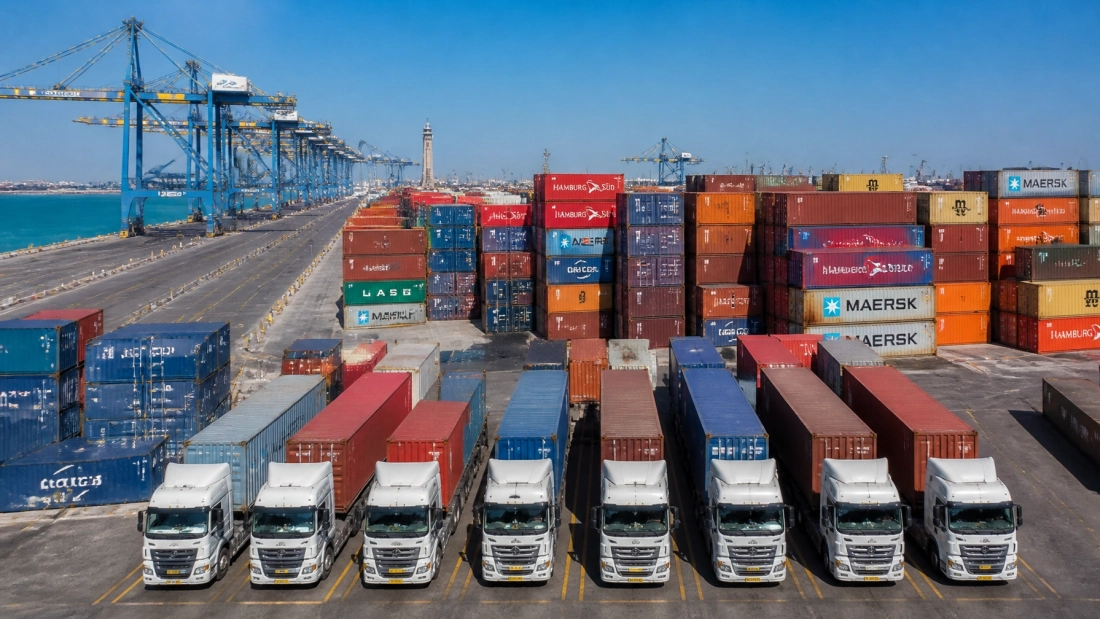
![A busy shipping port in Dubai with large cargo ships and stacks of colorful shipping containers, illustrating the scale of international food trade and the volume of produce moving through the UAE.](https://api.g some-image-generator.com/dubai-port-containers.jpg)

How the 3% Commission Model Revolutionizes Export Margins

The 3% commission model is built on the principle of high-volume, low-margin operations. It aligns the incentives of the distributor with those of the exporter. At a flat 3% rate, the distributor only thrives if they move large volumes of goods quickly and at the best possible market prices.

Transparency and Documentation

A reputable 3% distributor provides comprehensive, itemized documentation of all legitimate expenses. This includes customs duties, municipality fees, and standard handling costs. By stripping away hidden fees, the exporter can calculate a precise netback price for every kilogram of produce sold. This transparency is foundational to Mayil Global’s approach to wholesale food distribution.

Aligned Incentives

In a high-commission model (10-15%), a distributor can remain profitable even if they sell slowly or focus on their own inventory. In contrast, a 3% model forces the distributor to prioritize turnover. They must sell your container fast to free up space and maintain their own cash flow, which naturally benefits the exporter's bottom line.

Leveraging the Cash & Carry Model for Daily Liquidity

One of the greatest risks in international trade is the "liquidity gap": the time between shipping a container and receiving payment. Traditional distribution can tie up capital for 30, 60, or even 90 days.

By integrating a cash and carry food wholesale Dubai model, distributors can offer daily or near-daily liquidity. This process works by selling produce directly to a network of B2B buyers: supermarkets, restaurants, and secondary wholesalers: who pay immediately or on very short terms.

For the exporter, this means:

  1. Faster Reinvestment: Capital is returned quickly, allowing for the purchase and shipment of the next container.
  2. Reduced Credit Exposure: Since the distributor is collecting cash, the exporter is not left waiting for local buyers to settle their accounts.
  3. Real-Time Pricing: Frequent settlements provide a clearer picture of current market trends in Al Aweer, allowing exporters to adjust their supply chain in real-time.

![A variety of premium food products including bags of long-grain rice, vibrant spices in wooden bowls, and fresh vegetables, showcasing the range of commodities handled by wholesale food distributors in the UAE.](https://api.g some-image-generator.com/fresh-produce-spices-rice.jpg)

Strategic Steps to Protect Your Export Margins

Securing a 3% commission rate is only half the battle. To truly protect your margins, you must ensure your operational processes are airtight.

1. Strict Quality Control at the Source

In the Al Aweer market, quality determines the price. Even a minor deviation from UAE food safety or grading standards can lead to significant price markdowns. Mayil Global emphasizes farm-direct sourcing and strict inspection at every stage. Exporters should invest in high-quality packaging and climate-controlled logistics to ensure that "farm fresh" remains a reality upon arrival.

2. Precise Documentation

Delays at the port are the silent killers of margin. Ensure all phytosanitary certificates, certificates of origin, and invoices are 100% accurate. A 3 percent commission distributor in the UAE will facilitate fast clearance, but they cannot overcome errors in your paperwork.

3. Monitoring Market Cycles

The UAE market for commodities like onions, potatoes, and lemons is highly seasonal. Understanding how to secure margins during peak supply periods is critical. Use the data provided by your distributor to time your shipments for maximum impact.

![A professional business meeting in a corporate setting in Dubai, with two business owners discussing logistics and supply chain strategy over a tablet, emphasizing the B2B partnership aspect.](https://api.g some-image-generator.com/b2b-business-meeting.jpg)

Why Mayil Global is the Preferred Partner for Aweer Market Exporters

Mayil Global is not just a distributor; we are a strategic partner for exporters, supermarkets, and restaurants across the UAE. Our infrastructure is designed to handle high volumes of fresh produce, premium spices, rice, and eggs with surgical precision.

Our USPs include:

  • 3% Commission Structure: We offer a transparent, flat-fee model for container owners and exporters, ensuring you keep more of your hard-earned profit.
  • Global Supply Network: We bridge the gap between global farms and the UAE’s most demanding B2B buyers.
  • Hygienic Handling & Safety: Every product we handle follows strict safety standards, ensuring that our reputation: and yours: remains untarnished.
  • Organized Logistics: Our logistics network is optimized for the cash and carry food wholesale Dubai environment, providing the speed and reliability that modern business demands.

![A close-up shot of a quality control inspector in a white coat and gloves, carefully examining fresh oranges and green leafy vegetables in a sterile, modern food processing facility.](https://api.g some-image-generator.com/quality-control-inspection.jpg)

Conclusion: Taking Control of Your Export Profitability

The "secrets" of a 3% commission distributor are rooted in operational efficiency and radical transparency. By moving away from traditional, opaque distribution models and embracing a high-turnover, cash-focused strategy, exporters can protect their margins and build a sustainable presence in the UAE market.

Whether you are a container owner looking for a reliable outlet in Al Aweer or a local retailer seeking a dependable wholesale fruits and vegetables Dubai supplier, the path to success lies in choosing partners who prioritize your liquidity and growth.

For exporters ready to secure their margins and experience the advantage of the 3% model, Mayil Global provides the expertise and infrastructure to turn your export ambitions into consistent results.

zb_rXTqBvYk

The Exporter’s Guide to Using the 3% Commission Model at Al Aweer Market

Dubai stands as the primary trade gateway for the Middle East, with the Al Aweer Fruit and Vegetable Market serving as the epicenter of its fresh produce industry. For global exporters, the challenge often lies not in the quality of the harvest, but in navigating the complexities of local distribution, customs, and pricing volatility.

Mayil Global facilitates this transition through a structured 3% commission model, designed to provide international suppliers with transparent, high-speed access to the UAE's wholesale market. This guide outlines the operational framework for exporting to Dubai and leveraging our commission-based distribution to maximize your export margins.

Understanding the Al Aweer Wholesale Landscape

The Al Aweer Market (Ras Al Khor) is the largest wholesale hub for fruits and vegetables in the region. It operates as a high-velocity environment where supply and demand dictate daily price fluctuations. For an exporter, selling directly in this market is not feasible without a local partner who possesses the necessary trade licenses and infrastructure.

Mayil Global serves as that strategic partner. By acting as your commission agent and importer of record, we bridge the gap between your farm and the UAE’s leading supermarkets, restaurants, and sub-wholesalers. Our model focuses on "Cash & Carry" and immediate liquidity, ensuring that your produce is sold at optimal market rates with minimal delay.

The 3% Commission Model: A Strategic Advantage

The traditional export-import relationship often involves flat-fee purchasing or high-margin intermediaries that erode the exporter’s profits. Mayil Global’s 3% commission model is built on the principle of alignment.

  1. Market-Driven Pricing: Your goods are sold at the prevailing market rate in Al Aweer.
  2. Transparent Fee Structure: We deduct a flat 3% commission from the gross sales value.
  3. Operational Coverage: We handle the internal logistics from the port to the market, including customs coordination and municipality clearances.
  4. Accountability: You receive a detailed sales report, providing full visibility into the quantities sold and the prices achieved.

This model is particularly effective for high-volume commodities like onions, potatoes, and citrus fruits, where small percentage differences in fees can significantly impact the bottom line. For more details on how this applies to specific commodities, read our guide on exporting onions to Dubai.

A professional close-up shot of high-quality red and white onions packed in mesh sacks in a clean, organized wholesale warehouse. The onions are firm and fresh.

How to Export Food to Dubai: A Step-by-Step Operational Guide

Navigating the regulatory requirements of the Dubai Municipality and Dubai Customs is the most critical stage of the export process. Failure to comply with documentation or labeling standards can result in shipment rejections or costly delays.

1. Compliance and Registration

Before shipping, your company and products must be registered. In Dubai, this is managed through the Food Import and Re-Export System (FIRS). As your local partner, Mayil Global assists in ensuring that your product labels meet UAE standards, which include mandatory Arabic/English text, origin details, and shelf-life indicators.

2. Core Documentation Requirements

To successfully clear wholesale fruits and vegetables in Dubai, the following documents must accompany every shipment:

  • Commercial Invoice: Detailing the product type, HS code, quantity, and value.
  • Bill of Lading (Sea) or Air Waybill (Air): Specifying the transit details.
  • Phytosanitary Certificate: Issued by the agricultural authority of the exporting country, certifying that the produce is free from pests.
  • Certificate of Origin: Validated by the relevant Chamber of Commerce.
  • Packing List: Providing a breakdown of the cargo configuration.

3. Sourcing and Logistics

Once documentation is in order, the physical movement of goods requires a strict cold chain. Whether you are importing onions to Dubai or high-value berries, maintaining the correct temperature from the farm to our Al Aweer warehouse is non-negotiable.

Mayil Global coordinates the sourcing and logistics from Jebel Ali Port or Dubai International Airport, ensuring that the "farm-fresh" quality is preserved until the point of sale.

A refrigerated cargo container being unloaded at a modern logistics terminal in Dubai. A forklift is moving a pallet of fresh produce.

Maximizing Profitability in Al Aweer

Success in the Al Aweer market requires more than just high-quality produce; it requires timing and market intelligence. The market operates primarily in the late-night and early-morning hours, where the largest B2B transactions occur.

The Role of Cash & Carry

Mayil Global utilizes a Cash & Carry wholesale model. This means we target buyers who are ready to purchase and pay immediately: supermarkets, catering companies, and retailers who require steady, reliable supply. This approach minimizes credit risk and ensures that funds are available to settle the exporter’s accounts faster.

Handling and Inspection

Strict quality control is a pillar of our operation. Upon arrival at our facility, every consignment undergoes inspection. We check for:

  • Physical damage or spoilage.
  • Consistency in grading and sizing.
  • Packaging integrity.
  • Compliance with Dubai Municipality safety standards.

By maintaining these rigorous standards, we uphold the reputation of your brand in the UAE market, allowing for consistent demand and better price negotiation.

A top-down, clean corporate shot of a desk with professional export documents, a shipping map of the UAE, and a bowl of fresh premium fruits.

Why Global Exporters Partner with Mayil Global

Mayil Global is not just a distributor; we are an extension of your export business in the UAE. Our infrastructure is built to support long-term, high-volume partnerships.

  • Global Supply Network: We work with suppliers across multiple continents, ensuring a steady flow of produce regardless of seasonal shifts.
  • Strategic Location: Our presence in Al Aweer provides direct access to the highest concentration of food buyers in the GCC.
  • Fixed 3% Commission: We eliminate the guesswork in pricing. You know exactly what your costs are, allowing for precise financial forecasting.
  • Expertise in High-Volume Commodities: From bulk rice and premium spices to farm-fresh eggs and onions, we understand the specific handling requirements of diverse food categories.

For exporters seeking to secure daily liquidity and stable market access, our 3% commission strategy explained offers a deep dive into the financial benefits of this model.

Conclusion: Securing Your Position in the Dubai Market

The UAE's dependence on food imports creates a massive opportunity for global exporters, but the path to profitability is paved with regulatory and logistical hurdles. By leveraging the 3% commission model at Al Aweer Market, you gain a transparent, efficient, and professional partner in Mayil Global.

We invite serious exporters to contact us to discuss container-load shipments and long-term distribution agreements. Our focus remains on delivering dependable supply and consistent quality to our B2B clients while maximizing the returns for our global partners.

For inquiries regarding current market prices or to initiate your first shipment, contact our team today.


pUMbRIWKmh1

7 Mistakes You’re Making with Pineapple Exports to the UAE (and How to Fix Them Today)

The United Arab Emirates represents one of the most lucrative markets for fresh produce in the Middle East, with Dubai acting as the central hub for redistribution across the GCC. Pineapple, particularly the high-sugar MD2 variety, is in constant demand from supermarkets, luxury hotels, and the hospitality sector. However, for many international exporters, the journey from farm to the Al Aweer Fruit and Vegetable Market is fraught with operational errors that lead to rejected consignments, spoiled fruit, and evaporated profit margins.

At Mayil Global, we observe these challenges daily. As a leading wholesale supplier and distributor in the UAE, we specialize in bridging the gap between global producers and local B2B buyers. Success in this market requires more than just high-quality fruit; it requires rigorous adherence to logistics, documentation, and market-specific standards.

If you are looking for a reliable pineapple buyer in Dubai, or if you are currently shipping and seeing inconsistent returns, you are likely making one of the following seven mistakes. Here is how to fix them.


1. Harvesting Based on Appearance Instead of Brix Levels

One of the most common misconceptions among exporters is that a pineapple will continue to ripen and sweeten after it is harvested. Unlike bananas or mangoes, pineapples are non-climacteric; they do not get sweeter once they are detached from the plant.

Many exporters harvest early to survive long transit times, resulting in "woody," sour fruit that fails to meet the UAE’s premium standards.

The Fix: Implement a scientific harvest protocol. The Dubai market demands a minimum of 13–14° Brix (sugar content), while premium supermarket lines often look for 15° or higher.

  • Action: Use a digital refractometer to test samples across the field.
  • Action: Only harvest when the internal sugar content reaches the target, regardless of the external shell color.

Brix Testing for Quality Control

2. Neglecting the MD2 Variety Supremacy

The UAE market is highly specific regarding variety. While the 'Queen Victoria' or 'Smooth Cayenne' varieties have their niche, the market is overwhelmingly dominated by the MD2 "Golden Ripe" variety.

Exporters who attempt to ship traditional varieties without a pre-secured niche often find their products sold at a steep discount. MD2 is preferred for its uniform shape, lower acidity, and significantly better shelf-life under refrigeration.

The Fix: Focus your export strategy on MD2. If you are growing other varieties, ensure you have a dedicated buyer like Mayil Global who can navigate the specific distribution channels for those products. For general wholesale in the UAE, MD2 is the standard that ensures fast turnover.

3. Inadequate Ventilation and Packaging Standards

Pineapples are highly susceptible to "internal browning" and fermentation if they cannot breathe during transit. We frequently see exporters using standard corrugated boxes without sufficient ventilation holes or using cartons that are not strong enough to withstand high-stacking in containers.

When the bottom boxes collapse due to humidity and weight, the entire airflow of the refrigerated container is compromised, leading to heat pockets and rapid decay.

The Fix: Use export-grade, double-walled corrugated fiberboard cartons.

  • Ventilation: Ensure at least 4% of the side surface area is ventilated.
  • Packing: Stick to standard counts (usually 5, 6, 7, 8, 9, or 10 pieces per 12kg box).
  • Palletization: Use sturdy pallets and edge protectors to ensure the load remains stable throughout the journey to Jebel Ali.

4. Cold Chain Breaks and Temperature Fluctuations

The "Cold Chain" is the most critical link in pineapple logistics. Pineapples are sensitive to both heat and extreme cold. Shipping at the wrong temperature: or allowing the temperature to fluctuate: leads to two main disasters:

  1. Chilling Injury: If temperatures drop below 7°C, the fruit develops dark spots and the crown wilts.
  2. Rapid Decay: If temperatures rise above 12°C, fermentation begins, and the fruit loses its commercial value within days.

The Fix: Maintain a strict set-point of 7.5°C to 8°C with a relative humidity of 85–90%.

  • Action: Use high-quality refrigerated containers (reefers) and place digital temperature loggers deep inside the pallets to monitor for breaks during transshipment.

Refrigerated Logistics at Dubai Port

5. Documentation Misalignment and Regulatory Errors

The UAE’s Ministry of Climate Change and Environment (MOCCAE) and the Dubai Municipality Food Safety Department have strict requirements. A single typo on a Phytosanitary Certificate or a missing ZAD registration can result in your container being held at the port for days. In the heat of the UAE, every hour at the port is an hour of lost shelf-life.

Common Documentation Errors:

  • Botanical name (Ananas comosus) missing or misspelled.
  • Weights on the Bill of Lading not matching the Packing List.
  • Lack of Arabic labeling on the cartons (Product name, Origin, Expiry).

The Fix: Work with an experienced partner like Mayil Global. We ensure that all importer registrations are active and that your documentation is pre-verified before the ship even leaves your port.

6. Losing Margins to 10-15% Commission Agents

Traditional commission agents in the Aweer Market often charge between 10% and 15% to move your product. When you factor in shipping, packaging, and duties, these high commissions often eat the entirety of an exporter's profit. Furthermore, many agents are not transparent about the final sales price, leaving the exporter in the dark.

The Fix: Switch to the Mayil Global 3% Commission Model. We have disrupted the traditional market by offering a transparent, flat 3% commission for distribution. This allows exporters to retain 7% to 12% more of their revenue compared to traditional agents.

  • Transparency: We provide real-time updates on market prices and sales.
  • Efficiency: Our focus is on high-volume, professional B2B supply, not just "dumping" stock in the market.

Learn more about how our 3% commission model can change your export business.

3% Commission and Cash & Carry Visual

7. Suffering from Liquidity Gaps and Delayed Payments

The "wait and see" model of traditional exports is a major mistake. Many exporters ship containers and wait weeks or even months for the final settlement from their agents. This creates a massive liquidity gap, preventing you from purchasing the next harvest or paying your farmers.

The Fix: Utilize our Cash & Carry Model. For exporters with premium-grade MD2 pineapples already in Dubai or arriving shortly, Mayil Global offers an immediate purchase option.

  • Immediate Cash: We buy the container outright at current market rates.
  • Zero Risk: Once the inspection is passed, the payment is settled, removing the risk of market price fluctuations during the sales period.

Explore our Cash & Carry solutions for faster liquidity.


Strategic Partnership: Why Choose Mayil Global?

As a wholesale supplier of fresh produce in the UAE, Mayil Global is more than just a buyer; we are your operational partner on the ground. We understand that a successful export business is built on trust, consistency, and rigorous quality control.

Our infrastructure includes:

  • Direct Farm Sourcing: We value direct relationships with growers who prioritize quality.
  • Organized Logistics: Our distribution network ensures that your pineapples reach the most profitable B2B channels, from supermarkets to wholesalers.
  • Safety Standards: We follow strict hygienic handling and packaging protocols, ensuring your brand maintains a premium reputation in the UAE.

Looking for a Pineapple Buyer in Dubai?

If you have a container of premium pineapples ready for export, or if you are looking to scale your operations in the Middle East, avoid the pitfalls of high commissions and opaque middlemen. Partner with a company that prioritizes your profitability.

Contact Mayil Global today to discuss our 3% commission distribution or our immediate Cash & Carry purchase options. Let’s turn your pineapple exports into a consistent, high-margin revenue stream.

Visit MayilGlobal.com for more information on our services and product categories.