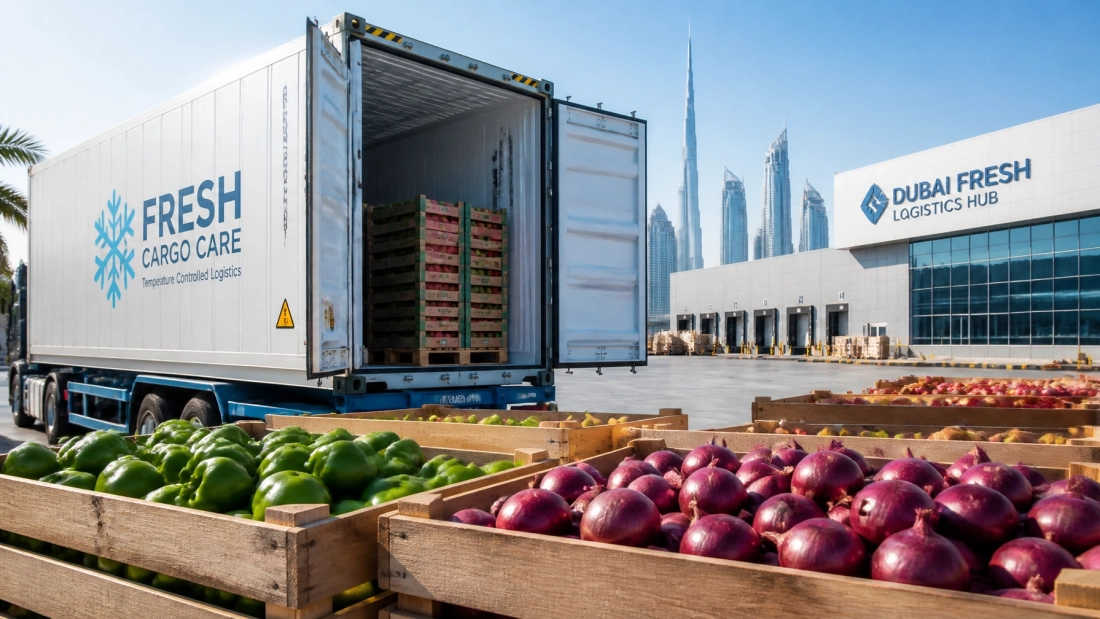
Dubai serves as the primary gateway for the global food trade, functioning as a sophisticated re-export hub for the Middle East and North Africa (MENA) region. For international exporters, the UAE market presents a high-volume opportunity, particularly within the fresh produce sector. However, navigating the regulatory landscape and logistics requirements demands a partner with local expertise and a transparent operational framework.
At Mayil Global, we facilitate seamless market entry for global exporters through our specialized distribution network. By leveraging our 3% commission-based distribution model, exporters can bypass traditional high-cost intermediaries, ensuring that maximum value remains within the production and shipping stages of the supply chain.
This guide outlines the five critical steps required to successfully export food to Dubai while optimizing your profit margins.
1. Navigating Regulatory Compliance and Product Registration
The initial phase of exporting food to Dubai involves strict adherence to federal and local regulations. The UAE government maintains rigorous standards to ensure food safety and quality across the national supply chain.
Understanding ZAD and FIRS
All food products entering the UAE must be registered in the National Food Accreditation and Registration System (ZAD). This federal system ensures that products meet national health and safety specifications. For shipments specifically entering through Dubai’s ports, registration in the Food Import and Re-export System (FIRS), managed by Dubai Municipality, is mandatory.
Documentation Requirements
To avoid shipment detention at Jebel Ali Port or Dubai International Airport, exporters must provide original, authenticated documentation. Key requirements include:
- Original Health Certificate: Issued by the competent authority in the country of origin.
- Phytosanitary Certificate: Essential for fresh fruit and vegetable exports to confirm pest-free status.
- Certificate of Origin: Authenticated by the relevant Chamber of Commerce.
- Packing List and Commercial Invoice: Detailed breakdown of HS codes, weights, and quantities.
Partnering with a licensed distributor like Mayil Global ensures that these administrative hurdles are managed efficiently. Our team coordinates with Dubai Municipality to secure all necessary approvals before your cargo arrives, minimizing port storage fees and ensuring timely clearance.
2. Implementing Rigorous Quality Control and Farm-Direct Sourcing
In the wholesale fruits and vegetables Dubai market, quality is the primary determinant of price and demand. Inconsistent grading or poor produce condition upon arrival can lead to significant financial losses.

Maintaining Standards at the Source
Maximizing margins begins at the farm level. Mayil Global emphasizes farm-direct sourcing, working closely with growers to implement strict quality control protocols during the harvest and packing stages. By eliminating multiple layers of middlemen, we maintain a shorter supply chain, which directly translates to fresher produce and reduced overhead costs.
Inspection at Every Stage
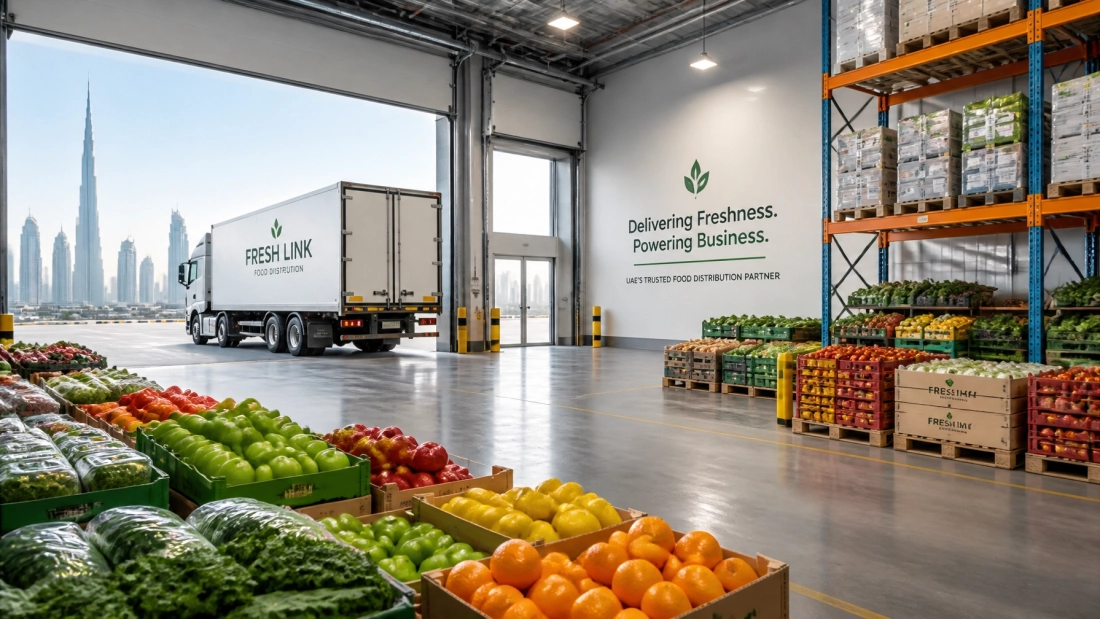
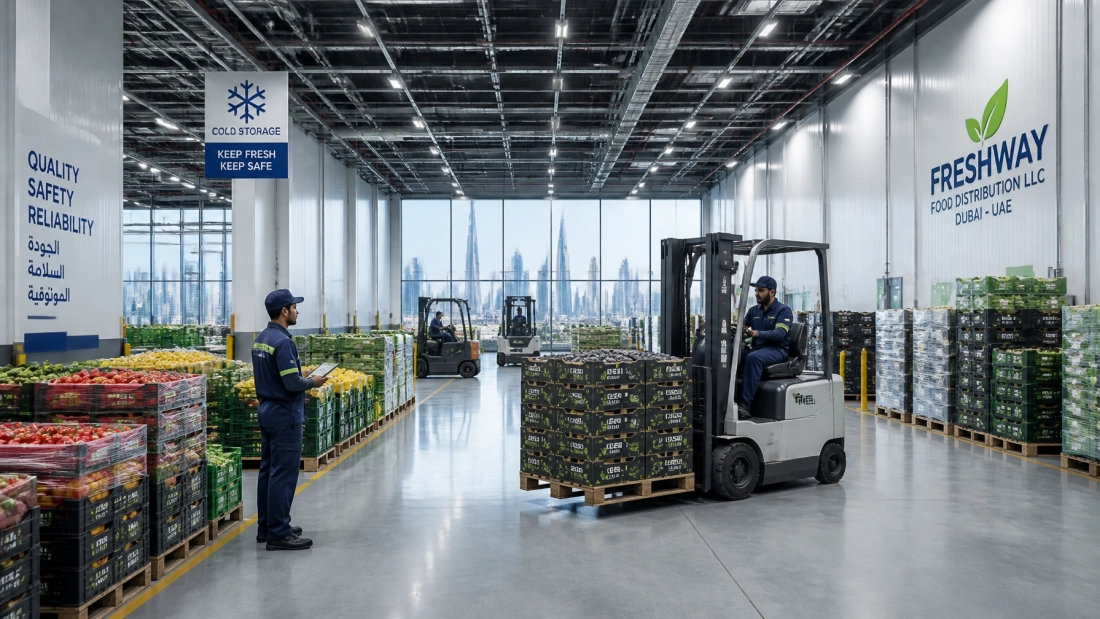
Our operational model includes inspection at every stage of the logistics process. From the initial loading into refrigerated containers (reefers) to the final arrival at our distribution centers, we monitor temperature stability and handling procedures. This commitment to hygiene and safety standards ensures that the produce meets the high expectations of Aweer market produce buyers and premium supermarket chains.
3. Optimizing Packaging and Labeling for UAE Standards
Packaging serves two functions: protecting the integrity of the produce during transit and meeting the mandatory labeling requirements of the UAE Food Safety Department.
Labeling Requirements
Dubai Municipality requires all food labels to be in both Arabic and English. The label must clearly state:
- Product name and brand.
- Production and expiry dates.
- Country of origin.
- Net weight and storage conditions.
- Manufacturer/Distributor details.
Failure to comply with these labeling standards often results in the rejection of the entire consignment. Mayil Global provides exporters with detailed labeling templates to ensure 100% compliance before the goods are shipped.
Industrial-Grade Packaging
For wholesale exports, packaging must be durable enough to withstand the humidity and temperature shifts associated with international transit. Utilizing high-quality, ventilated crates for items like tomatoes or onions is essential for maintaining airflow and preventing spoilage, thereby protecting your investment.
4. Strategic Distribution via Aweer Market and Beyond
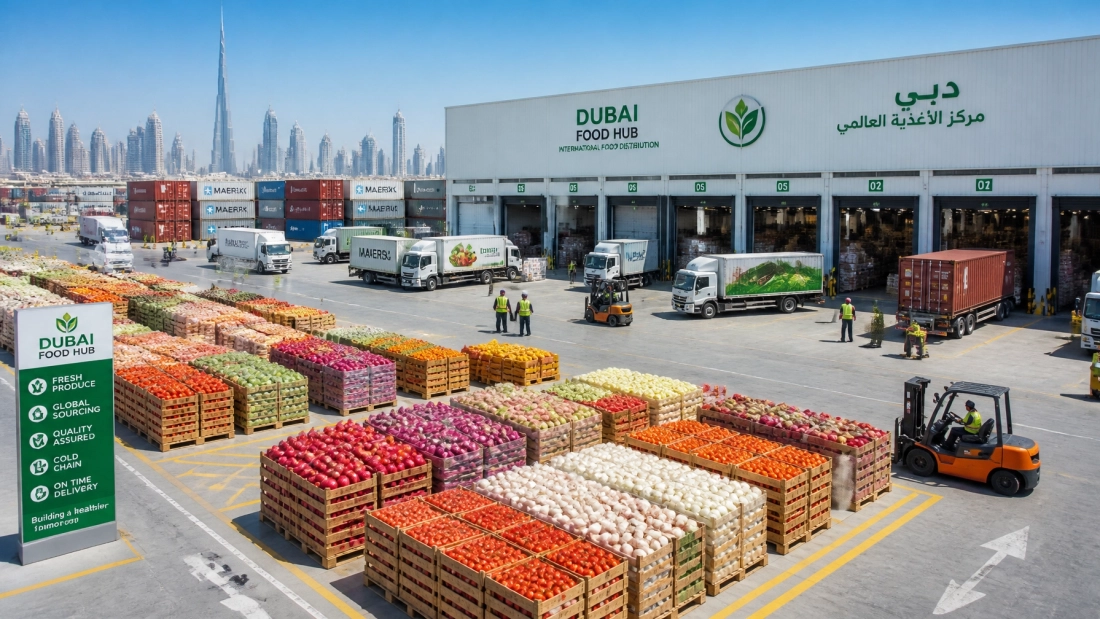
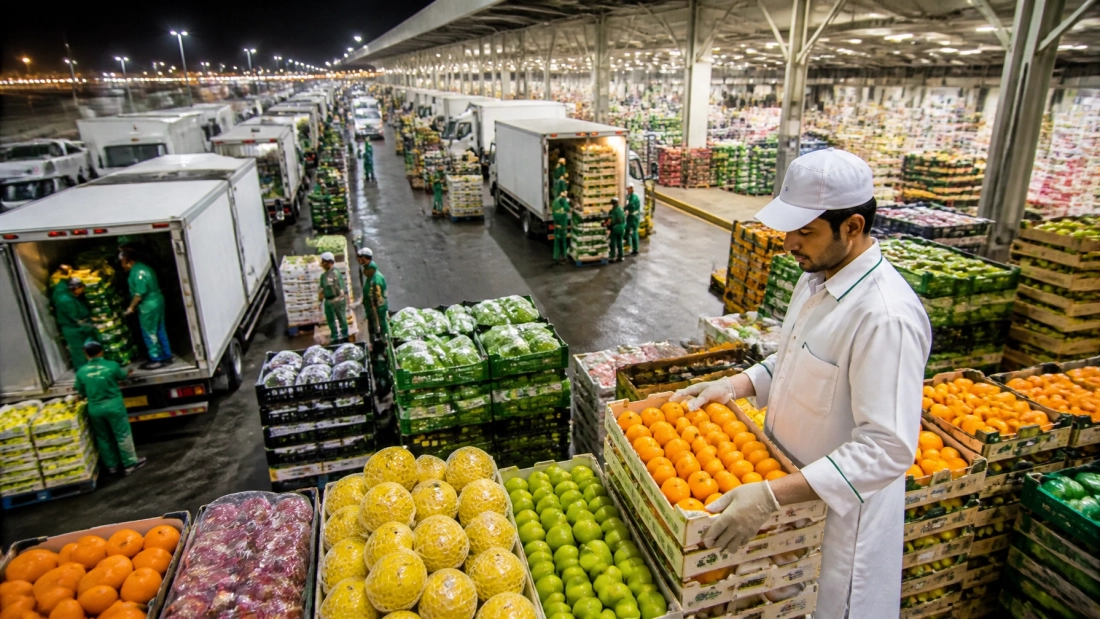
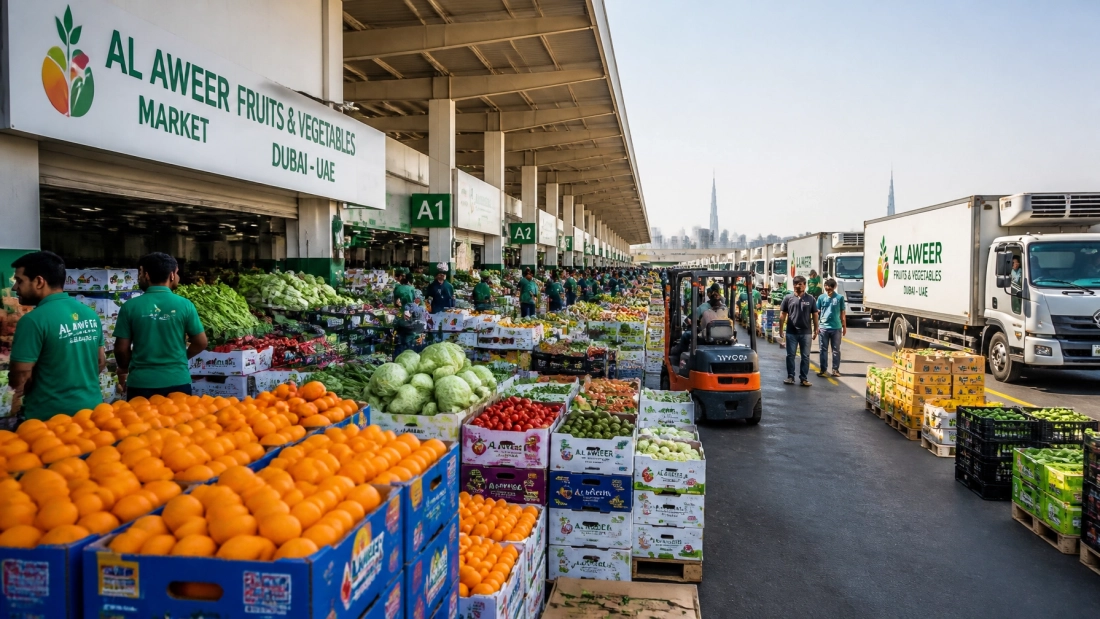
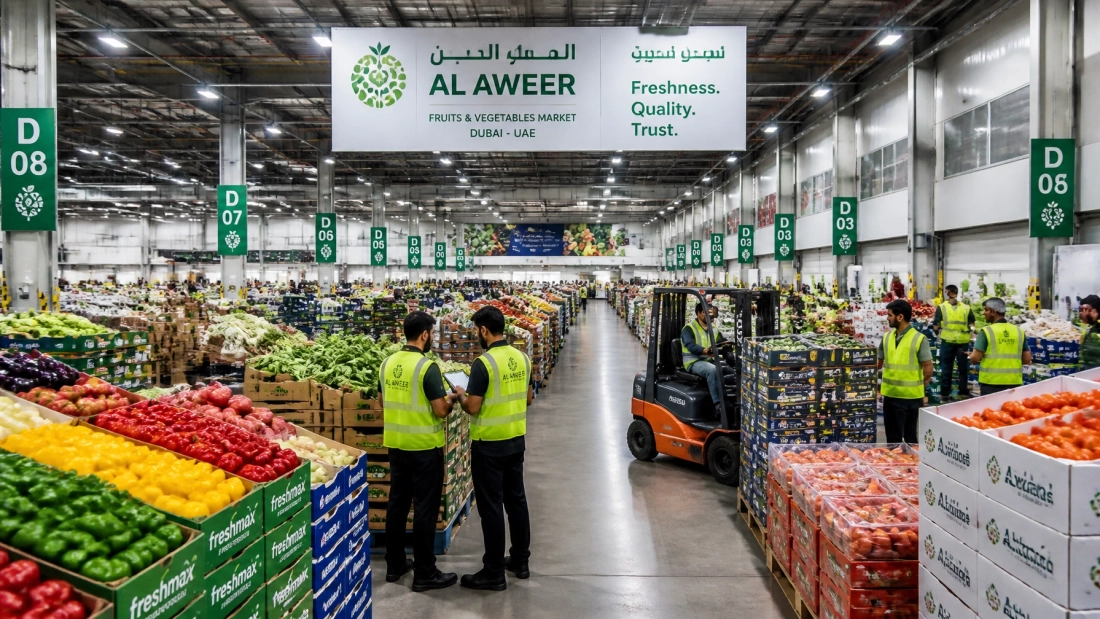
Once cleared by customs, the efficiency of the local distribution network determines how quickly your capital is liquidated. Dubai’s central hub for fresh produce is the Aweer Central Fruit and Vegetable Market.

Efficient Logistics and Storage
Managing the "last mile" of the supply chain requires organized logistics and proper storage facilities. Mayil Global operates a robust distribution network that caters to B2B clients, including supermarkets, restaurants, and secondary wholesalers. Our facilities are designed for hygienic handling and rapid turnover, ensuring that fresh produce reaches the market in peak condition.
Accessing High-Volume Buyers
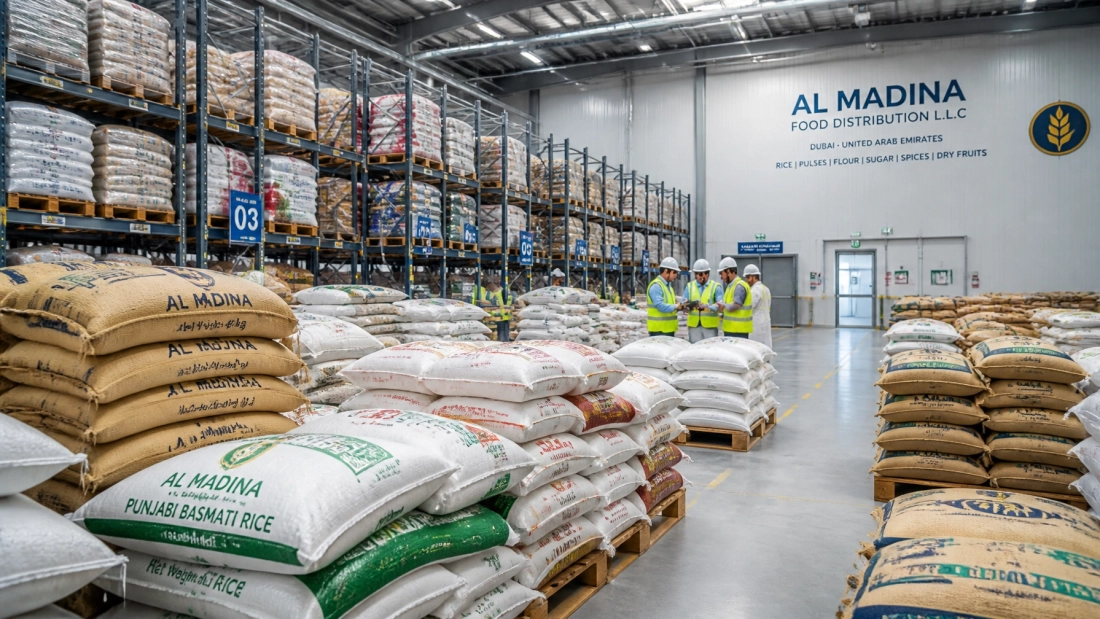
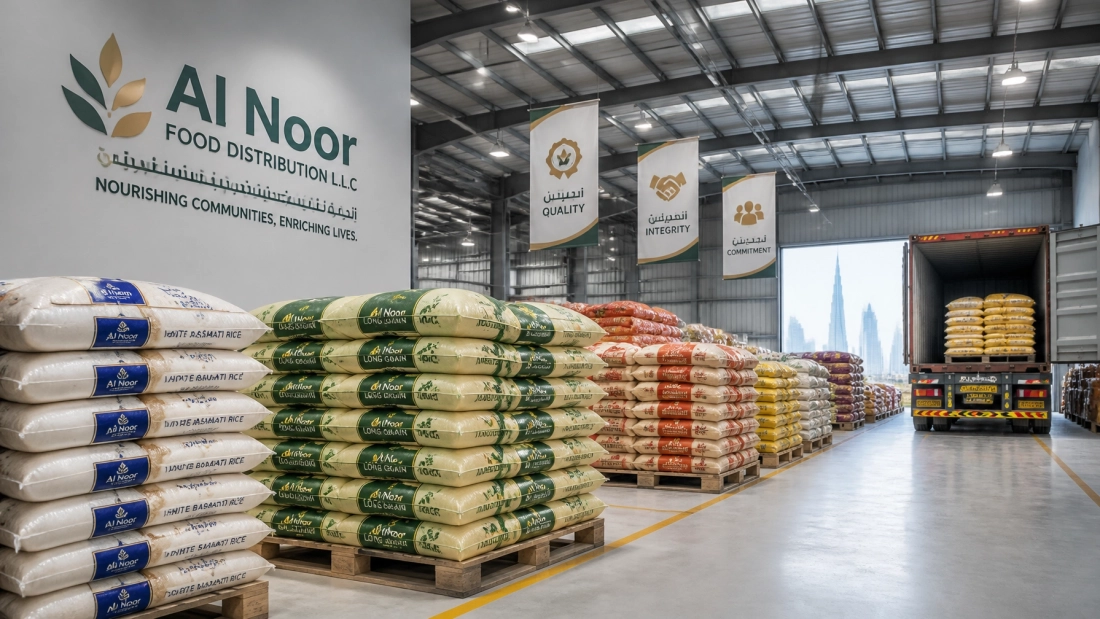
By positioning your products through a recognized 3 percent commission distributor UAE like Mayil Global, you gain immediate access to a wide network of reliable buyers. Our established presence in the Aweer market allows for the rapid movement of large volumes, such as bulk rice and premium spices, ensuring a steady and reliable supply chain.
5. Maximizing Margins with the 3% Commission Model
The most significant challenge for food exporters is often the high cost of distribution and the lack of financial transparency. Traditional distributors may charge high fees or operate on opaque pricing models that erode the exporter's profit.

The Mayil Global Advantage
At Mayil Global, we have disrupted the traditional wholesale model by offering a 3% commission-based distribution service. This model is designed specifically for international and local exporters who require a transparent, low-cost entry point into the Dubai market.
How it works:
- Sourcing: You ship your high-quality produce to Dubai.
- Clearance: We handle all Municipality and Customs clearances.
- Sales: We sell your products at the best prevailing market price.
- Transparency: You receive the full sale value minus a flat 3% commission and direct operational costs.
This model ensures that the exporter retains the majority of the profit, providing the necessary liquidity to scale operations. Furthermore, for those seeking immediate capital, we offer a cash-and-carry model, purchasing full containers directly to provide instant liquidity to our partners.
Building Long-Term B2B Relationships
Our goal is to foster long-term relationships based on trust and operational excellence. Whether you are exporting potatoes, lemons, or ginger, our infrastructure is built to support your growth. By focusing on functional clarity and dependable supply, we enable our partners to compete effectively in the dynamic UAE market.
Conclusion
Exporting food to Dubai is a structured process that, when executed correctly, offers substantial rewards. Success hinges on a combination of regulatory compliance, uncompromising quality control, and a cost-effective distribution strategy.
Mayil Global stands ready to serve as your corporate partner in the UAE. Our 3% commission model, combined with our global supply network and strict adherence to international safety standards, makes us the preferred choice for exporters looking to maximize their margins.
To discuss your export requirements or to learn more about our distribution services, contact us today.