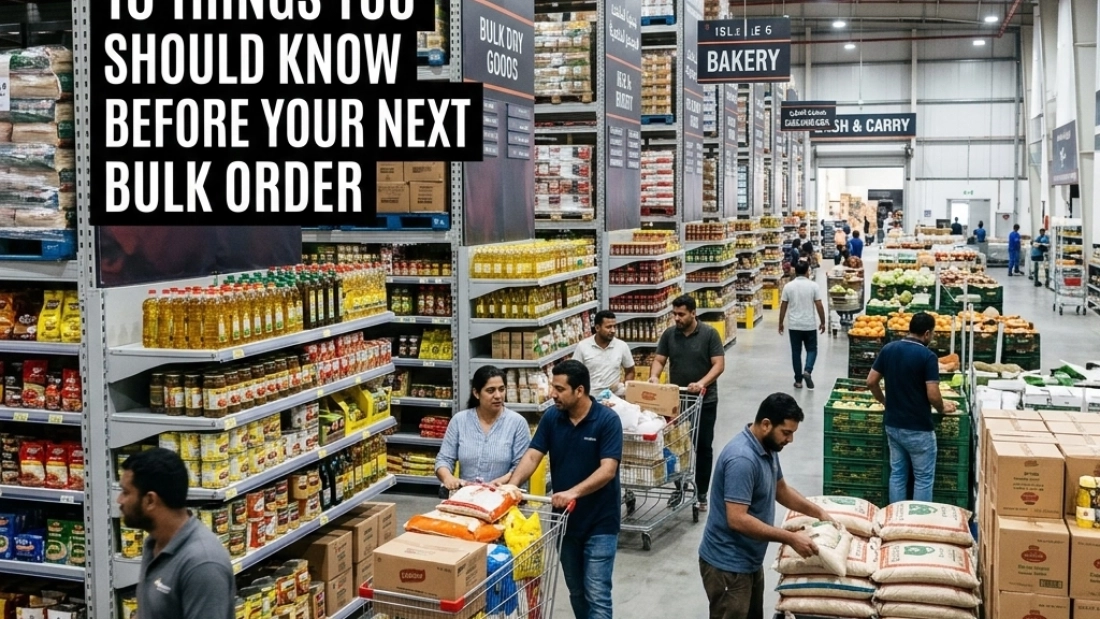
The landscape of food procurement in the UAE is undergoing a significant transformation. As Dubai continues to solidify its position as a global logistics and trading hub, the traditional methods of sourcing bulk food items are being replaced by more efficient, transparent, and liquidity-focused models. For supermarkets, restaurant chains, and international exporters, understanding the nuances of cash and carry food wholesale Dubai is no longer just an advantage: it is a necessity for maintaining operational margins.
At Mayil Global, we have observed a shift toward models that prioritize immediate liquidity and transparent fee structures. Whether you are an exporter looking to move containers in the Aweer market or a local retailer seeking a reliable supply of fresh produce, here are 10 critical factors you must consider before placing your next bulk order.
1. Regulatory Compliance and Food Safety Standards
In Dubai, the regulatory environment is rigorous. Any entity involved in food distribution must adhere to the Dubai Municipality (DM) regulations, specifically Regulation No. 9 of 2021. This ensures that all food facilities, storage units, and transport vehicles meet international safety standards.
When engaging with food distribution companies in UAE, it is imperative to verify their compliance certifications. Beyond basic licensing, ensure your partner adheres to GAC or DCL standards for Halal certification. At Mayil Global, we prioritize hygiene and safety as non-negotiable pillars of our business process, ensuring that every pallet of fresh fruits and vegetables meets the highest regulatory benchmarks.
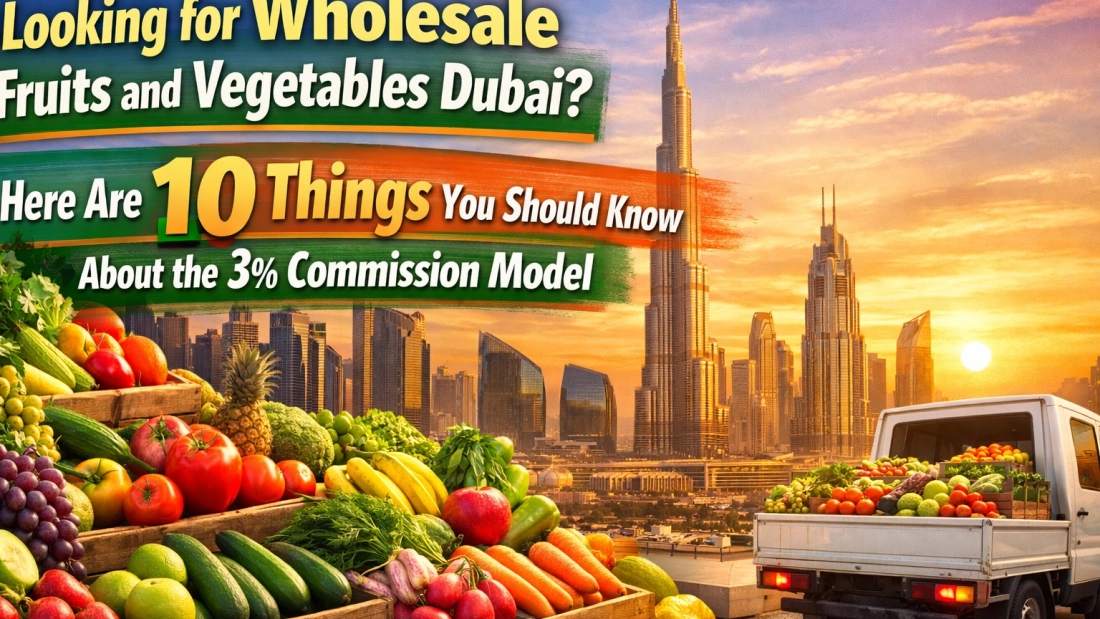
2. The Power of the 3% Commission Model
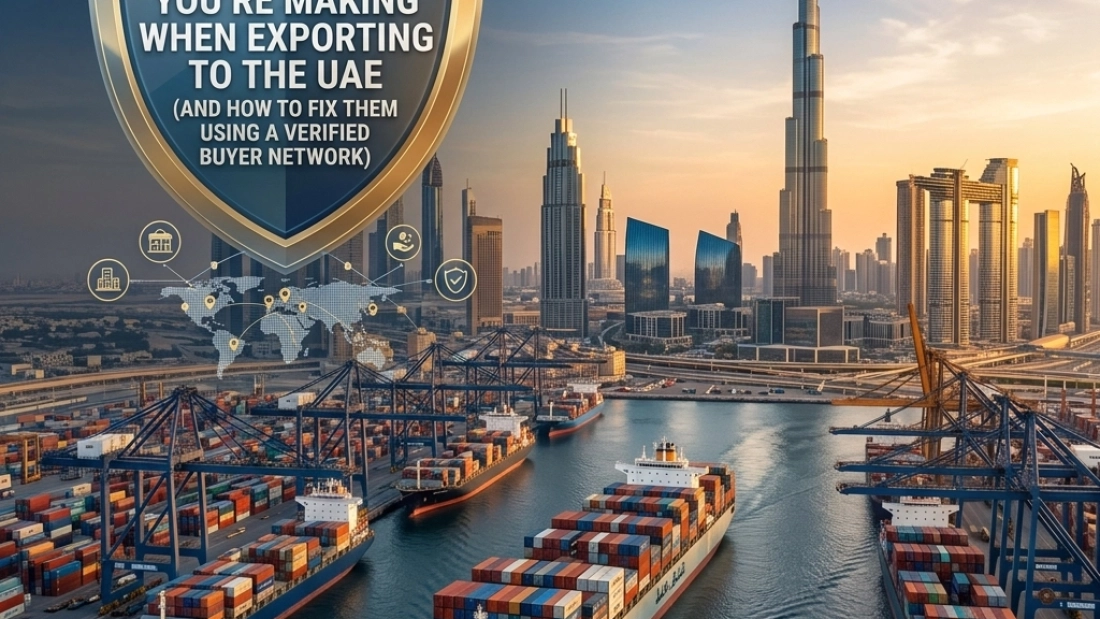
One of the most significant innovations for exporters in the UAE is the 3 percent commission distributor UAE model. Traditionally, exporters faced high fees and opaque pricing when sending containers to the Aweer market.
Mayil Global’s new strategy focuses on offering a flat 3% commission for container owners and exporters. This model is designed to maximize the exporter's profit while ensuring the goods enter the Dubai market at competitive prices. By reducing the intermediary costs, we provide a more direct path from the farm or processing plant to the wholesale buyer.

3. Daily Liquidity and the Cash and Carry Advantage
Liquidity is the lifeblood of the food trade. For many exporters, the primary challenge in the UAE market has been the delay in payment cycles. The cash and carry food wholesale Dubai model addresses this directly by facilitating faster transactions.
By focusing on immediate cash-and-carry container purchases, we allow exporters to secure their funds rapidly, which can then be reinvested into the next shipment. This "velocity of capital" is essential for businesses looking to scale their operations in the Middle East. Understanding how this model solves liquidity gaps is vital for anyone exporting bulk commodities like rice or potatoes.
4. Cold Chain Integrity in an Arid Climate
Dubai’s climate presents a unique challenge for the wholesale fruits and vegetables Dubai sector. Maintaining an unbroken cold chain is the difference between a profitable shipment and a total loss.
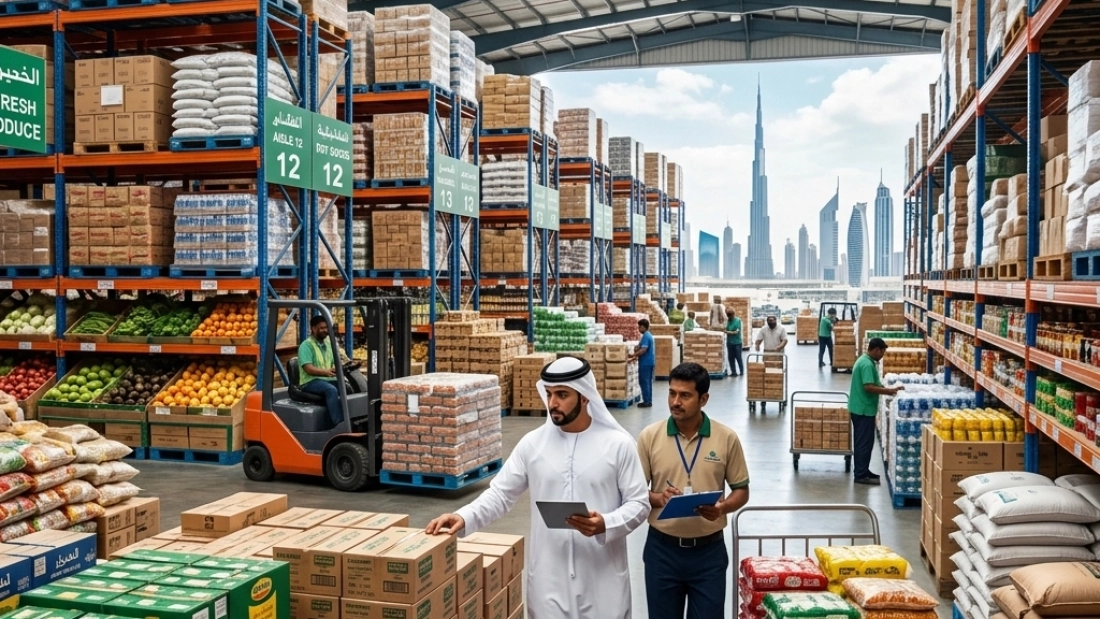
Before committing to a bulk order, evaluate the supplier’s logistics infrastructure. Are the vehicles temperature-controlled? Is the storage facility equipped with real-time monitoring? Mayil Global invests heavily in sourcing and logistics to ensure that perishables like tomatoes, lemons, and leafy greens arrive in optimal condition, regardless of the external temperature.

5. Transparency in Pricing and Market Trends
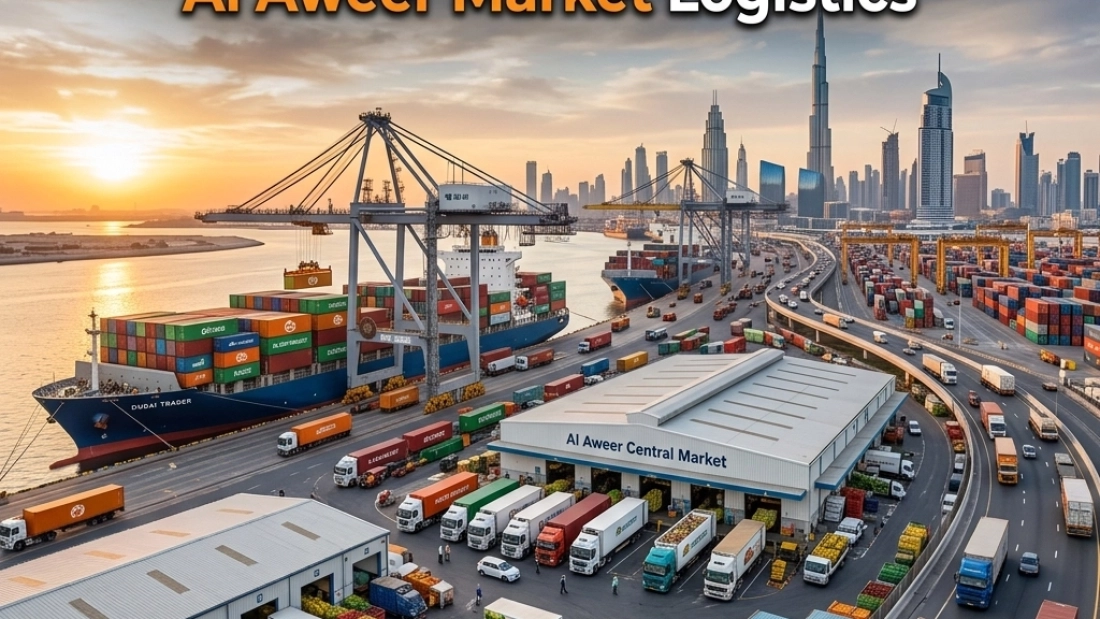
The Aweer Central Fruit and Vegetable Market is dynamic, with prices fluctuating daily based on global supply and local demand. A reliable wholesale partner should provide transparent, real-time pricing information.
Avoid distributors who are vague about market rates. At Mayil Global, we believe that transparency builds long-term relationships. By offering a clear 3% commission structure, we eliminate the guesswork for exporters, allowing them to calculate their margins with precision before the container even leaves the port of origin.
6. Sourcing Beyond Fresh Produce: Spices, Rice, and Eggs
While fresh produce often dominates the conversation, a comprehensive cash and carry food wholesale Dubai partner should offer a diversified portfolio. The UAE market has a high demand for premium spices, long-grain rice, and eggs.
Consolidating your sourcing with a single provider reduces administrative overhead and simplifies your supply chain. Whether you are looking for bulk rice suppliers or unlocking the spice trade, ensure your distributor has the global reach to source high-quality dry goods alongside fresh inventory.
7. Delivery Reliability Across the Emirates
A competitive price is meaningless if the delivery does not arrive on time. For restaurants and supermarkets, a delayed delivery can lead to empty shelves and lost revenue.
When vetting food distribution companies in UAE, ask about their delivery fleet and their track record for on-time arrivals in Abu Dhabi, Sharjah, and the Northern Emirates. Reliability is a foundational requirement. We have built our reputation on delivering "on time, every time," recognizing that our clients' operations depend on our punctuality.

8. Managing Perishability and Spoilage Risks
Bulk ordering carries inherent risks, particularly with highly perishable items like tomatoes or ginger. Effective inventory management is critical.
Before placing a large order, assess your own cold storage capacity and consumption timelines. A good wholesale partner will not just sell you a container; they will work with you to ensure the volume matches your operational capacity. Our 3% commission strategy is specifically designed to move products quickly, reducing the time goods spend in storage and minimizing spoilage for all parties involved.
9. Global Sourcing Capabilities
Dubai is a gateway, but the products come from all over the world: apples from Europe, onions from India, and lemons from Africa. Your wholesale partner must have a robust global sourcing network to ensure price stability and consistent supply throughout the year.
Seasonality can often cause price spikes. However, a distributor with a diverse sourcing strategy can mitigate these fluctuations by shifting sourcing origins as seasons change. Mayil Global’s about us page details our commitment to building these global bridges, ensuring that our UAE clients always have access to the best produce the world has to offer.

10. The Shift from Credit to Cash-Based Efficiency
While "Net 30" or "Net 60" terms have been the industry standard, they often lead to inflated pricing as suppliers bake the cost of credit into the goods. The growing popularity of the cash and carry model in the UAE is a response to this inefficiency.
By moving toward cash-based transactions, buyers can often negotiate better "headline" prices, and sellers (exporters) can avoid the distress of cash flow gaps. This shift is particularly beneficial for high-volume traders who prioritize lean operations and rapid turnover. For a deeper dive into why this model is changing the industry, read our article on why cash and carry matters in the Aweer market.
Conclusion: Partnering for Success in 2026
Success in the Dubai food wholesale market requires a combination of strategic sourcing, regulatory diligence, and financial agility. As we move through 2026, the businesses that thrive will be those that embrace transparency and efficiency.
At Mayil Global, we are more than just a distributor; we are a strategic partner for exporters and B2B buyers alike. Our 3% commission model for exporters and our robust cash and carry infrastructure for local buyers are designed to create a more resilient and profitable food ecosystem in the UAE.
If you are ready to streamline your bulk ordering process or looking for a transparent partner to distribute your containers in Dubai, contact us today to discuss how we can support your business goals.