

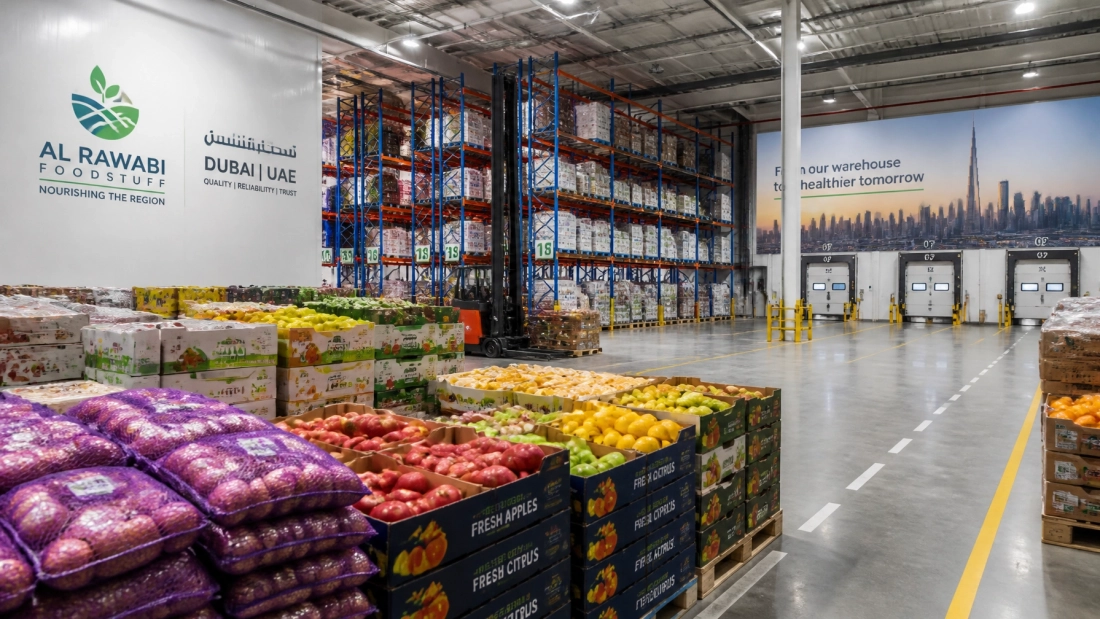
Dubai serves as the premier logistics hub for the Middle East, offering a sophisticated ecosystem for global food exporters. As a high-consumption market and a strategic re-export gateway to the GCC, the UAE presents significant opportunities for those who understand how to navigate its regulatory and commercial landscape.
For international exporters, the challenge often lies in selecting a distribution model that balances risk with profitability. At Mayil Global, we facilitate this transition by offering a transparent 3% commission model and immediate Cash & Carry wholesale options. This guide provides a comprehensive roadmap on how to export food to dubai, ensuring your operations align with local standards and market demands.
Establishing the Regulatory Foundation
Compliance is the primary pillar of successful food importation in the UAE. The Ministry of Climate Change and Environment (MOCCAE) and the Dubai Municipality govern all food safety and quality standards.
Product Registration and Permits
Before any shipment departs its origin, the food products must be registered through the Dubai Municipality’s "Zabeel" system. This process involves submitting detailed ingredient lists, packaging specifications, and laboratory test reports. Failure to pre-register products often results in costly delays at Jebel Ali Port or air cargo terminals.
Mandatory Documentation
To clear customs efficiently, exporters must provide:
- Commercial Invoice and Packing List: Clearly detailing the HS codes and quantities.
- Certificate of Origin: Authenticated by relevant chambers of commerce.
- Health or Phytosanitary Certificate: Issued by the exporting country’s national authority.
- Halal Certification: Required for all meat products and items containing animal derivatives.
Labeling Standards
UAE law requires all retail-ready food items to carry Arabic labeling. While bilingual packaging (English and Arabic) is standard, the Arabic text must accurately reflect the product name, ingredients, nutritional facts, and expiration dates. For bulk commodities like wholesale fruits and vegetables dubai, labeling requirements are often simplified but still require strict adherence to traceability standards.
Decoding the 3% Commission Model
The traditional export-import relationship often involves opaque margins that can erode an exporter's profits. Mayil Global operates on a transparent 3% commission model, designed to provide exporters with maximum visibility and higher net returns.

How the Model Operates
Under this structure, Mayil Global acts as your dedicated commission agent in the Dubai market. The process is straightforward:
- Market Sale: We sell your container at the prevailing daily market price in Al Aweer.
- Expense Deduction: Actual local expenses: such as port clearance, transport to the market, and unloading fees: are deducted with full documentation.
- 3% Commission: A flat 3% fee is applied to the gross sales value.
- Remittance: The remaining net balance is paid directly to the exporter, ensuring immediate liquidity.
This model is particularly effective for perishable goods where prices fluctuate daily. By using a fixed commission, the exporter benefits directly from market price spikes rather than being locked into a low fixed-price contract. Our 3% commission strategy explained provides further insight into how we secure daily liquidity for our partners.
Al Aweer Market: The Heart of Wholesale Trade
The Al Aweer Fruit and Vegetable Market is the central nervous system of Dubai’s fresh produce trade. Managing containers within this high-volume environment requires organized logistics and deep market intelligence.
For exporters of wholesale fruits and vegetables dubai, Al Aweer is where supply meets demand from across the UAE, Oman, and Saudi Arabia. Price discovery happens in real-time, driven by the volume of arrivals and seasonal demand. Partnering with a distributor like Mayil Global ensures your cargo is positioned strategically within the market to capture peak pricing.
Case Study: Importing Onions to Dubai
Onions represent one of the most consistent high-volume commodities in the UAE. In 2026, importing onions dubai has become even more attractive due to the removal of export duties from key regions like India and the benefits of the India-UAE Comprehensive Economic Partnership Agreement (CEPA).

Market Dynamics for Onions
- Zero Duty: Under CEPA, most Indian-origin onions qualify for 0% customs duty, providing a significant competitive advantage.
- Logistics: Utilizing reefer containers at 0–4°C is recommended to maintain bulb integrity during the 3–5 day transit from ports like Nhava Sheva to Jebel Ali.
- Packaging: Standard 10kg or 25kg mesh bags remain the preferred format for the Al Aweer wholesale buyers.
Exporters looking to enter this segment can leverage our specialized onion export model to maximize margins and ensure rapid stock turnover.
Strategic Advantages: Cash & Carry and Global Logistics
Beyond commission-based sales, Mayil Global offers a Cash & Carry model. This is tailored for exporters who prioritize immediate payment and risk mitigation.
Ensuring Timely Delivery
Efficient distribution is the cornerstone of our operations. We maintain an organized logistics network that manages the journey from the farm to the market. By integrating strict quality control and hygienic handling at every stage, we protect the value of your shipment.

Our global supply network allows us to provide a steady and reliable supply to local B2B buyers, including supermarkets and restaurants. For exporters, this means your products have a direct pipeline to the UAE’s most reputable retailers. You can read more about how our Cash & Carry wholesale model is transforming inventory management for local businesses.
The Step-by-Step Checklist for Exporters
To successfully how to export food to dubai, follow this operational sequence:
- Identify High-Demand Products: Focus on staples like bulk rice, onions, potatoes, or spices.
- Secure an Approved Importer: Partner with a licensed entity like Mayil Global that is registered with MOCCAE and Dubai Municipality.
- Register Products: Complete the Zabeel registration before the ship sails.
- Confirm Labeling Compliance: Ensure all packaging meets bilingual requirements.
- Choose Your Model: Select between the 3% commission model for market-rate exposure or Cash & Carry for immediate liquidity.
- Execute Logistics: Ship via reliable carriers to Jebel Ali, ensuring proper cold-chain management for perishables.
- Review Sales Reports: Receive transparent, itemized reports detailing every expense and the final sale price.
Conclusion: Partner with Mayil Global
Exporting to the UAE is a complex but highly rewarding endeavor when executed with the right partner. Mayil Global provides the infrastructure, regulatory expertise, and transparent financial models needed to succeed in the competitive Dubai market. Whether you are exporting tomatoes or premium apples, our commitment to 3% commission and operational excellence remains the same.
Contact us today to discuss your next container and secure your position in the UAE’s thriving food supply chain.