

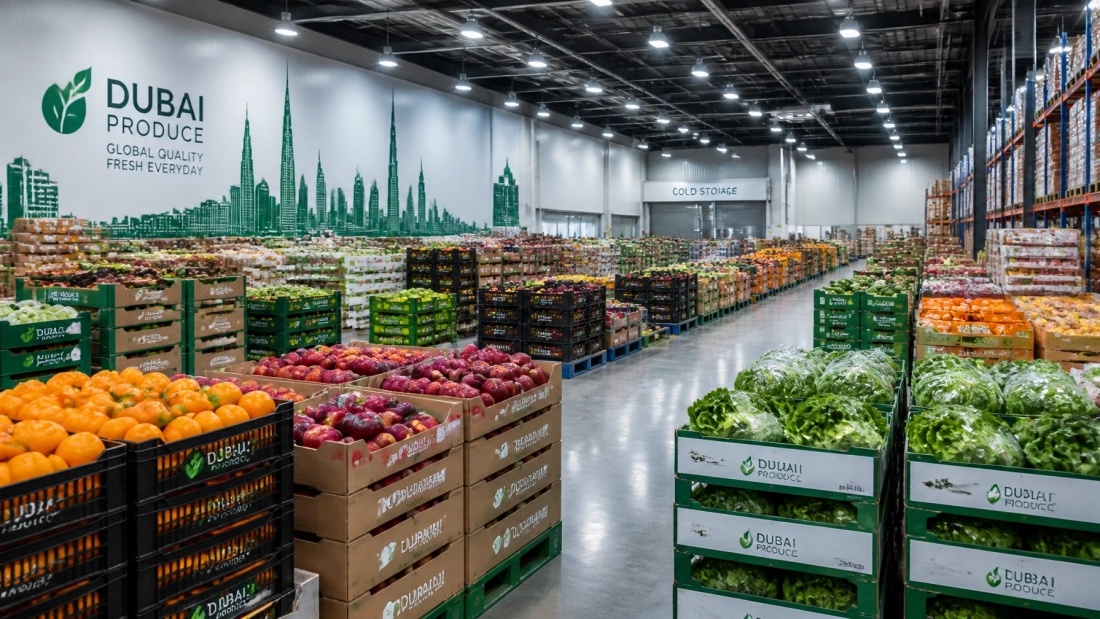
Dubai serves as a central hub for the global food trade, particularly for the distribution of fresh produce across the Middle East and North Africa. For supermarkets, restaurants, and wholesale distributors, securing a reliable supply of wholesale fruits and vegetables in Dubai is a critical operational requirement. The complexity of the supply chain: encompassing international sourcing, cold chain logistics, and rapid turnover: necessitates a strategic partnership with a distributor that prioritizes transparency and efficiency.
When navigating this market, stakeholders must evaluate distributors based on their sourcing capabilities, quality control standards, and, most importantly, their financial models. The shift toward more transparent structures, such as the 3% commission model, is currently redefining how exporters and local buyers manage their margins and inventory.
The Logistics of Wholesale Produce in Dubai
The efficiency of a food distribution network depends heavily on its proximity to major logistics hubs. In Dubai, the Al Aweer Fruit and Vegetable Market stands as the epicentre of this activity. For Aweer market produce buyers, the ability to access fresh stock daily is non-negotiable.
Mayil Global leverages a global supply network to ensure a steady flow of premium produce. By maintaining organized logistics and proper storage facilities, the company ensures that fresh fruits, vegetables, and farm-fresh eggs reach their destination without compromising shelf life. This operational excellence is essential for B2B clients who require consistent quality to satisfy their own retail and hospitality customers.

Comparing Distribution Models: Traditional vs. 3% Commission
For international exporters looking to enter the UAE market, the financial arrangement with a local distributor is the most significant factor affecting profitability. Traditionally, many distributors operate on high, often opaque margins that can erode the exporter's returns.
The Traditional Margin Model
In a conventional distribution setup, the distributor often takes a substantial cut, which can range from 10% to 20% or more, depending on the risk and services provided. This model often lacks transparency, making it difficult for exporters to track the actual market price at which their goods are sold.
The 3% Commission Model
As a 3 percent commission distributor in the UAE, Mayil Global offers a transparent alternative. Under this model, the distributor acts as a facilitator, charging a fixed 3% commission on the transaction. This structure provides several advantages:
- Predictable Costs: Exporters know exactly what they will pay, allowing for more accurate financial planning.
- Market Transparency: Sellers receive the full market value of their produce, minus the fixed fee.
- Increased Liquidity: By reducing intermediary costs, exporters can reinvest capital into their own operations faster.
For more details on how this model benefits exporters, you can read about why our 3 percent commission distributor UAE model is changing the export landscape.
Quality Control: The Foundation of Reliable Supply
In the wholesale food industry, the quality of the product is the primary determinant of business longevity. Mayil Global employs strict quality control measures with inspection at every stage of the supply chain: from the farm to the final delivery point in Dubai.
Farm-Direct Sourcing
By sourcing directly from trusted farms and global suppliers, the company eliminates unnecessary middlemen. This direct link ensures that the produce is handled according to international safety and hygiene standards. Whether it is premium rice, spices, or fresh vegetables, the focus remains on maintaining the integrity of the product.
Inspection and Hygiene
Hygienic handling and packaging are non-negotiable. Every container that arrives at the Aweer market undergoes rigorous inspection. This commitment to quality is why many exporters are switching to Mayil Global's 3% commission model for their wholesale vegetable distribution.

Sourcing and Supply Chain Stability
Stability in the supply chain is vital for supermarkets and restaurants that cannot afford stockouts. Mayil Global’s global supply network across multiple countries ensures a reliable supply even during seasonal shifts.
- Global Network: Accessing produce from diverse geographical regions mitigates the risk of supply disruptions.
- Organized Logistics: Efficient distribution ensures that products like bulk rice and spices are available when needed.
- Proper Storage: Utilizing advanced storage solutions maintains the freshness and nutritional value of all produce.
Strategic Advantage for Aweer Market Produce Buyers
For those operating within the Al Aweer market, liquidity is often a bottleneck. Mayil Global addresses this through its immediate cash-and-carry container purchase program. This model allows exporters to move their stock quickly and receive payment without the traditional delays associated with wholesale trade.
Exporters who have a container in Aweer can leverage this model to solve liquidity problems and maintain a healthy cash flow. Similarly, local restaurants find that cash and carry wholesale allows them to manage their inventory more effectively, reducing waste and improving their bottom line.

Ensuring Long-Term Partnerships
Choosing a wholesale partner in Dubai is a decision that impacts every level of a B2B operation. By prioritizing a distributor that offers a combination of farm-direct sourcing, rigorous quality control, and a transparent 3% commission model, businesses can secure a competitive advantage in the UAE market.
Mayil Global remains dedicated to fostering long-term relationships through dependable supply and consistent quality. By focusing on the functional clarity of operations and the direct benefits to the client, the company continues to lead as a preferred wholesale supplier for the UAE's food industry.