

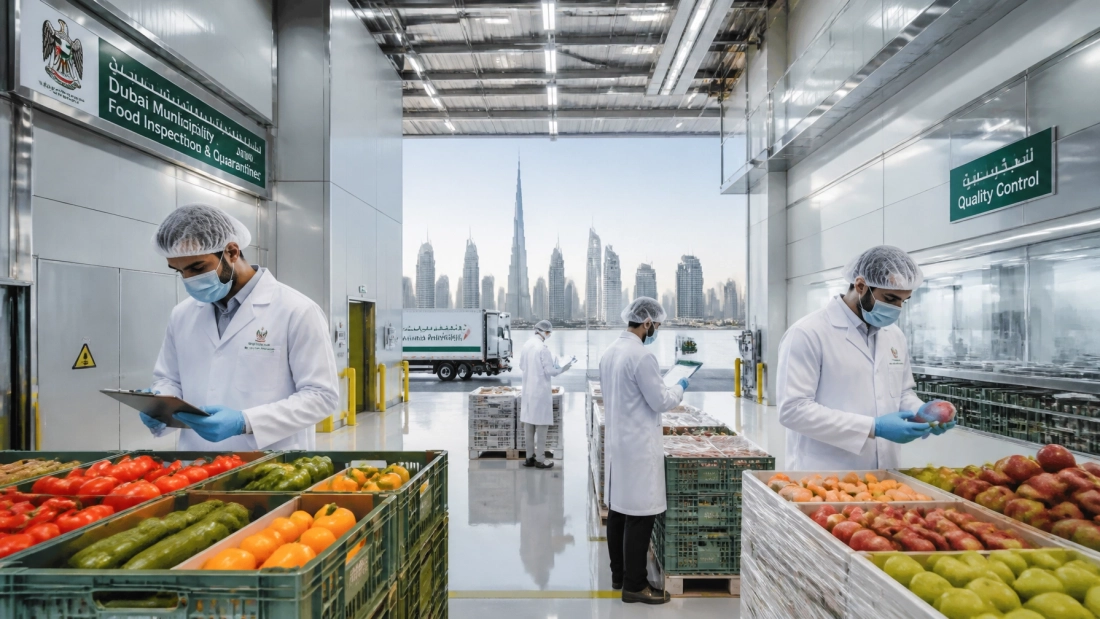
The landscape of food importation in the United Arab Emirates has undergone its most significant transformation in nearly five decades. As of June 2026, the UAE government has officially retired the 1979 quarantine framework, replacing it with a comprehensive suite of Agricultural and Veterinary Quarantine Laws. For every uae food exporters distributor, supermarket chain, and high-volume restaurant, these changes represent a fundamental shift in how fresh produce and animal products move across borders.
Maintaining a resilient supply chain in this new regulatory environment requires more than just logistical efficiency; it demands absolute compliance with modernized biosecurity standards. With penalties for non-compliance reaching unprecedented levels and logistics costs experiencing a 3-8% surge due to regional disruptions, the role of a verified buyer for exporters uae has never been more critical.
The End of the 1979 Era: New Agricultural and Veterinary Quarantine Laws
For decades, the 1979 laws provided a stable, if dated, framework for food imports. However, the 2026 regulatory overhaul aligns the UAE’s biosecurity measures with the International Plant Protection Convention (IPPC) and the standards set by the World Organization for Animal Health (WOAH).
Stricter Border Controls
Under the new laws, all agricultural and animal consignments are restricted to designated border points equipped with advanced risk-assessment technologies. These points of entry now function as the primary filter for the nation's food security. Shippers are now required to provide real-time digital documentation that tracks the provenance of every container.
Enhanced Phytosanitary Standards
The updated Agricultural Quarantine Law introduces enforceable restrictions on the handling and transport of plants and plant products. This is specifically designed to prevent the introduction of invasive pests that could jeopardize the UAE's growing domestic agricultural sector. For those learning how to export food to dubai, understanding the nuances of these updated phytosanitary certificates is now the first step in avoiding catastrophic shipment rejections.
Financial Exposure: Navigating the AED 500,000 Penalty Framework
The most striking feature of the 2026 shake-up is the escalation of financial penalties. The Ministry of Climate Change and Environment (MOCCAE) has signaled that administrative leniency is a thing of the past.
- Fines for Breaches: Minor infractions that previously resulted in warnings now carry substantial fines. Serious violations involving the import of plants or animal products that bypass health and certification requirements can result in fines of up to AED 500,000.
- Operational Suspensions: Beyond monetary loss, repeat offenders face the suspension of import permissions. For a high-volume distributor, a 30-day suspension can lead to millions in lost revenue and the permanent loss of shelf space in major supermarkets.
- Deportation and Criminal Liability: In extreme cases involving endangered species or severe biosecurity threats, foreign repeat offenders are subject to mandatory deportation and up to four years of imprisonment.
By partnering with a verified distributor, exporters can mitigate these risks. Mayil Global operates with a zero-tolerance policy for documentation errors, ensuring that every container we handle meets the 2026 compliance threshold before it even leaves the port of origin.

Infrastructure Evolution: The 29 Million Sq Ft Dubai Food District
While regulations have tightened, the infrastructure supporting food distribution is expanding at a record pace. The traditional Al Aweer market area is being transformed into the Dubai Food District, a massive 29 million square foot integrated hub for food logistics and wholesale.
Scaling for the Future
The expansion of Al Aweer into the Dubai Food District is a strategic response to the UAE’s growing population and its role as a global re-export hub. This new district features:
- State-of-the-art Cold Storage: Enhanced biosecurity zones and segregated climate-controlled environments for high-risk items like meat and dairy.
- Integrated Inspection Labs: Reducing the time between arrival and clearance by housing municipal and MOCCAE inspectors directly within the district.
- Centralized Logistics: Automated docking and tracking systems that allow Al Aweer market produce buyers to manage inventory with surgical precision.
For restaurants and supermarkets, this infrastructure means a more reliable supply of fresh produce, provided their suppliers can navigate the "verified buyer" protocols required to operate within the district. Many businesses are now switching to cash and carry models to take advantage of the immediate availability and superior quality control of the Dubai Food District.

Mitigating the 3-8% Logistics Cost Surge
The 2026 calendar year has seen shipping disruptions lead to a 3-8% increase in logistics costs across the Middle East. Rising fuel surcharges and a shortage of specialized reefer containers have placed immense pressure on the margins of both exporters and local retailers.
Strategic Sourcing and Efficiency
To combat these rising costs, Mayil Global utilizes a dual-pronged approach:
- Direct Sourcing: By sourcing directly from trusted farms and global suppliers, we eliminate the middleman markups that often inflate prices during logistics crunches.
- Organized Logistics: Our logistics network is optimized for the "last mile" delivery, ensuring that products are moved quickly from the Dubai Food District to our B2B clients, minimizing storage overheads.
Exporters looking to maintain profitability despite these cost spikes are increasingly adopting our 3% commission model. This transparent structure allows exporters to tap into the UAE market with predictable costs and immediate liquidity, bypassing the complexities of independent distribution.
Why Mayil Global is Your Strategic Verified Partner in 2026
In an era of AED 500,000 penalties and complex quarantine mandates, the value of a professional B2B supplier cannot be overstated. Mayil Global has built its operations on the pillars of safety, hygiene, and international standards.
Strict Quality Control
We implement a multi-stage inspection process. From the moment a container is sourced at the farm to its final delivery at a supermarket or restaurant, our team ensures every safety standard is met. This commitment to quality is what distinguishes us from competitors who may be vulnerable to the pitfalls outlined in our guide on common distribution mistakes.
Reliability in Supply
Our global supply network ensures a steady flow of premium products: from fresh eggs and spices to bulk rice and seasonal fruits. By maintaining deep relationships with authorities at the Dubai Food District, we ensure that our shipments are cleared with minimal delay, providing our clients with the consistency they need to satisfy their customers.

Conclusion: Ensuring Long-Term Stability
The 2026 UAE food import shake-up is a challenge for the unprepared, but a massive opportunity for those who prioritize compliance and operational excellence. The transition to the new Agricultural and Veterinary Quarantine Laws marks the UAE's commitment to being a world leader in food safety and biosecurity.
As a leading uae food exporters distributor, Mayil Global is dedicated to helping our partners navigate these changes. Whether you are an international exporter seeking a verified buyer or a local UAE business requiring a dependable wholesale supply, our infrastructure and expertise are designed to ensure your success in this new landscape.
Secure your supply chain today. Partner with Mayil Global for compliant, high-quality, and efficient food distribution in the UAE.