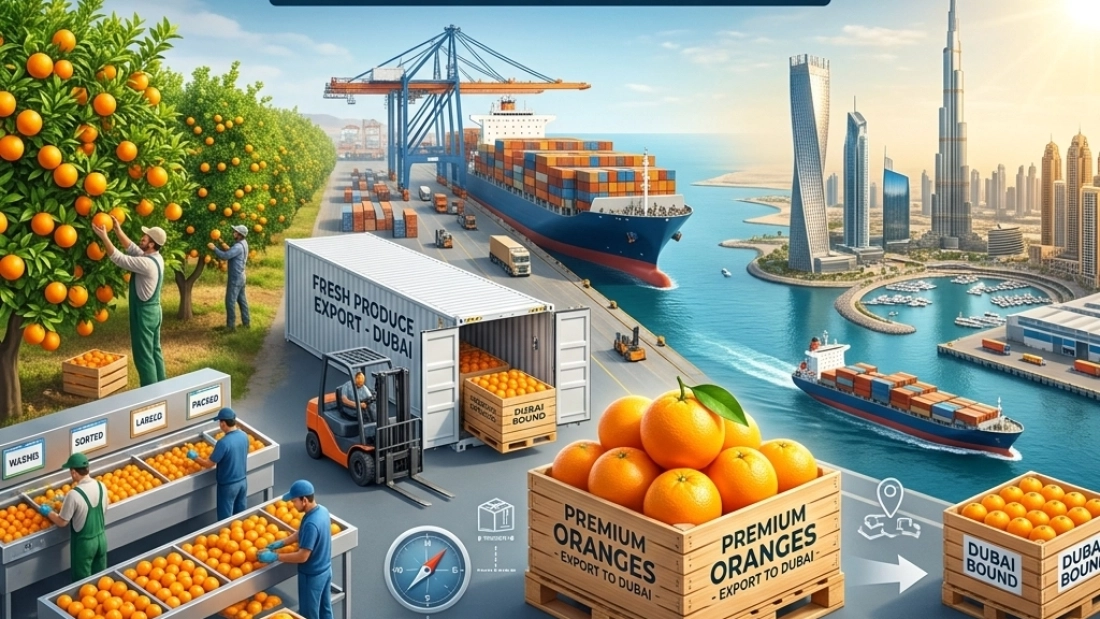
Tx6n1jxUWUK

The Ultimate Guide to How to Export Food to Dubai: Everything You Need to Succeed as a Global Supplier

Dubai serves as the primary redistribution hub for the Middle East, North Africa, and parts of Asia. With the UAE importing approximately 80% to 90% of its food requirements, the demand for high-quality global produce is constant. For international exporters, understanding how to export food to Dubai is not merely about logistics; it is about navigating a sophisticated regulatory landscape and securing a reliable local partner.

In this comprehensive guide, Mayil Global outlines the essential steps, regulatory frameworks, and strategic advantages: such as our industry-leading 3% commission model: that enable global suppliers to thrive in the Dubai food trade.

Understanding the Dubai Food Import Landscape

The UAE food market is characterized by high volume and high standards. The strategic focus for any exporter should be the Dubai Municipality’s regulations and the competitive pricing structures found in the Al Aweer Central Fruit and Vegetable Market. Success in this territory requires more than just a quality product; it requires a deep understanding of wholesale fruits and vegetables dubai dynamics and the ability to maintain liquidity in a fast-moving market.

Market Demand and Opportunities

Dubai's status as a global tourism and business hub creates a year-round demand for a diverse range of products. Key categories with high sales potential include:

  • Fresh fruits (Apples, Citrus, Grapes, and Bananas)
  • Staple vegetables (Onions, Potatoes, and Ginger)
  • Bulk grains (Rice and Pulses)
  • Spices and condiments

For those specifically looking at importing onions dubai or other staples, the volume is immense, but the margins depend heavily on the efficiency of your local distributor.

Step 1: Legal Framework and Trade Licensing

To engage in food importation, a legal entity must be established within the UAE or a partnership must be formed with a licensed local distributor.

  1. Trade License: Every importer must possess a valid trade license issued by the Dubai Department of Economic Development (DED). This license must specifically include food trading activities.
  2. Customs Registration: The importing entity must be registered with Dubai Customs and obtain a Customs Code, which is mandatory for clearing shipments.
  3. Appointing a Distributor: For global suppliers who do not wish to set up a physical office in Dubai, partnering with a company like Mayil Global is the most efficient route. We act as your verified buyer and distributor, managing the complexities of local regulations on your behalf.

Modern Dubai boardroom representing legal trade licensing for businesses learning how to export food to Dubai.

Step 2: Product and Facility Registration

Dubai Municipality (DM) oversees the safety and quality of all food entering the emirate. All food items must be registered through the Food Import and Re-export System (FIRS) or the ZAD portal.

The Registration Process

  • Facility Registration: The exporting factory or warehouse in the country of origin must be known to the Dubai authorities.
  • Product Registration: Each individual product must be registered. This involves submitting the product's ingredients, laboratory test results, and a sample of the packaging for label approval.
  • Labeling Standards: Dubai mandates strict labeling requirements. All labels must include the product name, brand name, net weight, country of origin, production and expiry dates, and a list of ingredients in descending order of weight. Arabic labeling is mandatory for all retail food products, though stickers may be applied if the original packaging is in another language.

Step 3: Essential Documentation for Global Shippers

Consistency in documentation is the hallmark of a professional exporter. Errors in paperwork lead to costly delays at Port Rashid or Jebel Ali. The following documents are mandatory:

  1. Original Commercial Invoice: Stamped and signed by the exporter.
  2. Packing List: Detailing the contents, weight, and HS codes.
  3. Certificate of Origin (COO): Legalized by the Chamber of Commerce in the exporting country.
  4. Health Certificate: Issued by the competent government authority in the country of origin, confirming the food is fit for human consumption.
  5. Halal Certificate: Required for all meat and poultry products, issued by an authorized Halal certification body.
  6. Bill of Lading: Necessary for ocean freight shipments.

Step 4: Logistics and Cold Chain Integrity

Maintaining the cold chain is the most critical operational factor when dealing with wholesale fruits and vegetables dubai. Heat and humidity can compromise produce quality within hours.

  • Temperature Control: Ensure that reefer containers are set to the specific requirements of the commodity (e.g., specific settings for exporting onions to Dubai).
  • Transit Times: Choose shipping lines with direct routes to Dubai to minimize transit duration.
  • Port Handling: Rapid clearance is essential. Mayil Global’s logistics team monitors shipments in real-time to ensure immediate pickup upon arrival.

Official UAE customs documentation and health certificates for food export shipments at Jebel Ali Port.

The Mayil Global Advantage: Transforming the Export Experience

Most traditional distributors in Dubai operate on a 5% to 10% commission basis, often with opaque pricing and slow payment cycles. Mayil Global has redesigned this model to prioritize the exporter's profitability and liquidity.

The 3% Commission Strategy

We offer a transparent 3% commission model for high-volume exporters. By reducing the intermediary costs, we allow global suppliers to retain more of their margins. This model is particularly effective for those trading in high-volume commodities where every cent matters. You can learn more about how this strategy secures daily liquidity for our partners.

Cash & Carry Wholesale

Liquidity is the lifeblood of the export business. In the Al Aweer market, credit terms can often stretch, putting a strain on the exporter’s cash flow. Mayil Global’s Cash & Carry model ensures that containers are moved quickly, and payments are settled with a speed that traditional models cannot match. This approach solves the common liquidity gaps faced by international shippers.

Refrigerated trucks managing wholesale fruits and vegetables distribution in the Dubai food supply chain.

Navigating the Al Aweer Market Pricing

The Al Aweer Fruit and Vegetable Market is the epicenter of price discovery in Dubai. Prices fluctuate daily based on supply and demand. As a supplier, having a partner on the ground who can interpret these fluctuations is vital.

  • Real-time Insights: We provide our exporters with up-to-date market pricing, allowing them to time their shipments for maximum profit.
  • Direct Distribution: Our established network of B2B buyers: including supermarkets, restaurants, and secondary wholesalers: allows us to bypass unnecessary middlemen.
  • Bulk Management: Whether you are sending a single container of ginger or a bulk shipment of rice, our infrastructure is designed to handle the scale. For instance, exporters of ginger can secure their profits by leveraging our specialized handling and commission structure.

Avoiding Common Pitfalls in Food Export

Even experienced exporters can make mistakes that lead to rejected shipments or financial losses.

  1. Incorrect Packaging: Using substandard crates or bags can lead to "bruising" or rot, especially in high-moisture items like tomatoes or lemons. Learn more about avoiding mistakes with lemon exports.
  2. Inaccurate Documentation: A mismatch between the invoice and the health certificate will cause a customs hold.
  3. Ignoring Seasonality: Importing onions into Dubai requires careful timing. If the market is flooded with local or regional produce, prices may drop below your cost of production.
  4. Poor Liquidity Management: Sending containers without a clear path to payment. Our 3% commission model is specifically designed to address this.

Fresh onions and lemons in a Dubai warehouse, illustrating quality control for importing onions to Dubai.

Building a Long-Term Partnership with Mayil Global

Success in Dubai is not about a one-off shipment; it is about building a dependable supply chain. At Mayil Global, we view ourselves as an extension of your business. Our focus on operational excellence, safety, and international standards ensures that your brand gains a reputation for reliability in the UAE.

  • Professionalism: We maintain a strictly B2B approach, focusing on functional clarity and rigorous standards.
  • Scale: Our Cash & Carry model is built for the high-volume needs of global exporters.
  • Transparency: Our 3% commission is fixed and transparent, with no hidden costs.

For exporters ready to tap into the lucrative Dubai market, the path to success involves meticulous planning and the right local alliance. By following the regulatory steps outlined in this guide and leveraging the unique financial advantages offered by Mayil Global, you can transform your export operations into a consistent, profitable venture.

Whether you are specialized in bulk rice, fresh vegetables, or premium spices, the opportunity in Dubai is waiting. Partner with a leader in the Al Aweer market and experience the difference that a dedicated, professional distributor can make.
XV6d16UvdSx

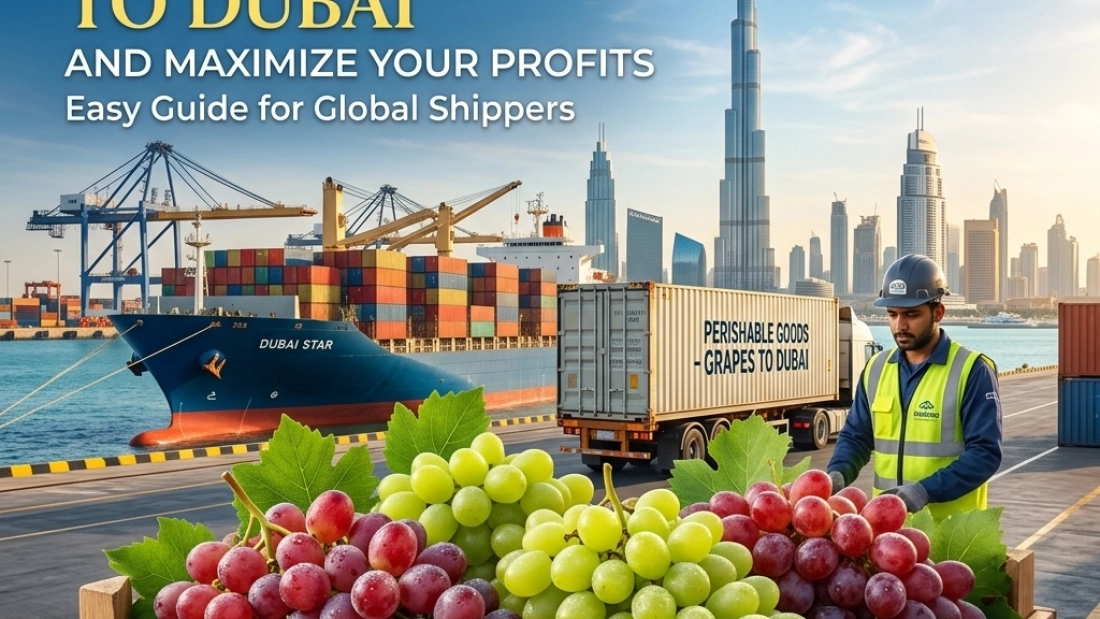
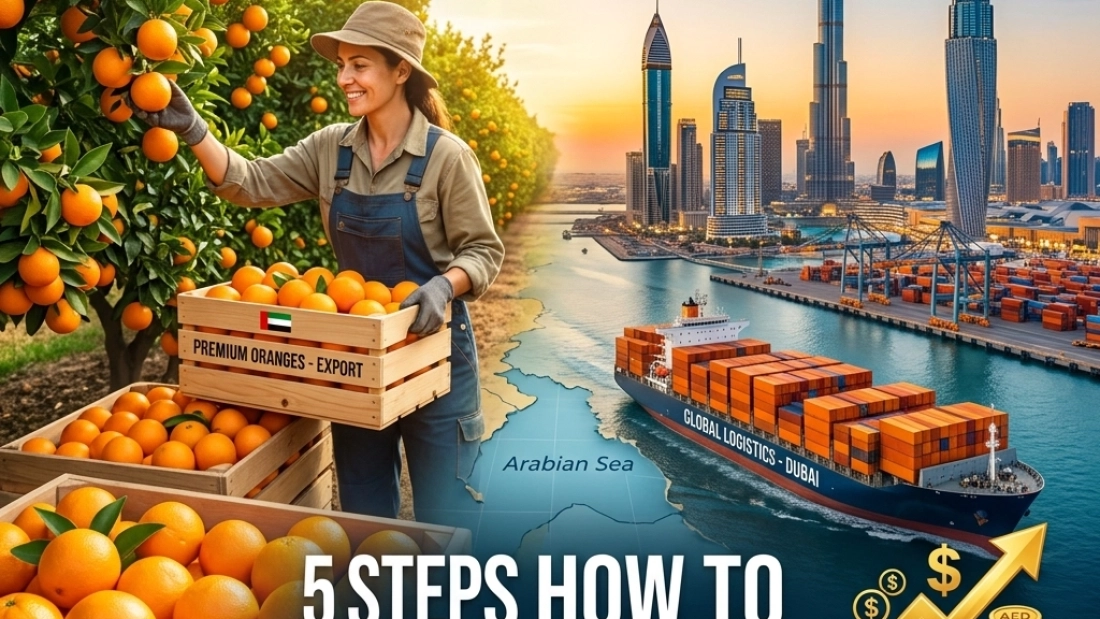
5 Steps How to Export Grapes to Dubai and Maximize Your Profits (Easy Guide for Global Shippers)

Are you an international grape grower or exporter looking for a reliable buyer in Dubai? The United Arab Emirates (UAE) remains one of the most lucrative hubs for the global fruit trade, acting as a gateway to the entire Middle East and North Africa (MENA) region. However, for many shippers, the dream of high margins often evaporates due to opaque pricing, high middleman commissions, and slow payment cycles at the Al Aweer Central Fruit and Vegetable Market.

At Mayil Global, we are redefining how food distribution and wholesale work in Dubai. By offering a transparent 3% commission model and a rapid Cash & Carry system, we ensure that exporters from India, Egypt, South Africa, and beyond keep more of their hard-earned money.

If you are currently searching for a grape buyer in Dubai, this guide will walk you through the essential steps to export successfully while maximizing your bottom line.


Step 1: Understand Market Preferences and Seasonal Demand

Dubai is a sophisticated market with specific tastes. While the demand for fresh produce is year-round, your success depends on shipping the right variety at the right time.

Popular Grape Varieties in the UAE

The Dubai market primarily favors seedless varieties. While Thompson Seedless remains the industry standard, there is significant growth in specialty varieties:

  • Thompson Seedless: The most widely recognized and high-demand white grape.
  • Sharad Seedless: A popular black grape variety, known for its sweetness and firm texture.
  • Flame Seedless: Highly sought after for its vibrant red color and crispness.
  • Sonaka and Tas-e-Ganesh: Preferred by many ethnic demographics within the UAE.

Timing Your Shipments

Maximizing profit requires strategic timing. You must monitor the production windows of competing nations. For example, when Indian grape seasons peak, prices may stabilize, but during the "shoulder" seasons, exporters can command premium prices.

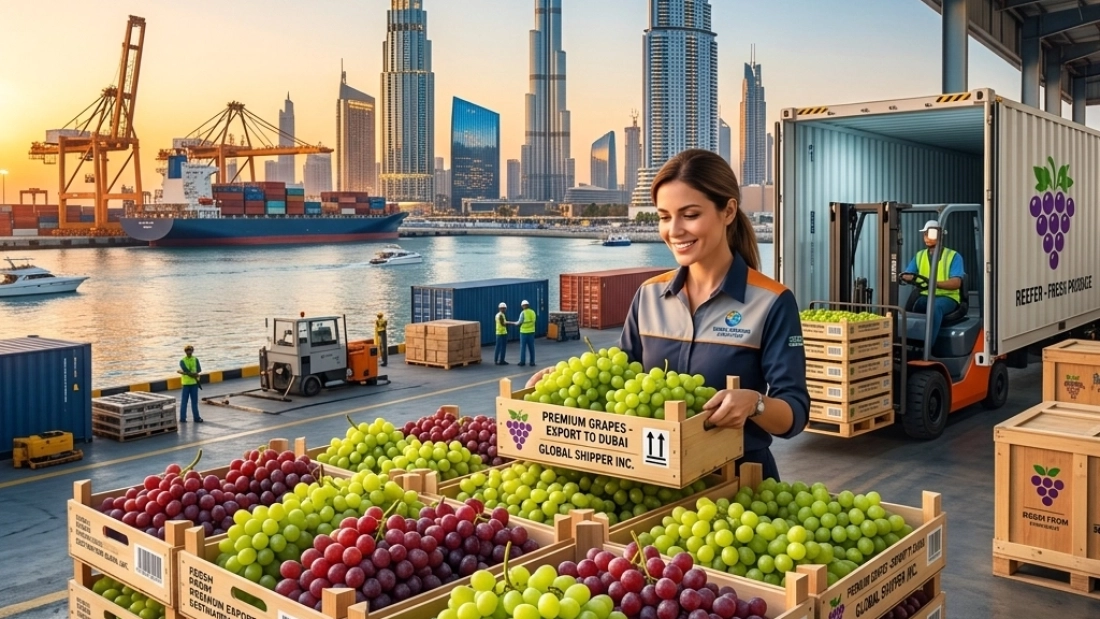
Fresh premium green and purple grapes displayed with the Dubai skyline in the background for export.


Step 2: Ensure Compliance with UAE Import Standards

The UAE government, through the Ministry of Climate Change and Environment (MOCCAE), maintains strict standards for food safety. Non-compliance can lead to your entire container being rejected or destroyed, resulting in a total loss.

Essential Documentation

To clear customs at Jebel Ali Port or Dubai Airport, you will need:

  1. Phytosanitary Certificate: Issued by the plant protection authority in the country of origin.
  2. Certificate of Origin: Authenticated by the relevant Chamber of Commerce.
  3. Commercial Invoice and Packing List: Detailing the weight, variety, and grade.
  4. Health Certificate: Confirming the produce is fit for human consumption.

Pesticide Residue Limits (MRLs)

Dubai adheres to international standards regarding Maximum Residue Limits (MRLs). Ensuring your grapes are GlobalG.A.P. certified is not just a "nice-to-have": it is a prerequisite for professional B2B trade in the UAE. At Mayil Global, we prioritize sourcing and logistics from farms that maintain these high standards to ensure a smooth transition from the port to the warehouse.


Step 3: Optimize Your Cold Chain Logistics

Grapes are highly perishable. Any break in the cold chain: from the farm to the Al Aweer market: will result in "shrivel" or "berry drop," significantly reducing the market value of your shipment.

Pre-Cooling and Temperature Control

  • Pre-cooling: Grapes should be pre-cooled to approximately 0°C to 1°C within hours of harvesting.
  • Reefer Settings: During transit, the temperature must be maintained strictly at 0°C with humidity levels between 90-95%.
  • Packaging: Use ventilated corrugated boxes or plastic crates with sulfur dioxide (SO2) pads to prevent fungal growth (Botrytis cinerea) during the long sea voyage.

Efficient sourcing and logistics are the backbone of a profitable export business. By the time your container arrives in Dubai, the freshness of the fruit determines whether you sell at a premium or at a discount.

Inside a refrigerated reefer container with stacked grape crates for secure Dubai export logistics.


Step 4: Choose the Right Distribution Model (The 3% Advantage)

This is where most exporters lose their margins. The traditional model in Dubai often involves "consignment sales" where middlemen charge 10%, 12%, or even 15% in hidden fees and commissions. By the time you receive your payment, your profit has been eaten away by "market expenses."

The Mayil Global 3% Commission Strategy

At Mayil Global, we operate with absolute transparency. We charge a flat 3% commission to manage the sale of your grapes in the Dubai market.

  • No Hidden Fees: You see the actual price the buyer paid.
  • Professional Representation: We act as your boots on the ground, ensuring your produce is sold to the highest-bidding B2B buyers, supermarkets, and catering companies.
  • Volume Efficiency: Because our commission is low, we focus on high-volume turnover, which keeps the produce moving and prevents spoilage.

If you have been looking for a lemon buyer or a ginger buyer in the past, you know that the commission structure is the single most important factor in your year-end profitability.


Step 5: Secure Fast Liquidity with Cash & Carry

One of the biggest risks for global shippers is the "wait time" for payment. In a traditional market, it might take weeks or even months to get your funds back, which stalls your ability to buy more stock for the next shipment.

Immediate Cash Flow

To solve this, Mayil Global offers a Cash & Carry model. For high-quality grape shipments that meet our criteria, we provide immediate liquidity.

  • Faster Re-investment: Get paid quickly and send your next container.
  • Risk Mitigation: Reduce your exposure to market fluctuations by locking in sales immediately.
  • Scalability: Exporters who use our cash-and-carry services grow faster because their capital is never "stuck" in transit or in unpaid invoices.

This model is why many wholesale vegetable exporters are switching their entire UAE operations to Mayil Global.

Financial growth chart and fresh grapes representing maximized profits with the 3 percent commission model.


Why Mayil Global is the Preferred Partner for Grape Exporters

As a leader in food distribution and wholesale, Mayil Global bridges the gap between international farms and the hungry UAE market. We understand that as an owner, like Suresh Venkat, you value reliability and operational excellence above all else.

Our Commitment to You:

  1. Market Intelligence: We provide daily price updates from the Al Aweer market so you can decide when to ship.
  2. Quality Control: Our team inspects every container upon arrival to provide an honest assessment of the fruit's condition.
  3. B2B Network: We don't just sell to the market; we have a network of wholesale suppliers and hospitality clients ready to purchase premium grapes.
  4. Operational Excellence: From customs clearance to final delivery, we handle the logistics so you can focus on the harvest.

Large wholesale food distribution warehouse in Dubai featuring stacks of fresh fruit for global shippers.


Conclusion: Start Your Grape Export Journey Today

Exporting grapes to Dubai doesn't have to be a gamble. By following these five steps: market research, compliance, cold chain management, choosing a low-commission partner, and securing fast liquidity: you can build a sustainable and highly profitable export business.

Stop settling for 10% commissions and delayed payments. Join the growing list of global shippers who trust Mayil Global to maximize their margins.

Are you ready to send your first container of grapes to Dubai?

Whether you are exporting onions, apples, or bulk rice, our 3% commission model is designed to put the power back into the hands of the producer.

Mayil Global: Delivering Transparency, Ensuring Profitability.

zK81jFqxrvZ

5 Steps How to Export Grapes to Dubai and Maximize Your Profits (Easy Guide for Global Shippers)

The United Arab Emirates, and Dubai in particular, represents one of the most lucrative hubs for fresh produce globally. As a premier gateway to the Middle East, Dubai's demand for high-quality table grapes remains consistent year-round. However, for many international exporters, the challenge isn't just growing the fruit: it is navigating the complex logistics, regulatory hurdles, and often opaque commission structures of the Al Aweer Central Fruit and Vegetable Market.

At Mayil Global, we specialize in streamlining this process. We understand that for an exporter, profit is a direct result of transparency and efficiency. By offering a market-disrupting 3% commission model and a robust Cash & Carry system, we ensure that global shippers retain the maximum possible share of their shipment's value.

If you are a grape grower or exporter looking to penetrate the UAE market, this guide outlines the five essential steps to successful execution and profit maximization.

Looking for a Grapes Buyer in Dubai? Why Partnering with Mayil Global is Your First Step

Searching for a reliable "Grapes buyer in Dubai" can often lead to a maze of middlemen and high-commission agents. Traditional agents in the Al Aweer market typically charge anywhere from 8% to 12% in commission fees, significantly eating into your hard-earned margins.

Mayil Global operates differently. We function as your strategic partner on the ground, offering a transparent 3% commission model. This model is designed specifically to support exporters who are looking for long-term sustainability rather than one-off trades. When you work with us, you aren't just finding a buyer; you are accessing a distribution network that prioritizes your liquidity and market presence.

Fresh Thompson and black seedless grapes in crates at a professional distribution center for export to Dubai.


Step 1: Understand Variety and Quality Standards for the UAE Market

Success in the Dubai market begins in the vineyard. The UAE is a multicultural hub with a diverse consumer base, ranging from high-end hospitality sectors to massive retail supermarket chains. Understanding which varieties perform best is critical.

Preferred Grape Varieties

While global demand often focuses on standard green seedless varieties, the Dubai market has specific preferences:

  • Thompson Seedless: The gold standard for green grapes, prized for its sweetness and firm texture.
  • Sharad Seedless: A popular black variety known for its deep color and high brix levels.
  • Sonaka and 2-A Clone: Elongated varieties that are highly sought after for their premium appearance.
  • Tas-e-Ganesh: Another high-quality green variety that performs exceptionally well in the Middle Eastern heat.

Quality and Grading

The UAE enforces strict quality standards. Grapes must be uniform in size, free from pests, and show no signs of dehydration or "shattering" (berries falling off the stem). Utilizing professional sourcing and logistics expertise ensures that only fruit meeting these criteria is packed for export, reducing the risk of rejection upon arrival.


Step 2: Manage Pre-Cooling and Cold Chain Logistics

Grapes are highly perishable. The journey from the farm to the shelves of a Dubai supermarket involves thousands of kilometers, making the cold chain the most critical part of your operational strategy.

The Pre-Cooling Process

Immediately after harvest, grapes must undergo pre-cooling to remove field heat. This process usually involves chilling the fruit to between 0°C and 4.5°C within 6 to 8 hours of picking. This slows down the respiration rate of the fruit, preserving its turgidity and shelf life.

Containerization and Shipping

For sea freight, the industry standard is the 40-foot refrigerated (reefer) container.

  • Capacity: A standard 40-foot container typically carries 20 pallets, totaling approximately 14.5 to 15 metric tons of grapes.
  • Temperature Control: Maintaining a consistent temperature of 0°C throughout the voyage is non-negotiable.
  • Palletization: Proper airflow between pallets is essential to prevent "hot spots" within the container that could lead to spoilage.

Delivering consistent quality is a hallmark of Mayil Global’s about-us philosophy. We emphasize rigorous standards because we know that a single temperature fluctuation can result in a total loss of profit for the exporter.

Refrigerated shipping container with stacked pallets of grapes for temperature-controlled export to UAE.


Step 3: Navigating Documentation and Regulatory Compliance

Exporting food products to the UAE requires meticulous attention to paperwork. The Ministry of Climate Change & Environment (MOCCAE) and Dubai Municipality oversee all food imports to ensure public safety and phytosanitary health.

Essential Documentation

To ensure your shipment clears customs without delay, you must provide:

  1. Phytosanitary Certificate: Issued by the agricultural authority in the country of origin.
  2. Certificate of Origin: Legalized by the relevant Chamber of Commerce.
  3. Commercial Invoice and Packing List: Detailing the weight, variety, and value.
  4. Health Certificate: Confirming the produce is fit for human consumption.
  5. Labelling: All crates must be labeled in both English and Arabic, clearly stating the product name, country of origin, production/expiry dates, and net weight.

Failure to provide these documents can lead to expensive demurrage charges at the port. By partnering with an established distributor like Mayil Global, you gain access to our expertise in navigating these regulatory requirements, ensuring your containers move swiftly from the port to the market.


Step 4: Optimizing the Cost Structure for Maximum Margins

To maximize your profits, you must have a granular understanding of your cost of goods sold (COGS). Many exporters fail because they do not account for the "hidden" costs of international trade.

Typical Cost Breakdown (Per 40ft Container)

Based on industry averages for a 15 MT shipment of grapes:

  • Procurement/Production: The cost of the fruit itself.
  • Pre-cooling & Cold Storage: Essential for shelf-life extension.
  • Packing Material: High-quality punnets and cartons to prevent bruising.
  • Inland Transport: Moving the container from the packhouse to the port.
  • Ocean Freight: Variable based on global shipping rates.
  • Terminal Handling & Customs: Charges at both origin and destination ports.

The Mayil Global Advantage: 3% Commission

The single biggest variable in your profit calculation is the commission paid to your Dubai distributor. If your container sells for AED 100,000:

  • Traditional Agent (10%): You pay AED 10,000.
  • Mayil Global (3%): You pay AED 3,000.

By switching to our model, you immediately retain an extra 7% of your gross sales. In the low-margin world of fresh produce, this 7% often represents the difference between a loss and a significant profit. This strategy is further explained in our post on how Aweer Market exporters can secure daily liquidity.


Step 5: Choosing the Right Distribution Model: 3% Commission vs. Cash & Carry

At Mayil Global, we offer two distinct pathways for grape exporters to realize their profits, depending on their risk appetite and liquidity needs.

1. The 3% Commission Model (Consignment Basis)

This is ideal for exporters who want to benefit from the actual market price in Dubai. We sell your grapes at the highest possible market rate in Al Aweer and take only a 3% service fee for our distribution, warehousing, and sales efforts. This model offers complete transparency; you see exactly what your fruit sold for. You can read more about why this distributor model is changing the way people export.

2. The Cash & Carry Model (Direct Purchase)

For shippers who require immediate liquidity to fund their next harvest or shipment, we offer a Cash & Carry model. Under this arrangement, Mayil Global purchases your entire container at a pre-agreed price upon arrival and inspection. This eliminates the wait time associated with market sales and provides you with instant cash flow.

Business partners shake hands in Dubai to secure a profitable grape export and distribution partnership.


How Mayil Global Solves the Liquidity Gap for Grape Exporters

Exporting grapes is a capital-intensive business. Between the time you pay your farmers and the time you receive payment from a buyer in Dubai, weeks or even months can pass. This liquidity gap is the primary reason many export businesses fail to scale.

Mayil Global addresses this by prioritizing speed. Whether through our low-commission distribution or our bulk purchase options, we ensure that your capital is returned to you as quickly as possible. Our presence in the Al Aweer market allows us to move volume rapidly to our network of sub-wholesalers, retailers, and hospitality clients.

If you have previously struggled with high fees or slow payments when exporting other products, such as onions or lemons, you will find our grape export program to be a refreshing change focused on your bottom line.

Final Thoughts for Global Shippers

Exporting grapes to Dubai is a high-reward venture if executed with precision. By focusing on the right varieties, maintaining a flawless cold chain, ensuring regulatory compliance, and: most importantly: partnering with a distributor that values your margins as much as you do, you can build a sustainable and highly profitable export business.

Mayil Global is committed to bringing transparency back to the food distribution industry. Our 3% commission model isn't just a number; it’s a commitment to the growth of our partners.

Ready to maximize your grape export profits?

aJOHXNn3HMU

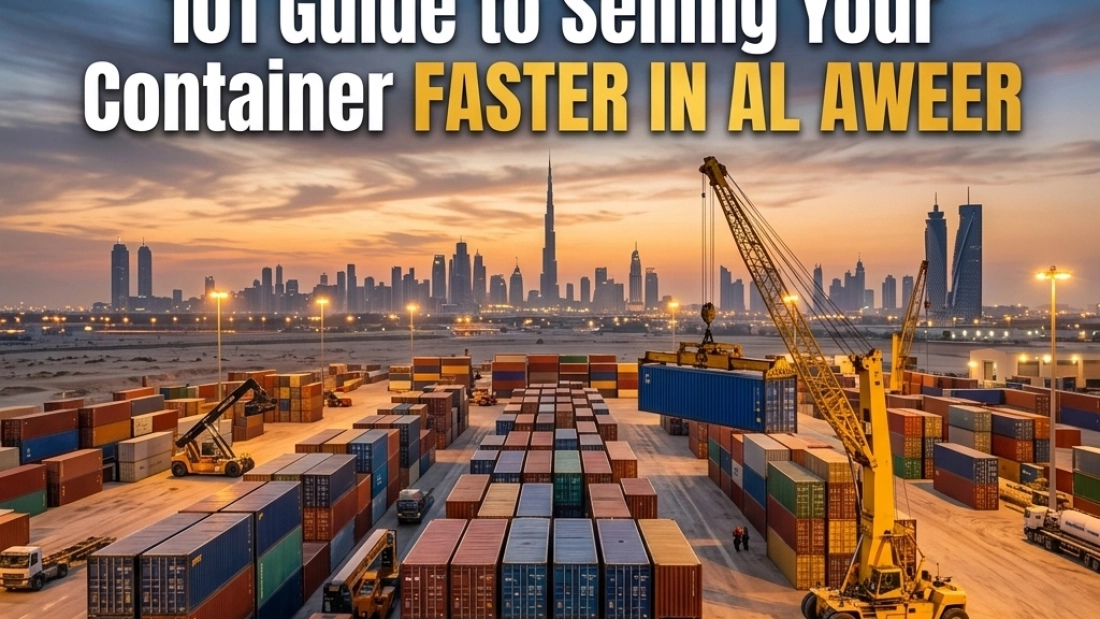
3 Percent Commission Distributor UAE: 101 Guide to Selling Your Container Faster in Al Aweer

Navigating the Al Aweer Central Fruit and Vegetable Market in Dubai requires more than just high-quality produce; it demands a strategic partner capable of managing the complexities of logistics, market fluctuations, and commission structures. For international exporters and container owners, the primary objective is always clear: maximize margins and ensure rapid liquidity.

In the traditional UAE food distribution landscape, a 5% commission has long been the standard. However, Mayil Global is redefining this sector by introducing a 3% commission model designed specifically to support global shippers. This 101 guide explores how a 3 percent commission distributor in the UAE can help you sell your containers faster, maintain cash flow, and secure a competitive edge in one of the world’s busiest food hubs.

The Significance of the 3% Commission Model

The economics of food distribution are sensitive to even the smallest percentage shifts. When exporting bulk containers of onions, potatoes, or premium spices, a 2% difference in commission translates directly into bottom-line profit.

Why 3% Matters for Your Bottom Line

In a high-volume industry, margins are often thin. A standard 5% commission structure can consume a significant portion of an exporter's potential profit, especially when combined with shipping costs, duties, and handling fees. By switching to a 3 percent commission distributor in the UAE, exporters retain more capital.

For example, on a container value of 150,000 AED, the traditional 5% model costs the exporter 7,500 AED. Under the Mayil Global 3% model, that cost drops to 4,500 AED. This 3,000 AED saving per container is not just a reduction in cost; it is additional liquidity that can be reinvested into the next shipment, effectively compounding growth over time.

Shipping containers at Al Aweer market logistics hub for food distribution in Dubai.

How to Sell Your Container Faster in Al Aweer

Speed is the most critical factor in the perishable goods industry. A container sitting at the port or in a warehouse is a liability, not an asset. To sell faster in Al Aweer, exporters must align with a distributor that prioritizes rapid turnover through established B2B networks.

1. Real-Time Market Intelligence

Successful selling begins before the container even reaches the UAE. Mayil Global provides exporters with real-time market data, allowing them to time their shipments according to demand spikes and supply shortages. Understanding when the market is undersupplied with tomatoes or lemons can be the difference between a 24-hour sell-out and a week-long struggle to clear inventory.

2. Streamlined Quality Control

Upon arrival, every container undergoes a rigorous quality inspection. Our team ensures that the produce meets the high standards expected by UAE retailers and restaurants. By conducting these inspections immediately, we prevent delays and ensure that buyers are confident in the product they are purchasing. High-quality produce, backed by a professional inspection report, always sells faster.

3. Leveraging the Cash & Carry Model

Traditional wholesale often involves long credit cycles that tie up an exporter's capital. Mayil Global utilizes a Cash & Carry food wholesale model in Dubai. This model attracts local B2B buyers: such as supermarket chains, hotels, and restaurant groups: who prefer to purchase and pay immediately for fresh, high-quality inventory. For the exporter, this means faster settlements and immediate liquidity.

Strategic Sourcing and Diverse Product Portfolios

While fresh produce is a cornerstone of the Al Aweer market, a truly effective distributor offers expertise across multiple categories. Mayil Global manages a diverse range of products, ensuring that exporters of various commodities have a reliable route to market.

Wholesale Fruits and Vegetables

Our core operations focus on high-demand staples. Whether you are exporting onions to Dubai or looking for a tomato buyer, our 3% commission model remains consistent. We handle bulk shipments of:

  • Root Vegetables: Potatoes, onions, and carrots.
  • Fresh Fruits: Apples, citrus fruits, and seasonal exotics.
  • Leafy Greens: High-quality vegetables for the hospitality sector.

Premium Spices and Bulk Rice

The UAE is a global hub for the spice trade. Mayil Global facilitates the unlocking of the UAE spice trade for exporters shipping high-value bulk spices and rice. Given the longer shelf life of these products compared to fresh produce, the strategy shifts toward price stability and volume distribution. We help exporters navigate price stability for bulk rice to ensure long-term profitability.

Wholesale bulk rice, premium spices, and fresh vegetables for UAE food export and distribution.

Transparency: The Foundation of Reliable Wholesaling

One of the biggest challenges for international exporters is the lack of transparency in foreign markets. Mayil Global addresses this by providing detailed, matter-of-fact reporting on every transaction.

Clear Communication and Reporting

Exporters need to know exactly how their goods were sold, to whom, and at what price. Our reporting system breaks down:

  • Gross Sales Value: The total amount generated from the container.
  • Transparent 3% Commission: Clearly calculated fees with no hidden costs.
  • Net Proceeds: The final amount ready for settlement.

This level of detail builds a foundation of trust and allows exporters to plan their sourcing and logistics with absolute confidence.

Benefiting Local B2B Buyers in the UAE

While the 3% commission model is a massive draw for exporters, it also provides significant advantages to local UAE buyers. As a food distribution company in the UAE, Mayil Global serves as a direct link between global farms and local kitchens.

Reliable Supply for Supermarkets and Restaurants

For retailers and restaurant owners, consistency is key. By attracting the best global exporters through our competitive commission structure, we ensure a steady supply of premium produce. Buyers benefit from:

  • Competitive Pricing: Reduced intermediary costs lead to better wholesale prices.
  • Freshness: Faster container turnover means the produce arrives at the retailer’s door sooner.
  • Volume Availability: Our ability to move large containers makes us a preferred partner for bulk buyers.

B2B supply chain partnership between food distributors and Dubai retailers for fresh produce.

Enhancing Operational Excellence through Logistics

Selling a container faster is not just about the sale itself; it is about the entire supply chain. Efficient sourcing and logistics are essential to maintaining the quality of the cargo.

Mayil Global monitors the movement of goods from the point of origin to the Al Aweer market. By optimizing the transit and handling processes, we minimize the "dead time" where produce might lose its peak freshness. For exporters of sensitive items like ginger or leafy vegetables, these operational efficiencies are vital for securing the best market price.

Avoiding Common Pitfalls in UAE Exports

Many exporters fail to reach their full potential in the UAE market due to avoidable errors. Part of our role as a distributor is to educate our partners on best practices.

  • Quality Misalignment: Shipping produce that does not meet UAE Grade A standards leads to price slashing.
  • Poor Documentation: Delays at customs can ruin a perishable shipment. We provide guidance to ensure all paperwork is in order.
  • Ignoring Seasonality: Shipping products when the market is already flooded leads to slow sales. Our market insights help you avoid mistakes with apple exports and other key commodities.

Quality control inspection of apple exports in a temperature-controlled food warehouse in Dubai.

Building Long-Term Strategic Partnerships

At Mayil Global, we do not view ourselves as just a middleman. We are a strategic extension of your export business. Our owner, Suresh Venkat, emphasizes a B2B approach rooted in operational excellence and mutual growth.

By offering a 3% commission model, we are betting on volume and long-term relationships. We grow when our exporters grow. This alignment of interests is what makes us one of the most dependable food distribution companies in the UAE.

Conclusion: Take the Next Step with Mayil Global

The Al Aweer market is a place of immense opportunity for those with the right strategy. If you are an exporter looking to reduce costs, increase liquidity, and sell your containers faster, the 3% commission model is your most powerful tool.

Whether you are dealing in wholesale fruits and vegetables or bulk dry goods, Mayil Global provides the transparency, market reach, and financial efficiency you need to succeed in the UAE.

Ready to optimize your export strategy? Contact us today to discuss how we can help you move your next container through Al Aweer with maximum efficiency and minimum cost.

Business partnership for 3 percent commission container distribution in the Al Aweer market, Dubai.

T6LcvGlPURy

Looking For a Verified Buyer for Exporters UAE? Here Are 10 Things You Should Know About the 3% Commission Model

Navigating the international trade landscape requires more than just a quality product; it requires a reliable gateway into high-demand markets. For global exporters targeting the Middle East, Dubai serves as the ultimate hub. However, the traditional commission-based selling model in markets like Al Aweer has often been criticized for high costs and a lack of transparency.

At Mayil Global, we have restructured the traditional brokerage system to prioritize the exporter’s profitability. By introducing a streamlined 3% commission model and a robust Cash & Carry infrastructure, we provide the stability international shippers need. If you are searching for a verified buyer for exporters in the UAE, understanding how this model operates is crucial for your bottom line.

Here are 10 essential things you should know about the 3% commission model and how it facilitates seamless trade in the Dubai food sector.

1. The Industry Standard vs. The Mayil Global Advantage

In the traditional Dubai wholesale market, specifically within the Al Aweer Fruit and Vegetable Market, the standard commission rate for agents typically hovers around 5% to 7%. While this may seem like a small percentage, when dealing with high-volume shipments of wholesale fruits and vegetables in Dubai, these margins significantly eat into the exporter's net profit.

Mayil Global operates on a fixed 3% commission. This reduction is not merely a discount; it is a strategic alignment designed to make UAE exports more competitive globally. By lowering the entry cost, we allow exporters to reinvest more capital into their next shipment, ensuring a healthier cash flow.

2. Transparency in Al Aweer Market Pricing

One of the primary concerns for international shippers is the "black box" of market pricing. Prices in Dubai’s wholesale hubs fluctuate daily based on supply, demand, and seasonal availability.

A verified buyer must provide real-time data. Our 3% model is built on absolute transparency. When you partner with us, you receive clear documentation on the sale price achieved at the warehouse level. This ensures that the 3% is calculated on the actual market value, preventing the hidden fees often associated with less reputable "middlemen."

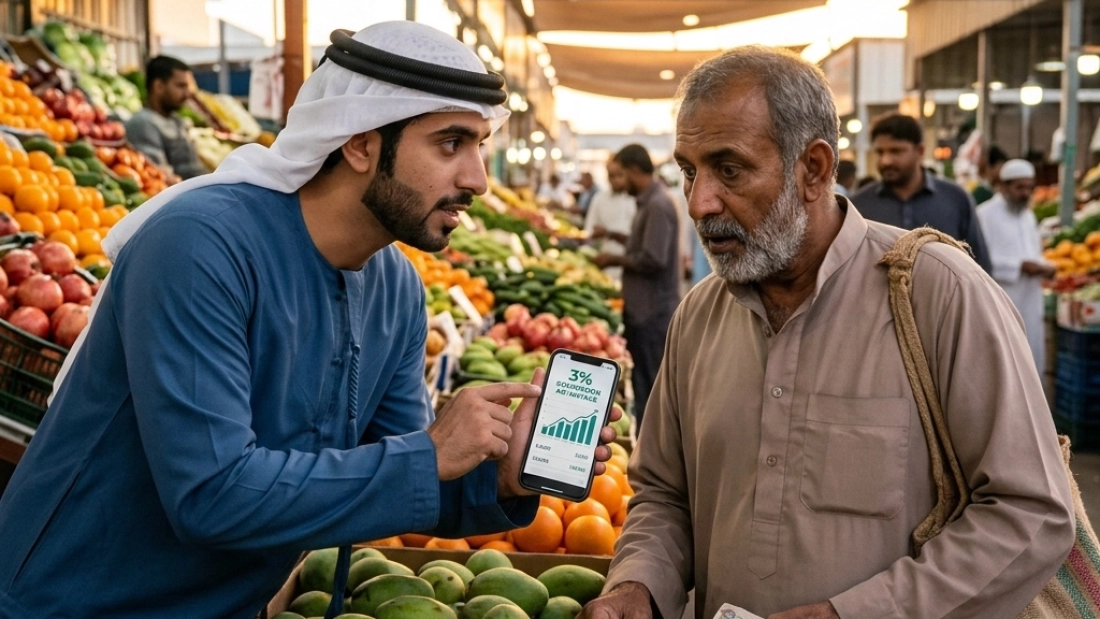
Bustling Al Aweer fruit and vegetable market in Dubai showing wholesale crates and export trucks.

3. Accelerated Liquidity Through Cash & Carry

Exporting food to Dubai is a capital-intensive venture. Waiting for 30, 60, or 90-day payment terms can cripple a small-to-medium-sized exporting firm. This is where our Cash & Carry model integrates with the commission structure.

Instead of waiting for a slow distribution cycle, Mayil Global facilitates faster inventory turnover. By selling directly to a network of B2B buyers: including restaurants, hotels, and smaller retailers: we ensure that goods are liquidated quickly. For many exporters, this means receiving payments much faster than traditional export-import cycles, solving the perennial problem of liquidity gaps.

4. Specialized Expertise in High-Volume Commodities

Not all verified buyers are created equal. Some specialize in niche organics, while others focus on high-volume staples. Mayil Global excels in the latter. If you are importing onions to Dubai or shipping potatoes and ginger, the 3% model is specifically optimized for these "bulk" categories.

The high-turnover nature of these products allows us to maintain lower commission rates because we rely on volume rather than high individual margins. This makes Mayil Global the ideal partner for large-scale agricultural cooperatives and international trading houses.

5. Navigating "How to Export Food to Dubai" Regulations

A verified buyer does more than just sell your product; they act as a consultant for compliance. The UAE has stringent standards regarding food safety, labeling, and phytosanitary certifications managed by the Dubai Municipality and MOCCAE (Ministry of Climate Change and Environment).

Our team assists exporters in ensuring that every container meets these standards before it leaves the port of origin. Failure to comply can result in rejected shipments or heavy fines, which far outweigh any commission savings. Our 3% fee includes the peace of mind that comes with professional oversight of your sourcing and logistics.

6. Risk Mitigation and Verified Buyer Status

The term "Verified Buyer" is significant in the UAE. It implies a level of financial vetting and operational history that protects the exporter from fraud. In the open market, "fly-by-night" brokers may offer lower commissions only to disappear when it is time to remit payments.

Mayil Global’s reputation as an established distributor in the UAE food sector provides a layer of security. We take ownership of the sales process, ensuring that the risk of non-payment from local sub-buyers does not fall on the shoulders of the international exporter.

Quality control inspection of fresh produce in a secure Dubai food distribution warehouse.

7. Operational Efficiency in Sourcing and Logistics

The 3% commission model is only sustainable because of operational efficiency. Managing the cold chain is the most critical aspect of wholesale fruits and vegetables in Dubai. If a container of tomatoes or leafy greens is held up at Jebel Ali Port due to poor documentation, the shelf life: and thus the value: drops every hour.

We streamline the logistics chain to move products from the port to our temperature-controlled warehouses in record time. By minimizing waste and spoilage, we maximize the final sale price, ensuring that the 3% commission is taken from the highest possible gross revenue.

8. Direct Access to the UAE’s B2B Network

Why do exporters choose a commission model over a flat-rate sale? Because it allows them to capture the "upside" of a strong market. When demand spikes in Dubai: during peak tourist seasons or major events: prices per ton can increase significantly.

Our 3% model gives exporters direct access to our extensive B2B network. We don't just sell to other wholesalers; we supply the service industry and retail sectors directly. This shorter supply chain means fewer hands in the pot and better final returns for the producer.

9. Handling the Specifics: Onions, Potatoes, and Ginger

Different products require different market strategies. For instance, when importing onions to Dubai, understanding the origin (India, Pakistan, Egypt, or Holland) and the seasonal window is vital.

The 3% model applies across these categories, providing a consistent cost structure regardless of the commodity. Whether you are dealing in red onions or premium ginger, you can calculate your expected margins with precision, knowing exactly what your distribution costs will be.

Bulk export quality onions, ginger, and potatoes ready for wholesale food distribution in UAE.

10. Long-Term Scalability and Partnership

At Mayil Global, we do not view exporters as one-time vendors. The 3% commission model is designed for long-term partnership. As an exporter increases their volume and consistency, the relationship matures.

We provide our regular partners with daily market insights from Al Aweer, helping them time their shipments to hit the market when supply is low and prices are high. This proactive approach turns a simple commission-based transaction into a strategic alliance for growth in the Middle East.

Conclusion: Securing Your Place in the Dubai Market

Searching for a verified buyer for exporters in the UAE often leads to a crossroad: high-cost traditional agents or low-cost, high-risk alternatives. Mayil Global offers a third path: a professional, corporate approach with a competitive 3% commission structure.

By focusing on high-volume staples like onions, potatoes, and garlic, and leveraging our Cash & Carry model, we provide the liquidity and transparency that modern exporters demand. If you are ready to scale your operations and want to know how to export food to dubai with a partner you can trust, Mayil Global is your destination.

For more information on our distribution models or to discuss your next shipment, visit our About Us page or contact our procurement team directly. Let’s build a more profitable supply chain together.

oUXMQL9549c

Al Aweer Market Secrets Revealed: What Experts Don’t Want You to Know About the 3% Commission Advantage

Dubai’s Al Aweer Central Fruit and Vegetable Market is the heartbeat of food distribution in the Middle East. For decades, it has operated on a rigid system of commission agents, traditional trade lanes, and established norms that many international exporters accept without question. However, the landscape of wholesale fruits and vegetables dubai is shifting.

As market dynamics become more competitive and margins tighten, the traditional way of doing business is no longer the only: or the most profitable: option. The "secret" that long-standing market players rarely discuss is the significant financial drain caused by the standard 5% commission structure and delayed liquidity. At Mayil Global, we are disrupting this cycle by introducing a transparent 3% commission advantage designed to put power and profit back into the hands of container owners and exporters.

The Traditional 5% Ceiling: Why Exporters Are Losing Money

For the uninitiated, the standard operating procedure at Al Aweer Market involves an exporter sending a container to a commission agent. This agent handles the sale and traditionally deducts a 5% commission from the gross sales value. On the surface, 5% may seem like a standard cost of doing business. However, when applied to high-volume shipments of perishables like onions, potatoes, or citrus, the cumulative loss is staggering.

Beyond the 5% commission, standard agents often apply a series of additional, sometimes opaque, deductions. These include:

  • Clearing and forwarding charges
  • VAT on services
  • Labor and handling fees
  • Market entrance and parking fees
  • Storage and refrigeration costs
  • Miscellaneous administrative fees

When these costs are layered on top of a 5% commission, the net return to the exporter shrinks significantly. Most "experts" in the market benefit from this high-margin structure, which is why the alternative: a leaner, more transparent 3% model: is rarely discussed.

The 3% Commission Advantage: Mathematics of Profitability

Mayil Global’s introduction of the 3 percent commission distributor uae model is a calculated strategic move to enhance exporter margins. By reducing the commission from 5% to 3%, we provide an immediate 2% boost to the gross revenue of every container.

Consider the math: For a container with a gross market value of 100,000 AED, a traditional agent takes 5,000 AED. Under the Mayil Global 3% model, the commission is only 3,000 AED. This 2,000 AED difference per container represents pure profit for the exporter. For a high-frequency shipper moving 50 containers a year, this equates to 100,000 AED in annual savings: capital that can be reinvested in better sourcing, logistics, or expanding operations.

Tablet showing rising profit margins in UAE food wholesale next to shipping container keys on an executive desk.

Beyond the Percentage: Real-Time Transparency and Reporting

A lower commission is only valuable if it is accompanied by absolute transparency. One of the "secrets" of the traditional market is the lack of real-time data provided to the exporter. Often, container owners receive a final settlement sheet weeks after the product has been sold, with little insight into the daily price fluctuations or the specific buyers.

Mayil Global operates differently. We prioritize operational excellence through rigorous quality control and detailed reporting. Our partners receive:

  1. Real-Time Market Data: Understanding the daily price ceiling and floor in Al Aweer to time sales effectively.
  2. Detailed Accounting: A clear breakdown of every fils deducted, ensuring there are no hidden surprises in the final settlement.
  3. Quality Inspections: Documented arrivals and status updates to protect the exporter against unfounded claims of spoilage or low quality.

This level of professional oversight is part of our core mission to provide a reliable global sourcing partner for exporters worldwide.

Solving the Liquidity Gap: Cash & Carry vs. Commission

While the 3% commission model is ideal for those looking to maximize market-based returns, some exporters prioritize immediate liquidity. This is where Mayil Global’s cash and carry food wholesale dubai strategy becomes a game-changer.

In the traditional commission model, the exporter waits for the goods to be sold and the agent to collect payments before receiving their funds. This creates a massive "liquidity gap" that can paralyze a business. We solve this by offering two distinct paths:

1. The Commission Path (3% Advantage)

Ideal for exporters who understand market trends and are willing to wait for the sales cycle to complete to capture the highest possible margin. We act as your high-efficiency distributor, taking only 3%.

2. The Cash & Carry Path (Immediate Purchase)

For container owners who need immediate cash flow to fund their next shipment. Mayil Global acts as the direct buyer, purchasing the container outright at a fair market price. This provides daily liquidity and eliminates the risk of market fluctuations for the exporter.

B2B food wholesale transaction in a Dubai warehouse with crates of fresh fruits and vegetables.

Strategic Sourcing: More Than Just Vegetables

While fresh produce is the cornerstone of Al Aweer, Mayil Global has expanded its reach to serve the broader needs of food distribution companies in uae. Our expertise extends into essential dry goods and premium commodities, ensuring that B2B buyers: including supermarkets, hotels, and restaurants: have a single, dependable point of supply.

  • Premium Spices: Sourcing the highest quality whole and ground spices to meet the rigorous standards of UAE’s culinary sector.
  • Bulk Rice: Providing price stability and consistent supply for long-grain and basmati varieties. Learn more about our bulk rice solutions.
  • Farm-Fresh Eggs: Managing the logistics of temperature-controlled egg distribution to ensure maximum shelf life.

By diversifying our portfolio, we offer local retailers a robust supply chain that leverages the same efficiencies found in our 3% commission model.

Why the "Experts" Don't Want You to Switch

The established players at Al Aweer Market rely on the status quo. The 5% commission structure is a high-yield model for agents that requires little innovation. When a company like Mayil Global introduces a 3% model, it forces the entire market to justify its costs.

Exporters are often told that a lower commission means lower quality service or fewer buyer connections. Our operations prove the opposite. By leveraging modern logistics, digital inventory tracking, and a massive network of B2B buyers, we maintain a higher standard of service while reducing the cost to the exporter. We are not just agents; we are strategic partners focused on the long-term sustainability of the supply chain.

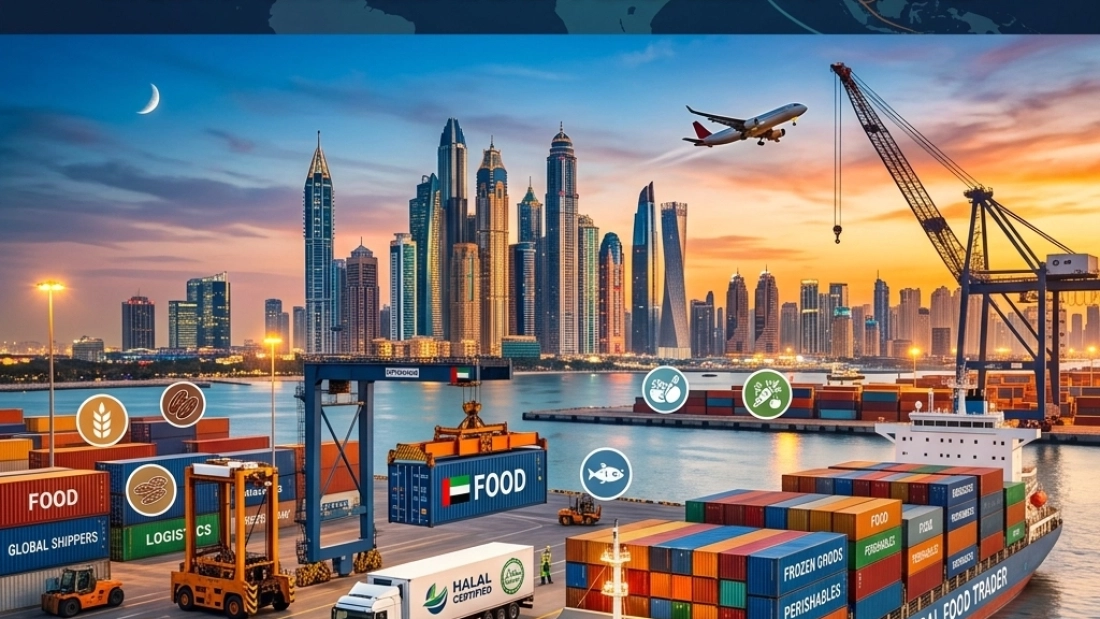
Global logistics map highlighting the 3 percent commission distribution model for shipping containers in Dubai.

Building Long-Term Relationships Through Rigorous Standards

At Mayil Global, led by owner Suresh Venkat, we believe that trust is the most valuable commodity in the food distribution industry. Our approach is built on three non-negotiable pillars:

  1. Safety and Hygiene: Adhering to international standards for food handling and storage.
  2. Dependable Supply: Ensuring that our B2B buyers never face stockouts of essential items.
  3. Operational Transparency: Maintaining a neutral, professional reporting system that treats every exporter's container with the care it deserves.

Whether you are looking for a potato buyer in dubai or a partner to distribute your premium ginger shipments, our goal is to ensure your margins are protected.

Conclusion: Securing Your Position in the UAE Market

The Al Aweer Market "secret" is simple: the traditional 5% model is a choice, not a requirement. By choosing a partner that offers a 3% commission advantage, you are choosing to reclaim a significant portion of your revenue. You are choosing transparency over ambiguity and liquidity over delays.

In the fast-paced world of UAE food wholesale, staying competitive requires more than just high-quality produce; it requires a high-quality financial strategy. Mayil Global provides that strategy through our dual-model approach of 3% commission distribution and immediate Cash & Carry purchases.

Are you ready to optimize your export margins?

Visit our Contact Us page today to discuss how we can bring your next container to the Dubai market with the 3% advantage. Secure your profits, stabilize your cash flow, and partner with a distributor that prioritizes your bottom line.

68wxSzZoGdK

The Ultimate Guide to Exporting Food to Dubai: Everything Global Shippers Need to Succeed

Dubai stands as a premier global hub for the international food trade, serving as a gateway not only to the United Arab Emirates but to the wider Middle East, Africa, and CIS regions. For global shippers, understanding how to export food to dubai is a strategic necessity that requires a deep comprehension of regulatory frameworks, logistics infrastructure, and market-specific distribution models.

At Mayil Global, we facilitate this transition by providing a transparent, high-efficiency pathway for exporters. By leveraging our 3% commission model and robust logistics network, we ensure that global suppliers can navigate the complexities of the Dubai market with operational certainty.

The Regulatory Framework: Navigating Dubai Municipality and Federal Standards

The first step in any successful export operation is ensuring legal and regulatory compliance. The UAE maintains rigorous standards for food safety and quality, managed primarily through the Dubai Municipality (DM) and the Ministry of Climate Change and Environment (MOCCAE).

Business Registration and Licensing

To engage in the food trade, a company must possess a valid trade license issued by the Dubai Department of Economic Development (DED) or a relevant Free Zone authority. For international exporters, the most efficient route is often partnering with an established local distributor like Mayil Global. We manage the local intricacies, allowing you to focus on production and shipment.

Product Registration (FIRS)

Every food item imported into Dubai must be registered in the Food Import and Re-export System (FIRS) managed by Dubai Municipality. This process involves:

  • Submitting a detailed product description.
  • Providing original artwork of the product packaging.
  • Undergoing laboratory testing to ensure compliance with UAE health standards.

Establishing this foundation is critical before any vessel departs its port of origin. Failure to register products correctly results in costly delays at the Port of Jebel Ali.

Food safety inspection of red bell peppers for Dubai Municipality registration compliance.

Essential Documentation for Global Shippers

Accuracy in documentation is non-negotiable in the Dubai food trade. Discrepancies between the packing list and the actual shipment can lead to immediate rejection by customs authorities. To ensure a smooth entry, the following documents are required:

  1. Commercial Invoice: Must include the total value, currency, and detailed description of the goods.
  2. Certificate of Origin: Authenticated by the Chamber of Commerce in the country of origin.
  3. Detailed Packing List: Specifying the HS Code for each item, net weight, and gross weight.
  4. Health Certificate: Issued by the recognized government authority in the exporting country, confirming the food is fit for human consumption.
  5. Halal Certificate: Mandatory for all meat and poultry products, issued by an UAE-approved Halal certification body.
  6. Bill of Lading/Airway Bill: The primary transport document.

For exporters focused on wholesale fruits and vegetables dubai, maintaining a digitized and easily accessible record of these documents is vital for clearing the Al Aweer Central Fruit and Vegetable Market inspections.

The Mayil Global Advantage: The 3% Commission Distribution Model

The traditional export-import model often leaves shippers vulnerable to price fluctuations and hidden margins. Mayil Global operates on a transparent 3% commission model, a strategy designed to maximize the margins of the exporter while ensuring high-volume turnover.

Why the 3% Model Works for Exporters

In a standard trading scenario, an importer may buy low and sell high, keeping the surplus profit for themselves. At Mayil Global, we act as your dedicated distribution partner. We sell your produce: whether it is bulk rice, onions, or ginger: at the best possible market price in Dubai and charge a flat 3% service fee.

This model provides:

  • Total Transparency: You see the final sale price achieved in the market.
  • Maximum Returns: The majority of the market value is returned to the shipper.
  • Daily Liquidity: By selling through our established channels in the Al Aweer market, we ensure fast movement of inventory, which is essential for perishable goods.

Exporters looking for more detail on this can read our breakdown of the 3% commission strategy and how it secures daily liquidity.

Data visualization showing profit growth for exporters using Mayil Global's 3% commission model in Dubai.

Strategic Commodity Focus: Importing Onions and Vegetables to Dubai

When considering importing onions dubai or other staple vegetables, shippers must account for seasonal demand and the logistics of the Al Aweer market. Dubai is a high-volume consumer of onions, potatoes, and tomatoes, but these products are sensitive to supply chain delays.

Wholesale Fruits and Vegetables in Dubai

The Al Aweer market is the pulse of the UAE’s produce trade. Prices fluctuate daily based on global supply chains and local demand. Mayil Global provides real-time insights into these price movements, helping our partners time their shipments for maximum profitability.

For instance, if you are looking for a potato buyer in dubai, our model ensures your containers are moved quickly to avoid spoilage, utilizing our Cash & Carry network to reach local B2B buyers like restaurants and supermarket chains.

Logistics and Supply Chain Integrity

Maintaining the cold chain is the most critical technical aspect of exporting food to Dubai. Given the high ambient temperatures in the UAE, any break in the temperature-controlled environment can result in a total loss of the shipment.

Sourcing and Logistics Management

Our sourcing and logistics department coordinates with international shipping lines to ensure that reefer containers are monitored from the moment they are loaded until they arrive at our wholesale facilities.

Key considerations for logistics include:

  • Port Selection: Jebel Ali Port is the primary entry point for sea freight, offering world-class infrastructure.
  • Customs Clearance: Pre-clearing goods through the Dubai Trade portal to minimize time spent at the terminal.
  • Last-Mile Distribution: Rapid transfer from the port to temperature-controlled warehouses or the Al Aweer market floor.

Cargo ship carrying refrigerated containers of fresh produce to Jebel Ali Port for Dubai distribution.

Quality Standards and Labeling Requirements

UAE regulations regarding food labeling are strict and must be adhered to without exception. Labels must be in Arabic (or bilingual Arabic/English) and must include:

  • Product name and brand name.
  • Country of origin.
  • Manufacturer name and address.
  • Production and expiration dates (DD/MM/YYYY format).
  • Ingredient list and nutritional facts.
  • Storage instructions (e.g., "Keep Refrigerated").

Exporters must also be aware of the "Shelf Life" regulations, which dictate the maximum allowable time a product can stay on the shelf from the date of production. Shipping items with short remaining shelf life is a common mistake that leads to rejection. For more on avoiding these pitfalls, refer to our guide on 7 mistakes you're making with exports to the UAE.

Cash & Carry: Empowering Local B2B Buyers

While we focus on empowering global exporters, Mayil Global also serves as a vital link for local UAE businesses. Our Cash & Carry model allows restaurants, catering companies, and smaller wholesalers to purchase bulk goods: like bulk rice in Dubai: at competitive wholesale prices with immediate availability.

This dual approach creates a self-sustaining ecosystem:

  1. Exporters send containers to Mayil Global under the 3% commission model.
  2. Local buyers purchase these goods via our Cash & Carry facilities.
  3. Exporters receive quick payments and high turnover.
  4. Local buyers receive fresh, high-quality produce at the best prices.

This synergy is why we are recognized as a leader in wholesale vegetables in dubai.

Bulk sacks of rice and crates of onions in a clean wholesale vegetables warehouse in Dubai.

Steps to Success: Your Export Checklist

To succeed in the Dubai market, global shippers should follow this structured approach:

  1. Market Analysis: Evaluate current demand for your specific commodity (e.g., onions or lemons).
  2. Partner Selection: Align with a distributor like Mayil Global that offers transparency and market access.
  3. Compliance Audit: Ensure labels and ingredients meet UAE standards before production.
  4. Logistics Planning: Secure reefer containers and coordinate with Mayil Global for port clearance.
  5. Execution: Send the shipment and monitor the sale via our 3% commission reporting.

Building Long-Term Strategic Partnerships

Exporting to Dubai is not merely about a single transaction; it is about building a dependable supply chain. Mayil Global prioritizes long-term relationships based on trust, consistent quality, and operational excellence. Whether you are a large-scale rice miller or a boutique vegetable grower, our infrastructure is designed to scale with your ambitions.

By focusing on functional clarity and rigorous standards, we ensure that every container shipped to us is handled with professional care, maximizing profit for the exporter and providing consistent value to the UAE market.

If you are ready to expand your footprint in the Middle East, we invite you to explore our products or contact us today to discuss how our 3% commission model can transform your export business.

Business partnership handshake over fresh ginger and lemon samples for export to the Dubai wholesale market.

BWrWTdhIdne

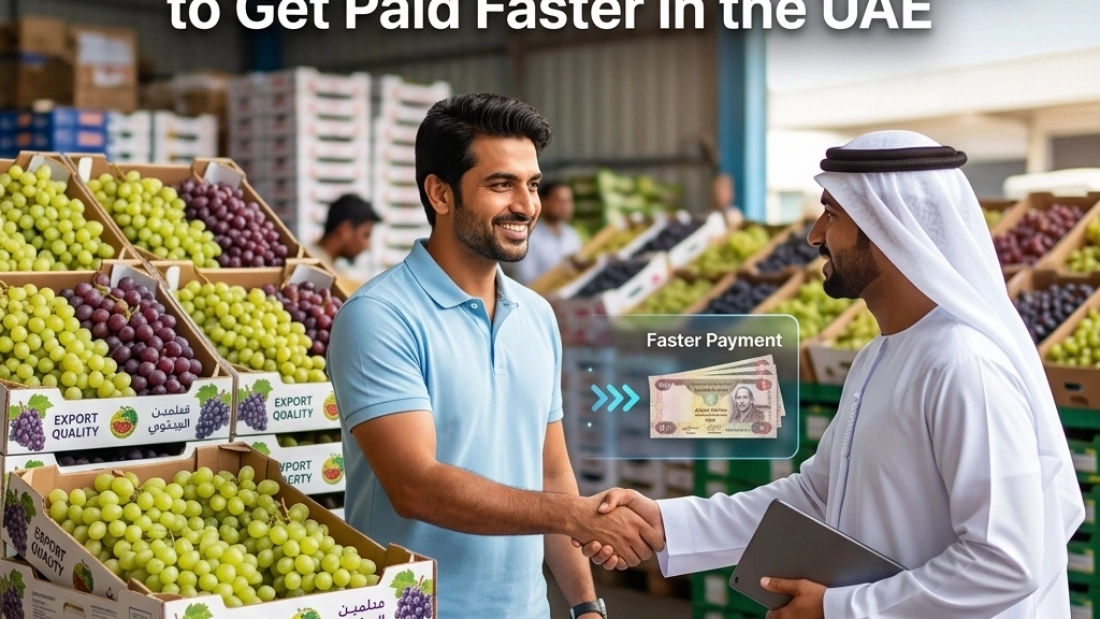
Grapes Export Secrets Revealed: How to Use the Cash & Carry Model to Get Paid Faster in the UAE

The global fruit export industry is a high-stakes environment where timing is everything. For international producers of premium grapes: whether you are shipping Thompson Seedless from India, Crimson Seedless from South Africa, or Red Globe from Egypt: the ultimate goal is always the same: getting your product to market in peak condition and securing payment as quickly as possible.

In the United Arab Emirates, specifically within the bustling trade hubs of Dubai, the traditional model of fruit distribution has often been plagued by long credit cycles and opaque commission structures. These delays can cripple an exporter’s cash flow, making it difficult to fund the next shipment. At Mayil Global, we have re-engineered this process. By utilizing our specialized 3% commission structure and a high-velocity Cash & Carry model, we provide exporters with the transparency and liquidity required to scale their operations in the Middle East.

Looking for a Grapes Buyer in Dubai?

If you are currently searching for a reliable grapes buyer in Dubai, you are likely aware of the massive demand for fresh produce in the region. The UAE relies heavily on imports to satisfy its diverse population and its world-class hospitality sector. Grapes are a staple in both retail supermarkets and luxury dining establishments, creating a year-round demand for high-quality table grapes.

However, finding a buyer is only half the battle. The real challenge lies in finding a partner who understands the nuances of the Al Aweer Fruit and Vegetable Market and who possesses the infrastructure to handle perishable goods efficiently. Mayil Global acts as that strategic partner, connecting international exporters directly with a robust network of B2B buyers, including wholesalers, hotel chains, and retail distributors. Our presence in the heart of the Dubai food trade ensures that your containers are not just "stored," but actively sold.

B2B buyers inspecting fresh green and red grapes at a busy Dubai wholesale produce market.

The Problem with Traditional Export Models

Traditionally, many exporters operate on a consignment basis where the final price is determined only after the goods are sold in the local market. This often leads to a "wait-and-see" approach regarding payments. Exporters are frequently left in the dark about the actual selling price, and traditional distributors may take substantial margins, often ranging from 10% to 15%, or hide their profits in "miscellaneous costs."

This lack of transparency is exactly what Mayil Global seeks to eliminate. We believe that the exporter, who takes the primary risk in growing and shipping the produce, should retain the lion's share of the profit. Our 3% commission strategy is designed to provide a clear, fixed-cost structure that maximizes your returns.

How the Cash & Carry Model Accelerates Your Liquidity

The "Cash & Carry" model is a cornerstone of our operations at Mayil Global. In a market as fast-moving as Dubai, liquidity is the lifeblood of any export business. When your grape containers arrive at the port, the clock starts ticking. Grapes are highly perishable, and any delay in the supply chain results in a loss of "Brix" quality and stem freshness, which directly impacts the market price.

Our Cash & Carry approach focuses on rapid turnover. Here is how it benefits the exporter:

  1. Immediate Market Placement: Upon arrival and quality inspection, your grapes are moved directly to our wholesale distribution points.
  2. B2B Buyer Access: We cater to a pre-verified list of B2B clients who purchase in bulk. These buyers value quality and consistency, allowing us to move entire containers within 24 to 48 hours.
  3. Faster Payment Cycles: Because the goods are sold rapidly for cash or on short-term credit to reliable local buyers, we can facilitate much faster payment back to the exporter compared to traditional retail distribution channels.
  4. Reduced Storage Costs: By minimizing the time a container spends in cold storage, we reduce overheads, ensuring more money stays in your pocket.

Export-grade grapes being unloaded from a refrigerated shipping container in Dubai.

Maximizing Profits with the 3% Commission Advantage

Transparency is often a missing ingredient in international food distribution. At Mayil Global, we pride ourselves on a "Books Open" policy. When you export grapes through us, you are charged a flat 3% commission on the gross sales value. There are no hidden fees, no "market fluctuations" that conveniently only benefit the distributor, and no complex tiers.

By keeping our commission low, we incentivize high-volume trade. This model is particularly effective for high-value crops like grapes, where even a small percentage difference in commission can mean thousands of dollars in additional profit per container. Whether you are dealing in bulk table grapes or premium organic varieties, our products page showcases our commitment to a wide variety of fresh produce handled with the same professional rigor.

Ensuring Quality Control and Cold Chain Integrity

Grapes are delicate. They require precise temperature management and careful handling to prevent bruising and shatter. At Mayil Global, our sourcing and logistics team oversees every step of the arrival process in Dubai.

We prioritize the following quality standards for every shipment:

  • Temperature Consistency: Maintaining the cold chain from the moment the container is unsealed at the port until it reaches the final buyer.
  • Visual Inspection: Checking for stem turgidity, berry firmness, and the absence of decay or mold.
  • Packaging Integrity: Ensuring that the punnets or bulk bags have not been damaged during transit, as presentation is key to achieving premium prices in the UAE market.

Exporters who consistently meet high-quality standards find that their produce is often pre-sold before it even clears customs. This level of reliability builds a brand reputation for the exporter within the Dubai market, leading to more stable demand and better pricing.

Quality control inspection of fresh table grapes in a UAE cold storage distribution center.

Why Partner with Mayil Global in Dubai?

The UAE market is a gateway to the rest of the GCC (Gulf Cooperation Council) region. A successful export operation in Dubai can lead to opportunities in Saudi Arabia, Kuwait, and Qatar. By partnering with Mayil Global, you are not just hiring a distributor; you are gaining a strategic foothold in one of the world's most lucrative food hubs.

Our operational excellence is built on three pillars:

  • Reliability: We do what we say. When a container arrives, our team is on the ground at the Al Aweer market to manage the discharge and sale.
  • Efficiency: Our Cash & Carry model is designed for speed. We understand that for an exporter, time is literally money.
  • Transparency: With our 3% commission model, you always know exactly what your costs are. This allows for more accurate financial planning and reinvestment in your next harvest.

For those looking to diversify their export portfolio, we also handle a variety of other products. You might find our insights on exporting onions or bulk rice distribution equally valuable as you plan your shipments to the Middle East.

How to Begin Your Grapes Export Journey to the UAE

Starting your partnership with Mayil Global is a straightforward process. We focus on building long-term relationships with exporters who are committed to quality and professional standards.

  1. Initial Consultation: Reach out to us via our contact page to discuss your variety, volume, and seasonal availability.
  2. Documentation & Compliance: We guide you through the necessary UAE import regulations to ensure your documentation is flawless, preventing any delays at the port.
  3. Shipment & Monitoring: Once the container is on the water, we monitor its progress and prepare our B2B buyer network for its arrival.
  4. Sale & Settlement: We execute the sale through our Cash & Carry model, apply our 3% commission, and facilitate the transfer of funds.

International grapes export planning with diverse varieties and UAE logistics distribution map.

Building a Sustainable Supply Chain

The food industry is evolving. Buyers in the UAE are becoming more discerning, and exporters are demanding fairer treatment and faster payments. Mayil Global sits at the intersection of these two trends. By professionalizing the wholesale experience and offering a model that favors the producer, we are building a more sustainable and profitable supply chain for everyone involved.

Whether you are an established large-scale exporter or a growing producer looking to enter the Dubai market for the first time, the Cash & Carry model offers a level of security and speed that traditional methods simply cannot match. We invite you to learn more about us and join the growing list of international partners who have discovered the Mayil Global advantage.

Don't let your capital sit idle in a container at the port. Optimize your grapes export business today with the transparency of a 3% commission and the speed of the Dubai Cash & Carry market. Your next successful shipment starts with a partner who values your profit as much as you do.

WY7UMAy2jWF

5 Steps How to Export Oranges to Dubai and Maximize Your Profits (Easy Guide for Shippers)

Dubai is the primary gateway for the fresh produce trade in the Middle East. With a rapidly growing population and a status as a global tourism hub, the demand for high-quality citrus: specifically oranges: remains consistently high year-round. However, for international exporters, the challenge is not just finding a market; it is navigating the complexities of the supply chain while ensuring profit margins are not eroded by excessive middleman fees.

If you are looking for an orange buyer in Dubai, you need a partner who understands the technical requirements of the UAE market and offers a transparent financial model. At Mayil Global, we have redesigned the distribution process to favor the exporter, offering a fixed 3% commission model and immediate Cash & Carry options to solve the liquidity gaps that often plague the Aweer Market trade.

Step 1: Secure Legal Compliance and Mandatory Documentation

Exporting oranges to the UAE requires strict adherence to both international and local regulatory standards. The UAE Ministry of Climate Change and Environment (MOCCAE) oversees the import of all agricultural products to ensure food safety and biosecurity.

Essential Documentation

To avoid delays at Jebel Ali Port or Dubai World Central, every shipment must be accompanied by the following:

  • Import Export Code (IEC): Your primary identifier for customs.
  • Phytosanitary Certificate: Issued by your local agricultural authority, confirming the oranges are free from pests and diseases.
  • Certificate of Origin: Authenticated by your local Chamber of Commerce to verify the product's source.
  • Commercial Invoice and Packing List: Detailed records of the variety, weight, and value of the shipment.
  • Health Certificate: Confirming the produce is fit for human consumption.

Failure to provide accurate documentation can lead to shipment rejection or costly storage fees. By understanding the 3% commission strategy, exporters can better allocate their budget toward ensuring high-quality documentation and compliance from the start.

Step 2: Select the Right Orange Varieties for the UAE Market

Not all oranges are created equal in the eyes of Dubai buyers. The market is segmented into juicing oranges and table (eating) oranges. Understanding these preferences is key to maximizing your sales volume.

Fresh Valencia and Navel oranges for export to Dubai, highlighting varieties for juicing and table consumption.

Popular Varieties in Dubai

  • Valencia Oranges: Highly sought after for their high juice content and sweetness. They are the staple for the UAE’s extensive hospitality and catering sector.
  • Navel Oranges: Preferred as table fruit due to being seedless and easy to peel. They command a premium price in retail environments.
  • Mandarins and Clementines: Increasingly popular for their convenience and snackability among families.

Timing your export is equally important. When local or regional supplies are low, Southern Hemisphere shippers (from countries like South Africa or Egypt) can capitalize on higher price points. At Mayil Global, we provide our partners with real-time market insights to help them decide exactly when to ship their containers for maximum return.

Step 3: Implement Rigorous Cold Chain and Logistics Management

Oranges are living organisms that continue to respire after harvest. Maintaining the "cold chain" is the most critical technical aspect of your export operation. Any fluctuation in temperature can lead to mold growth, weight loss, or rind breakdown.

Technical Specifications for Citrus Shipping

  • Temperature Control: Oranges should typically be transported in refrigerated ("Reefer") containers set between 3°C to 7°C (37°F to 45°F).
  • Ventilation: Proper airflow is essential to remove the carbon dioxide and ethylene gas produced by the fruit, which can accelerate ripening and spoilage.
  • Humidity: Relative humidity should be maintained at 85-90% to prevent the fruit from drying out.

Using advanced monitoring systems in your containers allows you to track these variables in real-time. For more information on how logistics impact your bottom line, see our guide on exporting onions and other perishables, which shares many of the same cold-chain principles.

Refrigerated shipping container at Jebel Ali Port for orange exports to Dubai, maintaining strict cold chain logistics.

Step 4: Export-Grade Packaging and Labeling Standards

Packaging is your first line of defense against mechanical damage during the long sea voyage to Dubai. Furthermore, the UAE has specific labeling requirements that must be met for a shipment to clear customs.

Packaging Requirements

  • Ventilated Cartons: Use double-walled, corrugated fiberboard boxes. These must have sufficient holes to allow the cold air from the reefer unit to circulate through the fruit.
  • Palletization: Oranges should be securely palletized and shrink-wrapped (while maintaining airflow) to prevent shifting during transit.
  • Labeling: Labels must be clear and, ideally, bilingual (English and Arabic). They must include:
    • Product Name and Variety
    • Country of Origin
    • Net Weight
    • Class/Grade
    • Packer/Exporter Name and Address
    • Date of Packing

High-quality packaging not only protects the fruit but also enhances the brand value in the eyes of local wholesalers and retailers.

Step 5: Partnering with Mayil Global to Maximize Profits

The traditional model of exporting fruit to Dubai involves high-commission agents who often take 10% to 15% of the gross sale, while providing very little transparency regarding the final price achieved in the market. This traditional approach leaves the exporter carrying all the risk with diminished rewards.

The 3% Commission Advantage

Mayil Global has disrupted this model by offering a flat 3% commission on distribution. This allows the exporter to retain 97% of the market value of their oranges. By reducing the intermediary cost, we ensure that the profit stays where it belongs: with the shipper.

Exporters are increasingly switching to our 3% commission model because it offers a clear, predictable cost structure that makes financial planning much simpler.

Maximizing orange export profits in Dubai with transparent commission models and immediate cash and carry liquidity.

Cash & Carry for Immediate Liquidity

One of the biggest pain points for international shippers is the delay in payment. In the traditional Aweer Market setup, you might wait weeks or even months to receive funds after your container has been sold.

Mayil Global solves this through our Cash & Carry model. For qualified shipments, we offer immediate liquidity, purchasing the container directly or facilitating rapid turnover through our wholesale network. This allows you to reinvest your capital into your next shipment immediately, rather than having it tied up in accounts receivable. You can learn more about how this speeds up payments in the Aweer Market here.

Why Mayil Global is the Right Choice for Your Orange Exports

When you are looking for an orange buyer in Dubai, you are looking for more than just a transaction; you are looking for a reliable extension of your business. Mayil Global provides a bridge between global producers and the lucrative UAE market by focusing on operational excellence and financial transparency.

Our Commitment to Quality and Transparency

We operate with a "boots on the ground" approach in the Dubai wholesale markets. Our team monitors the arrival of your containers, ensures they are stored in optimal conditions, and manages the sales process with full disclosure.

Our professional B2B focus means we prioritize long-term relationships over short-term gains. Whether you are shipping Valencias from Egypt or Navels from South Africa, our infrastructure is designed to handle bulk volumes with precision.

Large-scale cold storage warehouse in Dubai with stacked pallets of oranges for efficient wholesale distribution.

Taking the Next Step

The Dubai market offers immense opportunities for orange exporters who can consistently deliver quality. By following these five steps: legal compliance, variety selection, cold chain management, superior packaging, and partnering with a transparent distributor like Mayil Global: you can secure your margins and grow your export business.

If you are ready to experience a more profitable way to export, explore our detailed explanation of the 3% commission model and see how we are transforming the food distribution landscape in the UAE.

For further information or to discuss your upcoming shipments, visit mayilglobal.com and connect with our procurement team. We are committed to building a more efficient, transparent, and profitable supply chain for fresh produce exporters worldwide.

J7RKU8_uwAk

5 Steps How to Export Oranges to Dubai and Maximize Your Profits (Easy Guide for International Shippers)

The United Arab Emirates, specifically Dubai, represents one of the most lucrative markets for citrus exporters globally. As a central trade hub for the Middle East and North Africa (MENA) region, Dubai’s demand for high-quality oranges remains consistent year-round, driven by a thriving hospitality sector, a diverse expatriate population, and a robust juice manufacturing industry.

However, many international shippers struggle to maintain their margins due to high commission structures and opaque distribution channels. At Mayil Global, we specialize in bridging the gap between global producers and the Dubai market. This guide outlines the essential steps to successfully export oranges to Dubai while utilizing our unique 3% commission and Cash & Carry models to maximize your returns.

Looking for an Orange Buyer in Dubai?

If you are an exporter searching for a reliable partner in the UAE, the traditional market at Al Aweer can often feel like a gamble. Traditional middlemen often charge between 10% and 15% in commissions, leaving the exporter with thin margins and significant risk.

Mayil Global operates differently. We focus on transparency and operational efficiency. By leveraging our 3% commission strategy, we ensure that the lion's share of the profit stays with the grower and the shipper. Whether you are shipping Navel, Valencia, or Mandarin varieties, understanding the following five steps is crucial for your success.


Step 1: Regulatory Compliance and Documentation

Exporting to Dubai requires strict adherence to the standards set by the Ministry of Climate Change and Environment (MOCCAE) and the Dubai Municipality. Compliance is non-negotiable; errors in documentation can lead to shipments being held at Jebel Ali Port, resulting in heavy demurrage charges and fruit spoilage.

To ensure a seamless entry, exporters must prepare the following:

  • Phytosanitary Certificate: This is the most critical document, issued by the agricultural authority in the country of origin, certifying that the oranges are free from pests and diseases.
  • Certificate of Origin: Verified by the local Chamber of Commerce to confirm the source of the produce.
  • Commercial Invoice and Packing List: Detailed records of the quantity, weight, and value of the shipment.
  • Bill of Lading: Essential for the transfer of ownership and customs clearance.

Mayil Global provides comprehensive support in sourcing and logistics, ensuring that all paperwork aligns with UAE customs requirements before the ship even leaves its port of origin.

UAE customs documentation and export logistics for shipping oranges to Jebel Ali Port, Dubai.


Step 2: Quality Standards and Variety Selection

The Dubai market is highly segmented. To maximize profits, you must align your orange varieties with local demand.

  1. Navel Oranges: Primarily sought after for direct consumption (table grapes). These are popular in retail and supermarkets due to their seedless nature and easy peeling.
  2. Valencia Oranges: These are the backbone of the UAE's juice industry. Hotels, restaurants, and catering (HORECA) companies prefer Valencias for their high juice content and flavor profile.

Quality control is the pillar of our operations at Mayil Global. We advise shippers to focus on:

  • Uniformity: Consistent sizing (usually counts of 48, 56, 64, 72, or 80 per 15kg carton) is vital for wholesale buyers.
  • Aesthetics: Oranges must be free from skin blemishes, scarring, or greening.
  • Brix Level: High sugar content is a prerequisite for premium pricing.

By maintaining high standards, you ensure your produce is eligible for our Cash & Carry model, which provides immediate liquidity upon arrival.


Step 3: Implement Rigorous Cold Chain Management

Oranges are living organisms that continue to respire after harvest. In the high-temperature environment of the Middle East, the cold chain is the only thing protecting your investment.

For orange exports to Dubai, we recommend a consistent temperature range of 3°C to 5°C (37°F to 41°F) with a relative humidity of 85% to 90%. Deviations from these parameters can lead to weight loss, rind breakdown, or the development of mold.

Exporters should utilize:

  • Pre-cooling: Removing field heat immediately after harvest.
  • Reefer Containers: High-quality refrigerated containers with calibrated sensors.
  • Ventilation: Ensuring proper airflow within the container to prevent carbon dioxide buildup.

At Mayil Global, our distribution and wholesale facilities are equipped with state-of-the-art cold storage to maintain the integrity of your oranges from the moment they arrive at the port until they reach the end buyer.

Fresh Navel oranges inside a temperature-controlled refrigerated shipping container for Dubai export.


Step 4: Utilize the 3% Commission Model for Maximum Margin

The standard practice in the Al Aweer Fruit and Vegetable Market involves sending goods on a "consignment" basis, where the agent sells the goods and takes a large cut. This often lacks transparency, as exporters are rarely told the actual price the goods were sold for.

Mayil Global has disrupted this system. We offer a flat 3% commission model. This transparent approach means:

  • Higher Returns: You keep 97% of the sales value.
  • Market Transparency: We provide clear reporting on sales prices and market trends.
  • Predictability: Exporters can calculate their potential ROI with greater accuracy.

This model is particularly beneficial for high-volume shippers of oranges, where even a 2% difference in commission can represent thousands of dollars in additional profit per container. For more details on how this works, see our 3% commission strategy explained.


Step 5: Secure Immediate Liquidity with Cash & Carry

One of the biggest challenges for international shippers is the "wait time" for payment. Traditional distribution can take weeks or even months to settle accounts, creating a massive cash flow gap for the exporter.

Mayil Global’s Cash & Carry model is designed to solve this. We act as a bulk buyer and distributor. For shipments that meet our quality benchmarks, we offer immediate purchase options. This allows exporters to:

  1. Reinvest Quickly: Turn your capital over for the next shipment immediately.
  2. Reduce Risk: Eliminate the uncertainty of price fluctuations during the selling period.
  3. Direct Supply: Your oranges are moved quickly to our network of local B2B buyers, including grocery chains and juice factories.

If you are looking to scale your export business, securing daily liquidity is the most effective way to grow. You can learn more about how we handle various commodities, such as lemons and onions, using this same efficient framework.

Modern wholesale food distribution warehouse in Dubai featuring pallets of oranges for B2B buyers.


Why Partner with Mayil Global?

At Mayil Global, our mission is to redefine food distribution in Dubai. We are not just another middleman; we are a strategic partner for international exporters who value professionalism, operational excellence, and fair trade.

By focusing on functional clarity and dependable supply chains, we have built a reputation as a leading wholesale vegetable and fruit supplier in the UAE. Our infrastructure at the Al Aweer market ensures that your produce is handled with the highest standards of hygiene and safety.

Summary of Benefits for Orange Exporters:

  • Industry-Low Commission: Only 3% commission on sales.
  • Rapid Liquidity: Immediate cash-and-carry options for bulk containers.
  • Expert Logistics: Guidance on UAE regulatory and phytosanitary requirements.
  • Direct Market Access: Connection to a vast network of B2B buyers in the UAE.

Taking the Next Step

Exporting oranges to Dubai is a high-reward venture when managed with precision. If you have a shipment ready or are planning your next harvest season, now is the time to secure a buyer who prioritizes your profits.

Mayil Global is ready to facilitate your entry into the UAE market. Whether you are shipping from Egypt, South Africa, Spain, or any other citrus-producing region, our team is equipped to handle your volume with the transparency and efficiency your business deserves.

For a detailed consultation on your specific export needs, contact us today or visit our About Us page to learn more about our commitment to excellence in the food distribution sector.

Maximize your margins. Secure your supply chain. Partner with Mayil Global.