iww8hdYUvE9

The Ultimate Guide to Wholesale Produce in Dubai: Everything You Need to Succeed with Low-Commission Exporting

Dubai serves as the primary nexus for the global food trade, acting as a gateway for fresh produce entering the Middle East, Africa, and beyond. For international exporters and local B2B buyers alike, the landscape of wholesale fruits and vegetables in Dubai is both highly lucrative and operationally complex. Success in this competitive market requires more than just high-quality produce; it demands a strategic partnership with a distributor that prioritizes transparency, operational efficiency, and cost-effective logistics.

At Mayil Global, we have redefined the traditional trading model by offering a specialized 3 percent commission distributor UAE service. This guide outlines the essential components of the Dubai wholesale market and explains how our low-commission, farm-direct approach maximizes profitability for exporters while ensuring a steady, premium supply for local supermarkets and restaurants.

The Strategic Importance of the Dubai Wholesale Landscape

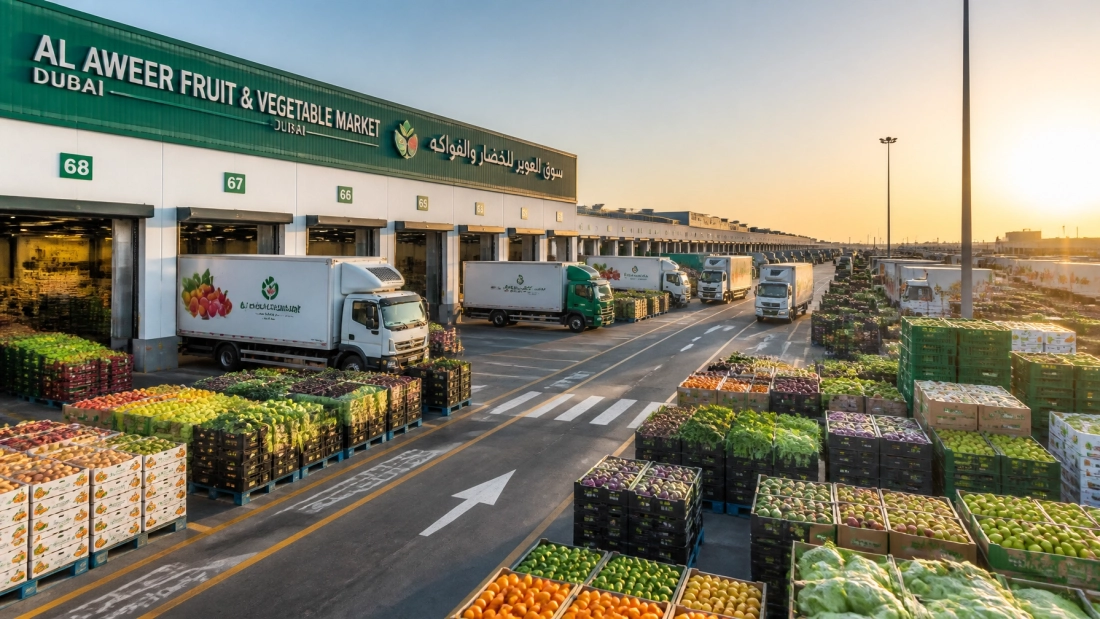
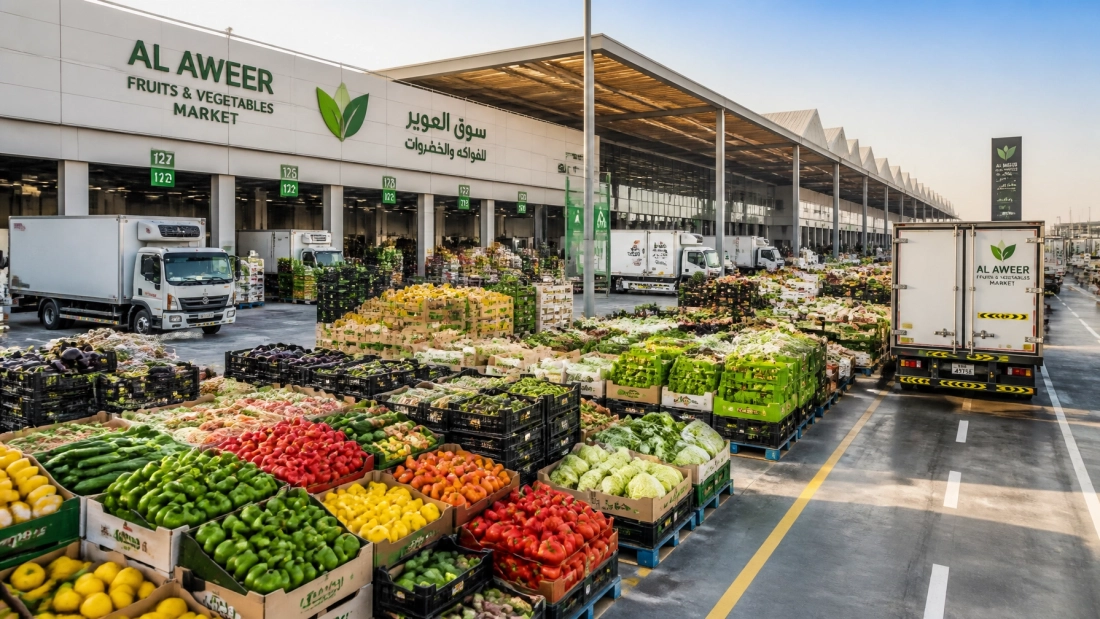
The heart of the region's produce trade is the Al Aweer Fruit and Vegetable Market. Handling approximately 7,000 tonnes of produce daily, this hub is the central point for domestic consumption and re-exports. Navigating this environment requires an understanding of daily price discovery, volume-driven demand, and the necessity of localized market intelligence.

For exporters, the traditional model often involves high intermediary margins that erode profits. Recognizing this gap, Mayil Global provides a transparent alternative designed for the modern supply chain. By focusing on a fixed-commission structure, we allow exporters to maintain higher margins while leveraging our established network of Aweer market produce buyers.

The Challenge for Global Exporters: Transparency and Cost

International exporters frequently face hurdles such as opaque pricing, delayed payments, and high commission rates that can range from 8% to 15% in traditional setups. These costs, combined with logistics and handling fees, often make the UAE market challenging for those without a trusted local partner.

Mitigating Risk with the 3% Commission Model

The cornerstone of our operations is the 3% commission-based distribution model. This structure is designed to provide immediate clarity and financial stability for exporters.

  • Fixed Low Commission: We charge a flat 3% on the gross sales value, significantly lower than the industry standard.
  • Operational Transparency: Every cost, from customs clearance to market handling, is itemized and reported.
  • Rapid Liquidity: Our model emphasizes fast cash-and-carry container purchases and quick settlement cycles, enabling exporters to reinvest capital into their next shipments without delay.

Detailed inspection of fresh tomatoes and greens in a professional laboratory setting for quality control

Quality Assurance: From Farm-Direct Sourcing to Strict Inspection

At Mayil Global, quality control is not a final step; it is a continuous process that begins at the source. We utilize farm-direct sourcing from trusted global suppliers to ensure that every container meeting our standards is of premium grade.

Multi-Stage Inspection Protocol

To maintain our position as a leader in sourcing and logistics, we implement a rigorous inspection framework:

  1. Origin Inspection: Verifying produce quality, grading, and packaging at the farm level.
  2. Transit Monitoring: Utilizing temperature-controlled logistics to preserve the cold chain.
  3. Arrival Audit: Conducting a final physical inspection at our Dubai facilities to ensure the produce meets UAE municipality standards and our own internal benchmarks.

By focusing on wholesale fruits and vegetables that meet these strict criteria, we minimize wastage and maximize the market value of every shipment.

Delivering Reliability for UAE B2B Buyers

For local supermarkets, high-end restaurants, and secondary wholesalers, reliability is the most critical factor in a supplier. A break in the supply chain can lead to stockouts and lost revenue. Mayil Global addresses these needs by positioning itself as a dependable wholesale supplier with a global reach.

Why B2B Clients Partner with Mayil Global:

  • Consistent Supply: Our global network ensures a steady flow of essential items, including premium rice, spices, and farm-fresh eggs, regardless of seasonal fluctuations.
  • Hygienic Handling: All produce is managed in accordance with international safety standards, ensuring that the end consumer receives fresh, safe food.
  • Organized Logistics: Our distribution fleet is optimized for timely delivery across the UAE, catering to the specific scheduling requirements of commercial kitchens and retail chains.

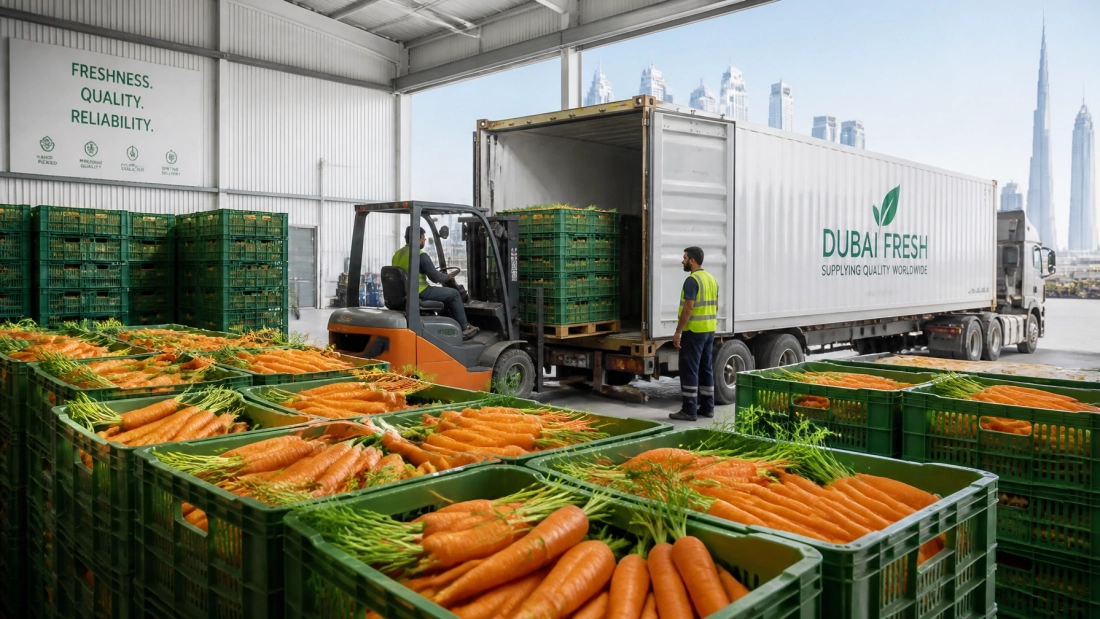
A professional logistics truck being loaded with fresh produce crates at a modern warehouse loading dock

Operational Excellence: The Logistics of Freshness

The logistics of fresh produce requires precision. At Mayil Global, we utilize organized logistics and proper storage facilities to ensure that the time from farm to market is minimized. Whether it is bulk rice or highly perishable greens, our handling processes are designed to preserve nutritional value and aesthetic appeal.

Our sourcing and distribution strategies are tailored to the specific needs of the UAE's fast-paced food sector. By integrating cash-and-carry options with a streamlined commission model, we provide a flexible environment for both exporters and buyers.

How to Begin Your Partnership with Mayil Global

Entering the Dubai market or optimizing your existing supply chain requires a partner who understands the nuances of B2B distribution and international trade regulations.

For International Exporters:

  1. Consultation: Contact our team to discuss your product categories and volume capabilities.
  2. Documentation: We guide you through the necessary UAE phytosanitary and customs documentation.
  3. Shipment: Leverage our 3% commission model for your first container shipment to experience transparent, high-margin trading.

For Local B2B Buyers:

  1. Inventory Needs: Identify your requirements for fresh produce, spices, or bulk grains.
  2. Account Setup: Establish a wholesale account to benefit from our reliable supply network and competitive pricing.
  3. Delivery Schedule: Coordinate with our logistics team for scheduled deliveries that fit your operational rhythm.

Professional delivery of fresh vegetables to a modern restaurant kitchen, showing high-quality service

Conclusion: Elevating the Standard of Food Distribution

The Dubai wholesale produce market offers immense potential for those who operate with precision and transparency. Mayil Global is committed to facilitating this growth by providing a platform where exporters can thrive under a 3% commission model and local businesses can rely on a consistent supply of premium food products.

Our focus on farm-direct sourcing, strict quality control, and efficient distribution ensures that we remain the preferred partner for wholesale supply in the UAE. By choosing Mayil Global, you are not just selecting a distributor; you are investing in a partnership built on operational excellence and mutual success.

For more information on how we can support your business, visit our About Us page or reach out directly to our trade specialists.

bh5ZNndNa6p

7 Mistakes You’re Making with Wholesale Fruits and Vegetables Dubai (And How to Fix Them Fast)

Navigating the landscape of wholesale fruits and vegetables Dubai requires more than just high-quality produce; it demands a rigorous understanding of logistics, regulatory compliance, and market-specific financial models. As a global exporter, entering the UAE market: specifically the Al Aweer Central Fruits & Vegetables Market: presents significant opportunities for volume, but it is also fraught with operational pitfalls that can quickly erode profit margins.

At Mayil Global, we function as a strategic bridge between international exporters and the UAE's primary B2B buyers. Through our specialized distribution services, we address the systemic inefficiencies that often plague the supply chain.

Below are the seven most common mistakes exporters make when targeting the Dubai market and the professional strategies required to mitigate these risks.

1. Accepting High Commission Rates and Hidden Fees

Many exporters enter the UAE market by partnering with traditional agents who charge exorbitant commission rates, often ranging from 5% to 10%, plus additional "market fees" that are rarely transparent. This significantly reduces the net return on every container shipped.

The Fix: The 3% Commission Model
Efficiency in distribution is built on transparency. Mayil Global offers a flat 3% commission-based distribution model designed to maximize exporter margins. By standardizing the commission, we provide a predictable cost structure that allows exporters to price their goods competitively while retaining a higher percentage of the sale value.

2. Overlooking Liquidity Gaps and Credit Risks

A critical error when learning how to export food to dubai is relying on open credit terms with unverified buyers. In the fast-paced wholesale environment of Al Aweer, payment delays are common, and for a high-volume exporter, a single default can be catastrophic.

The Fix: Cash & Carry Wholesale
To solve liquidity challenges, we utilize a "Cash & Carry" model. For qualified consignments, Mayil Global engages in immediate container purchases. This provides exporters with instant liquidity, removing the risk of waiting for weeks or months for local retailers to settle their accounts. Securing daily liquidity in the Aweer market is the most effective way to maintain a healthy cash flow.

High-quality red onions in professional mesh bags, ready for B2B wholesale distribution

3. Inaccurate Documentation and Regulatory Non-Compliance

The UAE authorities maintain strict standards for food safety and traceability. Common mistakes include missing phytosanitary certificates, using incorrect HS codes, or failing to provide accurate packing lists. These errors lead to immediate shipment rejections at the port, resulting in heavy demurrage costs and product spoilage.

The Fix: Rigorous Compliance Standards
When importing onions dubai or any other fresh produce, documentation must be flawless.

  • Phytosanitary Certificate: Must be issued by the origin country's plant quarantine authority.
  • Certificate of Origin: Required for all international shipments.
  • Accurate Labeling: Ensuring labels meet UAE food control regulations.
    Working with an established partner like Mayil Global ensures that all regulatory requirements are vetted before the container leaves the origin port.

4. Substandard Packaging for the Middle Eastern Climate

Packaging that works for domestic transport often fails during international transit to the UAE. For example, when exporting onions, using non-ventilated bags or over-stacking pallets leads to moisture buildup and rot. In the heat of Dubai, even a small lapse in packaging integrity can ruin an entire shipment.

The Fix: Optimized Ventilated Packaging
Standardize your packaging for the specific commodity. For onions, we recommend heavy-duty, ventilated mesh bags (typically 5kg, 10kg, or 20kg). For more delicate fruits, reinforced corrugated boxes with appropriate cushioning are non-negotiable. Proper packaging ensures that produce survives the journey and maintains its value at the point of sale.

5. Failure to Maintain Cold Chain Integrity

Freshness is the primary driver of price in the wholesale fruits and vegetables dubai market. Many exporters lose value because they fail to monitor the temperature consistently from the farm to the Al Aweer market. A temperature spike of even a few degrees during transit significantly reduces the shelf life of the produce upon arrival.

The Fix: Strict Quality Control and Monitoring
Mayil Global implements strict quality control with inspection at every stage. We utilize refrigerated containers (reefers) and prioritize logistics providers with proven cold-chain infrastructure. Maintaining a "farm-to-market" temperature-controlled environment is essential for ensuring that premium food products retain their grade-A status.

Quality control inspector performing a rigorous check on fresh produce in a controlled environment

6. Miscalculating Real-Time Market Pricing in Al Aweer

The Al Aweer market operates on a spot-price basis, where prices fluctuate daily based on global supply levels. Exporters often make the mistake of shipping based on "last week's price," only to find the market flooded with competing supply upon arrival, leading to a price crash.

The Fix: Market Intelligence and Timely Sourcing
Successful exporters leverage real-time data. At Mayil Global, our global supply network across multiple countries allows us to provide exporters with accurate market insights. Understanding seasonal windows: when specific origins are in high demand: is key to maximizing export margins.

7. Partnering with Unverified Distributing Entities

The UAE food market is highly competitive. Many exporters fall victim to "fly-by-night" agents who promise high returns but lack the physical infrastructure, storage facilities, or established B2B buyer relationships to move volume efficiently.

The Fix: Choosing a Verified B2B Wholesale Partner
A reliable partner must have a physical presence, organized logistics, and a transparent operational history. Mayil Global focuses exclusively on B2B supply to supermarkets, restaurants, and wholesale distributors. Our infrastructure includes:

  • Hygienic handling and packaging facilities.
  • Organized logistics ensuring timely delivery.
  • Direct sourcing links that remove unnecessary middlemen.

Conceptual image representing the financial benefits of the 3% commission and Cash & Carry models

Conclusion: Securing Your Supply Chain in Dubai

Success in the UAE's fresh produce sector is a result of operational excellence and strategic partnerships. By avoiding these seven common mistakes: particularly regarding commission structures and liquidity: exporters can build a sustainable and profitable trade route into Dubai.

Mayil Global is committed to providing a transparent, efficient, and reliable distribution network. Whether you are exporting onions to Dubai or supplying premium spices and rice, our 3% commission model and Cash & Carry solutions are designed to support your growth.

Contact Mayil Global today to discuss how we can streamline your wholesale operations in the UAE.

QKgShM__fHL

Aweer Market Grapes Secrets Revealed: Why the 3% Commission Model Beats Traditional Wholesale

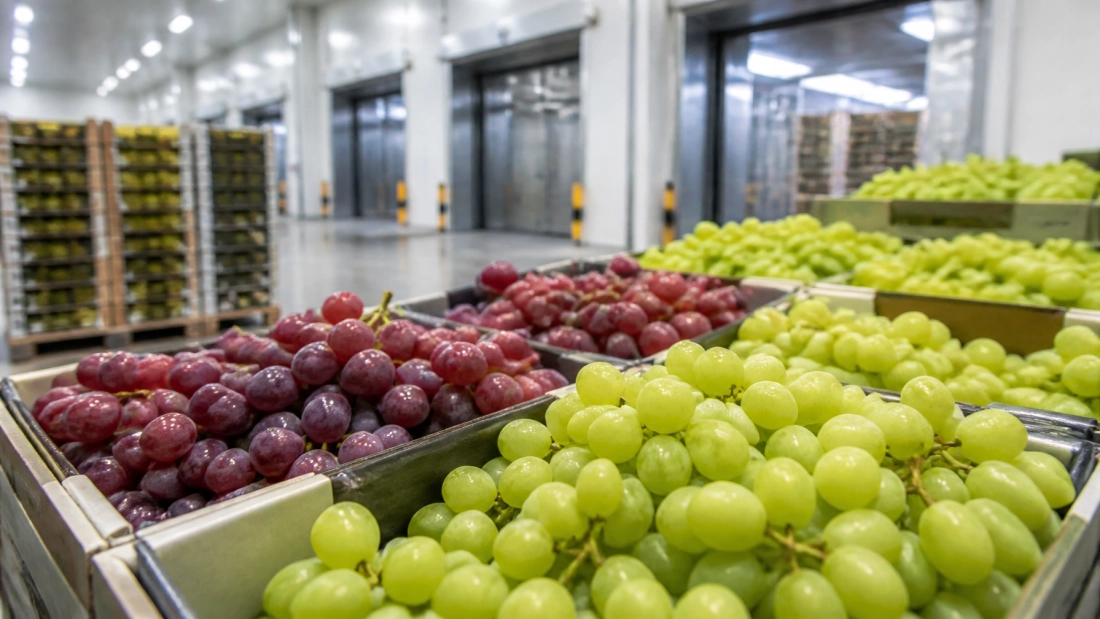
For international fruit exporters, the Dubai market represents one of the most lucrative hubs in the Middle East. However, navigating the complexities of the Al Aweer Fruit and Vegetable Market can be a daunting task for those unfamiliar with local trade structures. If you are currently looking for a grapes buyer in Dubai, understanding the financial mechanics behind your distribution partnership is the single most important factor in securing your profit margins.

Traditional wholesale models in the UAE often rely on high-percentage commission structures that can erode an exporter's ROI. At Mayil Global, we have disrupted this status quo. By implementing a transparent 3% commission model and offering immediate Cash & Carry options for container-sized loads, we provide a streamlined, high-efficiency pathway for global shippers to enter the UAE market.

Understanding the Al Aweer Landscape: The Gateway to the GCC

The Al Aweer Central Fruit & Vegetable Market is the primary wholesale engine of Dubai. It serves as the central entry point for nearly all fresh produce entering the country, which is then redistributed to local supermarkets, restaurants, and neighboring GCC nations.

For a grape exporter, the market is highly competitive. Grapes are a delicate commodity, requiring sophisticated cold chain management and rapid turnover to maintain quality. Because Al Aweer operates strictly on a B2B basis, exporters cannot sell directly to consumers; they must partner with a registered importer or wholesaler. This is where the choice of a business model becomes critical.

The Traditional Commission Trap: Why 5–10% Is Too High

Historically, many agents in Al Aweer have operated on a consignment basis, charging anywhere from 5% to 10% in commission. While this may seem standard, the "hidden" costs often tell a different story. In many traditional agreements, exporters are charged separately for:

  • Unloading and labor fees.
  • Internal market transportation.
  • Cold storage and warehousing.
  • Repacking or "wastage" adjustments that lack transparent auditing.

When these costs are added to a 10% commission, the exporter often finds that a significant portion of their gross sales has vanished before the net remittance is even calculated. For a high-value product like table grapes, these percentages represent thousands of dollars in lost revenue per container.

A professional logistics manager in Dubai inspecting a container of grapes at a loading dock, ensuring quality control and operational excellence.

Disrupting the Market: The Mayil Global 3% Commission Model

At Mayil Global, our mission is to foster long-term, sustainable relationships with international exporters. We achieve this by offering a industry-leading 3% commission structure. This model is designed to provide maximum transparency and financial predictability for our partners.

How the 3% Model Works:

  1. Sourcing and Arrival: We facilitate the customs clearance and logistics of your grape containers directly from the port to our organized facilities.
  2. Strict Quality Control: Each shipment undergoes rigorous inspection to ensure it meets UAE safety and hygiene standards.
  3. Transparent Sales: We leverage our extensive B2B network: including major supermarkets and wholesale distributors: to move volume quickly.
  4. Flat 3% Fee: Instead of the high margins requested by traditional agents, we charge a flat 3% commission on the gross sales value.

This lean approach allows exporters to retain more of their capital, which can be reinvested into expanding their production or shipping volumes. You can read more about how this strategy secures daily liquidity for exporters here.

Cash & Carry: Immediate Liquidity for Container Shipments

For exporters who prioritize speed and liquidity over consignment sales, Mayil Global offers a Cash & Carry model. Under this arrangement, we purchase entire containers of grapes outright.

This "buy-sell" basis eliminates the market risk for the exporter. Once the quality is verified and the price is agreed upon, the transaction is completed with immediate payment. This is particularly beneficial for exporters who need to maintain a steady cash flow to fund ongoing harvest operations. By acting as a direct buyer, we simplify the supply chain and remove the uncertainty of daily price fluctuations in the open market.

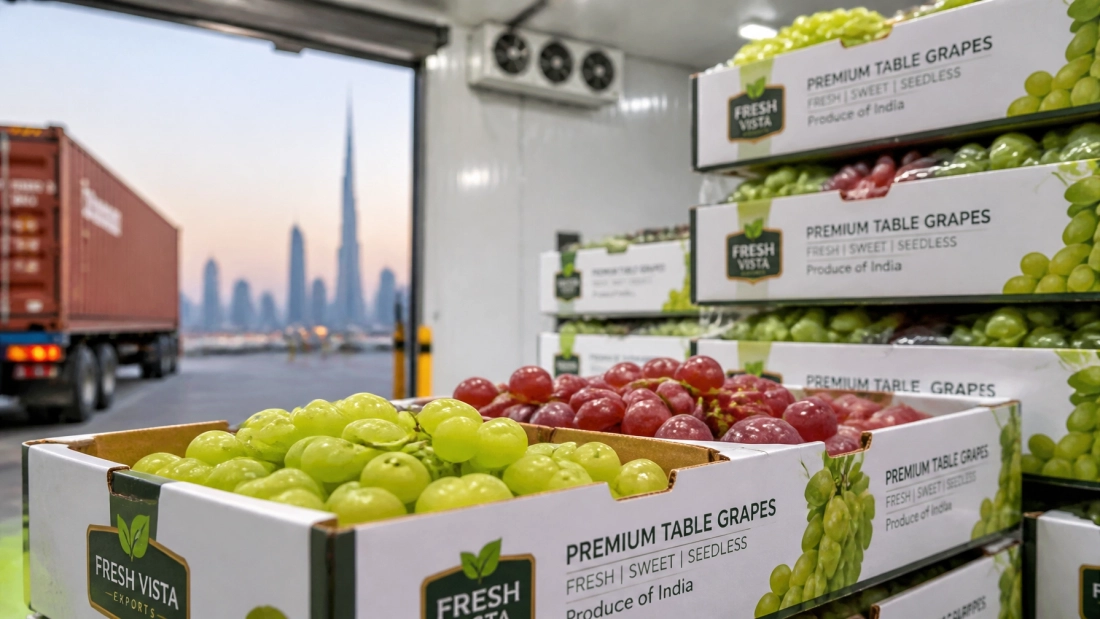
A conceptual illustration showing a 3% commission symbol next to fresh grapes, representing financial transparency and growth for exporters.

Why Mayil Global is the Preferred Grapes Buyer in Dubai

Choosing a partner in the UAE requires more than just looking at a commission percentage; it requires a partner with the infrastructure to handle your product professionally. Grapes require a "farm-to-market" philosophy that emphasizes speed and temperature integrity.

1. Global Supply Network

We don't just wait for products to arrive; we actively manage a global supply network across multiple countries. This experience allows us to understand the specific challenges faced by exporters in different regions, from South Africa and India to Egypt and Chile.

2. Specialized Storage and Handling

Proper storage is non-negotiable for grapes. Our facilities are equipped with advanced temperature and humidity controls to prevent dehydration and decay. Our hygienic handling processes ensure that the product reaches the end-buyer in the same condition it left your farm.

3. Established B2B Distribution

Our strength lies in our wholesale distribution reach. We supply directly to:

  • Supermarket Chains: Requiring consistent, premium-grade table grapes.
  • Restaurants and Hotels: Needing high-frequency, smaller volume deliveries.
  • Wholesale Distributors: Handling bulk redistribution across the UAE.

By having these pre-established channels, we ensure that your containers do not sit idle in the market. We move volume efficiently, which is the key to maintaining freshness and maximizing price.

Strategic Advantage: Sourcing, Logistics, and Safety

Our operational excellence is built on three pillars: Sourcing, Logistics, and Quality Control. When you export grapes to Mayil Global, you are not just sending fruit to a market stall; you are integrating into a professional B2B supply chain.

We handle the complexities of UAE import regulations, ensuring all documentation is compliant with local health authorities. Our organized logistics fleet ensures that from the moment your container is released from the port, it is moved swiftly to a controlled environment. This level of professional oversight is why more exporters are switching to our 3% commission model.

A fleet of refrigerated trucks at a modern logistics hub in Dubai, illustrating Mayil Global's commitment to efficient distribution and cold chain integrity.

Conclusion: Maximizing Your Export Potential

The Dubai market offers vast opportunities for grape exporters, but success depends on choosing the right commercial model. Traditional 5-10% commissions are an unnecessary drain on your resources. By partnering with Mayil Global, you gain access to a professional, B2B-focused distributor that prioritizes your profitability through our 3% commission and Cash & Carry options.

If you are an international exporter with a container of premium grapes ready for the UAE market, do not settle for outdated wholesale practices. Secure your margins with a partner that values transparency and operational excellence.

Contact Mayil Global today to discuss your next shipment. Our team is ready to facilitate your entry into the Dubai market with the reliability and efficiency your business deserves.

F9HdbZ1RkZd

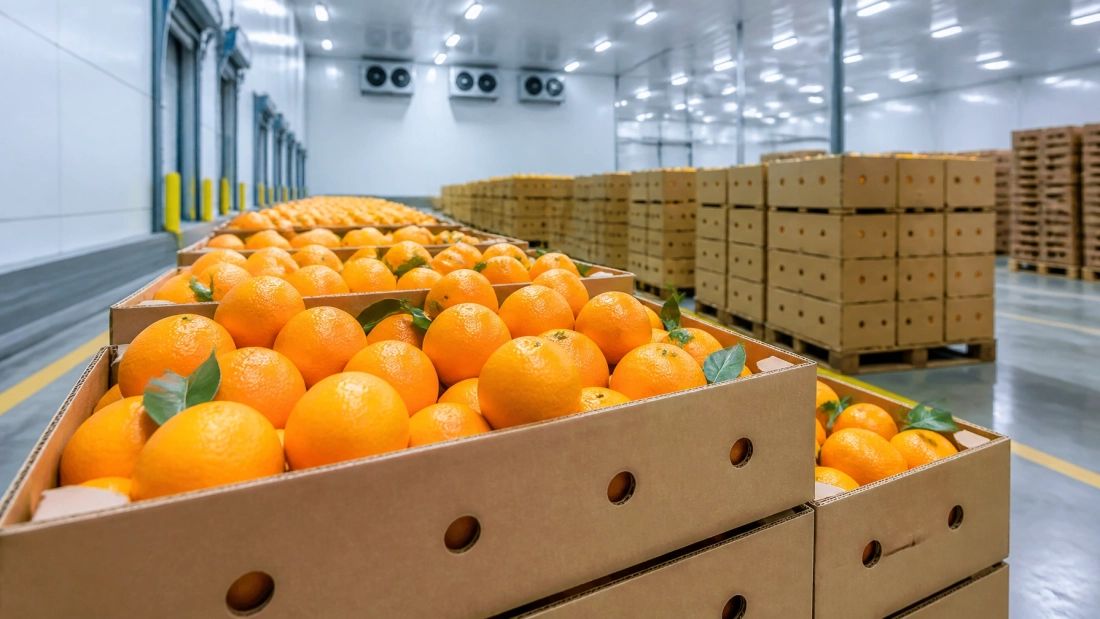
7 Mistakes You’re Making with Orange Exports to the UAE (and How to Fix Them)

The United Arab Emirates (UAE), specifically Dubai, represents one of the most lucrative hubs for global citrus trade. As a gateway to the Middle East and North Africa, the demand for high-quality oranges: ranging from Valencias for juicing to Navels for table consumption: remains consistently high. However, entering this market is not merely a matter of logistics; it requires a rigorous adherence to quality standards and a deep understanding of local market dynamics.

Many international exporters fail to realize their full profit potential because of avoidable errors in sourcing, packing, and financial structuring. For those currently asking, "Looking for an orange buyer in Dubai?", the solution lies in moving beyond traditional brokerage and adopting a more transparent, efficient distribution model.

At Mayil Global, we facilitate these connections by offering a 3% commission-based distribution model and immediate cash-and-carry container purchases, ensuring that exporters maximize their margins while minimizing risk. Below are the seven most common mistakes exporters make when shipping oranges to the UAE and how to correct them.

1. Bypassing Certified Packing Houses

A frequent error among emerging exporters is sourcing fruit directly from farms and loading it into containers without professional intervention. In the Dubai market, "farm-direct" without professional processing is a liability, not an asset.

The Fix: Every shipment must pass through a certified packing house. These facilities are responsible for washing, waxing, fungicidal treatment, and, most importantly, pre-cooling. Without removing "field heat" before loading, oranges are prone to rapid decay and fungal growth during the transit period. Ensuring your produce is processed in a facility with standardized SOPs is the first step in maintaining the integrity of your fresh produce supply.

A modern, clean industrial fruit packing house interior showing oranges on a conveyor belt for automated grading.

2. Inconsistent Sizing and Grading

Dubai’s wholesale markets and premium retailers demand extreme consistency. A common mistake is shipping "mixed lots" where oranges of varying diameters are packed in the same carton. This lack of uniformity complicates the pricing structure for buyers and often results in significant discounts at the point of sale.

The Fix: Implement strict grading and sizing at the packing house. Follow international count standards (e.g., 42, 48, 54, or 60 count per 15kg carton). Consistency in color, brix (sugar levels), and skin texture is non-negotiable. At Mayil Global, our strict quality control involves inspection at every stage to ensure that the produce meets the specific requirements of our B2B clients, including supermarkets and restaurants.

3. Failures in Cold Chain and Humidity Management

Oranges are resilient, but they are not indestructible. Many exporters fail to monitor the specific atmospheric requirements of the reefer container. Loading warm fruit or setting the wrong humidity levels leads to condensation, which is the primary driver of mold and rind breakdown.

The Fix: Maintain a stable cold chain from the packing house to the Dubai port. For oranges, the recommended temperature is typically around 4°C with a relative humidity of 90–95%. Use export-grade, ventilated cartons that allow for adequate airflow within the container.

A close-up shot of a refrigerated shipping container (reefer) door showing the digital temperature display at 4 degrees Celsius.

4. Documentation and Phytosanitary Non-compliance

The UAE’s Ministry of Climate Change and Environment (MoCCAE) enforces strict regulations on imported perishables. Incomplete paperwork is one of the leading causes of container rejection or costly delays at Jebel Ali Port.

The Fix: Ensure every shipment is accompanied by a valid Phytosanitary Certificate, Certificate of Origin, and detailed Commercial Invoices. Furthermore, exporters must comply with Maximum Residue Limits (MRLs) for pesticides. Failure to provide accurate documentation not only risks the immediate shipment but can also lead to a blacklist of the exporter’s license in the region.

5. Miscalculating Seasonal Variety Demand

The Dubai market shifts its preference based on the season and the origin of the fruit. Shipping Navel oranges when the market is oversupplied with Valencias: or vice versa: can lead to stagnant inventory and price drops.

The Fix: Align your harvest and export schedule with the UAE’s seasonal demand. Navels are typically preferred for their eating quality during the winter months, while Valencias dominate the juicing sector year-round. Understanding these nuances is critical for maintaining a reliable supply of fresh fruits.

6. High Middleman Commissions

Traditionally, exporters have relied on brokers who charge exorbitant fees, often ranging from 8% to 15%, to facilitate sales in the Al Aweer Fruit and Vegetable Market. These high commissions erode the exporter's profit margins, especially in a competitive commodity market.

The Fix: Opt for a transparent commission structure. Mayil Global offers a 3% commission-based distribution model. This allows exporters to leverage our extensive local network of supermarkets and wholesalers while retaining a much larger share of the revenue. By reducing the "middleman tax," we ensure that the financial benefits of the trade are directed back to the source.

A professional B2B business setting in Dubai, focusing on trade and distribution of orange crates.

7. Liquidity and Credit Risks (The 30-Day Trap)

Many exporters fall into the "30-day trap," where they provide unsecured credit to buyers, only to face payment delays or forced price renegotiations once the fruit has already arrived. This creates significant liquidity gaps for the exporter.

The Fix: Utilize a Cash & Carry model. At Mayil Global, we provide immediate cash-and-carry purchases for containers, offering exporters the liquidity they need to reinvest in their next shipment immediately. This eliminates the uncertainty of the 30-day payment cycle and provides a secure, predictable financial outcome for every container sent to Dubai.

A close-up of a quality control inspector wearing white gloves examining a fresh orange for consistency.

Why Partner with Mayil Global?

Success in the UAE orange market requires more than just high-quality fruit; it requires a partner with on-ground expertise and a commitment to operational excellence. Mayil Global is a leading wholesale supplier of fresh produce in the UAE, specializing in B2B supply chains for the most demanding retailers and distributors.

Our unique value proposition includes:

  • 3% Commission Model: Transparent, low-cost distribution to maximize exporter profits.
  • Cash & Carry: Immediate payment options to solve liquidity challenges.
  • Global Supply Network: Sourcing from trusted farms and global suppliers to maintain a steady flow of premium products.
  • Organized Logistics: Efficient distribution ensuring that produce moves from the port to the market in peak condition.

Secure Your Position in the Dubai Market

If you are an international exporter ready to optimize your orange shipments to the UAE, avoid the common pitfalls of inconsistent quality and high commissions. By focusing on rigorous standards and partnering with a transparent distributor like Mayil Global, you can secure a long-term, profitable presence in the region.

Looking for an orange buyer in Dubai? Contact Mayil Global today to discuss how our 3% commission and Cash & Carry models can transform your export business.

Explore Our Services | Contact Us

tTaw0isZaay

5 Steps How to Export Carrots to Dubai and Maximize Profit (Easy Guide for Global Shippers)

Looking for a Carrot Buyer in Dubai?

The United Arab Emirates (UAE) is one of the most stable and lucrative markets for fresh produce in the Middle East. Due to its arid climate, the UAE imports approximately 80% of its food requirements. Carrots, a staple in both household kitchens and the massive foodservice sector, represent a consistent high-volume opportunity for international exporters.

However, success in the Dubai market is not just about growing high-quality produce; it is about navigating the complexities of international logistics, regulatory compliance, and choosing the right distribution model. To maximize your profit, you need a partner that offers transparency and efficiency.

At Mayil Global, we specialize in connecting global shippers with the UAE market through two distinct, profit-focused models: our transparent 3% commission-based distribution and our immediate Cash & Carry container purchase model.

This guide outlines the five essential steps to successfully exporting carrots to Dubai while securing the highest possible margins.


Step 1: Establish Strict Quality Standards and Sourcing

The Dubai market is highly competitive and quality-conscious. Whether you are supplying to high-end hypermarkets or the bustling foodservice sector, your product must meet specific international and local standards.

Market Preferences

Dubai consumers and retailers typically prefer fresh, bright orange carrots with a smooth skin and a crisp texture. Consistency in sizing (Small, Medium, Large, or Jumbo) is critical for retail and restaurant grading.

  • Retail Grade: Usually requires uniform sizing, washed, and often packaged in 1kg or 2kg bags.
  • Foodservice Grade: Can involve larger, bulk-packed carrots used for juicing or industrial catering.

Certifications

While not always mandatory for every buyer, having GlobalG.A.P. certification significantly increases your credibility with major UAE retailers. If you are exporting organic carrots, they must be certified by an organization recognized by the Emirates Authority for Standardization and Metrology (ESMA). Without this, your product cannot be labeled or sold as "Organic" in the UAE.

Inspection of premium fresh carrots for quality control and grading standards


Step 2: Navigate UAE Import Documentation and Regulations

Compliance with the Ministry of Climate Change and Environment (MOCCAE) and Dubai Municipality is non-negotiable. Missing a single document can lead to costly delays at Jebel Ali Port or even the rejection of the entire container.

Mandatory Export Documents

To clear customs in Dubai, every carrot shipment must be accompanied by:

  1. Commercial Invoice: Detailing the value, HS Code (typically 0706 for carrots), and quantities.
  2. Packing List: Break down of cartons, weights, and packaging types.
  3. Bill of Lading: Issued by the shipping line.
  4. Certificate of Origin: Authenticated by your local Chamber of Commerce.
  5. Phytosanitary Certificate: Issued by your national plant protection organization, confirming the carrots are free from pests and diseases.

Labeling Requirements

Retail-ready carrots must feature labels in Arabic (or bilingual English/Arabic). The label must include the product name, country of origin, net weight, production/expiry dates, and the importer's details. Working with a knowledgeable distributor like Mayil Global ensures your packaging meets these specific standards before the container arrives.


Step 3: Optimize Packaging and Cold Chain Logistics

Carrots are highly perishable. Maintaining the cold chain from the moment of harvest until they reach the shelf in Dubai is the only way to minimize "shrinkage" (waste) and protect your profit.

The Ideal Cold Chain

Carrots should be pre-cooled immediately after harvest and shipped in refrigerated containers (reefers) at a temperature of 0°C to 2°C with high relative humidity (95-100%). Any temperature fluctuation during transit can lead to wilting, sprouting, or rot, which will drastically reduce the market value of your shipment.

Durable Packaging

The hot and humid climate in the UAE, especially during the summer months, puts immense pressure on packaging. We recommend:

  • Ventilated Corrugated Cartons: Strong enough to withstand stacking in a container.
  • Standard Weights: 10kg or 18kg cartons are common for wholesale, while 1kg bags are standard for retail.

Refrigerated shipping container and logistics icons for carrot exports to Dubai


Step 4: Secure a Reliable Distribution Presence in Dubai

Once your container reaches Dubai, the speed and efficiency of the "last mile" distribution determine your final payout. Most carrot trade in the UAE flows through the Al Aweer Fruit and Vegetable Market, the regional hub for fresh produce.

Why Presence Matters

Having a partner with a physical presence and established relationships in Al Aweer is vital. It allows for:

  • Rapid Offloading: Minimizing the time produce sits in the heat.
  • Wide Reach: Access to a network of supermarkets, restaurants, and secondary wholesalers.
  • Market Intelligence: Real-time feedback on daily price fluctuations to time your sales perfectly.

Wholesale vegetables in Dubai require a partner who understands the rhythm of the market. At Mayil Global, we ensure your carrots are positioned to reach the right buyers at the right price point.

The busy Al Aweer wholesale vegetable market at sunrise in Dubai


Step 5: Maximize Profit with the 3% Commission & Cash-and-Carry Model

The traditional export model often involves hidden costs, high margins taken by middlemen, and delayed payments. Mayil Global has revolutionized this process by offering two transparent, exporter-centric models designed to keep more money in your pocket.

The 3% Commission Strategy

For exporters looking for full transparency and the highest possible return on the market price, our 3% Commission Model is the industry standard.

  • How it works: We handle the entire distribution, sales, and logistics within the UAE for a flat 3% commission on the final sales value.
  • Transparency: You receive daily sales reports. You know exactly who bought your carrots and for how much.
  • Profit: By capping our fee at 3%, we ensure the lion’s share of the profit stays with the shipper. This is particularly effective for high-volume carrot shipments where small margin improvements lead to significant gains.

Learn more about how the 3% commission strategy maximizes liquidity.

The Cash & Carry Model

If your business prioritizes immediate cash flow and liquidity over market-linked returns, our Cash & Carry model is the solution.

  • How it works: We purchase your entire container of carrots at an agreed price upon arrival and inspection.
  • Benefit: This removes the market risk for the exporter and provides immediate capital that can be reinvested into the next shipment. It is the perfect solution for solving liquidity gaps in your supply chain.

Business professionals discussing the 3 percent commission model for food exports


Conclusion: Partner with Mayil Global

Exporting carrots to Dubai is a high-reward venture if executed with precision. By focusing on quality, adhering to MOCCAE regulations, and optimizing your logistics, you lay the foundation for a successful trade.

However, the final and most critical step is choosing a distribution partner that prioritizes your profitability. Whether you choose our 3% commission model for maximum transparency or our Cash & Carry model for instant liquidity, Mayil Global provides the infrastructure, expertise, and integrity needed to dominate the UAE market.

Ready to ship your first container?
Contact Mayil Global today to discuss your carrot export strategy and secure your margins in the Dubai market.

v4B1j72TJ5Y

5 Steps on How to Export Grapes to Dubai and Maximize Profits (Easy Guide for Shippers)

Looking for a Grapes Buyer in Dubai? For international shippers and exporters, the Dubai market represents one of the most lucrative hubs for fresh produce in the Middle East. As a global transit point and a high-consumption market, Dubai demands a steady supply of premium table grapes. However, navigating the regulatory landscape and ensuring profitability can be challenging without the right strategy.

At Mayil Global, we specialize in bridging the gap between global growers and the UAE’s thriving B2B sector. Whether you are an exporter from India, South Africa, Egypt, or Chile, understanding the "how" and "who" of the Dubai trade is the first step toward a successful partnership. In this guide, we outline the five essential steps to exporting grapes to Dubai while maximizing your margins through our unique 3% commission and Cash & Carry models.

Step 1: Compliance with UAE Federal and Local Regulations

The first hurdle for any shipper is meeting the stringent food safety standards set by the UAE authorities. The Ministry of Climate Change and Environment (MOCCAE) and the Dubai Municipality govern all food imports.

To successfully enter the market, your shipment must be registered through the ZAD portal or the Dubai Municipality’s Food Import and Re-export System (FIRS). Every consignment requires a licensed importer in Dubai: like Mayil Global: to handle the local registration and customs clearance.

Key compliance points include:

  • Phytosanitary Certification: Every shipment must be accompanied by an original Phytosanitary Certificate from your national plant protection organization, ensuring the grapes are free from pests and diseases.
  • Product Registration: Your specific grape variety must be registered in the UAE food system before arrival.
  • Pesticide Residue Limits: The UAE follows Gulf Standardization Organization (GSO) standards for Maximum Residue Levels (MRLs). Testing is frequent, and non-compliance can lead to the destruction of the entire container.

Step 2: Rigorous Quality Control and Pesticide Management

Dubai is a quality-sensitive market. Supermarkets, high-end restaurants, and wholesale distributors expect "Export Grade" produce. This means grapes must be uniform in size, free from decay, and possess a high Brix (sugar) level.

Professional quality control inspector checking grapes

Implementing strict quality control at the source is non-negotiable. At Mayil Global, we emphasize strict quality control with inspection at every stage. Shippers should focus on:

  • Visual Appeal: Consistent color and berry firmness are essential for the premium B2B sector.
  • MRL Compliance: Ensure that your farm-direct sourcing uses only MOCCAE-approved pesticides.
  • Pre-Cooling: Removing field heat immediately after harvest is critical to prevent shriveling and stem browning during transit.

Step 3: Standardized Packaging and Accurate Labeling

Packaging is not just for protection; it is a regulatory requirement. For the UAE market, grapes are typically packed in 4.5kg or 5kg cartons, often containing 500g punnets or clamshells for retail convenience.

According to UAE.S GSO 9:2019, all prepackaged food must have labels that include:

  1. Product Name and Variety.
  2. Country of Origin.
  3. Net Weight.
  4. Packer/Exporter Details.
  5. Production/Packing Date (Note: Fresh fruits are exempt from expiry dates but must show the harvest year and packing date).

Labels should be in Arabic and English. Using a single, clear sticker that does not obscure the original packaging information is the standard practice for international exporters.

Step 4: Mastering Logistics and Cold Chain Integrity

Grapes are highly perishable. Maintaining a consistent temperature of 0°C to 1°C with high humidity is vital for sea freight (reefer containers) or air cargo. Any break in the cold chain will result in "wetness" or fungal growth, which drastically reduces the market value upon arrival at the Al Aweer Fruit and Vegetable Market.

Reefer container being loaded with grapes for export

Our organized logistics and efficient distribution ensure that once your container reaches the port, it is moved swiftly to our temperature-controlled storage facilities. We prioritize "timely delivery" to maintain the farm-fresh quality that our B2B clients, including supermarkets and retailers, demand.

Step 5: Maximize Profits with the 3% Commission and Cash & Carry Models

The traditional export model often involves high middleman fees and delayed payments, which can cripple a shipper's cash flow. Mayil Global offers two distinct models designed to put more profit back into the hands of the exporter:

1. The 3% Commission-Based Distribution

For exporters looking for a transparent partnership, we offer a 3% commission model. We act as your local distribution arm in Dubai, selling your grapes directly to our network of B2B buyers. You receive the full market price, minus a flat 3% service fee. This provides:

  • Transparency: Full visibility into the selling price.
  • Higher Returns: No hidden margins or excessive distributor markups.
  • Daily Liquidity: Faster access to funds compared to traditional 30-60 day credit cycles.

2. Immediate Cash & Carry Container Purchases

If you prefer immediate liquidity and want to avoid market price fluctuations, Mayil Global offers a Cash & Carry model. We purchase entire containers of premium grapes (and other produce like ginger or tomatoes) directly from you.

  • Instant Payment: Get paid upon delivery and inspection.
  • Risk Mitigation: We take over the local market risk, allowing you to focus on sourcing and shipping.

Why Choose Mayil Global as Your Dubai Grapes Buyer?

Mayil Global is not just a distributor; we are a strategic partner for international exporters. Our operations are built on the pillars of reliability, hygiene, and operational excellence.

Wholesale food distribution warehouse in Dubai

  • Global Supply Network: We handle steady and reliable supplies from multiple countries, ensuring we are always "in the market."
  • B2B Focus: Our primary clients are supermarkets, restaurants, and retailers in the UAE. By supplying directly to these entities, we bypass unnecessary layers of the supply chain.
  • Hygienic Handling: Our facilities follow strict safety standards, ensuring that the "Farm Fresh" promise is delivered to the end customer.

Secure Your Margins Today

The Dubai market is waiting for your premium produce. By following these five steps and choosing a partner that prioritizes your profitability, you can build a sustainable and lucrative export business. Whether you are interested in our 3% commission strategy or our Cash & Carry options, Mayil Global is ready to help you navigate the UAE's food distribution landscape.

Looking for a Grapes Buyer in Dubai? Contact us today to discuss your next shipment.


Vu4gaZsxbn_

How to Export Rice and Pulses to the UAE: The Proven 3% Commission Framework

The United Arab Emirates (UAE), and specifically Dubai, serves as a critical epicenter for the global food trade. As a nation that imports over 80% of its food requirements, the demand for staples like rice and pulses remains exceptionally high and consistent. For international exporters and local suppliers, the UAE offers a sophisticated landscape for growth, provided they can navigate the complexities of logistics, quality standards, and distribution.

At Mayil Global, we have optimized this process. By utilizing our specialized 3% commission framework, exporters can tap into the lucrative Middle Eastern market with a level of transparency and efficiency that is unmatched in the industry. This guide outlines the essential steps to exporting rice and pulses to the UAE and how our distribution model serves as a catalyst for your business success.

The UAE Market Opportunity for Rice and Pulses

The UAE's strategic location and world-class infrastructure make it more than just a destination for food products; it is a gateway to the entire MENA (Middle East and North Africa) region.

Why Dubai is the Global Hub for Grains

Dubai imports over 1.5 million tonnes of rice annually. The market is driven by a diverse expatriate population and a booming hospitality (HORECA) sector that requires steady, high-quality supplies of Basmati, Jasmine, and non-Basmati varieties. Furthermore, the UAE government maintains a 0% customs duty on rice, making it one of the most attractive markets for bulk rice suppliers globally.

Pulses: including lentils, chickpeas, and beans: are equally vital. They are fundamental ingredients in the local diet and are widely used across the restaurant and catering industries. For a wholesale food buyer in Dubai, ensuring a reliable supply of these commodities is a top operational priority.

Navigating the Regulatory Framework

To successfully enter the UAE market, exporters must adhere to the stringent regulations set by the Ministry of Climate Change & Environment (MOCCAE) and the Dubai Municipality Food Safety Department.

Mandatory Documentation and Safety Standards

Every shipment of rice or pulses must be accompanied by a specific set of documents to ensure traceability and safety:

  • Phytosanitary Certificate: Issued by the plant quarantine authority in the country of origin, confirming the shipment is free from pests.
  • Fumigation Certificate: Standard for bulk grains to ensure the cargo has been treated according to international standards.
  • Certificate of Origin: Verified by the relevant Chamber of Commerce.
  • Commercial Invoice and Packing List: Detailed records of the transaction and cargo specifications.

Failure to provide these documents can lead to significant delays at the port of entry or the total rejection of the shipment.

Labeling and Packaging Compliance

The UAE has strict labeling requirements under the GSO (GCC Standardization Organization) standards. All packaging must be bilingual (Arabic and English) and clearly display:

  1. Product name and brand.
  2. Net weight.
  3. Country of origin.
  4. Production and expiry dates (DD/MM/YYYY).
  5. Storage instructions.

For bulk distribution, 50kg bags are the industry standard, while retail-focused exporters often utilize 1kg, 5kg, or 10kg premium packaging.

Quality inspector examining premium Basmati rice

The Logistics of Importing Grains to Dubai

Efficiency in the supply chain is what separates successful exporters from those who struggle with overhead costs. Most bulk shipments arrive at Jebel Ali Port, the largest man-made harbor in the world and the premier logistics hub for the Middle East.

Port Operations and Inventory Management

Upon arrival, goods undergo inspection by Dubai Municipality officials. Once cleared, the logistics of storage and inland distribution become paramount. Rice and pulses require temperature-controlled or highly ventilated storage to maintain quality, especially during the high-temperature months in the UAE.

Mayil Global’s organized logistics ensure that once a container is cleared, it is moved swiftly to our facilities or directly to our network of buyers. This minimizes "dead time" and protects the integrity of the product. Our bulk rice suppliers in Dubai benefit from our deep integration with port authorities and transportation networks.

Container ship at Jebel Ali Port representing the global supply network

The Mayil Global Advantage: The 3% Commission Framework

The traditional distribution model often leaves exporters in the dark regarding the final sale price and the actual margins. At Mayil Global, we operate with a different philosophy: operational transparency and shared growth.

Transparent Distribution for International Exporters

Our 3 percent commission distributor UAE model is designed specifically for international and local exporters who want to maximize their returns. Here is how it works:

  • Fixed Fee: We charge a flat 3% commission on the sale of your goods.
  • Full Disclosure: Exporters are kept informed of the market rates and the final sale price to the B2B buyer.
  • Market Access: We utilize our established relationships with supermarkets, restaurant chains, and wholesale distributors to move your inventory quickly.

This framework removes the guesswork and high markups often hidden by traditional middlemen. It allows the exporter to remain competitive while ensuring Mayil Global is incentivized to achieve the best possible market price.

Immediate Liquidity through Cash-and-Carry

One of the greatest challenges in the export business is the "liquidity gap": the time between shipping a container and receiving payment. To solve this, Mayil Global offers a Cash-and-Carry model. We are prepared to purchase entire containers of rice, pulses, and grains for immediate cash, providing the liquidity you need to fund your next shipment. This is particularly beneficial for exporters operating in the Aweer Market and other major wholesale hubs. You can read more about how this solves liquidity problems here.

Ensuring Quality: Our Sourcing and Inspection Protocols

In the B2B world, reputation is built on consistency. Whether we are sourcing spices or bulk rice, our quality control protocols are non-negotiable.

We employ a multi-stage inspection process:

  1. Farm-Direct Sourcing: We work with trusted farms and global suppliers to ensure the raw product meets our baseline standards.
  2. Pre-Shipment Inspection: Verification of grain length, moisture content, and purity.
  3. Hygienic Handling: Our packaging and storage follow strict food safety standards to prevent contamination.
  4. Final Quality Check: Every batch is inspected upon arrival in the UAE before distribution to our B2B clients.

Professional flat lay of various high-quality grains and pulses

Conclusion: Building a Sustainable Export Partnership

Exporting rice and pulses to the UAE is a high-volume, high-reward venture, but it requires a partner who understands the nuances of the Dubai market. By combining a global supply network with a localized, transparent distribution strategy, Mayil Global provides the stability and reliability that modern exporters demand.

The 3% commission framework is more than just a pricing model; it is a commitment to professional, mutually beneficial trade. If you are a supplier of premium rice, lentils, or grains looking to establish a dominant presence in the UAE, the path to success begins with a structured, corporate-grade partnership.

Are you ready to move your next container? Contact Mayil Global today to discuss our 3% commission distribution or our immediate cash-and-carry options.

hYw5SX_YXvg

Why Staying Current with UAE Export News Will Change the Way You Sell Produce at Al Aweer

Maintaining a competitive edge in the high-volume environment of the Al Aweer Fruit and Vegetable Market requires more than just high-quality produce. It demands an acute understanding of the shifting landscape of international trade, regional regulations, and local demand fluctuations. For exporters and wholesale buyers operating within the UAE, staying informed through consistent UAE export news and Al Aweer market updates is not merely a choice: it is a critical business strategy.

In an industry where margins are often thin and perishability is a constant threat, market intelligence serves as the foundation for successful operations. Navigating the complexities of the Dubai wholesale market involves tracking global supply chains, anticipating regulatory shifts from the Ministry of Economy, and selecting the right distribution partners. Mayil Global provides the stability and transparency needed to thrive in this environment, specifically through our industry-leading 3 percent commission distributor UAE model.

Navigating the Dynamics of Al Aweer Market Updates

The Al Aweer Fruit and Vegetable Market is the central nervous system of Dubai’s food distribution network. Understanding its daily rhythm is essential for any exporter looking to maximize their return on investment. Market updates provide real-time data on supply volumes and price trends, allowing traders to make data-driven decisions.

Currently, the market is seeing a significant shift toward digitalization. According to recent industry analyses, leading wholesalers are increasingly adopting digital auction systems and real-time market dashboards to manage price volatility. For exporters, this means that the speed at which you receive information directly correlates to your ability to secure the best possible price for your container.

Relying on outdated information can lead to missed opportunities or, worse, significant financial losses due to market saturation. By monitoring Al Aweer market updates, exporters can identify periods of low supply for specific commodities like onions, tomatoes, or ginger, and time their shipments accordingly.

The Strategic Value of UAE Export News

The UAE’s position as a global trade hub is continuously evolving. Trade agreements, such as the Comprehensive Economic Partnership Agreement (CEPA) with various nations, have fundamentally changed how fresh produce enters the country. For example, Egyptian processed food exports to the UAE have seen a sharp rise, and strategic ties with India are being fortified to ensure long-term food security.

Exporters who track UAE export news are better positioned to take advantage of these macro-economic trends. Whether it is a new tariff exemption or a shift in documentation requirements at UAE entry points, being proactive ensures that your shipments are not delayed at the port. Delays in the fresh produce sector often result in total loss, making regulatory compliance a non-negotiable pillar of the supply chain.

Close-up of fresh, premium tomatoes and onions in wooden crates inside a clean, modern refrigerated warehouse.

Adapting to Regulatory Changes in Food Sourcing

Quality control and safety standards in the UAE are among the strictest in the region. Recent updates emphasize the importance of Halal certification, pre-shipment inspections, and non-compliant labeling as primary reasons for shipment rejections. Navigating these requirements requires a partner who understands the local legal framework.

At Mayil Global, we ensure that every container we handle adheres to the highest safety standards. Our process includes:

  1. Strict Quality Control: Detailed inspection at every stage, from sourcing to arrival.
  2. Hygienic Handling: Packaging and storage that follow international safety protocols.
  3. Documentation Support: Ensuring all labels and certificates meet UAE Ministry requirements to prevent costly delays.

Exporters targeting the UAE market must also be aware of the growing demand for "cleaner" produce. According to Fresh Load International, by 2026, demand is surging for pesticide-free vegetables and organic fruits. Aligning your export strategy with these consumer preferences is vital for long-term viability.

Price Volatility vs. Strategic Reserves

While the UAE government actively works to stabilize prices through strategic food stockpiles (maintaining 4-6 months of essential goods), temporary spikes in commodities like tomatoes and onions still occur due to regional supply shocks.

Understanding the difference between a temporary market fluctuation and a long-term regulatory price cap is essential for pricing your goods. The UAE Ministry of Economy and Tourism monitors essential goods closely, and "unjustified price increases" can lead to significant fines. Working with a verified buyer for exporters UAE like Mayil Global ensures that your pricing strategies remain competitive yet compliant with local market interventions.

The Mayil Global Advantage: 3% Commission Model

One of the most significant challenges for exporters in the Al Aweer market is the lack of transparency in distribution fees. Traditional distributors often hide costs or take large cuts, leaving the exporter with minimal profits. Mayil Global has revolutionized this process by offering a clear, fixed 3 percent commission distributor UAE model.

This model is designed to provide:

  • Transparency: Exporters know exactly what they will be charged, with no hidden fees or administrative markups.
  • Daily Liquidity: For those with containers currently in the market, our cash-and-carry model provides immediate liquidity, solving the common problem of delayed payments.
  • Profit Maximization: By keeping distribution costs at a fixed 3%, exporters can retain more of their revenue and reinvest in their operations.

You can learn more about how this model functions in our detailed guide on the 3% commission strategy for Al Aweer exporters.

A conceptual corporate illustration representing a 3% commission model with financial charts.

Positioned as a Verified Buyer for Exporters in the UAE

Trust is the currency of the wholesale trade. For international exporters, finding a reliable partner in a foreign market is often the biggest hurdle. Mayil Global is positioned as a verified buyer for exporters UAE, offering a dependable outlet for high-quality fresh produce.

We specialize in several core categories:

  • Fresh Fruits and Vegetables: Sourced directly from trusted farms and global suppliers.
  • Premium Spices: Ensuring high aromatic quality and purity.
  • Premium Rice: Supplying various grades to meet the needs of restaurants and retailers.
  • Farm Fresh Eggs: Handled with rigorous cold-chain protocols.

By acting as a verified buyer, we remove the uncertainty of the Al Aweer market. Whether you are exporting onions to Dubai or looking for a bulk rice supplier, our infrastructure is built to support your growth.

Streamlining Logistics and Cold-Chain Excellence

Given the extreme climate of the UAE, logistics and temperature control are non-negotiable. The reliability of your cold-chain can make or break your business. Mayil Global invests heavily in organized logistics and proper storage facilities to ensure that the produce we receive from exporters remains in peak condition until it reaches the end customer.

Our global supply network across multiple countries ensures a steady and reliable supply, even during periods of regional instability. This operational excellence is why local B2B buyers, including supermarkets and restaurants, rely on us for their daily inventory needs.

A large cargo ship at a modern UAE port, such as Jebel Ali, with rows of colorful shipping containers.

Why Integration is the Key to Success

The successful trader at Al Aweer does not work in a vacuum. Success comes from integrating Al Aweer market updates with a clear distribution strategy. By following UAE export news, you anticipate the "what" and "when." By partnering with Mayil Global, you secure the "how."

Our commitment to a 3% commission model and our status as a verified buyer mean that we take the risk and complexity out of distribution. This allows you to focus on what you do best: sourcing and growing high-quality produce.

Key Benefits of Partnering with Mayil Global:

  • Fixed 3% Commission: Predictable costs for all your exports.
  • Immediate Cash-and-Carry: Get paid faster for your containers.
  • Expert Market Insights: Benefit from our deep understanding of UAE trade regulations.
  • B2B Network: Direct access to the UAE’s leading supermarkets and restaurants.

A professional B2B setting showing a large, modern distribution center for Mayil Global.

Conclusion: Taking the Next Step in UAE Distribution

The landscape of the Al Aweer Fruit and Vegetable Market is more competitive than ever. Exporters who stay current with UAE export news and prioritize transparency in their distribution partnerships will be the ones who thrive in the coming years.

Mayil Global is dedicated to fostering long-term relationships based on trust, efficiency, and mutual profitability. If you are looking for a verified buyer for exporters UAE or a distributor who offers a fair 3 percent commission distributor UAE model, we are ready to assist.

For exporters ready to secure their margins and streamline their operations in Dubai, the choice is clear. Visit our services page or contact us directly to discuss how we can help you navigate the Al Aweer market with confidence.

51zgHDsxn5d

Why Our 3 Percent Commission Distributor UAE Model Will Change the Way You Manage Container Shipments

The landscape of food distribution in the United Arab Emirates is undergoing a significant transformation. For years, exporters and container owners shipping to the Al Aweer Fruit and Vegetable Market have operated under traditional commission structures that often range from 8% to 15%. While these models were once the industry standard, they frequently lack the transparency and liquidity required for high-volume trade in a modern economy.

At Mayil Global, we have introduced a disruptive financial and operational framework: the 3 percent commission distributor UAE model. This strategy is designed specifically for international exporters and local container owners who require a reliable partner to manage the end-to-end lifecycle of their shipments while maximizing their bottom line. By combining this low-commission structure with a robust cash and carry food wholesale dubai operation, we are redefining how capital and commodities flow through the region.

The Paradigm Shift: Moving Beyond High-Commission Distribution

In the competitive world of wholesale fruits and vegetables dubai, the margin for error is slim. Traditional distributors often absorb a significant portion of an exporter's profit through high commission rates and hidden fees. Furthermore, the lack of itemized reporting can leave shippers in the dark regarding the true market value of their goods.

The Mayil Global 3% model addresses these pain points directly. By charging a flat 3% commission on gross sales, we align our interests with those of the exporter. Our profitability is tied to volume and velocity; the faster and more efficiently we sell your containers, the better the outcome for both parties. This model is not merely a discount; it is a commitment to operational efficiency and high-frequency trade.

Why 3% is the Strategic Choice for Exporters

  • Predictable Cost Structure: Exporters can calculate their margins with precision before the container even leaves the origin port.
  • Increased Competitive Edge: Lowering distribution costs allows exporters to offer more competitive pricing to local UAE buyers or retain higher profits.
  • Volume-Driven Results: Our focus shifts from extracting high margins per unit to moving large volumes of produce, ensuring your inventory never sits idle.

For instance, those exporting onions to Dubai or shipping bulk ginger find that the 3% model significantly alters the feasibility of high-volume shipments.

Bulk fresh produce in a professional wholesale warehouse representing scale and quality

Solving the Liquidity Gap with Cash & Carry Wholesale

One of the most critical challenges facing exporters in the Al Aweer market is the "liquidity trap." In many traditional arrangements, goods are sold on credit to various secondary wholesalers or retailers, leading to payment delays of 30, 60, or even 90 days. For an exporter with containers constantly on the water, this lack of immediate cash flow can stall operations.

Mayil Global operates as a cash and carry food wholesale dubai specialist. This means our primary sales channel focuses on immediate cash settlements with local B2B buyers, including supermarkets, restaurants, and smaller wholesale distributors. By prioritizing liquidity, we are able to offer near-immediate settlements to our container partners.

The Benefits of Immediate Liquidity

  1. Rapid Capital Reinvestment: Exporters can recycle their capital within days, allowing them to procure and ship the next container without waiting for long-term credit cycles.
  2. Risk Mitigation: Cash-based transactions reduce the risk of buyer default, a common issue in the open-market credit system.
  3. Transparent Financial Trajectory: With daily sales reports and fast settlements, exporters have a real-time view of their financial health.

This approach is particularly beneficial for high-turnover items like tomatoes and potatoes, where freshness and speed of sale are paramount.

Operational Excellence: From Port to Market

A successful distribution partnership in the UAE requires more than just a low commission rate; it requires a sophisticated logistics and handling infrastructure. Mayil Global manages every step of the supply chain with professional rigor.

Sourcing and Global Supply Network

We leverage a global supply network that spans multiple countries, ensuring a steady and reliable supply of fresh produce regardless of seasonal fluctuations. Our farm-direct sourcing model allows us to maintain strict control over the quality of the products entering our distribution channel.

Logistics and Customs Clearing

Navigating the complexities of Dubai Municipality and Customs can be daunting for international shippers. We handle the entire clearing process, ensuring that containers are processed through the port and moved to our facilities without unnecessary delays. This expertise minimizes demurrage charges and ensures that perishable goods reach the market in peak condition.

Quality Control and Hygienic Handling

Our facilities follow strict safety standards for storage and handling. Every shipment undergoes inspection at multiple stages: from arrival at the port to the final sale at the warehouse. This rigorous approach ensures that our B2B customers, such as high-end restaurants and major supermarkets, receive only the highest quality products.

Quality control inspection of fresh vegetables in a controlled facility

A Comprehensive Portfolio for the UAE B2B Market

While we are leaders in wholesale fruits and vegetables dubai, our reach extends across the entire spectrum of essential food products. This diversity makes us a one-stop-shop for local retailers and an ideal partner for exporters of various commodities.

  • Fresh Produce: Including high-demand items like apples and lemons.
  • Premium Spices: We are unlocking the UAE spice trade by offering the same 3% commission model to bulk spice exporters.
  • Rice and Grains: Our bulk rice supply in Dubai provides stability and consistent pricing for local distributors and foodservice providers.
  • Farm Fresh Eggs: Maintaining the cold chain and delivering freshness daily to the UAE market.

By integrating these diverse product lines into our 3% commission and cash & carry framework, we provide a unified solution for food distribution companies in uae looking to streamline their procurement.

Transparency: The Foundation of Our Partnership

In many distribution models, the "settlement sheet" is a source of contention. At Mayil Global, we believe that transparency is a non-negotiable pillar of professional business. Our reporting system is detailed, itemized, and delivered promptly.

When you ship a container with us, you receive a full breakdown including:

  • Customs and Municipality Fees: Real costs with no hidden markups.
  • Logistics and Handling: Documented transport and storage expenses.
  • Daily Sales Figures: Specific prices achieved for each grade and quantity of product.
  • The 3% Calculation: A clear, honest 3% commission on the gross sales value.

This level of detail allows exporters to conduct accurate post-arrival analysis and refine their sourcing strategies for future containers. It turns a simple transaction into a data-driven partnership.

Modern distribution center showcasing organized logistics and efficiency

Conclusion: A New Standard for Dubai Food Wholesale

The traditional ways of managing container shipments in the UAE are no longer sufficient for the demands of a fast-paced, globalized market. The 3 percent commission distributor UAE model offered by Mayil Global represents a significant leap forward in transparency, efficiency, and liquidity.

Whether you are an international exporter seeking a trustworthy partner in the Al Aweer market or a local B2B buyer looking for a reliable wholesale supplier, our systems are built to support your growth. We focus on the "Who, What, and How" of business operations so that you can focus on scaling your enterprise.

At Mayil Global, we don't just move containers; we build long-term relationships based on dependable supply and consistent quality. Experience the difference that a professional, 3% commission-based distribution model can make for your business.

Ready to optimize your supply chain? Explore our 3% commission strategy explained or contact our logistics team to discuss your next container shipment to Dubai.

A professional quality control inspector in a high-tech warehouse environment checking the freshness of imported fruits and vegetables for UAE distribution.

Looking For Reliable Aweer Market Produce Buyers? Here Are 10 Things You Should Know About the 3% Commission Model

Navigating the complexities of the Al Aweer Central Fruit & Vegetable Market in Dubai requires more than just a quality harvest; it demands a strategic partnership with a distributor that understands the fine balance between volume, speed, and profitability. For international exporters and local B2B buyers alike, the traditional commission structures: often ranging from 5% to 10%: can significantly erode margins and complicate financial forecasting.

At Mayil Global, we have disrupted this conventional approach by introducing a streamlined 3% commission model. This initiative is designed to maximize returns for exporters while ensuring a steady, competitively priced supply of fresh produce for UAE supermarkets and restaurants. If you are seeking a reliable Aweer market produce buyer, understanding how this model operates is essential for your operational success.

Here are 10 critical things you should know about the 3% commission model and how it is reshaping food distribution in the UAE.


1. The Cost Advantage: 3% vs. Traditional 10%

In the high-volume world of wholesale fruits and vegetables, even a 2% difference in commission can represent the difference between a profitable season and a loss. Traditional agents at Al Aweer typically charge between 5% and 10% on the gross sales value.

Under the 3% commission distributor UAE model, the savings are immediate. For instance, on a container sale totaling 100,000 AED, a traditional 5% agent takes 5,000 AED. At Mayil Global’s 3% rate, the fee is reduced to 3,000 AED. This leaves 2,000 AED of additional profit in the exporter’s pocket per container. Over a single season of high-frequency shipping, these savings scale into significant capital that can be reinvested into farm-direct sourcing and production.

2. Financial Transparency and Predictability

One of the primary challenges for exporters is the "hidden cost" associated with traditional market trading. Our 3% model is built on a foundation of absolute transparency. By fixing the commission at a flat 3% on gross sales, exporters can calculate their expected ROI with precision before the container even leaves the port of origin.

This predictability allows for better financial planning and risk management. There are no sliding scales or unexpected "marketing fees." The 3% fee covers the core distribution services, ensuring that you remain in control of your financial data throughout the transaction.

A professional quality control inspector in a high-tech warehouse environment checking the freshness of imported fruits and vegetables for UAE distribution.

3. High-Volume Efficiency Over High Margins

The 3% model is not merely a discount; it is a business philosophy focused on high-volume turnover. By lowering the entry barrier for exporters, Mayil Global attracts a higher volume of premium stock. This ensures that our inventory at Al Aweer remains fresh and moves rapidly.

For local B2B buyers: including supermarkets and wholesale distributors: this means access to fresher produce at more competitive prices. Our strategy prioritizes moving large quantities of staples like onions, potatoes, and tomatoes efficiently, rather than extracting high margins from smaller, slower-moving lots.

4. Immediate Liquidity through Cash-and-Carry

Liquidity is the lifeblood of the export business. Waiting weeks for the final settlement of a container can stall your next shipment. To solve this, Mayil Global integrates a Cash-and-Carry option alongside our commission-based model.

For exporters who prioritize speed, we offer immediate purchase of containers. This cash-and-carry food wholesale approach provides instant liquidity, allowing you to rotate your capital and keep your supply chain moving without the delays typically associated with market-lot sales.

5. Strict Quality Control and Safety Standards

Exporting to the UAE requires strict adherence to international safety standards. The Dubai Municipality maintains rigorous inspection protocols for all food entering the country. Our 3% model includes a dedicated quality control phase where every shipment is inspected at the port and upon arrival at our Al Aweer facility.

We focus on:

  • Hygienic Handling: Ensuring all produce is moved and stored in sanitised environments.
  • Safety Compliance: Verifying all phytosanitary and health certificates meet UAE regulatory requirements.
  • Grading Standards: Sorting produce to meet the specific quality expectations of high-end UAE retailers.

6. Efficient Port-to-Market Logistics

Reliability in the Aweer market is often defined by logistics. A delay at the port can lead to spoilage and lost revenue. Mayil Global manages the entire logistical chain, from port clearance to temperature-controlled transport to the market.

By centralizing the logistics, we minimize the risk of "broken" cold chains. Our organized logistics network ensures that whether you are exporting bulk rice or fresh farm eggs, the transition from the container to the buyer is seamless and swift.

A fleet of refrigerated delivery trucks at a modern logistics hub in Dubai, representing the efficient distribution of fresh food products.

7. Direct Access to UAE Retail and HORECA

A 3% commission agent is only as good as their sales network. Mayil Global doesn't just wait for buyers to visit Al Aweer; we actively supply a robust network of B2B clients, including:

  • Major Supermarket Chains: Providing consistent stock of everyday essentials.
  • Leading Restaurants: Supplying premium ingredients for the UAE's vibrant dining scene.
  • Wholesale Distributors: Facilitating secondary distribution across the wider GCC region.

This diverse buyer base ensures that your produce finds the right market segment at the best possible price point.

8. Sourcing Diversity: Beyond Fruits and Vegetables

While we are a primary choice for those looking for wholesale fruits and vegetables in Dubai, our 3% commission advantage extends to a wider range of commodities. We specialize in the distribution of:

  • Premium Rice: Including long-grain Basmati and specialty varieties.
  • Premium Spices: Sourced directly from global producers to maintain potency and purity.
  • Farm Fresh Eggs: Handled with strict climate control to ensure shelf-life.

This diversification makes Mayil Global a one-stop-shop for exporters dealing in multiple food categories.

9. Regulatory Compliance and Documentation

The paperwork involved in UAE food imports can be daunting. From ESMA standards to Dubai Customs declarations, errors can lead to costly fines or re-exports. Our team provides comprehensive support in documentation, ensuring that every container is compliant with local laws before it arrives.

This includes managing:

  • Phytosanitary Certificates
  • Certificates of Origin
  • Detailed Packing Lists
  • Health and Safety Labelling Requirements

10. Building Long-term Strategic Partnerships

At Mayil Global, we do not view ourselves as just "commission agents"; we are your strategic partners in the UAE market. Our goal is to build long-term relationships based on mutual growth. By offering a 3% commission strategy, we align our success with yours. When you thrive, the volume of trade increases, strengthening the entire supply chain.

A professional business meeting between a supplier and a distributor in a corporate setting in Dubai, emphasizing trust and long-term B2B partnerships.


Conclusion: Elevate Your Export Strategy

The Al Aweer market remains the beating heart of Dubai’s food trade. To succeed in this competitive environment, exporters must leverage every available advantage. The 3% commission model offered by Mayil Global provides the financial breathing room, operational efficiency, and market access necessary to scale your business.

Whether you are a ginger supplier in India, a tomato grower in Jordan, or an onion exporter from Pakistan, Mayil Global is ready to facilitate your entry into the UAE market with professional, corporate-grade distribution services.

Are you ready to optimize your margins?
Contact Mayil Global today to discuss how our 3% commission and cash-and-carry models can secure your profits and streamline your UAE operations.