

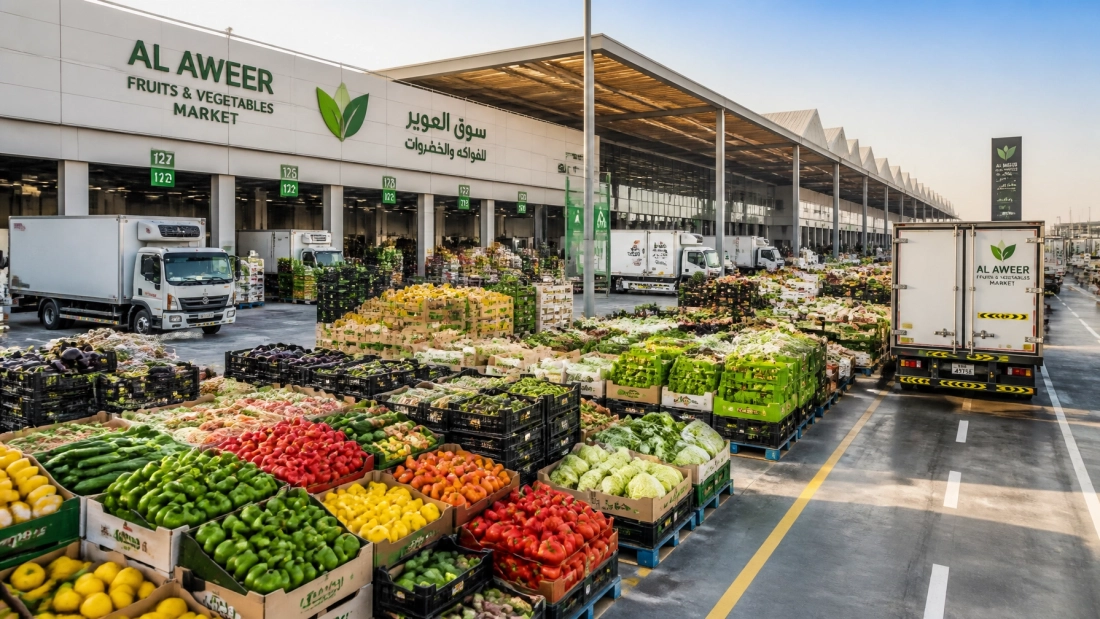
Navigating the landscape of wholesale fruits and vegetables Dubai requires more than just high-quality produce; it demands a rigorous understanding of logistics, regulatory compliance, and market-specific financial models. As a global exporter, entering the UAE market: specifically the Al Aweer Central Fruits & Vegetables Market: presents significant opportunities for volume, but it is also fraught with operational pitfalls that can quickly erode profit margins.
At Mayil Global, we function as a strategic bridge between international exporters and the UAE's primary B2B buyers. Through our specialized distribution services, we address the systemic inefficiencies that often plague the supply chain.
Below are the seven most common mistakes exporters make when targeting the Dubai market and the professional strategies required to mitigate these risks.
1. Accepting High Commission Rates and Hidden Fees
Many exporters enter the UAE market by partnering with traditional agents who charge exorbitant commission rates, often ranging from 5% to 10%, plus additional "market fees" that are rarely transparent. This significantly reduces the net return on every container shipped.
The Fix: The 3% Commission Model
Efficiency in distribution is built on transparency. Mayil Global offers a flat 3% commission-based distribution model designed to maximize exporter margins. By standardizing the commission, we provide a predictable cost structure that allows exporters to price their goods competitively while retaining a higher percentage of the sale value.
2. Overlooking Liquidity Gaps and Credit Risks
A critical error when learning how to export food to dubai is relying on open credit terms with unverified buyers. In the fast-paced wholesale environment of Al Aweer, payment delays are common, and for a high-volume exporter, a single default can be catastrophic.
The Fix: Cash & Carry Wholesale
To solve liquidity challenges, we utilize a "Cash & Carry" model. For qualified consignments, Mayil Global engages in immediate container purchases. This provides exporters with instant liquidity, removing the risk of waiting for weeks or months for local retailers to settle their accounts. Securing daily liquidity in the Aweer market is the most effective way to maintain a healthy cash flow.

3. Inaccurate Documentation and Regulatory Non-Compliance
The UAE authorities maintain strict standards for food safety and traceability. Common mistakes include missing phytosanitary certificates, using incorrect HS codes, or failing to provide accurate packing lists. These errors lead to immediate shipment rejections at the port, resulting in heavy demurrage costs and product spoilage.
The Fix: Rigorous Compliance Standards
When importing onions dubai or any other fresh produce, documentation must be flawless.
- Phytosanitary Certificate: Must be issued by the origin country's plant quarantine authority.
- Certificate of Origin: Required for all international shipments.
- Accurate Labeling: Ensuring labels meet UAE food control regulations.
Working with an established partner like Mayil Global ensures that all regulatory requirements are vetted before the container leaves the origin port.
4. Substandard Packaging for the Middle Eastern Climate
Packaging that works for domestic transport often fails during international transit to the UAE. For example, when exporting onions, using non-ventilated bags or over-stacking pallets leads to moisture buildup and rot. In the heat of Dubai, even a small lapse in packaging integrity can ruin an entire shipment.
The Fix: Optimized Ventilated Packaging
Standardize your packaging for the specific commodity. For onions, we recommend heavy-duty, ventilated mesh bags (typically 5kg, 10kg, or 20kg). For more delicate fruits, reinforced corrugated boxes with appropriate cushioning are non-negotiable. Proper packaging ensures that produce survives the journey and maintains its value at the point of sale.
5. Failure to Maintain Cold Chain Integrity
Freshness is the primary driver of price in the wholesale fruits and vegetables dubai market. Many exporters lose value because they fail to monitor the temperature consistently from the farm to the Al Aweer market. A temperature spike of even a few degrees during transit significantly reduces the shelf life of the produce upon arrival.
The Fix: Strict Quality Control and Monitoring
Mayil Global implements strict quality control with inspection at every stage. We utilize refrigerated containers (reefers) and prioritize logistics providers with proven cold-chain infrastructure. Maintaining a "farm-to-market" temperature-controlled environment is essential for ensuring that premium food products retain their grade-A status.

6. Miscalculating Real-Time Market Pricing in Al Aweer
The Al Aweer market operates on a spot-price basis, where prices fluctuate daily based on global supply levels. Exporters often make the mistake of shipping based on "last week's price," only to find the market flooded with competing supply upon arrival, leading to a price crash.
The Fix: Market Intelligence and Timely Sourcing
Successful exporters leverage real-time data. At Mayil Global, our global supply network across multiple countries allows us to provide exporters with accurate market insights. Understanding seasonal windows: when specific origins are in high demand: is key to maximizing export margins.
7. Partnering with Unverified Distributing Entities
The UAE food market is highly competitive. Many exporters fall victim to "fly-by-night" agents who promise high returns but lack the physical infrastructure, storage facilities, or established B2B buyer relationships to move volume efficiently.
The Fix: Choosing a Verified B2B Wholesale Partner
A reliable partner must have a physical presence, organized logistics, and a transparent operational history. Mayil Global focuses exclusively on B2B supply to supermarkets, restaurants, and wholesale distributors. Our infrastructure includes:
- Hygienic handling and packaging facilities.
- Organized logistics ensuring timely delivery.
- Direct sourcing links that remove unnecessary middlemen.

Conclusion: Securing Your Supply Chain in Dubai
Success in the UAE's fresh produce sector is a result of operational excellence and strategic partnerships. By avoiding these seven common mistakes: particularly regarding commission structures and liquidity: exporters can build a sustainable and profitable trade route into Dubai.
Mayil Global is committed to providing a transparent, efficient, and reliable distribution network. Whether you are exporting onions to Dubai or supplying premium spices and rice, our 3% commission model and Cash & Carry solutions are designed to support your growth.
Contact Mayil Global today to discuss how we can streamline your wholesale operations in the UAE.