

As of July 24, 2026, the UAE continues to consolidate its position as a dominant force in global trade. The first half of the year has yielded unprecedented results for the nation’s non-oil sector, fueled by aggressive trade liberalization and a robust logistics infrastructure. For exporters targeting the Middle East, particularly through the Al Aweer Fruit and Vegetable Market, understanding these macroeconomic shifts and localized price movements is critical for maintaining healthy margins and operational stability.
At Mayil Global, we monitor these developments daily to provide our international partners with the strategic foresight required to navigate the UAE’s competitive landscape. This report details the latest trade statistics, regulatory updates, and market trends currently shaping the fruit and vegetable wholesale industry.
Record-Breaking Growth in UAE Non-Oil Foreign Trade
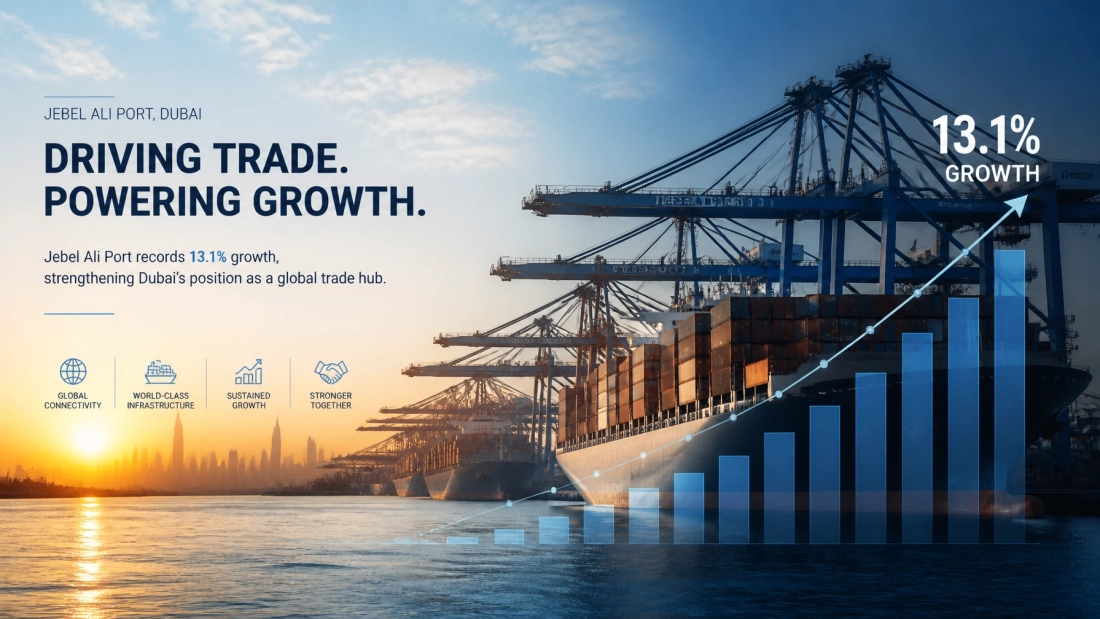
The latest federal data reveals that the UAE’s non-oil foreign trade grew by 13.1% year-on-year in the first half of 2026. Total trade value reached a record Dh1.937 trillion, signaling a period of intense economic expansion. A significant driver of this growth is the non-oil export sector, which surged by 23.9% to reach Dh452.8 billion.
This trajectory is not merely a statistical anomaly but a reflection of the UAE’s long-term strategy to diversify away from hydrocarbon dependency. For global exporters, this means a more liquid market with increased purchasing power and a government committed to reducing trade barriers. The surge in trade volume has necessitated enhancements in sourcing and logistics, ensuring that high-volume shipments can be processed and distributed with maximum efficiency.
CEPA Milestones and Export Control Status
The UAE’s trade diplomacy reached new heights this month. To date, the country has concluded 37 Comprehensive Economic Partnership Agreements (CEPAs), with 18 of these already in full force. These agreements are pivotal for exporters, as they drastically reduce or eliminate tariffs on fresh produce and food products, making UAE-based distribution centers even more attractive for global re-exports.
Furthermore, a significant development in international trade relations occurred as the United States upgraded the UAE to Category A5 export control status. This upgrade simplifies the movement of sensitive technologies and dual-use items, which has secondary benefits for the food industry through the easier acquisition of advanced cold-chain technology and automated sorting systems.

Al Aweer Market Updates: Supply Abundance and Price Trends
Current data from the Al Aweer Fruit and Vegetable Market indicates a sustained downward trend in wholesale prices across several key categories. This softening of the market is attributed to an abundance of agricultural shipments arriving from a diverse range of global suppliers.
Volatility and Daily Price Fluctuations
While the general trend is downward, Al Aweer remains a highly volatile environment. Prices fluctuate daily based on supply volume, seasonal shifts, and the specific quality of the arriving cargo.
- Onions: Wholesale rates for new-crop onions (18 kg) have averaged approximately AED 1.95/kg this week, representing a 41% decrease compared to prices recorded just one month ago.
- Vegetable Staples: Items such as cauliflower, cucumbers, and gourds have seen intraday swings of up to 30%, driven by immediate inventory levels at the market.
- Fruit Trends: Premium fruits, including apples and citrus, are experiencing moderate upward pressure. This is largely due to the seasonal transition from Southern Hemisphere origins and a 20% increase in regional freight charges.
For exporters, this volatility highlights the necessity of a verified buyer for exporters in the UAE. Securing a partner who can manage rapid price changes while maintaining steady cash flow is essential.

Navigating UAE Food Import Regulations in 2026
To maintain market access, exporters must adhere to the stringent regulatory framework overseen by the Ministry of Climate Change and Environment (MOCCAE). Compliance is non-negotiable and requires meticulous attention to detail.
- MOCCAE Approval: Every shipment must be cleared by MOCCAE to ensure it meets the UAE’s biosecurity and plant health standards.
- ZAD System Registration: All food products must be registered within the ZAD national food security system for tracking and quality assurance.
- Labeling Requirements (UAE.S GSO 9:2019): Labels must be Arabic-compliant and include production/expiry dates, country of origin, and nutritional information.
- Health and Halal Certification: Health certificates are required for all produce. For meat-related products or those containing animal derivatives, Halal certification from a UAE-recognized body is mandatory.
At Mayil Global, we emphasize strict quality control at every stage. Our processes ensure that all imported produce meets these federal standards, protecting both the exporter and the end consumer.

Strategic Advantage: The 3% Commission Distributor Model
For international exporters seeking to enter or expand within the UAE, the traditional distribution model often involves high risks and opaque fee structures. Mayil Global offers a transparent and highly competitive alternative: the 3 percent commission distributor UAE model.
This model is designed to maximize the exporter's profit while leveraging our established local presence and operational expertise.
Why Partner with Mayil Global?
- Low Commission, High Transparency: We operate on a fixed 3% commission basis, providing exporters with clear visibility into their potential returns without hidden costs.
- Verified Buyer Status: As a recognized verified buyer for exporters in the UAE, we offer the security and reliability that international shippers require.
- Immediate Cash-and-Carry: For high-volume traders, we facilitate immediate container purchases, ensuring rapid turnover and liquidity.
- Efficient B2B Distribution: We supply directly to major supermarkets, restaurants, and retailers across the UAE, bypassing unnecessary intermediaries.
Our 3% commission strategy explained in our previous deep-dives highlights how this approach provides daily liquidity to market participants, particularly in high-volume categories like onions and tomatoes.

Conclusion: Operational Excellence in a Growing Market
The UAE export news for July 24, 2026, reinforces a simple truth: the market is expanding, but it favors those who prioritize reliability and regulatory compliance. The growth in non-oil trade and the expansion of the CEPA network create fertile ground for exporters. However, the price volatility at the Al Aweer market requires a disciplined approach to distribution.
Mayil Global remains dedicated to being the premier wholesale supplier of fresh produce and premium food products. Our focus on farm-direct sourcing and organized logistics ensures that our partners receive consistent quality and timely delivery.
For exporters ready to leverage the UAE's record-breaking trade growth, partnering with a verified distributor is the most critical step in your supply chain strategy.
Contact Mayil Global today to discuss our 3% commission model and how we can facilitate your container-level exports to the Dubai market.