

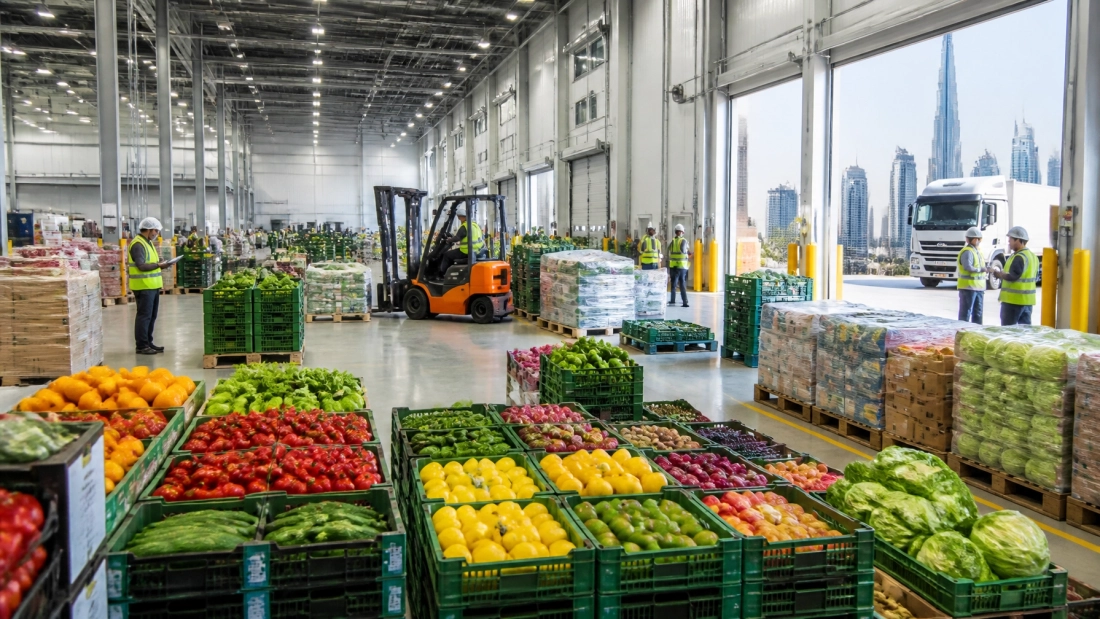
Navigating the Al Aweer Fruit and Vegetable Market in Dubai requires more than just high-quality produce; it demands a sophisticated understanding of the local commission structures. For international exporters and container owners, the promise of a 3 percent commission distributor in UAE is often the primary draw. This model, when executed correctly, offers unparalleled margins and rapid liquidity. However, many business owners fall into operational traps that erode these benefits.
Securing a reliable partnership with food distribution companies in UAE is a strategic move, but errors in vetting and management can lead to significant financial leakage. Below, we outline the seven most critical mistakes exporters make when engaging with the 3% commission model and the professional protocols required to fix them.
1. Conflating Headline Rates with Total Cost of Distribution
The most frequent error is accepting a 3% commission rate without scrutinizing the underlying fee schedule. In many traditional setups, a low headline rate is offset by "hidden" costs, including inflated handling fees, cooling surcharges, and unspecified administrative levies.
The Fix: Demanding an Itemized Fee Schedule
Before dispatching a container, you must secure a written cost structure that clearly separates the 3% commission from fixed operational costs. Professional distributors like Mayil Global provide a transparent breakdown, ensuring that wholesale fruits and vegetables in Dubai are handled with predictable costs. Ensure your agreement caps handling and storage fees per pallet or ton to prevent margin erosion.
2. Neglecting Real-Time Data and Information Transparency
Information asymmetry is a persistent challenge in the UAE wholesale market. Exporters often wait days or weeks to receive sales summaries, only to find unexplained "market loss" deductions or lower-than-expected sales prices. Without real-time visibility, you lose the ability to adjust your supply chain in response to market fluctuations.

The Fix: Implementing Daily Reporting Protocols
Insist on a partner that provides daily sales and settlement reports. These reports should detail the quantity sold, the unit price achieved, and the remaining stock balance. Access to this data allows for better decision-making regarding future shipments and ensures that your 3 percent commission distributor in UAE is maintaining high-velocity sales.
3. Partnering with Non-Asset Based "Paper" Brokers
Many entities claiming to be distributors are merely intermediaries with no physical infrastructure in Al Aweer. These brokers sub-contract the handling, storage, and sales, leading to higher damage rates, increased shrinkage, and a lack of accountability during quality disputes.
The Fix: Verifying Physical Infrastructure and Logistics
Prioritize distributors that own or lease dedicated cold storage and handling units. Verifying that your partner has a physical presence: such as a registered unit in Al Aweer: ensures they have direct control over the quality and safety of your produce. Proper storage and handling from farm to market are non-negotiable pillars of a successful B2B supply chain.
4. Misunderstanding the "Cash" in Cash & Carry Wholesale
A significant mistake is assuming that all "Cash & Carry" operators provide immediate liquidity. Some distributors use the exporter’s stock to provide 15–30 days of credit to local retailers, effectively forcing the exporter to finance the distributor's customers. This negates the primary advantage of the cash and carry food wholesale Dubai model.

The Fix: Validating Settlement Cycles
Ask specifically: "What percentage of sales is cash-based, and what is the exact payment schedule for the exporter?" A true cash and carry model should offer daily or near-daily settlements. This rapid cash cycle is essential for maintaining operational liquidity and reinvesting in your next shipment.
5. Accepting Vague Quality Claims and Market Loss Deductions
Without standardized arrival inspection procedures, exporters are vulnerable to arbitrary quality claims. "Market loss" or "damaged goods" are often used as catch-all terms for price reductions that haven't been properly documented or justified.
The Fix: Standardizing Arrival Inspections and Documentation
Establishing a rigorous inspection protocol upon arrival is mandatory. This includes high-resolution photo or video documentation of the container opening and the condition of the pallets. Agreeing on an acceptable wastage percentage in advance and requiring third-party surveys for major claims protects both the exporter and the distributor.
6. Shipping Without Synchronizing with Local Market Seasonality
Exporting high volumes of produce during local harvest peaks or periods of oversupply is a strategic failure. Many exporters rely on outdated market data or "gut feelings," resulting in containers sitting in cold storage while prices plummet.

The Fix: Utilizing Local Market Feedback Loops
Your distributor should serve as your eyes and ears on the ground. Before loading a container of premium spices or fresh produce, consult with your partner about current stock levels and price trends. A 3% commission distributor only profits when you profit; therefore, they should provide data-driven advice on shipment timing and volume to maximize your returns.
7. Operating Without a Comprehensive Distribution Agreement
Relying on verbal agreements or informal WhatsApp messages is a risk many exporters take to save time. However, when disputes over payment timelines or audit rights arise, the lack of a formal contract becomes a liability.
The Fix: Formalizing Audit Rights and Termination Clauses
Ensure your distribution agreement includes a clause granting you the right to audit sales records. This transparency ensures that the prices reported to you match the prices at which the goods were sold to retailers. Clearly define the conditions for termination, such as delayed payments or failure to provide daily reports, to maintain professional leverage.
Building a Dependable Supply Chain with Mayil Global
Success in the UAE food wholesale sector depends on choosing a partner committed to operational excellence and transparency. At Mayil Global, we have institutionalized the 3% commission model to serve the specific needs of international exporters and local B2B buyers.
Why Exporters Choose Mayil Global:
- Transparent 3% Commission: No hidden percentages; a flat rate focused on volume and efficiency.
- Immediate Cash-and-Carry Liquidity: We prioritize cash transactions to ensure fast settlements and daily liquidity.
- Rigorous Quality Control: Every shipment undergoes inspection at our controlled facilities to ensure safety and hygiene.
- Direct B2B Network: We supply directly to major supermarkets, restaurants, and retailers across the UAE, bypassing unnecessary intermediaries.
By avoiding these seven common mistakes and implementing professional fixes, you can transform your UAE export operations into a high-margin, high-velocity business. For exporters seeking a reliable 3 percent commission distributor in UAE, Mayil Global provides the infrastructure and transparency required to dominate the market.
Ready to secure your margins? Contact our procurement team today to discuss your next container shipment and experience the Mayil Global advantage.