

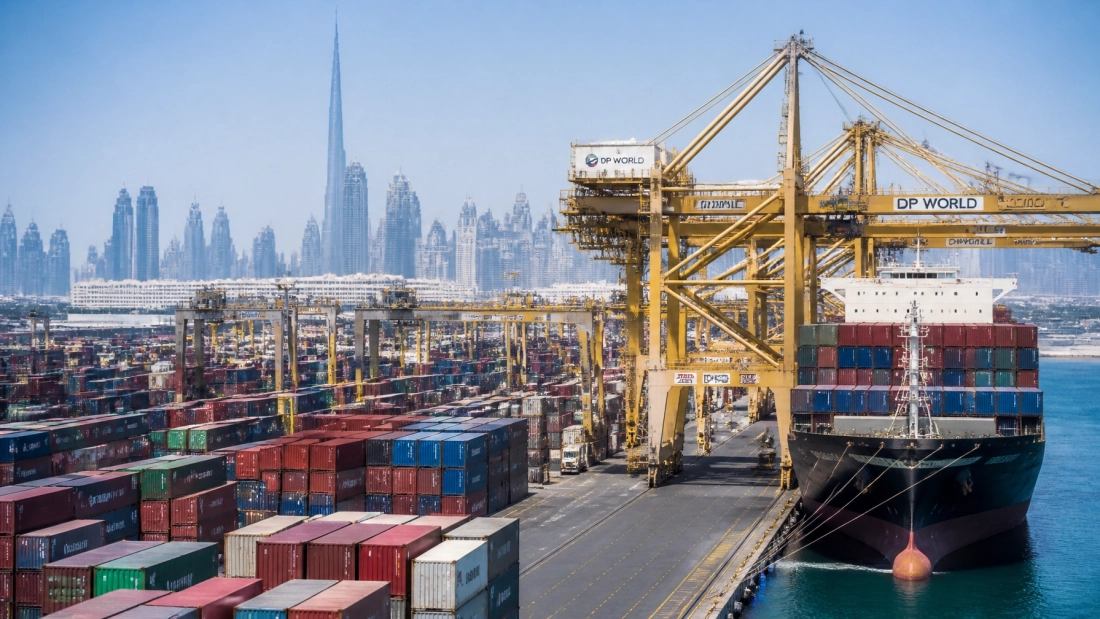
Dubai stands as the preeminent commercial gateway between the East and the West, offering unparalleled opportunities for global food exporters. As a central hub for the Middle East and North Africa (MENA) region, the city’s demand for high-quality, fresh produce continues to surge. However, navigating the complexities of international trade requires a deep understanding of local regulations, logistics, and market dynamics.
At Mayil Global, we specialize in bridging the gap between international producers and the UAE market. This guide, part of our Verified Buyer series, provides a comprehensive overview of how to export food to Dubai, ensuring your operations are compliant, efficient, and profitable. From regulatory adherence to our industry-leading 3% commission model, we provide the infrastructure necessary for your success.
1. Understanding the UAE Market: A Strategic Overview
The UAE relies heavily on imports to meet its food security needs, with over 80% of its food products coming from international markets. For exporters, this represents a stable and high-volume demand environment. The primary entry point for sea freight is Jebel Ali Port, the largest man-made harbor in the world and a cornerstone of regional logistics.
Upon arrival, the majority of fresh produce is channeled through the Al Aweer Central Fruit & Vegetable Market. This 100-hectare facility serves as the nerve center for wholesale fruits and vegetables in Dubai, where prices are determined daily by real-time supply and demand. Success in this market requires a partner who understands these micro-fluctuations and can manage large-scale distribution with precision.
2. Navigating the Regulatory Framework: How to Export Food to Dubai
Compliance is the non-negotiable foundation of food export. The UAE maintains rigorous standards to ensure food safety and public health. To successfully navigate this landscape, exporters must adhere to the requirements set by the Dubai Municipality (DM) and the Ministry of Climate Change and Environment (MOCCAE).
Product Registration and Foodwatch
Every food item imported into the city must be registered on the Dubai Municipality Foodwatch platform. This digital ecosystem tracks food products throughout the supply chain. Your local partner: such as Mayil Global: manages this registration, ensuring that labels, nutritional information, and ingredient lists comply with UAE/GSO standards.
Essential Documentation
To avoid delays or rejections at the port, a complete and accurate document pack is mandatory. This typically includes:
- Commercial Invoice: Detailing HS codes, quantities, and unit prices.
- Packing List: Specifying weights and packaging types.
- Bill of Lading: The primary transport document.
- Certificate of Origin: Issued by your local Chamber of Commerce.
- Phytosanitary Certificate: Critical for fresh produce, certifying the goods are free from pests and diseases.
- Health Certificate: Confirming the products are fit for human consumption.
Labelling Requirements
Labels must be clear and, in most cases, bilingual (Arabic and English). Mandatory information includes the product name, country of origin, production and expiry dates, and storage conditions. Maintaining strict adherence to these details is essential for clearing customs efficiently.
3. Logistics and Cold Chain Integrity

The journey from farm to market requires a robust sourcing and logistics strategy. Given Dubai’s high temperatures, maintaining a continuous cold chain is paramount. Any break in temperature control can result in significant quality degradation and financial loss.
Delivering excellence in logistics involves:
- Refrigerated Transport: Utilizing state-of-the-art reefer containers for sea and land transport.
- Hygienic Handling: Ensuring all touchpoints follow international safety standards.
- Organized Distribution: Moving goods rapidly from Jebel Ali Port or Dubai International Airport to Al Aweer market to minimize shelf-time at the port.
By focusing on functional clarity and operational excellence, Mayil Global ensures that your produce arrives in peak condition, ready for the competitive wholesale environment.
4. Al Aweer Market Dynamics: Wholesale Fruits and Vegetables Dubai

The Al Aweer market operates on a transparent but fast-moving pricing model. Unlike retail markets with fixed prices, the wholesale fruits and vegetables Dubai market fluctuates based on:
- Arrival Volumes: The number of containers arriving from competing origins (e.g., India, Egypt, South Africa).
- Seasonal Demand: Increased consumption during Ramadan and tourist seasons.
- Produce Grade: Higher quality and better packaging consistently command premium prices.
Exporters must stay informed of these daily rates to optimize their shipping schedules. Mayil Global provides real-time market intelligence, allowing our partners to make data-driven decisions on when to hold or release their stock.
5. Maximizing Your Margins: The Mayil Global 3% Commission Model
One of the most significant challenges for international exporters is the cost of local distribution. Traditional agents often charge high fees, eating into the exporter's profit margins. At Mayil Global, we have disrupted this model to provide a more lucrative path for our partners.
The 3% Commission Advantage
We offer a transparent 3% commission-based distribution model for verified exporters. This low-cost structure is designed to attract high-volume suppliers who prioritize long-term profitability. By capping our commission, we ensure that the vast majority of the market value returns to the producer.
For a detailed breakdown of how this works, read our guide on the 3% commission strategy.
Cash & Carry Wholesale
In addition to commission-based sales, we operate a robust Cash & Carry model. This provides immediate liquidity for exporters, allowing for the rapid turnaround of capital. For local UAE B2B buyers: such as restaurants and retailers: this model ensures a steady supply of fresh produce at wholesale prices.
Explore how our Cash & Carry model can solve liquidity gaps in your supply chain.
6. Case Study: Importing Onions Dubai

Onions are one of the highest-volume commodities in the UAE. Importing onions to Dubai requires a specific focus on origin and storage. Major suppliers include India, Pakistan, and Egypt, each with varying seasonal windows.
Ensuring success in onion export involves:
- Quality Grading: Onions must be well-dried, free from sprouts, and uniform in size.
- Packaging: Breathable mesh bags are standard to prevent moisture buildup and rot.
- Market Timing: Monitoring competitors' harvest cycles is crucial. For example, when Indian onion exports are restricted, opportunities for other origins increase significantly.
Mayil Global actively facilitates the import of bulk onions, leveraging our 3% commission model to maximize exporter returns. Learn more about exporting onions to Dubai and how we handle high-demand staples.
7. Why Partner with Mayil Global?

Choosing the right partner is the most critical decision in your export journey. Mayil Global is not just a distributor; we are a strategic extension of your business in the UAE.
- Farm-Direct Sourcing: We prioritize direct relationships with trusted farms and global suppliers.
- Strict Quality Control: Every stage of the process involves rigorous inspection to maintain international safety standards.
- Global Supply Network: We maintain a steady supply across multiple countries, ensuring reliability even during global supply chain disruptions.
- B2B Focus: Our infrastructure is built to serve supermarkets, restaurants, and wholesale distributors, providing you with a ready-made buyer network.
By partnering with us, you gain access to a professional, authoritative, and reliable distribution network that prioritizes your growth and financial stability.
Conclusion: Securing Your Future in the UAE Market
Exporting food to Dubai is a complex but highly rewarding venture for those who approach it with the right information and partnerships. By understanding the regulatory requirements of the Dubai Municipality and MOCCAE, maintaining cold chain integrity, and utilizing Mayil Global’s innovative 3% commission and Cash & Carry models, you can establish a dominant presence in the UAE market.
Whether you are importing onions to Dubai or supplying a wide range of wholesale fruits and vegetables, our operational excellence ensures your produce reaches the right buyers at the right price.
Ready to start your journey? Contact Mayil Global today to discuss how our distribution network can scale your export business.