

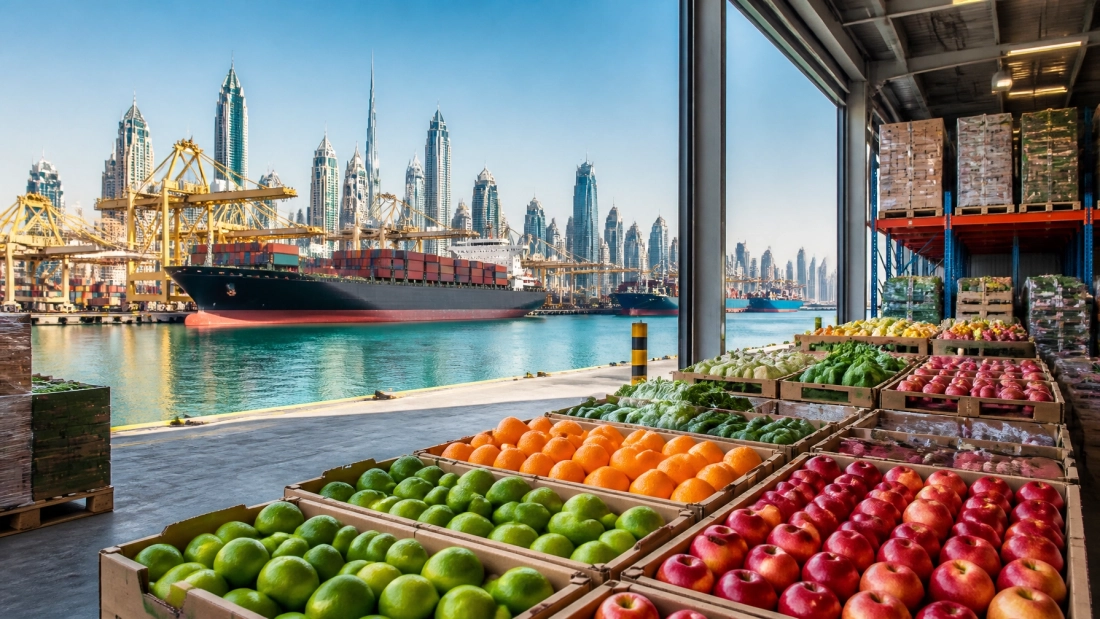
Maintaining a competitive edge in the global food trade requires more than just high-quality produce; it demands a sophisticated understanding of market dynamics, regulatory shifts, and reliable distribution networks. For global shippers, the United Arab Emirates (UAE) represents one of the most lucrative and strategically significant hubs in the Middle East. However, the complexity of UAE export news and the rapid pace of the Al Aweer market can be daunting for even experienced exporters.
Mayil Global, a leading wholesale supplier and distributor in the UAE, specializes in bridging the gap between international producers and local demand. By leveraging our robust infrastructure and deep-rooted market expertise, we provide exporters with the tools necessary to navigate the UAE's food ecosystem efficiently. This guide outlines five critical steps to mastering the UAE market, ensuring that your shipments are met with verified buyers and optimal profit margins.
Navigating the Landscape of UAE Export News
Successful trade begins with information. Staying updated on UAE export news is essential for anticipating changes in demand, adjusting pricing strategies, and ensuring compliance with evolving standards. The UAE government frequently updates its trade policies to align with global food safety standards and national food security goals.
Monitoring Regulatory Shifts
The UAE's food regulatory framework is governed by stringent federal laws, such as Federal Law No. 10 of 2015 on Food Safety. These regulations dictate the handling, labeling, and inspection of all imported food products. As we progress through 2026, the focus has shifted towards increased traceability and digital documentation. Shippers must monitor updates from the Ministry of Climate Change and Environment (MOCCAE) and local municipalities to ensure their products meet the latest specifications.
Staying Ahead of Strategic Food Security Laws
The Strategic Food Security Law (Federal Law No. 3 of 2020) remains a cornerstone of the UAE's trade policy. This law empowers authorities to manage the supply of essential commodities like rice, onions, and potatoes. For exporters, this means that partnering with a verified buyer for exporters in the UAE who understands these obligations is vital. Buyers must maintain safety stocks, and exporters who can provide consistent, reliable volumes are often prioritized for long-term contracts.
Step 1: Analyzing Daily Al Aweer Market Updates

The Al Aweer Central Fruit and Vegetable Market in Dubai is the heartbeat of the region’s fresh produce trade. Understanding Al Aweer market updates is non-negotiable for any shipper looking to optimize their sales timing.
Understanding Price Fluctuations
Prices in Al Aweer are highly sensitive to daily supply volumes and regional demand. For instance, a delay in shipments from India can cause a sharp spike in the price of onions or ginger. Conversely, a surplus of seasonal fruits like mangoes or citrus can lead to price compression. By monitoring daily price trends, exporters can decide whether to accelerate their shipments or hold stock to maximize returns. Mayil Global provides real-time insights into these fluctuations, helping our partners make data-driven decisions.
Identifying Volume and Supply Trends
Volume trends at Al Aweer often dictate the broader market sentiment across the GCC. As a major re-export hub, Dubai redistributes significant portions of its imports to Saudi Arabia, Oman, and Kuwait. Tracking these movements allows shippers to identify which products are in high demand and which segments are becoming saturated. Consistent monitoring of these trends ensures that your sourcing and logistics remain aligned with actual market needs.
Step 2: Mastering Documentation and Compliance

Operational excellence in the UAE market is predicated on meticulous documentation. Any error in paperwork can lead to costly delays at the port or even the rejection of the entire shipment.
Product Registration and Labeling
Every food product must be registered in the federal or emirate-level food control systems before it can enter the market. Labeling requirements are particularly strict, requiring mandatory Arabic text, clear production and expiry dates, and a full list of ingredients including allergens. Failure to comply with GSO (GCC Standardization Organization) standards is one of the leading causes of import rejections.
Securing Essential Health and Phytosanitary Certificates
For fresh produce, a Phytosanitary Certificate from the exporting country is mandatory to prove the goods are free from pests. For processed foods and meats, Halal certification from a UAE-approved body is essential. Managing these documents requires a proactive approach. At Mayil Global, we ensure that all our premium food products, from spices to farm-fresh eggs, undergo rigorous inspection and meet every regulatory benchmark before reaching the retailer.
Step 3: Utilizing the 3% Commission Distributor Model
For many global shippers, the most efficient way to enter the UAE market is through a commission-based distribution model. This approach minimizes risk while maximizing local market penetration.
Why a 3 Percent Commission Distributor in the UAE is the Gold Standard
The 3 percent commission distributor UAE model is designed for transparency and high-volume trade. Unlike traditional traders who may take large margins or hide the actual selling price, a commission agent works on a fixed, transparent fee. This ensures that the exporter receives the maximum possible return on their goods, minus a small service fee for handling the local logistics, sales, and collections. This model is particularly effective for high-turnover items like tomatoes, onions, and potatoes.
Mayil Global's Specialized Distribution Framework
Mayil Global has pioneered a streamlined distribution framework that prioritizes the exporter's profitability. Our 3% commission strategy is built on the pillars of honesty and efficiency. We manage the entire process: from port clearance to final sale at Al Aweer or directly to supermarkets: allowing you to focus on your core production while we handle the complexities of the UAE market. This model has proven successful for ginger exporters and tomato shippers looking to secure their margins.
Step 4: Identifying a Verified Buyer for Exporters in the UAE

Finding a verified buyer for exporters in the UAE is the difference between a successful business venture and a financial loss. The market is filled with intermediaries, making it crucial to identify partners with established creditworthiness and physical infrastructure.
Due Diligence and Background Verification
Before committing to a shipment, exporters must verify the legal status and trade history of their potential buyers. A verified buyer should possess a valid UAE trade license, a VAT registration certificate, and a physical presence in the market (such as warehouses or stalls in Al Aweer). Mayil Global maintains a sterling reputation as a verified partner, serving a broad network of supermarkets, restaurants, and wholesale distributors across the UAE.
The Immediate Benefits of Cash-and-Carry Agreements
To mitigate liquidity risks, many exporters now prefer the "cash-and-carry" or "immediate purchase" model. This involves the buyer taking ownership of the container immediately upon arrival and providing payment, thus eliminating the long waiting periods associated with traditional credit terms. For products like bulk rice, this model ensures that exporters maintain a healthy cash flow and can reinvest in their next shipment without delay.
Step 5: Building Long-Term Strategic Partnerships

The final step in navigating the UAE market is transitioning from one-off shipments to long-term strategic partnerships. The UAE market rewards consistency and quality.
Ensuring Consistent Supply and Quality Control
Maintaining a steady supply of fresh produce, such as onions, helps build trust with local retailers and supermarkets. When a buyer knows they can rely on your quality and timing, they are more likely to offer better terms and larger volumes. Implementing strict quality control at the source and during the logistics phase is essential to preventing spoilage and maintaining the "premium" status of your products.
Leveraging Local Expertise for Market Expansion
Partnering with an established distributor like Mayil Global allows you to leverage our local relationships and market insights. We don't just move boxes; we build brands. Whether you are exporting lemons or premium spices, our team provides the on-ground support needed to expand your footprint in the UAE and beyond.
Conclusion
Navigating the UAE's vibrant but complex export landscape requires a blend of real-time market intelligence, regulatory compliance, and trustworthy partnerships. By staying informed through UAE export news, monitoring Al Aweer market updates, and utilizing a transparent 3 percent commission distributor in the UAE, global shippers can unlock unprecedented growth opportunities.
Mayil Global stands ready to be your verified buyer for exporters in the UAE. Our commitment to farm-direct sourcing, strict quality control, and efficient distribution ensures that your products reach the right market at the right time, every time. Contact us today to discuss how our 3% commission or cash-and-carry models can elevate your export business.