

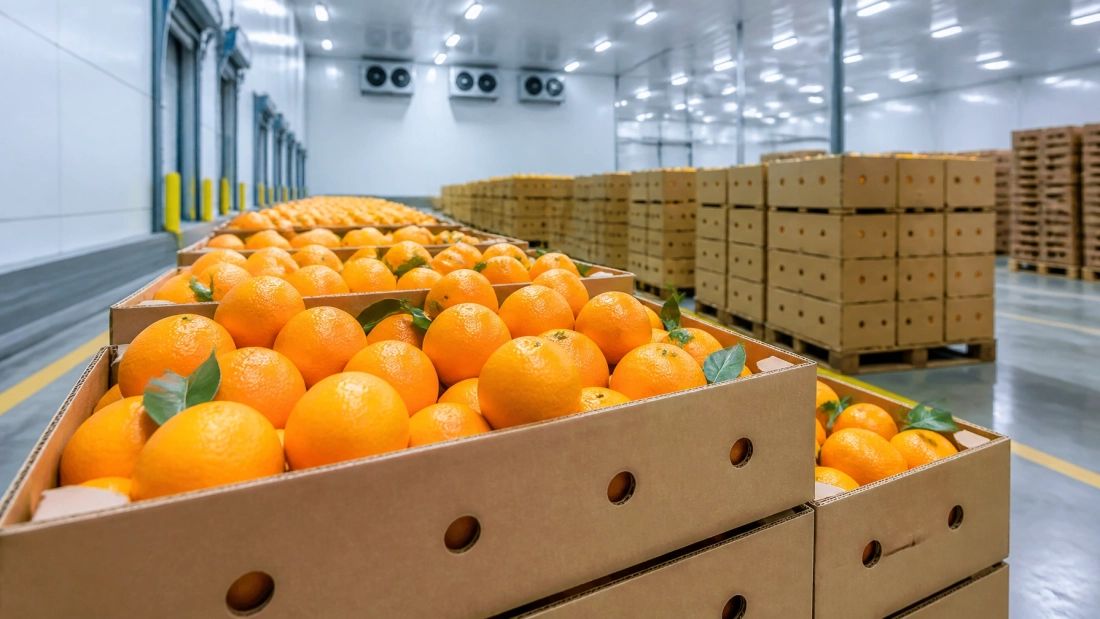
The United Arab Emirates (UAE), specifically Dubai, represents one of the most lucrative hubs for global citrus trade. As a gateway to the Middle East and North Africa, the demand for high-quality oranges: ranging from Valencias for juicing to Navels for table consumption: remains consistently high. However, entering this market is not merely a matter of logistics; it requires a rigorous adherence to quality standards and a deep understanding of local market dynamics.
Many international exporters fail to realize their full profit potential because of avoidable errors in sourcing, packing, and financial structuring. For those currently asking, "Looking for an orange buyer in Dubai?", the solution lies in moving beyond traditional brokerage and adopting a more transparent, efficient distribution model.
At Mayil Global, we facilitate these connections by offering a 3% commission-based distribution model and immediate cash-and-carry container purchases, ensuring that exporters maximize their margins while minimizing risk. Below are the seven most common mistakes exporters make when shipping oranges to the UAE and how to correct them.
1. Bypassing Certified Packing Houses
A frequent error among emerging exporters is sourcing fruit directly from farms and loading it into containers without professional intervention. In the Dubai market, "farm-direct" without professional processing is a liability, not an asset.
The Fix: Every shipment must pass through a certified packing house. These facilities are responsible for washing, waxing, fungicidal treatment, and, most importantly, pre-cooling. Without removing "field heat" before loading, oranges are prone to rapid decay and fungal growth during the transit period. Ensuring your produce is processed in a facility with standardized SOPs is the first step in maintaining the integrity of your fresh produce supply.

2. Inconsistent Sizing and Grading
Dubai’s wholesale markets and premium retailers demand extreme consistency. A common mistake is shipping "mixed lots" where oranges of varying diameters are packed in the same carton. This lack of uniformity complicates the pricing structure for buyers and often results in significant discounts at the point of sale.
The Fix: Implement strict grading and sizing at the packing house. Follow international count standards (e.g., 42, 48, 54, or 60 count per 15kg carton). Consistency in color, brix (sugar levels), and skin texture is non-negotiable. At Mayil Global, our strict quality control involves inspection at every stage to ensure that the produce meets the specific requirements of our B2B clients, including supermarkets and restaurants.
3. Failures in Cold Chain and Humidity Management
Oranges are resilient, but they are not indestructible. Many exporters fail to monitor the specific atmospheric requirements of the reefer container. Loading warm fruit or setting the wrong humidity levels leads to condensation, which is the primary driver of mold and rind breakdown.
The Fix: Maintain a stable cold chain from the packing house to the Dubai port. For oranges, the recommended temperature is typically around 4°C with a relative humidity of 90–95%. Use export-grade, ventilated cartons that allow for adequate airflow within the container.

4. Documentation and Phytosanitary Non-compliance
The UAE’s Ministry of Climate Change and Environment (MoCCAE) enforces strict regulations on imported perishables. Incomplete paperwork is one of the leading causes of container rejection or costly delays at Jebel Ali Port.
The Fix: Ensure every shipment is accompanied by a valid Phytosanitary Certificate, Certificate of Origin, and detailed Commercial Invoices. Furthermore, exporters must comply with Maximum Residue Limits (MRLs) for pesticides. Failure to provide accurate documentation not only risks the immediate shipment but can also lead to a blacklist of the exporter’s license in the region.
5. Miscalculating Seasonal Variety Demand
The Dubai market shifts its preference based on the season and the origin of the fruit. Shipping Navel oranges when the market is oversupplied with Valencias: or vice versa: can lead to stagnant inventory and price drops.
The Fix: Align your harvest and export schedule with the UAE’s seasonal demand. Navels are typically preferred for their eating quality during the winter months, while Valencias dominate the juicing sector year-round. Understanding these nuances is critical for maintaining a reliable supply of fresh fruits.
6. High Middleman Commissions
Traditionally, exporters have relied on brokers who charge exorbitant fees, often ranging from 8% to 15%, to facilitate sales in the Al Aweer Fruit and Vegetable Market. These high commissions erode the exporter's profit margins, especially in a competitive commodity market.
The Fix: Opt for a transparent commission structure. Mayil Global offers a 3% commission-based distribution model. This allows exporters to leverage our extensive local network of supermarkets and wholesalers while retaining a much larger share of the revenue. By reducing the "middleman tax," we ensure that the financial benefits of the trade are directed back to the source.

7. Liquidity and Credit Risks (The 30-Day Trap)
Many exporters fall into the "30-day trap," where they provide unsecured credit to buyers, only to face payment delays or forced price renegotiations once the fruit has already arrived. This creates significant liquidity gaps for the exporter.
The Fix: Utilize a Cash & Carry model. At Mayil Global, we provide immediate cash-and-carry purchases for containers, offering exporters the liquidity they need to reinvest in their next shipment immediately. This eliminates the uncertainty of the 30-day payment cycle and provides a secure, predictable financial outcome for every container sent to Dubai.

Why Partner with Mayil Global?
Success in the UAE orange market requires more than just high-quality fruit; it requires a partner with on-ground expertise and a commitment to operational excellence. Mayil Global is a leading wholesale supplier of fresh produce in the UAE, specializing in B2B supply chains for the most demanding retailers and distributors.
Our unique value proposition includes:
- 3% Commission Model: Transparent, low-cost distribution to maximize exporter profits.
- Cash & Carry: Immediate payment options to solve liquidity challenges.
- Global Supply Network: Sourcing from trusted farms and global suppliers to maintain a steady flow of premium products.
- Organized Logistics: Efficient distribution ensuring that produce moves from the port to the market in peak condition.
Secure Your Position in the Dubai Market
If you are an international exporter ready to optimize your orange shipments to the UAE, avoid the common pitfalls of inconsistent quality and high commissions. By focusing on rigorous standards and partnering with a transparent distributor like Mayil Global, you can secure a long-term, profitable presence in the region.
Looking for an orange buyer in Dubai? Contact Mayil Global today to discuss how our 3% commission and Cash & Carry models can transform your export business.